REVIEW · LISBON
Fado: Musical Walking Tour with Food & Live Show
Book on GetYourGuide →Operated by LISBOA AUTÊNTICA LDA · Bookable on GetYourGuide
Fado hits hardest on foot. This 3-hour Lisbon walk is guided by a live fado singer and a local historian, tracing the roots of the music through Mouraria alleyways near Praca Martim Moniz.
I like the story-first way it explains fado’s origins and the different styles, so you listen with context instead of guessing. It also stays personal in a small group of up to 8, with guides such as Rita or Elena making the songs intelligible.
The meal is the classic setup: caldo verde followed by barbecued chouriço with bread and wine, so if you avoid meat or fish you should check what will work for you before booking.
In This Review
- Key highlights that make this tour worth your time
- Fado on a walking tour: why this format works
- Starting at Capela de Nossa Senhora da Saude near Martim Moniz
- Mouraria alleys and squares: getting past the usual tourist path
- Inside typical fado houses: what you’re really seeing
- The live singer role: how the emotion gets translated
- Alfama’s food stop: caldo verde and barbecued chouriço with wine
- Price and value: does $100 make sense for 3 hours?
- Small group pacing and language support
- Who should book, and who should skip
- Practical tips for a smooth, comfortable night
- Should you book this Mouraria to Alfama fado tour?
- FAQ
- How long is the Fado Musical Walking Tour?
- Where does the tour meet?
- What’s included in the tour price?
- What food is served during the experience?
- Is it a small group tour?
- What languages are available?
- Is this tour recommended for small children?
- Is the tour suitable for people with mobility impairments?
- What is the cancellation policy?
Key highlights that make this tour worth your time
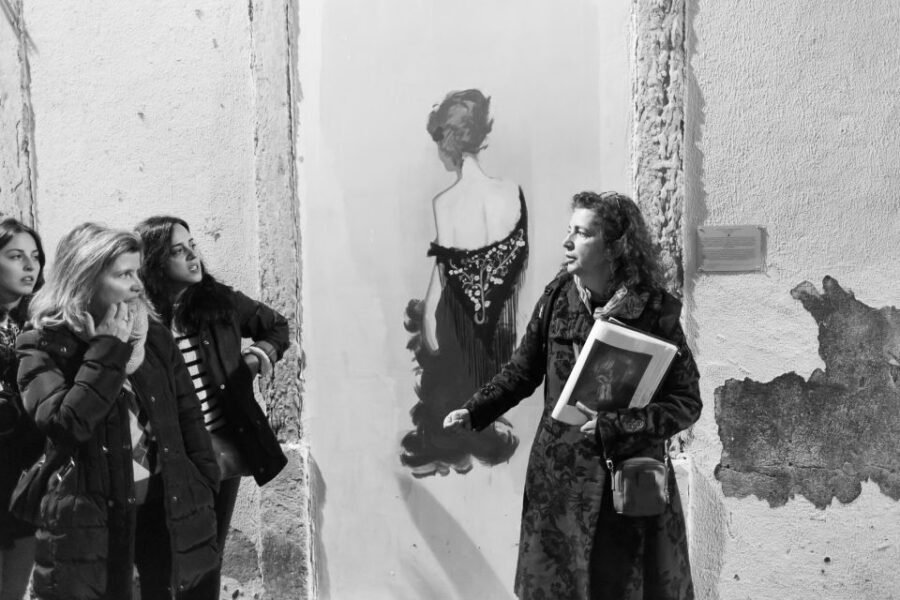
- A live fado singer stays with you during the walk so the music feels tied to the street, not just a stage
- Mouraria and Martim Moniz come first, which helps you understand how fado developed away from the main tourist lanes
- Typical fado houses are part of the route, including long-running places where fadistas have built their living for decades
- You end with a real Portuguese meal in Alfama, not a quick snack far from where fado is actually performed
- Small group size (max 8) keeps the experience conversational, not lecture-style
Fado on a walking tour: why this format works
Fado is one of those Lisbon things people think they already understand. But you rarely get the “why” when you only catch a show after dinner. This tour gives you that missing layer by pairing the walk with an on-the-spot guide and live singer.
The key is that you don’t just hear music. You get the story behind it—where it comes from, how it evolved, and why it fits everyday life in Lisbon. That matters because fado isn’t one single sound. There are different flavors, and once you learn what you’re listening for, the emotion lands faster.
It also helps that the guide and singer work together. You’ll hear songs performed live, and the guide can connect what you’re hearing to the background you’ve just been learning. That turns fado from a vibe into something you can actually follow. And if you care about culture that’s still lived, not just displayed, this format usually feels more honest.
You can also read our reviews of more walking tours in Lisbon



Starting at Capela de Nossa Senhora da Saude near Martim Moniz
The tour begins at Capela de Nossa Senhora da Saude in Praca Martim Moniz. This is a practical choice. You’re starting in an area that’s more about real neighborhood life than postcard viewpoints, which sets the tone for the whole evening.
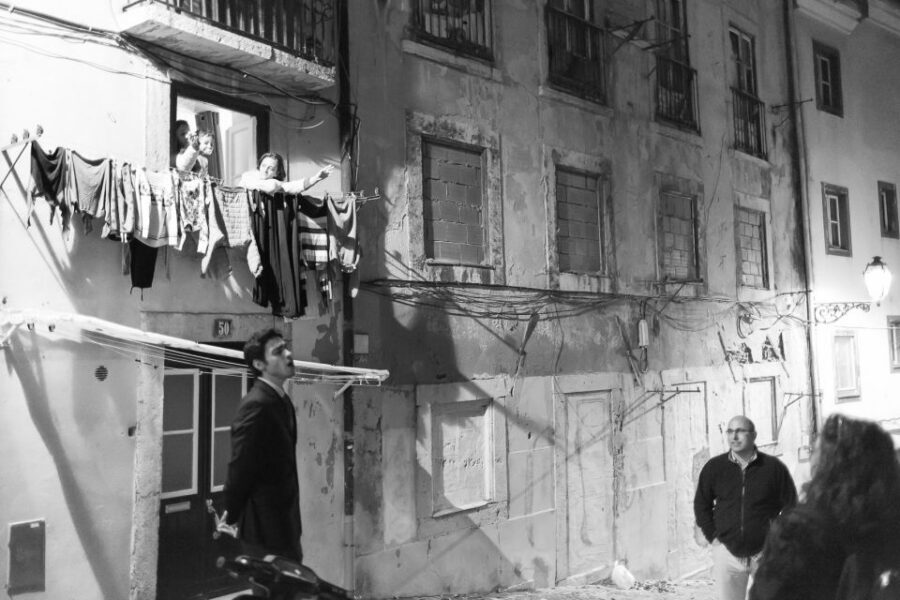
From here, you walk into Mouraria—an older part of Lisbon with character, tight alleys, and squares that don’t feel like they exist only for visitors. The route is built around the idea that fado’s roots grew in places like this, where people gathered, traded news, and found music that matched their mood.
Even if you’ve been to Lisbon before, starting in this neighborhood can change how you picture the city. You’ll get your bearings fast: streets, directions, and the “feel” of the area, all while the guide sets up the music so it makes sense later.
Mouraria alleys and squares: getting past the usual tourist path
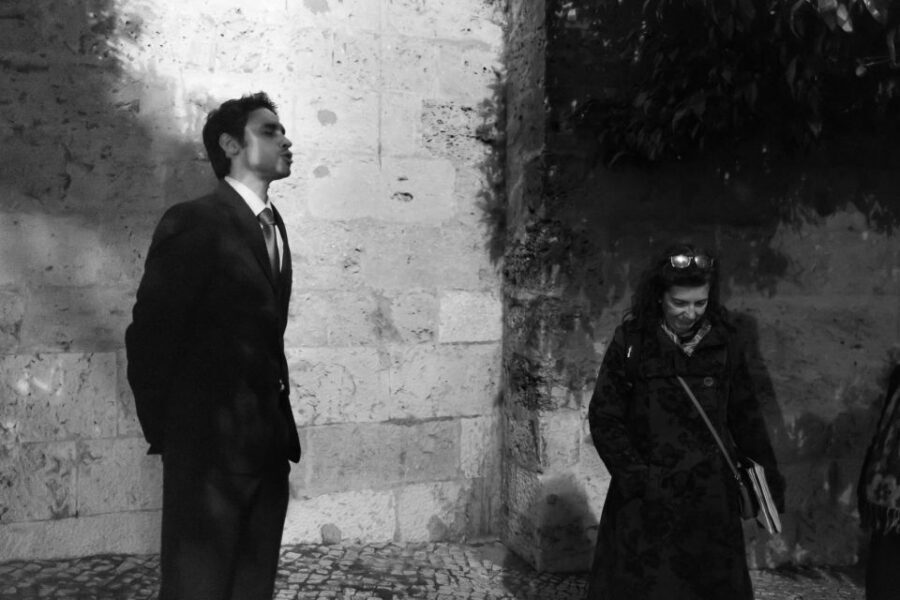
One of the biggest wins here is where the walking takes you. Instead of jumping straight to the most famous fado streets, you spend time in the lanes around Martim Moniz and Mouraria first.
That matters because fado’s origin story is tangled with movement—people arriving, mixing, and forming communities. You can’t fully understand that sitting under umbrellas in the busiest lanes. On foot in Mouraria, you’re close to the small-scale spaces where people would have listened, talked, and remembered songs.
The tour also focuses on local taverns tied to fado’s past. These aren’t just “pretty doors.” They’re part of how fado earned its place—where performers made a living and where regulars came back. If you’re the kind of traveler who hates wasting time on generic stops, you’ll appreciate this.
Practical note: this is walking through older streets. Wear comfortable shoes and be ready for uneven surfaces and small climbs. It’s manageable for most adults, but it’s not a sit-and-scroll experience.
Inside typical fado houses: what you’re really seeing
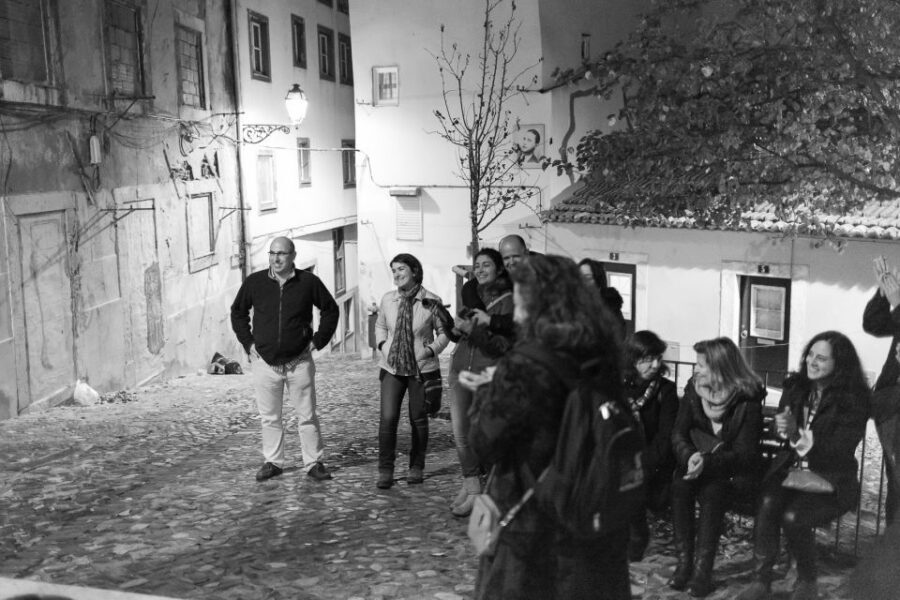
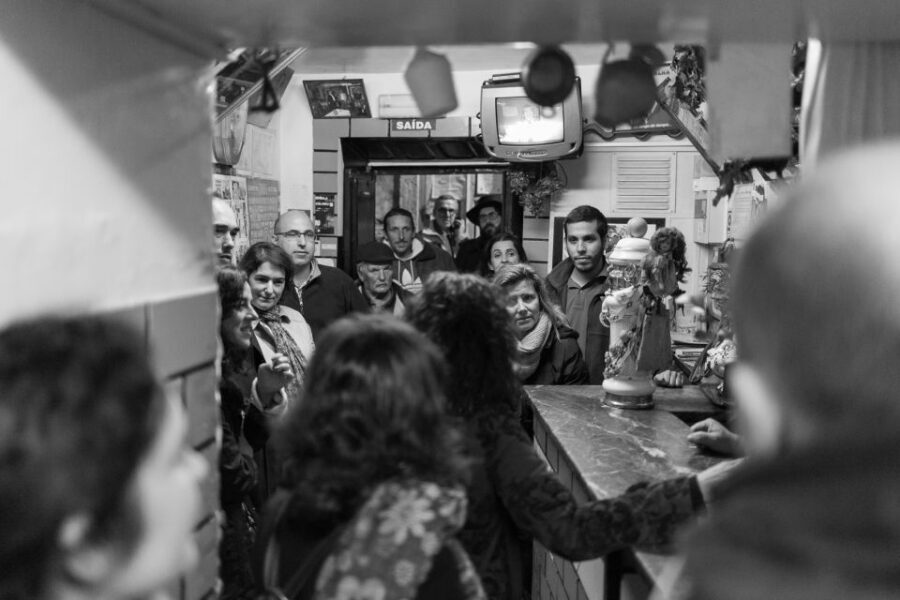
At several points, you’ll step into typical fado houses—places where fadistas have earned their living for decades. This is where the tour becomes more than storytelling.
A good fado room has its own logic. The seating, the attention, the quiet before a singer starts—those details shape the sound. When you hear a song in the right setting, you understand why fado often feels so personal, even when there are multiple people in the room.
The guide helps you connect the performance to context. You may also have moments where the singer shares examples that make different types of fado easier to grasp. Some evenings can include more than one live music moment, like additional singing and guitar during the night’s main stop. You shouldn’t count on a specific lineup every time, but you can expect real live performance energy, not a background playlist.
This is also where the tour’s pacing pays off. You’re not asking the singer to perform constantly while everyone trails behind. The stops are arranged so the music lands, then the guide carries you forward with meaning.
The live singer role: how the emotion gets translated
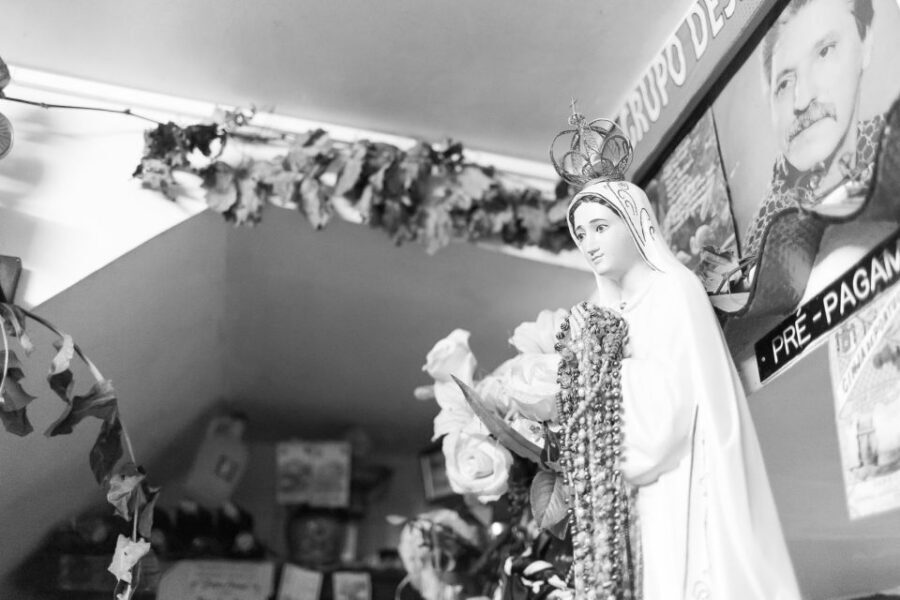
A live singer/guide setup is the heart of this tour. You’re not just hearing fado as a performance. You’re getting fado as communication.
The emotional strength shows up in two ways. First, the singer performs in real time—so the mood is shaped by the room and the moment. Second, the guide helps translate what you’re hearing into plain language: what the song is about, why certain lines matter, and how the style connects to the broader story of Lisbon.
On past tours with guides like Rita, that translation has included notes tied to what the singer performs later at the restaurant, with explanations that make the songs easier to follow after the fact. In other sessions with guides like Elena, the tour has felt personal because the singer joins at points along the route, not just at one fixed table. The overall effect is simple: you pay attention longer, and you leave with more than memory—you leave with understanding.
If you’re worried about not knowing any Portuguese, don’t. The guide offers multiple languages, and even when you don’t catch every word, fado doesn’t rely only on translation. You can feel structure, tone, and storytelling.
You can also read our reviews of more food & drink experiences in Lisbon





Alfama’s food stop: caldo verde and barbecued chouriço with wine
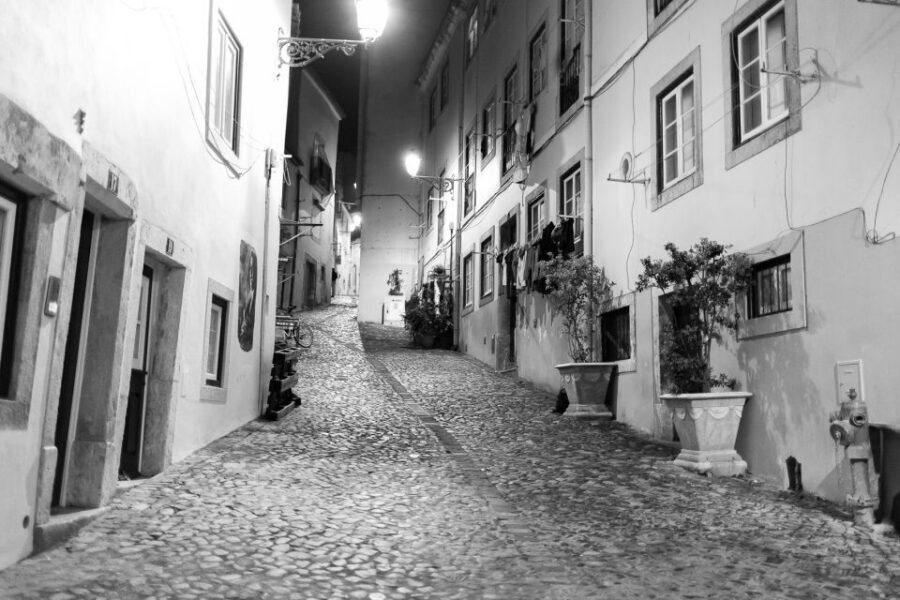
The tour’s final meal is served in a fado house in Alfama. Alfama is where fado feels most “in the walls,” and having dinner there turns the night into a full circle: you learn the roots, then eat in the neighborhood where the tradition keeps moving.
What you get is straightforward and classic:
- Caldo verde (Portuguese soup)
- Chouriço assado (barbecued spicy sausage)
- Bread and wine
The value here isn’t only the food. It’s the timing and the setting. By the time you sit down, you’ve already heard live fado and learned enough to recognize themes. Dinner becomes part of the performance, not a separate event.
A quick fairness note: the meal is built around that traditional menu, and some restaurant options can lean meat or fish. If you’re a strict vegetarian (especially if you avoid all meat and fish), you should check what will be possible for you in advance rather than assuming you’ll be able to order something similar.
Price and value: does $100 make sense for 3 hours?
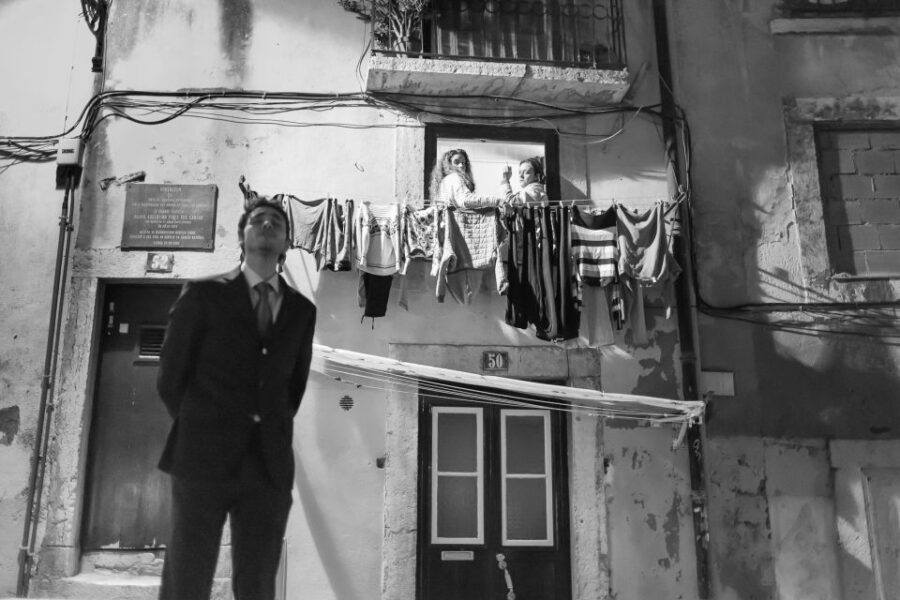
At about $100 per person for a 3-hour small-group tour, you’re paying for more than walking and a speech.
Here’s what’s included:
- A guide
- A live fado singer
- Caldo verde, chouriço assado, bread, and wine
- Personal Protection Equipment: mask and disinfectant gel
When you compare that to doing a guided walk plus a separate fado dinner show, the math usually looks better here. You’re getting the walking context, then the live music, then the traditional meal in one package with a tight group.
Two practical value checks for you:
- Are you the kind of person who likes culture you can explain to yourself later? If yes, this tour is built for that.
- Do you eat what’s served? If you’re flexible with the menu, you’ll get full value. If not, you may need to plan carefully.
Also remember transfers aren’t included. So budget a bit of time and effort to get to the meeting point on your own.
Small group pacing and language support
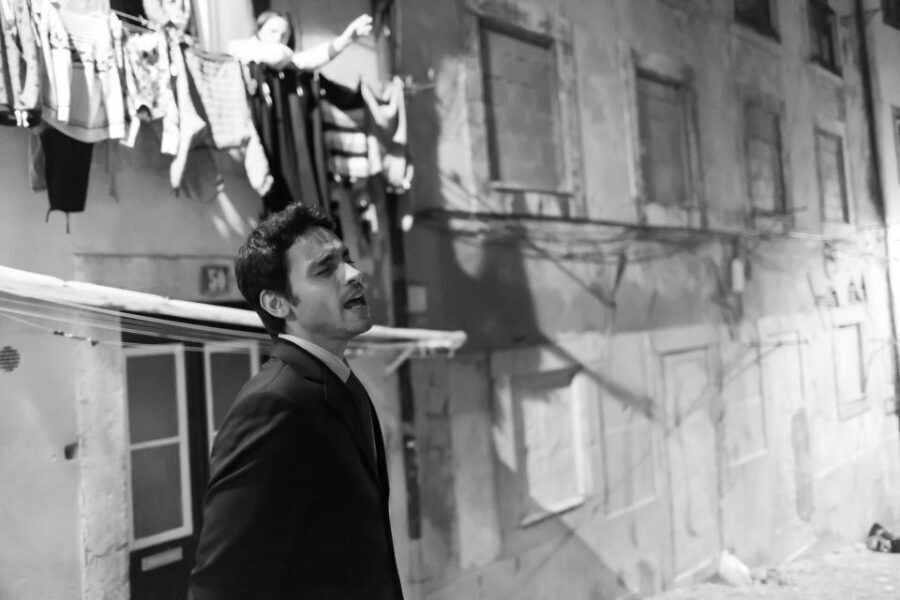
With a maximum of 8 participants, this doesn’t feel like a cattle-line experience. You’ll have space for questions, and the guide can keep the story moving without losing people in the back.
Language support is broad: Portuguese, Spanish, English, French, German, and Italian. That matters because fado explanations can be nuanced. When the guide can speak your language, you’re more likely to understand song themes and the historical context tied to them.
The tour length is tight but realistic: 3 hours. Expect a true walking pace, plus time at fado houses and the meal. It’s not a relaxed stroll with long scenic stops—think of it as an active cultural night.
Who should book, and who should skip
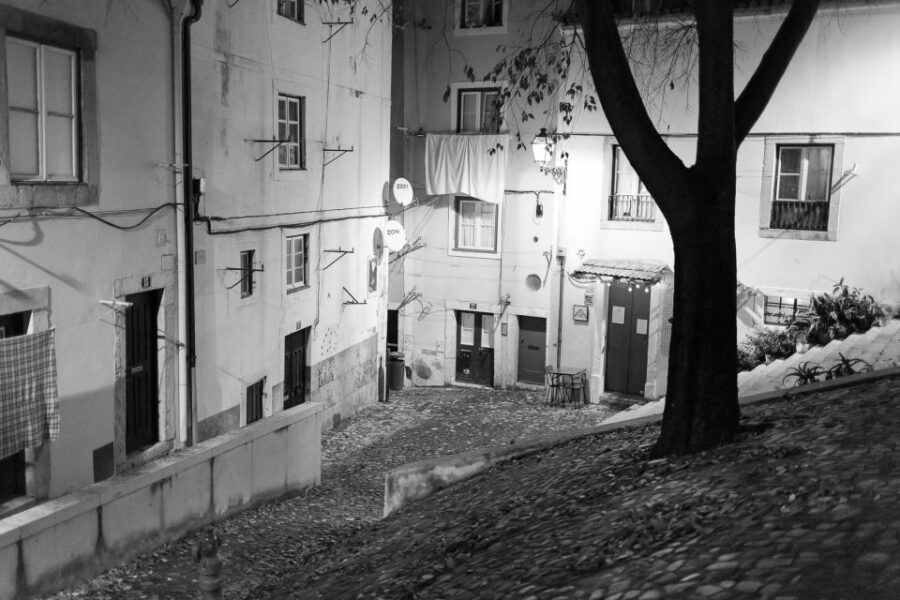
This tour is a strong fit if you want fado with context and you’d rather walk neighborhoods than only watch a show.
It’s especially good for:
- People who love Lisbon neighborhoods and want the “off-the-main-route” feel of Mouraria and Alfama
- Anyone curious about the origins of fado and the way it connects to everyday life
- Travelers who enjoy live performances where the room feels close and real
You might want to skip or choose something else if:
- You need mobility support. This tour isn’t suitable for people with mobility impairments.
- You’re traveling with small children. It’s not recommended for them.
- You require a vegetarian meal that avoids meat and fish. The menu is set around caldo verde and chouriço, so check what’s possible first.
Practical tips for a smooth, comfortable night
- Wear comfortable clothes and shoes with grip. The alleys can be uneven.
- Bring patience for close, older streets. Part of the point is the neighborhood feel.
- If you’re sensitive to tight spaces or long standing periods, plan around that mindset.
- Expect a mask and disinfectant gel to be provided as part of the PPE, so you don’t need to pack them for this specific tour.
If you go into this thinking only of entertainment, you’ll still have a good time. If you go in expecting to learn how fado connects to place, the experience makes a lot more sense fast.
Should you book this Mouraria to Alfama fado tour?
If your idea of a great Lisbon night includes live fado, a guided explanation of how it started, and a traditional meal in a real fado house, this tour is easy to recommend. The small group size keeps it personal, and the pacing (Mouraria first, Alfama meal last) helps you feel the city as a story.
Book it if you’re open to the set menu and you want culture with context, not just a performance clip. Think twice if your dietary needs don’t match what’s served, or if mobility limits or young ages are a concern.
Overall, this is one of those experiences where the details—the alleys, the houses, the live singing at the right moments—are the whole point.
FAQ
How long is the Fado Musical Walking Tour?
The tour lasts 3 hours.
Where does the tour meet?
Meet at the Capela de Nossa Senhora da Saude, Praca Martim Moniz, Lisbon.
What’s included in the tour price?
It includes the guide, a fado singer, caldo verde soup, chouriço assado, bread and wine, plus personal protection equipment (mask and disinfectant gel).
What food is served during the experience?
You’ll be served caldo verde and barbecued chouriço, along with bread and wine.
Is it a small group tour?
Yes. It’s limited to 8 participants.
What languages are available?
The live tour guide is available in Portuguese, Spanish, English, French, German, and Italian.
Is this tour recommended for small children?
No. It’s not recommended for small children.
Is the tour suitable for people with mobility impairments?
No. It’s not suitable for people with mobility impairments.
What is the cancellation policy?
There is free cancellation up to 24 hours in advance for a full refund.