REVIEW · LISBON
Lisbon Food Tour with 10+ Tastings of Local Delicacies & Wines
Book on Viator →Operated by Secret Food Tours · Bookable on Viator
Lisbon is best eaten on foot. This 3-hour small-group food tour pairs Portuguese classics with a guided stroll through old neighborhoods like Mouraria, Baixa, and Alfama, so you get context with every bite. I like that you’re not just drinking and snacking—you’re also getting street-level history that helps you understand why these foods and places matter. The menu is also packed with variety, from cheeses and cured meat to sardines and custard tarts, plus Portuguese wine tastings like Porto and ginjinha.
One heads-up: Lisbon is hilly. You’ll do a fair amount of walking, and the exact tastings can shift based on what’s available that day and the weather.
In This Review
- Key things I’d watch for before you go
- A 3-hour Lisbon “food-first” route that actually makes sense
- What you’ll eat and drink: more than just “tastes”
- Drinks: Porto, ginjinha, vinho verde, and options
- Food: a lineup that covers salty, crunchy, creamy, and sweet
- Weekday vs Sunday variations
- Mouraria, Baixa, and Alfama: the neighborhoods you’re walking through
- Mouraria: where the guide sets the food in context
- Baixa and Praça dos Restauradores: starting in the right place
- Alfama: Lisbon’s oldest district and the “eat while climbing” test
- The castle, the lift, and the convent stop: why these locations matter
- The castle area (Santa Maria Maior): views plus perspective
- Santa Justa lift: a smart fix for Lisbon’s hills
- A former Catholic convent stop: a pause that adds depth
- Pedro IV Square: a central anchor mid-walk
- The secret dish and pastry stops: where the tour gets fun
- Guide style: why it can make or break the day
- Price and value: what $97.94 buys you (and what it doesn’t)
- Who should book this tour, and who should skip it
- A small caution: days can change, so confirm the basics
- Should you book the Lisbon Food Tour with 10+ Tastings?
- FAQ
- How long is the Lisbon food tour?
- How many people are in the group?
- Where does the tour start and end?
- What languages is the tour offered in?
- What food and drink are included?
- Is there a vegetarian or dietary-friendly option?
- Do I need to arrange hotel pickup?
- Does the itinerary ever change?
- Will there be alcohol on the tour?
- Do I need anything special to show up?
Key things I’d watch for before you go
- Small group pace (up to 12), which usually means less waiting and more back-and-forth with your guide
- Taste-heavy schedule with 10+ stops, not a single restaurant where you’re stuck eating the same thing
- Port wine and ginjinha included, plus options like vinho verde and non-alcoholic alternatives
- Old Lisbon neighborhoods on the route, not just a food stop-and-go loop
- Lisbon hills handled smartly, including using the Santa Justa lift on the itinerary
- A real mix of food styles, from petiscos (tapas-style bites) to sandwiches like bifana and sweet tarts
A 3-hour Lisbon “food-first” route that actually makes sense
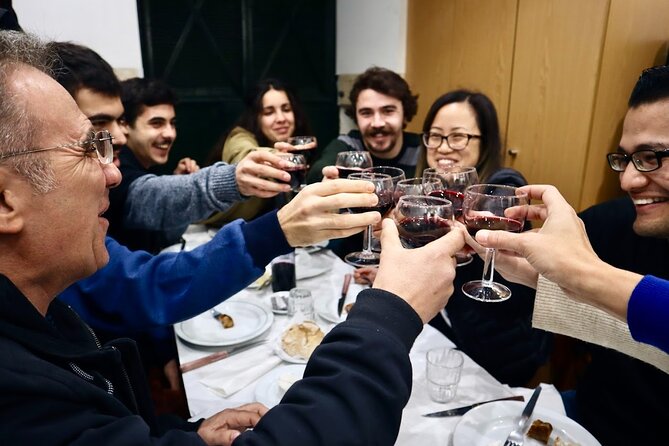
If you want one good way to get oriented in Lisbon, this tour does it the practical way: you start in the center, then walk outward through historic districts while eating your way across the city’s favorites. It’s not a sit-down meal tour. It’s more like a guided sampling route where each stop adds a piece to the puzzle—what people ate, what they still eat, and where those flavors show up on menus today.
The tour runs about 3 hours and is built for a maximum of 12 people. That small size matters. You spend less time waiting while ordering and more time talking with your guide about what you’re tasting and where it fits into Lisbon’s culinary culture.
And yes, it’s very snack-forward. You’ll still leave feeling fed, but don’t expect a traditional “starter-main-dessert” structure. Instead, think of it as a lineup: cured meats and cheese, fish and tapas-style bites, Portuguese sweets, and multiple drinks spaced throughout the walk.
You can also read our reviews of more food & drink experiences in Lisbon



What you’ll eat and drink: more than just “tastes”
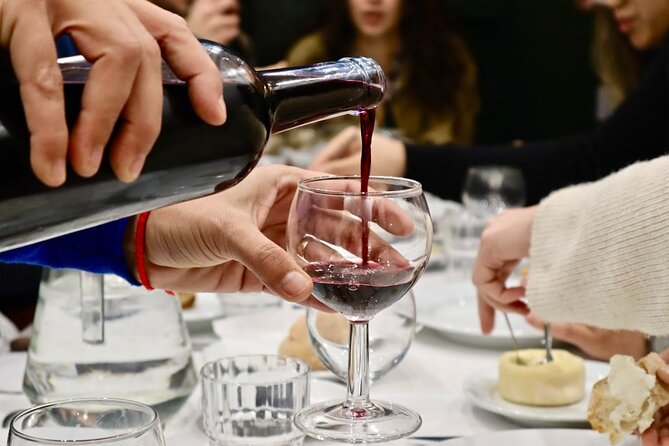
This tour is designed around variety. You’ll sample local specialties like cheeses, cured meats (including pata negra), sardines, and classic pastries such as pastel de nata. You’ll also taste Portugal through drinks—Port-style wine plus ginjinha, the sour cherry liqueur Lisbon is famous for.
Drinks: Porto, ginjinha, vinho verde, and options
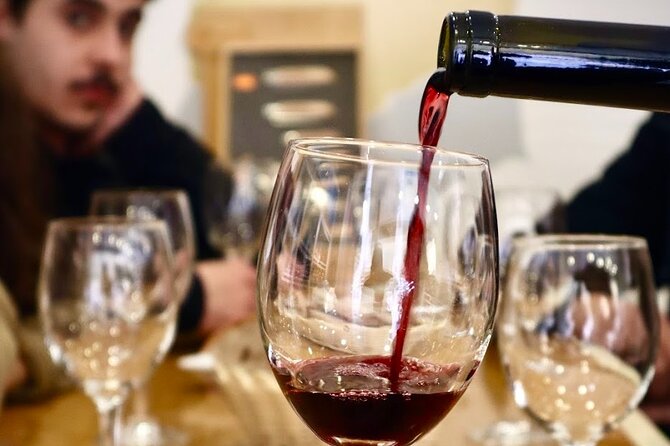
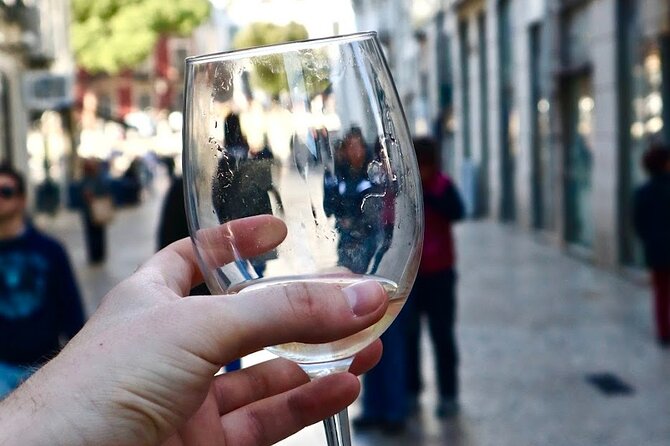
You’ll taste red and white wine from Porto, and you’ll also get ginjinha. The tour also includes some refreshing vinho verde, and non-alcoholic options are available. If you’re the type who wants fuller pours, it’s worth knowing there is an upgraded drinks package option available when booking directly through the operator (it may not show up the same way if you booked through a third-party site). In normal service, the alcohol is included, but don’t assume you’ll get a large pour every time.
I like that the tour doesn’t force you into alcohol-only territory. Non-alcoholic options are included, so you can still enjoy the tastings and keep the day comfortable.
Food: a lineup that covers salty, crunchy, creamy, and sweet
On the tour, you’re likely to see tastings along these lines:
- Artisan cheeses + cured meat at a shop stop (including pata negra)
- Fish-based Portuguese flavors, including sardines and other Portuguese fish preparations
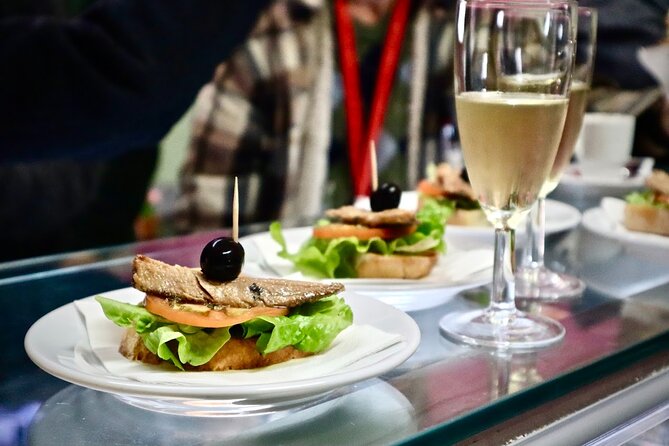
- Petiscos—handmade Portuguese tapas-style bites
- Pastel de nata (Lisbon’s iconic custard tart)
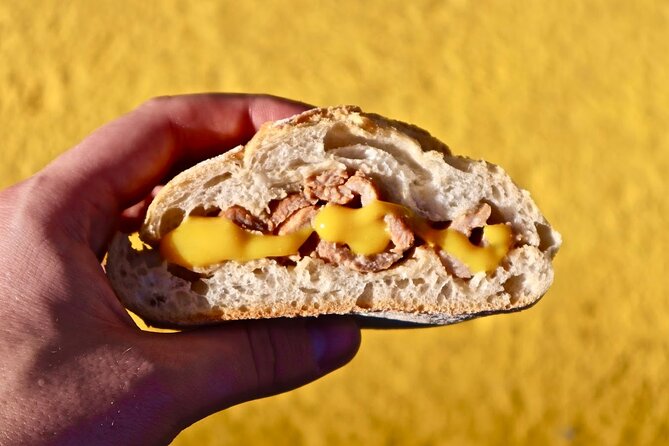
- Bifana, a classic pork sandwich (included as part of the food plan)
There’s also a signature secret dish plus additional refreshment stops, so you aren’t just repeating “cheese and bread” at every stop.
Weekday vs Sunday variations
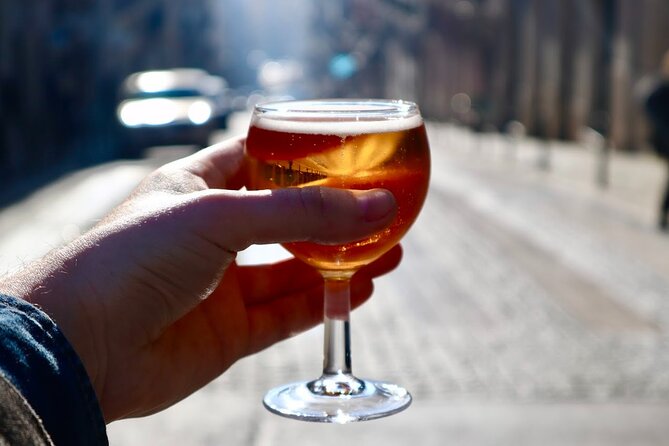
The included menu shifts depending on whether you’re on a Monday–Saturday tour or a Sunday tour. For example, Sundays may include items like bacalhau with spinach and potatoes, craft beer, artisanal chocolates, and pastel de Belém custard tart. Weekdays may lean more toward things like fish tastings and pastel de nata, along with other Portuguese classics.
That Sunday/weekday swap is actually a plus for repeat visitors. If you’re in Lisbon more than a few days, you can choose another day and get a different mix.
A few more Lisbon tours and experiences worth a look



Mouraria, Baixa, and Alfama: the neighborhoods you’re walking through
One reason food tours flop is they treat neighborhoods like scenery. This one uses Lisbon’s districts as part of the course.
Mouraria: where the guide sets the food in context
You start moving through Mouraria, a district that sits in the older fabric of the city. Here, the guide’s job isn’t just to name streets. You’ll get an overview of Lisbon’s culinary culture and the kind of everyday eating that built demand for today’s famous dishes.
Food fits this neighborhood theme well—expect savory tastings and quick bites that match how people eat locally: on foot, in small bars, and at casual counters.
Baixa and Praça dos Restauradores: starting in the right place
The tour begins at Praça dos Restauradores and ends back there. That’s convenient if you want to grab a late lunch or dinner afterward without doing extra navigation.
As you head through Baixa, you’re moving through central Lisbon where the city’s layout and energy make sense. Even if you’re not into architectural details, you’ll feel why these places became food hubs: you’re near dense streets, lots of everyday trade, and the kind of lanes where small eateries thrive.
Alfama: Lisbon’s oldest district and the “eat while climbing” test
Alfama is the oldest district and spreads along the slopes between São Jorge Castle and the Tagus River. This is where the walking becomes more of a real Lisbon workout—good shoes are not optional.
But this is also the payoff. The tour design places tastings alongside the neighborhoods so you’re not hiking for hours with empty hands. When you reach a stop, it feels like relief and reward at the same time.
The castle, the lift, and the convent stop: why these locations matter
The itinerary isn’t random. The major landmarks are placed to give you a mental map, and they also help break up the walking with pauses where you can reset and eat.
The castle area (Santa Maria Maior): views plus perspective
A historic castle stop anchors your walk in the sense of place Lisbon is built on. You’re in the freguesia of Santa Maria Maior, where the castle zone ties together the old city’s layout and its long relationship with trade and travel.
Even if you don’t spend a long time inside any museum, getting up in this zone helps you understand why neighborhoods spread the way they did. Lisbon’s hills aren’t just geography—they explain street patterns and how locals move from point to point.
Santa Justa lift: a smart fix for Lisbon’s hills
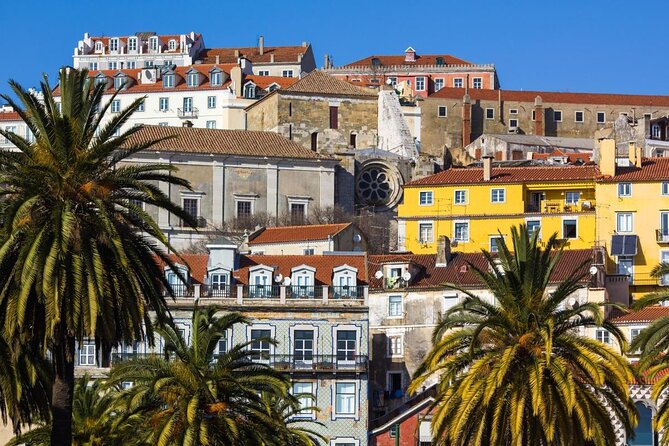
You’ll also visit the Santa Justa lift in Santa Justa. It connects lower streets in Baixa with higher Largo do Carmo. Translation: you save your legs for the parts that matter and still get the “why Lisbon feels steep” experience.
This is one of the practical highlights. Lisbon’s biggest enemy on foot is slope fatigue, and the lift makes the day more enjoyable without turning the tour into a bus ride.
A former Catholic convent stop: a pause that adds depth
There’s a stop at a former Catholic convent in Santa Maria Maior. This is the kind of location that keeps the tour from becoming only food and quick photo angles. It gives you a clearer picture of how religious institutions shaped spaces in the old city—and why those spaces still influence Lisbon today.
It also gives you time to regroup between tastings, which matters on a tour with hills.
Pedro IV Square: a central anchor mid-walk
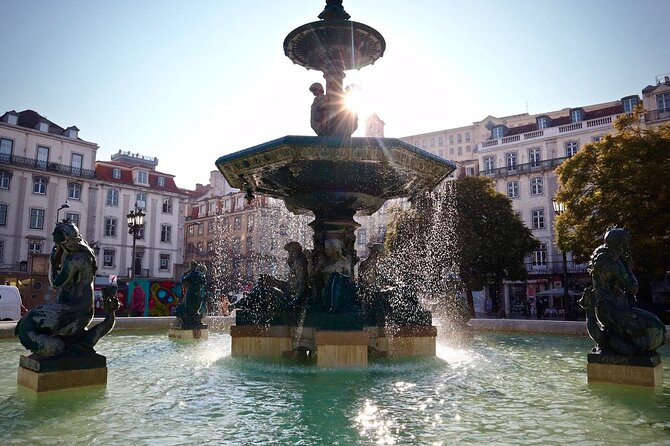
You’ll also pass through Pedro IV Square (the popular name for Rossio Square). It’s been one of Lisbon’s main squares since the Middle Ages, and it works like a visual checkpoint. You can look around, orient yourself, and then keep walking with more confidence.
This matters if you plan to use the tour as your “first day” baseline. After you’ve seen the square from the right angle and with your guide’s explanations, the rest of the city feels less like a maze.
The secret dish and pastry stops: where the tour gets fun
Food tours can become predictable. The best ones have one or two moments that feel like a surprise.
This one includes a signature secret dish and also builds in major “must-try” foods like pastel de nata. The secret dish element keeps the experience from feeling like a checklist. It’s also a good reminder that Lisbon eating culture isn’t only about the famous items. There’s always something local that a visitor would miss if they only searched for top-ranked restaurants.
And the sweets matter. Pastel de nata ends the taste arc for a lot of people—creamy custard, crisp pastry, and that cinnamon-and-sugar vibe Lisbon does so well. If you have a sweet tooth, this tour has you covered.
Guide style: why it can make or break the day
A food tour is mostly logistics plus taste. The guide is what turns it into a story.
This tour consistently earns praise for guides who tie history to what you’re eating and who explain practical ways to navigate Lisbon—especially around hills and elevators. You’ll see that through examples of guide names like Vanda, Marta, Claudia, and others described as giving clear historical context and friendly humor.
What you should take from that: choose your expectations wisely. You’re not signing up for a lecture, but you are signing up for someone who knows how to connect dishes to places. If you like asking questions (and you should), a small group format gives you the time to do it.
Price and value: what $97.94 buys you (and what it doesn’t)
At about $97.94 per person for roughly 3 hours, you’re paying for three things:
1) multiple tastings that would cost more if you ordered them solo
2) drinks included (Port wine and ginjinha, plus vinho verde)
3) a guided route through central Lisbon landmarks
If you were to recreate this plan yourself, the cost adds up quickly because you’d need multiple stops, each with its own minimum order, plus you’d have to figure out where to go and when. This tour turns those decisions into a timed route, so you can spend your time eating and walking instead of researching.
What it doesn’t guarantee is that every drink pour will feel huge or that every tasting will match your personal preference. If you’re a big alcohol drinker, you’ll want to consider the upgraded drinks package option mentioned by the operator for direct bookings (when available), because otherwise standard inclusions may feel modest.
Who should book this tour, and who should skip it
This tour is a strong fit if you:
- want a good first-day Lisbon plan that mixes food with neighborhoods
- enjoy sampling rather than ordering a full meal
- like history explained in a way that relates to daily life and what’s on a menu
It may be less ideal if you:
- hate walking or hills (you’ll do a fair amount)
- need a very strict schedule with no flexibility (menus can change with availability and weather)
- expect every stop to be a full “sit and dine” portion
A small caution: days can change, so confirm the basics
The tour plan can shift based on availability, weather, and other circumstances. Menu and stop details can be adjusted for the day’s reality.
I recommend you do two simple things:
- double-check the meeting point and start time the day of your tour
- wear shoes you won’t regret by hour two
One more point: if you care about drink upgrades and you’re booking through a third-party channel, check whether the upgraded drinks package shows in your booking details. Some guests have reported uneven availability depending on where they booked.
Should you book the Lisbon Food Tour with 10+ Tastings?
I think you should book it if you want a compact, high-taste way to learn Lisbon fast—especially if you’re excited by sardines, cheeses, cured meats, pastel de nata, and Lisbon’s signature sour cherry ginjinha. The small group format and the historical narration tied to food make the experience feel intentional, not random.
Skip it if you hate hills, need lots of downtime, or you only want wine-focused stops with big pours. In that case, you might be happier with a more food-specific or restaurant-specific plan where you can control pacing.
If you’re on the fence, this is the kind of tour where smart choices win: go with good shoes, arrive hungry, and treat it as your Lisbon orientation snack circuit.
FAQ
How long is the Lisbon food tour?
It lasts about 3 hours.
How many people are in the group?
The tour has a maximum of 12 travelers.
Where does the tour start and end?
It starts and ends at Praça dos Restauradores (Restauradores Square).
What languages is the tour offered in?
The tour is offered in English.
What food and drink are included?
You’ll get petiscos (Portuguese tapas), artisan Portuguese cheeses, fresh Portuguese fish and/or other included Portuguese dishes depending on the day, pastel de nata, Port wine, ginjinha (sour cherry liqueur), plus additional included items like vinho verde. Non-alcoholic options are available.
Is there a vegetarian or dietary-friendly option?
The tour asks you to contact them in advance with dietary requirements so they can cater as best they can.
Do I need to arrange hotel pickup?
No hotel pickup and drop-off is included.
Does the itinerary ever change?
Yes. The itinerary and menu are subject to change based on locations’ availability, weather, and other circumstances.
Will there be alcohol on the tour?
Yes. You’ll taste wine from Porto and ginjinha, and craft beer may be included on Sundays. Non-alcoholic options are available too.
Do I need anything special to show up?
You’ll have a mobile ticket, and the meeting point is near public transportation.