REVIEW · LISBON
Lisbon: Baixa District Food Tour with Dinner and Drinks
Book on GetYourGuide →Operated by Carpe Diem Tours · Bookable on GetYourGuide
Lisbon’s Baixa District feeds you fast and smart. This 3-hour walking food tour pairs eight Portuguese tastings with four traditional drinks, then stitches it all into a clear story of how the area was rebuilt after the 1755 earthquake.
I especially like the pacing and the value: you get enough variety to understand Portuguese comfort food without ending the night stuffed. And the guide-led stops in classic streets like Rua dos Fanqueiros help you see more than menus—you get context while you eat. One thing to keep in mind: vegetarian options exist, but choices are fewer, and the tour can’t accommodate all allergies (including celiac) or vegan needs.
Key things I’d plan around
- 8 food tastings plus 4 drinks in a tight 3-hour loop
- A flat, easy walk through Baixa’s main streets and squares, ending near Praça dos Restauradores
- Expert guidance tied to Lisbon’s big moments, including the 1755 earthquake rebuild
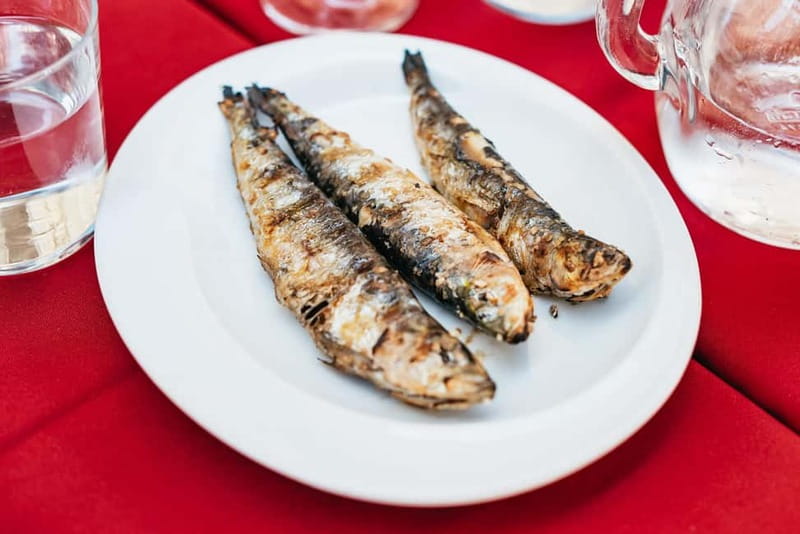
- Tastings that focus on Portuguese classics like bifana and seafood bites
- Drinks that show up in real Portuguese life: Vinho Verde, Ginjinha, and local beer
- You can pick non-alcoholic drinks, but full allergy support is limited
In This Review
- Where You Start: Praça do Comércio and the Baixa mindset
- The 3-hour route: a flat walk with real city momentum
- Stop by stop: what makes each street moment worth it
- Supremo Tribunal de Justiça: starting with a landmark, not a side alley
- Rua dos Fanqueiros: classic Lisbon commerce energy
- Rua da Vitória: the kind of street that explains Portuguese comfort food
- Rua da Madalena: a smoother route that still feels old-school
- The food part: eight tastings that teach you what to order in Portugal
- What I like about the tasting mix
- A small planning tip
- Drinks in Lisbon: Vinho Verde, Ginjinha, and local beer
- The Ginjinha focus: why that stop is memorable
- Igreja de São Domingos and the 1755 earthquake rebuild story
- Priority service and skipping the obvious tourist headaches
- The guide factor: why the best hosts change the whole tour
- Dietary needs: what’s supported and what you should plan for
- Price and value: is $93 fair for 8 tastings and 4 drinks?
- Who this tour suits best (and who should skip it)
- Should you book this Lisbon Baixa Food Tour?
- FAQ
- Where is the meeting point for the Lisbon Baixa food tour?
- How long is the tour?
- What food and drink is included?
- What kinds of Portuguese drinks will I try?
- What is the walking route like?
- Is the tour available in English?
- Are vegetarian options available?
- Can the tour accommodate food allergies or dietary restrictions like celiac or vegan?
- Is the tour group private?
- What are the booking and cancellation options?
Where You Start: Praça do Comércio and the Baixa mindset
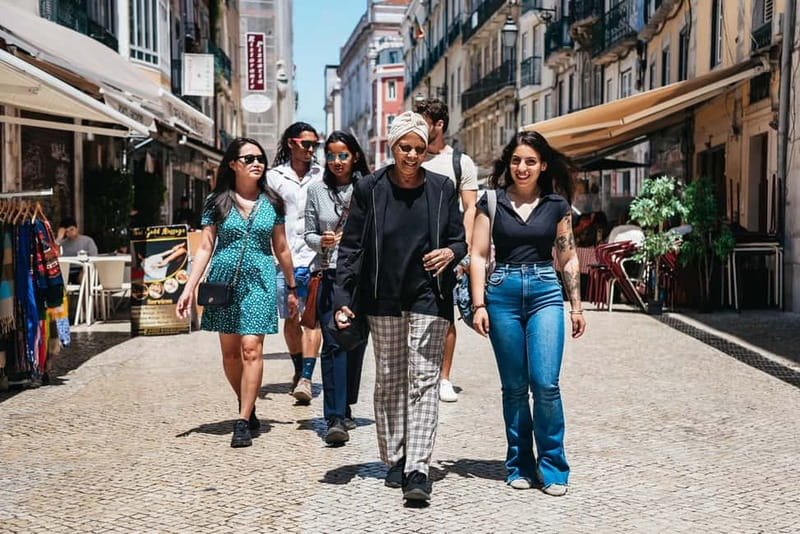
This tour is built for people who want Lisbon in “do and eat” mode. You begin in the central Baixa area, close to the big public spaces that make Lisbon feel open and walkable. The meeting point is at Supremo Tribunal de Justiça, right under the portico with the large Portuguese flag—your guide holds a yellow Carpe Diem Tours sign. Arrive about ten minutes early so you start on time and the whole group stays together.
Baixa matters because it’s Lisbon’s only flat neighborhood. That sounds simple, but it changes everything: you can focus on the food stops instead of fighting steep hills. The plan also favors classic streets where locals have long done business and eaten nearby, not just postcard walls.
The 3-hour route: a flat walk with real city momentum
The tour is short enough to fit your first day, but it’s not a hurried “grab and go” line parade. It’s designed around a steady rhythm: a short guided bit, then food, then drinks, then another landmark street. Expect stops along major thoroughfares like Rua dos Fanqueiros, Rua da Vitória, and Rua da Madalena—so you’re moving through Lisbon’s daily life, not just circling one viewpoint.
Here’s what I like about this structure: it keeps your energy up. You’re not doing a marathon. You’re also not eating the same style of bite over and over. By the time you’re ready for dessert, the route has already given you enough history to make the evening feel grounded.
You can also read our reviews of more food & drink experiences in Lisbon



Stop by stop: what makes each street moment worth it
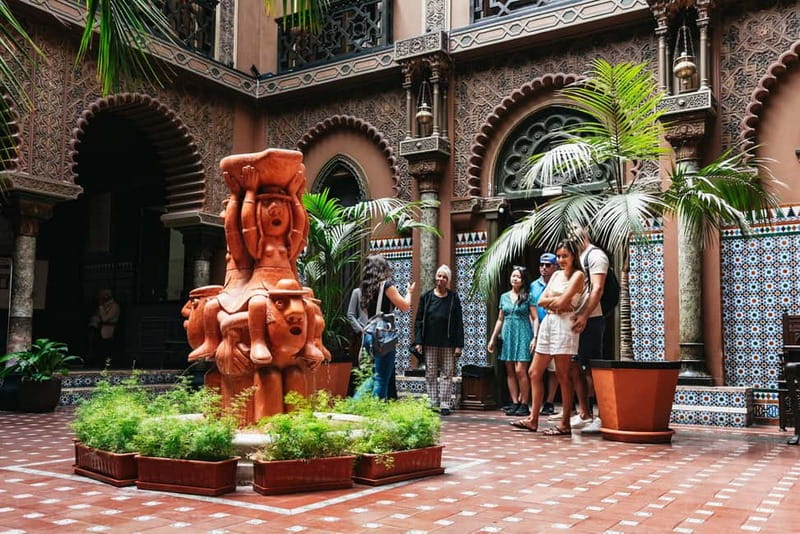
The tour hits a sequence of streets that each tells a different part of the Baixa story.
Supremo Tribunal de Justiça: starting with a landmark, not a side alley
You begin at Supremo Tribunal de Justiça for a brief guided orientation. This is your “set the scene” moment: you get the lay of the land before you start tasting your way through the neighborhood. It’s also a practical start—easy to find, and it keeps the group anchored in a central spot.
Rua dos Fanqueiros: classic Lisbon commerce energy
On Rua dos Fanqueiros, the guide adds context and points out what makes this street feel like a backbone. This is the kind of location where Portuguese food culture makes sense: lots of people pass through, lots of small places serve quick meals, and the streets work in layers—history, trade, and everyday eating.
Rua da Vitória: the kind of street that explains Portuguese comfort food
Rua da Vitória gets a longer guided segment. That extra time matters because this is where the tour starts to feel more like a guided walk than just food. You’ll connect the city’s rebuilding story to how neighborhoods evolved into places where people eat close by.
A few more Lisbon tours and experiences worth a look



Rua da Madalena: a smoother route that still feels old-school
On Rua da Madalena, you get another guided block. In practice, this stop acts like a transition: after a few tastings and drinks, you settle into the flow of the neighborhood. It’s also a good moment to pay attention to the guide’s food-to-history connections—those links are what turn “we ate” into “we understood.”
The food part: eight tastings that teach you what to order in Portugal
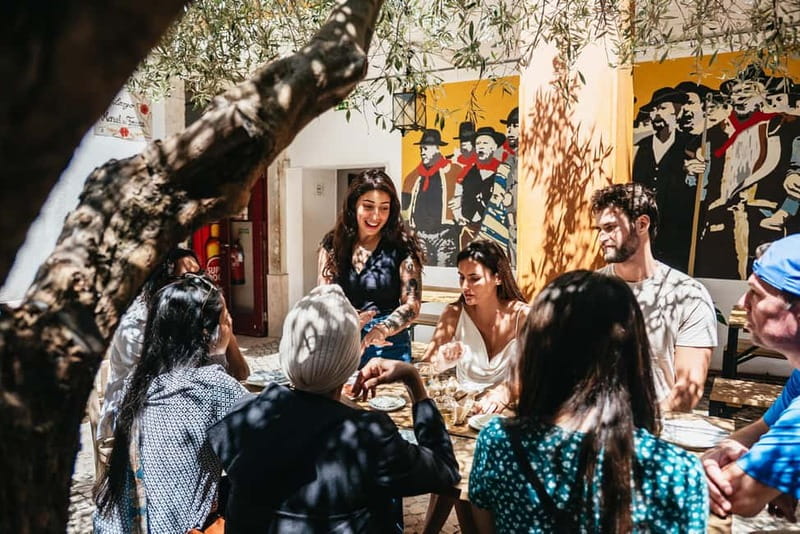
The core of the tour is 8 food tastings. That number is big enough to matter, but small enough that you’re not stuck in a food coma before dessert.
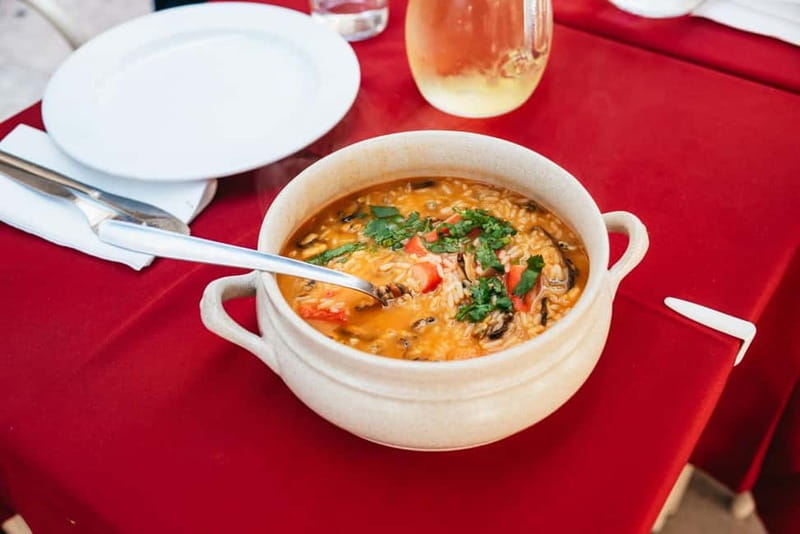
You can expect classic Portuguese items and common street-food favorites. Bifana is specifically mentioned, and that’s a smart inclusion because it’s one of Portugal’s signature comfort meals—quick, savory, and easy to recognize later when you’re ordering on your own. You’ll also sample seafood-focused bites and Portuguese petiscos—small plates that fit the Portuguese habit of sharing and snacking through an evening.
What I like about the tasting mix
The tasting design does a few useful things for you:
- It helps you identify what Portuguese “everyday classic” tastes like, not just what’s famous on menus.
- It gives you a reference point for later restaurant decisions.
- It spreads flavors out across the walk, so you’re not eating the same thing in every stop.
A small planning tip
One piece of advice you’ll see echoed in the experience: go in with some hunger, but don’t arrive starving. Eating lightly before the tour helps you enjoy every stop. If you’re starting this on your first day, I’d still keep breakfast light and let the tour do its job.
Drinks in Lisbon: Vinho Verde, Ginjinha, and local beer
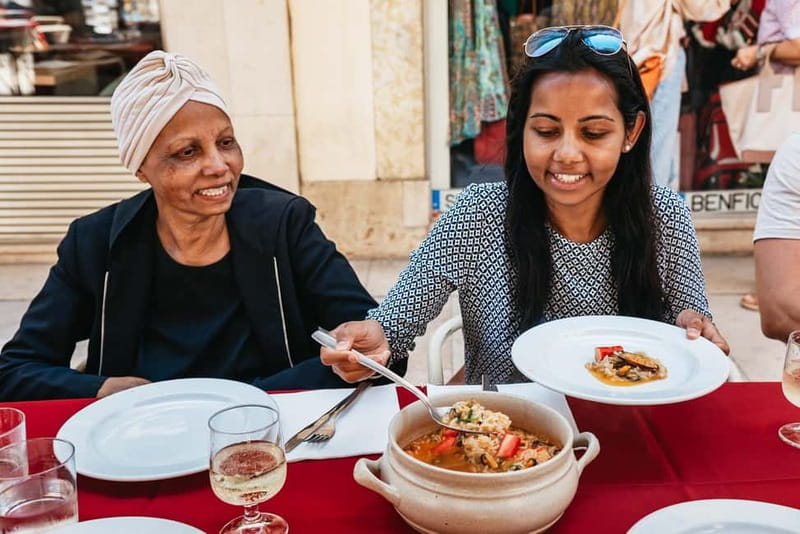
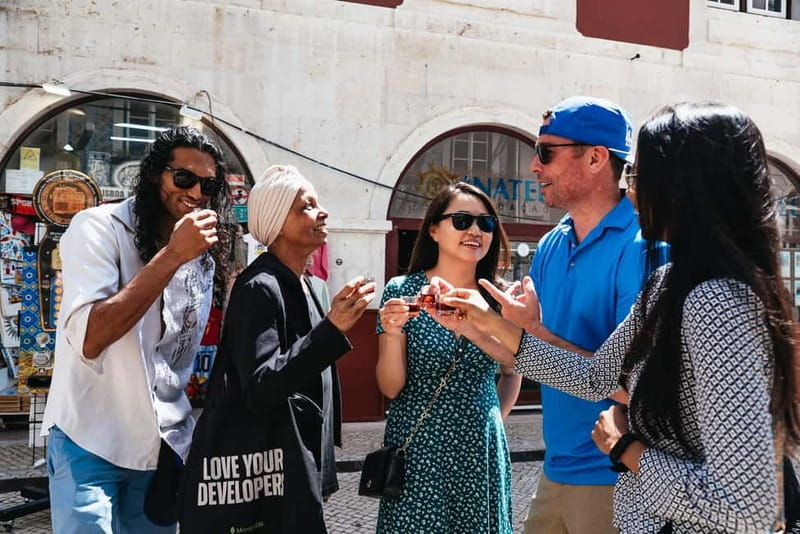
This is not a plain walking tour with tea. It includes 4 traditional drinks, including Vinho Verde, Ginjinha, and local beer. Those choices matter because they’re rooted in Portuguese drinking culture: light, local wine; cherry liqueur with a cult reputation; and beer you’ll actually see ordered in neighborhood settings.
You can also choose non-alcoholic drink options, which is a big deal if you want the full pairing experience without alcohol.
The Ginjinha focus: why that stop is memorable
The tour includes Ginjinha Sem Rival as one of the key drink moments. Even if you’re not a liqueur person, this stop is valuable because it teaches you what Portuguese people mean when they say Ginjinha. It’s part drink, part ritual—one of those moments that makes the tour feel distinctly Lisbon, not just generic “food and wine.”
Igreja de São Domingos and the 1755 earthquake rebuild story
Portuguese food is personal, but the city’s layout is also political and historical. This tour weaves you through Lisbon with references to major landmarks, including Igreja de São Domingos and the story of the “new Lisbon” rebuilt after the 1755 earthquake.
Why does that matter while you’re eating? Because once you understand Baixa as a planned, rebuilt district, the streets make sense. Taverns and small restaurants aren’t just random stops—they reflect how the area was shaped for movement, commerce, and everyday life. You start seeing why people eat where they eat.
Priority service and skipping the obvious tourist headaches
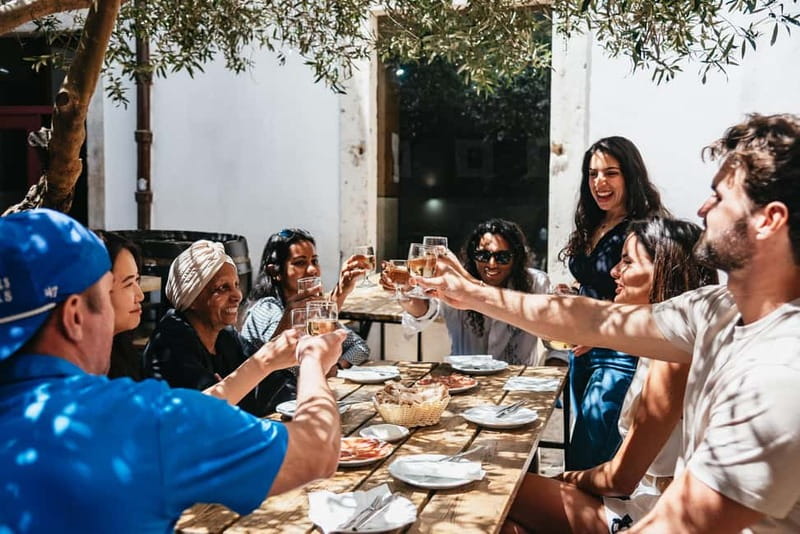
The tour is advertised as having priority service, which is practical. When a food tour is scheduled well, you waste less time waiting around and more time actually tasting and learning. That matters in central Lisbon, where lines and slow-moving crowds can turn a good plan into a frustrating hour.
Also, the stops are chosen to help you avoid the most obvious tourist traps—places where the menu looks Portuguese but the experience feels staged.
The guide factor: why the best hosts change the whole tour
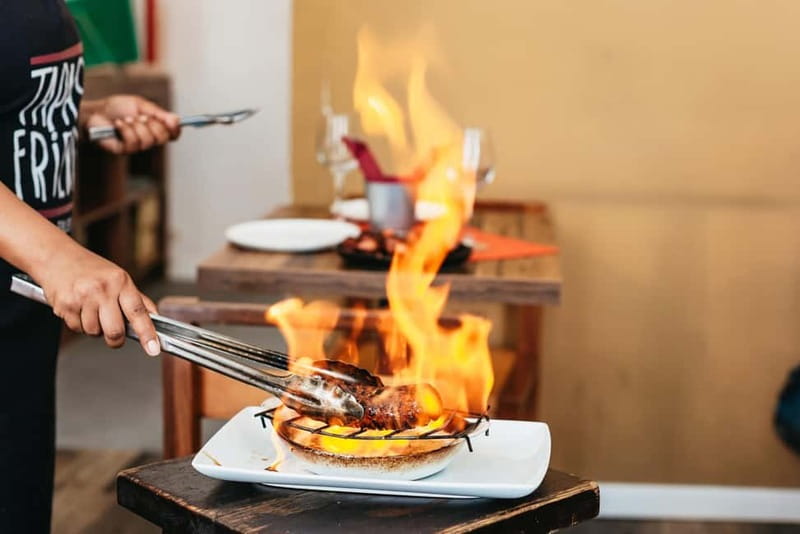
A lot of food tours are “eat and read.” This one leans harder into storytelling from the guide. The names that come up repeatedly in the experience include Zé (Ze), Bruno, Andre, Maya, Margarita, Telma, Joanna, and Rodrigo. Across these guides, the consistent praise is about energy, organization, and making the group feel looked after.
In practice, that shows up in details like:
- explaining the food so you know what you’re tasting
- keeping the pace smooth from stop to stop
- handling dietary requirements as best they can (within the limits noted below)
- making the group feel included, not herded
One small caution: while most people love the food quality and portions, there’s at least one note that suggested one dish could use attention. That’s not a deal-breaker, but it’s a reminder that a tour tasting is still a tasting—your favorites may vary.
Dietary needs: what’s supported and what you should plan for
Here’s the honest part. Vegetarian options are available, but there are fewer choices than the regular menu. The provider also notes they can’t accommodate all allergies or restrictions, including celiac disease and vegans. If your dietary needs are complex, you should take that seriously before booking.
The good news: non-alcoholic drink options exist, and many guides are attentive about keeping people comfortable within the menu limits. If you have allergies, I’d still email or message the provider ahead of time to confirm what’s possible for your specific situation.
Price and value: is $93 fair for 8 tastings and 4 drinks?
At $93 per person for about 3 hours, you’re paying for three things: access to multiple food stops, guided context, and drinks included. You’re not just buying food—you’re buying time saved and a curated sequence that makes it easier to eat well in Baixa without doing trial-and-error.
To judge value, look at what’s included:
- 8 food tastings
- 4 traditional drinks
- a walking component with a foodie guide
That’s a solid deal if you plan to eat dinner anyway. It’s less appealing only if you already know exactly what you’ll order in Lisbon and you’d rather customize your own evening. For most first-timers, though, this tour is a fast way to build a “Portugal order list” you can use later.
Who this tour suits best (and who should skip it)
I’d recommend this tour if:
- you want a strong first-night plan in Lisbon
- you prefer walking with clear stops over random wandering
- you want to learn what to order later, not just eat once
- you like Portuguese drinks and want to try more than one
I’d think twice if:
- you need strict allergy handling (including celiac) or full vegan substitutions
- you dislike alcohol and don’t want to spend time around drink pairings, even with non-alcoholic options
Should you book this Lisbon Baixa Food Tour?
If you want an efficient, flavorful introduction to Baixa, this is a strong pick. The mix of street-level bites, Portuguese drinks, and the 1755 rebuild storyline gives you more than food—it gives you a mental map of why the city feels the way it does.
Book it if you’re starting in central Lisbon and you want your evening planned with taste and context. Skip it only if dietary needs are strict or if you’d rather build your own meal route from scratch.
FAQ
Where is the meeting point for the Lisbon Baixa food tour?
The guide waits in front of the Supremo Tribunal de Justiça, under the portico with the large Portuguese flag, holding a yellow Carpe Diem Tours sign. Arrive about 10 minutes early.
How long is the tour?
The tour lasts 3 hours.
What food and drink is included?
You get a walking tour with 8 food tastings and 4 traditional drinks.
What kinds of Portuguese drinks will I try?
The tour includes traditional Portuguese drinks such as Vinho Verde, Ginjinha, and local beer. Non-alcoholic options are also available.
What is the walking route like?
It’s a flat, easy route, and the tour is described as fully accessible.
Is the tour available in English?
Yes, the live tour guide is English.
Are vegetarian options available?
Yes, vegetarian options are available, but the provider notes there are fewer options than the regular menu.
Can the tour accommodate food allergies or dietary restrictions like celiac or vegan?
The provider says they can’t accommodate all food allergies or restrictions, including celiac disease and vegans.
Is the tour group private?
A private group option is available.
What are the booking and cancellation options?
It offers free cancellation up to 24 hours in advance for a full refund, and it has a reserve now, pay later option.