REVIEW · LISBON
Private Tour – African History in Lisbon
Book on Viator →Operated by Alfacinha LX · Bookable on Viator
Lisbon hides an African story in plain sight. This private tour traces how African heritage and the slave-based economy shaped Lisbon from the 1500s to today, using real streets and landmarks. You’ll do it with Filipa Oliveira in English, with a route that ends near the big public spaces by the water.
I like that the storytelling keeps a human, empathetic tone while still staying grounded in history. And I really like the practical pacing: short stops, lots of street-level context, and time to ask questions as you go through Alfama and Mouraria.
One thing to consider: English clarity can depend on the day and your group’s listening needs (one past group raised this concern). Also, the topic is emotionally heavy, so go in with your mind switched on.
In This Review
- Key Highlights You’ll Feel Right Away
- Why This Lisbon Walk Matters: Seeing the City’s “Missing” Chapter
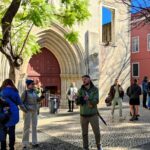
- Meeting at Rossio: Starting With Orientation (Not a Lecture)
- Stop 1 in Lisbon: African Heritage Through Slave-Based Economy
- Stop 2 at Praca Dom Pedro IV: Black Africans in the City’s Everyday Map
- Stop 3: Castelo, Alfama & Mouraria’s Living Heritage
- Stop 4 at Chafariz D’El Rei: Water, Power, and Segregated Access
- Stop 5 in Praca do Comercio: Trading Empire, Then Reality
- Stop 6 at Campo das Cebolas: Commerce Layers and Colonial Arrivals
- The Guide Makes the Difference: Filipa Oliveira’s Tone and Technique
- Price and Value: What $93.62 Buys You in a 2 to 3 Hour Private Tour
- Timing and What to Expect on the Ground
- Who This Tour Is Best For
- Should You Book the Private Tour: African History in Lisbon?
- FAQ
- What is the duration of the private African History in Lisbon tour?
- Where does the tour start and end?
- Is the tour private?
- What language is the tour offered in?
- Are there admission fees for the stops?
- Can I use a mobile ticket?
- Can I cancel and get a full refund?
Key Highlights You’ll Feel Right Away
- A guided route that connects port power to African arrivals, not just a list of monuments
- Filipa Oliveira’s empathetic tone, which helps you handle sensitive history without getting cold or academic
- Multiple stops tied to daily life, including water access at an old fountain and commerce around the port
- Neighborhood immersion in Alfama and Mouraria, where immigrant communities are part of Lisbon’s living identity
- All the stops are free-entry, so you’re paying mainly for the guide and context
- A private format that makes it easier to keep questions flowing and adjust the pace
Why This Lisbon Walk Matters: Seeing the City’s “Missing” Chapter
Lisbon is a city of looking outward. Ships, trade, empires, wealth. But the African chapter sits in the city’s bones, from labor forced by slavery to the long economic ripple effects that followed. What makes this tour feel worth your time is that it treats African history as part of Lisbon’s core story, not a side note.
You’ll also notice something practical: the tour is built to make you use your eyes. Instead of reading a big plaque and moving on, you’re guided to the places where the city’s systems showed up—commerce zones, squares, fountains, and hillside neighborhoods. That’s the difference between knowing facts and understanding how a place worked.
Filipa Oliveira’s approach is repeatedly praised as patient and compassionate. In plain terms, that matters because you’re dealing with a topic that can turn tense if the tone gets sharp or overly distant.
You can also read our reviews of more private tours in Lisbon


Meeting at Rossio: Starting With Orientation (Not a Lecture)
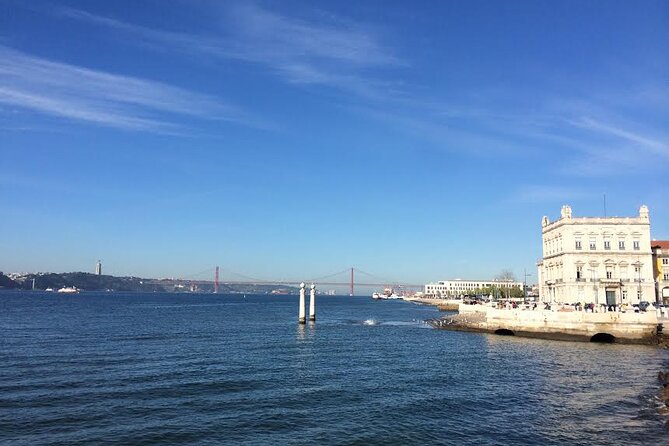
You meet at Lisboa Rossio, right at R. 1º de Dezembro 125. The tour ends at Praça do Comércio, which is a nice way to finish: big open space, port energy, and a sense of scale.
Starting at Rossio makes sense. It’s a central point where you can quickly set context—how Lisbon grew into a trading hub, and why African people were pulled into that system through forced labor and colonial commerce. You also avoid the problem some history tours have: starting in one place and then realizing you need half the city to connect the story.
Stop 1 in Lisbon: African Heritage Through Slave-Based Economy
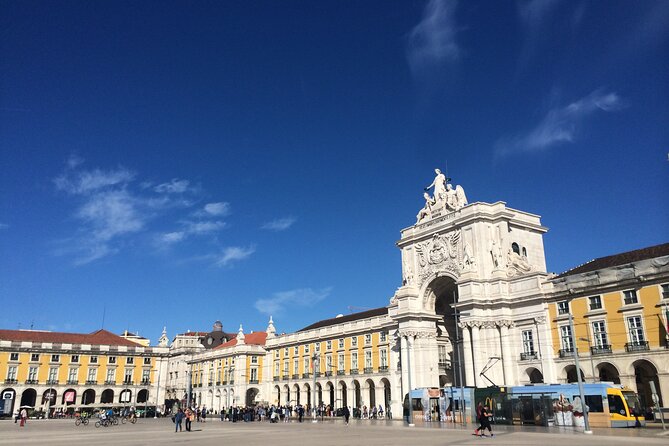
The first stop is focused on African heritage and Lisbon’s long relationship with slavery and the city’s economy. This isn’t framed like a single tragic moment. It’s presented as a “from the 16th century to the present day” reality—latent, persistent, and woven into how Lisbon built wealth and power.
What you’ll get here is a foundation. If you’ve visited Lisbon’s viewpoints and churches, you may have seen architecture that reflects prosperity. This stop helps you understand the other side of the prosperity: how enslaved labor and colonial routes fed the system. That context can change the way you read the rest of the city as you walk.
One drawback to keep in mind: this section can set a serious tone early. If you’re sensitive to hard topics, plan a slow start and don’t feel rushed.
Stop 2 at Praca Dom Pedro IV: Black Africans in the City’s Everyday Map
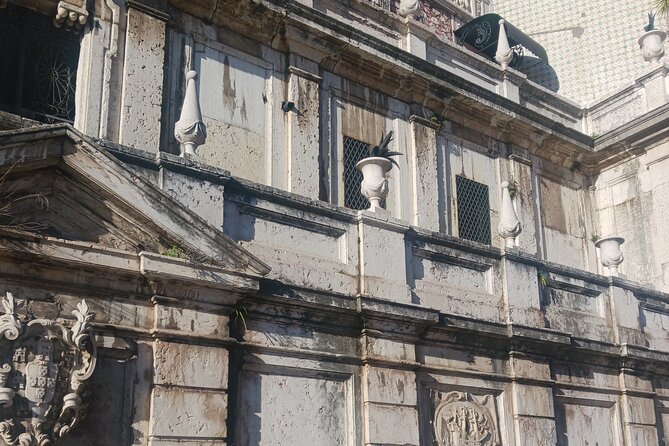
From Rossio, the route moves you toward Praca Dom Pedro IV. Here, the focus is on connecting black Africans and enslaved people to the area’s activity and identity over time.
Squares like this are useful because they’re public. They’re where power becomes visible: who gathers, who controls trade, what gets built, and what gets erased. You’re learning how people show up in a city’s geography—even when the official story tries to keep things neat.
In practical terms, this is also a good moment to ask questions. Short stop, clear theme, and you can calibrate the tour’s depth to what you want next.
Stop 3: Castelo, Alfama & Mouraria’s Living Heritage
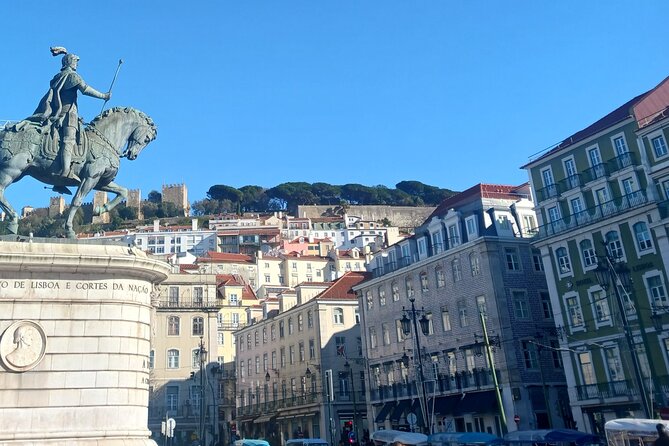
This is the most “Lisbon-feels-like-Lisbon” stretch. Castelo, Alfama, and Mouraria are classic neighborhoods where the city’s history is not behind glass. The tour frames them through immigration and heritage—how communities are part of the city’s identity, not separate from it.
You’ll likely feel the difference between this part and the earlier squares. Instead of big public statements, you’re dealing with streets, scale, and the way neighborhoods hold layered stories. One review specifically called out that the tour can include a look at older ruins in this area, including amphitheater remnants. Even if you’ve walked these streets before, having a guide connect them to African presence and the slave-trade economy can make the whole place click.
Practical tip: wear comfortable shoes. This is a walk tour, and Lisbon’s hills don’t care about your schedule.
You can also read our reviews of more historical tours in Lisbon





Stop 4 at Chafariz D’El Rei: Water, Power, and Segregated Access
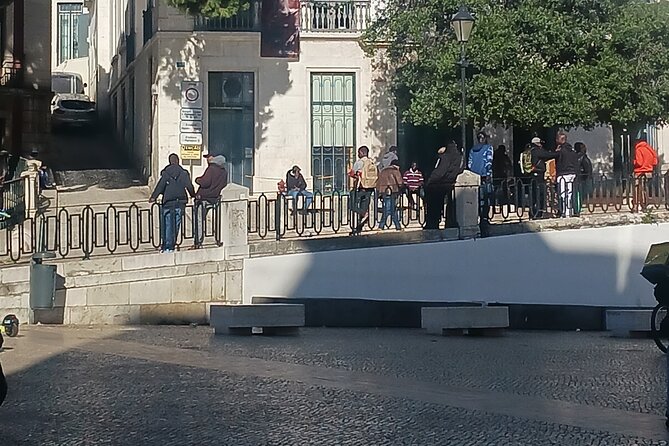
Chafariz D’El Rei is an old fountain in Lisbon, and the tour uses it to tell a specific story: slaves had their own tap to draw water.
That detail matters because it’s not abstract. Water is daily life. Access to water is power. So instead of only thinking about ports and trading routes, you’re reminded that slavery shaped ordinary routines and bodily needs—who could do what, where, and under what rules.
This is the kind of stop that sticks in your head after you’ve left Lisbon, because it turns a global system into a local, physical reality.
Stop 5 in Praca do Comercio: Trading Empire, Then Reality
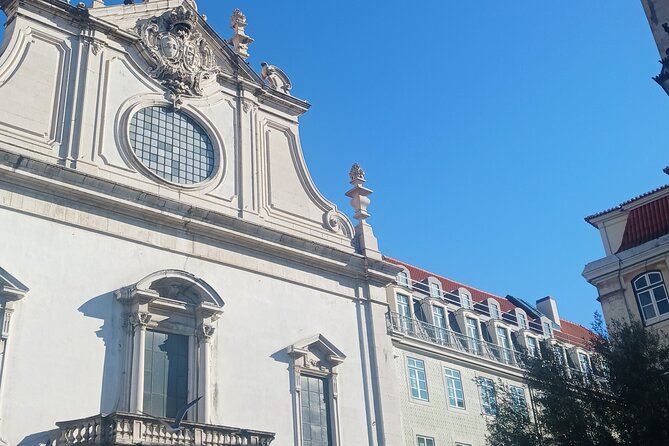
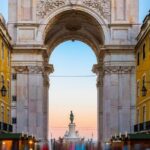
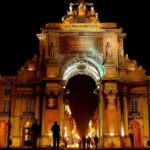
Praca do Comercio is the big one: the main square of the city, tied to Lisbon’s central role in commerce. The tour brings you here for a longer stop, focusing on the square’s place in Lisbon’s historical machinery.
When you connect this stop to the earlier ones, the story feels more complete. Lisbon’s wealth wasn’t just made in a vacuum; it ran through labor systems and colonial routes that included African people. You’ll end up reading the space differently: not only as a scenic postcard, but as a stage for transactions—human as well as commercial.
It’s also a good checkpoint. If you want to press deeper, this is where you’re likely to get solid explanations about how trade and slavery reinforced each other.
Stop 6 at Campo das Cebolas: Commerce Layers and Colonial Arrivals
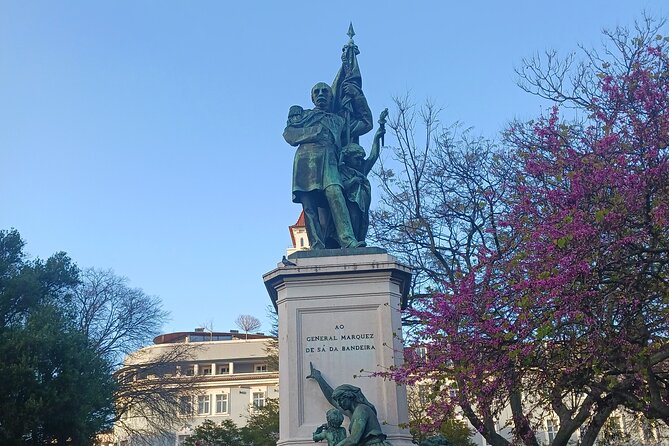
Campo das Cebolas is described as a place of commerce in Lisbon where slaves arrived from the colonies, particularly from Africa. It’s also a spot with architectural remains and many layers of history you can talk through while you’re there.
This stop is valuable because it’s about accumulation: how Lisbon’s trading identity kept building on itself. You’re not only learning that African people were present—you’re learning how that presence moved through systems of commerce and where you can still trace those layers in the city’s structure.
If you like “why this place looks like it does” history, this will likely be one of your favorite parts.
The Guide Makes the Difference: Filipa Oliveira’s Tone and Technique
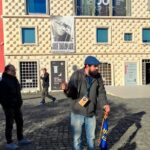
A recurring theme in the experience is Filipa Oliveira’s ability to keep the tour balanced and emotionally respectful. People describe her as patient, and they praise her for adding context without turning the mood cold.
There’s also a practical skill here: she connects dots. That’s what turns a tour from a string of landmarks into a coherent story. One review even highlighted that the narrative can be from the perspective of enslaved people, which is a useful corrective when most city histories default to monuments and kings.
One note of caution: one past group complained about English clarity on a specific day. That doesn’t mean the tour is consistently hard to follow, but if you need crisp English for complex topics, I’d suggest you message in advance with your preferences and any questions you want covered early.
Price and Value: What $93.62 Buys You in a 2 to 3 Hour Private Tour
At $93.62 per person for a private experience lasting about 2 to 3 hours, the value comes from three things:
- Privacy and pacing. You’re not stuck listening politely from the back of a crowd. The private format supports real questions and slows down when it needs to.
- A guide who frames the story. Since the stops are all free-entry, you’re mostly paying for interpretation—how the facts connect to Lisbon’s physical layout and daily life.
- A focused theme. This isn’t a generic overview tour. It targets African heritage and the slave-trade economy in Lisbon, so your time stays on a specific thread instead of scattering.
Demand looks real too: the tour is booked about 46 days in advance on average. If your dates are firm, booking earlier is the smart move.
Timing and What to Expect on the Ground
This is a walking tour with multiple stops across central Lisbon. Expect it to feel like a conversation-walk: shorter segments for context, then more time where the story has more layers.
You’ll also want to plan around Lisbon’s terrain. Even if the itinerary is only a few hours, the hillside neighborhoods can add up fast. If you’re choosing shoes, prioritize comfort over fashion.
And if you want a meal break: one description from feedback includes a coffee break with custard pies and another mentions lunch at a historical cafe in the commercial area. I can’t promise the exact stop every time, but it’s reasonable to plan for a pause for a snack or a bite in that general zone.
Who This Tour Is Best For
This private tour is a great fit if you want:
- A history walk that connects slavery and colonial trade to Lisbon’s layout and architecture
- A thoughtful tone that doesn’t turn heavy topics into a cold checklist
- Time to ask questions and keep the pace human
- More meaning from neighborhoods like Alfama and Mouraria than you’d get from wandering alone
It may be less ideal if you want only light entertainment or if you struggle with emotionally heavy subjects.
Should You Book the Private Tour: African History in Lisbon?
Yes, I’d book it if you want Lisbon to make sense beyond viewpoints and tiles. The route is practical, the theme is specific, and Filipa Oliveira’s delivery is consistently described as patient and compassionate, with a balanced approach to a difficult topic.
I’d hesitate only if you strongly need guaranteed English clarity no matter what. If that’s you, send a message before you go and ask how the guide will handle questions and complex terms early in the walk.
If you’re ready to trade generic sightseeing for a real story tied to real places, this is one of the more meaningful ways to experience Lisbon.
FAQ
What is the duration of the private African History in Lisbon tour?
The tour runs about 2 to 3 hours.
Where does the tour start and end?
It starts at Lisboa Rossio (R. 1º de Dezembro 125, 1249-970 Lisboa) and ends at Praça do Comércio (1100-148 Lisbon).
Is the tour private?
Yes. It’s private, so only your group participates.
What language is the tour offered in?
The tour is offered in English.
Are there admission fees for the stops?
The stops listed in the itinerary have free admission tickets.
Can I use a mobile ticket?
Yes. The tour includes a mobile ticket.
Can I cancel and get a full refund?
You can cancel up to 24 hours in advance for a full refund. Canceling less than 24 hours before the start time isn’t refunded.