REVIEW · LISBON
Lisbon: Jerónimos Monastery Entrance Ticket
Book on GetYourGuide →Operated by Distributor: GetYourGuide Tours & Tickets GmbH · Bookable on GetYourGuide
Jerónimos Monastery is Portugal in stone. This entrance ticket gets you into one of Lisbon area’s most famous UNESCO sites, commissioned in the 1490s and famous for its Manueline Portuguese Late Gothic details along the Tagus River.
I especially love two things: first, the way the cloisters reward slow looking (carved stone, patterned arches, and that cathedral-level craftsmanship). Second, having the PDF voucher ready helps you get to the entrance faster than wandering around trying to sort out tickets on the spot. One drawback: you should still expect lines outside, and on hot days that can feel like the main event.
Think of this as a self-guided visit to the monastery grounds and church areas that matter most to Portugal’s explorer-and-poet identity. You’ll come for the architecture, but you’ll leave understanding why Vasco da Gama and Luís de Camões are part of the same story as King Manuel I and the Order of St. Jerome.
In This Review
- Key things to know before you go
- Jerónimos Monastery: what makes it more than a pretty building
- Your entrance ticket reality check (no guide, but good value)
- Plan around church vs cloister hours so you don’t get shut out
- What you’ll see inside: cloisters, church, and the Vasco da Gama connection
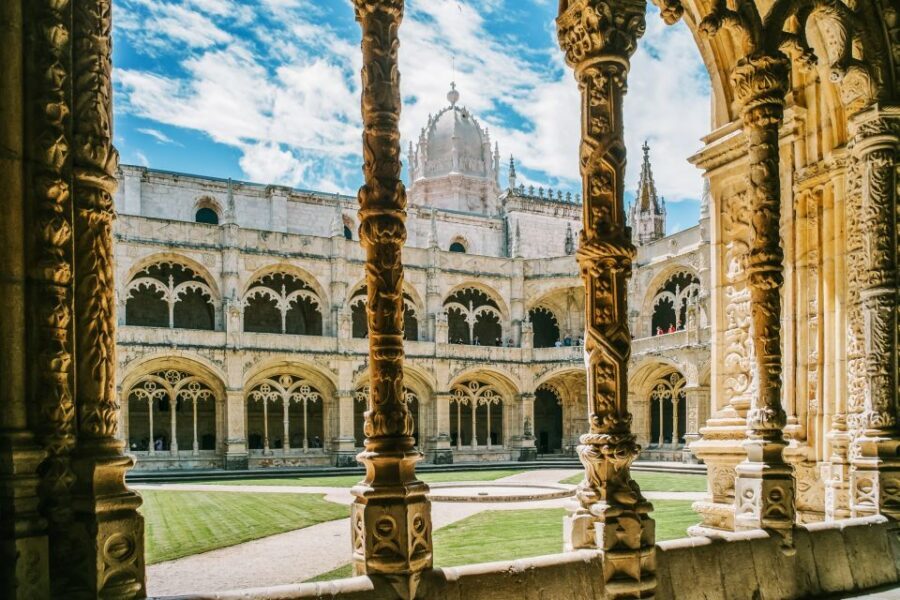
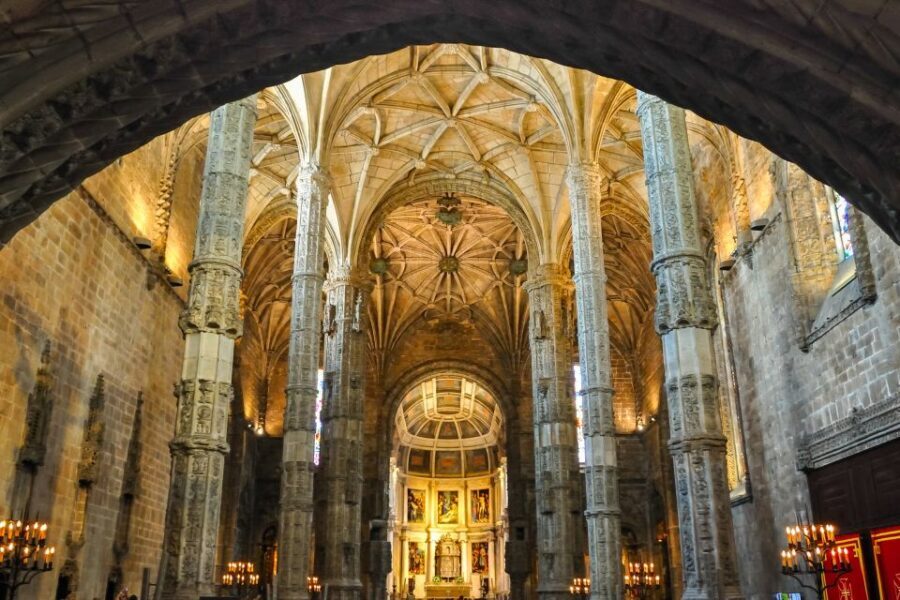
- The cloister: where the architecture does its best work
- The church and the explorer-and-poet monuments
- The World Heritage Site story you’ll actually notice
- Lines, sun, and which queue you need: practical tactics that save your mood
- Accessibility and restrictions: what to expect before you arrive
- Value for money: is $21 for Jerónimos worth it?
- Restoration can change your route, so build in flexibility
- Should you book this Jerónimos Monastery entrance ticket?
- FAQ
- What is included with the Jerónimos Monastery entrance ticket?
- Where do I show my ticket voucher?
- Do I get a guided tour with this ticket?
- What are the opening hours for the cloister and the church?
- Is the monastery wheelchair accessible?
- What days is the monastery closed?
- Are pets or smoking allowed?
Key things to know before you go
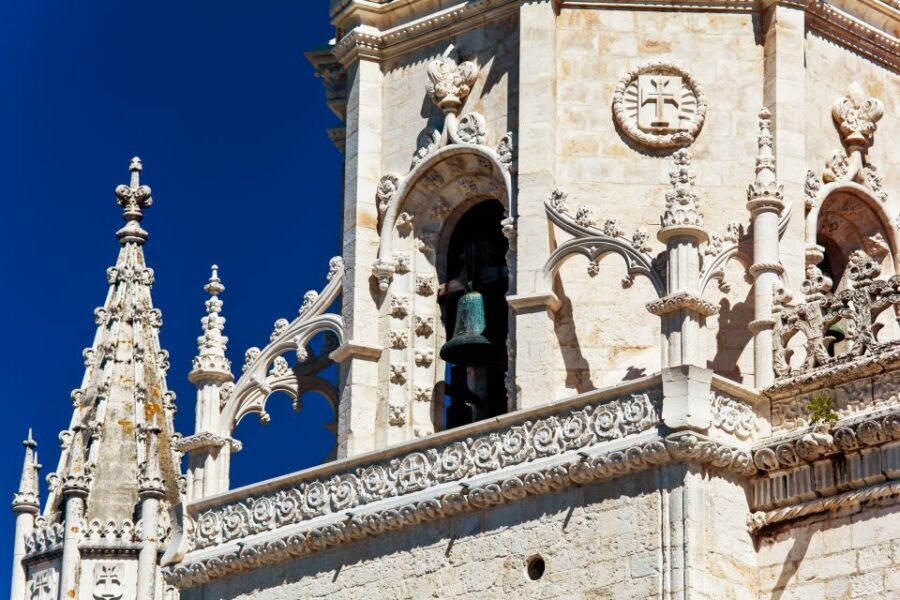
- UNESCO Manueline architecture, up close: The carved stonework is the star, especially in the cloisters and surrounding church space.
- Voucher entry, but not a magic skip-the-line: You’ll still queue; the ticket mainly helps you enter the right flow sooner.
- Church and cloister have different hours: Plan around the opening times so you don’t waste your visit.
- Vasco da Gama and Luís de Camões are key stops: Their monuments bring the site’s Portuguese identity into focus.
- Good visit length, but don’t expect a guided tour: This is an entrance ticket—no guide comes with it.
- Restoration can affect access: Some areas may be closed at times, including parts of the church.
Jerónimos Monastery: what makes it more than a pretty building
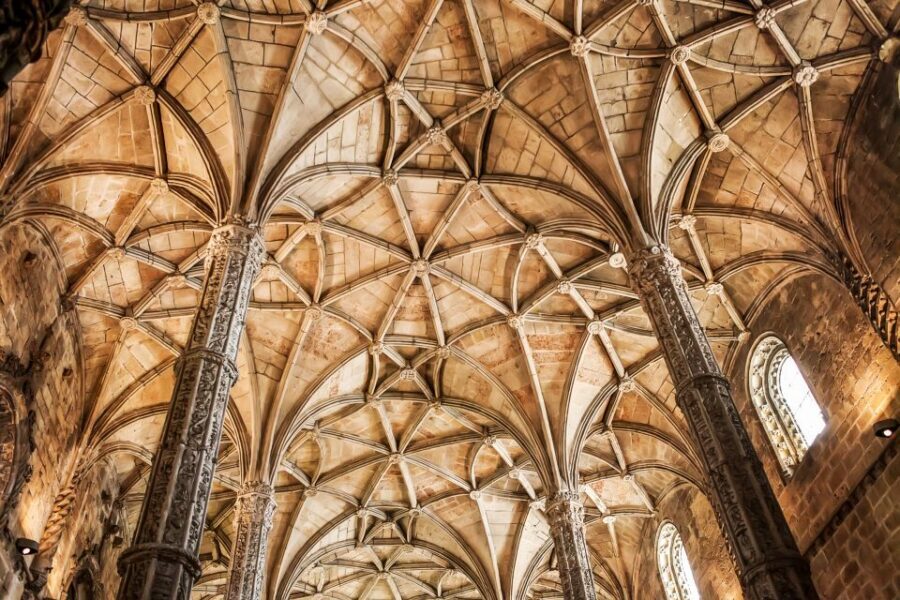
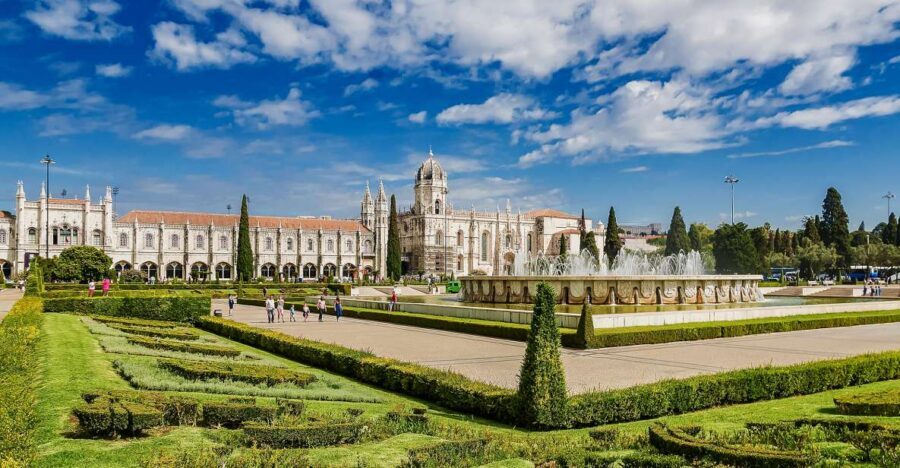
Jerónimos Monastery isn’t just one of those places where you take a photo and move on. It’s designed to feel like a statement: Portugal’s power, faith, and maritime ambition—expressed through Manueline architecture.
Start with the basics you’ll notice fast. The monastery was commissioned by King Manuel I in 1496 to honor Infante Dom Henrique’s devotion to Our Lady and his faith in St. Jerome. That religious foundation matters, because the monastery’s style isn’t separate from its purpose. The whole place reads like “belief made visible,” and then that belief gets tied to Portugal’s Age of Discoveries.
The location also helps. It sits near the Tagus River, so even from outside you get the sense of a maritime country celebrating its global reach. Once you’re inside, the carvings do the heavy lifting: you’re looking at Portuguese Late Gothic with that distinctly Manueline flair—ornament, structure, and symbolism braided together.
If you care about architecture that actually rewards attention, this visit fits you perfectly. You’ll probably spend more time looking upward and around corners than you expected.
A few more Lisbon tours and experiences worth a look



Your entrance ticket reality check (no guide, but good value)
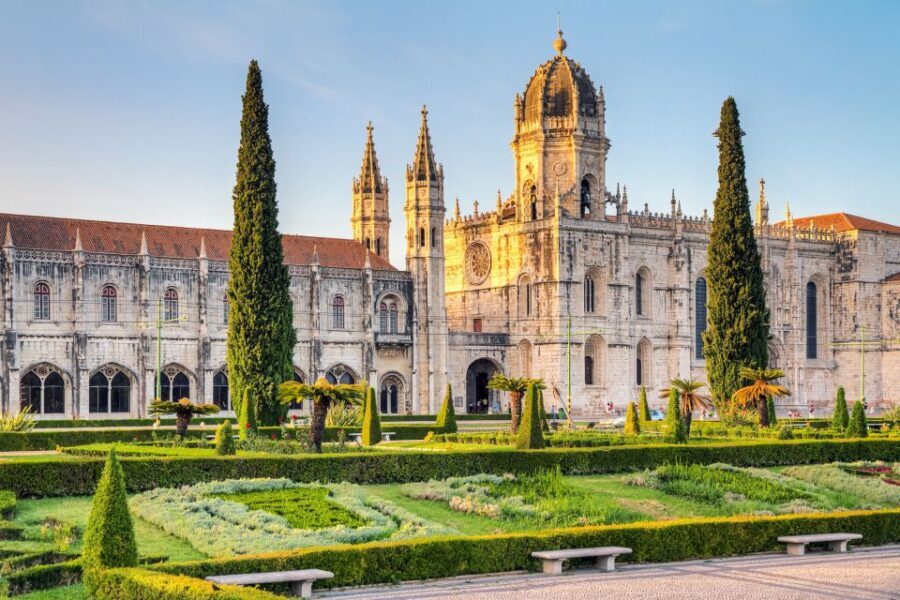
This is an entrance ticket. That means you won’t have a guide walking you through the story beat by beat. You get entry, and then you build your own route inside.
What’s included is simple: Jerónimos Monastery entry access using your PDF voucher (from your booking confirmation email). You present it at the entrance.
Now let’s talk about value, because opinions are split on price. At about $21 per person, you’re paying for timed entry access rather than a guided experience. Some visitors feel the price is high given what you can access, especially if you’re expecting more than the cloister and church areas.
I think the ticket is worth it if:
- you want to lock in access rather than gamble on availability
- you hate wasting time on ticket lines at a busy landmark
- you want to spend your attention on the stonework rather than listening to a scripted overview
It’s less worth it if:
- you want lots of interior rooms and museum-style exhibits (this experience is more about architecture and specific areas)
- you’re trying to “buy your way out of the queue” (this ticket doesn’t erase the line reality)
The best way to think about it: this is a focused entry, not a full guided tour package.
Plan around church vs cloister hours so you don’t get shut out
Timing is the hidden boss fight at Jerónimos. The site is split in practice between the cloister area and the church area, and their opening hours differ.
Here are the hours you need to know:
- Cloister: Tuesday to Sunday, 9:30 AM–5:30 PM (last entry at 5:00 PM)
- Church: Tuesday to Saturday, 10:30 AM–5:00 PM
Sundays and religious holidays: 2:00 PM–5:00 PM
Also remember:
- The monastery is closed on Mondays
- It’s closed on January 1, Easter Sunday, May 1, June 13, and June 25
Practical tip: if you only have one afternoon, you’ll want to aim for the cloister first (since its hours are broader on most days). If your priority is the church space and monuments, make sure your arrival lines up with church opening—especially on Sundays and religious holidays when hours shift.
And yes, lines happen. Some visitors report waits around 30 minutes, while others hit longer queues (up to about an hour and a half on busy days). That’s why early planning matters more than people expect.
What you’ll see inside: cloisters, church, and the Vasco da Gama connection
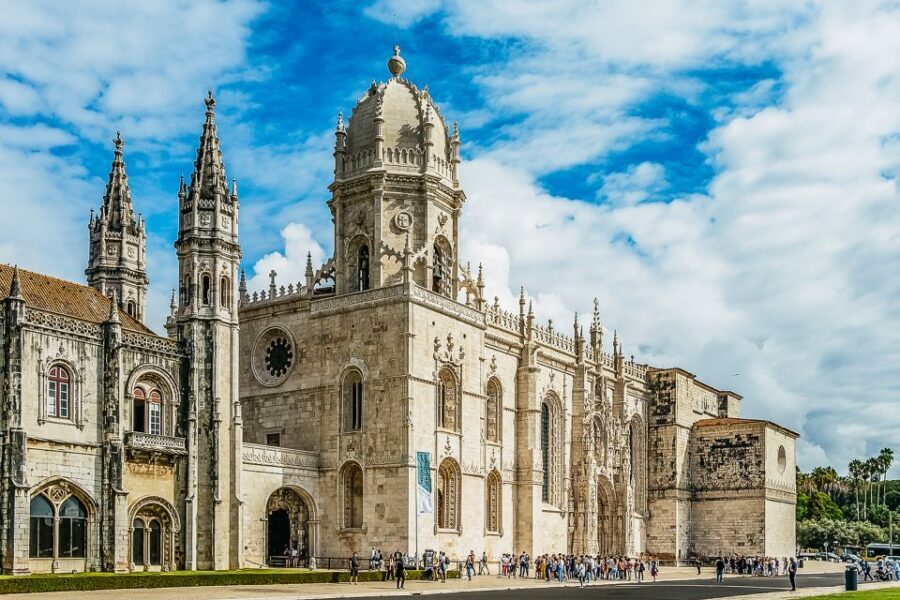
Once you’re through the entrance flow, your visit focuses on a limited set of areas—mainly the cloister space and the church. That’s why it’s important not to treat this like a whole-day “wander a giant complex” plan. It’s more like: slow down and enjoy the main event.
The cloister: where the architecture does its best work
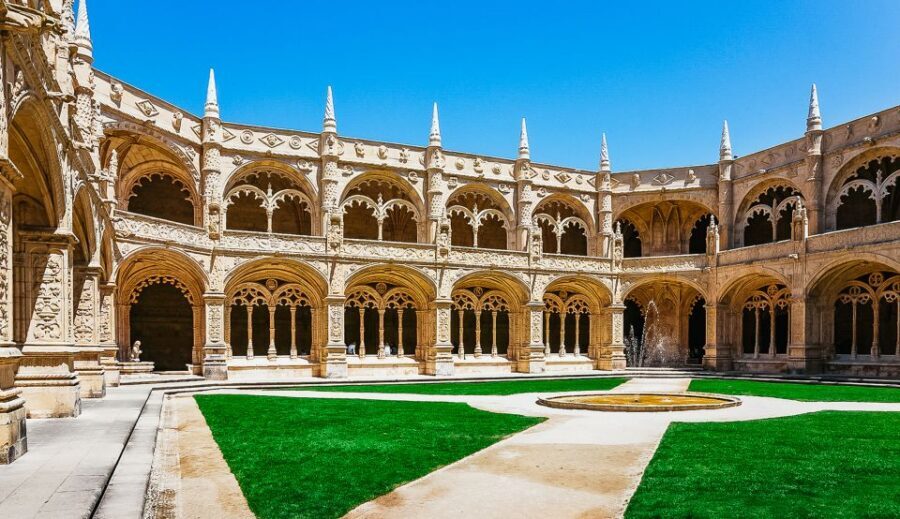
The cloister is the place you’ll naturally want to orbit. Even if you don’t speak Portuguese, you’ll “get it” through design: repeated arches, patterned stone details, and that crisp feeling of symmetry. Visitors who love architecture tend to get the most out of this area because there isn’t much clutter competing with the stonework.
If you like photography, the cloister is also where your angles will work best. You’ll get the stone textures without needing a ton of context.



The church and the explorer-and-poet monuments
In the church area, the big emotional payoff is tied to Portugal’s identity:
- Vasco da Gama is honored with a prominent tomb space you’ll want to find and linger by
- Luís de Camões, the poet, is also represented among the monuments tied to local heroes and poets
Even if you only know one name from school or films, you’ll feel the significance here. This monastery is part religious center, part national memory archive, and the monuments help you connect the dots between faith, seafaring, and national pride.
One note: parts may be closed at times due to restoration. If you’re visiting during a period when the church is under renovation, you might still get plenty from the cloisters and surrounding areas, but the “full expected route” may be interrupted.
The World Heritage Site story you’ll actually notice
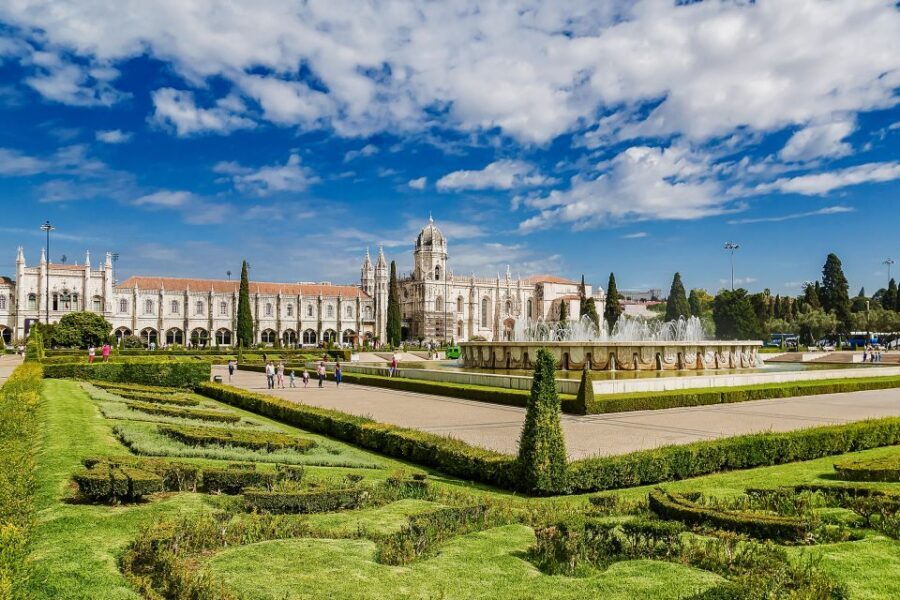
Jerónimos Monastery is a UNESCO World Heritage Site dating back to the late 15th century. That label matters, but here’s the real reason it’s worth caring: the site’s changes over time helped define what Portugal wanted to remember.
Here’s the timeline you’ll want in your head while you walk:
- 1496: King Manuel I commissions it to honor Infante Dom Henrique’s devotion and faith in St. Jerome.
- Order of St. Jerome: The monastery of St. Mary of Belém was donated to the monks of the Order of St. Jerome, which is why it became widely known as Jerónimos Monastery.
- 1833 onward: When the religious order was dissolved, the buildings served as a school and orphanage until 1940.
- 19th century: The church became a monument for local heroes and poets, including Vasco da Gama and Luís de Camões.
If you keep that sequence in mind, the visit stops feeling like “old building.” You start seeing it as an evolving national space: from religious devotion to education and care, and later to cultural memory.
That perspective makes the architecture hit differently. You’re not only looking at impressive craftsmanship—you’re looking at a place Portuguese identity kept reusing, reshaping, and honoring.
Lines, sun, and which queue you need: practical tactics that save your mood
Let’s be real: the entrance can be the least fun part. Even with advance tickets, people report a long line—sometimes outside with no shade—so it can feel like waiting is half the experience.
Here’s how to make it easier:
- Bring water and a hat for sunny days. You’ll thank yourself.
- Arrive with your plan ready so you don’t fumble with your voucher at the worst time.
- Expect separate lines for different access points. One common detail: the church and monastery areas can have different queue setups, so make sure you’re in the correct line.
- Don’t assume tickets eliminate waiting. Some visitors noted they had to queue even with tickets.
On cooler or off-peak days, the situation improves. If you go after 1 PM on a weekday, you may find fewer crowds than at peak morning hours. But you should still plan for a queue because the site manages entry to keep things controlled.
Inside tends to feel calmer. A key reason is that the areas open up once you’re in, and the stonework gives you something to focus on instead of just standing around.
Accessibility and restrictions: what to expect before you arrive
The good news: it’s wheelchair accessible. But the access isn’t equal across every space.
From the available info:
- Only the church and Lower Cloister are accessible for those with reduced mobility.
- The monastery is closed on Mondays and on several public holidays (listed above).
Also note these rules:
- Pets are not allowed.
- Smoking is not allowed.
One more practical tip: if access is a major factor for you, check your visit date against the closure calendar. A monastery day trip can turn annoying fast if you plan around the wrong day.
Value for money: is $21 for Jerónimos worth it?
Here’s how I’d judge the price in a plain way.
You’re paying for:
- the ability to enter with a pre-booked voucher
- access to the main architectural areas (especially cloisters and church space)
- less uncertainty than showing up and hoping everything works out
You are not paying for:
- a guided tour experience
- access to endless rooms or lots of extra exhibits (what you access is focused)
So the best “value match” is someone who wants:
- a high-impact architecture visit
- to see the Portuguese monuments tied to Vasco da Gama and Luís de Camões
- to experience a UNESCO site without needing a full tour framework
If that’s you, the ticket can feel like a fair cost for a landmark of this level. If you mainly want a long, wide museum-style exploration, you may feel the price is steep for the amount you’re able to see.
Restoration can change your route, so build in flexibility
A theme that shows up with famous historic sites: they’re always being maintained. Some visitors have noted restoration activity, including times when the church was not fully open.
So go in with a flexible mindset. If some parts are closed on your day, you can still get a strong visit from the cloisters and the primary accessible areas.
If your trip schedule is tight, it’s worth choosing a time window that gives you a bit of buffer. Lines and closures are two things you can’t fully control.
Should you book this Jerónimos Monastery entrance ticket?
Book it if you:
- want dependable entry access using a PDF voucher
- care about Manueline architecture and Portugal’s national identity story
- can handle queues and want to spend your time inside looking at details
Skip or rethink it if you:
- expected a guided tour with a lot more interpretation included
- struggle with long waits in the sun (unless you’re going at a cooler time)
- visit planning around church access could be tight due to different opening hours and seasonal closures
My take: if Jerónimos is on your Lisbon list, this ticket is usually the smart move. You’re paying for access to one of Portugal’s most iconic spaces, and once you’re inside, the craftsmanship does the selling. Just don’t underestimate the line outside—it’s part of the deal, so plan like you mean it.
FAQ
What is included with the Jerónimos Monastery entrance ticket?
Your ticket includes entry to Jerónimos Monastery. There is no guide included for your visit.
Where do I show my ticket voucher?
You present the PDF voucher from your booking confirmation email at the entrance of the monastery.
Do I get a guided tour with this ticket?
No. This is an entry ticket, and no guide is present during your visit.
What are the opening hours for the cloister and the church?
The cloister is open Tuesday to Sunday 9:30 AM–5:30 PM (last entry at 5:00 PM). The church is open Tuesday to Saturday 10:30 AM–5:00 PM, and Sundays and religious holidays 2:00 PM–5:00 PM.
Is the monastery wheelchair accessible?
Wheelchair accessibility is available, but only the church and Lower Cloister are accessible to those with reduced mobility.
What days is the monastery closed?
The monastery is closed on Mondays, and it is also closed on January 1, Easter Sunday, May 1, June 13, and June 25.
Are pets or smoking allowed?
Pets are not allowed, and smoking is not allowed.