REVIEW · LISBON
Best of Lisbon Small-Group Guided Walking Tour
Book on Viator →Operated by Inside Lisbon · Bookable on Viator
Lisbon clicks into focus fast on this walk. This small-group guided route strings together big-name squares, working city streets, and viewpoints, with a local guide who keeps the stories moving as you go. You cover the center in a way that makes each neighborhood feel connected, not random stops.
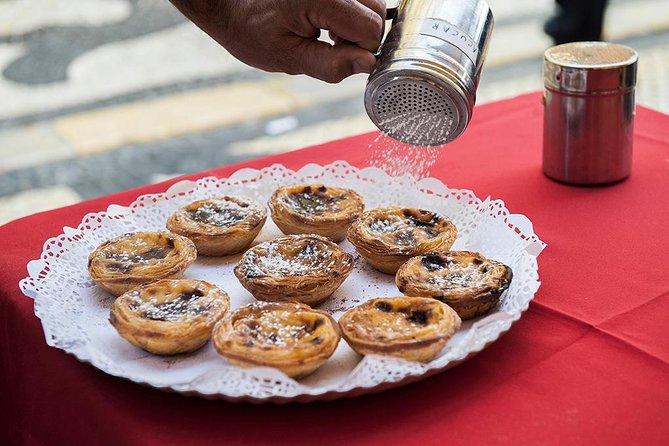
I especially like the included pastel de nata moment plus the food-and-drink breaks that keep energy up without turning it into a food tour. Still, the biggest catch is walking comfort: you’ll cover plenty of ground, and Alfama’s hills and tight lanes mean good shoes matter.
The guides are a strong part of the value too. People often name guides like Felipe, Maria, Jose, and Joana for clear English and for answering questions on the spot, even when the group gets curious (or slightly jet-lagged).
In This Review
- Key highlights
- Where this walk really gets you oriented in Lisbon
- The small-group pace: 3 to 4 hours that feel like a plan
- Rossio Square and São Domingos: the city’s nerve center
- Restauradores Square’s independence obelisk: 1640 in plain sight
- Rossio Central Station and Largo do Carmo: engineering and revolution nearby
- Elevador de Santa Justa and Chiado: views plus the city’s fashion brain
- Rua Augusta: Lisbon’s main downtown street in action
- Baixa after the 18th-century earthquake: walking urban design
- Miradouros and Alfama: fado lanes, photo angles, and stairs
- Praça do Comércio (Terreiro do Paço): the riverfront finish
- Price and value: what you get for $23.94
- Who should book this tour, and who might feel it’s not for them
- Should you book Best of Lisbon Small-Group Guided Walking Tour?
- FAQ
- How long is the walking tour?
- What does the tour cost?
- What’s included, and what’s not included?
- How many people are in the group?
- Is the walking difficult?
- Is the tour offered in English, and do I need a printed ticket?
- Is there free cancellation?
Key highlights
- Small group (max 14) for real interaction and a guide who can adjust the pace
- Pastel de nata + wine tasting + tapa built into the tour for an easy break without extra planning
- Rossio Square to Praça do Comércio covers the city’s main “bones”: squares, stations, downtown, and the river edge
- Alfama and fado streets with a practical feel for how the older city works at street level
- Views from elevador and miradouro so Lisbon looks good even if you’re not a photography person
- Plenty of story per stop: 1640 independence, the Carnation Revolution, and the aftershock rebuild you can actually walk through
Where this walk really gets you oriented in Lisbon
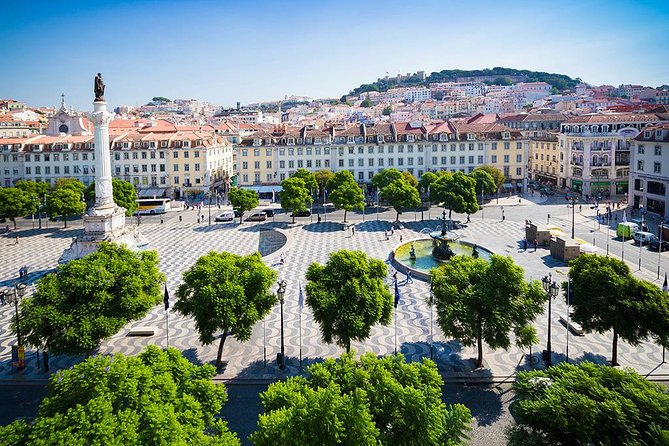
Start at Praça Dom Pedro IV in Baixa, the kind of place where Lisbon feels like it’s teaching you the map. From there, you move through squares and major crossroads that act like anchors, so you can later find your way without constantly checking your phone.
The route is designed to show you how Lisbon “layers” time. You go from royal-era and independence-era symbols to 20th-century political change, then finish in the riverfront setting where visitors historically arrived by sea. It’s a good first-half-day structure because it gives you orientation fast.
The tour stays manageable with frequent stops and a steady pace. Reviews and the way the group is handled suggest that guides keep an eye on comfort, including using nearby public elevators and escalators where possible to help with Lisbon’s ups and downs.
You can also read our reviews of more walking tours in Lisbon



The small-group pace: 3 to 4 hours that feel like a plan
This is a half-day walking tour, about 3 to 4 hours. At $23.94 per person, the price is mostly about three things: the guide, the route, and the included tastings. If you’d otherwise pay for a guided intro plus a few snacks, it can feel like a tidy bundle.
The group size matters. With a maximum of 14 people, you’re not stuck listening from the back while everyone else gets the answers. Guides seem to handle Q&A well, including solo travelers who want a bit of extra attention.
As for effort: you should assume a moderate walk. Baixa sections are comparatively flat, but Alfama is not. You’ll also be in and out of viewpoints and stairs, so comfortable shoes are not optional.
Rossio Square and São Domingos: the city’s nerve center
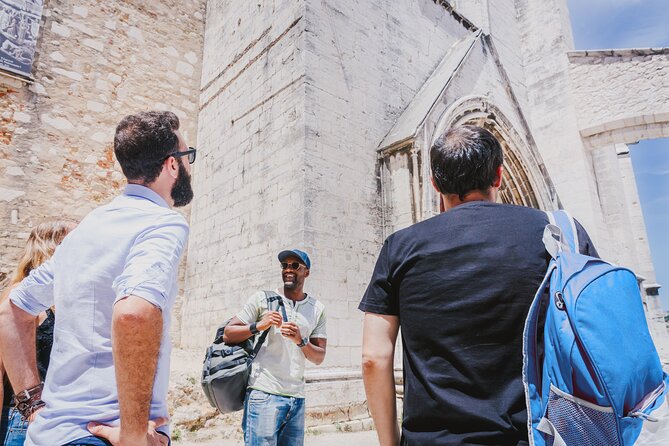
Praca Dom Pedro IV (Rossio Square) is where the tour starts for a reason. It’s Lisbon’s nerve center in Baixa, and the square gives you a quick “big picture” sense of how downtown connects.
From there, you head toward Igreja de São Domingos, a stop that feels like a breather between major squares. Even if you don’t go inside (the tour focuses on walking and seeing), it helps you read the streets like a local. Churches, façades, and the geometry of squares are often the visual clues that guide your future exploring.
If you like architecture and city symbolism, this opening stretch pays off because it sets the theme: Lisbon is a city of stone choices, not just pretty streets.
Restauradores Square’s independence obelisk: 1640 in plain sight
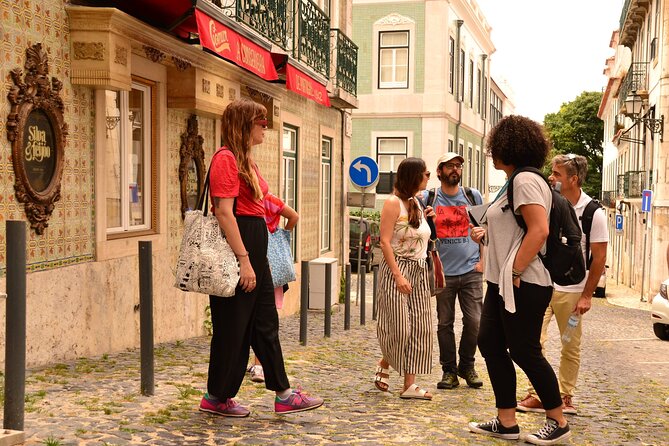
Next is Praca dos Restauradores, tied to Portugal’s Restoration of independence in 1640. In the center, the obelisk does the storytelling for you. It carries names and dates tied to battles fought in the Portuguese Restoration War, inaugurated in 1886.
This stop works because it turns a monument into context. Without this kind of explanation, the square can feel like a pretty landmark you pass through. With it, you notice the layers: independence, Spanish rule, and how Lisbon commemorates political turning points long after the fact.
It’s also a quick mental reset before the tour heads into engineering and transport landmarks.
Rossio Central Station and Largo do Carmo: engineering and revolution nearby
Estacao do Rossio is one of those buildings you can appreciate even if you’re not a train nerd. The exterior is inspired by Manueline architecture, so you get ornate detail without needing museum tickets.
The guide’s job here is to connect that “pretty façade” to real function. Lisbon’s train tunnel route toward Sintra comes up as part of the story, which helps you understand why rail matters in Portuguese life.
Then you move to Largo do Carmo, a small square where history is tied to real locations. This is where the Carnation Revolution in 1974 gets explained, including the idea that Portugal’s dictatorship collapsed after 48 years. Even if you know the headline, the square setting makes it feel more immediate.
If you’re the type who likes political history but hates long lectures, this is the sweet spot: short stories, then movement.
You can also read our reviews of more guided tours in Lisbon



Elevador de Santa Justa and Chiado: views plus the city’s fashion brain

Lisbon rewards walkers with viewpoints, and the route uses that. Elevador de Santa Justa is a key stop for perspective, letting you look over the historic center and see why so much of Lisbon is built on slopes.
After that, you head into Chiado, the neighborhood known for boutiques, theaters, bookstores, and cafés. Chiado has a “fine-grained” feel—this is where street-level details matter more than big monuments. If you like wandering and window-shopping, this is where the walk turns more playful.
One practical note: this is a good stretch to slow down and take photos. The streets are lively, but the tour keeps you moving, so you’ll want to grab your shots during the designated stops instead of trying to stop randomly.
Rua Augusta: Lisbon’s main downtown street in action
Rua Augusta is the city center’s main street, and the tour uses it like a connector between neighborhoods rather than a stand-alone attraction. It’s one of the areas you’ll likely return to later, and this walk helps you learn which side streets lead where.
The “fancy avenue” vibe comes through here, but the value is still orientation. You get a feel for the downtown grid and the flow of people, so future self-guided walks are easier.
Baixa after the 18th-century earthquake: walking urban design
Baixa is Lisbon’s heart, and the tour focuses on why it looks the way it does. Lisbon was rebuilt after the 18th-century earthquake, and you’re told about the new rules of urbanism and anti-seismic architecture that shaped what you see today.
This is one of the stops where the guide’s storytelling makes a big difference. The buildings and streets are physical evidence of a planning response, not just background scenery. You start noticing street proportions and how open areas and blocks were laid out.
Baixa also gives you a slightly easier walking phase. That matters, because soon you’ll switch from downtown’s structure to Alfama’s slope-driven chaos.
Miradouros and Alfama: fado lanes, photo angles, and stairs
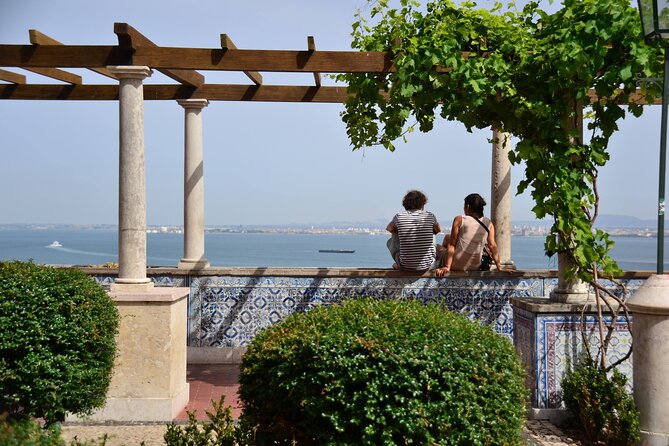
After Baixa, you get a panoramic stop at Miradouro Chao do Loureiro. Think of it as a reset button. You look out, orient yourself, and then the tour moves into the oldest part of Lisbon.
Then comes Alfama, known for Moorish heritage and fado music. The walking here feels like a change of gear: narrow alleys, steep turns, and restaurants tucked between winding streets. Even when you’re not stopping to listen to music, you absorb the soundscape culture—how the neighborhood is built around small social spaces.
One small planning thought: guides can use elevators and escalators when they’re available, but Alfama is still Alfama. This is where your shoes and your comfort with stairs matter most. If you’re not great with hills, take the breaks the guide offers rather than trying to power through.
If you want fado vibes, this is the right section for it. It’s also the best area for casual photos, because the alleys create natural framing.
Praça do Comércio (Terreiro do Paço): the riverfront finish
The tour ends at Praça do Comércio, near the Tagus river. It’s still commonly called Terreiro do Paço, because it was once the location of the Royal Ribeira Palace until the 1755 Lisbon earthquake destroyed it. After the earthquake, the square was remodeled as part of the Pombaline Downtown rebuilding.
This ending works well psychologically. You’ve spent the morning in squares, hills, and narrow streets, and then you get a wide-open riverfront. It’s a strong visual “closing chapter,” and you get a sense of where day trips and river views fit into a Lisbon plan.
When the tour finishes, you’re in a place that’s easy to keep exploring on your own. You already understand the central streets leading to it, so you’re not wandering in circles.
Price and value: what you get for $23.94
Let’s be blunt. A basic walking tour can be cheap, but it often charges extra for the good parts—food, tastings, or an expert guide who makes landmarks make sense. Here, you get a guided experience plus classic Portuguese snacks and drink.
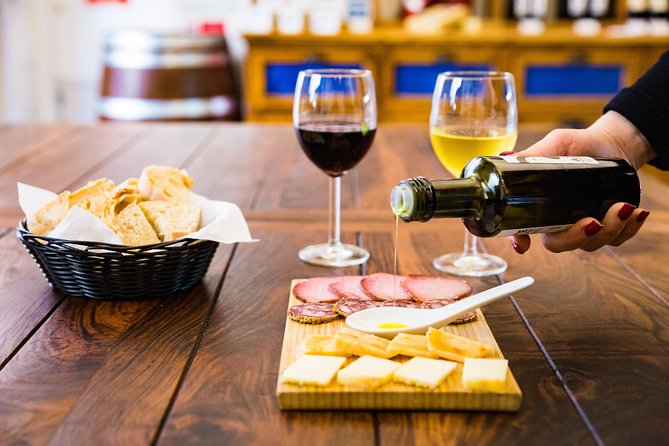
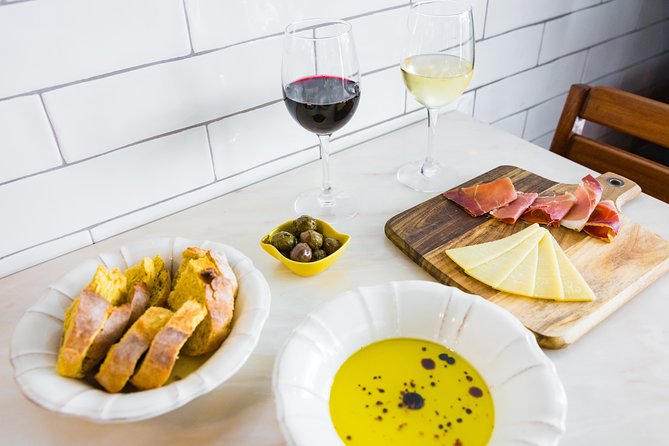
Included items are: pastel de nata pastry, wine tasting, and a tapa, plus snacks along the way. That turns the walk into a practical half-day, not just a sightseeing circuit.
You do not get museum or monument entry included. That’s normal for a walking route focused on streets and exteriors. You’ll still be able to see a lot without tickets, but if you’re aiming to go inside major sites, you’ll need separate plans.
Given the group size cap and the number of big-name areas covered, the value is strongest for first-timers and for anyone who wants a smart overview fast.
Who should book this tour, and who might feel it’s not for them
This tour is a great fit if you:
- Want an efficient introduction to central Lisbon neighborhoods
- Like history explained in short, human stories at the places where it happened
- Appreciate included tastings without turning the day into a strict food crawl
- Need help understanding Lisbon’s layout and hill logic
You might think twice if you:
- Are extremely focused on a single “must-see” monument like Lisbon Cathedral (Sé) and would feel annoyed that it isn’t part of this route
- Want long photo sessions at every viewpoint
- Prefer super light walking with minimal stairs
Should you book Best of Lisbon Small-Group Guided Walking Tour?
If you only have one afternoon and you want Lisbon to click into place, I think this is a very practical choice. The route hits big symbolic spots (independence, revolution, earthquake rebuilding) while still giving you the lived-in feel of Chiado and Alfama. Add in the included pastel de nata, wine tasting, and tapa, and the day starts feeling like more than just “a guide walking and talking.”
The main reason not to book is simple: if you hate hills and tight streets, Alfama will test you. Otherwise, this is a solid way to build a mental map early, then use the rest of your trip for deeper, self-guided exploring.
One last tip: bring comfortable shoes, and don’t be shy about asking your guide for photo help or extra recommendations. The better guides (Felipe and Maria are examples people often mention) seem happy to tailor answers to what you care about.
FAQ
How long is the walking tour?
The tour runs about 3 to 4 hours.
What does the tour cost?
The price is $23.94 per person.
What’s included, and what’s not included?
Included are a local guide, pastel de nata pastry, wine tasting, and a tapa/snacks. Museum and monument entry are not included.
How many people are in the group?
The group size is limited to a maximum of 14 travelers.
Is the walking difficult?
It’s a moderate walking experience. You should expect some hills and narrow streets, especially in older areas like Alfama. Comfortable shoes help a lot.
Is the tour offered in English, and do I need a printed ticket?
The tour is offered in English, and it uses a mobile ticket.
Is there free cancellation?
Yes. You can cancel for a full refund up to 24 hours in advance. If you cancel less than 24 hours before the start time, the amount paid is not refunded.