REVIEW · LISBON
Best of Lisbon Walking Tour: Rossio, Chiado & Alfama
Book on GetYourGuide →Operated by Inside Lisbon tours · Bookable on GetYourGuide
Lisbon changes fast street to street. This Rossio, Chiado & Alfama walking tour keeps you moving while dropping in the big stories, from independence-era monuments to the Carnation Revolution. I especially like the built-in food breaks—yes, including pastel de nata—and the way the route helps you read the city without getting lost. The main drawback to plan for is walking comfort: you’ll be on uneven streets and a few hillier stretches, especially near Alfama.
You meet at Rossio Square, by the statue of D. Pedro IV, which makes it easy to plug into the start of your trip. Expect a 3-hour, English-guided walk that blends squares, viewpoints, and local neighborhoods, plus tastings along the way. If you’re hoping for lots of inside-the-building sightseeing, know that the tour focuses on street-level sights and guidance, while entrance fees are not included.
In This Review
- Key points to know before you go
- Why this Rossio-to-Alfama walk is a smart first Lisbon move
- Meeting at Rossio Square near D. Pedro IV
- Rossio Central Station: neo-Manueline details without the museum queue
- Restauradores and Largo do Carmo: independence and the Carnation Revolution
- Chiado’s old cafés and bookish charm
- Baixa: Lisbon’s rebuilt heart after the 18th-century earthquake
- Pastel de nata and local snack timing that keeps the walk enjoyable
- Alfama: wine, food, Fado atmosphere, and the logic of tiled facades
- Finishing at Terreiro do Paço (Praça do Comércio) like you planned it
- Price and logistics: getting value from $23
- Should you book this Rossio, Chiado & Alfama walking tour?
- FAQ
- Where is the meeting point?
- How long is the tour?
- What’s included in the price?
- Is this tour in English?
- Are entrance fees included?
- What should I bring?
- Can I bring a pet?
- How does cancellation work?
Key points to know before you go
- Rossio Square first: great orientation point, and you’ll spot the neo-Manueline details at Rossio Central Station.
- Revolution stops with context: independence symbolism in Restauradores Square, then the 1974 Carnation Revolution at Largo do Carmo.
- Chiado’s elegant edges: old cafés, boutiques, theatres, and bookstores make this more than a photo walk.
- Baixa’s earthquake rebuild is visible: you’ll see how Lisbon was reshaped after the 18th-century disaster.
- Tastings are part of the rhythm: pastel de nata plus a snack and wine keep energy steady during the walk.
- Alfama’s Fado atmosphere: you’ll get up close to the neighborhood feel, not just the postcard views.
Why this Rossio-to-Alfama walk is a smart first Lisbon move
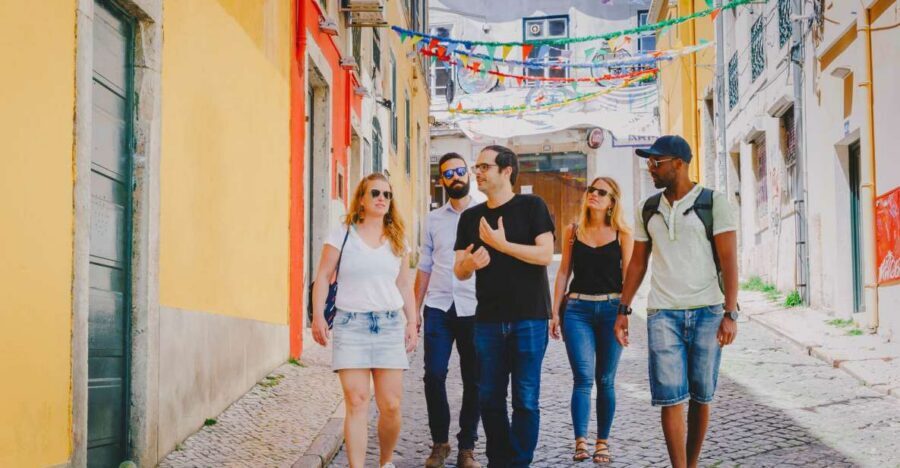
I like tours that do two jobs at once: teach you the city’s “why” and help you figure out its “where.” This route does both. You start in Rossio, the central hub where old Lisbon meets the modern city, then work your way through Chiado and Baixa before finishing in Alfama, Lisbon’s oldest maze of streets.
The big value here is the pacing. In three hours, you cover multiple neighborhoods that are often hard to stitch together on your own without burning half the day on transit or wrong turns. The tastings also help. You’re not just staring at buildings; you’re taking short breaks that keep the walk comfortable and memorable.
At $23 per person, the deal comes from what’s included: a local guide and three food/drink moments (pastel de nata, a snack tasting, and a wine tasting). If you like starting a trip with a guided “orientation + stories” combo, this is a strong fit.
You can also read our reviews of more walking tours in Lisbon



Meeting at Rossio Square near D. Pedro IV
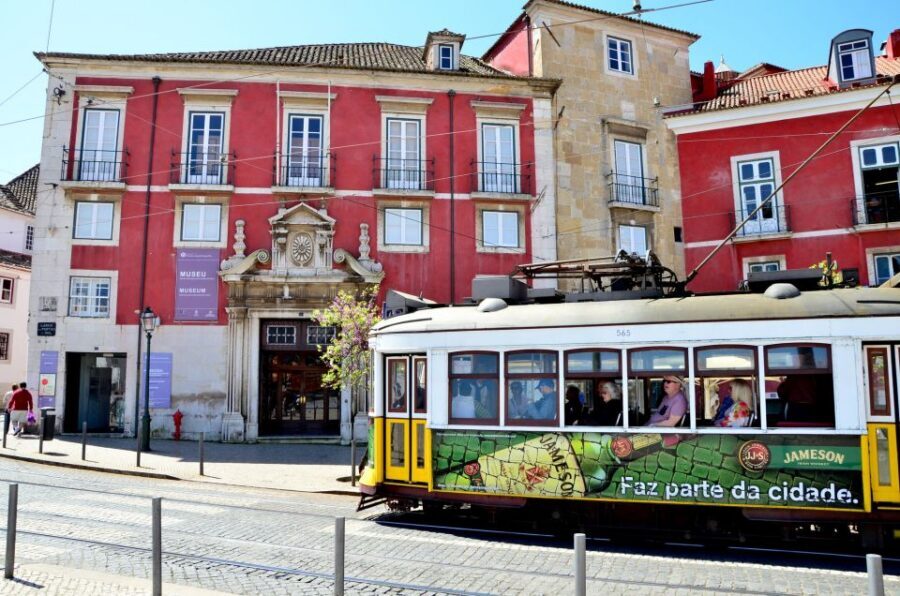
Your tour begins at Rossio Square, right by the Estátua de D. Pedro IV. That’s useful, because it’s one of the easiest central points to anchor your morning plans. If you’re planning to explore after the tour, you’ll also be well positioned to return to major streets nearby.
Rossio Square itself is a great “read the city” starting line. You’ll see a busy central public space, and your guide will point out architectural details that many first-timers miss. One early theme is Lisbon’s mix of eras—how older styles sit beside newer city identity.
You’ll also make quick stops around nearby squares and streets, including St. Dominic’s Square for a photo moment. These short interruptions matter. They give you context and help you learn what to look for as the walk expands beyond Rossio.
Rossio Central Station: neo-Manueline details without the museum queue
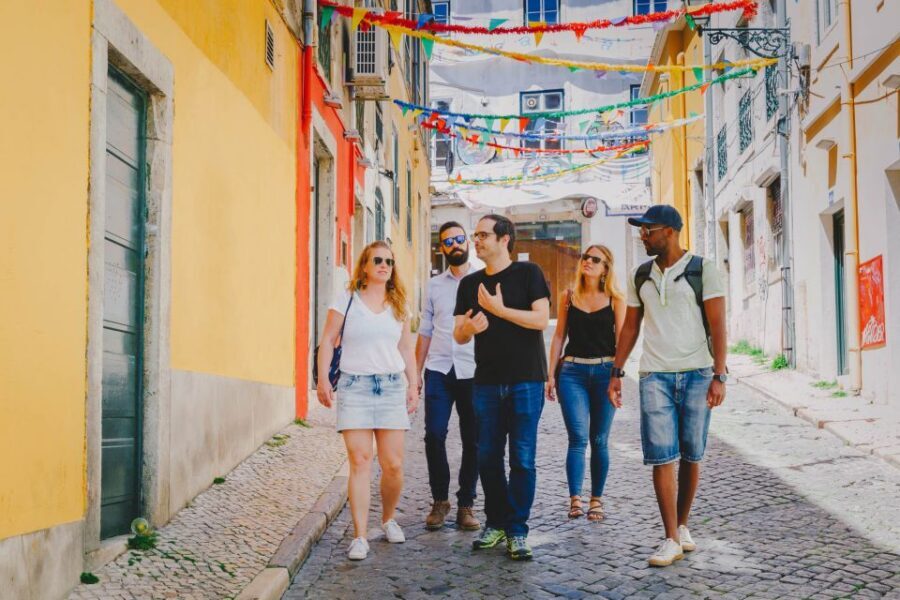
One stop that makes the route feel specific (not generic) is the look around Rossio Railway Station. This isn’t an “always pass by it” landmark. Your guide will steer your attention toward the station’s neo-Manueline architecture.
Why I like this: it’s an example of how Lisbon communicates power and prestige through design. If you’ve only seen photos of Portugal’s palaces, you’ll get a different angle here—Portugal’s flair shows up in transit spaces too. And because it’s a photo stop with guidance, you don’t lose the tour’s momentum.
You’ll also have a “keep your eyes up” habit by the end of this stretch. The station façade and nearby streets train you to notice ornament, symmetry, and transitions between neighborhoods. That skill pays off later when you’re walking on your own.
Restauradores and Largo do Carmo: independence and the Carnation Revolution
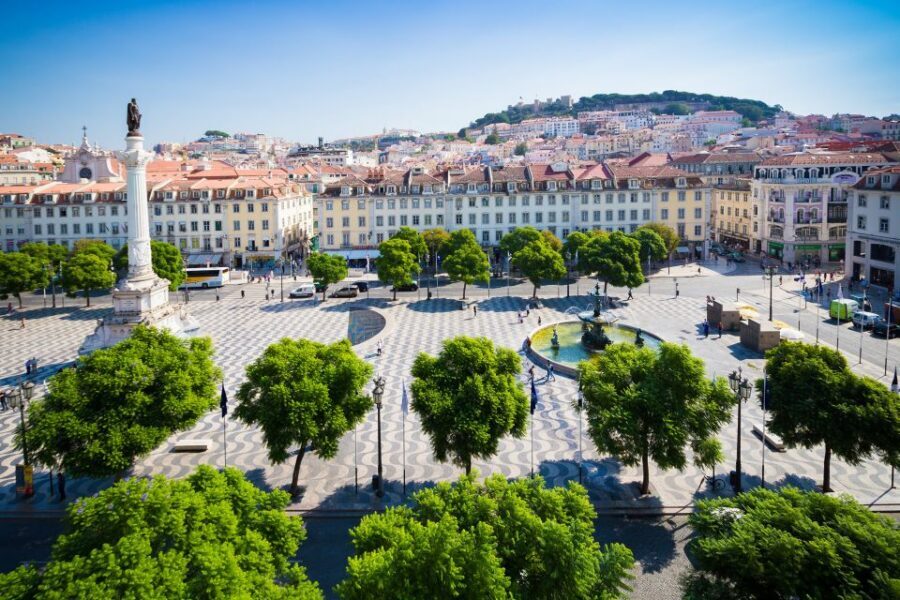
This is where the tour stops being just pretty buildings and turns into meaningful street storytelling.
At Restauradores Square, you’ll see the obelisk commemorating the restoration of Portugal’s independence from Spain. It’s a compact but powerful object to learn about because it sits right in everyday city circulation. You’re not reading history in a classroom. You’re seeing it placed into the flow of modern life.
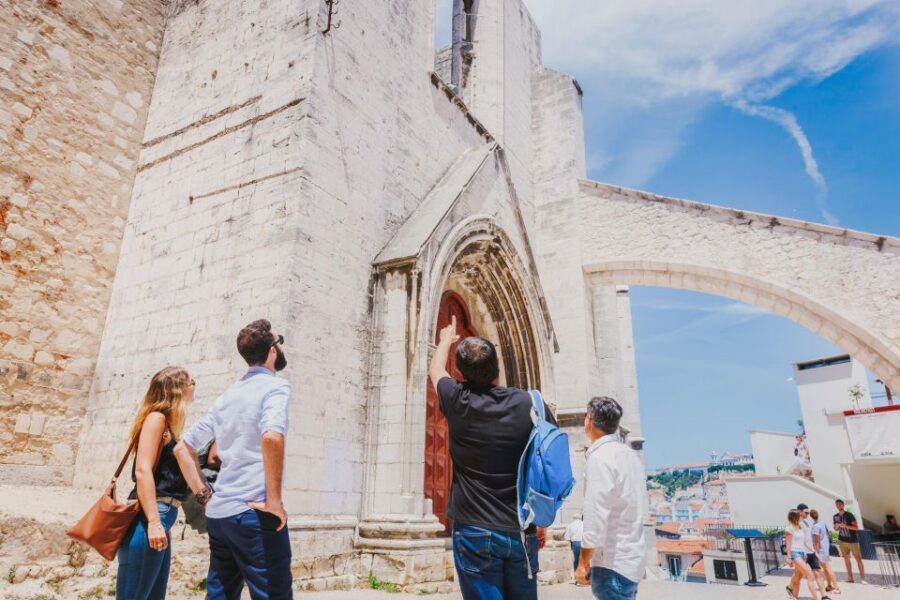
Then you head to Largo do Carmo Square for a photo stop and guided walk, where you learn about the Carnation Revolution of 1974. This revolution ended 48 years of dictatorship. Understanding that shift helps you interpret Lisbon differently—especially when you reach neighborhood squares that feel peaceful today but carried major political weight in the past.
A practical note: these stops are “story stops.” If you ask questions, your guide can turn the monuments into something you can actually picture. If you’re tired, you’ll still get the key ideas without feeling rushed, since the pace is built around short segments and regrouping points.
Chiado’s old cafés and bookish charm
Next comes Chiado, one of Lisbon’s most elegant neighborhoods. Expect old-school character: cafés, boutiques, theatres, and quaint bookstores. It’s not just a change in scenery. It’s a shift in city mood.
Chiado tends to reward slow looking. You’ll pass by storefronts and cultural spots, and your guide will help you connect the neighborhood’s feel to Lisbon’s broader layers—arts, commerce, and the way social life gathers around places with names you’ll later see on maps and menus.
This is also a good section for photos without feeling like you’re stuck on one spot. The tour keeps you moving through streets and sightlines, with a scenic stop or two along the way. If you like neighborhoods that feel lived-in rather than staged, you’ll enjoy this part.



Baixa: Lisbon’s rebuilt heart after the 18th-century earthquake
From Chiado you move toward Baixa, the city’s central “rebuilt” district. This neighborhood was completely reconstructed after the earthquake of the 18th century, and the tour explains the urban planning logic behind it.
What to look for here: the street pattern and the way the city opens up compared to older, more tangled quarters. The tour highlights that the rebuild followed new rules of urbanism and anti-systemic architecture, which is a mouthful but basically means Lisbon had to reset how it organized space after catastrophe.
This section is valuable because it changes the story you’re telling yourself. Lisbon isn’t only about romance and tiles. It’s also about reconstruction and decision-making, done in stone and street layouts you can walk through.
You’ll have time for a food tasting in Baixa, which helps you make sense of the neighborhood beyond sightseeing. After tasting, you’ll go right back into walking with less “tour fatigue” than you’d expect.
Pastel de nata and local snack timing that keeps the walk enjoyable
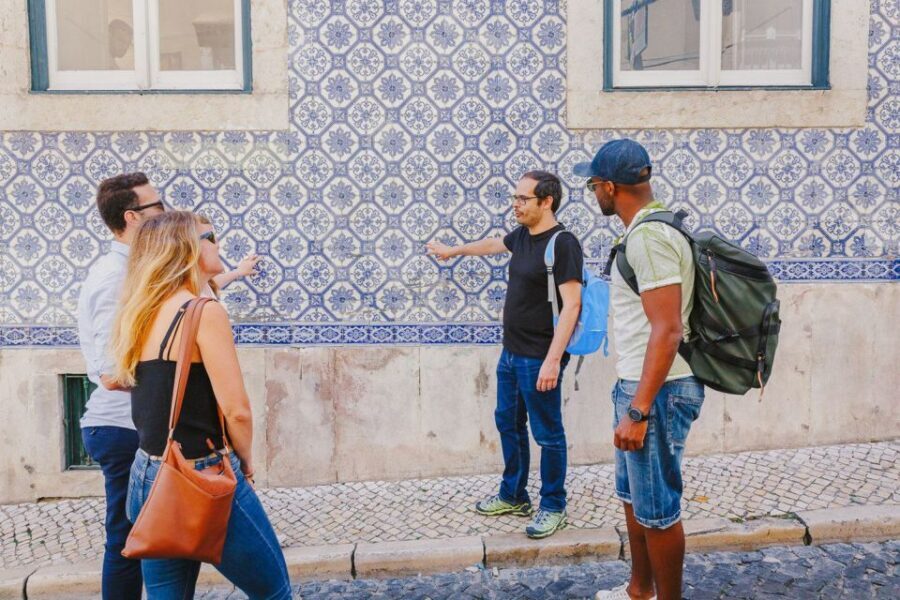
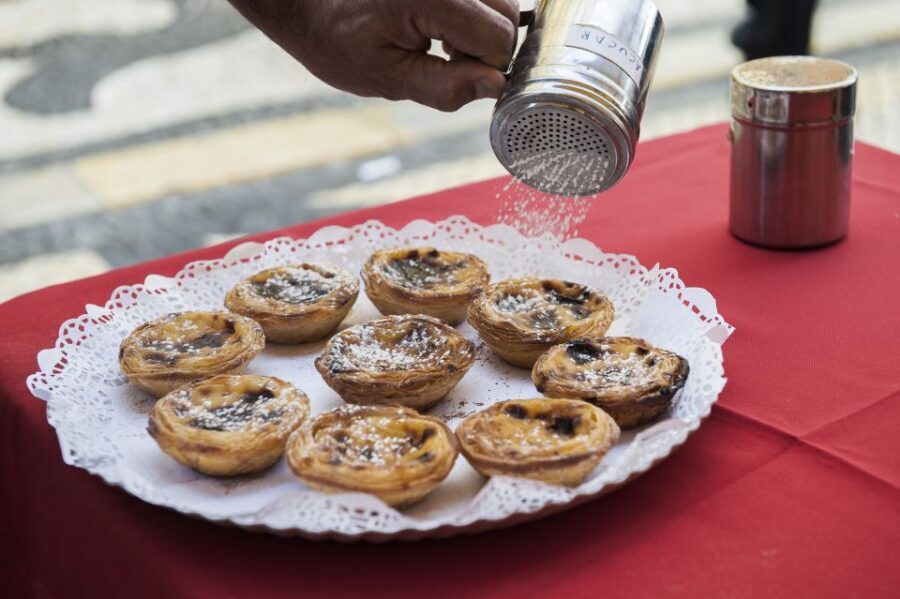
The tour includes one pastel de nata (custard tart) plus one snack tasting and one wine tasting. That matters more than people think. Food stops are not just perks; they’re built into the schedule so you can keep energy steady during a 3-hour walk.
Pastel de nata is Lisbon’s signature comfort food. It’s egg custard baked into a flaky crust, sweet but not heavy. I like having it early enough that the rest of the morning feels like a celebration instead of a sugar crash.
As you taste, think of the food as part of the same cultural thread as the squares. The tour is linking national identity, political change, and daily life into one continuous experience. You’re tasting Portugal while learning why Lisbon became Lisbon.
If you have dietary restrictions, the tour data doesn’t list options. So it’s smart to let the guide know at the start what you can and can’t eat. You’ll get the best outcome if you handle it early rather than during the tastings.
Alfama: wine, food, Fado atmosphere, and the logic of tiled facades
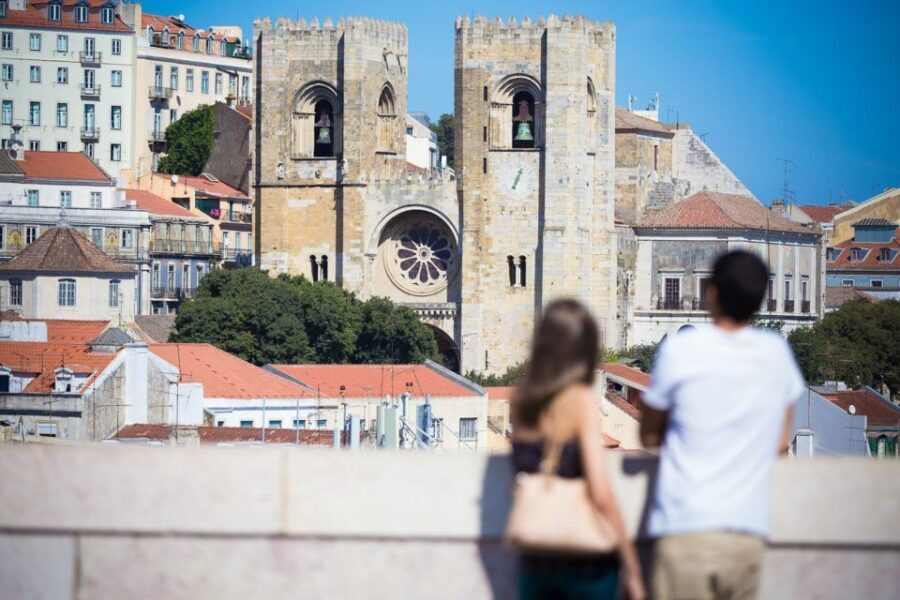
Then you arrive in Alfama, Lisbon’s oldest neighborhood. This is where the streets get narrower and the city feel turns more intimate. You’ll walk through winding lanes where Moorish influence shows up in the neighborhood vibe, and you’ll get an up-close encounter with the art of Fado, Lisbon’s unique music genre.
The tour includes both wine tasting and another food tasting during this segment, so Alfama isn’t only scenic—it’s also sensory. I find this the best payoff moment. You reach the area where Lisbon’s identity feels most “local,” and the tour gives you a taste of that day-to-day culture.
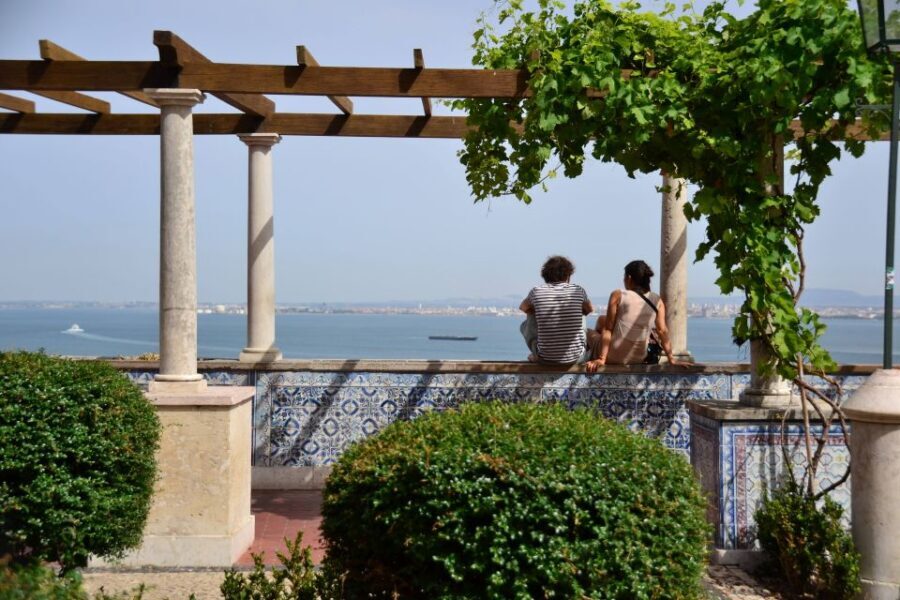
One practical tip you’ll be glad you heard: ask your guide about why many buildings in Alfama are covered with tiles on their facades. It’s a small detail, but it’s the kind of thing that makes the neighborhood snap into focus. Suddenly you’re not just seeing tiles; you’re understanding why they’re there and what purpose they’ve served over time.
There’s also a longer photo moment here, so don’t feel like you have to rush. Let your eyes adjust. Alfama rewards patience.
Finishing at Terreiro do Paço (Praça do Comércio) like you planned it
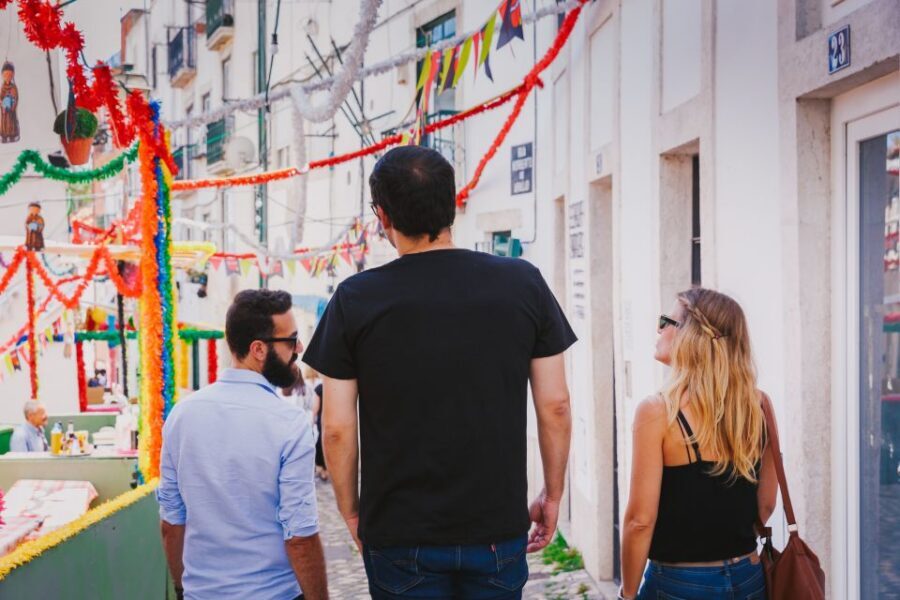
The tour wraps at Terreiro do Paço, also known as Praça do Comércio. This is one of Lisbon’s most open, dramatic public spaces, and the tour frames it as the former entrance hall of the city.
Ending here is smart. After the tight lanes of Alfama, the wide-open views feel like a reset button. It’s a good place to pause, take photos, and decide what your next stop should be based on what you just learned.
If you’re continuing your trip on foot, this finish also keeps you in a central zone. You won’t feel stranded at the edge of the city. Instead, you finish in a place that naturally connects to other walks.
Price and logistics: getting value from $23
Let’s talk value in plain terms. At $23 per person for a 3-hour guided walk, you’re paying for:
- a local English-speaking guide
- guided walking across major central Lisbon sites
- tastings: 1 pastel de nata, 1 snack, 1 wine
That’s often what makes the difference versus DIY. You don’t just get sights—you get context that helps you understand what you’re seeing and where to go next. And those tastings mean you’re not constantly spending extra money on “quick bites” during the walk.
Two watch-outs. First, the tour data says entrance fees and guiding at attractions and sites are not included. So if you want to go inside major stops, you’ll likely budget separately. Second, the walking time assumes you’re comfortable on foot. Bring comfortable shoes and comfortable clothes. If you’re sensitive to hills or cobblestones, you’ll want to consider that before booking.
Should you book this Rossio, Chiado & Alfama walking tour?
I’d book it if you want an efficient start to Lisbon with a story-first guide and built-in food breaks. It’s especially good for you if:
- it’s your first time in Lisbon and you want orientation fast
- you like history that’s tied to places you can see in daylight
- you want pastel de nata and a proper local snack/wine moment without hunting
I’d think twice if you’re mainly after indoor museum time or big ticket attractions, because this tour is focused on streets, squares, and viewpoints rather than entrance-heavy stops. It’s also a walking tour, so plan for a fair amount of time on your feet.
For most people, though, this is a great way to feel like you understand Lisbon by the time you reach the open space of Praça do Comércio.
FAQ
Where is the meeting point?
Meet at Rossio Square, close to the statue of D. Pedro IV.
How long is the tour?
The tour lasts 3 hours.
What’s included in the price?
You get a local guide, the walking tour, 1 pastel de nata (custard tart), 1 snack tasting, and 1 wine tasting.
Is this tour in English?
Yes, the live tour guide speaks English.
Are entrance fees included?
No. Entrance fees and guiding at attractions and sites are not included.
What should I bring?
Bring comfortable shoes and comfortable clothes.
Can I bring a pet?
No, pets are not allowed.
How does cancellation work?
You can cancel up to 24 hours in advance for a full refund, and you can reserve now and pay later.