REVIEW · LISBON
Age of Discoveries Walking Tour in Belém
Book on Viator →Operated by Take Lisboa · Bookable on Viator
Belém can feel like a story you can walk. This 2.5-hour Age of Discoveries walk strings together the big names, the sea trade, and the food stop at Pastéis de Belém in one smooth loop. I love the value here: you pay a low reservation-style price for an expert guide and a tight route that helps you understand what you’re looking at. I also like that it’s designed for first-timers, with a practical sequence from statues and trade symbols toward the riverside.
One thing to consider: several of the top landmarks are viewed from outside only. You won’t go inside Mosteiro dos Jerónimos except the church, and you won’t enter Torre de Belém during the tour.
In This Review
- Key things to know before you go
- Belém in one easy walk: history you can point at
- Price and what you truly get for the money
- Meet at Praça de Afonso de Albuquerque, end at Belém Tower
- Stop-by-stop: what to look for at each Belém landmark
- 1) Estatua de Afonso de Albuquerque (Square and Garden)
- 2) Sala Thai – Pavilhão Tailandês (Thai Pavilion)
- 3) Pastéis de Belém (your tasty reset button)
- 4) Padrao Memoria do Chao Salgado (Chão Salgado Alley)
- 5) Jerónimos Monastery (Mosteiro dos Jerónimos): church only
- 6) Jardim da Praça do Império (Praça do Império)
- 7) Rosa dos Ventos (Compass Rose and Mappa Mundi)
- 8) Padrao dos Descobrimentos (Monument to the Discoveries)
- 9) Belem Lighthouse (Tagus riverside viewpoints)
- 10) Torre de Belem Garden (pause for framing views)
- 11) Torre de Belem (from outside)
- How to get the most from the guide (and the pace)
- Best day and weather: Belém is an outdoor game
- Who should book this Age of Discoveries walk?
- Should you book it?
- FAQ
- How long is the Age of Discoveries Walking Tour in Belém?
- Where does the tour start and end?
- Is the tour offered in English?
- Does the tour include entrance to Jerónimos Monastery and Torre de Belém?
- What’s included in the price?
- What happens if weather is bad?
Key things to know before you go
- You’ll connect the monuments to real trade routes, including the Thai Pavilion story and how tea later reached Britain
- Pastéis de Belém is the food anchor of the walk, with time built in to buy and taste the classic custard tarts
- Most major highlights are outside views, so it helps to know you’re there for context and orientation
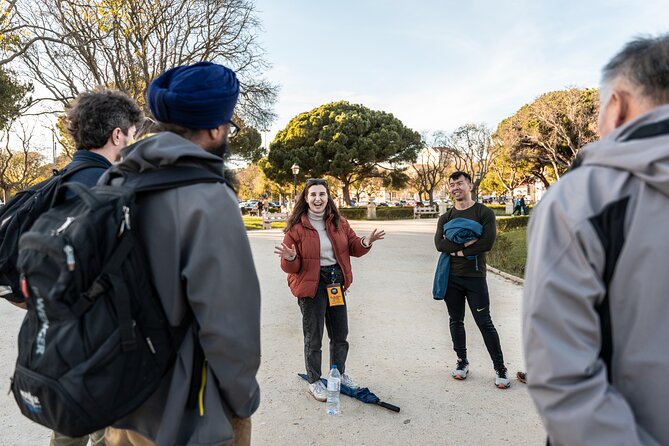
- A small group keeps it personal (max 25), and the guide can steer you around the busiest moments
- Guides may include names like Fernanda, Katerina, Joe, Claudia, Elena, Sara, or João, so expect lively explanation and local tips
- Good weather matters, since this is a walking tour along Belém’s waterfront area
Belém in one easy walk: history you can point at
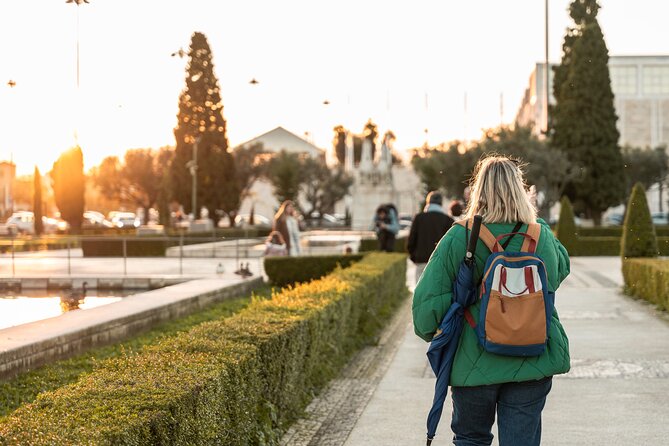
Belém is where Lisbon turns its face toward the Atlantic. You’ll spend your time in the area tied to Portuguese exploration, empire, and the big architectural statement-making that came with global travel.
What makes this tour work is the order. You don’t just hop between famous spots. You learn what each one is trying to say, so when you look at the Monument to the Discoveries or the Compass Rose mosaic, it’s not just a photo opportunity. It’s part of a bigger explanation about navigation, power, and trade.
This is also a tour that fits the real way most people travel: short on time, hungry for context, and ready to hit the highlight spots without getting lost in details.
You can also read our reviews of more walking tours in Lisbon



Price and what you truly get for the money
The listed price is very low for a guided, structured walking tour (about $3.62 per person), and it’s booked fairly far in advance on average. In other words, you’re buying access to a guide and a pre-planned route, not a pile of paid museum time.
So what do you actually get?
- An expert guide for about 2 hours 30 minutes
- A set walk through key Belém landmarks, including a stop at Pastéis de Belém
- Time estimates at each stop so you’re not stuck in one place too long
What you should plan for:
- You’ll likely need to pay for your own tarts at Pastéis de Belém (the tour is about buying and tasting there, not claiming the food is free).
- Some big entrances are optional after the tour. The guided walk is your history and orientation tool, not a replacement for full site visits.
If you’re on a budget, this is one of those rare deals where you’re not sacrificing understanding for savings. You just need to show up ready to walk and look.
Meet at Praça de Afonso de Albuquerque, end at Belém Tower
Logistics matter because Belém is spread along the river. This tour starts at the Garden of Afonso de Albuquerque at Praça Afonso de Albuquerque, 1300-004 Lisboa, and it ends next to the Belém Tower at Av. Brasília, 1400-038 Lisboa.
Why that matters:
- You’re walking in the same direction as the riverfront sights.
- Your final stop lands you near one of the most convenient anchors for continuing your day—either with more Belém exploring or heading back into Lisbon.
You also get a mobile ticket and the tour is offered in English. Service animals are allowed, and it’s positioned as suitable for most travelers. The group cap is 25, which usually helps keep things from turning into chaos.
Stop-by-stop: what to look for at each Belém landmark
This part is where you’ll get the most value. Each stop gives you a different angle on the Portuguese Age of Discovery—leaders, trade, architecture, and navigation.
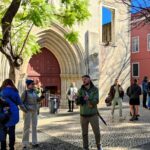
1) Estatua de Afonso de Albuquerque (Square and Garden)
You begin at a square and garden dedicated to Afonso de Albuquerque. He’s a major figure tied to expanding Portuguese influence eastward, and the stop sets the tone: Belém is not only about sailors and ships. It’s also about power, strategy, and how decisions shaped voyages.
What I’d focus on here:
- The sculptures and layout around the garden. It helps you connect “monument” with “person” quickly.
- The theme of empire-building before you hit the waterfront symbols.
Consideration: This is a short stop (about 15 minutes). Go in with the mindset of orientation, not deep site study.



2) Sala Thai – Pavilhão Tailandês (Thai Pavilion)
Next is the Thai Pavilion, tied to Portugal’s far-reaching trade links. The most memorable detail here is the story about how Portuguese contact indirectly helped bring tea to Britain, connected to Lady Catarina of Bragança. It’s a clever reminder that exploration wasn’t just about ships—it was also about moving goods, tastes, and ideas.
What to look for:
- How the architecture represents cross-cultural exchange.
- The lesson that trade routes created long chains of influence, even far from the seas.
This stop is brief (around 10 minutes), but it adds color to the “Age of Discovery” concept. It stops the tour from becoming only about conquest.
3) Pastéis de Belém (your tasty reset button)
Now you hit the food payoff: Pastéis de Belém. These custard tarts are a Belém institution, and the tour frames them as an essential rite of passage.
How to make this stop work for you:
- Give yourself a real bite, not a rushed snack. The texture and flavor are part of why this is famous.
- If there’s a line, the group timing helps. Some guides have even arranged ways for the group to skip some of the worst line pressure at this stop.
Time is about 10 minutes here. It’s not enough for a long meal, but it’s exactly right for tasting the thing you came for.
4) Padrao Memoria do Chao Salgado (Chão Salgado Alley)
Then the tour turns from empire and trade into political power. You walk along Chão Salgado Alley, associated with the legacy of the Marquis of Pombal. This stop includes the darker edge of his reputation, including the Távoras Massacre and how ruthless governance and bold modernization changed Lisbon.
What to look for:
- The way history isn’t only about glory. The tour gives you contrast, so exploration-age achievements don’t erase later human costs.
- Alley pace: this is a “walk and understand” moment more than a “pause and photograph forever” moment.
Another quick stop (about 10 minutes). It adds depth without slowing you down too much.
5) Jerónimos Monastery (Mosteiro dos Jerónimos): church only
Jerónimos Monastery is one of Belém’s crown jewels. The tour highlights it as a Gothic masterpiece connected to Prince Henry the Navigator, with sea-linked symbolism in its design language.
Important note: you won’t go inside the monastery complex during the tour. You’ll only enter the church. Many people choose to visit the rest afterward.
What you’ll likely notice in the church:
- The ornate stonework and the sense of monument-as-message.
- The connection to maritime ambition—Portugal building meaning into architecture.
Time on this stop is about 20 minutes. That’s just enough for a solid orientation and a meaningful look at the church interior.
6) Jardim da Praça do Império (Praça do Império)
You then reach Praça do Império, tied to the New State World Exhibition of 1940. It’s a reminder that Belém didn’t only matter in the 1500s. Portugal kept returning to themes of resilience, national identity, and global reach.
What to look for:
- The monumental fountain and the gardens.
- The “time jump” the tour gives you: from early exploration into 20th-century national storytelling.
Stop time is about 15 minutes, and it works well as a breather before the waterfront monuments.
7) Rosa dos Ventos (Compass Rose and Mappa Mundi)
This is the navigators’ section of the tour. You’ll stand near Rosa dos Ventos, a compass rose and map concept known for its scale—about 50 meters—showing how Portugal imagined routes and the world.
What to focus on:
- How the mosaic connects dream and measurement: navigation as both technology and mindset.
- The idea that the Age of Discovery was built on tools and charts, not just courage.
Time here is about 10 minutes, but it’s the kind of stop where photos don’t capture everything. Take a moment to look, then listen to the explanation so your eyes know what to follow.
8) Padrao dos Descobrimentos (Monument to the Discoveries)
The Monument to the Discoveries sits on the Belém waterfront and is hard to miss. It points toward the sea and features statues of Portuguese adventurers, all facing outward as if they’re still looking for the next horizon.
What makes this stop useful:
- The guide connects it to the larger theme of exploration as national identity.
- It helps you read the monument instead of just seeing it.
You won’t go inside (and you’ll be told this up front), but the exterior viewing time is about 15 minutes, which is enough if you listen actively and don’t get stuck photographing every statue.
9) Belem Lighthouse (Tagus riverside viewpoints)
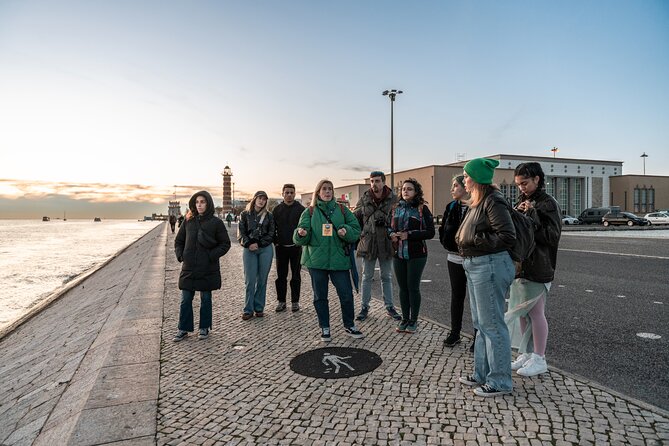
Next you walk along the Tagus waterfront and see the setting that made exploration possible. You’ll also spot modern landmarks around the river, including views linked to the 25th of April Bridge and the Christ the King statue.
The tour ties this to a later-era aviation connection through Gago Coutinho, linked here as an aviation pioneer with a transatlantic flight that bridged continents and skies.
Time is about 10 minutes, so keep this part simple: enjoy the river air, orient yourself, and let the guide do the connecting story.
10) Torre de Belem Garden (pause for framing views)
Before the tower, you get the gardens framing the area around Belem Tower. This is a calmer stretch with manicured lawns and a chance to get panoramic views.
What to do here:
- Use it to reset. After statues and mosaic symbolism, it’s good to take in the physical space.
- Watch how the coastline and river angle changes your perspective of the tower.
Time is about 15 minutes.
11) Torre de Belem (from outside)
Finally, you end at Torre de Belém, a UNESCO-listed monument known for its ornate Manueline style. The tour doesn’t include going inside the tower, but it gives you context for why this fortification became a global icon.
What to look for:
- The ornate stonework patterns on the exterior.
- The strategic “guarding the gateway” idea that explains why this place mattered.
Time on this stop is about 20 minutes, and since this is the tour’s end point, you can decide what you want to do next based on your energy and interest.
How to get the most from the guide (and the pace)
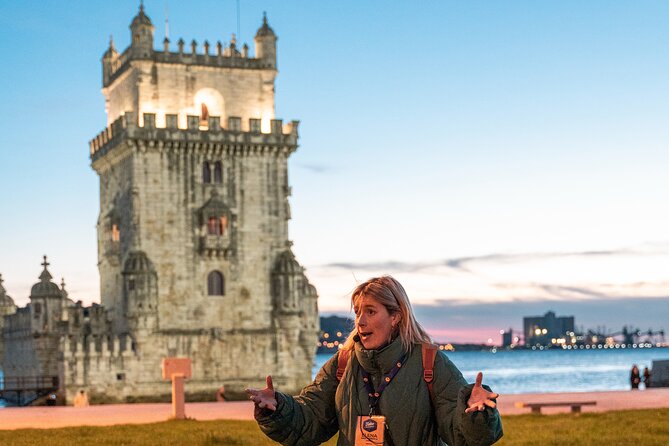
This is a walking tour with short-to-medium stops. That’s great for getting bearings fast, but it does mean the guide has to move the story along. In the reviews data you provided, guide quality varies by person and style, but the overall pattern is that the best experiences come from arriving ready to listen and ask questions.
You might have guides such as Katerina, Fernanda, Joe, Claudia, Elena, Sara, or João. The consistent theme in the guide feedback is that you’ll get history plus practical ideas for what else to do around Belém and Lisbon.
How to make it feel smooth:
- Keep your pace with the group, especially around busy sight lines.
- Don’t treat each stop like a solo sightseeing mission. The value is in the connections between stops.
- If the group is crowded near famous spots, position yourself so you can actually see and hear. That usually solves the common issue of being stuck in the back.
Best day and weather: Belém is an outdoor game
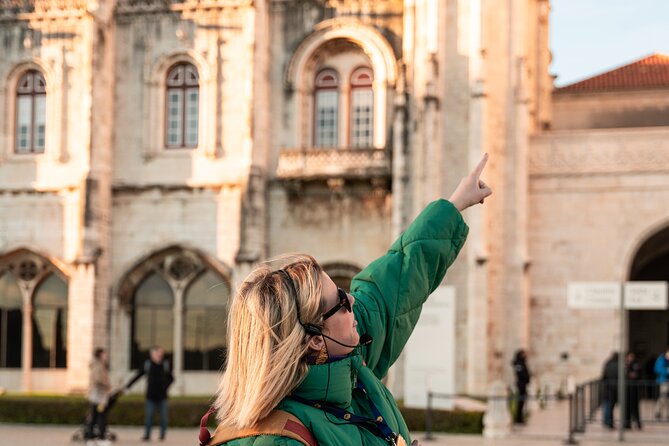
This tour explicitly requires good weather. Belém walking means you’re exposed, and the route includes riverside segments. If weather turns, the operator offers a different date or a full refund, but the practical advice is simple: choose a forecast day you’d happily walk outside for a couple hours.
If you run hot, plan for sun. If you run cold, plan for wind off the river. You’re not just walking through a museum corridor. You’re walking through Lisbon’s maritime backdrop.
Who should book this Age of Discoveries walk?
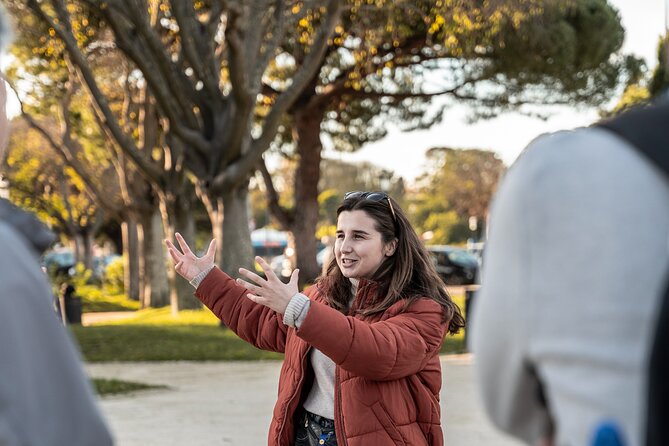
I think this is a smart pick for:
- First-timers in Lisbon who want a coherent Belém story without a full museum day
- Budget travelers who want expert context more than paid entrances
- People who like “why does this landmark exist” type explanations
- Food-inclined travelers, because the Pastéis de Belém stop is built in and timed
You might consider another style of tour (or plan extra time on your own) if:
- You want long inside visits and deep museum time. This walk is mostly about orientation and exterior viewing, plus the church at Jerónimos.
- You dislike walking when crowds are heavy. Belém has peak-hour crush, especially near the tower and the monastery area.
Should you book it?
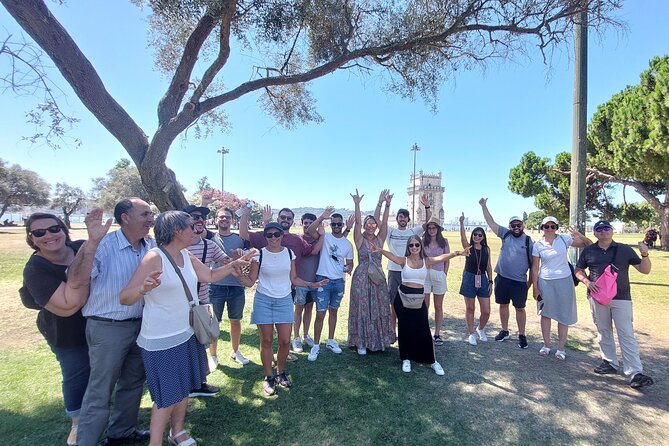
If you’re visiting Belém for the first time and you want your visit to make sense quickly, I’d book this. The low price, the structured 2.5-hour loop, and the way it links monuments to navigation, trade, and Portuguese identity make it a strong value choice.
Book it if you’re happy with a mix of outside sightseeing and a food stop, and if you’re willing to listen your way through the story. Skip it (or add separate tickets) only if you know you want full interior time at Jerónimos or Torre de Belém and you don’t want to plan around the tour’s limited inside access.
FAQ
How long is the Age of Discoveries Walking Tour in Belém?
It lasts about 2 hours 30 minutes.
Where does the tour start and end?
It starts at the Garden of Afonso de Albuquerque, Praça Afonso de Albuquerque and ends next to Belém Tower at Av. Brasília.
Is the tour offered in English?
Yes. The tour is offered in English.
Does the tour include entrance to Jerónimos Monastery and Torre de Belém?
You will not go inside Mosteiro dos Jerónimos except for the church, and you will not go inside Torre de Belém during the tour.
What’s included in the price?
The included part is the expert and passionate free tour guide. Admission tickets at the listed stops are marked as free, but you should expect to buy your own items at Pastéis de Belém.
What happens if weather is bad?
This experience requires good weather. If it’s canceled due to poor weather, you’ll be offered a different date or a full refund.