REVIEW · LISBON
Lisbon: Private Boat Trip, Guided Walking Tour, Bike & Tram
Book on GetYourGuide →Operated by World Experience · Bookable on GetYourGuide
Lisbon looks different from land, bike, and water. This 5-hour combo turns the whole city into one smooth loop—guided walks for context and bike-and-river views to keep the pace fun instead of exhausting. You’ll cover Downtown Lisbon, Alfama, and Belém, then finish with a calm Tagus cruise.
One big consideration right now: the yellow tram portion is temporarily out of operation, so you should not count on that tram segment being available.
In This Review
- Key things I’d plan around
- A private guide that keeps the day moving (and makes it make sense)
- Rossio Square to Downtown Lisbon: where Lisbon’s story starts showing its seams
- Alfama’s best hits: viewpoints, Jesuit stone, and quake ruins
- Bairro Alto viewpoint time, with one reality check about the tram
- Cycling Lisbon to Belém: Tagus river paths, bridge views, and easier distance
- Belém stops that actually earn their time: Jerónimos, Navigators, and the tower
- Pastéis de Belém (1837) plus a calmer finish on the Tagus
- Bike and tram reality check: who this fits best
- Should you book this Lisbon walk-bike-boat tour?
- FAQ
- Where is the meeting point?
- How long is the tour?
- What’s included in the price?
- Is hotel pickup included?
- Is the yellow tram ride available?
- What do I need to know for the bike portion?
Key things I’d plan around
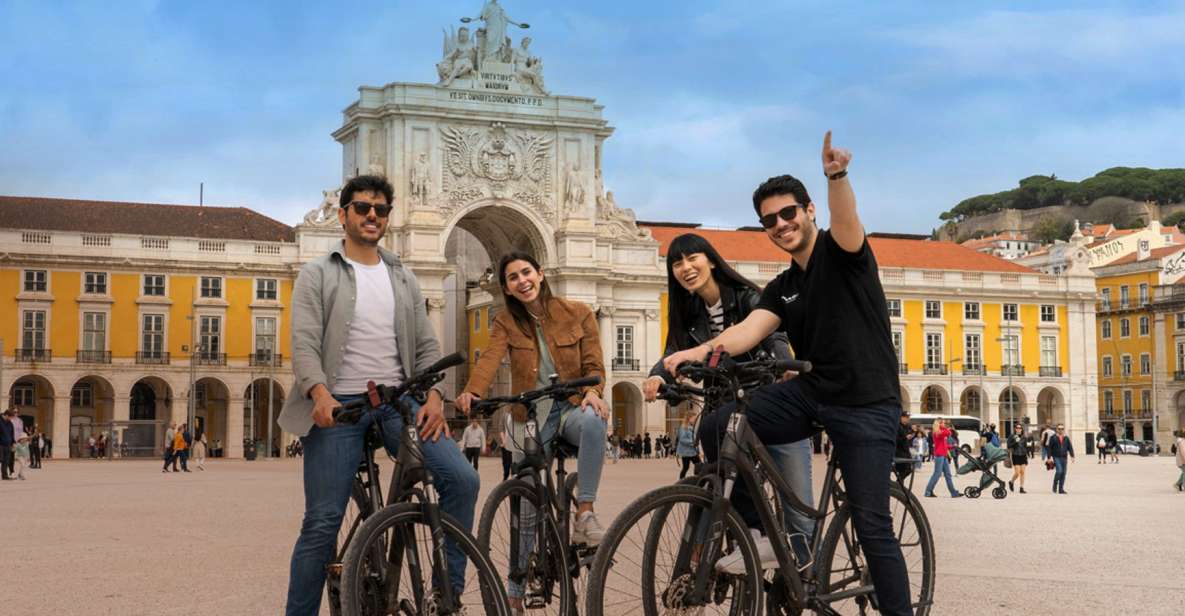
- Small group (up to 8) with a private guide, so questions don’t get lost in a crowd
- Walk + bike + boat in one afternoon for big distance coverage without getting worn out by transfers
- Alfama history stops like Church of St. Roque and the Carmo Convent ruins
- Flat, scenic cycling along the Tagus, passing major landmarks like the April 25th Bridge and MAAT area
- Pastéis de Belém (1837 recipe) plus a payoff of a Belém-to-Lisbon river cruise
A private guide that keeps the day moving (and makes it make sense)

The value here isn’t just transportation. It’s the guide who connects Lisbon’s layers—Romanesque stone, quake scars, empire-era monuments—so you understand what you’re looking at, not just what you’re seeing.
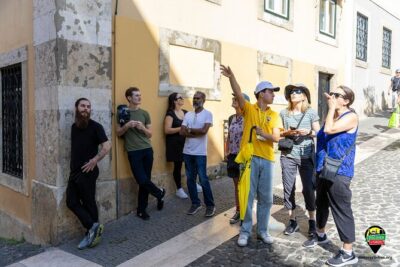
You’ll start in the central core near Praça Dom Pedro IV (in front of McDonald’s). From there, the day is designed like a playlist: walking sections build context, biking gives you horizon time, and the boat ride slows everything down at the end. Guides such as Luciano, Pedro Aires, Loiz, Valter, and João S. all show up in the feedback as conversational and organized, and that matches what you want in a half-day format: clear pacing, quick answers, and enough breaks to keep the energy up.
Also, Lisbon runs on hills, but this tour is smart about it. You get a mix of strolling in historic lanes and a bike route on flatter river paths, which is a huge deal when you only have a short visit.
You can also read our reviews of more walking tours in Lisbon



Rossio Square to Downtown Lisbon: where Lisbon’s story starts showing its seams

Your meeting point puts you close to the main flow of central Lisbon. From Praça Dom Pedro IV, you begin with a guided walking segment through the city center, including Downtown Lisbon.
This matters because Downtown is where Lisbon feels like it’s doing business today, but it’s also where the city’s older structure peeks through—plazas, street geometry, and monuments that mark the shift from royal pages to modern streets. You’ll also head toward Restauradores Square, which is a useful way to orient yourself for later viewpoints and river views.
A practical upside: instead of trying to piece together your own route, your guide handles the sequence—so you don’t waste your limited time wandering in the wrong direction (Lisbon is great, but it can also trick you with twists and angles).
Alfama’s best hits: viewpoints, Jesuit stone, and quake ruins
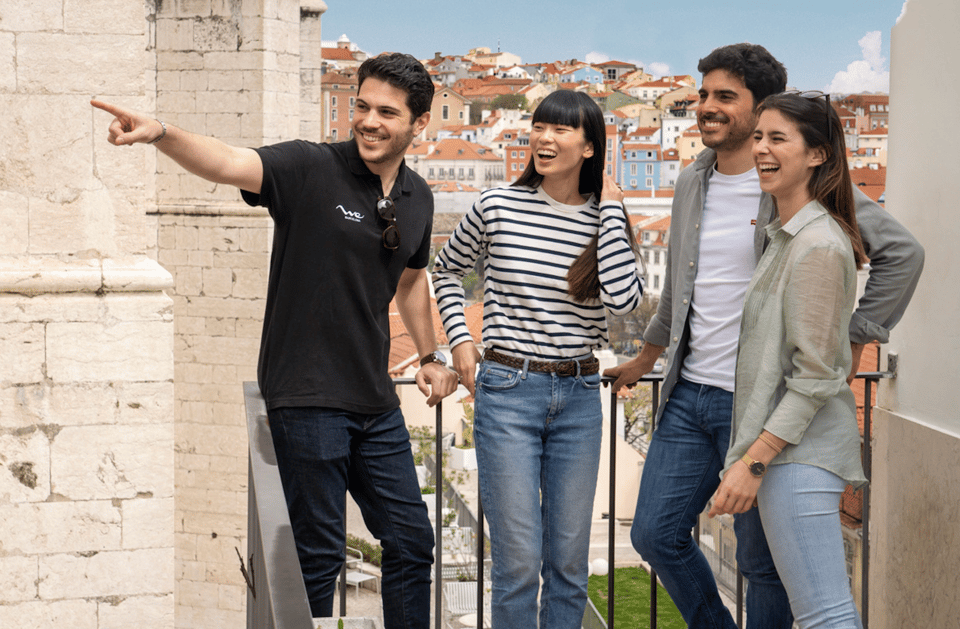
Then comes Alfama, the district where Lisbon feels most like a living postcard—tight streets, layered architecture, and constant sightlines that make you stop without meaning to.
Key stops you’ll cover include the Cathedral of Lisbon and the area’s maze-like streets. You’ll also walk to Church of St. Roque, noted as the city’s oldest Jesuit church. That’s the kind of stop that works well with a guide: you’re not just looking at a church facade—you’re learning why this particular order mattered here and how religious influence spread through Portuguese history.
A stand-out historical anchor is the Carmo Convent ruins, destroyed in the 1755 earthquake. It’s one of those places that can be emotionally heavy on your own. With a guide, you get the timeline and the why, and then you can just stand there and look without needing to research on the fly.
You’ll also work your way toward major squares like Praça do Comércio, which acts like the transition between old-town character and the open drama of the Tagus River.
Bairro Alto viewpoint time, with one reality check about the tram

Part of the planned route includes a yellow-tram connection toward Bairro Alto and its viewpoints—especially the area around São Pedro de Alcântara.
Right now, though, the important caveat is simple: the tram service is temporarily out of operation, and this part of the experience won’t be available for the moment. That means you should expect less of the classic yellow-tram-to-viewpoint payoff than what the itinerary typically promises.
Don’t let that scare you off, because Lisbon still rewards you with viewpoint access on foot and through the rest of the program. But if riding that tram is one of your must-do memories, treat this as a “check first” situation before you fall in love with the idea.
Cycling Lisbon to Belém: Tagus river paths, bridge views, and easier distance
This is where the tour often feels like a cheat code for time.
You’ll switch gears to a bike ride from Lisbon toward Belém, using paths along the Tagus River. The route is described as mostly flat, which matters because Lisbon walking can be deceptively tiring—those steps add up fast.
Along the way, you’ll see major photo anchors and modern contrasts, including the April 25th Bridge and the MAAT Museum area. What I like about pairing older Lisbon with these newer landmarks is that it keeps the day from becoming a museum slog. You’re not just staring at the past—you’re seeing how Lisbon keeps reinventing itself along the water.
There’s also a practical rhythm here: cycling gives you long sightlines and breaks up the day’s standing time. And since this section runs beside the river, it’s also often cooler than the busiest interior streets—helpful in warm weather.
One more important note you should respect: biking is not for everyone. You’ll need to be able to ride on unpaved or uneven terrain, and you also need to be comfortable enough for an active, hands-on biking segment. If you’re not an experienced rider, you’ll likely feel it.
You can also read our reviews of more boat tours in Lisbon





Belém stops that actually earn their time: Jerónimos, Navigators, and the tower

When you reach Belém, the vibe shifts from neighborhood texture to grand Portugal-at-sea territory.
You’ll walk through the Jerónimos Monastery area, known for its 16th-century Manueline-style artwork. This is the kind of architecture where you notice more the longer you look—stone carvings that feel like they were meant for slow reading, not quick selfies.
You’ll also visit the Padrão dos Descobrimentos, a monument dedicated to key Portuguese navigators. If you’ve ever wondered why Lisbon still leans so hard into its maritime identity, this type of stop gives you the answer in a concrete, visible way.
Next, you’ll see the Belem Tower, listed as a UNESCO World Heritage site. The point here isn’t just that it’s famous. It’s that it ties back to the defensive logic of a city shaped by ships, trade, and maritime attacks in the 1500s.
The benefit of having a guide for these stops is that they help you connect symbols, dates, and purpose. Without that, you can end up seeing impressive buildings but missing why they matter.
Pastéis de Belém (1837) plus a calmer finish on the Tagus

Then the day rewards you with the easiest kind of culture: sugar.
You’ll taste the original recipe of Pastéis de Belém at the famous pastry shop founded in 1837. Multiple guides are praised for getting people served without the usual wait in long lines, which is exactly what you want on a schedule like this. After walking and cycling, a custard tart hits like a reset button—warm, flaky, and sweet enough to make you forget how many hills Lisbon tried to collect from you.
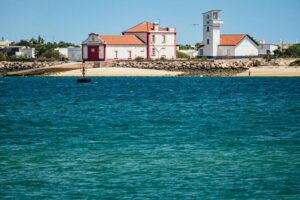
For the last act, you’ll board a Tagus River boat cruise from Belém back toward Lisbon, eventually ending around Praça do Comércio. This is the smart “cool down” move. You stop moving your legs, and you get a fresh angle on the city—waterline views, river light, and a sense of how Lisbon’s neighborhoods relate to each other.
If you like travel days that feel like a complete story arc—go, learn, move, snack, relax—this ending fits.
Bike and tram reality check: who this fits best
This is an active half-day, not a sit-and-listen. The tour includes walking, cycling, and a boat ride, and that balance is great for many people, but you should match your body to the plan.
You should be comfortable with:
- Comfortable shoes and steady walking
- A bike ride along paths with some uneven ground
- The general physical pace of an active 5-hour program
You should also be aware of the tour rules:
- You must be under 110 kg (242.5 lb) to ride the bike
- The tour is not suitable for wheelchair users, pregnant women, and people over that weight limit
- It’s not suitable for children under 10
- It may be affected by special circumstances
- And because the tram is temporarily out of operation, plan for the yellow-tram segment to be unavailable right now
As for timing, it’s only 5 hours, so in warm weather you’ll want to pace yourself. One good tip: bring water and don’t treat the biking stretch like a casual stroll. It’s flat compared to Lisbon hills, but it’s still cycling.
Should you book this Lisbon walk-bike-boat tour?

Book it if you want a high-value “first orientation” day—Lisbon’s neighborhoods, Belém’s monuments, and a Tagus view—without spending your time figuring out routes. The private-guide approach keeps the day from turning into a checklist, and the combination of walking, biking, and cruising is genuinely practical for a short stay.
Skip or reconsider if you’re specifically chasing the yellow tram ride as your core memory, because that part is temporarily unavailable. Also reconsider if you’re not comfortable on a bike, even if the ride is along the river.
If you’re between those extremes—able to walk comfortably and ride a bike confidently—this is an efficient, fun way to see Lisbon in one tight loop.
FAQ
Where is the meeting point?
You meet at Praça Dom Pedro IV 81–83, 1100-193 Lisboa, in front of McDonald’s.
How long is the tour?
The tour lasts 5 hours.
What’s included in the price?
It includes a private guide, city center and Belém guided walking tours, a yellow tram ticket (but the tram service is temporarily out of operation), a bike ride from Lisbon to Belém, Pastéis de Nata, and a Tagus River boat trip from Belém to Lisbon.
Is hotel pickup included?
No, hotel pickup and drop-off are not included.
Is the yellow tram ride available?
Not right now. Tram service is temporarily out of operation, and this part of the experience will not be available for the moment.
What do I need to know for the bike portion?
You must be under 110 kg to ride the bike, you should be able to ride on unpaved or uneven terrain, and the tour is not suitable for people without experience.