REVIEW · PORTO
Porto: Live Fado Show with Glass of Port Wine
Book on GetYourGuide →Operated by Valsa das Sílabas · Bookable on GetYourGuide
Fado sounds better in a cellar under a church. This live fado show in historic Casa do Fado venues pairs Portuguese guitar and song with a short, plain-language explanation of the music’s origins and character. You also get a glass of Port wine, a classic Porto taste.
I especially like the intimate venues and the way the room is set up for fado acoustics. I also like that the experience isn’t just background music; you get real context from the host, and you’re listening to top musicians up close.
One thing to consider: it’s only 1 hour, and when the room is full it can feel tight, especially in smaller spaces beneath/around the church.
In This Review
- Key Highlights You’ll Actually Feel
- Choosing the Right Casa do Fado Venue in Porto
- What Happens in the 1-Hour Fado Show (and Why It Works)
- The Musicians: Portuguese Guitar Meets a Singer with Real Bite
- Port Wine in Hand: Why This Pairing Makes Sense
- The Venue Vibe: Intimate, Historic, and Sometimes Tight
- Best for First-Timers (and Great for Date Night)
- Value and Price: Why $23 Often Feels Like a Bargain
- How to Plan Your Evening Around It
- Should You Book This Fado + Port Show in Porto?
- FAQ
- How long is the fado show?
- What is included in the ticket?
- Is food included?
- How much does it cost?
- Where is the meeting point for this version of the experience?
- Which Casa do Fado venues are available?
- What languages are spoken by the host?
- Does the experience include an introduction to fado?
- Is transport provided?
- Can I cancel for a full refund?
Key Highlights You’ll Actually Feel
- UNESCO-linked fado context: you learn where fado comes from and what makes it distinct, not just what you’re hearing.
- Acoustics built for fado: stone walls and a purposely intimate room make the singing and Portuguese guitar easier to catch.
- Port included: a glass of Port is part of the show, not an afterthought.
- You meet the music through the people behind it: strong on-the-spot explanations and a friendly host.
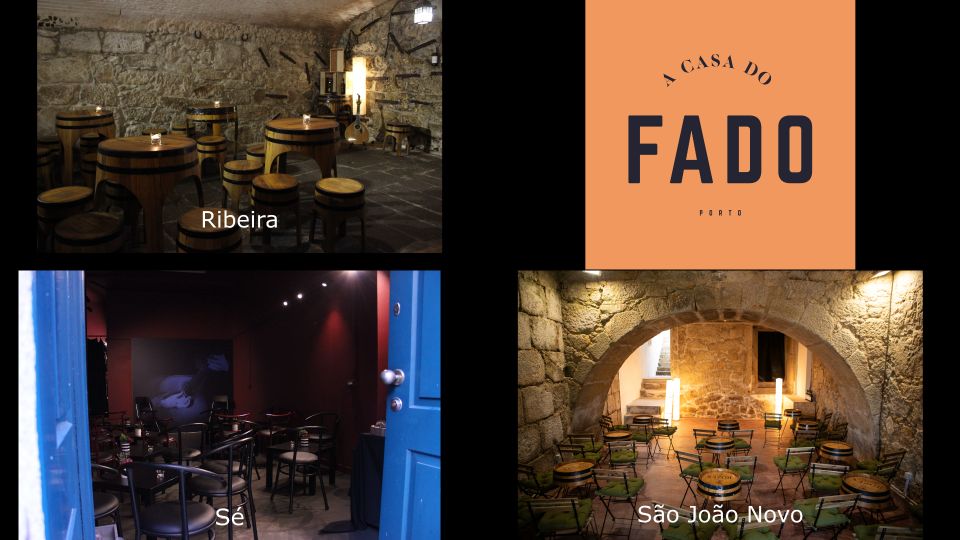
- Venues vary: Ribeira cellar, Sé luthier workshop, or São João Novo old pantry—each changes the vibe a bit.
Choosing the Right Casa do Fado Venue in Porto
Casa do Fado runs in three historic locations in Porto’s center, and the setting matters. This kind of music lands differently depending on the room—fado is all about tone, closeness, and listening.
Here’s what you’re choosing between:
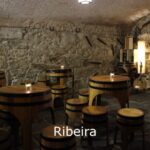
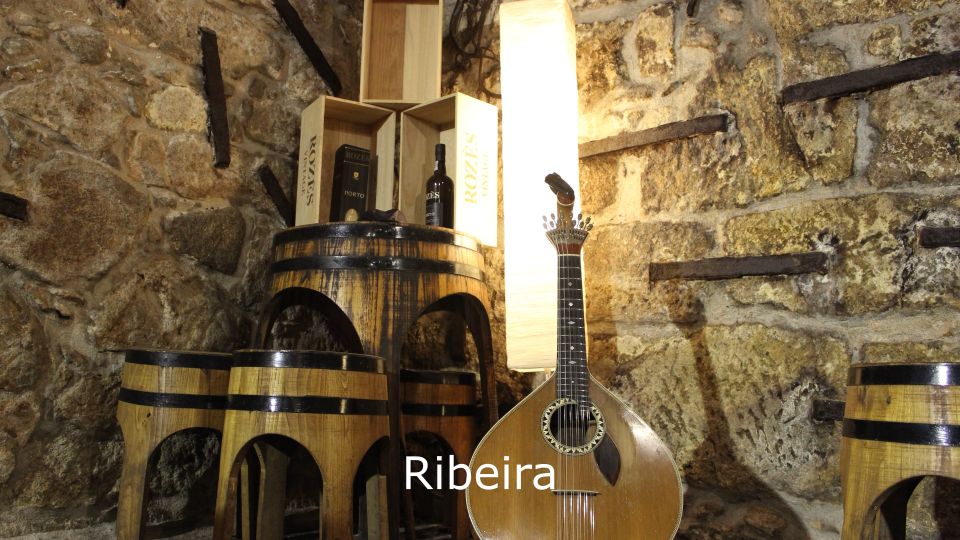
- A Casa do Fado – Ribeira: a 19th-century cellar.
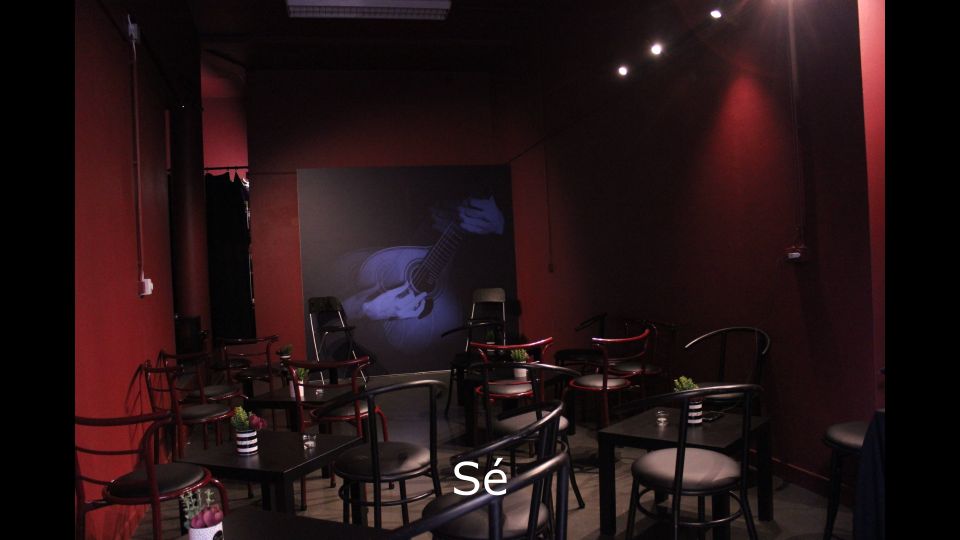
- A casa do Fado – Sé: a former guitar luthier workshop (so yes, the room has a “made for guitars” feel).
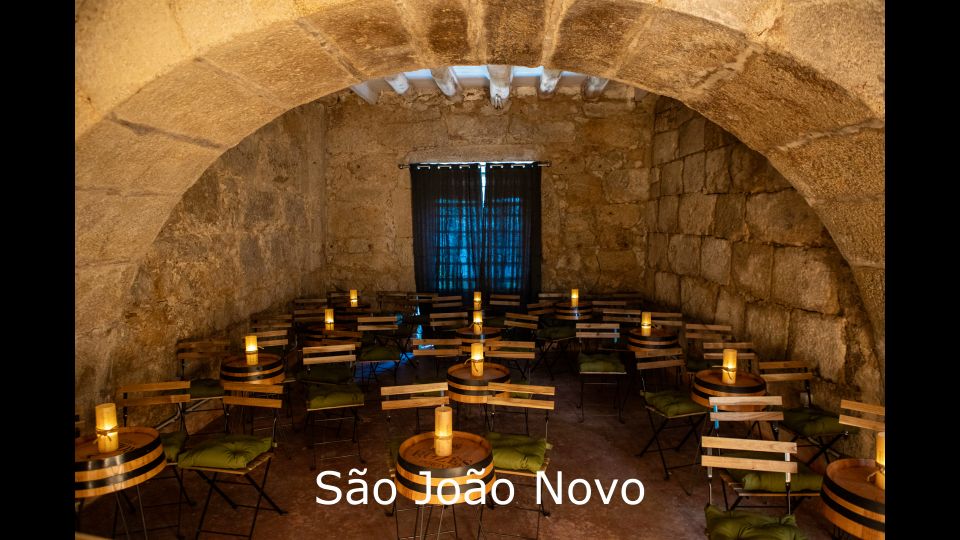
- A Casa do Fado – São João Novo: in the old pantry of the Convent/Church of São João Novo, located under the sacristy.
For this specific option, the meeting point is given for Casa do Fado São João Novo. When you’re facing the Church of São João Novo, walk to your right and around the corner to find the entrance. The venue is tucked in under the sacristy area, so if you’re expecting a big street-facing theater, you’ll miss it—this is meant to feel hidden and personal.
Practical tip: if you’re booking, check which Casa do Fado location you’re assigned. The neighborhood is the historic center, but the room character shifts with the venue.
You can also read our reviews of more wine tours in Porto



What Happens in the 1-Hour Fado Show (and Why It Works)
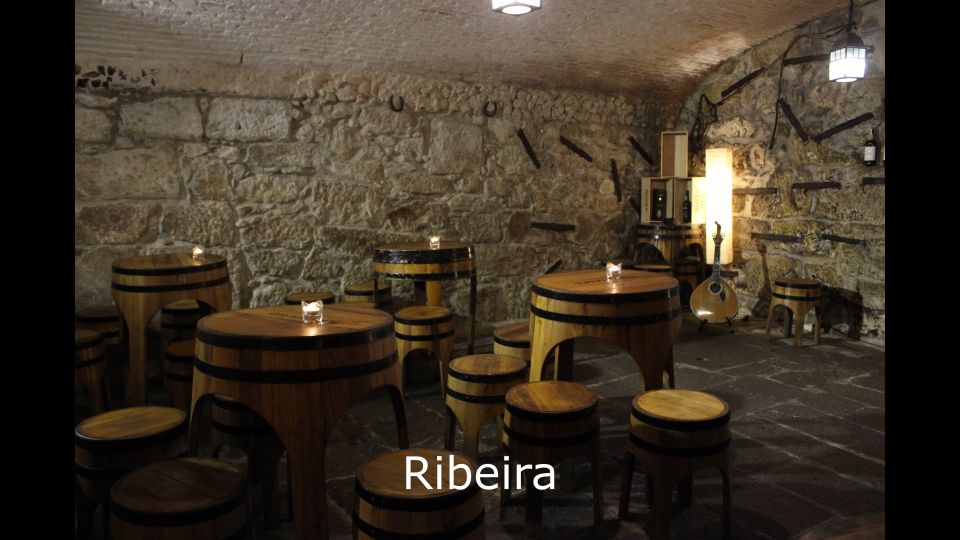
You’re looking at a straightforward, focused 1-hour experience. That time window is useful in Porto—when you’ve already walked a lot, you don’t want a performance that swallows your entire evening.
A typical flow goes like this:
- You arrive and get seated by an English/French/Spanish/Portuguese host.
- You’re served a glass of Port wine.
- The host gives an intro to fado’s origins and characteristics, helping you follow what’s happening musically and emotionally.
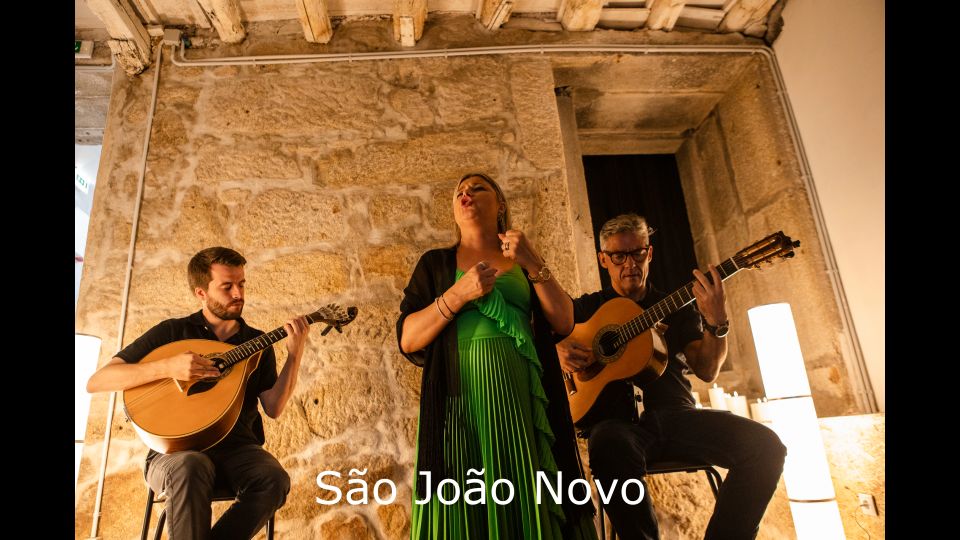
- Then the musicians perform live—Portuguese guitar and a singer—with the room’s acoustics doing the heavy lifting.
What makes it feel special is how the explanation stays tied to what you’re hearing. You’re not forced to translate the whole art form in advance. You get just enough background so the lyrics and melodies make sense fast—and you can stop “studying” and start listening.
In the same hour, you may also get extra commentary during a pause in the performance. Some people describe it as a helpful little add-on that makes the story of fado land even better.
The Musicians: Portuguese Guitar Meets a Singer with Real Bite
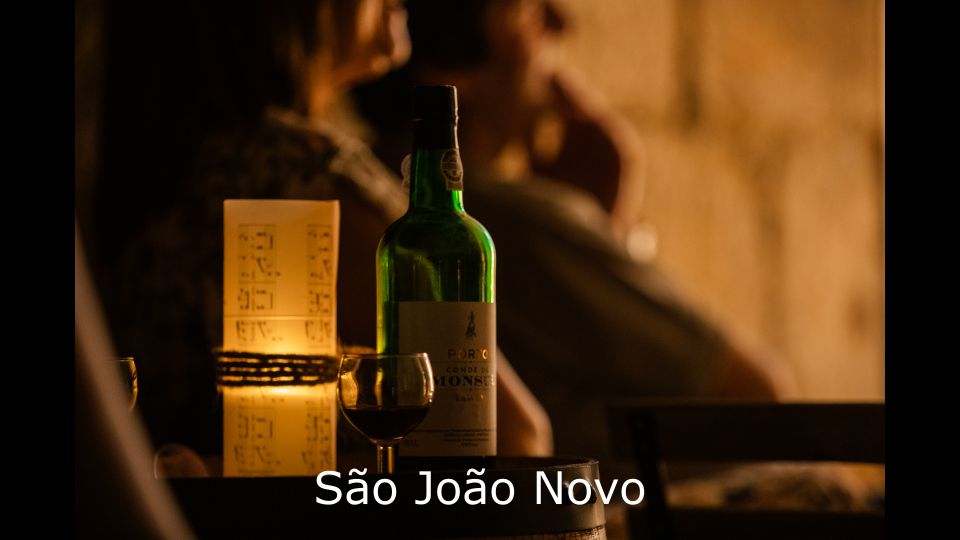
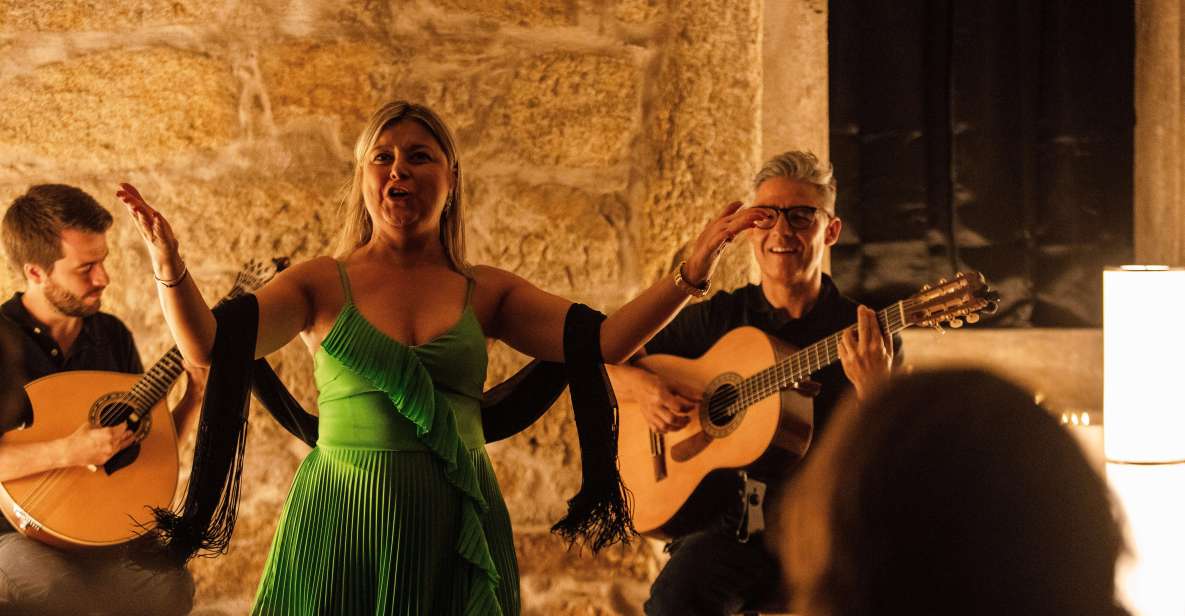
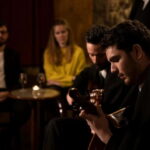
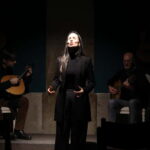
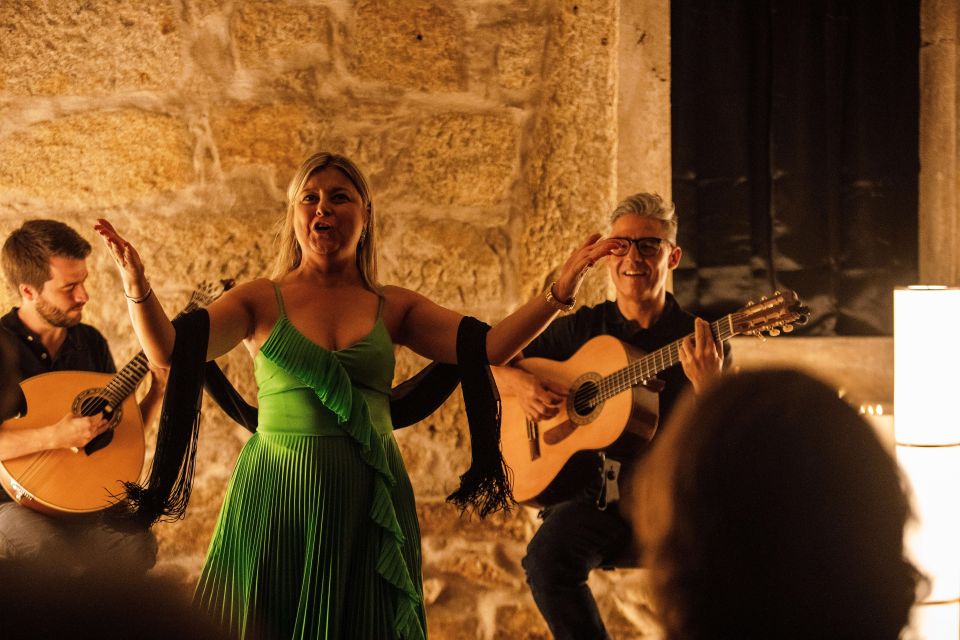
Fado isn’t background. The power here is the combination of soulful singing and the Portuguese guitar sound—sharp detail, strong rhythm, and a kind of emotional “snap” that carries even in a small room.
The performances are led by the core team: guitarists plus the singer. And I love that the show isn’t anonymous. One participant specifically named performers—Ricardo, Diogo, and Carla—and singled out Ricardo for explanations and history during the performance. That tells you the format is built around more than just music; it’s also teaching through the people playing.
Also, pay attention to the chemistry between the singer and the guitarists. Several accounts describe a very emotional, almost story-like performance style, where the voice does the talking and the instruments underline the feeling. You don’t need to understand every word to feel the intention—especially in a room where you’re close enough to catch nuance.
Port Wine in Hand: Why This Pairing Makes Sense
You get a glass of Port wine included with the show, and it’s not just a nice perk. Port is one of Porto’s signature tastes, so it works like a shortcut into the city.
In practice, the wine does two helpful things:
- It gives you something to sip while you settle in, so you’re not staring at the room waiting to start.
- It makes the whole evening feel more “Porto-native.” You’re not just watching a cultural import; you’re drinking something the region is known for.
The size is modest—think one glass—so it won’t turn into a full dinner plan. You’ll still want food elsewhere if you need a proper meal, since food isn’t included.
The Venue Vibe: Intimate, Historic, and Sometimes Tight
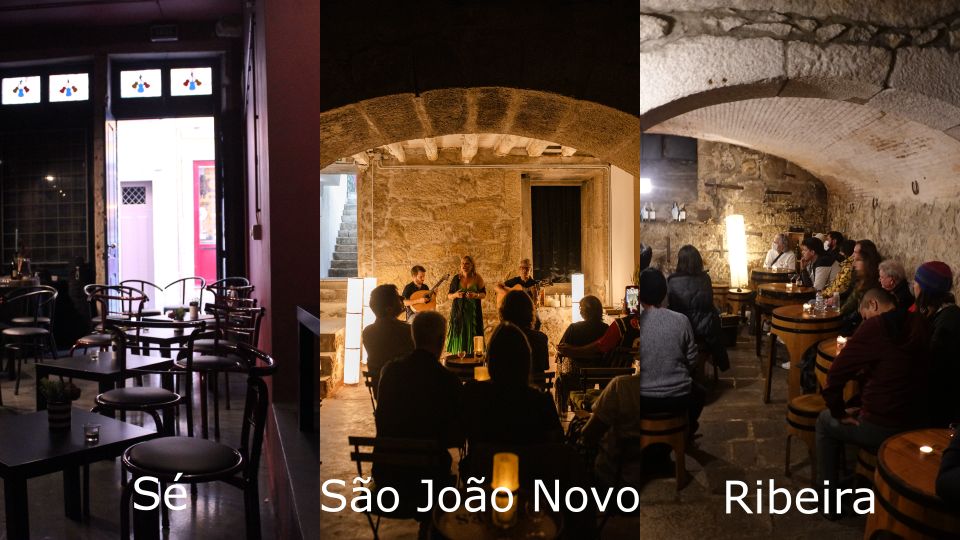
This is the part people feel immediately when they walk in. Casa do Fado is intentionally intimate. Several descriptions point to stone walls, cozy seating, and a setup that keeps the room focused on the performers.
The upside:
- You hear the music clearly in a space that feels made for it.
- It’s easy to connect with the singer and guitarists because you’re not separated by distance.
The possible downside:
- In a full room, it can feel cramped. If you hate small spaces, or you really need a lot of personal room, this is worth factoring into your decision.
If you’re someone who loves close-up performance settings—small theaters, church basements, and “you can almost touch the sound” spaces—this will likely be your kind of night.
A few more Porto tours and experiences worth a look


Best for First-Timers (and Great for Date Night)
I’d book this if you fit one of these profiles:
- You’re new to fado and want a guided intro that doesn’t require prior knowledge.
- You like intimate live music, where the performers are right there with you.
- You want a cultural hour in Porto that’s easy to add to your itinerary.
It’s also a strong choice for couples. Between the singer’s emotional delivery and the historic venue feel, it naturally creates atmosphere.
I’d consider another option if:
- You want a long, big-show production with minimal speaking and lots of staging.
- You dislike compact venues, especially when the room fills up.
Value and Price: Why $23 Often Feels Like a Bargain
At about $23 per person for a full hour of live fado plus a glass of Port, the value is pretty clear. You’re paying for:
- live performers (singer + guitarists),
- a structured intro to what you’re hearing,
- and one of Porto’s signature drinks.
Also, the overall reputation is strong: the experience sits at a 4.8 rating with thousands of ratings. That consistency matters for cultural shows, where quality can vary a lot from one night to the next.
Is it a “cheap” ticket in the way of a street festival? No. But for a curated, seated performance in a historic room—especially with the context piece included—I’d call it fair value rather than overpriced.
How to Plan Your Evening Around It
This show works best when you treat it as your main cultural anchor for one evening. Since duration is 1 hour and food/transport aren’t included, build the rest of your night around it.
A simple rhythm:
- Do your Porto wandering first (old streets, viewpoints, river area).
- Come in for the fado hour.
- Then eat after while the music is still fresh in your head.
If you care about timing, choose a show start that doesn’t force you into a rush. The meeting point is easy enough to find with the direction given: face the Church of São João Novo, go right around the corner, and look for the Casa do Fado entrance below/under the sacristy area.
Language support is a big plus. Hosts are listed as English, French, Spanish, and Portuguese, so you won’t feel shut out if you don’t speak Portuguese.
Should You Book This Fado + Port Show in Porto?
Yes, I’d book it if you want an authentic-feeling fado introduction in a setting designed for listening. The biggest reasons are simple: the acoustics and intimacy, the clear context from the host, and the fact that your ticket includes both live fado and Port.
Skip it only if you know you can’t handle compact venues or you’re craving a multi-hour show with a full dinner included. For everyone else, this is one of those Porto experiences that converts “I’ve heard of fado” into “I get why people cry at this stuff.”
FAQ
How long is the fado show?
The show lasts 1 hour.
What is included in the ticket?
You get a live fado show and one glass of port wine.
Is food included?
No. Food isn’t included.
How much does it cost?
The price is listed as $23 per person.
Where is the meeting point for this version of the experience?
When you’re facing the Church, walk to your right and around the corner. The entrance is for A Casa do Fado São João Novo, located under the sacristy area.
Which Casa do Fado venues are available?
There are three historic center options: Ribeira (19th-century cellar), Sé (former guitar luthier workshop), and São João Novo (old pantry under the sacristy).
What languages are spoken by the host?
English, French, Spanish, and Portuguese.
Does the experience include an introduction to fado?
Yes. You learn about the origins and characteristics of traditional fado as part of the show.
Is transport provided?
No. Transport isn’t included.
Can I cancel for a full refund?
Yes. Free cancellation up to 24 hours in advance is listed, with a full refund.