REVIEW · LISBON
Historic Walking Tour Through Lisbon’s Oldest Neighborhood
Book on Viator →Operated by Discover Lisbon · Bookable on Viator
Lisbon can feel like a maze at first. This 2.5-hour walk through Alfama gives you a clear line through the medieval streets, so you spend less time guessing and more time seeing. The route is built around short, meaningful stops with local context and legends, from the square steps to the hilltop views.
I especially like the combo of an expert local guide plus the hands-on “you’ll be okay” pacing. You also get built-in orientation, so you learn how this part of town works before you wander on your own.
One thing to consider: it’s a walking tour with hills, and it’s listed for moderate physical fitness. If you’re not comfortable on steep, uneven streets, you may want to plan breaks or choose an easier alternative.
In This Review
- Key highlights before you go
- Alfama’s maze, made friendly
- Price and value: cheap booking, real guide contribution
- Where you start and where you finish (and why that matters)
- Rossio and Praça Dom Pedro IV: your orientation warm-up
- Teatro Nacional Dona Maria II: famous Lisbon theatre from the outside
- Igreja de S Domingos: go inside and get the facts
- Castelo de São Jorge: hilltop time travel with viewpoints
- How guide tipping works on this kind of tour
- Walking conditions: hills, pacing, and group size
- The real itinerary rhythm: short stops, clear storyline
- What to bring for a smooth 2.5-hour walk
- Should you book this Lisbon Alfama walking tour?
- FAQ
- How long is the walking tour in Lisbon?
- Where does the tour start?
- Where does the tour end?
- Is the tour offered in English?
- Is there a pickup from hostels?
- What is included in the tour price?
- Are food or tastings included?
- Do I need to buy transportation tickets?
- Is there an extra payment to the guide?
- What cancellation options are available?
- Is the tour suitable for people who aren’t very fit?
Key highlights before you go
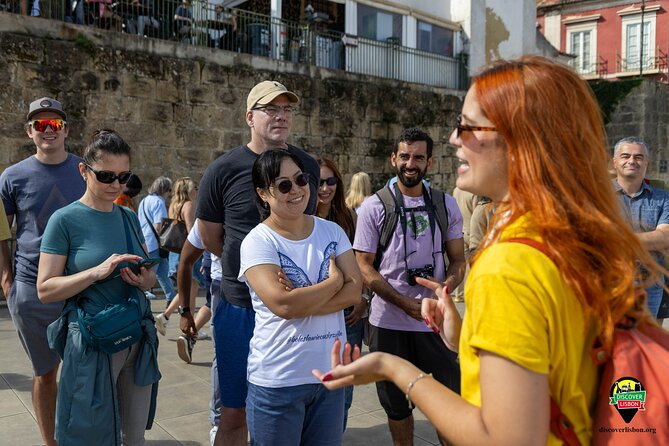
- Alfama orientation in one walk, so you get your bearings fast
- Free-entry stops designed for a short 2.5-hour route
- Local guide stories and legends that make old walls make sense
- Small groups (max 30 per booking) with a cap on total tour size
- Pay-what-you-feel contribution at the end, built into the tour style
Alfama’s maze, made friendly
If you’re new to Lisbon, Alfama can be a little intimidating. The streets twist, the hills rise, and it’s easy to lose the thread. This tour helps you connect the dots. You start in the Rossio area, then move toward the heart of Alfama, with your guide acting like a human map.
The best part is how the stops are spaced. Each one is short, focused, and timed to keep you moving without rushing past everything. That matters in Lisbon, where one wrong turn can add 20 minutes of extra climbing.
You’ll also get stories and legends along the way, which turns “I saw a church” into “I understand why people care about this place.” That’s the kind of context that makes the rest of your trip smoother.
And if you’re hoping to move beyond the obvious photos, the tour’s viewpoint moments are worth your attention. The castle stop especially helps you connect Alfama’s street pattern to the hilltop geography.
You can also read our reviews of more walking tours in Lisbon



Price and value: cheap booking, real guide contribution

The listed price is just $3.62 per person, which feels shockingly low for a 2.5-hour guided walk. Here’s the catch: this tour style expects you to pay your guide a contribution at the end. The information provided suggests a contribution of 10–20€, and one review also notes that you may be prompted to leave something in the neighborhood of €5 or more.
So how do you judge value? Think of the low ticket price as covering the basic tour structure, not the full guiding cost. If you’re the type who likes good storytelling and wants to support a local guide, this is a good fit.
Also, many stops are labeled as free admission on the itinerary, so you’re not forced into extra paid entry fees just to get something out of the walk. That makes the overall spend feel more predictable than a tour that loads you up with ticket costs.
Where you start and where you finish (and why that matters)
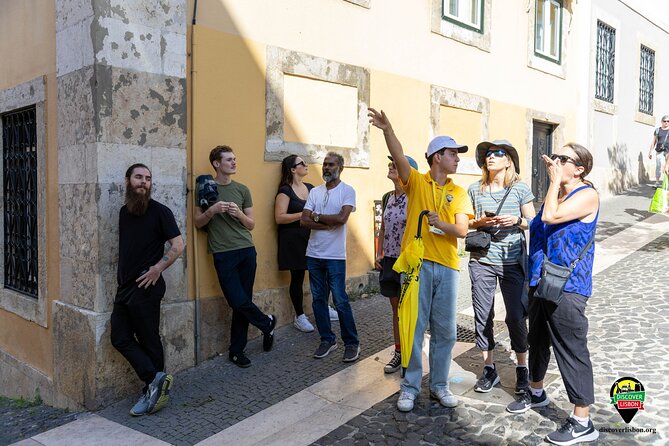
You begin at Praça do Rossio (Praça do Rossio, 1100-200 Lisboa). You end at Lisbon Cathedral, at Largo da Sé 1 (1100-585 Lisboa). That ending point is a nice benefit. Sé area is a good base for continuing your day into central old Lisbon without retracing steps.
The start at Rossio is practical too. It’s one of the easiest places to reach by public transportation, and it’s the kind of hub where you can grab a snack or water before meeting up.
There’s also a hostel pickup mentioned as possible depending on location. If you’re staying near the meeting area, it may save you time and stress. If you’re farther out, just plan for a normal walk or transit hop to Rossio.
You’ll use a mobile ticket, and confirmation happens at booking time. That cuts down on last-minute scrambling.
Rossio and Praça Dom Pedro IV: your orientation warm-up
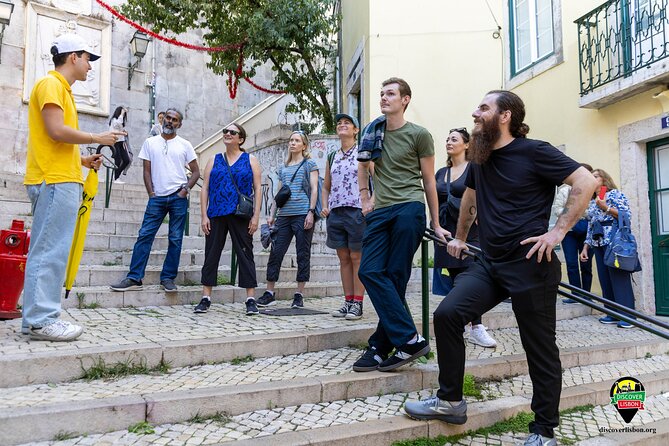
Your first stop is Praça Dom Pedro IV, and the walk starts around Rossio. This part is a warm-up, not a random stroll. The route is set up to move you from the easier-to-navigate center toward Alfama’s older, more winding streets.
Why I like this approach: it helps you practice the “Lisbon walking logic” before the maze begins. Rossio-to-Alfama is one of the biggest mental shifts in the city. Once you’ve seen how the streets bend and where the major anchors are, the rest of old Lisbon becomes less confusing.
This is also where your guide’s pace matters. A good guide helps you keep moving without turning the walk into a race. Expect short context blocks and direction cues so you don’t feel like you’re being dragged.
The good news: the stop at Praça Dom Pedro IV is listed at about 20 minutes, with free admission, so it’s long enough for orientation but not so long that you get antsy.
Teatro Nacional Dona Maria II: famous Lisbon theatre from the outside
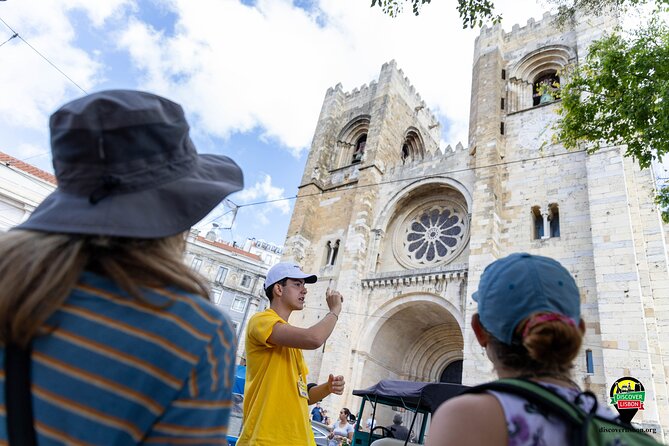
Next up is Teatro Nacional Dona Maria II. Here, the tour is about seeing the theatre and learning about it without going deep inside. The stop is listed at about 10 minutes, and the focus is on the building from the exterior.
That quick hit is smart if your main goal is Alfama. You still get a cultural anchor, and you learn what this theatre represents in the city’s life. It’s also a visual break from churches and castles. Lisbon’s old neighborhoods can run together, so a different kind of landmark helps reset your eyes.
If you love architecture details, stand where your guide tells you and watch how the façade frames the square. Even from outside, the theatre tells a story about Lisbon’s public culture.
You can also read our reviews of more historical tours in Lisbon






Igreja de S Domingos: go inside and get the facts
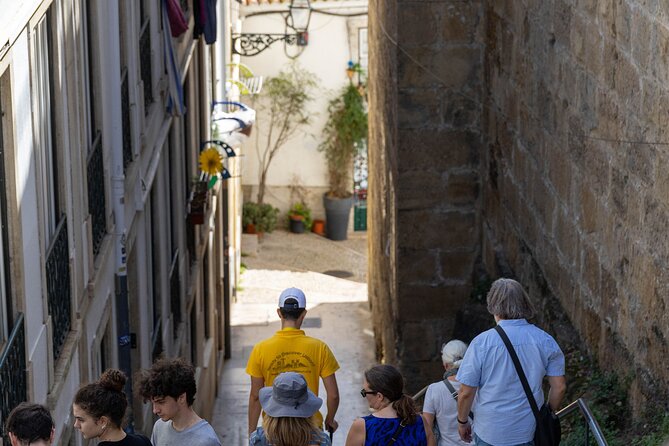
The tour’s church stop is Igreja de S Domingos. This is one of the best “learning stops” on the route because you actually go inside. You’ll spend about 15 minutes there, with free admission listed.
This matters because outside views can feel generic. Inside, the space and details help you understand why the building matters. You’ll also get history and amazing facts, which is where a good guide earns their pay.
One practical note: churches can be cooler than the street, which is a nice reset if you’re walking in warmer months. Just bring a layer if you run cold.
If you’re photographing, follow the guide’s direction first. Lighting inside can be tricky, and you’ll get more satisfying shots once you know what features you’re meant to look for.
Castelo de São Jorge: hilltop time travel with viewpoints
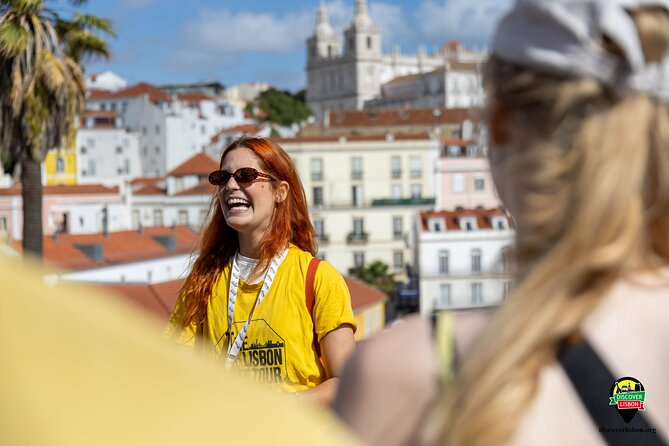
The final major landmark stop is Castelo de São Jorge. It’s listed as about 15 minutes with free admission. Even if you don’t spend hours up there, this stop gives you the “why Alfama looks like this” moment.
The castle hill is where Lisbon becomes geography. The area has human occupation dating back to at least VIII BC, and the earliest fortifications are listed as going back to the first century BC. That kind of timescale is hard to picture from street level—so getting to the hilltop viewpoint helps your brain anchor the story.
For first-time visitors, this stop is a shortcut to understanding. You start to see the relationship between steep streets, dense neighborhoods, and the defensive logic of the city.
You’ll also likely get a few seconds to catch wider views, which is the reward for the hilly walking. If you’re planning your later self-guided exploring, this castle stop is a great reference point.
How guide tipping works on this kind of tour
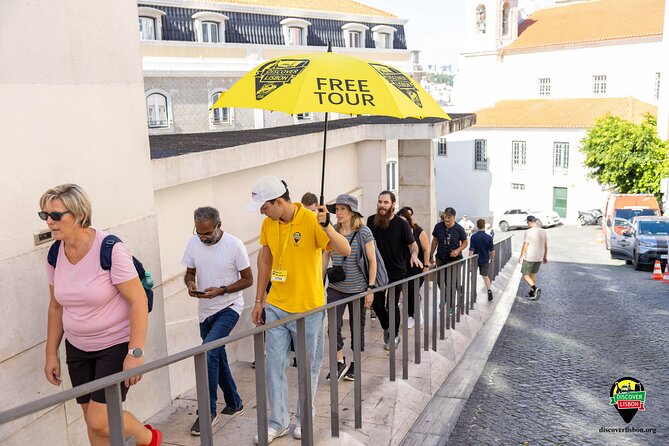
This experience explicitly builds in guide payment at the end. The information provided suggests a contribution of 10–20€, and the vibe from feedback is that you should be ready to give something for the storytelling and time.
A guide like Alex, mentioned in the feedback, is described as delightful and interactive, encouraging people to engage. Vivian is also praised for strong information and helpful tourist tips, plus good viewpoints along the way.
So here’s my practical take: if you plan to give a thoughtful contribution, you’ll feel good about the full experience. If you only want a totally fixed-price tour with no extra payment, you may feel friction.
The good news is that the tour is intentionally priced low. That makes it easier to justify paying your guide well, as long as you like the style and want the local perspective.
Walking conditions: hills, pacing, and group size
This tour is listed as requiring moderate physical fitness. That doesn’t mean it’s a mountain hike, but it does mean you’re dealing with Lisbon’s real streets: slopes, uneven pavement, and lots of turning corners.
One review specifically notes it’s a little hilly but not too bad, and mentions viewpoints. That matches the basic logic of the route: you’re moving toward Alfama and finishing near Sé, with the castle hill as a key point.
Group size is capped at 30 people per booking, with a maximum of 100 travelers for the broader experience. In practice, a cap like 30 per booking usually means you can still hear your guide and keep your own pace without getting swallowed by a giant herd.
You’ll also be near public transportation, which is useful if you need to bail out early for any reason. Service animals are allowed, which is a good sign for accessibility planning.
The real itinerary rhythm: short stops, clear storyline
Even though the walk is only about 2 hours 30 minutes, it’s structured like a story arc.
You begin at Rossio, then move through the transition zone toward Alfama. You get a quick cultural landmark outside the theatre, then shift to faith and local identity with Igreja de S Domingos. The walk builds to the castle, where the “big picture” clicks—Lisbon’s street plan, hills, and historical layers all start to connect.
This rhythm is why the tour works as an introduction. Instead of collecting random photo stops, you get a sequence that teaches you how to read the neighborhood.
For your own exploring afterward, that matters. When you return to Alfama later, you’ll recognize street angles and landmark relationships faster. You won’t just walk through the maze; you’ll understand what you’re walking through.
What to bring for a smooth 2.5-hour walk
Plan for comfort over style. Wear shoes that handle old stone and slight unevenness. Bring water, especially if you’re going in warmer months, since Lisbon’s hills make you work harder than you expect.
A small layer can help inside churches if the temperature drops. If you like photos, keep your camera accessible, because viewpoint moments happen quickly and you don’t want to fumble while everyone is moving.
Also, since this is a guided walking tour with short stops, keep your schedule open around the meeting time. Being on time helps the group keep pace and keeps your guide from having to rush the best parts.
Should you book this Lisbon Alfama walking tour?
Yes—if your main goal is to get oriented in Alfama and you like guided storytelling. The low booking price is attractive, and the mix of landmarks (Rossio zone, exterior theatre, an inside church, and São Jorge hilltop views) is a smart first-visit combo.
Book it if you’re willing to handle a bit of hilly walking and you’re okay with paying your guide a contribution at the end. If you prefer totally fixed-cost tours with no extra tipping expectations, you might feel less comfortable.
FAQ
How long is the walking tour in Lisbon?
It’s listed as about 2 hours 30 minutes.
Where does the tour start?
The meeting point is Rossio Square at Praça do Rossio, 1100-200 Lisboa, Portugal.
Where does the tour end?
The tour ends at Lisbon Cathedral, Largo da Sé 1, 1100-585 Lisboa, Portugal.
Is the tour offered in English?
Yes, the tour is offered in English.
Is there a pickup from hostels?
Pickup from your hostel is mentioned as possible depending on your location.
What is included in the tour price?
Included items are an expert local guide, the 2.5-hour walking tour, and pickup from your hostel depending on location, plus intriguing stories and legends.
Are food or tastings included?
No. Wine and ginjinha tasting are not included.
Do I need to buy transportation tickets?
Transportation tickets are not included.
Is there an extra payment to the guide?
A contribution to the guide (listed as 10–20€) is not included.
What cancellation options are available?
Free cancellation is available. You must cancel up to 24 hours in advance for a full refund.
Is the tour suitable for people who aren’t very fit?
It’s listed for travelers with moderate physical fitness level, and it’s a walking tour with hills.