REVIEW · LISBON
Lisbon: Pastel de Nata Baking Class
Book on GetYourGuide →Operated by Homecooking Lisbon · Bookable on GetYourGuide
Pastel de Nata gets way easier. This 2-hour Lisbon class is hands-on, chef-guided, and focused on getting your tarts to come out with the right dough texture and baked custard. I also like that you sip real Portuguese drinks as you go, from coffee and homemade juice to Porto wine and a ginginha tasting.
The main drawback is simple: there’s no hotel pickup, and the Homecooking Lisbon HUB meeting point isn’t in the most central pocket of town. If you don’t want to taxi or bus, plan your route ahead of time.
In This Review
- Key takeaways
- Pastel de Nata Class: What This 2-Hour Format Really Gives You
- Homecooking Lisbon HUB: A Practical Start Point (and Why It Matters)
- The Hands-On Workflow: Dough Texture to Oven Smell
- Assembling Pastel de Nata in Pairs: Friendly Structure, Real Progress
- Baking Without Panic: How You Get That Crisp Edge and Set Custard
- The Drink Break: Coffee, Porto Wine, and Ginginha Tasting
- Learning Pastel de Nata Culture: Origins and Technique Talk
- Price and Value: Is $64 Worth It?
- Who Should Book This Class (and Who Might Want Another Option)
- The Quick Decision Guide: Should You Book?
- FAQ
- How long is the Pastel de Nata baking class?
- Where is the meeting point?
- What is the price per person?
- Is the class taught in English?
- What drinks are included?
- Does the price include ingredients and cooking tools?
- Is hotel pickup and drop-off included?
- Who is the class not suitable for?
- Is there free cancellation?
Key takeaways
- Hands-on, step-by-step baking: you mix, shape, fill, and bake your own Pastel de Nata batch
- Small-group feel: instruction stays close because the group is typically kept intimate
- Portuguese drinks included: coffee, homemade juice, water, Porto wine, plus ginginha tasting
- English instruction with patient coaching: guides keep the pace friendly even for first-timers
- A confidence builder for home baking: you learn the method, not just the final result
Pastel de Nata Class: What This 2-Hour Format Really Gives You
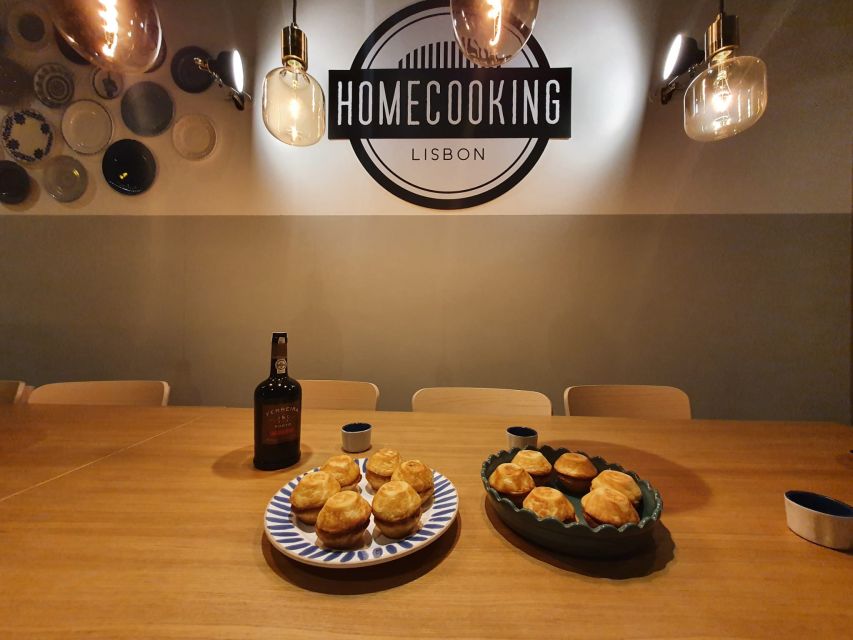
A Pastel de Nata can feel mysterious until you see the process up close. In this class, you’re not just watching pastry techniques on a screen; you’re doing the work, following step-by-step guidance, and learning what each stage is supposed to look and feel like.
The value of the 2-hour timeline is pace. You get enough time for the full flow—dough work, custard prep, assembly, baking—without the class dragging on forever. And because the ovens do their job on schedule, you end with fresh pastries to eat right away.
I also like the “culture through cooking” approach. You get Portuguese gastronomy context during the session, so the tart feels like something you understand, not just something you purchased.
You can also read our reviews of more cooking classes in Lisbon



Homecooking Lisbon HUB: A Practical Start Point (and Why It Matters)
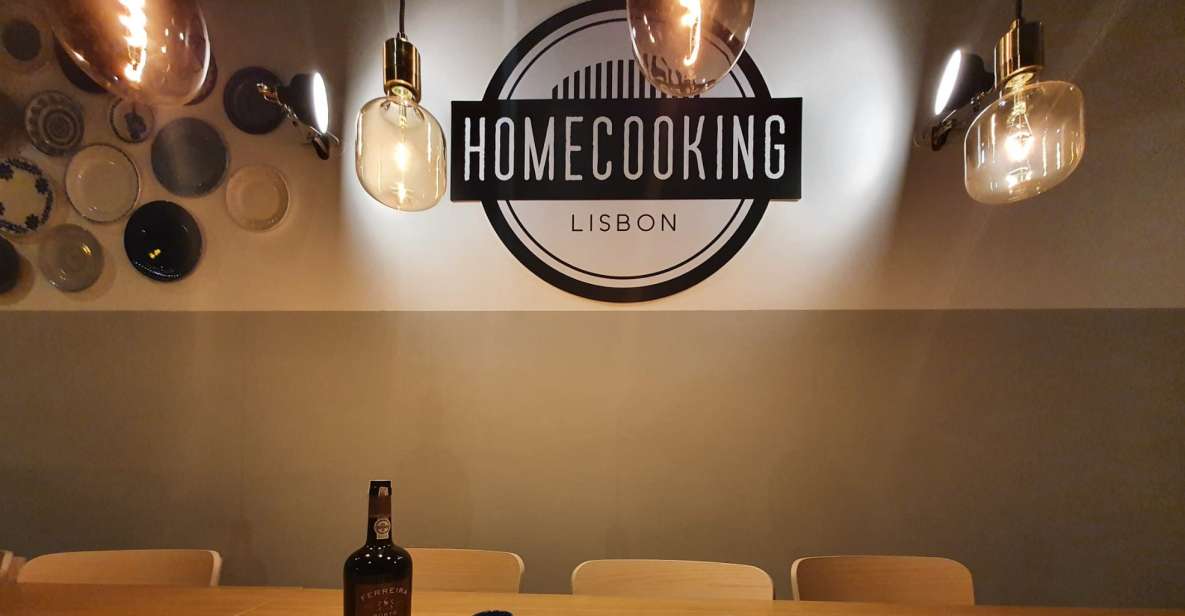
You’ll meet at the Homecooking Lisbon HUB, and that’s one of the few logistical points you should plan carefully. There’s no hotel pickup and drop-off, so your best bet is to use public transit or taxi your way there.
Why this matters: cookery classes run on timing. If you arrive late, you don’t just miss a few minutes—you risk falling behind during dough steps where the process needs a steady rhythm.
The room itself gets consistent praise: people mention a clean, organized kitchen and a setup that makes it easy to focus. If you’re the kind of person who hates feeling clumsy around cooking gear, this format helps because everything is prepared and explained so you can jump in.
The Hands-On Workflow: Dough Texture to Oven Smell
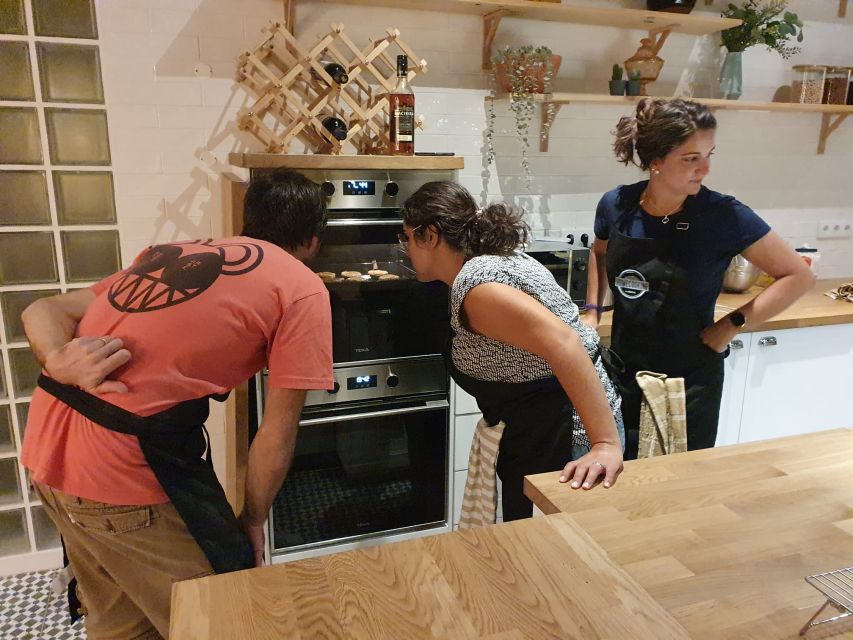
The core of the experience is a guided Pastel de Nata method. You move through the process from start to finish, with instructors showing what to do and then keeping an eye on your technique so it doesn’t turn into guesswork.
Several participants highlight that the dough feels soft and workable while you handle it, and the room smells amazing once the pastries hit the oven. That’s not just sensory payoff. It’s also practical: when you’re learning, you need feedback you can feel and smell, not only measurements.
One helpful detail: ingredients are pre-measured. You’ll still do the key work, but you won’t be stuck weighing every small component. In at least one case, the instructor even explains why this matters, which is exactly what you want when you’re trying to recreate the recipe later.
Assembling Pastel de Nata in Pairs: Friendly Structure, Real Progress
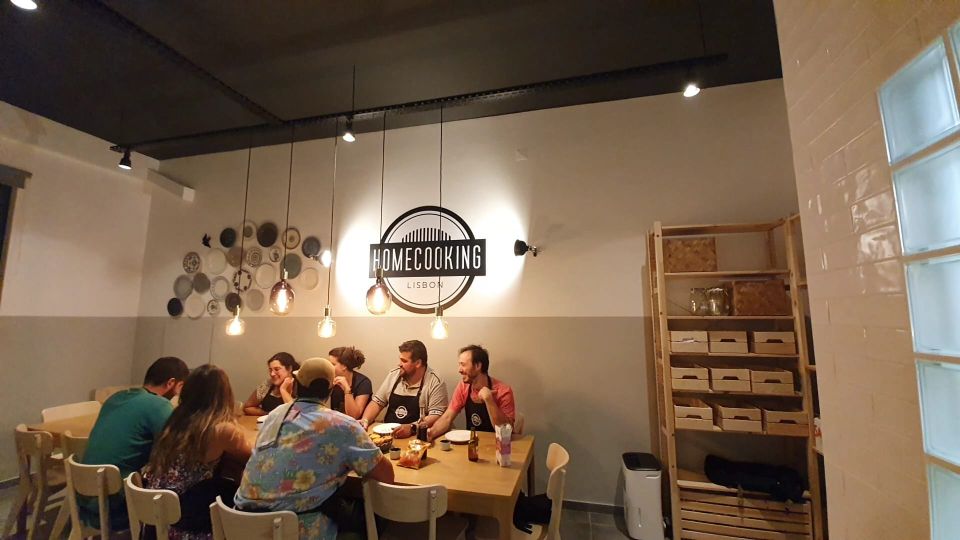
Most cooking classes become awkward when everyone has to wait. Here, the hands-on pace stays steady, and you may work in pairs. This is actually a good thing if you’re a solo traveler because you’re not stuck trying to figure out everything alone.
The positive theme: instructors are patient, and they keep instructions clear enough that even first-timers can succeed. People also mention you’re never left on your own with a tray of dough and a vague plan.
There’s another practical benefit to the pairing style. Pastel de Nata involves small steps where one person can do a specific action and the other can handle the next. That makes it easier to learn the workflow instead of only learning the end result.
Baking Without Panic: How You Get That Crisp Edge and Set Custard
Once assembled, your pastries go into the oven. The goal in Pastel de Nata is balance: the pastry needs the right crispness and the custard needs to set properly without turning watery.
What helps you nail it is the guided timing and the classroom environment. The class is built around the oven schedule, so you’re not left guessing when it’s “about time.” You’re also tasting what you bake, which quickly teaches your senses what the tart should do.
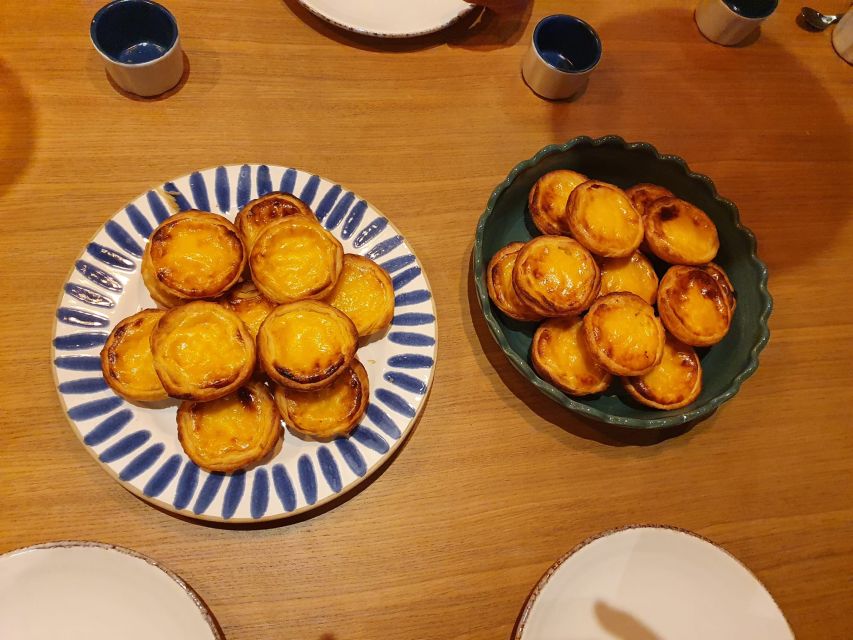
Participants consistently mention the final pastries coming out great right from the oven—flaky pastry, creamy custard, and that fresh warmth you only get when they’re baked for your group.
If you’re hoping to take your new skills home, this part is the real training ground. Baking is where many home attempts fail, and seeing the process in a real setup helps you understand why your results might change at home.
A few more Lisbon tours and experiences worth a look





The Drink Break: Coffee, Porto Wine, and Ginginha Tasting
One of the best surprises is how the class includes drinks that actually match the experience. You can expect homemade juice, coffee, and water during the session.
Then it shifts into Portuguese favorites: Porto wine and a ginginha tasting. Even if you’re not a wine person, the ginginha component adds a fun Lisbon flavor note. It turns the class from a simple cooking workshop into a proper food-and-drink moment.
Also, the drinks aren’t dumped on you at the end. They’re used to complement the cooking rhythm, so you don’t feel like you’re waiting for dessert while you’re still doing dough work.
Learning Pastel de Nata Culture: Origins and Technique Talk
You learn more than steps and ingredient lists. Instructors share the dessert’s origins and explain what makes the technique matter. That’s important because Pastel de Nata isn’t just a sweet—it’s tied to Portuguese baking identity.
People note that the pacing is easy to follow, with time for questions. And that’s how you turn a class into a skill: you ask what you should do differently next time, not just whether the tart looks right.
You might also meet different English-speaking chefs across dates and sessions. Names that have come up include Marta, Beatrice (often shortened to Bea), Miyuki (sometimes spelled Moyuki), Pedro, Miguel, and Rachel. Whoever you get, the common thread is clear instruction and a friendly vibe.
Price and Value: Is $64 Worth It?
At $64 per person for a 2-hour class, this isn’t a budget activity—but it can be very good value if you compare it to the alternatives.
Here’s what you’re paying for:
- Full instruction and hands-on guidance, not a quick demo
- Ingredients and utensils supplied, so you’re not buying a bunch of random baking gear
- Multiple included drinks, which adds up in Lisbon
- A final product you actually eat fresh, plus a recipe path you can use later
If you’ve ever bought pastries just to wonder what makes them different, this is the shortcut. You get the method and the feedback loops—texture, assembly, oven results—so you’re not stuck guessing.
If you only want a snack and don’t care about the process, you could spend less buying Pastel de Nata in town. But if you want a fun, skill-building afternoon, the price starts to feel fair.
Who Should Book This Class (and Who Might Want Another Option)
This class fits best if you want a hands-on food experience and enjoy learning by doing. It’s also a strong choice for couples and small groups because it gives you an activity to share beyond just walking around Lisbon streets.
A big plus: the class has an English instructor, and the pace is described as approachable for different skill levels. If you can follow instructions and don’t mind a little mess, you’ll likely enjoy it.
It’s not suitable for children under 6, and it’s not recommended for people with mobility impairments based on the activity’s requirements. If that applies to you, it’s worth choosing a different style of Lisbon experience that better matches accessibility needs.
If you’re short on time, 2 hours is manageable. If you have the flexibility, I like doing this earlier in your trip—because then your later Pastel de Nata tastings make more sense.
The Quick Decision Guide: Should You Book?
Yes, I’d book it if:
- You want a guided baking skill you can try again at home
- You like Portuguese food and want more than a generic tasting
- You enjoy small-group classes with a relaxed, social vibe
- You’re happy to make it to the meeting point under your own steam
Maybe skip it if:
- You hate cooking workshops and only want a quick bite
- You strongly dislike traveling without pickup help
- You need an accessibility setup that isn’t described as suitable here
If you’re the type who likes learning how food is made, this is one of the most satisfying ways to spend an afternoon in Lisbon.
FAQ
How long is the Pastel de Nata baking class?
The class lasts 2 hours.
Where is the meeting point?
You meet at the Homecooking Lisbon HUB.
What is the price per person?
The price is $64 per person.
Is the class taught in English?
Yes, the instructor speaks English.
What drinks are included?
Drinks included are homemade juice, coffee, water, Porto wine, and a ginginha tasting.
Does the price include ingredients and cooking tools?
Yes. All ingredients and cooking utensils are included, along with instructors or chefs.
Is hotel pickup and drop-off included?
No, hotel pickup and drop-off are not included.
Who is the class not suitable for?
It’s not suitable for children under 6 years old, and it’s not suitable for people with mobility impairments.
Is there free cancellation?
Yes, you can cancel up to 24 hours in advance for a full refund.