REVIEW · LISBON
Lisbon: Traditional Portuguese Cooking Class
Book on GetYourGuide →Operated by Homecooking Lisbon · Bookable on GetYourGuide
Four courses and a full stomach in Lisbon. In this traditional Portuguese cooking class at Homecooking Lisbon HUB, you work side-by-side with friendly English-speaking chefs and turn ingredients into a meal with a real local rhythm. Expect step-by-step guidance, plus drinks and finger food that make the whole kitchen feel like a warm, easy hangout.
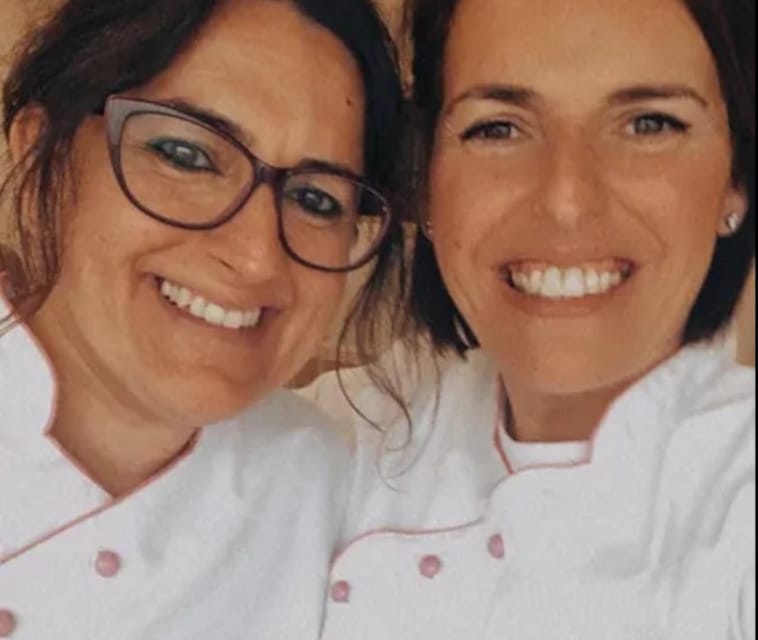
What I like most is how practical it feels: you don’t just watch, you cook in pairs and get help when your chop technique is still learning. I also love the cultural stitch-in, where your instructor names ingredients, explains methods, and shares stories (I’ve heard plenty of great moments from chefs like Pedro, Miguel, Theresa, and Beatrice) so the food lands as Lisbon food, not generic “European cuisine.”
One consideration: this isn’t a light snack class. You’ll likely end with a lot to eat, and if you’re not picky about meat texture, note that one menu element (pork ribs) can be tough depending on how it’s prepared.
In This Review
- Key highlights you’ll feel fast
- Entering Homecooking Lisbon HUB and getting cooking
- The 3-hour flow: appetizers, drinks, then your 4-course cooking
- What you actually learn in the kitchen (not just recipes)
- Drinks, snacks, and why they make the class better
- The meal at the end: taste, share, and leave with more than food
- Price and value in Lisbon: what $100 buys you
- Who should book, and who should skip
- Practical tips for your cooking night
- Should you book this Traditional Portuguese Cooking Class?
- FAQ
- How long is the Lisbon Traditional Portuguese Cooking Class?
- What does the class cost?
- What’s included in the class?
- Is hotel pickup or drop-off included?
- Is the instructor available in English?
- How big is the group?
- Is it suitable for young children or people with mobility impairments?
Key highlights you’ll feel fast
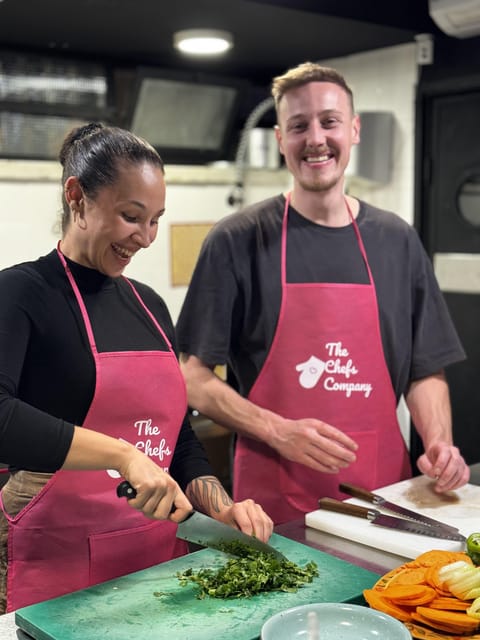
- Small group of up to 10 makes it easier to get personal help in the kitchen
- 4-course meal you cook yourself, not just a tasting
- Alcohol and snacks included (wine, beer, homemade juice, coffee, water, plus finger food)
- Step-by-step technique teaching, from spices to seasonal dishes
- Instructors teach in English, and many are patient with all skill levels
Entering Homecooking Lisbon HUB and getting cooking
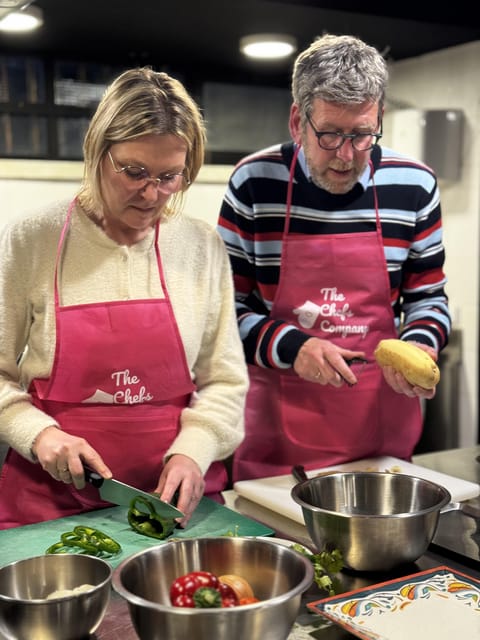
The first win is the vibe. You arrive to a cozy, inviting kitchen setup where everything is geared for hands-on work, not theater. No need to “figure out the system” when you walk in. The class is designed so you can settle quickly, get your station, and start moving.
The meeting point is Homecooking Lisbon HUB. There’s no hotel pickup or drop-off, so you’ll want to plan to reach the venue on your own. If you’re staying near Lisbon center, it’s helpful that public bus access can be straightforward; one person noted the bus stops right at the front door. If you’d rather keep it simple, check the closest bus stop before you go.
Inside, you’ll be greeted and then warmed up with snacks and drinks. That matters more than it sounds. Cooking classes can feel stiff when you’re hungry and waiting for instruction. Here, the early stage helps you relax, taste, and get into the rhythm before you start the first real dish.
You can also read our reviews of more cooking classes in Lisbon



The 3-hour flow: appetizers, drinks, then your 4-course cooking
This runs about three hours, and the structure is built to keep energy up from start to finish. While the exact menu can vary, the “shape” of the evening is consistent: appetizer time, then cooking in an organized sequence, and finally a meal that feels like a shared lunch or dinner.
Here’s how the timing typically lands:
1) Arrival and Portuguese aperitivo mode
You start with appetizers and finger food while drinks are poured. The drinks included are wine, beer, homemade juice, coffee, and water. Even if you don’t drink alcohol, the class still works because there’s coffee and juice in the mix too. This first part isn’t filler; it’s your on-ramp to Portuguese flavors and how the dishes fit together.
2) Dish-by-dish instruction while you cook
Then it’s into the hands-on stage: you learn about the dishes, from spices to technique, and you cook each one step-by-step. You’re not just assembling. You’re practicing decisions—how to season, how to handle timing, and how Portuguese cooking approaches texture and balance.
3) Pair cooking, social energy, and lots of guidance
Because it’s limited to a small group (up to 10), you’re usually working with an instructor close by. Many people highlight that chefs are attentive and helpful, including when someone’s nervous at the knife or unsure about a step. In a bigger class, one person can get stuck. Here, the pace supports everyone.
4) Eat what you made, as a real shared meal
At the end, you enjoy the food you prepared. Multiple people describe it as a feast, with enough portions to feel like you had a full dining experience, not a few bites. This also explains why a common tip is to come hungry. You’ll want your stomach ready for four courses.
What you actually learn in the kitchen (not just recipes)
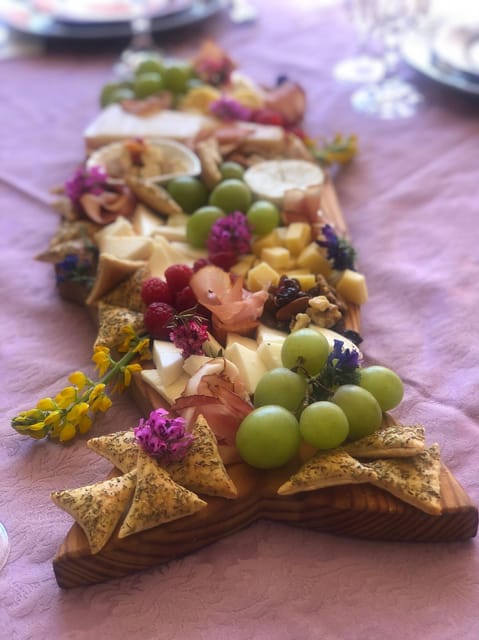
The instruction focuses on cultural technique, not only a written recipe. You’ll hear about the approach to Portuguese cooking—how ingredients are used, how seasonal choices show up, and why certain methods matter. That kind of teaching is what makes a cooking class worth repeating at home.
A few learning themes you can expect:
Seasonal dishes and traditional techniques
You’ll learn about seasonal dishes and the traditional methods behind them. That matters because Portuguese cuisine is strongly tied to what’s available at the time, especially around markets and coastal ingredients. When you understand the “why,” you can adapt recipes when you’re cooking far from Portugal.
Spices and how they behave in real cooking
The class includes learning about spices and culinary approach. This is practical: spices change the way a dish smells as it heats, and timing can affect how they taste. Even if you already cook at home, you’ll likely pick up at least a couple habits, like when to introduce herbs or how to manage heat while building flavor.
Dessert and the Portuguese sweet tooth
One standout specifically mentioned is pastel de nata. If dessert is on your class menu, it’s a strong reminder that Portuguese cooking isn’t just savory sauces and grilled meats. It’s pastries and custardy comfort too.
One meat cut reality check
A caution from a participant: pork ribs can be tough depending on the cut and preparation. That doesn’t mean you’ll have that problem in every class, but it’s worth knowing if you’re sensitive to meat texture. If you’re the type who wants fork-tender meat, you may want to ask your instructor if the meat option is suited to that style.
Drinks, snacks, and why they make the class better
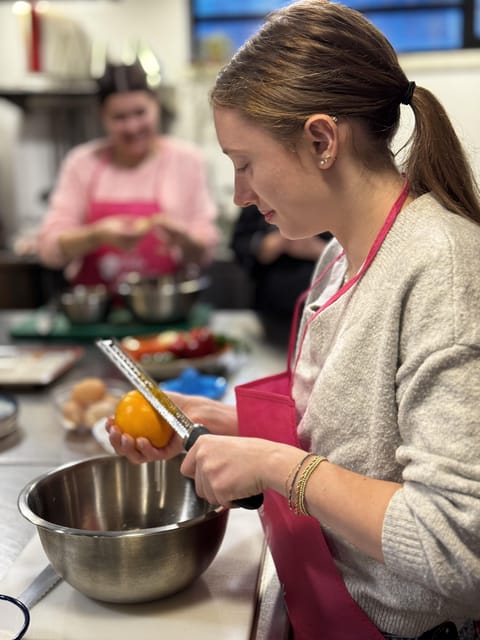
A Portuguese cooking class without drinks is still fun. With drinks included, it changes how the evening feels. You get a steady flow of wine and beer alongside homemade juice, coffee, and water, plus finger food and snacks.
What does that do for your experience?
- It keeps people relaxed while working close to heat, knives, and shared stations.
- It helps you taste in context. You’re learning about dishes while you’re also sipping something that matches the meal’s mood.
- It keeps the energy up between courses, so you’re not waiting for the next step while everyone goes quiet.
You’ll also notice instructors tend to act like hosts as much as teachers. People describe moments where wine glass refills never seemed to stop, and chefs keep the room smiling while still guiding everyone through technique.
If you don’t drink alcohol, don’t worry. Juice and coffee are included, and the class is still structured around cooking your own meal. You can pace yourself without missing the point.
The meal at the end: taste, share, and leave with more than food
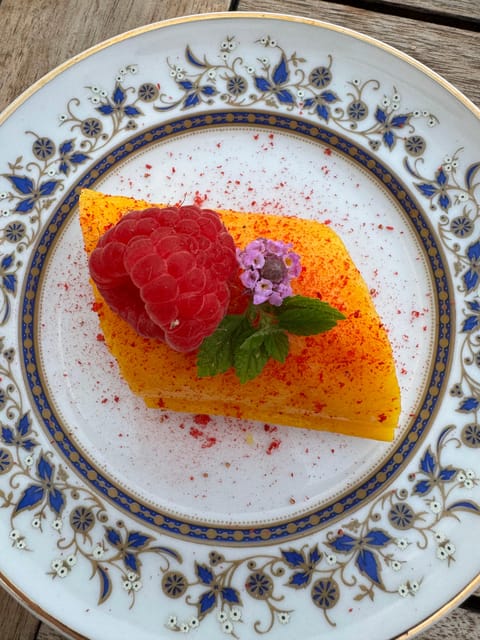
The point isn’t only to eat. The point is to eat with understanding.
By the time you sit down, you’ve cooked a multi-part meal, which makes the flavors hit differently. You’ll recognize the steps: the first seasoning choice you made, the moment you learned to watch heat, and the dish where you finally understood the texture target.
Several people note that the meal is generous and that the class creates a true social table. You share the food you made, and the small-group format makes conversation easier than in larger tours. Many describe it as feeling like a family dinner, just with chefs teaching you as you go.
Also, you’ll get “real-world memories” that stick because you worked for them. If you want to bring Lisbon home, this is how. Not by collecting a stack of flyers, but by recreating a few key steps you can actually repeat.
A few more Lisbon tours and experiences worth a look






Price and value in Lisbon: what $100 buys you
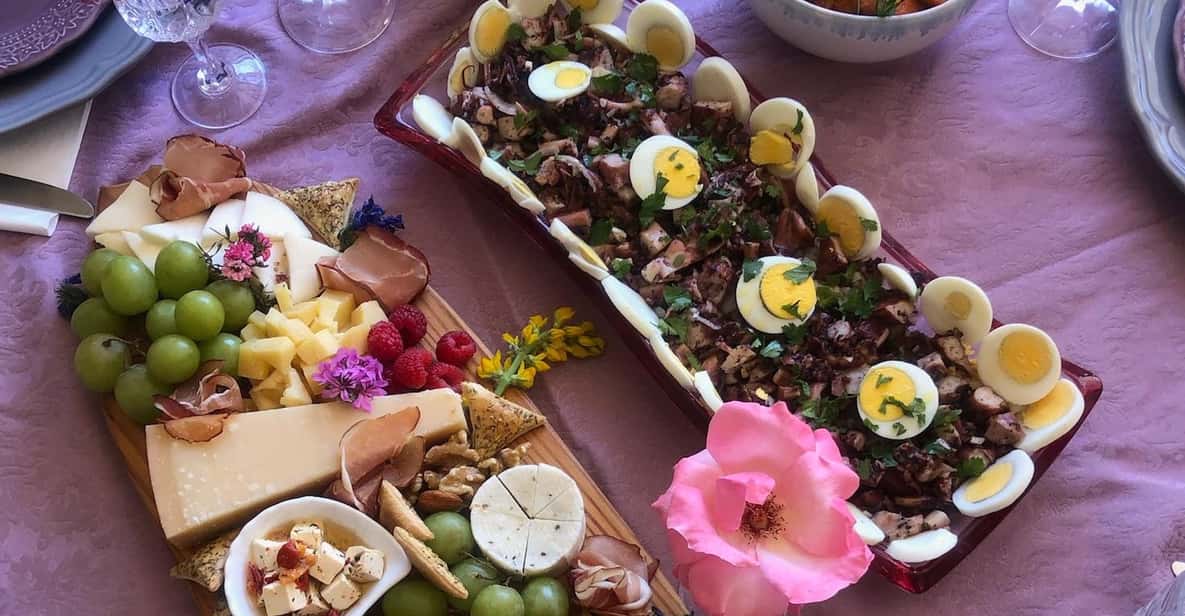
At $100 per person for around three hours, this class isn’t “cheap.” But it can be good value because you’re getting a lot bundled together.
Here’s what’s included:
- All ingredients and cooking gear for your 4-course meal
- Instructor-led cooking guidance in English
- Up to 3 hours of hands-on work and a shared food experience
- Drinks included: wine, beer, homemade juice, coffee, water
- Finger food and snacks during the cooking process
- Insurance
If you tried to recreate this on your own, you’d pay for ingredients, tools, and a place to cook, plus you’d still miss the coaching. What you’re really buying is the combination of hands-on practice, translation of technique, and an easy plan for a special meal night.
The other value angle: timing. You’ll spend only about three hours, but you end up with a full meal and new cooking habits. For people on a short Lisbon stay, that’s often better than squeezing in a long food tour and then still having to find a dinner plan.
Who should book, and who should skip
This class fits best if you want a hands-on food evening with real Lisbon personality.
Best match
- People who enjoy cooking or want to learn without being overwhelmed
- Food lovers who want more than tasting and want technique
- Anyone traveling with a partner or friends who likes shared activities
- Families with kids old enough to handle a kitchen setting; one family reported it worked well for children ages 10 and 8
Consider before booking
- If you need step-free or mobility-friendly setups, note it isn’t suitable for people with mobility impairments based on the activity details provided
- If you’re looking for a short, snack-only experience, this is not that
- If you’re under 6, it’s not suitable for children under that age
Also, be honest about your food tolerance. Cooking with pork is part of some menus, and one person found the pork ribs cut tough. If you’re highly sensitive to texture, check with the host when you book.
Practical tips for your cooking night
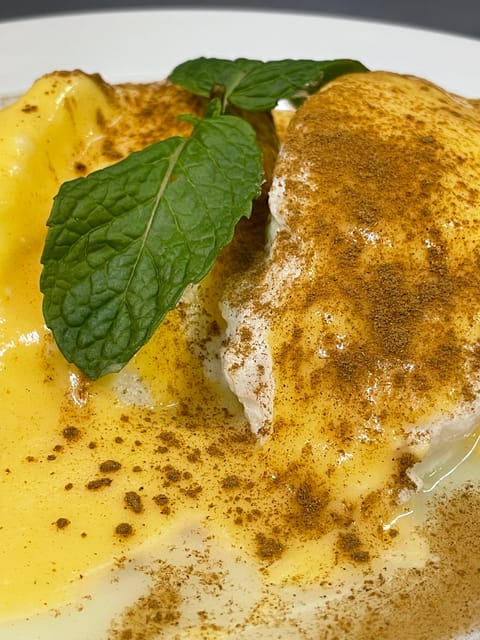
A few small moves can make this feel extra smooth.
Come hungry. More than one person emphasized that the class produces a surprising amount of food. You’ll want room for four courses, plus snacks and drinks beforehand.
Wear something you’re comfortable cooking in. Even though it’s a workshop, you’ll be standing and working. If you don’t want to worry about splashes, plan for them.
If you’re coming from the city center without a car, plan your route so you arrive a bit early. Because there’s no hotel pickup, you’ll want to feel confident you can reach Homecooking Lisbon HUB on time.
Finally, bring curiosity. This class works best when you ask a few questions while you cook. The teaching style is described as patient and inclusive, and chefs often share cultural context while guiding steps.
Should you book this Traditional Portuguese Cooking Class?
If your goal is a fun, structured Lisbon evening where you cook, learn, and eat what you made, I’d say yes. The biggest strengths are the small group size, the step-by-step teaching, and the fact that you get a full four-course meal with drinks included. Chefs such as Pedro, Miguel, Theresa, and Beatrice show up repeatedly in people’s experiences as attentive storytellers and patient instructors.
Skip it if you want a light tasting tour or if mobility needs are a concern. Also, go in expecting food volume. This is a dinner experience, not a quick demo.
If you can do the math on value and you want an authentic cultural activity that you can repeat at home, this class is a strong bet for Lisbon.
FAQ
How long is the Lisbon Traditional Portuguese Cooking Class?
It lasts about 3 hours.
What does the class cost?
The price is $100 per person.
What’s included in the class?
You get all ingredients and cooking gear, instructor guidance, up to 3 hours of cooking and a shared experience, drinks (wine, beer, homemade juice, coffee, and water), finger food and snacks, and insurance.
Is hotel pickup or drop-off included?
No. Hotel pickup and drop-off are not included.
Is the instructor available in English?
Yes. Instruction is in English.
How big is the group?
It’s a small group limited to 10 participants.
Is it suitable for young children or people with mobility impairments?
It is not suitable for children under 6 years old, and it is not suitable for people with mobility impairments.