REVIEW · LISBON
Lisbon: 2-Hour Pastel de Nata Cooking Class
Book on GetYourGuide →Operated by Compadre Cooking School · Bookable on GetYourGuide
Turn oven time into a souvenir skill.
In this 2-hour Lisbon cooking class, you make Pastel de Nata egg tarts with an English-speaking instructor and then produce a second traditional Portuguese recipe. What makes it extra fun is the kitchen setup and the step-by-step guidance, so you’re not just watching dough happen.
I also like the cultural angle: you get the origin story behind the tart, including how it traces back to 19th-century monasteries, and the hosts share practical tips that help your tarts look and taste right. One small drawback to plan around: you’ll be standing for about 1 hour and 20 minutes, so it’s not a great pick if your back gives you trouble.
In This Review
- Key things to know before you go
- A 2-Hour Skill You’ll Actually Use at Home
- Meeting in the Kitchen (and Why That Matters)
- Pastel de Nata: What You’re Really Learning
- The Hosts Make the Difference: Anna and Marta’s Teaching Style
- The Second Portuguese Treat: Expect Variety
- Light Meal Time: Tea, Coffee, and the Shared Table
- Take-Home Recipes: The Real Souvenir
- Price and Value: Is $64 Worth It in Lisbon?
- Who This Class Suits (and Who Should Skip It)
- Small Details That Make Your Class Go Smoothly
- Quick Practical Checklist Before You Book
- FAQ
- How long is the Lisbon Pastel de Nata cooking class?
- How much does it cost?
- What do you make in the class?
- What’s included in the price?
- Is pickup and drop-off included?
- What language is the instruction in?
- Is it suitable for vegans?
- What should I wear or bring?
- Should you book this Lisbon Pastel de Nata class?
Key things to know before you go
- Two Portuguese recipes: Pastel de Nata plus one more traditional treat included.
- Anna and Marta style: energetic hosts who coach you through each step in clear English.
- Pre-made starts: several parts are simpler than you might expect, with dough handled for you.
- You eat what you make: tea (and sometimes coffee, depending on the session) plus a light meal after.
- Not for everyone: standing time is significant, and vegan options need checking ahead.
A 2-Hour Skill You’ll Actually Use at Home
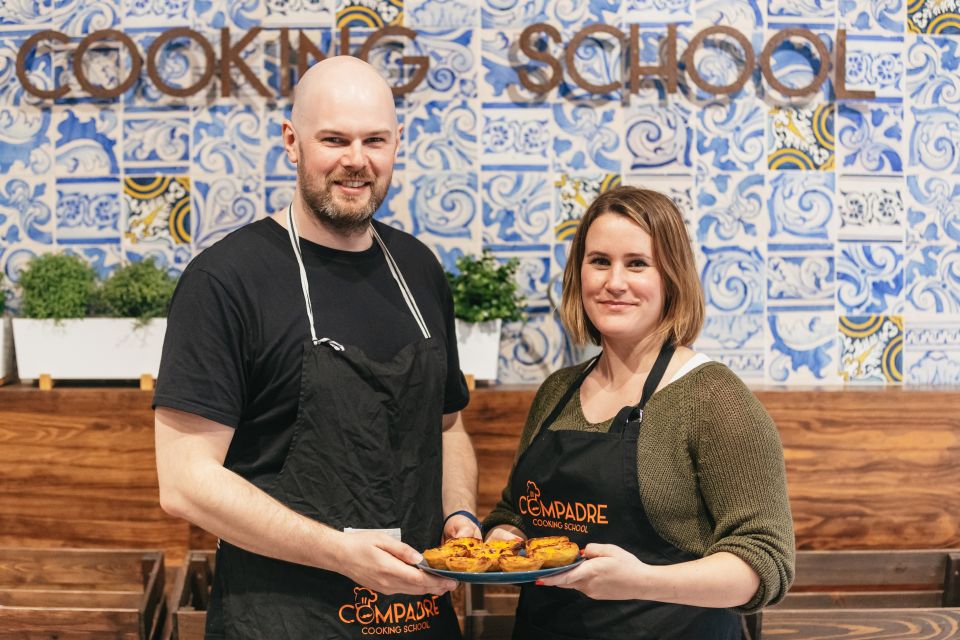
There’s something satisfying about eating a Lisbon classic while learning how it’s built. The goal here isn’t to hand you a plate and send you on your way. It’s to get you into the rhythm of making Pastel de Nata—and then giving you a second Portuguese dessert to take home in your head and on paper.
The format is straightforward: you join the cooking team in their kitchen, work through the tart process, and then switch to another traditional recipe. It’s a focused two hours, which is ideal if you want a meaningful food activity without turning your day into a full production.
Value-wise, $64 per person lands in the “not cheap, but fair” zone because you’re paying for real instruction, ingredients, equipment, and two recipes you can recreate. If you’re the type of person who likes to cook, the cost starts to make sense fast. If you’re mostly there for a snack, you’ll probably feel the price more.
You can also read our reviews of more cooking classes in Lisbon



Meeting in the Kitchen (and Why That Matters)
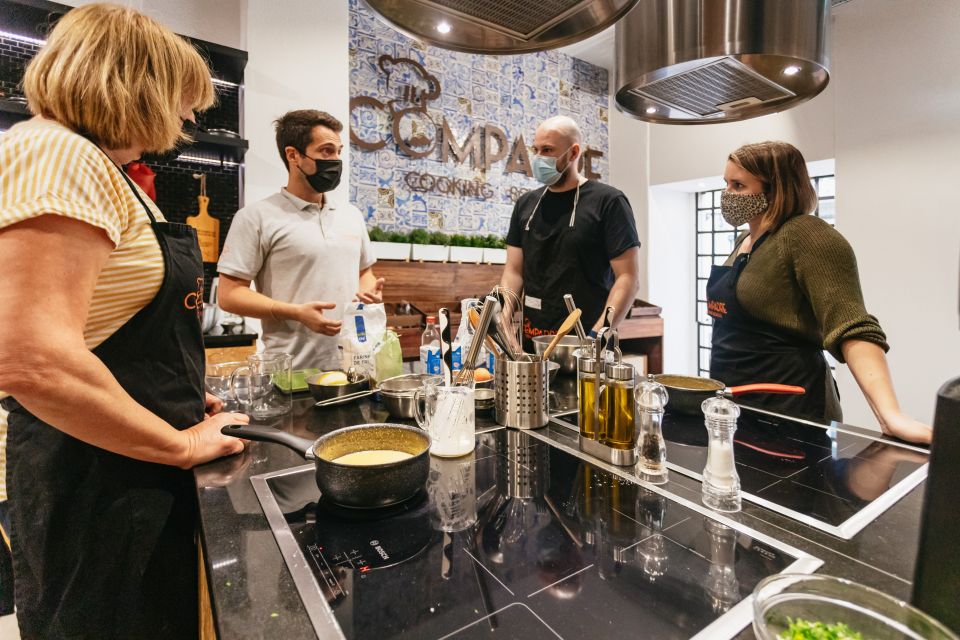
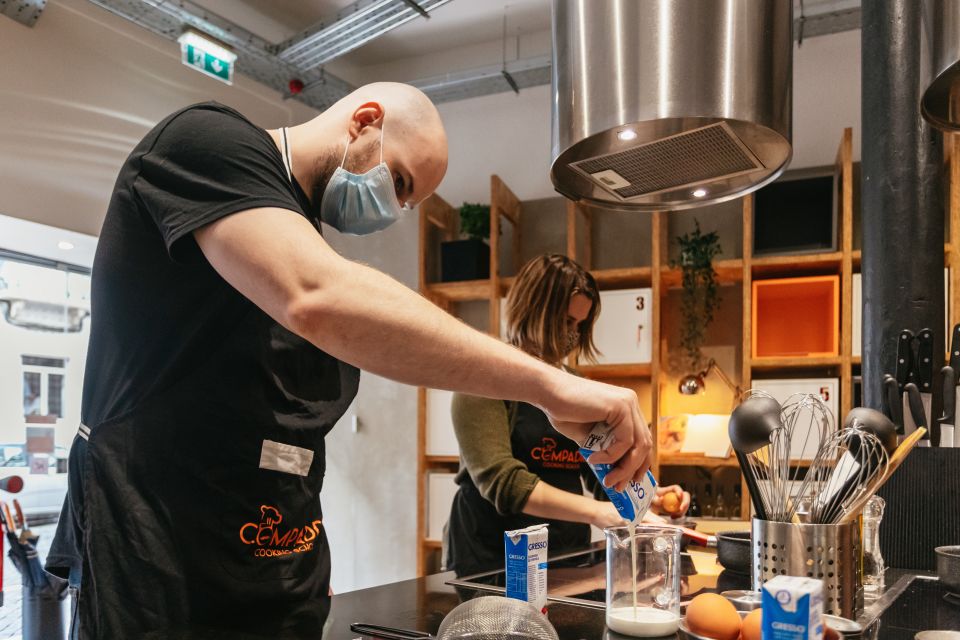
This class meets in the kitchen of the local partner. That sounds basic, but it’s the whole point. You’re not doing a lecture in a café while someone else handles the hard parts. You’re in the work zone—messy hands, counter space, baking tools, and an instructor close enough to correct your technique before it becomes a disaster.
Practical note: the meeting info says to ensure the address is for Lisbon when you plug it into your map app. That matters because listings can have location ambiguities, and you don’t want to arrive in the wrong place and spend your first 15 minutes stressed.
What to bring is simple: comfortable shoes. You’re on your feet for a big chunk of the session, so skip sandals and choose something with support.
Pastel de Nata: What You’re Really Learning
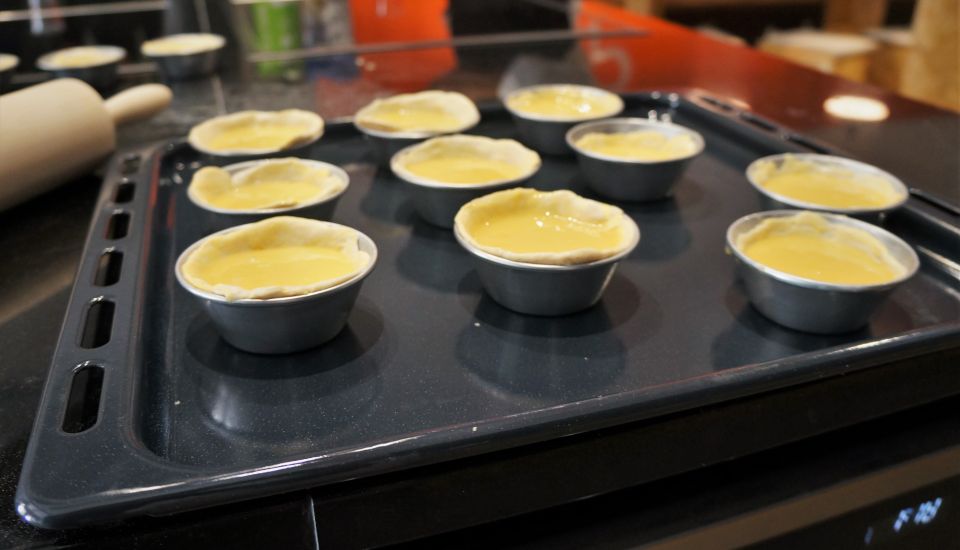
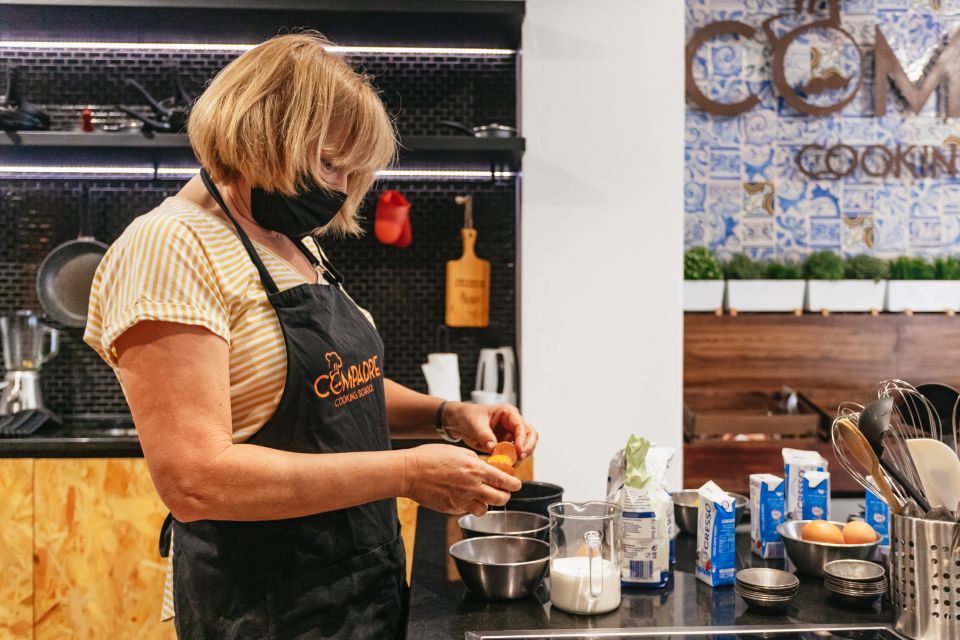
Pastel de Nata can look intimidating when you see perfect tarts behind glass. The good news is that the class format tends to remove some of the usual beginner barriers. One important detail from past participants: the process doesn’t require you to start from scratch with dough. The dough is pre-made, and the custard steps are kept manageable.
So you’re learning the parts that matter:
- How to handle the tart shells so you don’t end up with lopsided disasters
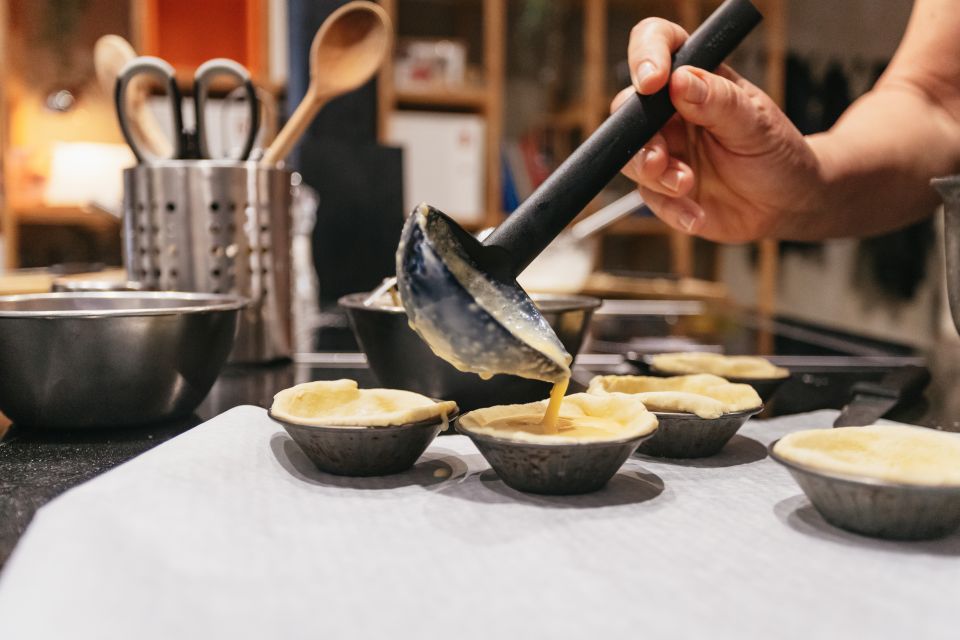
- How to get the custard right so the centers set up as you expect
- How to fill without overdoing it, which is where a lot of home attempts go wrong
You’ll also hear the classic origin story: Pastel de Nata is linked to 19th-century monasteries, and it became a national symbol. That context makes the baking feel less like a random dessert and more like Portuguese food culture you can reproduce.
The Hosts Make the Difference: Anna and Marta’s Teaching Style
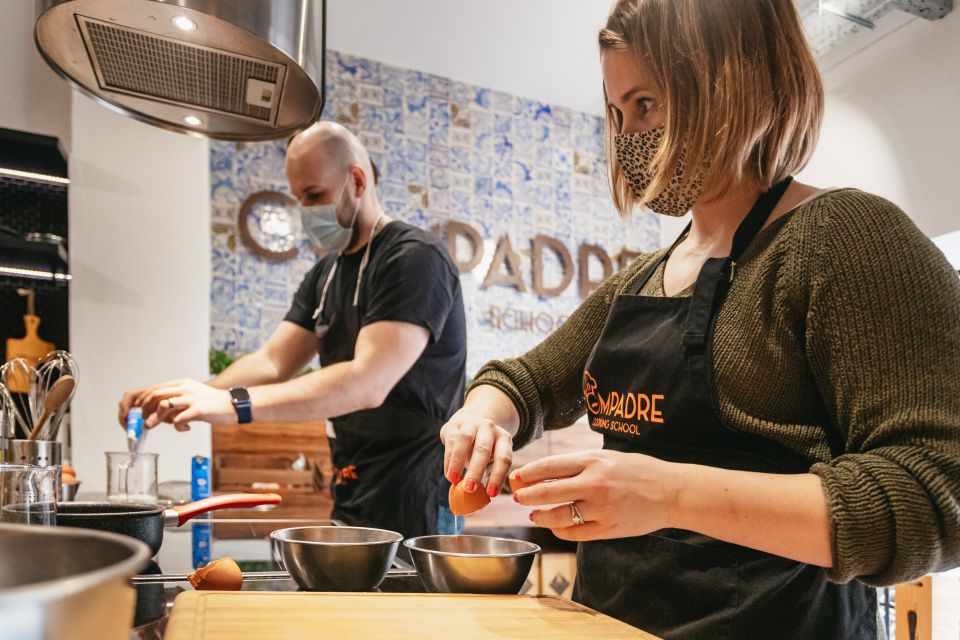
This is one of those classes where the instructor energy really shows. Names that come up again and again are Anna and Marta, and the theme is consistent: friendly coaching, clear step-by-step instruction, and lots of practical tips.
In a good cooking class, the chef doesn’t just tell you what to do. They watch what you’re doing and nudge you when your technique is slightly off. That’s what you want here—especially for a pastry where small changes can affect shape and texture.
Several participants specifically praised how the hosts explained both the history and the method. In plain terms: you’re not just getting a recipe dump. You’re getting the why behind it, plus the small corrections that help you produce a tart that looks like it belongs in Portugal rather than in your oven-luck universe.
One more plus: the kitchen setup is described as clean and modern, and people have noted the comfort factor, including air conditioning. That matters in Lisbon, especially when you’ve got heat outside and you’re standing indoors doing hands-on work.
The Second Portuguese Treat: Expect Variety
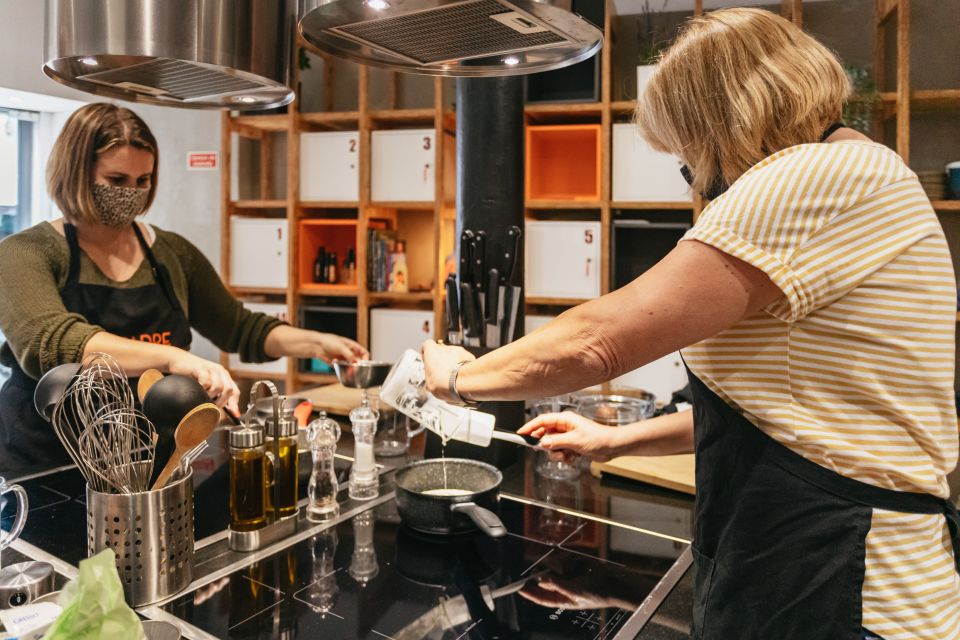
You make Pastel de Nata plus another traditional recipe. The exact second dessert can vary by session, but the examples that have come up include things like:
- Bacalhau-style cod desserts (often described as cod fritters or cod cakes)
- Meringue-based Portuguese sweets with custard elements, including desserts described as farófios
- A merengue dessert with custard in some sessions
That variety is actually a selling point. It means you’re not repeating the same tart method twice. You get a second taste of Portuguese cooking logic—whether that’s a savory cod approach or a light, egg-based dessert style.
If you’re hoping for a specific second dish, you might want to message ahead and ask what’s on the menu for the day. The class clearly promises two recipes, but it doesn’t lock in the exact second one in the basics you’re given.
A few more Lisbon tours and experiences worth a look





Light Meal Time: Tea, Coffee, and the Shared Table
After cooking, you sit down together for a light meal. Tea is included, and the class description also mentions tea and coffee. In practice, a couple of past participants said coffee or the full drink setup didn’t match the wording.
So here’s my practical takeaway: plan on tea as the reliable drink. If coffee matters to you, don’t assume it’s guaranteed—especially if you’re booking in a season where schedules are tight.
Either way, this eating moment is more than a payoff. It’s when you can compare your tarts to the others in the group and see what success looks like. It’s also the time when you’ll likely get quick finishing tips, like how to store your tarts so they taste great later.
Take-Home Recipes: The Real Souvenir
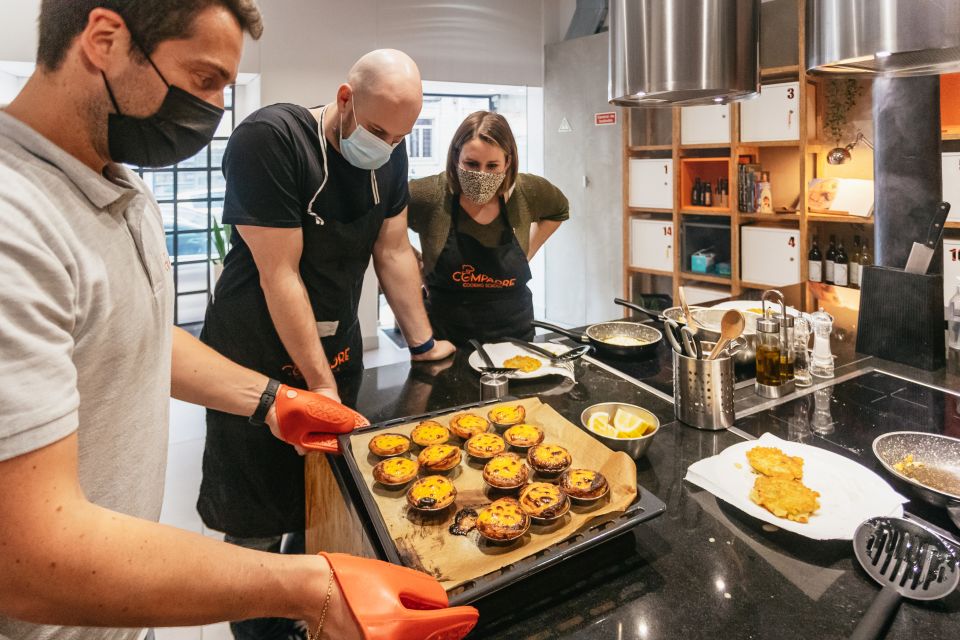
The best part of a cooking class isn’t the moment you eat it in the kitchen. It’s being able to recreate it later. This class includes two recipes you can take home, and past participants have mentioned takeaway bags as well, which helps if you don’t finish everything on the spot.
If you’ve ever tried to recreate a dish from memory and ended up with something that tastes close but not right, you’ll appreciate why a recipe sheet plus technique tips matters. Pastel de Nata is one of those pastries where details—like filling level and how the custard sets—show up in the final result.
You’ll leave with:
- Your own Pastel de Nata method to follow at home
- A second Portuguese recipe that gives you a broader menu than just one egg tart
Price and Value: Is $64 Worth It in Lisbon?
$64 per person sounds like a splurge until you break down what you’re paying for. You’re getting:
- Instructor guidance in English
- Cooking equipment, utensils, and ingredients
- Two separate Portuguese recipes
- A light meal after cooking with tea
- Insurance included
If you were to buy ingredients and tools yourself, and then pay for lessons, this kind of packaged experience often costs more in the real world. The other value is time. Two hours is long enough to actually produce something, but not so long that you waste half your vacation in a kitchen.
Where the value math gets even better: if you like food activities, this class gives you a skill you can share. You’ll be able to wow family and friends with a dessert that’s instantly recognizable as Portuguese, not generic baking.
Who This Class Suits (and Who Should Skip It)
This fits best if you:
- Like hands-on cooking and want clear instructions
- Enjoy Portuguese food as more than just ordering at restaurants
- Want a fun group activity that still has tangible results to take home
- Can stand for about 1 hour and 20 minutes without pain
It’s not recommended for people with back problems, because the class involves standing for that stretch. Also note that pets aren’t allowed and smoking isn’t permitted.
On diet: Portuguese cuisine isn’t very vegan friendly. If you’re vegan, contact the local supplier beforehand so you can confirm what can be adjusted. If you’re vegetarian, the class is said to have handled vegetarian requests in at least one case, but you still shouldn’t assume every session can accommodate every need.
Small Details That Make Your Class Go Smoothly
These are the tweaks that help your experience run better:
- Wear comfortable, supportive shoes because you’ll stand most of the time.
- Bring your questions. The hosts are the type to help you correct issues while you’re still in the process.
- Don’t expect a “watch and snack” class. This is hands-on, and you’ll be doing the work.
- If you’re sensitive to heat, the kitchen comfort factor (including AC noted by participants) is a real plus.
Also, the class is described as being casual in atmosphere, with friendly interaction among participants. If you’re traveling solo, that social piece can be a bonus rather than a chore.
Quick Practical Checklist Before You Book
If you’re deciding between classes or tours, use this quick filter:
- Do you want Pastel de Nata plus another Portuguese recipe rather than just one dessert?
- Are you comfortable standing for roughly 1 hour and 20 minutes?
- Can you do a kitchen-based activity without needing pickup or drop-off?
- Do you want recipes you can bring home, not just a meal?
FAQ
How long is the Lisbon Pastel de Nata cooking class?
The class lasts 2 hours.
How much does it cost?
It costs $64 per person.
What do you make in the class?
You make Pastel de Nata and one other traditional Portuguese recipe.
What’s included in the price?
Included are cooking equipment, utensils, and ingredients; an instructor; insurance; two different recipes; and tea.
Is pickup and drop-off included?
No, pickup and drop-off are not included.
What language is the instruction in?
The class is taught in English.
Is it suitable for vegans?
Portuguese cuisine is not very vegan friendly. If you’re vegan, you should contact the local supplier beforehand to discuss options.
What should I wear or bring?
Bring comfortable shoes. The class involves standing for about 1 hour and 20 minutes, and it’s not recommended for people with back problems.
Should you book this Lisbon Pastel de Nata class?
If you want a real hands-on pastry lesson and you’re excited to leave with two Portuguese recipes, this is a strong choice. The hosts, including Anna and Marta, get consistently praised for clear coaching and making the process feel doable, even if you’re not a skilled cook.
If you have back issues, skip it because of the standing time. And if you’re vegan, plan ahead by contacting the supplier before booking, since the baseline Portuguese menu isn’t very vegan friendly. For everyone else, it’s a practical, fun way to turn a Lisbon food icon into something you can actually bake at home.