REVIEW · LISBON
Lisbon Photo Private Day Tour
Book on Viator →Operated by Lisbon Photo · Bookable on Viator
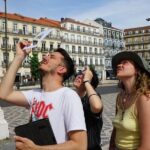
Lisbon turns into a camera-ready maze in just a few hours. I like how this private photo tour pairs Lisbon’s old neighborhoods with real coaching for your photos. You also get to choose the pace, because it’s private, and the route can be tailored. One thing to consider: it’s a walking tour with some steps up and down, so wear shoes you trust.
What really makes it special is that your guide, Miguel, blends history with practical photo composition—so you shoot with intention, not just aim-and-hope. I also love the flexibility: it works for phone users and DSLR users, and the coaching can be explained in simpler terms if you’re new. If you don’t bring any camera or phone, the experience won’t be able to help you get those hands-on tips.
This is booked well ahead by many people, so if you’re traveling during peak season or have a short window, I’d lock in your time early.
In This Review
- Key highlights worth your attention
- Entering Lisbon with a photo guide mindset
- Price: what $165.33 per group actually buys you
- Start at Praça Dom Pedro IV, then aim for better frames
- Alfama: old streets, laundry lines, and composition practice
- What you’ll likely shoot (and why it works)
- A realistic drawback in Alfama
- Castelo: viewpoints, stairs, and choosing your focus
- When Castelo is hardest—and how to handle it
- Mouraria: quiet corners, culture, and candid angles
- Why Mouraria is a strong match for beginners
- Phone or DSLR coaching that actually shows results
- What the coaching covers
- The patient teaching advantage
- Small local moments that go beyond photos
- Timing, walking comfort, and what to bring
- What the tour format means for you
- Who this private photo walk is best for
- Should you book Lisbon Photo for your day in Lisbon?
- FAQ
- Do I need my own camera or phone?
- Is it suitable for beginners?
- What areas will we explore?
- Is the tour in English?
- How much walking is involved?
- How much does it cost and how many people is it for?
Key highlights worth your attention
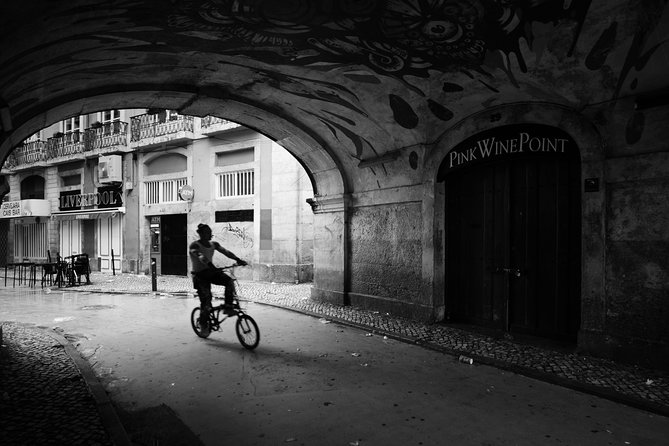
- Private, customizable route across Alfama, Castelo, and Mouraria so you’re not stuck with a one-size-fits-all script
- Miguel’s photo coaching covers composition and settings for both smartphones and DSLR cameras
- Off-the-beaten-path angles that are hard to find on your own, especially in the older lanes
- Beginner-friendly teaching that slows down the technical stuff when needed
- Time spent shooting means you’re not just learning facts—you’re practicing while you walk
Entering Lisbon with a photo guide mindset
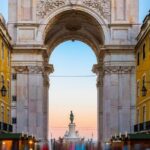
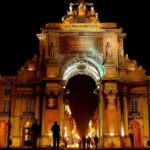
This is a private walking photo tour in central Lisbon, built around the idea that you’ll take better pictures when someone helps you see smarter. You start at Praça Dom Pedro IV (number 19). It’s a practical meeting point: easy to find, and it puts you in the thick of the city without wasting time.
The tour runs about 4 hours, and you can pick a morning or afternoon slot. That matters because Lisbon light changes fast. Early sessions can feel softer for street scenes and courtyards, while later sessions can give you more dramatic shadows in stairways and viewpoints. Either way, you’re moving through classic districts while also stopping often enough to actually shoot.
The biggest value here is not that you’re being shown Lisbon. It’s that you’re being taught how to photograph Lisbon while you’re there. You’ll get coaching on composition—how to frame what you see—plus guidance on camera or phone settings. That’s the difference between collecting random photos and leaving with images that feel like they belong together.
And since it’s private, the pace can be adjusted. The tour includes some steps and uneven walking, but because it’s just your group, the route and rhythm can be controlled. If you have older legs, knee issues, or you simply want more breaks, you can ask for it and plan around it.
You can also read our reviews of more private tours in Lisbon

Price: what $165.33 per group actually buys you
The price is $165.33 per group for up to 4 people. On a per-person basis, that can be a good deal if you travel as a couple, bring a teen, or go with friends. If you’re 4 people, you’re essentially splitting the cost of a custom photo lesson across your group.
If you’re traveling solo or as a pair, it still can be worth it because you’re paying for private coaching and a personalized route, not for a big-group itinerary. This is also time-efficient: 4 hours is long enough to learn some key photo habits and still cover multiple neighborhoods.
One small but smart note: this kind of tour often gets booked early. The average booking window is about 48 days ahead, so if you’re set on a specific date or time, don’t wait until the last week.
Start at Praça Dom Pedro IV, then aim for better frames
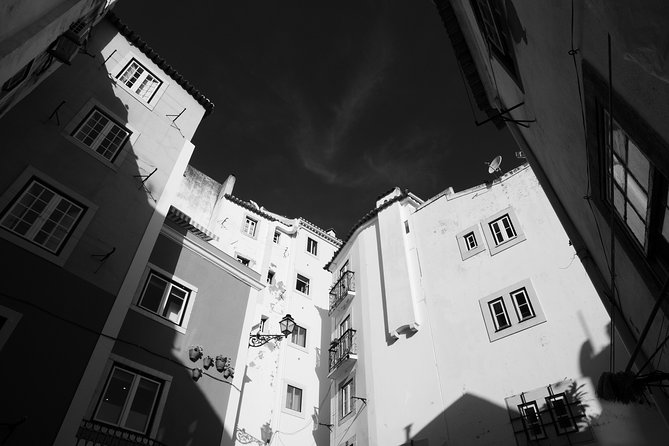
The tour begins at Praça Dom Pedro IV. From there, you’re set up for a classic Lisbon day: narrow streets, changing views, and lots of visual texture. You’ll also get an early advantage—your guide helps you translate what you see into what your camera can capture.
If you’re shooting with a smartphone, you’ll get practical coaching for that device, not just generic advice. If you’re using a DSLR, you’ll still get real instruction that connects settings to the photo you want. This matters because a camera is only half the job. The other half is knowing what to emphasize: light, lines, layers, and people (when they fit the scene).
Your guide can also tailor the walking route. So instead of following a rigid checklist, you’re more likely to stop where the light, angle, and composition make sense. That’s especially important in Alfama and Mouraria, where the best frames often hide around corners.
Alfama: old streets, laundry lines, and composition practice
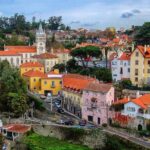
Alfama is one of Lisbon’s oldest districts, with street layouts that still feel like the city’s earlier centuries. This is where the tour shines for photographers, because Alfama is basically built for framing: tight lanes, small doors, tiled surfaces, and sudden viewpoints.
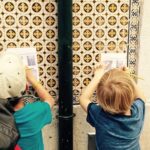
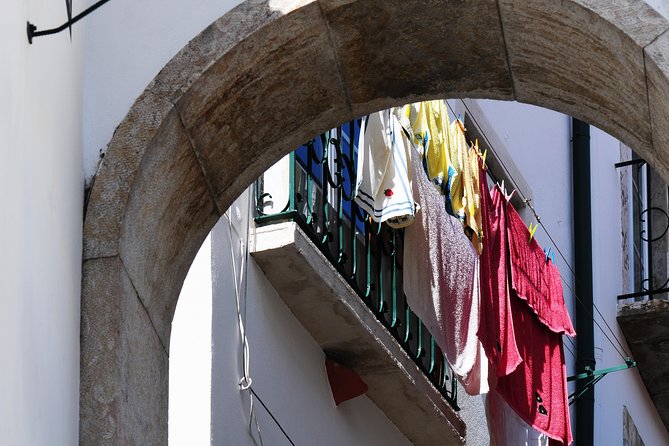
In Alfama, the focus is on hidden places and day-to-day life. You’ll notice details like laundry hanging and the everyday rhythm of local streets. For photography, these small elements are gold. They give your images scale and story, not just scenery.
What you’ll likely shoot (and why it works)
You’ll be encouraged to look for:
- Leading lines in narrow streets that pull your eye toward a viewpoint
- Foreground + background layering so the image feels deeper than a simple postcard shot
- Simple composition tricks that make clutter feel intentional
Miguel’s style is practical: he doesn’t just point at a view and move on. He guides you to adjust your angle, tighten your frame, or change settings so what you’re seeing becomes what you’re capturing.




A realistic drawback in Alfama
Alfama is full of stairs and uneven ground. The good news is that because it’s private, the intensity can be managed. You can ask for pauses without feeling like you’re slowing down a big group. Still, plan on supportive shoes.
Castelo: viewpoints, stairs, and choosing your focus
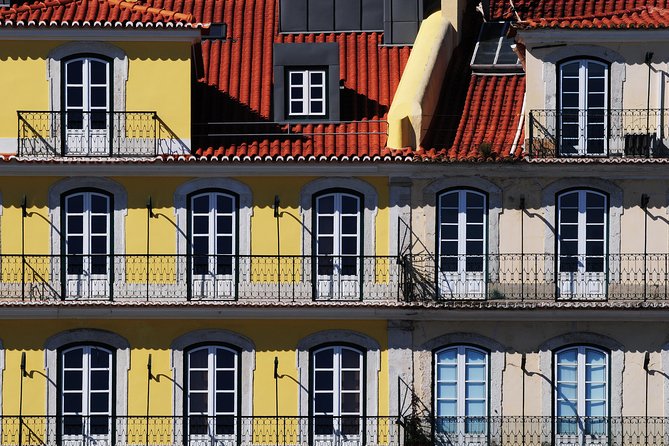
The Castelo area is where Lisbon starts feeling dramatic. It’s not just about standing somewhere high. It’s about how you use that height to guide the viewer’s eye.
Here, you’ll likely spend time on viewpoints and edges where the city opens up. You’ll also face the practical part of photographing from elevated areas: wind, changing light, and finding stable footing. If you’re using a phone, you’ll want steady hands or a way to brace yourself. If you’re using a DSLR, you’ll want to pay attention to shutter speed and how movement affects what you capture.
This is also a good place to learn a key photo habit: deciding what’s in focus and what can soften. In city views, that choice can completely change the feeling of the picture. Your guide helps you connect those decisions to your camera settings or smartphone controls, so you’re not just guessing.
When Castelo is hardest—and how to handle it
The main friction is physical. You’ll encounter steps and slopes. The tour is built to adjust, but you still need to come prepared. If you’re more comfortable with slower walking, tell Miguel early so he can shape the route and stops.
Mouraria: quiet corners, culture, and candid angles
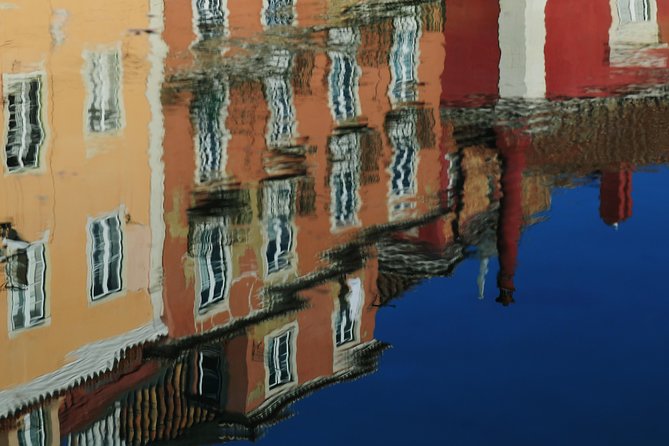
Mouraria is one of Lisbon’s older, best-preserved districts, and it’s often overlooked compared to the bigger-name neighborhoods. That’s exactly why it’s great for photos. There’s less pressure, fewer obvious tourist crowds, and more of that local texture that makes street images feel real.
In Mouraria, the tour leans into culture and the kinds of spots people miss when they’re moving too fast. You’ll have opportunities for photographic scenes that feel personal: small moments, interesting walls, and corners with strong visual character. Even if you’re new to photography, this area helps you practice because it offers lots of shapes, textures, and background layers.
Why Mouraria is a strong match for beginners
Beginners often struggle with one thing: too much information, not enough direction. In Mouraria, your guide can point you toward a manageable approach—what to frame, how to simplify the scene, and how to set up your shot so it looks intentional even when the environment is busy.
Miguel’s coaching style also helps with technical fear. If you get overwhelmed by manual settings or the language of camera gear, he can explain things in simpler terms and connect them to results you can see while you’re there.
Phone or DSLR coaching that actually shows results
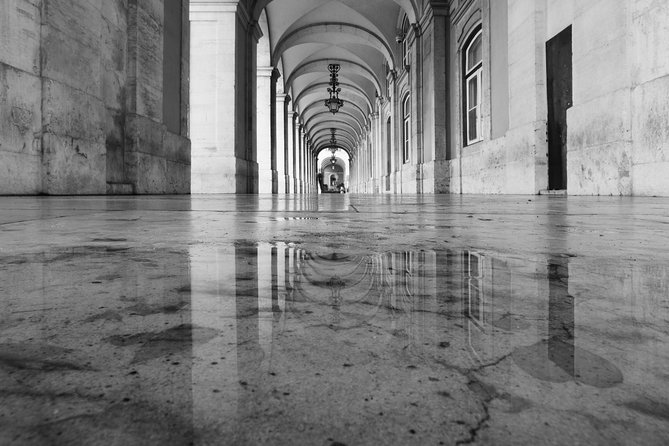
One of the most praised parts of this experience is the hands-on teaching. You don’t just get tips at a distance—you get guidance while you’re shooting.
What the coaching covers
From what you’re told to do and what you practice, you can expect help with:
- Image composition (how to frame and structure what you see)
- Using DSLR or smartphone cameras in a way that matches your device
- Manual settings when you want them, without making it overly technical
- On-the-spot editing for smartphone photos in a way you can learn immediately
That last point is important. Editing right after you shoot helps you understand what changes actually matter: brightness, contrast, color balance, and cropping choices. Instead of waiting until you’re home with a thousand photos, you improve while the memory is still fresh.
The patient teaching advantage
The reviews you’ll find about this tour highlight something you’ll feel in real time: patience. If you’re learning at a slower speed, you won’t be rushed out the door. That’s especially useful if you’re with teens or if one person in the group is confident with a camera while another is still figuring out basics.
Small local moments that go beyond photos
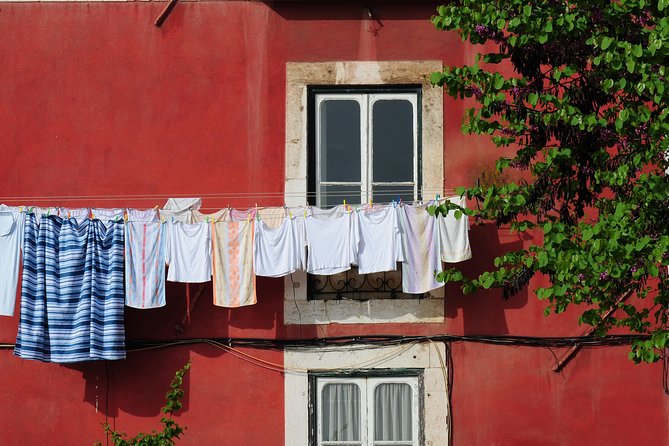
This tour isn’t only about buildings and angles. It also includes information about local history and lifestyle. That matters because it adds meaning to what you’re photographing.
When you understand the context—why a neighborhood looks the way it does, what life feels like there—you naturally take photos differently. You start looking for details that tell you something, not just pictures that look pretty.
There’s also a possibility of spontaneous contact with locals. The key word here is possibility. You’re not promised a formal cultural experience, but it’s the kind of thing that can happen on a walking tour when your guide knows the area and respects the neighborhood.
Timing, walking comfort, and what to bring
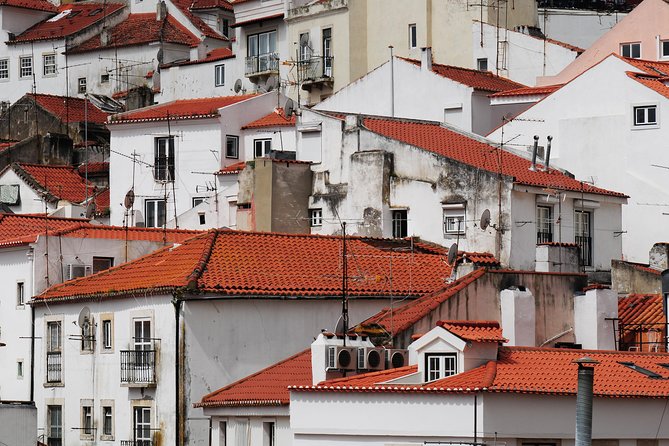
This is about 4 hours of walking with some ups and downs. The tour is private, so you can control the pace and adjust steps to what your group can handle.
You should have your own photography equipment. That’s straightforward. If you’re using a smartphone, bring it fully charged. If you’re using a DSLR, bring your usual lens and any gear you need to shoot comfortably.
Also, pack for comfort:
- Wear shoes good for steps and uneven ground
- Bring water, especially if you pick a warm time slot
- Expect to stop often, look around a lot, and shoot repeatedly
What the tour format means for you
This kind of tour works best when you’re willing to slow down. You can’t get the most value by walking quickly and hoping your camera will catch everything. You’ll get more from it if you pause, try your guide’s suggestions, and shoot the same scene a few different ways.
Who this private photo walk is best for
This tour is a strong fit if:
- You want real photo coaching for your phone or camera
- You like walking through authentic neighborhoods rather than only big landmarks
- You’re going with a partner, family member, or friends and want a personalized route
- You care about street scenes, courtyards, stairway angles, and small details
It’s also a good match for groups with mixed experience levels. The guidance can be simplified for true beginners and still cover manual settings for people who want to learn more.
If you want a sit-down museum day or a purely landmark-driven tour with minimal walking, this may not be your best match. This is built for photographers and for moving through neighborhoods with your eyes open.
Should you book Lisbon Photo for your day in Lisbon?
Yes, if you want a practical photo lesson wrapped inside a Lisbon neighborhood walk. The biggest wins here are the private format, the coaching quality, and the way the guide helps you make photos—not just take photos.
If you’re a beginner, this can help you build confidence fast because the instruction can be simplified and you practice immediately. If you already know photography, you’ll likely appreciate the focus on composition and the chance to work on settings like manual control with real scenes in front of you.
One final decision tip: if you’re picky about pictures and you don’t want to wander randomly, booking this is a smart way to turn 4 hours into images you’ll actually want to keep. If you hate walking steps or want zero physical effort, you might want a more flat, shorter option. Otherwise, this is a very solid value for a private, camera-focused Lisbon day.
FAQ
Do I need my own camera or phone?
Yes. The experience expects you to bring your own photography equipment, which can include a smartphone or a DSLR.
Is it suitable for beginners?
Yes. The coaching can be explained in simpler terms for extreme beginners, with hands-on guidance while you’re shooting.
What areas will we explore?
You’ll walk through Alfama, Castelo, and Mouraria, with the route customizable to your group.
Is the tour in English?
Yes, it’s offered in English.
How much walking is involved?
It’s a walking photo tour with some steps up and down. Because it’s private, the pace and route intensity can be adjusted, and you can control it to a degree.
How much does it cost and how many people is it for?
It costs $165.33 per group and fits up to 4 people, and the duration is about 4 hours.