REVIEW · LISBON
Traditional Portuguese Cooking Class in Lisbon
Book on Viator →Operated by Homecooking Lisbon · Bookable on Viator
One good smell can change your day. This hands-on Lisbon class is built around cooking a 4-course Portuguese meal step by step, with drinks and plenty of chances to participate. I like that it feels relaxed and social, not like a stiff demo.
I especially like the small-group format (max 10), which means the instructor can actually watch what you’re doing. I also like the mix of classic comfort food and famous Lisbon staples, ending with Pastel de Nata.
The only drawback to plan for: the venue may be a short hop outside the tight city-center core, so give yourself time to get there and double-check the exact location for your session.
In This Review
- Key things to know before you go
- A hands-on Lisbon kitchen with Pastel de Nata as the finale
- Where to meet at R. Aliança Operária 54 and how to get there
- The 3-hour flow: finger foods, cooking stations, and a family-style meal
- What you make: the 4-course menu that shows Portugal’s flavors
- Instructors and the “more hands-on than you expect” feel
- Drinks and snacks: included, social, and built into the pace
- Seasonal menu changes: what you can count on year-round
- Price and value: what $102.84 buys you in Lisbon
- Where this fits best: who should book this class
- Practical tips to make your class smoother
- Should you book this Traditional Portuguese Cooking Class in Lisbon?
- FAQ
- What’s included in the Traditional Portuguese Cooking Class?
- How long is the cooking class?
- Is the class in English?
- How big are the groups?
- Are alcohol drinks included for everyone?
- What’s the address and where does it end?
Key things to know before you go
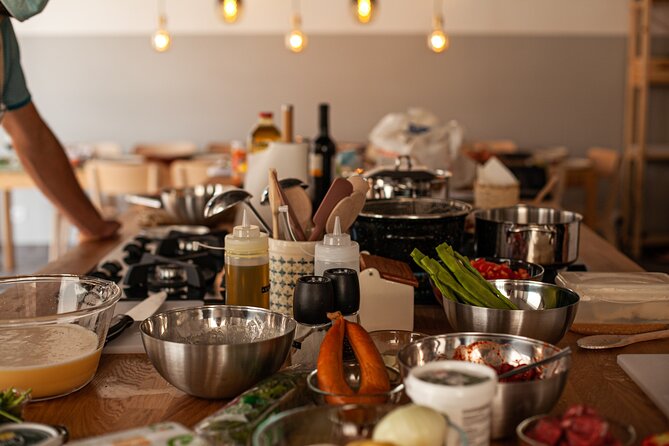
- Max 10 travelers means you get more hands-on time and real attention from the instructor
- 4-course meal is cooked together, then eaten as a group, so you get instant payoff
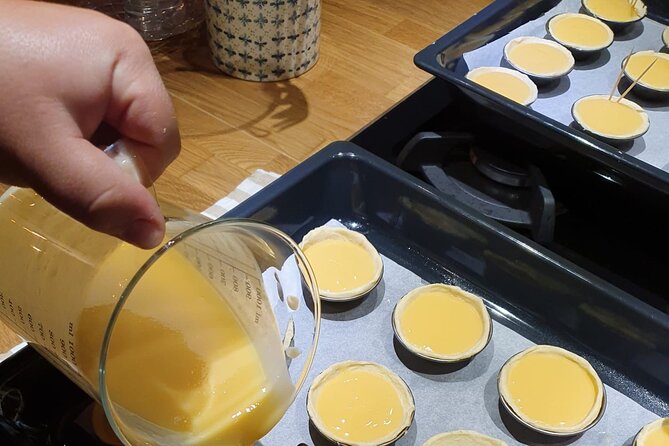
- Pastel de Nata is included, and the puff pastry is pre-prepared to keep things moving
- Portuguese wines and beers are included for adults, plus non-alcohol options for everyone else
- Menus change seasonally, so you’ll get fresher ingredients instead of the same template year-round
- English instruction and a mobile ticket make it easy to show up and start cooking
A hands-on Lisbon kitchen with Pastel de Nata as the finale

If you want Portugal food you can taste right away, this class is a smart pick. You’re not stuck watching someone else work; you cook through a 4-course traditional menu with step-by-step guidance from your instructor and team.
The food choices are very Portuguese, with a strong nod to fish and hearty mains. And the finish matters: Pastel de Nata is part of every session, so you leave with the most iconic dessert in your cooking toolkit.
You can also read our reviews of more cooking classes in Lisbon



Where to meet at R. Aliança Operária 54 and how to get there
Your start point is R. Aliança Operária 54, 1300-049 Lisboa. The activity ends back at the same meeting point, which helps if you’re planning the rest of your evening.
This experience runs near public transportation, which is great. That said, at least one class location has felt more like a normal neighborhood kitchen than a central tourist stop, so I’d plan a quick taxi or bus connection if you’re staying in the densest areas.
The 3-hour flow: finger foods, cooking stations, and a family-style meal
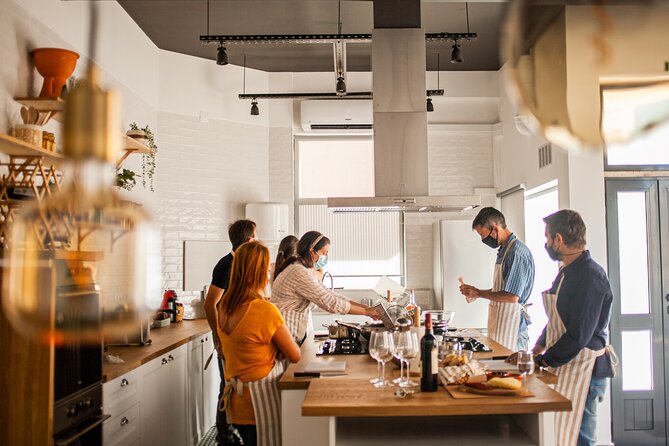
The schedule runs about 3 hours, with options for morning or evening classes. That flexibility is handy in Lisbon, where your best plan depends on whether you’re morning-walking viewpoints or saving energy for nighttime dinner.
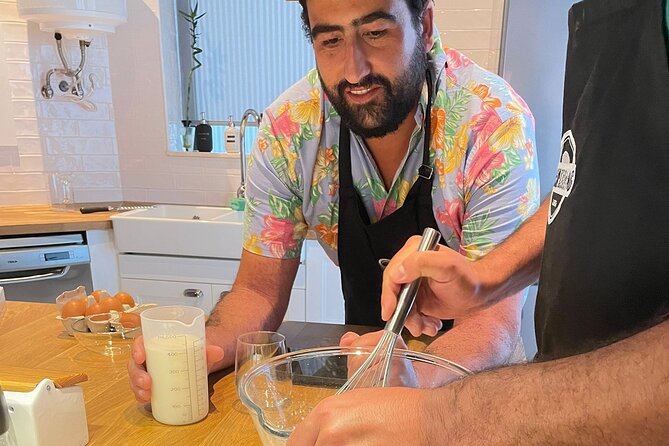
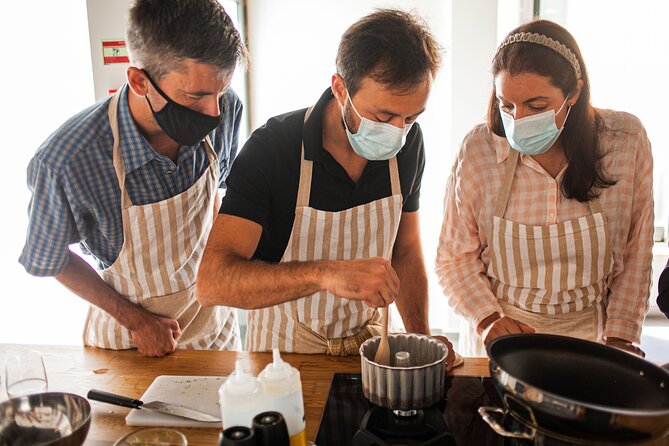
In the kitchen, you’ll work with a mix of prep and cooking tasks. The format tends to feel family-style: you help with parts of the meal, then everything comes together at the table for eating as a group. It can get lively, but that’s the point. You’re learning by doing, not by hovering at the edge of the action.
A calm rhythm is a big part of why this works. In many cooking classes, you’re rushed or stuck waiting. Here, pacing is described as relaxed and well organized, with instructors guiding without taking over every single step.
What you make: the 4-course menu that shows Portugal’s flavors
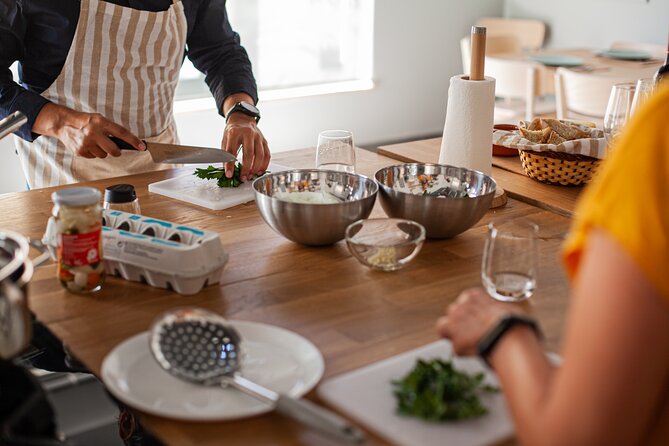
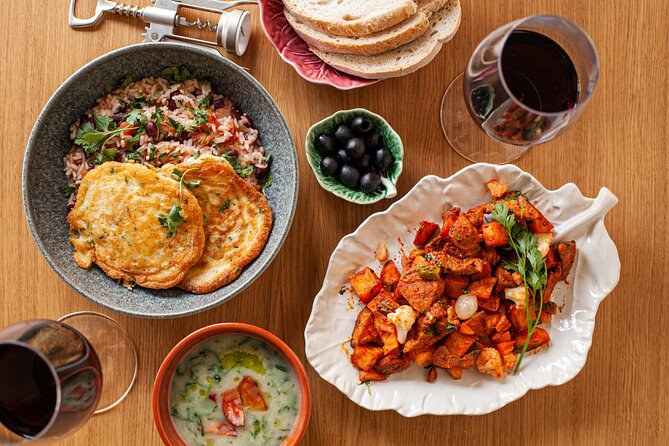
Your class cooks through four courses, and the exact menu can change with the seasons. Still, the structure is consistent: you’ll see a starter or two that sets the stage, a main course lineup that leans classic and filling, and then two dessert options including Pastel de Nata.
Here’s what’s been included in sample menus:
- Starter: Caldo-verde
This is one of Portugal’s most comforting soups. It’s built for flavor and simplicity, and it helps you understand how everyday ingredients turn into something special.
- Starter: Pica-pau
A Portuguese favorite often centered on small bites of meat, served in a way that feels more pub-meets-home-cooking than formal dining.
- Starter: Amêijoa à Bulhão Pato
Clams in a garlic-forward style. It’s a strong example of Portugal’s love for seafood and bold, aromatic sauces.
- Main: Bacalhau à Brás
Codfish cooked into a comforting mixture. If cod is a theme you’ve noticed in Lisbon, this is one of the best ways to understand why.
- Main: Pataniscas de Bacalhau
Cod fritters. Learning to cook cod this way gives you a totally different texture than soup or stew-style dishes.
- Main: Carne de Porco com Amêijoas
Pork with clams. This pairing shows the Portuguese habit of mixing land and sea without overthinking it.
- Main: Migas com Entrecosto
Pork ribs with migas. Migas are a grounding idea in Portuguese cooking, using bread and seasoning to create a savory base.
And desserts:
- Pastel de Nata
A pastry-prep highlight. The puff pastry is pre-prepared so you can focus on the method, filling, and finishing rather than starting from scratch.
- Arroz Doce
Rice pudding, Portuguese style, smooth and gently sweet.
- Torta de laranja
Orange roll, which adds a bright citrus note to end on a less heavy flavor.
This kind of menu is valuable because it teaches you patterns, not just recipes. You start to see how Portuguese meals often pivot from soups and seafood starters into hearty mains, then finish with classic sweetness that uses eggs, dairy, and fruit.
Instructors and the “more hands-on than you expect” feel
One reason this class gets top marks is the people running it. In different sessions, instructors you may meet include names like Miguel, Pedro, Beatriz, Teresa, or Rita, and the common thread is clear teaching with a friendly tone.
The style is interactive without being demanding. You’ll get to participate, but an instructor is still watching and correcting so you don’t end up with a pan full of mystery.
You’ll also get tips on how and why things are prepared. That matters, because Portuguese cooking often relies on technique more than fancy ingredients. Once you know the method, you can repeat the dishes after your trip instead of treating the class as a one-time meal.
A few more Lisbon tours and experiences worth a look





Drinks and snacks: included, social, and built into the pace
Expect finger foods and beverages while you cook. You’re not starting with an empty stomach, which makes a huge difference in a meal-building experience.
Portuguese wines and beers are included for participants, and non-alcoholic options are available too. If you’re traveling with teens, note that alcohol won’t be served to anyone under 18; water, juices, or tea are offered instead.
In practice, this inclusion helps you relax into the process. You can focus on cooking rather than thinking about where your next drink is coming from, and you can snack between course preparations without the meal feeling delayed.
Seasonal menu changes: what you can count on year-round
Menus change seasonally, and that’s a smart move. It means the class tries to keep ingredients at their best rather than pushing a rigid list every month.
It also means you might see a shift away from very specific dishes depending on the time of year. For example, a dish like Feijoada Transmontana may not appear in peak summer. That kind of seasonal logic is good for your expectations: you’re there for Portuguese food methods and flavors, not for a guarantee of one exact dish every single date.
The payoff is that you still get a strong snapshot of Lisbon and Portugal, with the same learning structure and four-course flow.
Price and value: what $102.84 buys you in Lisbon
At $102.84 per person, you’re paying for more than instruction. You’re basically buying a full meal experience plus drinks plus an instructor-led kitchen session for about three hours.
Here’s how the value works for you:
- You get a complete 4-course Portuguese meal, not a small tasting plate.
- You learn multiple techniques in one session, especially with seafood and cod-based dishes.
- Drinks are included, which can easily add up if you had to build the same meal and drinks on your own.
- The class is small, so the attention per person is higher than big-bus-style food tours.
So if you’re the kind of traveler who likes to bring a little food knowledge home, the price makes sense. If you mainly want a quick bite and zero cooking, you might decide you’d rather spend less and eat your way around Lisbon instead. But for hands-on learners, this is a straightforward value.
Where this fits best: who should book this class
This is a great match if you:
- Want a stress-free way to learn Portuguese cooking basics without prior skill
- Like fish-forward meals and classics like cod dishes and Caldo-verde
- Prefer small-group experiences where you can actually talk and work with people
- Are traveling with family (this kind of class has worked well for ages around 10 and 12 in past sessions)
It’s also a strong solo option. The class setup naturally encourages conversation while you cook and then share the meal.
If you’re a very serious cook looking for a heavy, technical workshop with no hand-holding, you might find the tone more relaxed than you want. Still, the structure is designed to keep you participating rather than standing around.
Practical tips to make your class smoother
- Arrive a bit early so you can settle in and start with the finger foods on time.
- Wear clothes you don’t mind getting splashed or smelling like cooking. Kitchens do that.
- Come hungry. The course lineup is substantial, and you’re also offered snacks while cooking.
- If you’re booking close to departure day, confirmation may come later, so keep an eye on your email.
- When you see the address, verify the exact location for your session. There can be different locations for classes.
Should you book this Traditional Portuguese Cooking Class in Lisbon?
Yes, I’d book it if you want a Lisbon experience that mixes food, technique, and social fun without any pretzel-level complexity. The standout reason is the combination of small-group attention and a full 4-course meal you actually cook yourself, plus a guaranteed Pastel de Nata moment.
If you’re short on time and only want a snack tour, it may feel like too much commitment. But if you want to sit down at the end and eat something you made, this is one of the easiest ways to do it while learning real Portuguese cooking patterns.
FAQ
What’s included in the Traditional Portuguese Cooking Class?
You’ll cook a 4-course traditional Portuguese meal, make Pastel de Nata, and enjoy finger foods and beverages during the class. Portuguese wines and beers are included, along with other non-alcoholic drinks.
How long is the cooking class?
The experience lasts about 3 hours.
Is the class in English?
Yes, the class is offered in English.
How big are the groups?
This activity has a maximum of 10 travelers, which helps keep the class more interactive.
Are alcohol drinks included for everyone?
Alcoholic beverages are included, but they are not served to participants under 18. Water, juices, or tea are available instead.
What’s the address and where does it end?
The start location is R. Aliança Operária 54, 1300-049 Lisboa, Portugal. The class ends back at the same meeting point.