REVIEW · LISBON
Pasteis de Nata Baking Class from Lisbon
Book on Viator →Operated by Lisboa Food Studio · Bookable on Viator
The smell of butter beats any souvenir. In this Pastéis de Nata baking class in Lisbon, you learn how to make the city’s famous custard tarts from scratch in a small-group setting, then you eat what you bake while it’s still warm.
I like two things a lot: the lesson is hands-on with clear step-by-step guidance, and you get a drink during the oven time plus a bit of context about how these pastries became a Portuguese icon.
One possible drawback: the whole experience runs about 1 hour 30 minutes, so you will move fairly fast from prep to finished tarts.
In This Review
- Key highlights worth your attention
- Why a Pastéis de Nata Class Feels More Like Lisbon Than a Bakery Stop
- Finding the Spot: R. da Junqueira and What to Expect on Arrival
- The Hands-On Cooking Flow: Puff Pastry, Custard, and Those Key Steps
- Chef Miguel’s Teaching Style: Why the Experience Sticks With You
- While the Tarts Bake: Drink Time and a Bit of Pastéis de Nata History
- What You Leave With: Warm Pastéis Now and Recipe Access Later
- Price, Time, and Value: Is $78.64 Worth It?
- Scheduling Tips: Morning vs. Afternoon and How to Plan the Rest of Your Day
- Who This Class Is Best For (and Who Might Want Something Else)
- Should You Book the Pastéis de Nata Baking Class in Lisbon?
- FAQ
- How long is the Pastéis de Nata baking class?
- Where does the class meet in Lisbon?
- How many people are in the group?
- Is the class taught in English?
- What do I make during the class?
- Do you get to eat what you bake?
- Is there anything included besides baking?
- Are service animals allowed?
- Is it easy to get to the meeting point using public transport?
- What happens if weather is bad?
- What’s the cancellation window?
Key highlights worth your attention
- Max 12 people keeps it personal, so you can actually ask questions while you’re working
- Everything from scratch, including flaky puff pastry and custard filling, not a shortcut kit
- Two start times (morning or afternoon) makes it easier to fit into a tight Lisbon itinerary
- Chef Miguel teaches the why, not just the what, so your results improve at home
- Warm pastéis at the end, plus a drink while the tarts bake
Why a Pastéis de Nata Class Feels More Like Lisbon Than a Bakery Stop

Lisbon has plenty of places to buy pastéis de nata. But a baking class gives you something different: understanding. You start to notice what separates a really good tart from an average one—how the pastry behaves, how the custard sets, and how small handling choices change the final texture.
This one is also a practical win. You spend about 90 minutes in a focused setting (not hours wandering a kitchen supply store), and you leave with warm results you made yourself. That combo is hard to beat for value and fun.
You’re not sitting through a lecture. You’re working: pastry prep, filling, then oven time. And during that bake period, you get a drink and learn a little about the delicacy’s background—enough story to add meaning, without turning the class into a history seminar.
You can also read our reviews of more cooking classes in Lisbon



Finding the Spot: R. da Junqueira and What to Expect on Arrival
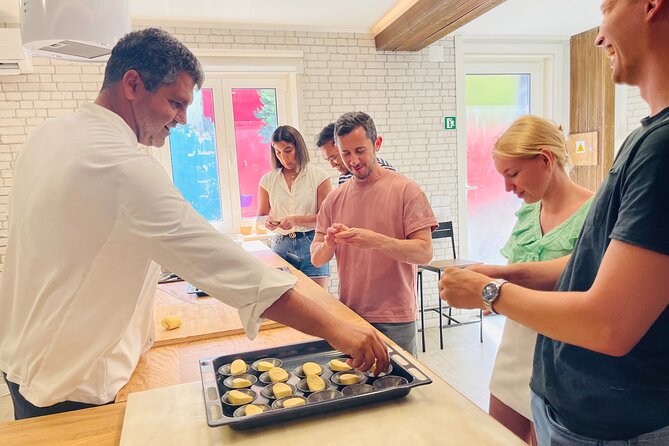
The class starts at R. da Junqueira 200, 1300-346 Lisboa, Portugal, and it ends back at the meeting point. The location is near public transportation, which matters because Lisbon traffic and parking can be a headache when you’re trying to time food experiences.
On average, this experience is booked about 29 days in advance, so if your dates are fixed (or you’re traveling during peak season), it’s smart to lock in early rather than hope. Timing helps you choose either the morning or afternoon slot that best fits your day.
In the room, the group size stays small—up to 12 people. That’s not just a comfort detail. Smaller groups mean your questions don’t disappear, and your hands-on work gets watched closely.
The Hands-On Cooking Flow: Puff Pastry, Custard, and Those Key Steps
The core of the experience is learning to make Pastéis de Nata from scratch. That means you’re not just assembling pre-made components. You’re following the chef’s instructions while preparing both the flaky puff pastry and the custard filling.
What you’re really learning is technique. The chef guides you through the steps in a way that feels doable, even if you do not call yourself a pastry person. Multiple past participants described the teaching style as relaxed and easy to follow, with a clear step-by-step process—and that lines up with how these short classes work best. You need momentum, but you also need enough structure to avoid confusion.
One thing I’d pay attention to as you cook: the class pace is designed so you can finish and eat. That means you’ll likely spend most of your time doing the exact tasks you’ll need, rather than long detours. If you come prepared to focus for an hour and a half, you’ll feel in control by the time the custard goes in.
Also, you’ll want to be comfortable with a bit of mess. Custard preparation and pastry handling are physical tasks. It’s part of the fun, but it’s also why this is better as an activity than a formal dinner plan.
Chef Miguel’s Teaching Style: Why the Experience Sticks With You
Many people rave about the instructor, and the name that comes up again and again is Miguel. The consistent theme is that he teaches with patience and clarity, often explaining not only what to do, but why you do it. That matters because pastéis de nata are all about small details: the pastry needs to behave a certain way, and the custard needs to set correctly.
If you’re the type of traveler who likes to understand a local specialty beyond taste, this class hits. You get story while you work, and the atmosphere stays light—people describe it as fun and interactive, with a relaxed vibe.
You’ll also see how the class design protects results. A small group plus step-by-step oversight means you’re less likely to end up with a batch that fails silently. Instead, you’re guided toward the outcome you want: warm, fresh pastéis at the end.
And one practical plus: the class sounds family-friendly for different ages. Some parents mentioned taking kids around school age, and the instructor worked at a pace that still felt engaging for younger participants.
While the Tarts Bake: Drink Time and a Bit of Pastéis de Nata History
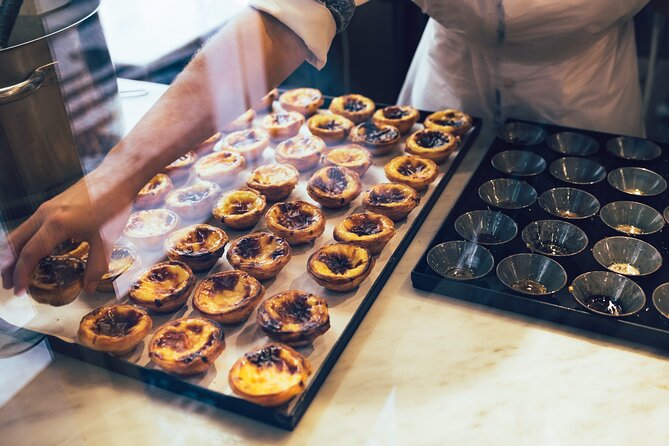
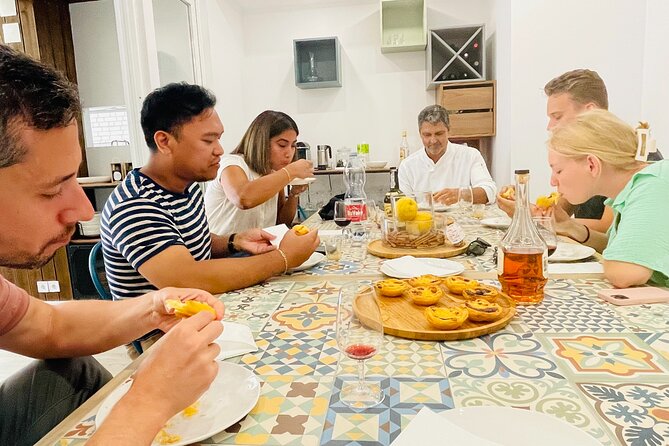
Once your pastéis go into the oven, the class does not turn into a long wait. This is when you get a drink and learn more about the pastry itself—how it became the popular Portuguese treat it is today.
This oven-time structure is smart. It keeps you from standing around wondering if your batch will survive the heat, and it also turns the waiting into a small cultural add-on. You can enjoy Lisbon’s flavor without leaving the room or scrambling to find a café that matches your schedule.
You’ll also get the payoff moment soon after: tasting your own pastéis when they’re cooked. The warm end result is the point of the whole exercise, and the design of the class is built to deliver it.
A few more Lisbon tours and experiences worth a look





What You Leave With: Warm Pastéis Now and Recipe Access Later
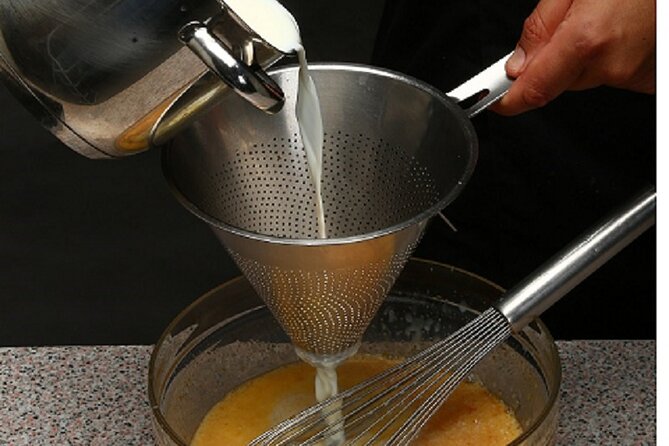
The obvious highlight is the dessert: you make Pasteis de Nata and eat what you bake. That alone beats buying a pastry because you can compare what you made with what you might later see in shops. You’ll start to recognize things like texture differences and how the custard sets.
There’s also a useful after-class element. One participant mentioned that the exact recipe will be mailed later. Even if you do not plan to bake at home right away, having the steps in writing helps you reproduce results when you do want another round.
Some people also noted they could take their baked pastéis home. The class ends at the meeting point, so it’s easy to move on afterward without a long return trip.
Price, Time, and Value: Is $78.64 Worth It?
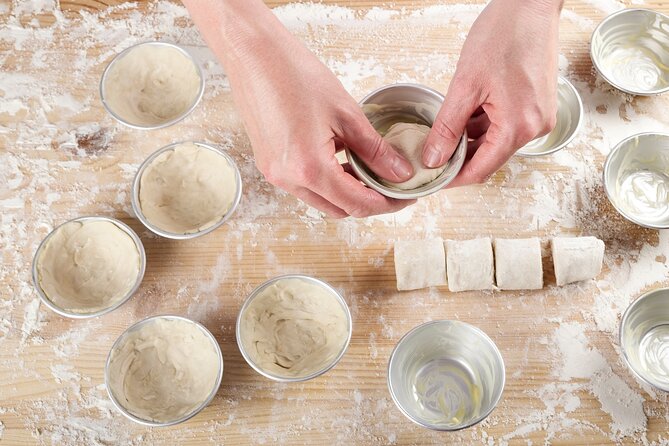
At $78.64 per person for about 1 hour 30 minutes, you are paying for three things at once:
- Instruction (not just ingredients)
- Hands-on labor and equipment access
- Fresh results you can eat right away
That price can feel steep if your goal is simply dessert. But if your goal is learning, this is the kind of activity that often feels worth it. Pastéis de nata are popular in Lisbon, yet many visitors never learn how the pastry and custard are actually put together. Here, you walk away with know-how you can use later.
It also helps that the group stays small. A max group size of 12 means your per-person cost buys interaction and oversight, not a crowded room where the chef cannot check your work.
The short duration is a plus for busy itineraries too. You get a meaningful food experience without sacrificing half a day. The only trade-off is the time limit. This is not a slow workshop where you master every variable; it’s a focused class that gets you to a great outcome quickly.
Scheduling Tips: Morning vs. Afternoon and How to Plan the Rest of Your Day
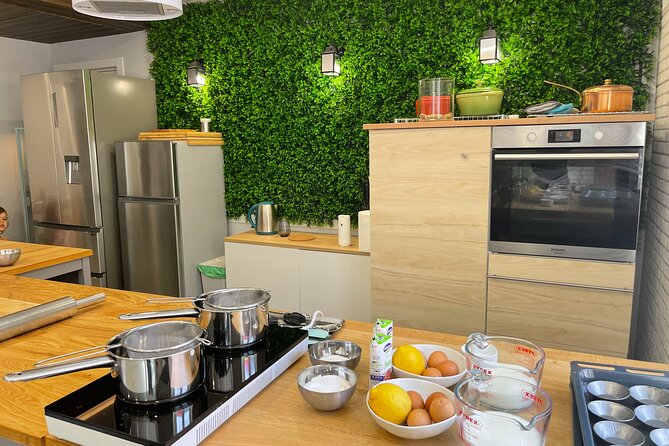
Because you can choose a morning or afternoon start time, you can shape the rest of Lisbon around it. If you like fewer crowds and a steadier pace, morning is usually easier for getting into a workshop mindset. Afternoon can work great too, especially if you’ve already done a sightseeing run and want a hands-on activity as a break.
Either way, plan your meals around the fact that the class ends with dessert. You’ll probably want something light beforehand so the experience feels fun, not like you’re forcing food down.
Also, remember the activity depends on weather. The class requires good weather, so if Lisbon is turning rainy or miserable, you may need to adapt to an alternate plan or date.
Who This Class Is Best For (and Who Might Want Something Else)
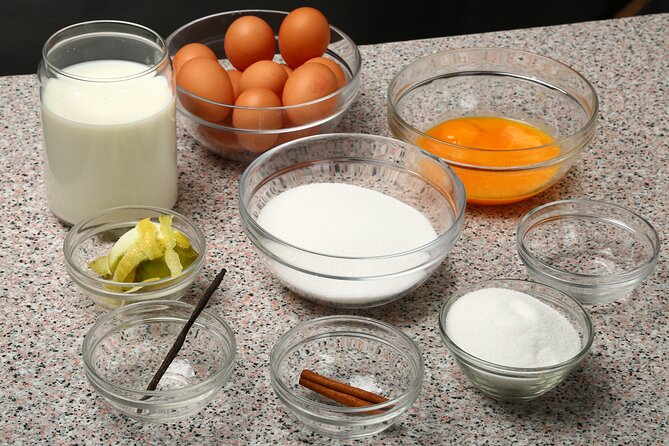
This baking class is a strong fit if you want:
- A hands-on Lisbon food experience instead of only eating
- A class taught in English with enough time to ask questions
- A small group environment that stays manageable
- A clear skill you can try later at home
It’s also good if you travel with kids. People specifically mentioned young children being welcomed and included, and that the chef worked with families in mind.
Who might not love it: if you only care about getting the best pastéis quickly and do not want to cook, you can probably find excellent tarts elsewhere without the higher class price. And if you want a long, deep pastry course, this one is intentionally short.
Should You Book the Pastéis de Nata Baking Class in Lisbon?
I think you should book it if you want more than a pastry purchase. This class is built for results: small group, from-scratch process, and a chef who teaches with clarity and patience—Miguel keeps showing up in the details people love.
Book it if:
- You enjoy learning local food skills
- You want warm pastéis you can call your own
- You like structured activities that fit neatly into a Lisbon day
Skip or swap if:
- Your priority is just dessert on the go
- You dislike hands-on cooking or prefer very slow-paced classes
- You’re traveling when weather could be questionable and you hate reschedules
If that sounds like you, this is one of the most satisfying ways to spend a short chunk of time in Lisbon. You end the session with a real skill, a full belly, and a better understanding of what makes pastéis de nata so special.
FAQ
How long is the Pastéis de Nata baking class?
It’s listed at about 1 hour 30 minutes.
Where does the class meet in Lisbon?
The meeting point is R. da Junqueira 200, 1300-346 Lisboa, Portugal. The activity also ends back at the meeting point.
How many people are in the group?
The class has a maximum of 12 travelers, which helps keep it intimate.
Is the class taught in English?
Yes, the experience is offered in English.
What do I make during the class?
You learn to make Pastéis de Nata, including flaky puff pastry and a custard filling.
Do you get to eat what you bake?
Yes. The class includes a chance to feast on the tarts you create once they’re cooked.
Is there anything included besides baking?
While the pastéis bake, you enjoy a drink and learn a little about the history of the delicacy.
Are service animals allowed?
Yes, service animals are allowed.
Is it easy to get to the meeting point using public transport?
The meeting point is near public transportation.
What happens if weather is bad?
This experience requires good weather. If it’s canceled due to poor weather, you’ll be offered a different date or a full refund.
What’s the cancellation window?
You can cancel for a full refund if you cancel at least 24 hours in advance of the experience start time.