REVIEW · LISBON
Portuguese ‘Petiscos’ Cooking Class
Book on Viator →Operated by Homecooking Lisbon · Bookable on Viator
Five petiscos, zero chef ego. In Lisbon, you learn by doing and then sit down to share what you cooked, with Caldo Verde as the anchor dish. The best part for me is how beginner-friendly it is: you don’t need skill, just curiosity, and the chefs guide you step by step.
I also love the format. It’s limited to a small group, typically up to 8 travelers, so you’re not stuck watching from the sidelines. The one thing to keep in mind is that it’s not a tiny tasting—expect a full, food-heavy session that can feel like a real meal.
In This Review
- Key Highlights You’ll Notice Fast
- Portuguese Petiscos Cooking Class: What This Is Really Like
- The 3-Hour Game Plan: Timing, Rhythm, and When You Eat
- What You’ll Cook: The Petiscos List (and Why Variety Matters)
- Caldo Verde and Beyond: How the Cooking Helps You Learn
- Drinks, Table Sharing, and the Lisbon Social Side
- Clean Kitchen, Small Stations, and Hands-On Help
- Location and Getting There: A Practical Lisbon Start
- Price and Value: Is $102.12 Worth It?
- Who This Class Is Perfect For
- Should You Book the Portuguese Petiscos Class?
- FAQ
- How long is the Portuguese Petiscos cooking class?
- Is the class offered in English?
- Do I need cooking experience?
- What’s included in the experience?
- How many people are in the group?
- Where is the meeting point in Lisbon?
- Can I get a full refund if I cancel?
Key Highlights You’ll Notice Fast
- Up to five petiscos with Caldo Verde: you cook and eat classic Portuguese small plates, not just one dish
- Small group size (max 8): more hands-on time and easier help at your station
- English instruction: clear explanations throughout the cooking steps
- Food + drinks included: finger food, wine or beer, plus coffee or tea to round it out
- Recipes after class: you can recreate what you learned back home
Portuguese Petiscos Cooking Class: What This Is Really Like

A Portuguese petiscos class is basically your shortcut to how locals eat. Instead of one formal entrée, you make several small plates designed for sharing—snacks that show up with a cold drink and turn into an evening.
This one is built for regular people, not culinary school grads. The goal is simple: you’ll learn the basics of Portuguese gastronomy through hands-on preparation of up to 5 different petiscos, including the soup-like favorite Caldo Verde. Menus change with the season, so you’re not stuck with the same list year-round.
And yes, the class moves fast enough to stay fun. It’s about 3 hours (approx.), and during that time you’re cooking, tasting, and gathering around a table like you would at home with friends.
You can also read our reviews of more cooking classes in Lisbon



The 3-Hour Game Plan: Timing, Rhythm, and When You Eat
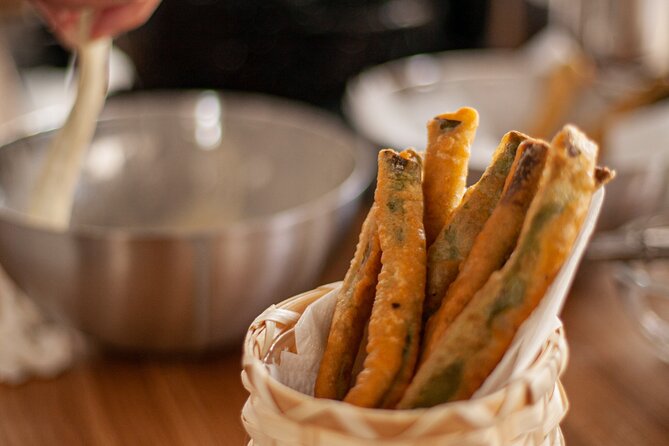
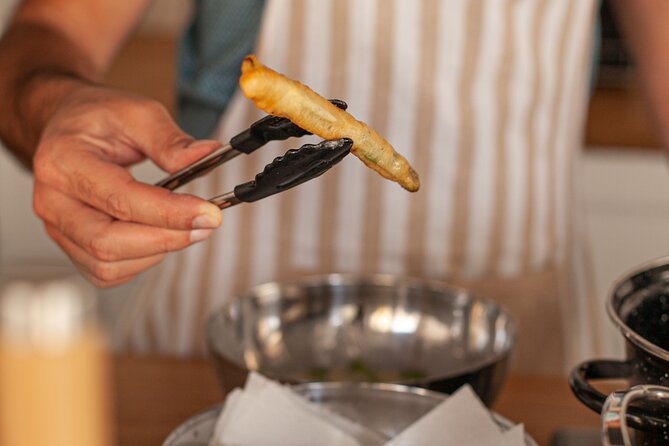
Here’s the flow you should expect, based on how these sessions are run:
First, you get introduced to the kitchen, the basic tools, and the key techniques you’ll use during the class. Then you work through multiple petiscos in a “do it now” style. You’ll also get finger food and drinks along the way, so you’re not waiting hungry.
At the end, you sit down and enjoy the meal you helped create. Many people come in unsure if 3 hours is too long, but the format keeps momentum—there’s always something happening, and the table-sharing part makes the time feel social instead of classroom-y.
Practical consideration: if you prefer super-light experiences, this class may feel like a lot. One reason is the portion size—at least one recent group noted that petiscos ended up being larger than expected. You’ll likely leave satisfied, not snacky.
What You’ll Cook: The Petiscos List (and Why Variety Matters)
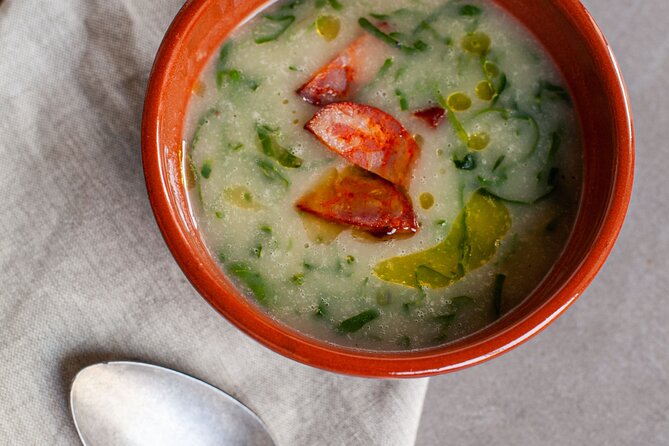
A key promise here is that you’ll learn multiple petiscos, not just watch one technique repeated. The exact lineup can shift by season, but Caldo Verde is included.
From the sample menu you can expect petiscos such as:
- Caldo Verde (the included classic)
- Pica-pau
- Pataniscas de bacalhau
- Ovos com farinheira
- Pasteis de bacalhau
- Peixinhos da horta
- Ovos verdes
- Flaming Chorizo
In real classes, you might also find versions of dishes that match your season and group. One group experience specifically included a Portuguese potato soup style Caldo Verde, a cod fritter, and a seared veal dish with a mustard and white wine sauce, plus scrambled egg-style petiscos and the famous Pastel de Nata finish.
Why the variety matters: petiscos teach you the logic of Portuguese cooking—seafood vs. meat, egg-based comfort foods, bacalhau (cod) preparations, and those sauces and liqueurs that turn a snack into a full Portugal mood.
Tip for you: when the instructor explains the why behind the technique, jot down the one or two details that change the outcome—timing, heat level, and texture cues. Those are the things you can actually repeat at home.
Caldo Verde and Beyond: How the Cooking Helps You Learn
You’re not learning recipes in isolation. You’re learning patterns.
Caldo Verde is a perfect example. It’s simple but specific: you’re handling ingredients that create body and flavor, and you’re also learning how Portuguese cooking balances comfort with snap (the greens and seasoning do a lot of work). Once you understand how that dish comes together, you’ll start noticing similarities across other petiscos: the way cod is treated, how eggs become texture, and how small dishes build in layers.
In classes where you see cod fritters or pataniscas de bacalhau, you also get technique practice: mixing, frying/baking choices, and how to avoid that soggy middle that ruins a good fritter. And if your menu includes dishes like Flaming Chorizo, you’ll pick up the safety-minded, controlled approach chefs use when heat and alcohol meet.
If eggs are on your menu—like Ovos com farinheira or Ovos verdes—watch for the instructor’s texture targets. Egg dishes in Portuguese cooking are all about set vs. creamy, and that’s something you can carry into breakfast at home.
Drinks, Table Sharing, and the Lisbon Social Side
This class isn’t only about the stove. You also get the drinks that normally show up with petiscos: Portuguese wine and beer are included, plus coffee or tea to close things out.
Alcohol is not served to participants under 18, and you’ll have alternatives like water, juices, or tea. So you can still enjoy the flow of the experience even if you’re avoiding alcohol.
One neat detail from the class style is the “big table” sharing moment. You cook around your station, then everything comes together on one table. It feels like the real point of petiscos: food that’s meant to be passed around, debated, and enjoyed without any fuss.
What I like about this setup for you: it lowers the pressure. Even if you’re not confident in the kitchen, you’ll be busy enough to feel productive, and you’re not eating alone—so the experience stays warm and upbeat.
A few more Lisbon tours and experiences worth a look





Clean Kitchen, Small Stations, and Hands-On Help
Good classes are practical. This one aims for that.
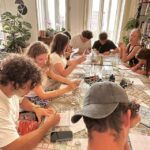
The kitchen is described as spotless and well organized. You’re paired at stations with another participant, and the layout makes it possible to work without turning every step into a traffic jam. Cleanup is handled as the class progresses, which matters more than it sounds. You don’t want to waste the last third of your time sorting utensils instead of learning.
Instructors named in past groups include Miguel and Pedro. The consistent theme in how they’re described is patient, step-by-step instruction plus real context about Portuguese food—like how history and local preferences shape the petiscos you’re making.
Beginner note: this is designed for people with no experience. The structure is meant to prevent the classic problem: getting overwhelmed and quietly falling behind. You’ll have guidance for each stage.
Location and Getting There: A Practical Lisbon Start
The meeting point is R. Aliança Operária 54, 1300-049 Lisboa, Portugal, and the activity ends back at the meeting point.
It’s also listed as near public transportation, which is helpful because Lisbon can get tricky if you’re relying only on taxis. You’ll want to arrive a little early so you can settle in, especially if you’re carrying bags or planning to line up other activities the same day.
Timing tip: since this is about 3 hours and includes food and drinks, schedule it when you won’t be rushed afterward. You’ll likely want some downtime after you leave the kitchen.
Price and Value: Is $102.12 Worth It?
Let’s be honest. Cooking classes can swing wildly in value.
At $102.12 per person for about 3 hours, the best value comes from what’s included:
- hands-on cooking of up to 5 petiscos (not one dish)
- Caldo Verde included
- finger food plus wine or beer and coffee/tea
- a small group size (max 8) that makes instruction actually usable
- recipes provided so you can cook again later
The reason it feels good value is not just the price tag—it’s the ratio of time spent doing vs. watching. When the group is small, you get feedback and you can actually remember what the instructor meant when they said adjust the heat here or watch the texture there.
Also, several people specifically praised how “clean and organized” the setup felt and how the class stayed energetic. That matters because it affects comfort and confidence, not just fun.
Possible drawback on value: if you expect a lightweight snack tour, you may feel this is heavy on food. One mention highlighted that portions were larger than the petiscos label makes you think. If you love eating, great. If you’re dieting hard, plan accordingly.
Who This Class Is Perfect For
This is one of those tours that fits a lot of travel styles:
- First-timers to Portuguese food who want a hands-on intro
- Beginner cooks who want guidance and recipes they can use later
- Food lovers who like sharing, sampling, and learning why dishes work
- Groups of friends or couples who want a fun night with plenty of interaction
- Anyone who wants a Lisbon experience that feels local without being stuffy
If you’re a hard-core foodie looking only for ultra-technical cooking, you might find the focus less advanced than a professional kitchen workshop. But for most people, that’s the point. You’re here to learn the Portuguese way, not to win a frying championship.
Should You Book the Portuguese Petiscos Class?
I think you should book it if you want a Lisbon night that’s equal parts cooking, culture, and eating—without requiring any skill upfront. The combination of hands-on preparation, a small group, and the fact that you cook multiple petiscos (with Caldo Verde included) makes it a strong choice for value.
It’s also a good booking move early in your trip. One group described it as the first activity after landing and said it set a high bar for the rest of Portugal. Even if you don’t treat it like a benchmark, cooking here gives you context for what you’ll later spot at markets, cafés, and family-run restaurants.
Skip it only if you know you dislike hands-on cooking, or you want something extremely light. This class is meant to feed you and teach you at the same time.
FAQ
How long is the Portuguese Petiscos cooking class?
It runs for about 3 hours.
Is the class offered in English?
Yes, the experience is offered in English.
Do I need cooking experience?
No. It’s designed for beginner chefs, and the instructors guide you through the preparation steps.
What’s included in the experience?
You’ll cook up to 5 seasonal petiscos (including Caldo Verde), and you’ll have finger food plus Portuguese wine/beer and other non-alcoholic beverages. Coffee or tea is also included.
How many people are in the group?
The class has a maximum of 10 travelers, with many sessions described as limited to 8.
Where is the meeting point in Lisbon?
You’ll meet at R. Aliança Operária 54, 1300-049 Lisboa, Portugal, and the activity ends back at the meeting point.
Can I get a full refund if I cancel?
Yes. You can cancel up to 24 hours in advance for a full refund.