REVIEW · LISBON
Pastel de Nata Cooking Class in Lisbon
Book on Viator →Operated by Compadre Cooking School · Bookable on Viator
Fresh out of the oven, Lisbon tastes sweeter. This Pastel de Nata cooking class at Compadre Cooking School is a relaxed, hands-on way to make Portugal’s most famous egg tart, with a small group so you’re not just sitting and watching. I also love that you leave with recipes you can actually use later, plus coffee or tea and snacks while everything comes together.
The one thing to consider is that it’s not always 100% nonstop hands-on. In some class setups, there can be a bit more listening time than you might expect, and a few prep steps may be done in advance (like lemon rind), so plan to enjoy the process more than just maximizing your mixing time.
In This Review
- Key highlights that make this class worth your time
- Pastel de Nata cooking class basics at Compadre Cooking School
- Why the small group size changes your egg tart experience
- Your two-hour game plan from arrival to fresh tarts
- The star dessert: Pastel de Nata, Portugal’s classic egg tart
- The two-for-one bonus: what other Portuguese treat you might make
- What’s included (and how that affects your value)
- Getting the most out of the “hands-on” part
- Price and logistics: what you’re really paying for
- Who should book this Pastel de Nata class
- Simple tips for planning your Lisbon day around it
- Should you book this Pastel de Nata cooking class in Lisbon?
- FAQ
- How long is the Pastel de Nata cooking class?
- Is the class offered in English?
- What’s included in the price?
- Where does the class meet?
- How many people are in the class?
- Is alcohol included or served?
Key highlights that make this class worth your time
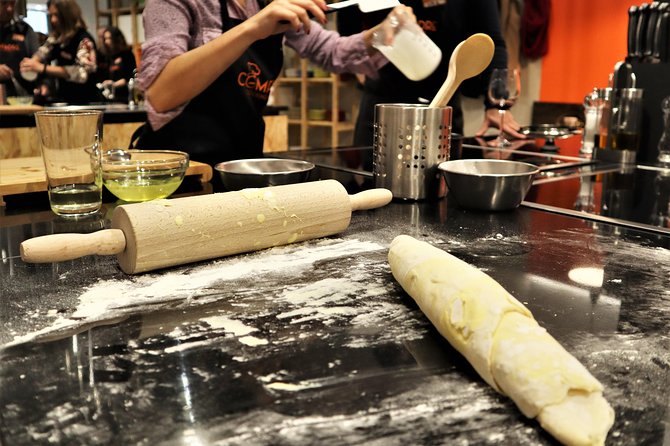
- Max 12 travelers for real attention instead of a crowded food factory
- Take-home recipe cards so you can recreate Pastel de Nata at home
- Coffee/tea plus snacks included, with no need to add anything extra
- A two-for-one Portuguese treat alongside the egg tarts (often another traditional recipe)
- Instructors like Marta, Anna, Angela, and Jose are part of what makes the teaching feel friendly
Pastel de Nata cooking class basics at Compadre Cooking School
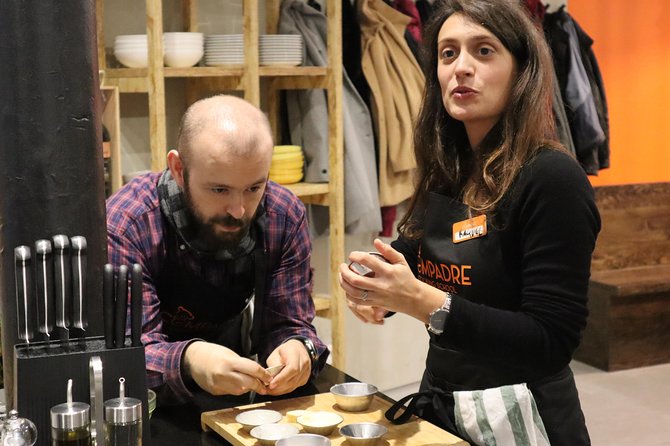
If you want a Lisbon food experience that’s fun without being stressful, this is a strong pick. The setting is a cooking school kitchen in Lisbon, and the class runs about 2 hours. It’s offered in English, and you’ll get a mobile ticket, which is easy to handle the day of.
The class is designed for small groups (it caps at 12 travelers), which matters in cooking workshops. When there are too many people, you lose time waiting and you end up watching more than making. Here, the format aims to keep you involved while still moving at a pace that works for beginners.
It also helps that the meeting point is easy to find: Compadre Cooking School, R. Heliodoro Salgado nº14, 1170-176 Lisboa. If you’re hopping between neighborhoods, knowing you’re starting from one clear address makes the whole day feel smoother.
You can also read our reviews of more cooking classes in Lisbon



Why the small group size changes your egg tart experience
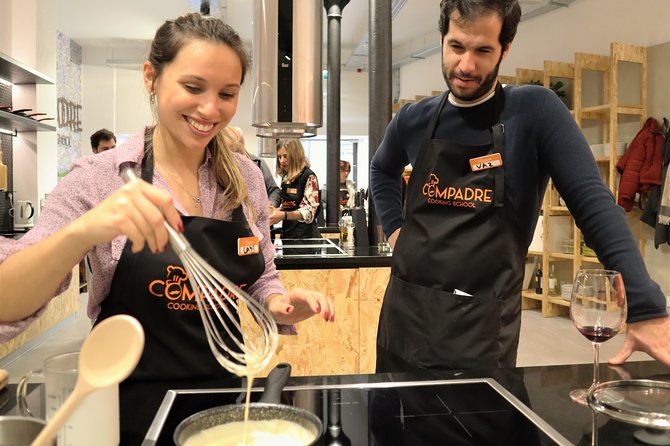
I’ve found that cooking classes become either great or frustrating based on one thing: how much the instructor can correct your technique. This class keeps group size small, with a maximum of 12. That’s enough people for a lively vibe, but small enough that you’re likely to get personal guidance as you work.
You also get more chances to ask questions. Pastel de Nata can look simple, but the details are what make it taste right. In this class, instructors (including Marta and Anna, and sometimes Angela or Jose depending on the date) are praised for being patient and for making the steps feel clear.
There’s another quiet advantage: the class feels social. One of the best parts of these workshops is meeting people without the awkwardness of a group tour. The small-team setup here makes that kind of friendly conversation more natural while you’re waiting for your tarts to finish.
Your two-hour game plan from arrival to fresh tarts
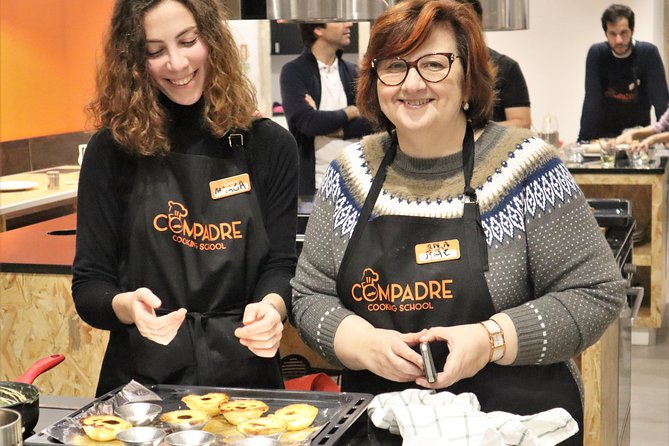
Since the class ends back at the meeting point, you can plan it like a contained activity. That’s useful on travel days when you don’t want a long commute or a complicated “then go here, then go there” schedule.
Within the roughly 2-hour session, expect a guided flow that typically includes:
- Learning how to prepare Pastel de Nata in a hands-on way
- Working through the pastry and filling steps that make the tarts what they are
- A tasting phase where you eat what you bake, often while it’s still fresh out of the oven
- A second traditional Portuguese recipe as a bonus, depending on the session
One review note worth keeping in mind: some sessions feel more instructional than others. A participant who expected nonstop hands-on time reported spending more time listening, plus some ingredients (like lemon rind) may be prepped. That doesn’t mean it’s bad. It just means your “actively doing” time might vary by class size and kitchen setup.
The star dessert: Pastel de Nata, Portugal’s classic egg tart
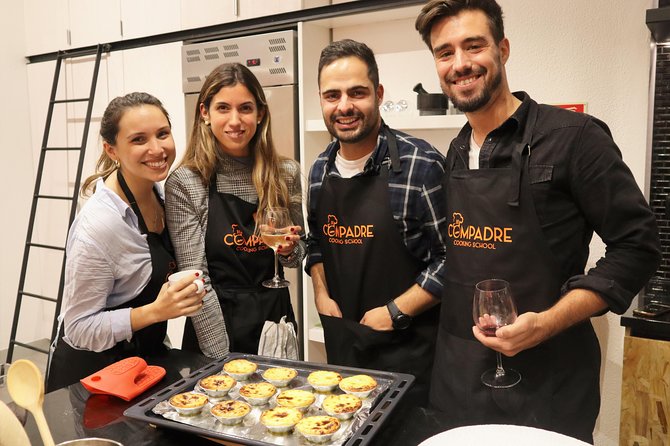
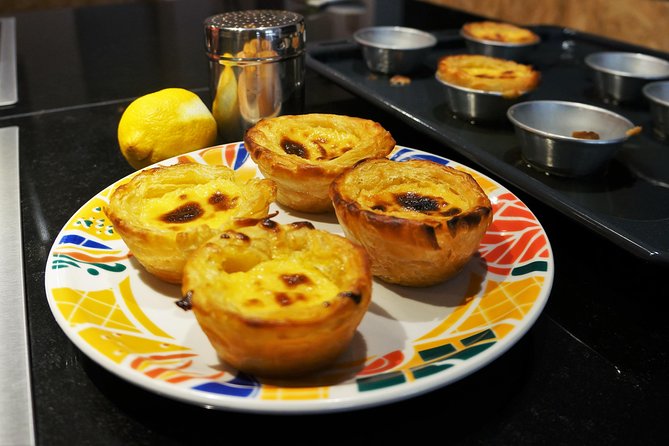
Pastel de Nata is one of those foods that’s easy to love and hard to fully copy at home. That’s exactly why a class like this is valuable: you’re not just eating the result in a bakery, you’re learning how to make the tart in a way you can repeat.
In this workshop, the focus is on making your own Pastel de Nata. You’ll work with the components that create that signature custard and flaky, pastry-like structure. And you’ll get to enjoy what you make with coffee and/or tea, plus snacks, which helps turn the class into a complete, satisfying experience instead of a quick bite-and-go demo.
A smart benefit here is that you take the learning home. The highlights explicitly mention you can take the recipes with you. That’s what separates a cooking class from a standard food stop. If you’re the kind of traveler who wants to keep the taste alive after the flight, recipe access is a big deal.
The two-for-one bonus: what other Portuguese treat you might make
This class is described as a two-for-one experience: Pastel de Nata plus another typical Portuguese recipe. The exact second item can vary, but you should expect a second dish that teaches more about Portuguese dessert or sweet traditions.
From what’s shared in past class experiences, some sessions include cod fritters as a savory add-on, while others focus on a different traditional sweet. The key point for planning is simple: don’t assume it’s only egg tarts. You’re signing up for a broader “Portuguese sweet culture” moment, not just one recipe.
If you’re traveling with someone who gets bored with one-track activities, this bonus helps. It also keeps the cooking time feeling more varied. One participant even said the class helped them understand Portuguese food culture better, not just how to bake.
A few more Lisbon tours and experiences worth a look





What’s included (and how that affects your value)
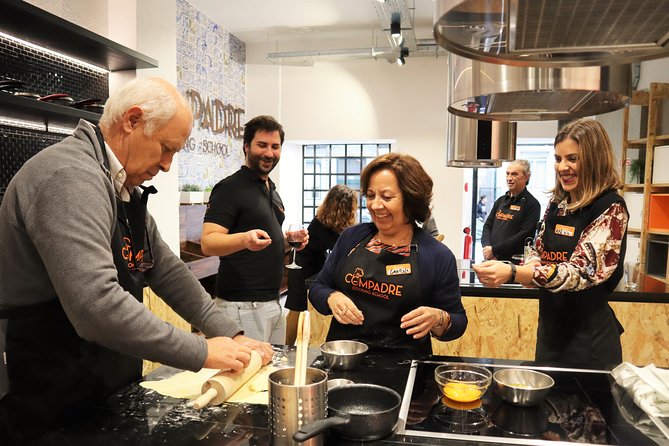
For $62.89 per person, you’re not just paying for ingredients. The class includes:
- Coffee and/or tea
- Water
- Hot and cold tea
- Snacks
- The experience of making the tarts and bonus recipe
Alcohol isn’t included. That actually makes the class better for most people. You can concentrate on baking without worrying about managing a buzz, and it’s easier for families and mixed-age groups too.
The value angle is this: you’re paying for a guided cooking session in a real kitchen, capped at a small group size, and you get food plus recipe take-home. If you’ve ever bought a couple of pastries and thought, That’s fun, but I wish I could do it again later, that’s the gap this class fills.
Getting the most out of the “hands-on” part
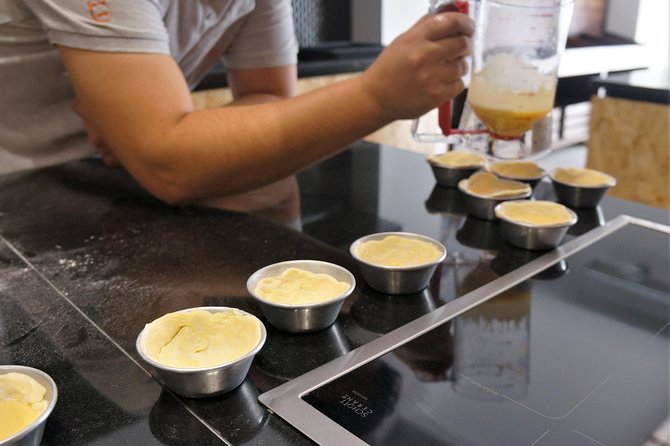
Even when a class is hands-on, the reality is that kitchens need time for technique and baking. Still, you can do a few things to maximize your active time.
First, show up hungry but not rushed. The class includes snacks and coffee/tea, but arriving calmly helps you focus on the steps. Second, be ready to ask quick questions as you work. In smaller groups, instructors like Marta and Anna can respond directly if you don’t wait until the end.
Third, adjust your expectations about prep. One participant reported that some prep work (like lemon rind peeling) may already be done for you. That’s not unusual in cooking schools. It’s often about keeping the class on schedule so everyone gets time baking. If you’re okay with that, you’ll enjoy the overall flow more.
Finally, taste as you go. You’re not just producing tarts; you’re learning what good looks and tastes like so you can later recreate it at home.
Price and logistics: what you’re really paying for
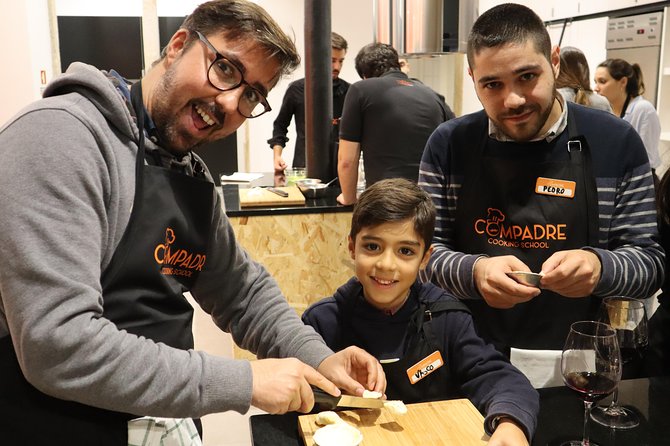
At $62.89 for about 2 hours, this sits in the mid-range for Lisbon food experiences. The question isn’t just cost. It’s what you receive.
You get:
- A real instructional cooking environment (not just a walk-and-watch experience)
- Small-group attention (max 12 travelers)
- Food included (coffee/tea, water, snacks)
- Recipes to take home
- A second Portuguese recipe, which adds value beyond one dish
If your goal is to get a memorable food story and a skill you can repeat later, the price makes more sense than buying pastries plus a coffee twice. If your goal is purely hands-on physical participation for every minute, you might find the pace varies. That’s the one trade-off to consider, and it’s worth factoring in before booking.
Who should book this Pastel de Nata class
This is a great match if:
- You want a beginner-friendly cooking experience (the teaching style is described as easy to follow)
- You love Lisbon food but want something more interactive than tasting at counters
- You’re traveling with family. The class is described as accommodating many ages, and children up to 17 must be accompanied by a participating adult
- You like English-language guidance in a smaller workshop setting
It’s also a good solo activity. One participant called it a fun thing to do on a solo trip, and the small group format makes it feel like an included experience rather than awkward.
Where it might be less ideal:
- If you specifically want every step to be done by you, with no prepped ingredients and no listening time, you may feel the class is more guided than you expected.
Simple tips for planning your Lisbon day around it
Here’s how I’d plug it into your schedule:
- Treat it like a short anchor activity. It starts at the cooking school and ends back there.
- Bring a little appetite buffer. You’ll have snacks and drinks included, but you’ll still want to enjoy the baking process without feeling rushed.
- If you’re sensitive to meal timing, aim to schedule it when you’re not juggling too many other tight plans. Two hours moves fast, especially if you’re making more than one item.
Also, because it’s near public transportation, you don’t need a car. That’s a big practical win in Lisbon, where parking and traffic can be annoying.
One extra comfort detail from how the kitchen is described: the venue includes bathrooms and a small locker for personal items. That makes it easier to show up without carrying everything around.
Should you book this Pastel de Nata cooking class in Lisbon?
Book it if you want a fun, guided way to learn a Lisbon classic. The biggest reasons to choose it are the small group size, the take-home recipes, and the fact that you get more than one Portuguese treat in the same session. It’s also a nice “start to the trip” activity if you want an easy win early on.
Skip it if your priority is maximum physical hands-on action with zero downtime and no prepped ingredients. While the class is designed to be interactive, the pace can include listening and guided steps, and your station time may depend on kitchen setup that day.
If you’re on the fence, think about what you want from Lisbon food. If you want a skill you’ll use again, not just a dessert you’ll remember, this is a solid yes.
FAQ
How long is the Pastel de Nata cooking class?
The class runs for about 2 hours.
Is the class offered in English?
Yes, the experience is offered in English.
What’s included in the price?
It includes coffee and/or tea, water, hot and cold tea, and snacks. You’ll also learn how to make the Pastel de Nata and a second Portuguese recipe.
Where does the class meet?
The meeting point is Compadre Cooking School, R. Heliodoro Salgado nº14, 1170-176 Lisboa, Portugal.
How many people are in the class?
The class has a maximum of 12 travelers.
Is alcohol included or served?
Alcoholic beverages are not included. Alcohol also won’t be served to participants under 18 years old, with water or tea provided instead.