REVIEW · LISBON
Lisbon: Traditional Portuguese Cooking Class
Book on GetYourGuide →Operated by The Chefs Company · Bookable on GetYourGuide
Portuguese cooking hits different when you cook it yourself. This Lisbon class runs as a relaxed, small-group kitchen session with hands-on cooking plus the stories behind the food, so the meal feels more meaningful than a typical tasting. I especially like the way the menu shifts with what’s fresh and in season, which keeps it tied to real Portuguese ingredient choices.
You also get a full starter, main and dessert experience, plus a pre-cooking tasting of cheeses, chorizo and wines to get your appetite and palate lined up. One possible drawback: this isn’t a fit if you have food allergies or if you need wheelchair access, since it’s not set up for those needs.
In This Review
- Quick hits before you go
- Why this cooking class feels more like Lisbon than a restaurant stop
- The 3-hour flow: tasting, cooking, and sitting down to your own meal
- Where the evening begins
- The hands-on portion (starter, main, dessert)
- Ending with Portugal at the table
- What makes the food Portuguese: seasonal ingredients and the stories behind them
- Cheese, chorizo, and wine tasting: a smart palate warm-up
- Inside the kitchen: what the small-group setup does for you
- What you’ll likely learn (and why it helps at home)
- Finding the meeting point above Continente Bom Dia
- Price and what you’re actually paying for at $94
- Dietary needs: what’s adaptable, and what isn’t
- Who this cooking class is best for
- Quick tips to make the most of your night
- Should you book this Lisbon traditional cooking class?
Quick hits before you go
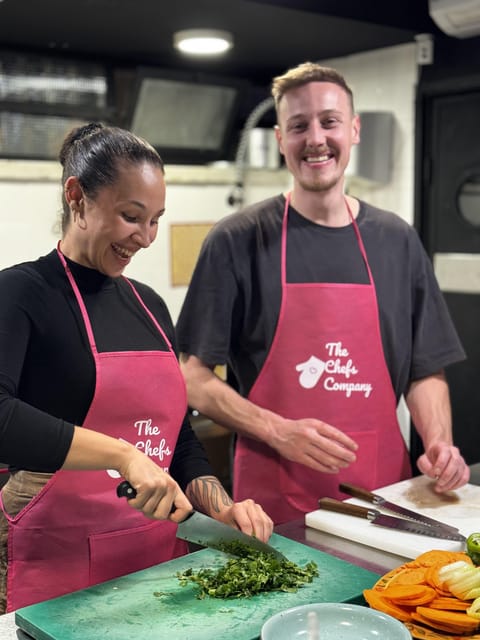
- Small group capped at 10 for more interaction with the chefs
- Starter, main, dessert you cook and eat as a complete meal
- Cheese, chorizo, and wine tasting starts the experience off right
- Seasonal menu changes so you’re not repeating the same plate every time
- Vegetarian menu available if you tell them 72 hours ahead
Why this cooking class feels more like Lisbon than a restaurant stop
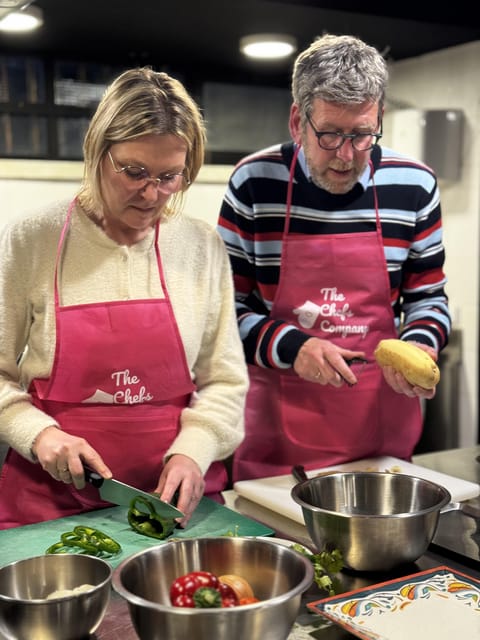
A cooking class can be fun, sure. But this one is built to make the food feel like part of everyday Portugal, not just a performance for tourists. You’re not only learning techniques and recipes; you’re getting the narrative behind what you’re making, which is where the dishes start to make sense.
The best version of this experience is when you leave with both skills and context. You’ll likely notice that the class keeps things practical: do the work in front of you, ask questions, and then sit down to enjoy what you created—without rushing through it.
You can also read our reviews of more cooking classes in Lisbon



The 3-hour flow: tasting, cooking, and sitting down to your own meal
This is a tight, satisfying format: tasting first, then hands-on cooking, then eating together. With a 3-hour duration, you get enough time to actually make multiple dishes rather than just watching a chef demonstrate.
Where the evening begins
Before you cook, you start with a tasting of cheeses, chorizo, and wines. It’s a smart warm-up because it helps you understand what flavors the meal is aiming for. It also sets the tone: you’re not waiting until the end to enjoy food.
The hands-on portion (starter, main, dessert)
After tasting, you shift into cooking. You’ll prepare a starter, main course, and dessert, with instruction in English or Portuguese. The class is designed for participation, not passive observation, and the small group size makes it easier to get help when you’re stuck.
Ending with Portugal at the table
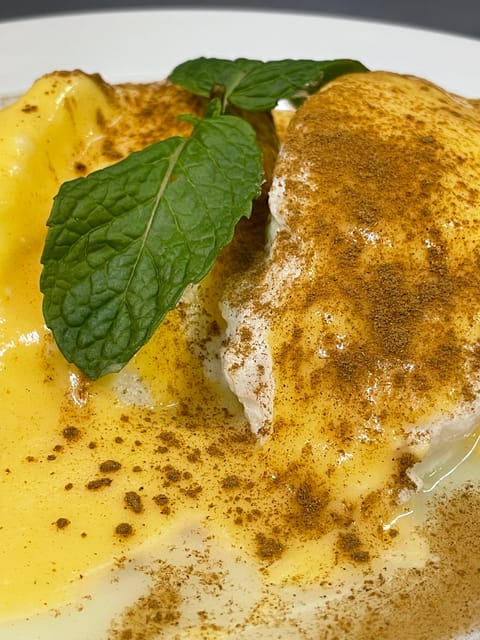
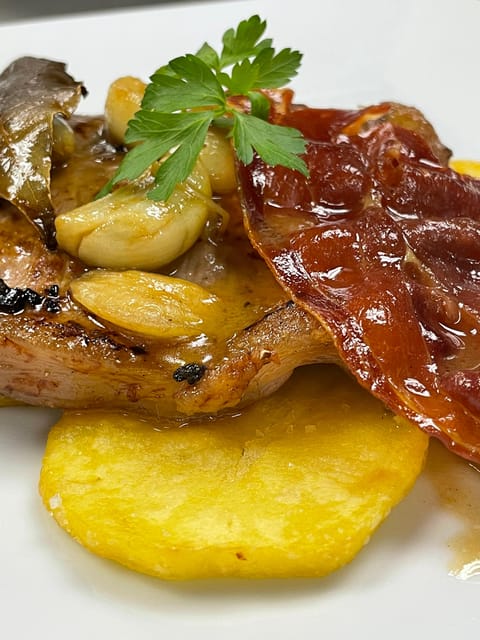
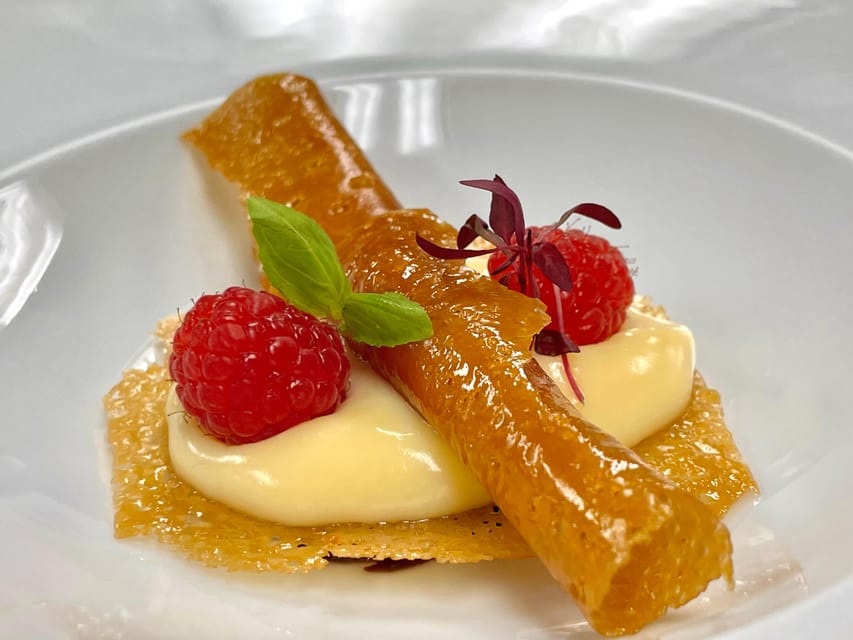
The closing part is the payoff: you enjoy the dishes you prepared in a relaxed atmosphere. The meal isn’t an afterthought; it’s the reason you put in the work. When you taste something you just cooked, the flavors and textures land differently.
A few more Lisbon tours and experiences worth a look





What makes the food Portuguese: seasonal ingredients and the stories behind them
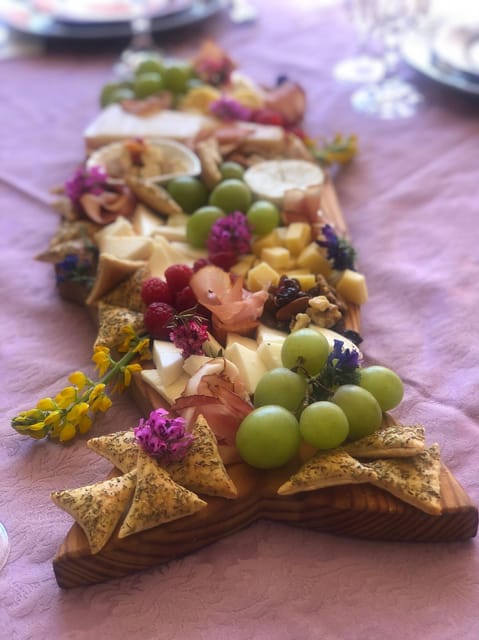
The menu changes with the season and what’s available, which matters more than it sounds. Portuguese cooking is heavily shaped by local produce and the rhythms of the year, so a rotating menu gives you a more accurate snapshot of what people are eating now.
And then there’s the storytelling. This class doesn’t treat recipes like isolated instructions. You’ll learn why certain dishes exist, how traditions connect to ingredients, and how family-style cooking traditions shape the flavors. That context helps you remember what you learned, and it makes your at-home attempts feel less like copying and more like cooking with intent.
Cheese, chorizo, and wine tasting: a smart palate warm-up
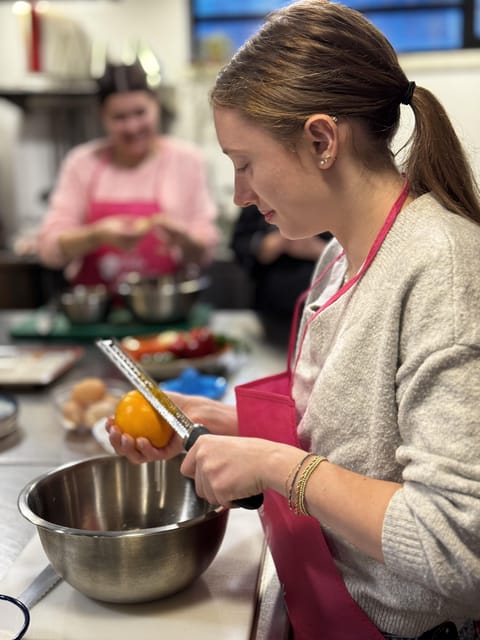
Tasting is included from the start, and that’s one of the reasons the class feels like a true food experience rather than a cooking demo with snacks. The cheeses and chorizo give you salty, savory anchors, and the wines help you understand how Portugal likes to pair flavor with refreshment.
If you like wine, this is one of the more appealing parts of the evening. Some guests have pointed out that the wine portion felt generous, so don’t plan on this being a tiny sip-and-go moment.
Practical note: if you’re driving or trying to pace yourself, just know alcohol is part of the included experience. You can still have a great time, but keep an eye on your timing.
Inside the kitchen: what the small-group setup does for you
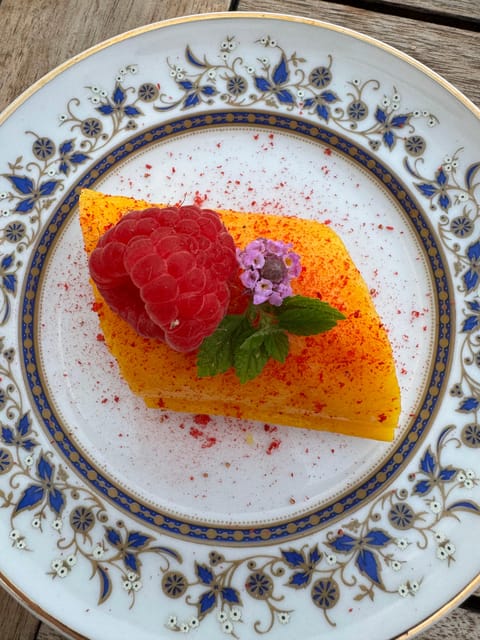
A group size limited to 10 participants changes the whole vibe. With fewer people, you’re more likely to get one-on-one attention when something doesn’t click. It also means you spend less time waiting for the chef to finish explaining the previous person’s question.
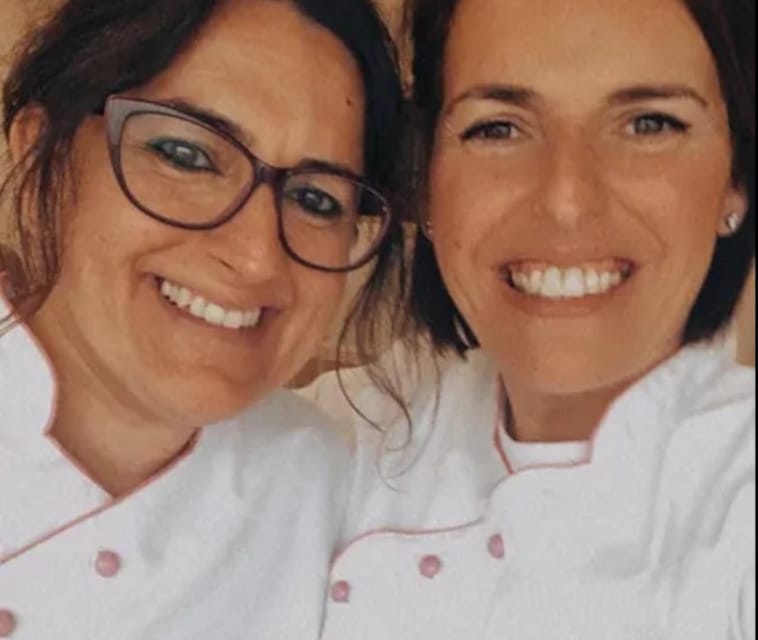
In multiple classes run by chefs such as Ana and Carina (and also Karina, depending on the team), the common theme is a friendly, hands-on teaching style. The mood tends to be relaxed, with lots of talking while you cook, which helps if you’re not a confident cook. Even if you’re a beginner, the structure is meant to guide you step by step.
What you’ll likely learn (and why it helps at home)
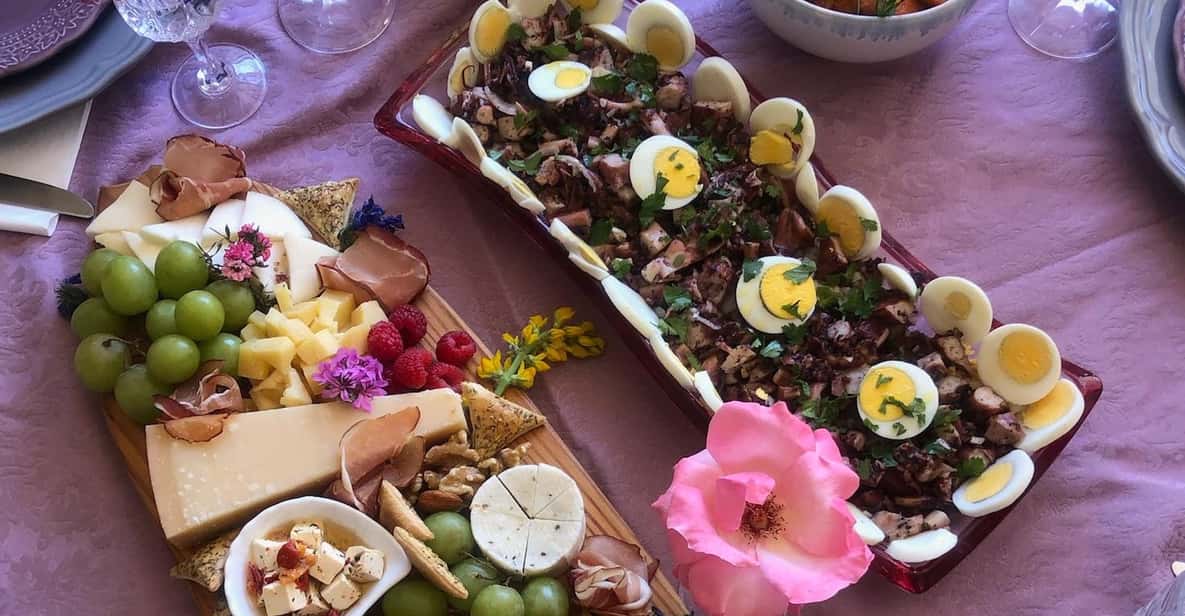
Even without a written “chef’s secrets” pitch, you’ll pick up practical cooking habits through doing. You’re working on multiple dishes across starter, main and dessert, so you get repeated practice with core skills like seasoning, timing, and balancing flavors.
The value here isn’t just eating well during your Lisbon trip. It’s that you’ll have a memory of how each dish should feel when it’s right. That makes it easier to cook later, because you’re not only remembering ingredients—you’re remembering process.
One more thing: Portugal’s food culture is built for shared tables. Since the class ends with everyone eating together, you’ll likely come away with a better sense of how these dishes fit into a real meal, not just a single plate.
Finding the meeting point above Continente Bom Dia
Meeting point details are specific, and that helps you avoid the stress of running around Lisbon with your stomach already doing flip-flops.
You’ll find the kitchen on the top floor of the street location. The directions are:
- Look near the Continente Bom Dia supermarket.
- Face the main door of that store.
- On your left side, take the stairs upward.
- Keep going until the end; the kitchen is in that square.
If you’re arriving early, give yourself a little buffer. The place is above street level, and it’s easier to enjoy the start when you’re not scrambling.
Price and what you’re actually paying for at $94
At $94 per person for a 3-hour class, you’re paying for more than ingredients. You’re paying for:
- Instruction in English or Portuguese
- A small group format (limited to 10)
- Tasting of cheeses, chorizo and wines
- The opportunity to cook starter, main and dessert
- An organized setting where you learn and then eat what you make
You’re also not paying for transportation—so your overall cost depends on how you get there. If you’re already staying nearby, the price feels much more reasonable. If you’re coming from farther out, factor in transit time and cost so the whole evening stays a smart value.
In plain terms: this is worth it if you want to go past sampling and actually cook. If your main goal is just to eat Portuguese food without getting hands-on, you might prefer a simpler meal elsewhere.
Dietary needs: what’s adaptable, and what isn’t
This is important to read carefully before you book.
- Vegetarian menu is possible, but you must communicate at least 72 hours in advance.
- People with dietary restrictions must also communicate at least 72 hours in advance before the start of the reserved class.
- Vegans are not included in what the class supports.
- People with food allergies are listed as not suitable.
That means you should plan early if you need adjustments. Don’t wait until the day of the class, because the menu depends on what they can prepare safely and appropriately.
If you’re vegetarian, this can still be a great option because the class is set up to adapt. If your needs are complex, double-check directly with the provider before you commit.
Who this cooking class is best for
This experience is especially suited to:
- Adult couples and small friend groups who want a shared activity
- Food lovers who enjoy learning the “why” behind dishes
- People who can handle standing and working in a kitchen setting for a few hours
- First-time cooks who want guided, hands-on instruction
It’s not suited for:
- Children under 8
- Wheelchair users
- Vegans
- People with food allergies
- Anyone traveling with pets (pets are not allowed)
If you’re unsure where you fit, treat the “not suitable” list as a hard stop rather than a negotiation point.
Quick tips to make the most of your night
- Come with a curiosity mindset. The storytelling and dish context matter, especially with seasonal menus.
- Ask questions while you’re cooking. The small group size is there for a reason.
- Expect to work a bit, not just taste.
- Plan your timing if you’re doing this on an evening with dinner plans nearby—since you’ll eat the full meal here, you usually won’t need a second big stop afterward.
Should you book this Lisbon traditional cooking class?
I’d book it if you want Lisbon food the hands-on way: tasting at the beginning, cooking a complete starter, main and dessert, and then eating your results in a small, relaxed group. The $94 price makes more sense when you compare it to the cost of ingredients plus a guided teaching experience plus a sit-down meal you didn’t have to plan.
Skip it if you’re dealing with food allergies, need wheelchair accessibility, or are vegan. And if you hate the idea of cooking and learning process, you might prefer a meal-only option.
If you match the profile, this is one of those activities that leaves you with both stronger Portuguese flavors in your head and real steps you can repeat back home.