REVIEW · LISBON
Lisbon: Jewish History in Portugal Guided Walking Tour
Book on GetYourGuide →Operated by Autêntica - Travel Experience · Bookable on GetYourGuide
Lisbon’s Jewish history is written into the streets. On this 3-hour walking tour, you connect neighborhood-by-neighborhood details to the big story of acceptance, pressure, and survival that shaped Portuguese life for centuries, especially through Sephardic communities. I love how the walk stays grounded in place, so history feels practical instead of abstract, and I love the focus on Jewish influence in Portuguese culture.
What I especially liked is the guide-to-you dynamic. Guides such as Al and Luciano make the route feel like a conversation, not a lecture, and you get clear storytelling about how Jews and conversos contributed to agriculture, finance, medicine, and the maritime era of the 1500s. The only real drawback: this is a hill-heavy walking experience, and it is not suitable for mobility impairments.
If you want an even-paced, sightseeing-only Lisbon day, you might find the heavy historical context a lot. But if you enjoy connecting streets to real people and real pressure points in history, this is one of those tours that leaves you with names, themes, and mental maps you keep using long after you’re done walking.
Key highlights you’ll actually notice on the ground
- Meeting point is A Padaria Portuguesa (a bagel shop), making it easy to find before you start climbing
- Neighborhood sweep across Alfama, Baixa, and Chiado to show how Jewish history threads through Lisbon
- Sephardic and Marranos stories explained as part of the lived reality in Portugal, not just labels
- Landmarks on the route, including a wall with a Star of David and spots with harbor views
- Live guides in Portuguese and English, with Al and Luciano cited often for strong pacing
- Small end-of-tour extras may happen, such as coffee/tea and dates from Israel, depending on the guide
In This Review
- Why Lisbon’s Jewish story lives in the streets
- Meet at A Padaria Portuguesa, then start where the story begins
- Alfama and the hill-walk reality of daily life
- Baixa and Chiado: where commerce, medicine, and finance fit the story
- Sephardic and Marranos stories: what the guide actually makes clear
- The Star of David wall and harbor views that stick in your head
- How the expulsion story reshapes the wider map
- Pacing, guides, and the value of a live English or Portuguese story
- Price and logistics: is $141 for 3 hours worth it?
- Practical tips so the walk feels good, not hard
- Who should book this tour?
- Should you book Lisbon Jewish History in Portugal?
- FAQ
- Where is the meeting point for the Lisbon Jewish History walking tour?
- How long is the tour?
- What does the tour cost?
- What neighborhoods does the tour cover?
- What languages is the guide available in?
- Is transportation included in the tour price?
- What’s included in the tour?
- Is the tour suitable for people with mobility impairments?
- What topics will the guide cover?
- Does the tour include anything besides walking and history talk?
Why Lisbon’s Jewish story lives in the streets
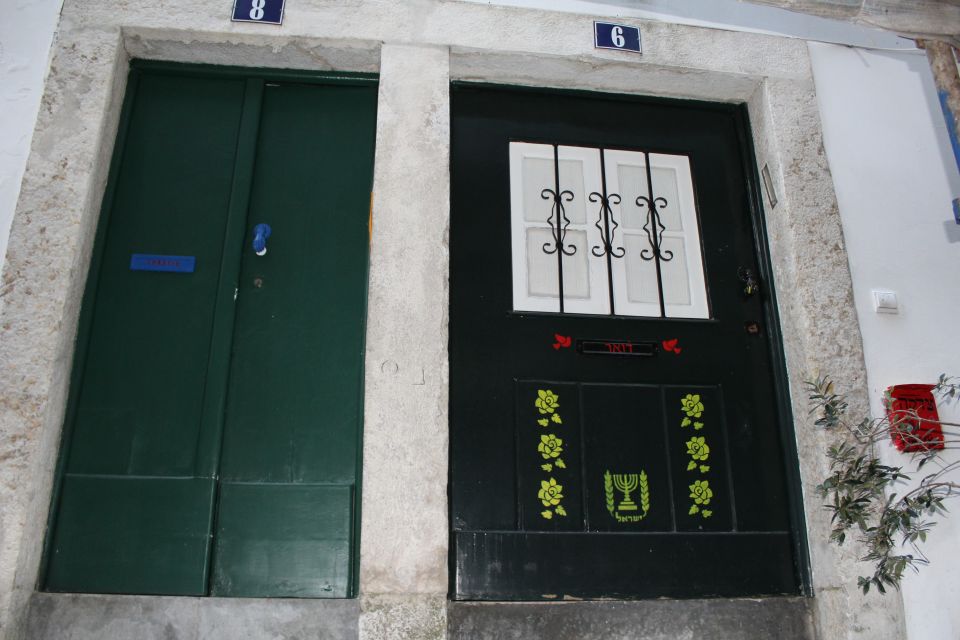
Lisbon doesn’t treat history like a museum object. You see it in the way neighborhoods sit on hills, in the kinds of streets people traded through, and in how different communities left marks—sometimes visible, sometimes indirect. That’s exactly how this tour is framed: Jewish life in Portugal is explained through the geography of Lisbon districts you can walk today.
A key theme you’ll hear is the in-between position Jews lived in—close enough to shape culture and commerce, but also vulnerable to rejection and changing rules. You’re not just learning a timeline; you’re learning a survival strategy: using ingenuity, skills, and knowledge to keep moving forward even when the environment turned.
The tour also makes a big point about influence. You’ll hear how Jewish communities contributed to agriculture, finance, medicine, and the industries tied to Portugal’s 16th-century discoveries. In other words, you’re not studying a side chapter. You’re tracing how ideas, work, and people helped build the country’s modern shape.
And then comes the turning point: sheltered converts to Catholicism, pressure on identity, and the 16th-century expulsion that sent Sephardic descendants across Europe and onward to places like England, Holland, and the United States. The story follows people, not just buildings.
Meet at A Padaria Portuguesa, then start where the story begins
Your tour meets at A Padaria Portuguesa, a bagel shop that’s easy to spot and useful as a landmark if you’re arriving on foot or by a short ride. This matters more than it sounds. When you’re about to do 3 hours of walking, starting cleanly reduces the stress right at the beginning.
From there, the guide steers you through classic Lisbon neighborhoods strongly tied to Jewish history: Alfama, Baixa, and Chiado. You’re moving across different “modes” of the city—old winding streets, central commercial areas, and a more mixed, connected zone—so the Jewish story doesn’t feel stuck in one single corner.
You’ll also get the practical basics: bottled water is included, and it’s a live guided walking tour (no transportation is included). That means the walking pace and the stops are the whole plan, so it helps to show up with comfortable shoes and an open mindset for both streets and context.
The language options are Portuguese and English, and the guide presence is real. Guides like Al and Luciano are repeatedly mentioned for making the walk understandable and adjustable, which is a big deal on a tour where the terrain can vary.
You can also read our reviews of more walking tours in Lisbon


Alfama and the hill-walk reality of daily life
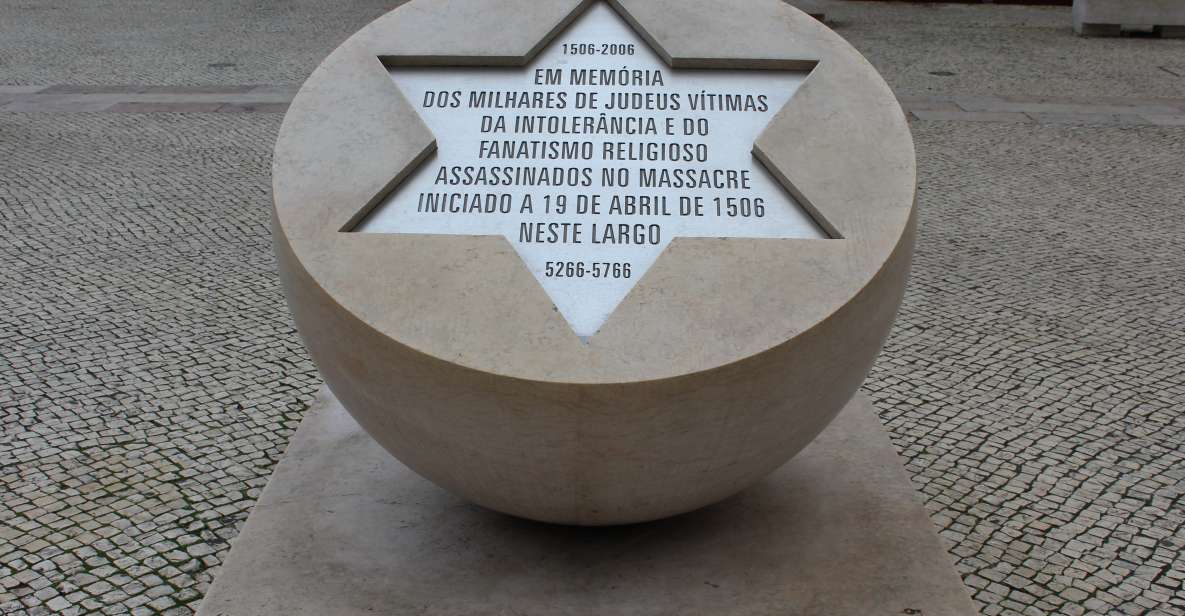
Alfama is where Lisbon feels oldest and tightest. On this tour, it’s also where the themes of pressure and adaptation feel most tangible. You’ll be walking through traditional neighborhood streets linked to Jewish presence and influence, and the guide uses the setting to explain what it was like to live with acceptance alongside rejection.
I like this approach because it prevents history from becoming a set of memorized dates. Instead, you connect what you see—street shape, neighborhood structure, and the logic of where communities would gather or work—to what the guide is describing about community survival.
Expect a lively mix of themes: how Jews contributed to the working fabric of Portuguese society, and how identity shifted under conversion pressures. You’re also primed to understand terms tied to the Sephardic and Marranos story. Rather than treating those names as trivia, the guide frames them as labels that reflect real choices and real risk.
One practical note: Alfama is hilly. Even if the route is only 3 hours, you’ll still earn your Lisbon sweat. This is one of the reasons the tour isn’t suitable for mobility impairments—so if that’s a concern, plan something else.
Baixa and Chiado: where commerce, medicine, and finance fit the story
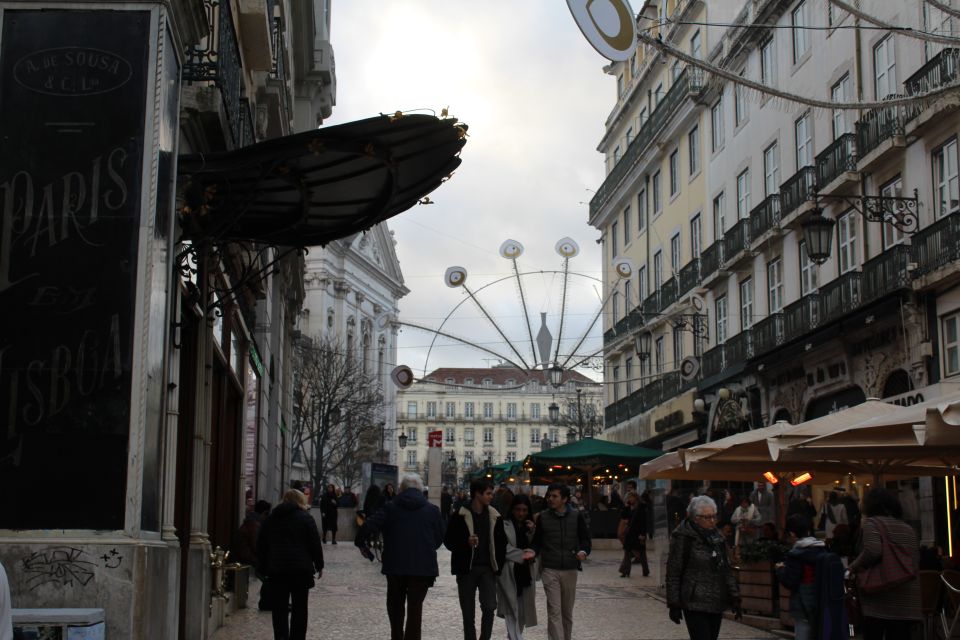
Baixa and Chiado bring a different feel. This is where Lisbon’s central energy shows up—commercial life, connections between neighborhoods, and the kinds of routes that make entrepreneurship possible. And on this tour, that’s not accidental. The guide explains how Jewish influence in Portugal wasn’t only cultural or spiritual; it was also professional.
You’ll hear about Jewish contributions to finance and medicine. You’ll also hear about agriculture and the types of work that strengthened the Portuguese economy. The goal is to help you see a connection: communities develop in the places where skill can earn trust and where business can grow—until policies or power shift and threaten that stability.
This part of the walk is useful even if you’re not focused on Sephardic heritage. It gives you a broader lens for Lisbon beyond postcards. You start to recognize that neighborhoods are not just scenery; they’re historical ecosystems where occupations, institutions, and networks mattered.
And it’s also where the tour helps you connect Portugal to the wider world. When the expulsion in the 16th century happens in the story, you’ll understand why the aftermath mattered—because skills and knowledge had already traveled through communities and connections.
Sephardic and Marranos stories: what the guide actually makes clear
This tour explicitly focuses on Sephardic and Marranos Jews. That matters because those words can be confusing if you only encounter them in books. What helps on this walk is that you’re not left to translate terms on your own.
You’ll learn how Sephardic identity shaped Jewish presence in Portugal, and how Marranos connects to the reality of sheltered converts to Catholicism. In plain terms, the guide is walking you through the idea that survival often required performance, adaptation, and carefully managed public identity—while community ties and knowledge continued under pressure.
I found this part especially valuable because it gives the big story more texture. Instead of only learning the official outcome—expulsion, conversion, diaspora—you learn what life looked like in the in-between period when people were trying to keep faith, community, and livelihoods intact.
This is also a good choice if you have personal motivation. The tour can be meaningful if you have Sephardic heritage or family ties to Lisbon. The route is structured so the narrative lands in places you can point to later.
The Star of David wall and harbor views that stick in your head
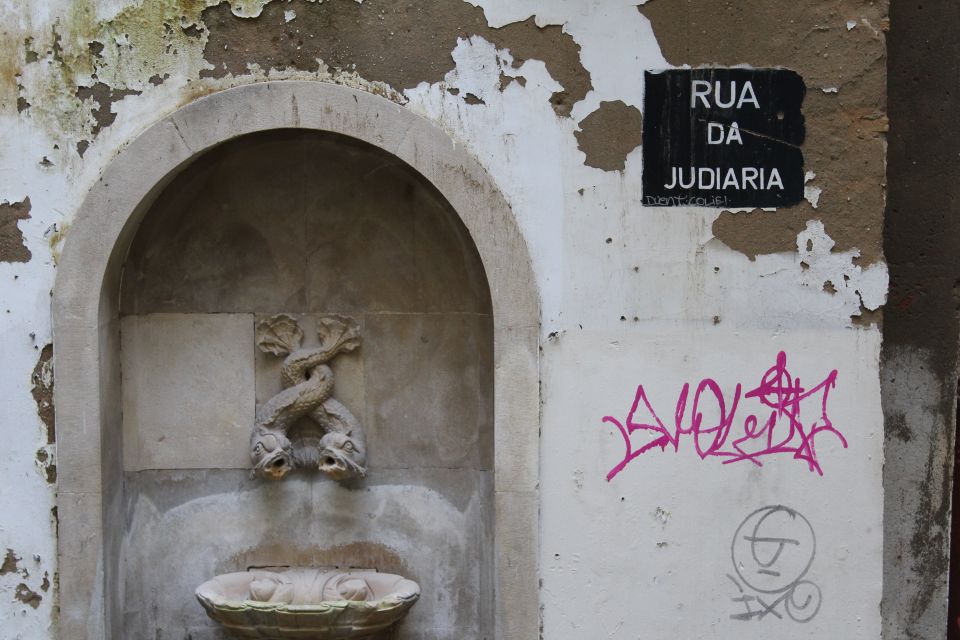
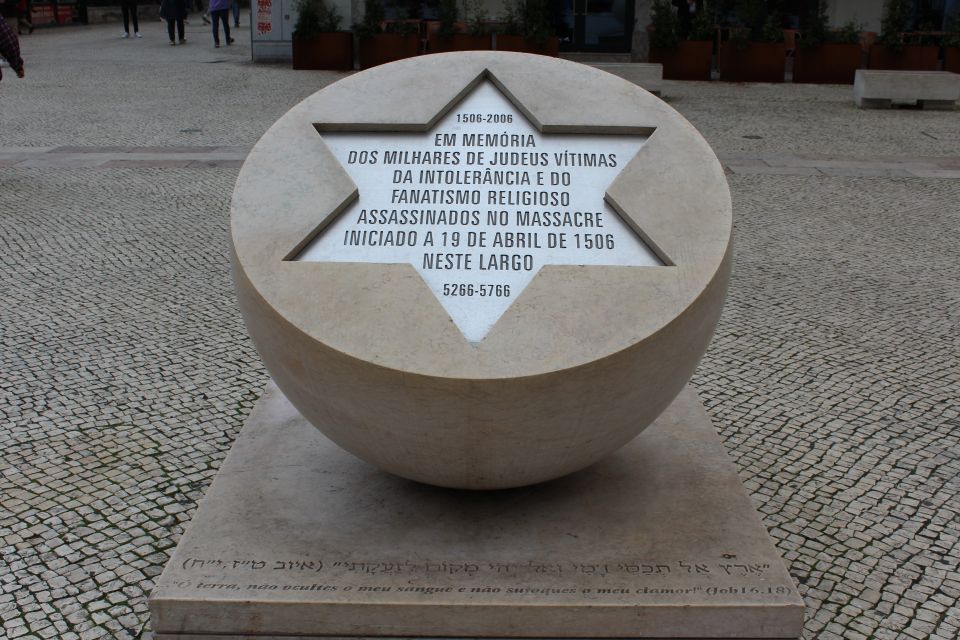
There are a few moments where the tour shifts from “history talk” to “look at this.” One highlight is seeing a wall marked with a Star of David. It’s the kind of site that grounds the story instantly: symbolism you can stand in front of, right where the city still shows layers.
You’ll also get views over the harbor/port area at points along the walk. These are more than nice sightseeing breaks. They reinforce the maritime angle of the Portuguese 1500s that the guide ties into Jewish contributions and the larger discovery era.
And you might spot archaeological elements along the route. Even when details are brief, the point is the same: Lisbon contains physical traces that help explain how long these communities shaped the city.
I like that the guide doesn’t rush the visual moments. You get time to look, and the explanation helps you understand what you’re seeing rather than treating it like a photo stop.
You can also read our reviews of more guided tours in Lisbon



How the expulsion story reshapes the wider map
One of the most important parts of the experience is the 16th-century expulsion moment in the narrative. The guide frames it so you understand not just what happened in Portugal, but what followed for people who carried Portuguese Jewish history elsewhere.
You’ll learn that when Jews were expelled, their influence and descendants became important in other countries, including England, Holland, and the United States. The tour’s advantage here is that it connects your Lisbon walk to a global story. You end the 3 hours with a sense that Lisbon was a node in a much bigger network of migration and survival.
This is where the tour earns its place. Many Lisbon walks skim only local history. This one links local neighborhoods to a broader outcome, so you leave with perspective—why Lisbon matters, and why Sephardic history continues to matter far beyond Portugal’s borders.
Pacing, guides, and the value of a live English or Portuguese story
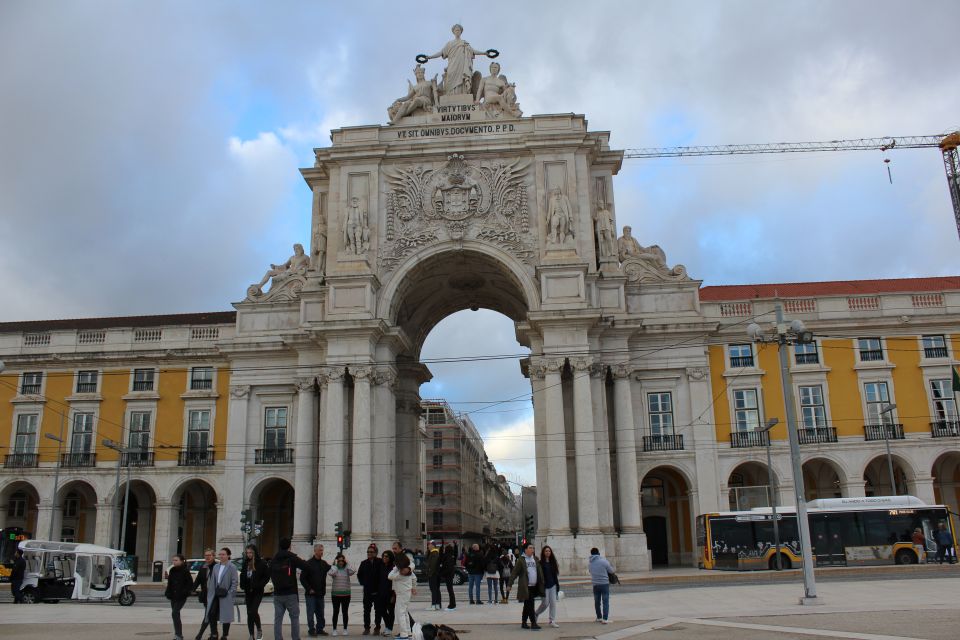
This is a live guided tour with language support in Portuguese and English. In practice, what you should look for is clear pacing—enough time to understand each place, but not so slow that the hill becomes the main attraction.
Guides including Al and Luciano are singled out for their passion and for connecting Lisbon’s general history to the Jewish story. Al is also mentioned for tailoring the pace to the group, and Luciano is mentioned for strong subject focus, including city context along with the Jewish narrative.
A helpful detail: some guides include small touches later in the tour, such as coffee/tea and dates from Israel purchased at a local shop. Those aren’t the core of the itinerary, but they help make the experience feel like a real outing rather than just timed walking.
If you want a tour that feels responsive—especially if you ask questions—the live guide format is the reason this works.
Price and logistics: is $141 for 3 hours worth it?
The price is $141 per person for a 3-hour guided walking tour. On paper, that’s not “cheap Lisbon.” But you’re buying three things that add up fast: a specialist-style narrative, a route designed to connect neighborhoods, and a live guide who can explain what you’re looking at as you walk.
Also, this isn’t just a general sightseeing loop. The tour targets a specific theme—Jewish history in Portugal—and ties it directly to areas like Alfama, Baixa, and Chiado. If you tried to cobble this together alone, you’d either miss the connections or spend time researching in a way that still wouldn’t give you the same flow.
What’s not included is transportation. That’s normal for a walking tour, but it means you should plan your own ride or transit to the meeting point at A Padaria Portuguesa.
So the value equation looks like this: if you care about Jewish history, Sephardic identity, or Portugal’s role in the broader diaspora story, you’ll feel the cost makes sense. If you mainly want views and photo stops, you may wish the tour were more lightweight.
Practical tips so the walk feels good, not hard
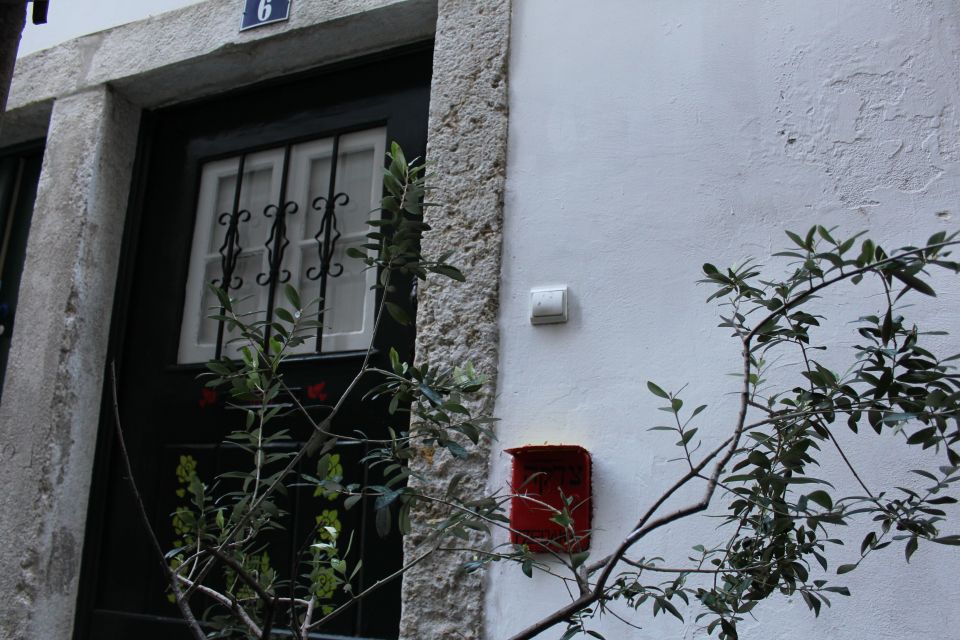
This tour is 3 hours of walking and it’s not suitable for mobility impairments. That tells you the shape of the experience: you’ll want comfortable footwear and a steady attitude toward hills, especially around Alfama.
You should also plan for sun and stops. Bottled water is included, which is a nice touch, but bring an extra layer if the weather shifts. If you’re taking photos, aim to pause at the visual moments the guide highlights—like the Star of David wall and harbor views—because the explanation is part of the “why.”
Finally, go in with one question in mind: what do you want to understand most? If it’s the Sephardic and Marranos story, ask about identity shifts. If it’s the Portuguese influence angle, ask where the guide sees economic and professional influence fitting into the narrative.
Who should book this tour?
I’d steer you toward this guided walk if you want history tied to real places in Lisbon—especially if you like walking tours where the guide explains how neighborhoods connect to identity, religion, and survival.
It’s also a good fit if you have Sephardic heritage or family interest in Lisbon. The story has personal resonance, and the route is designed to give you something you can later connect to your own questions and family memory.
If you’re visiting Lisbon for the first time and want one thematic tour that goes beyond the usual sights, this can be a strong second-layer experience. You’ll learn enough that the city feels different afterward.
Should you book Lisbon Jewish History in Portugal?
Book it if you want your Lisbon to come with context, names, and a clear story arc—from early influence to conversion pressures to expulsion and diaspora. The combination of neighborhood walking (Alfama, Baixa, Chiado), a live guide in English or Portuguese, and visible markers like the Star of David wall makes it more than a lecture.
Skip it or choose another option if hills are a dealbreaker for you, because the tour is not suitable for mobility impairments. Also consider your tolerance for history-heavy explanations. If you prefer mostly light sightseeing, you might prefer a more casual tour.
If you’re on the fence, pick your motive: curiosity about Sephardic roots, interest in how minority communities shaped Portuguese society, or a desire to understand why Lisbon matters in Jewish history. This walking tour is built for exactly that.
FAQ
Where is the meeting point for the Lisbon Jewish History walking tour?
You meet at A Padaria Portuguesa, a bagel shop.
How long is the tour?
The tour lasts 3 hours.
What does the tour cost?
The price is $141 per person.
What neighborhoods does the tour cover?
The route passes through traditional areas linked with Jewish history in Lisbon, including Alfama, Baixa, and Chiado.
What languages is the guide available in?
The tour is available in Portuguese and English.
Is transportation included in the tour price?
No. Transportation is not included.
What’s included in the tour?
The tour includes a guide, a walking tour route, and a bottle of water.
Is the tour suitable for people with mobility impairments?
No. It is not suitable for people with mobility impairments.
What topics will the guide cover?
The tour focuses on Jewish culture, the influence of Jews in Portuguese culture, and Sephardic and Marranos Jews.
Does the tour include anything besides walking and history talk?
A small end-of-tour break may happen, such as coffee or tea, and some guides have offered dates from Israel purchased at a local shop.