REVIEW · LISBON
Best of Lisbon Private Walking Tour
Book on Viator →Operated by Hi Lisbon Walking Tours · Bookable on Viator
Lisbon on foot, stitched together in three hours. This private route gives you a big-picture view of the city’s main eras, from the waterfront square to Alfama’s lanes and into Baixa and Chiado. You also get the kind of pacing that a first-time visit really needs: you can ask questions, stop for photos, and shift the walk to match your group’s interests.
What I really like is the guide-led feel. Guides such as Tiago, Beatriz, Samuel, and Telma are highlighted for being engaging and for answering questions on the spot, not just reciting dates. I also appreciate the practical side: you’ll come away with pointers on where to eat, drink, and explore next, plus help with navigation so you’re not stuck staring at maps later.
One consideration: Lisbon involves hills, and if your pace is slow or you get chatty on longer stops, you might not hit every single landmark the route mentions. That’s not a deal-breaker, but it’s worth telling your guide your must-dos early so the walk stays fun, not stressful.
In This Review
- Key highlights that make this tour worth your time
- Starting at Praca do Comercio: Lisbon’s front door and floodlight history
- Augusta Street Arch and Casa dos Bicos: grand symbols and a 1523 clue
- Sé Cathedral and Alfama’s maze: learning the city by walking it
- Portas do Sol viewpoint and St George’s area: pictures with purpose
- Baixa and Rua Augusta: a downtown reset you can walk through
- Praça Dom Pedro IV and Santa Justa: big squares and Lisbon’s vertical lift
- Memorial Jewish Victims and Casa do Alentejo: two stops that add weight
- Igreja de S Domingos, the Carmo area, and a “unfinished” church vibe
- Rossio to Chiado and the “Champs Elysees” stretch: Lisbon’s polished center
- How the private format changes the experience (and why it matters)
- Price and value: what $84.69 buys you in real terms
- The part you should plan for: hills, pacing, and must-see priorities
- Should you book this Best of Lisbon private walking tour?
- FAQ
- How long is the Best of Lisbon Private Walking Tour?
- How much does the tour cost?
- Is it a private tour?
- What language is the tour offered in?
- Where does the tour start and end?
- Do I need tickets for the sights?
- Is this tour dependent on weather?
- Can I get a refund if I cancel?
Key highlights that make this tour worth your time
- Private by design: only your group, so the guide can adjust timing and questions
- Stops that feel like a story: waterfront, arch, old buildings, cathedral, Alfama, viewpoints, and downtown
- Classic photo stops without a bus: Portas do Sol plus castle-area views and the engineering of Santa Justa
- Guides bring the local context: practical suggestions for what to do next, not just sightseeing
- Good value for a short trip: many major sights are listed as ticket-free within the tour stops
Starting at Praca do Comercio: Lisbon’s front door and floodlight history
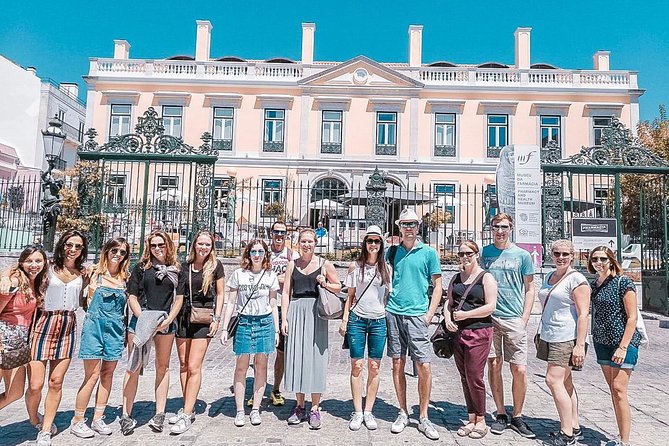
Most Lisbon walks start with a postcard, but this one starts with the waterfront square that feels like Lisbon’s opening scene. Praca do Comercio is huge, bright, and easy to orient yourself in. Your guide explains why it matters and how it fits into the city’s bigger story, which makes the rest of the walk click faster.
If you’ve ever visited a new city and felt like you were wandering without a map in your head, this stop helps fix that. You’ll understand what you’re looking at before you even move. And because the meeting point is right there, you’re not scrambling to find a vague corner of town.
You can also read our reviews of more walking tours in Lisbon



Augusta Street Arch and Casa dos Bicos: grand symbols and a 1523 clue
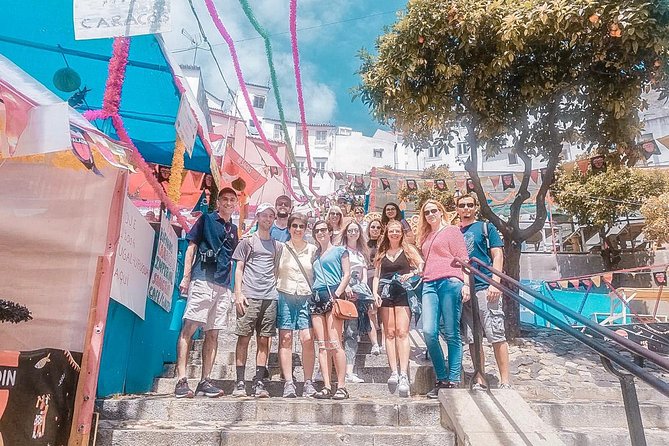
From the square you’ll move to the area tied to the Augusta Street Arch—one of Lisbon’s most photographed landmarks. It’s easy to see why: it sits at a scale that feels important, even if you only glance from the street. Your guide also explains the meaning behind it, so it stops being just a picture and turns into a clue about Lisbon’s mindset at the time.
Next comes Casa dos Bicos, a building dating from 1523. That date isn’t just trivia. Older Lisbon tends to hide in plain sight, and places like this teach you what to notice as you walk—old stone details, the shapes of windows, and how certain neighborhoods kept evolving rather than resetting completely.
This part works especially well if you like walking and looking. You get built-in moments where the guide points you toward what your eye might otherwise miss.
Sé Cathedral and Alfama’s maze: learning the city by walking it
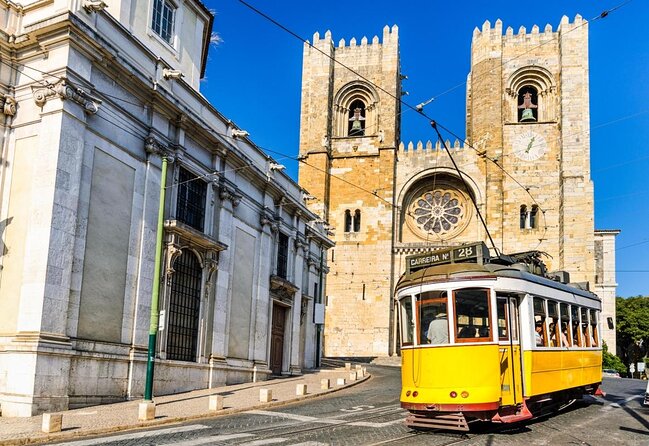
Sé Cathedral (the Lisbon Cathedral) is where the tour slows down in a good way. It’s described as the oldest church in Lisbon, with construction dating from the 12th century, and you don’t just look from outside—you go inside and get architecture explained. Churches are often “big but vague” for visitors. Here, the focus is on what you’re seeing and why it’s shaped the city.
Then comes Alfama, Lisbon’s oldest neighborhood. The walk through Alfama is the heart of the whole experience: narrow, winding streets that feel like a labyrinth. You’re given the context—streets dating back to the 8th century—and it helps you understand why getting lost there is part of the charm.
Also, Alfama is where you’ll feel the reality of Lisbon: hills, stairs, and tight corners. One of the most helpful things your guide can do here is match your group’s energy. Private tours are great precisely because you can ask for a slightly easier route if anyone is struggling.
Portas do Sol viewpoint and St George’s area: pictures with purpose
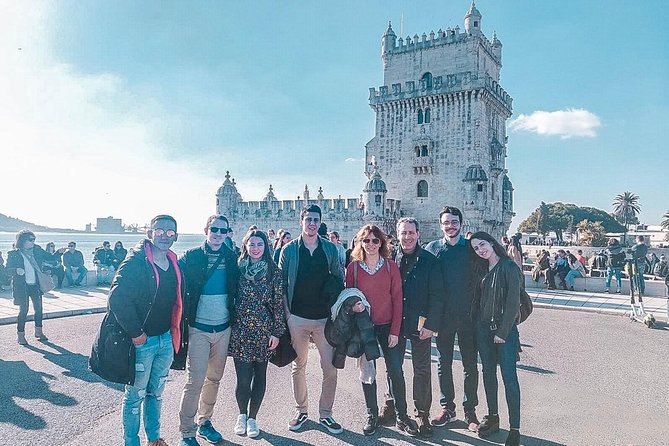
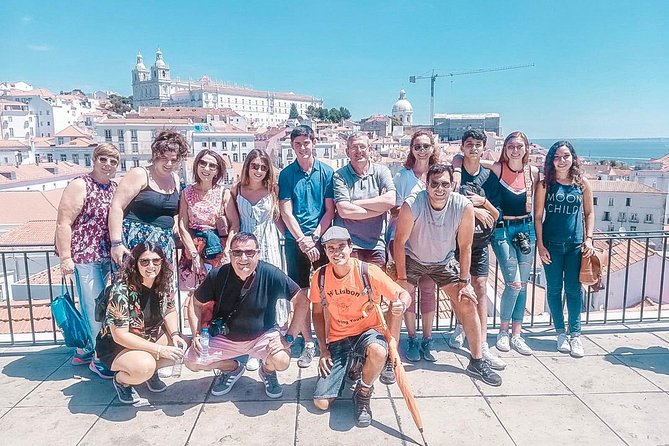
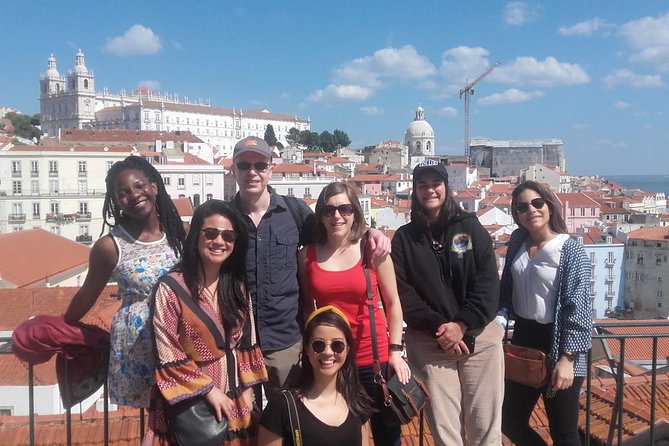
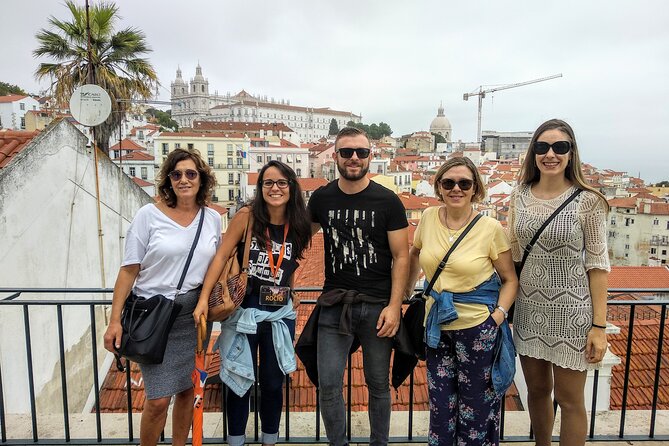
Lisbon viewpoints can be hit-or-miss. Some are crowded, some are rushed, and some feel like you only got there long enough to snap a photo. This itinerary includes Miradouro das Portas do Sol as a featured stop, and you get time for pictures and the kind of viewpoint explanation that makes the scene feel readable.
From there, the tour also connects to major sights around the castle zone. You’ll see the imposing St George Castle referenced as a long-time protector of Lisbon, and you’ll spot other major landmarks from afar (including the National Pantheon of Portugal and the church of St. Vincent). Even when you’re not going inside everything, these moments help you place the city layers against the skyline.
If you love photography, this is a good mix: viewpoints for the dramatic shots plus “from afar” views that help you build a mental map for later.
Baixa and Rua Augusta: a downtown reset you can walk through
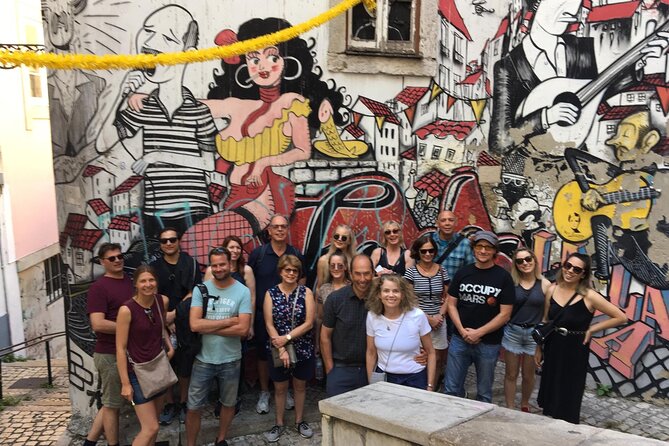
After the medieval feel of Alfama, you shift into Baixa de Lisboa, Lisbon’s downtown core. Baixa is described as a locals’ shopping area since the 18th century, and that description sets expectations: this isn’t just scenery—it’s a living commercial center.
From Baixa you’ll head toward Rua Augusta, Lisbon’s most important street, built in the 18th century. It’s a classic “main street” stretch, but it matters in the story of the city. Going from Alfama’s organic maze into Baixa’s more organized streets helps you see how Lisbon rebuilt and redesigned itself over time.
This section is a strong payoff for people who want to feel both modern city energy and older urban structure in one compact walk.
You can also read our reviews of more private tours in Lisbon






Praça Dom Pedro IV and Santa Justa: big squares and Lisbon’s vertical lift
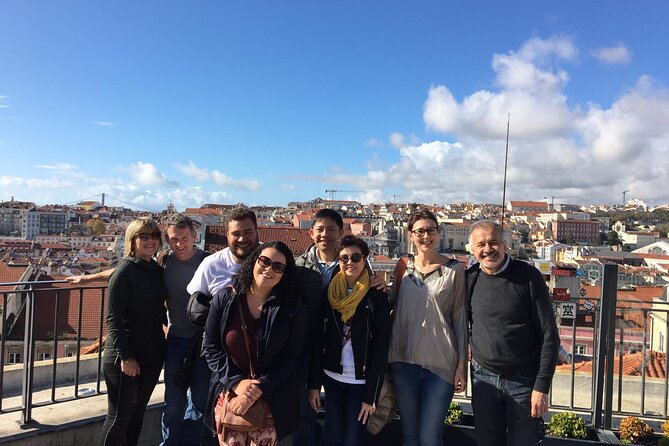
Next up is Praça Dom Pedro IV, described as the oldest square in Lisbon, with imposing buildings dating to the 18th century. Squares in Lisbon aren’t just places to rest—they’re landmarks that help you keep your bearings.
Then you’ll see Elevador de Santa Justa, a standout piece of engineering. Even if you don’t ride it during the tour, having it pointed out with explanation helps you understand why Lisbon invests in vertical movement. It’s not just a quirky attraction; it’s a solution to the city’s topography.
If you care about maximizing sights, this is one of the moments I’d ask your guide about. Some people want extra time here, while others prefer to move quickly.
Memorial Jewish Victims and Casa do Alentejo: two stops that add weight
The route includes a memorial to Jewish victims, an important pause that reminds you Lisbon has had dark chapters alongside the charm. It’s short, but it’s the kind of stop that makes the tour more honest.
Then you’ll move to Casa do Alentejo, described as a majestic palace with Moorish influence. This pairing—memory, then architecture—works well because it keeps the walk varied. You’re not stuck in the same mood for too long.
Igreja de S Domingos, the Carmo area, and a “unfinished” church vibe
One highlight for many people is Igreja de S Domingos, noted as one of the most beautiful churches in Europe. It’s the kind of church stop that feels worth slowing down for, especially when your guide points out what to look for instead of letting you wander.
Later you’ll reach Museu Arqueologico do Carmo, an unfinished church that’s described as a symbol located in a charming square. Unfinished buildings have a different kind of emotional pull. They show you that history isn’t always tidy, and they help you understand the city’s texture beyond perfect restoration photos.
This is also a good stretch for asking questions. If you want to know how Lisbon’s religious architecture evolved or why certain places look the way they do, your guide will usually have a clear answer for what you’re seeing in front of you.
Rossio to Chiado and the “Champs Elysees” stretch: Lisbon’s polished center
The tour then hits Estacao do Rossio, described as the most beautiful train station in Lisbon. Stations are underrated sight stops. They tell you how people moved, how cities connected, and what mattered enough to build beautifully. Even a short look gives you a sense of Lisbon’s style.
Then comes Chiado, described as the heart of the city since the 18th century, where poets, writers, artists, and politicians have met. That sounds poetic, but it’s also practical. Chiado is where you’ll find the kind of strolling streets and comfortable café life that makes a Lisbon day feel complete.
You’ll also see a promenade nicknamed the Champs Elysees of Lisbon. It’s one of those “name tells you what to expect” segments: a grand walkway feel, used for strolling and people-watching.
At the end, the tour finishes around Praça Luís de Camões, a strong landing point for continuing your day.
How the private format changes the experience (and why it matters)
This is a private tour, meaning only your group participates. That changes everything: the guide can adjust the pace when you’re moving through Alfama’s steep sections, spend extra time if something grabs your attention, or cut time if you’re ready to move on.
In the guides’ stories, there’s a repeating theme: flexibility. People mention their guides adapting to interests, helping with navigation, and giving recommendations beyond the walking route. I especially like that approach for families and mixed-age groups, since it’s easier to keep everyone engaged when the guide can shift the plan.
Also, because it’s in English and offered at several times, you’re more likely to find a slot that fits the rest of your itinerary instead of squeezing Lisbon into whatever time you can get.
Price and value: what $84.69 buys you in real terms
$84.69 per person for about three hours sounds like a “splurge,” until you break down what you’re actually paying for. You’re not just buying access to landmarks. You’re buying a guide who can connect the dots between neighborhoods—waterfront, old districts, downtown rebuild energy, and the polished core.
You also get a mobile ticket and group discount options, which can help if you’re traveling with friends or family. The tour marks many stops as ticket-free within the tour format, so you’re not stacking extra entrance fees on top of the guide cost.
Most importantly, a private walking tour gives you a higher return on short time. If Lisbon is a quick stop on your trip, three hours with a strong orientation can save you hours of guesswork later.
The part you should plan for: hills, pacing, and must-see priorities
Lisbon makes walking into a training plan. The route includes Alfama, viewpoints, and castle-area sightlines, plus the kind of stairs-and-slopes that add up over a few hours.
Here’s my practical advice: before you start, pick 2 or 3 must-do moments (for example, cathedral inside, Alfama time, Portas do Sol, Santa Justa, or one of the churches). Then tell your guide. That way, if the group wants to spend extra time in one section, you won’t end up disappointed that the tour didn’t feel like the exact checklist you imagined.
On days with weather swings, it can also help to have a flexible mindset. Rain isn’t a deal-breaker for a walk, but it can change how long you linger at each stop and how energetic everyone feels.
Should you book this Best of Lisbon private walking tour?
Book it if you want a fast, guided introduction to Lisbon that connects neighborhoods in a way a guidebook can’t. This tour is a smart choice for first-timers, people with limited time, and anyone who likes getting local recommendations as part of the experience.
Skip it or adjust expectations if your group wants a strict tick-box tour with every single landmark hit with zero extra conversation. Private tours are flexible, but that flexibility means the exact pacing can shift day to day. If you go in with your must-see priorities and comfortable shoes, you’ll likely love how quickly Lisbon starts to make sense.
FAQ
How long is the Best of Lisbon Private Walking Tour?
The tour is about 3 hours.
How much does the tour cost?
The price is $84.69 per person.
Is it a private tour?
Yes. It’s listed as private, so only your group participates.
What language is the tour offered in?
The tour is offered in English.
Where does the tour start and end?
It starts at Pç. Comércio in Lisbon and ends at Praça Luís de Camões in Lisbon.
Do I need tickets for the sights?
The itinerary marks the stops as admission ticket free.
Is this tour dependent on weather?
Yes. It requires good weather, and if it’s canceled due to poor weather you’ll be offered a different date or a full refund.
Can I get a refund if I cancel?
Yes. Free cancellation is available up to 24 hours in advance for a full refund.