REVIEW · LISBON
Lisbon: Street Art Tuk Tuk Tour
Book on GetYourGuide →Operated by Mon Ami Tours · Bookable on GetYourGuide
Lisbon’s street art has a secret map. This tuk-tuk tour takes you beyond the postcard routes and into Marvila’s open-air graffiti world, where international artists paint big and the city’s Ibero-American culture shows up in color. You’ll also get wide views toward the Tejo, which is a nice break from scanning walls up close.
Two things I especially like are the mix of modern street art with older Lisbon—think 17th and 18th-century convents and palaces—and the way the route strings together multiple types of neighborhoods. When guides like Tiago, Mario, Frederico, and Raquel are steering, the art doesn’t feel random; it feels tied to place, people, and change.
One consideration: the ride can be bumpy, and the tour isn’t a match for everyone. It’s not suitable for wheelchair users, people with back problems, pregnant women, or children under 5, so plan accordingly.
In This Review
- Key highlights at a glance
- Marvila by tuk-tuk: where the street art feels personal
- Hilltop murals and the Tejo view you’ll remember
- Convents, palaces, and why Lisbon layers matter
- Art deco warehouses and the factory-city clues
- Worker vilas and urban gardens: the everyday side of the art
- What the guide does (and why it changes everything)
- The tuk-tuk ride: timing, comfort, and photo rhythm
- Price and value: $165 per group up to two
- Who should book this Lisbon street art tuk-tuk tour
- Should you book Mon Ami Tours’ street art tuk-tuk tour
- FAQ
- How long is the Lisbon Street Art Tuk Tuk Tour?
- How much does it cost?
- Is this a private tour?
- What does the price include?
- Are museum or monument entrance fees included?
- Is food or drink included?
- Do you get pickup?
- What languages is the guide available in?
- Is the tour suitable for kids?
- Is it wheelchair accessible or good for people with back problems?
Key highlights at a glance
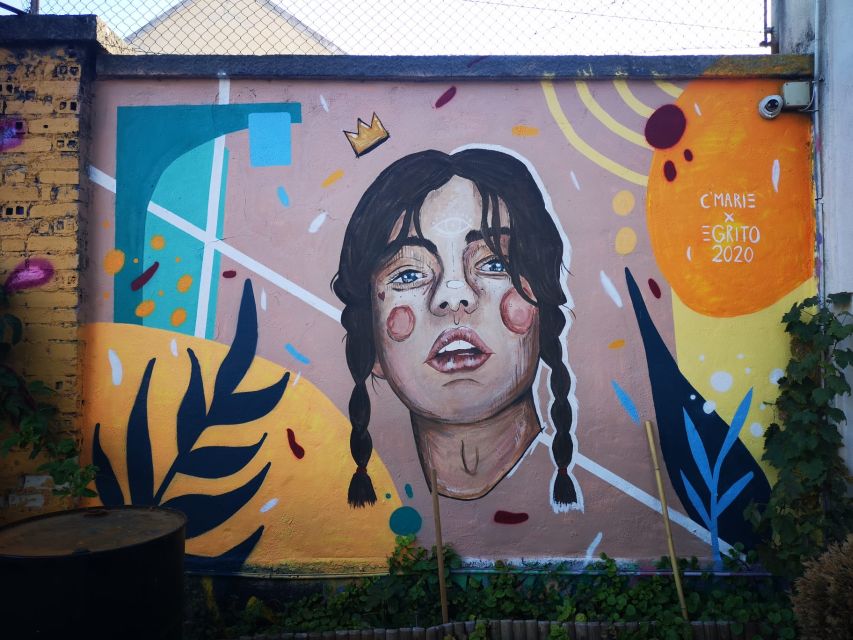
- Marvila’s open-air street-art gallery focuses on international graffiti and Ibero-American culture
- Hilltop murals and panoramic Tejo views give you big art plus a breather from the streets
- 17th- and 18th-century convents and palaces add historical depth to the mural hunting
- Art deco industrial warehouses and buildings show how Lisbon’s factories shaped its streets
- Worker vilas and urban vegetable gardens connect art to everyday city life
- A driver guide who sets the tone tends to make stops feel personal and easy to follow
Marvila by tuk-tuk: where the street art feels personal
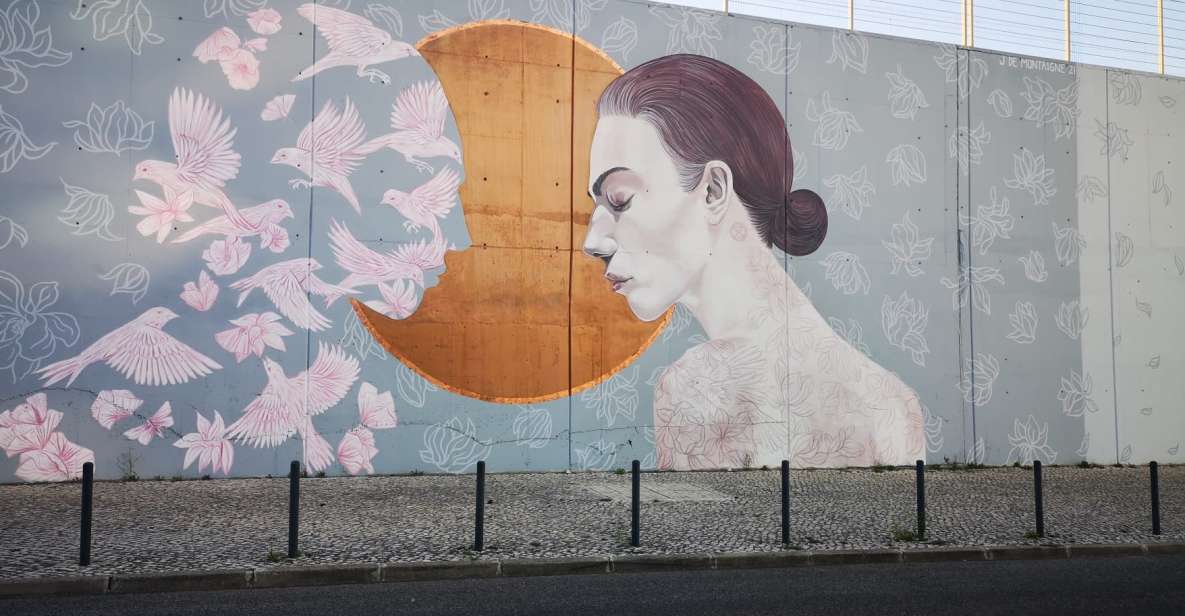
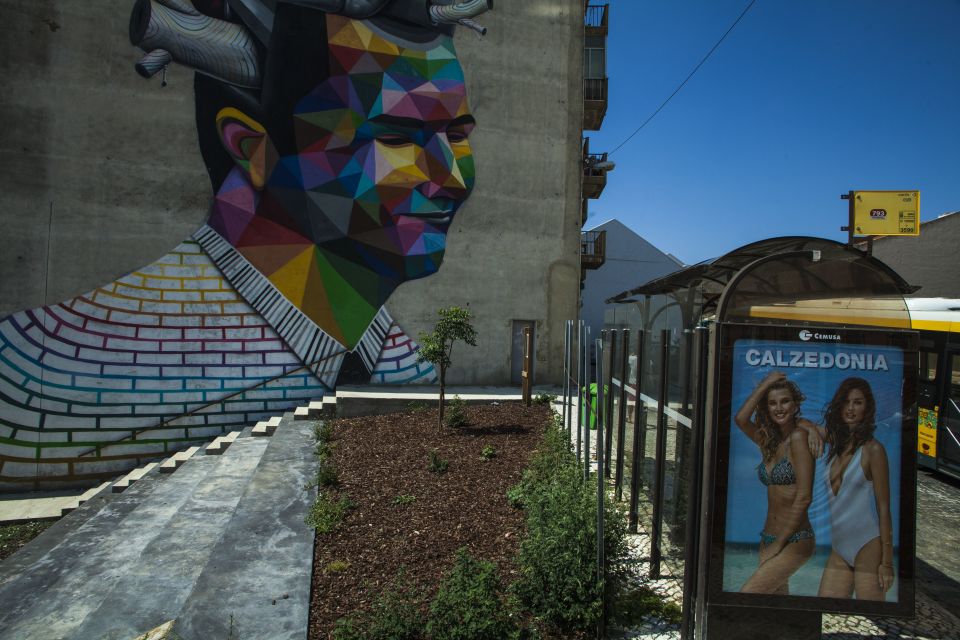
The heart of this tour is Marvila, Lisbon’s open-air gallery where graffiti and murals don’t sit behind ropes. You’re not just looking at art; you’re moving through the same neighborhoods where people live and work, and that changes how the walls land on you.
The tuk-tuk matters here. You cover more ground than a walking-only route, and you can reach street art that sits farther out than the usual tourist loops. Also, it helps you pace yourself: you can take the ride between stops and then get out to look closely and take photos when you want.
One more thing I like: the tour’s street art isn’t presented as some separate, trendy hobby. It’s framed as part of Lisbon’s cultural story—especially through the Ibero-American angle—so you understand why these murals matter to the people who see them every day.
A few more Lisbon tours and experiences worth a look



Hilltop murals and the Tejo view you’ll remember
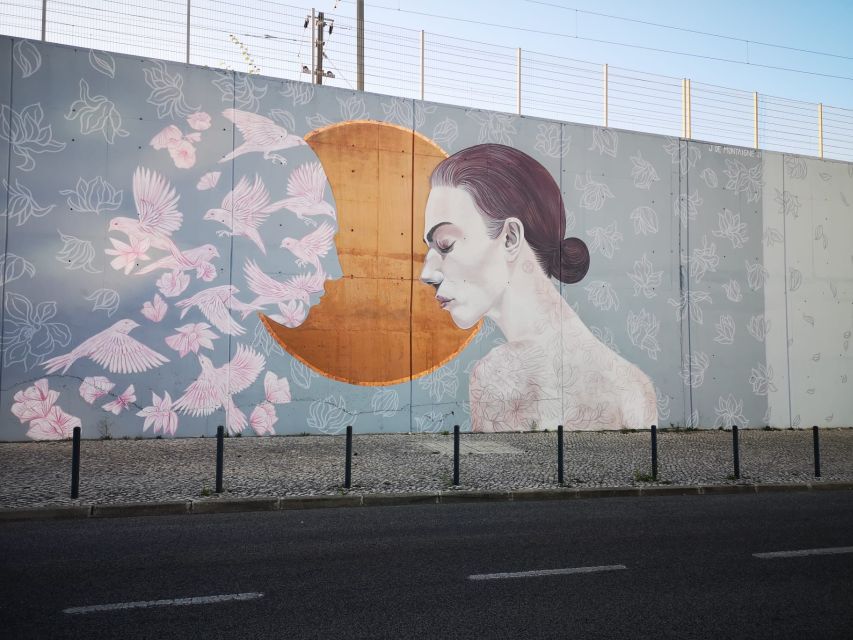
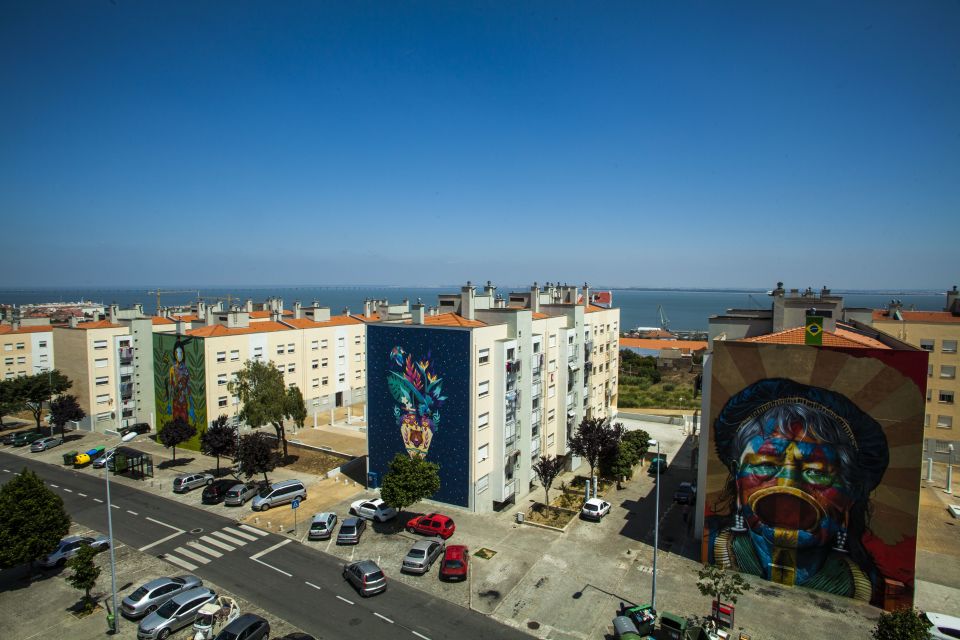
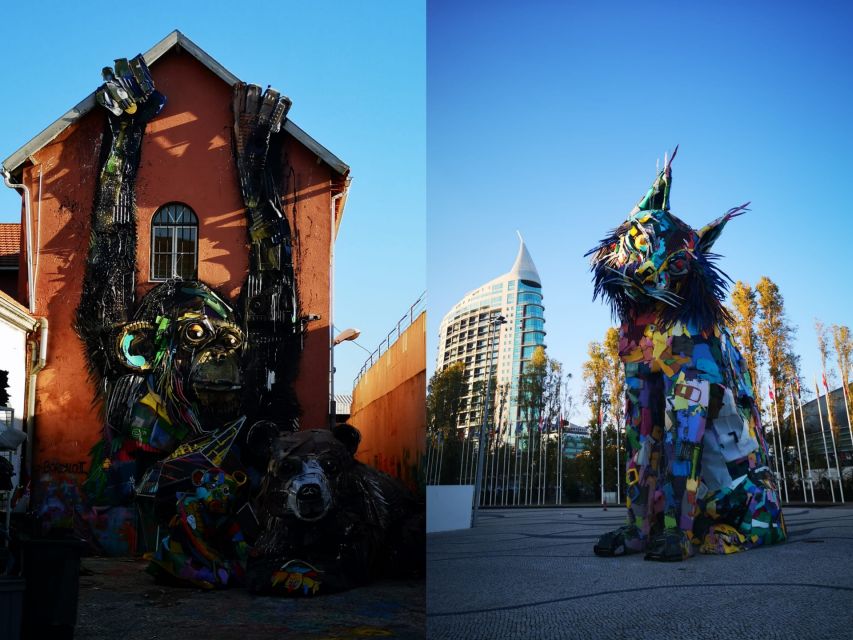
A standout moment is the stretch with huge works on buildings along a top-of-hill area. The tour highlights 15 large pieces, which is a clever number because it cues you to slow down and really scan details instead of rushing from wall to wall.
Then there’s the view toward the Tejo. That’s not just scenery—it’s a useful reset. After you’ve been reading textures, letters, and characters at close range, you get a wider sense of how Lisbon sits, how far the city stretches, and why these neighborhoods became part of the wider urban picture.
If you’re the type who loves photos, this is the part to plan for: big murals plus distance views means you’ll get shots you can’t easily recreate from the tram line or the main viewpoints.
Convents, palaces, and why Lisbon layers matter
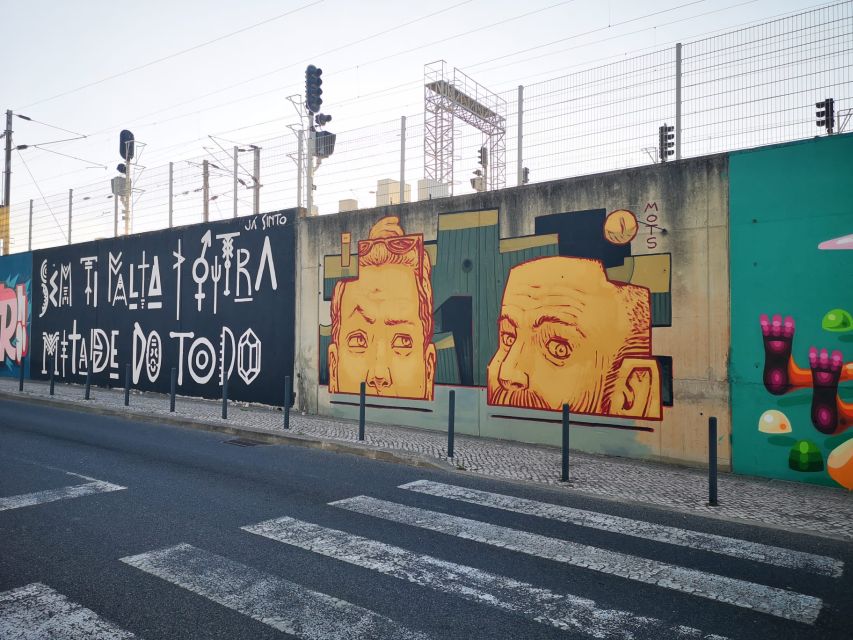
Lisbon has a habit of stacking eras on top of each other, and this tour uses that trait well. Along the route you’ll see 17th- and 18th-century convents and palaces, which can feel like a different city entirely from the street-art walls.
I like this contrast because it teaches a simple lesson: art and architecture aren’t competing explanations of Lisbon. They’re different time periods talking to the same streets. When you see older buildings close to newer mural work, you start spotting the way public spaces evolve—what gets preserved, what gets repurposed, and what gets re-claimed visually.
Practical tip: bring an eye for entrances, courtyards, and facades, not just the main street view. The tour focuses on walking through layers, so small details often pay off.
Art deco warehouses and the factory-city clues
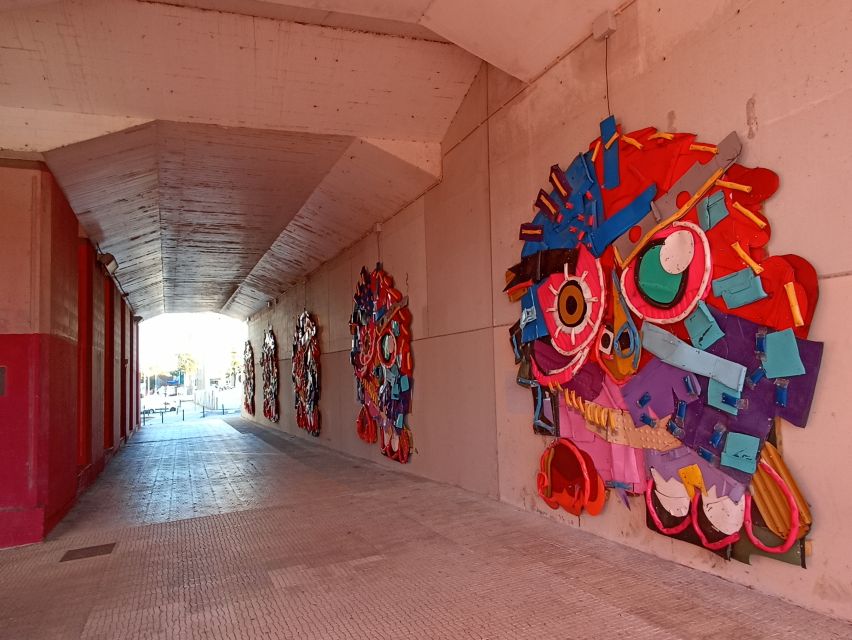
One of the most interesting parts is the stop where you see art deco industrial warehouses and other buildings from the city’s industrial era. Lisbon didn’t just become a tourism machine; it also grew around work, shipping, production, and the neighborhoods that supported it.
When the tour points out these structures, it’s helping you read the city like a diagram. The shapes, materials, and proportions of industrial buildings connect to why certain walls became canvases. Paint needs surfaces, and factories created plenty of them—plus they gathered foot traffic, workers, and attention.
This is also where the tuk-tuk earns its keep. You can reach these areas without spending half your day with transfers and slow uphill walks, which makes the whole day feel more efficient and more fun.
Worker vilas and urban gardens: the everyday side of the art
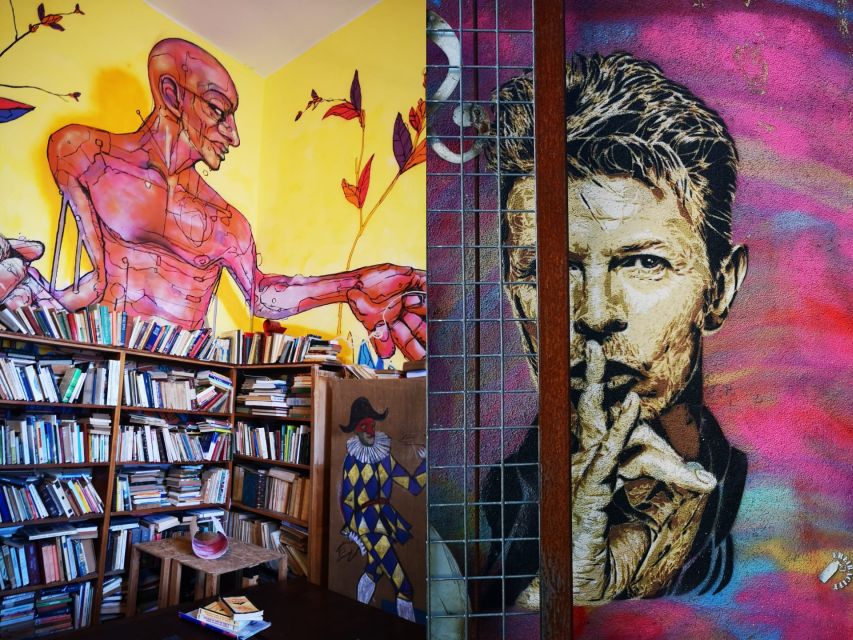
Lisbon’s street art isn’t only about high-profile artists and landmark walls. The tour also leans into the quieter, more lived-in fabric: vilas where factory workers once lived and urban vegetable gardens.
That pairing is smart. Gardens show patience and care. Worker housing shows history and daily routines. Together, they explain why murals aren’t just decoration; they can become a kind of local voice in places where people already know how to build community.
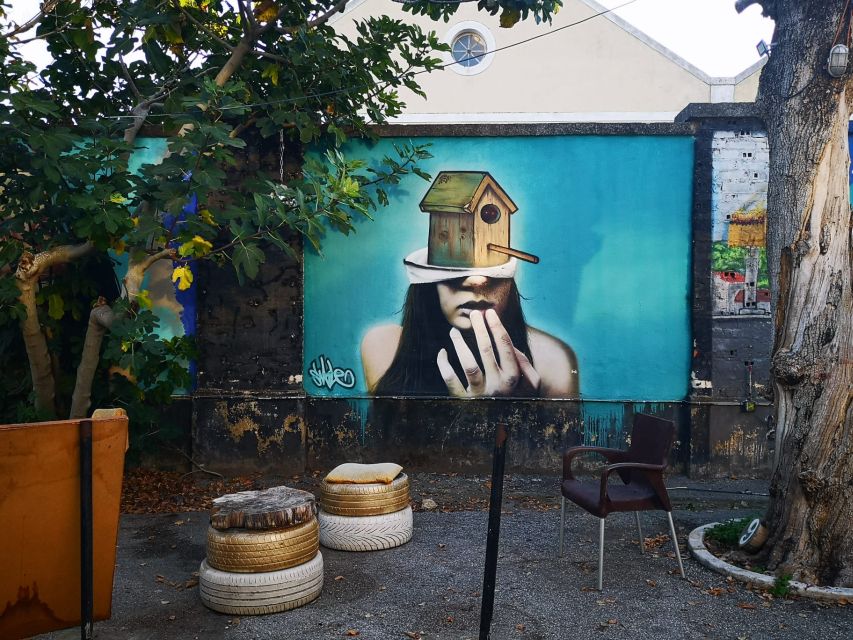
If you’re wondering what to focus on in these areas, look for the relationship between the mural and its setting. Ask: Is the art on a wall facing a walkway people actually use? Does it frame a corner where kids play or neighbors pass? That’s where you’ll feel why the street art belongs there.






What the guide does (and why it changes everything)
This tour lives or dies by its guide, and the signal from the tour experience is strong. Names like Tiago, Mario, Frederico, Raphael, Flavio, Nuno, Raquel, and others show up with one theme: guides who bring energy and context to each stop.
What that means for you: you don’t just get facts like who painted what. You get explanations for why particular artists and styles show up in Lisbon, and how the murals connect to neighborhoods that are still changing. In practical terms, the street art starts to feel legible instead of random.
Also, guides tend to handle the movement part smoothly—driving safely and finding places where you can hop out for photos. That matters more than it sounds. If you’re stuck in the tuk-tuk without time to look, the whole point of street art goes sideways.
The tuk-tuk ride: timing, comfort, and photo rhythm
You’re looking at a 2–4 hour private tour, so plan your day around it. If you’re doing this early, it’s a great way to get your bearings in areas you might never wander to on your own. If you’re doing it later, it becomes a themed walk-through where you know what to look for.
Comfort-wise, the key issue is not speed—it’s the feel of the road. The tour uses a tuk-tuk, and even when driving is careful, expect some bumps. If you’re sensitive to uneven streets, bring good footwear and keep that in mind during longer stretches.
Photo rhythm is another practical angle. You’ll want to dress for quick stops: comfortable layers, phone charged, and a way to keep your stuff secure while you get out. The best photos usually come when you step back, then return for close-up details.
Price and value: $165 per group up to two
At $165 per group (up to 2), you’re paying for a focused private experience with transportation included. For two people, the cost per person becomes much easier to justify than group tours where you’re squeezed into someone else’s pace.
You’re also paying for access. The value isn’t just the tuk-tuk ride; it’s the route choice—street art and neighborhood layers that you’d likely miss without someone guiding your time. And because the tour runs 2–4 hours, you can match it to your energy level.
If you’re traveling solo, it can still be worth it if street art is a top interest and you want a tighter route. If you’re trying to cut costs, you might prefer a walking-focused option for murals—but you’ll trade off distance and time efficiency.
Who should book this Lisbon street art tuk-tuk tour
This is a great fit if you love street art, you want Lisbon off the main tourist grid, and you like learning how art connects to real neighborhoods. It also works well for couples and small groups who want their time managed without rushing.
It’s especially ideal if you’re curious about how Lisbon changes—new mural work alongside convents, palaces, industrial buildings, worker history, and even urban gardens. That blend is the reason this tour feels more like a culture story than a photo mission.
And it’s not for everyone: the tour isn’t suitable for wheelchair users, people with back problems, pregnant women, or children under 5. If any of those apply, you’ll be happier choosing a different format.
Should you book Mon Ami Tours’ street art tuk-tuk tour
Yes, if street art is one of your main “I came here for this” interests, and you want to pair it with Lisbon’s older architecture and industrial past. The biggest reason to book is the way the tour links murals to place instead of treating them like random sightseeing stops.
I’d book confidently if you also care about having a guide who can explain what you’re seeing—especially if you want your photos to look better and your understanding to deepen in the same two to four hours. Just make sure the tuk-tuk ride fits your comfort needs, and you’ll leave with a Lisbon perspective that feels current, not just historic.
FAQ
How long is the Lisbon Street Art Tuk Tuk Tour?
The tour lasts 2 to 4 hours, depending on the option you book.
How much does it cost?
It’s $165 per group, up to 2 people.
Is this a private tour?
Yes. It’s listed as a private group experience.
What does the price include?
The tour includes a driver guide and transportation in a tuk-tuk.
Are museum or monument entrance fees included?
No. Entrance fees to museums or monuments are not included.
Is food or drink included?
No. Food or drink isn’t included.
Do you get pickup?
Pickup is included for locations within the city center. If you’re outside their reach or too far away, you’ll be contacted to arrange a suitable meeting point.
What languages is the guide available in?
The tour guide offers English, Portuguese, and Spanish.
Is the tour suitable for kids?
No. It isn’t suitable for children under 5.
Is it wheelchair accessible or good for people with back problems?
No. It’s not suitable for wheelchair users, people with back problems, or pregnant women.