REVIEW · LISBON
LISBON Street Art Tour
Book on Viator →Operated by Lisbon Street Art Tours · Bookable on Viator
Street art in Lisbon is not just wall decoration. It’s a way to read neighborhoods, from Mouraria’s fado roots to the murals you’d normally pass without noticing. I love how the tour pairs street art with real local context, and I also like that it keeps the group small so you get time for questions and photos.
You start in Graça at Largo da Graça, then work your way through some of the city’s most uphill streets. Expect frequent stops for art, photography, and viewpoints, plus a final walk that can end in Graça or toward Alfama depending on energy and timing. The mobile ticket and English-led format make it easy to plug in to your day.
One fair warning: you’ll climb. This is an active 3-hour walk with hills and stairs, and January weather can add rain. Wear good shoes, and if you’re not a fan of steep uphill routes, this tour might feel like a chore instead of fun.
In This Review
- Key things to know before you go
- Starting at Largo da Graça: meeting point and what you’ll do first
- Stop 1: Escadinhas de São Cristóvão and the fado-meets-murals story
- Stop 2: Miradouro da Graça for the views and the art-photo reset
- Stop 3: Graça & São Vicente murals, Walls of Fame, and street-art context
- Stop 4: Jardim Botto Machado and the long azulejo payoff
- Guides make the difference: what you’ll learn from their stories
- Walking plan: hills, stairs, and how to pace it without frustration
- Price and value: is $24.20 worth it for 3 hours?
- Ending in Graça or Alfama: how to continue your day
- Who should book this street art tour, and who should skip it
- Should you book Lisbon’s Street Art Tour?
- FAQ
- How long is the Lisbon Street Art Tour?
- Where does the tour start and end?
- How many people are on the tour?
- Is the tour suitable if I have limited mobility?
- Is the tour offered in English?
- Can I cancel for a full refund?
Key things to know before you go
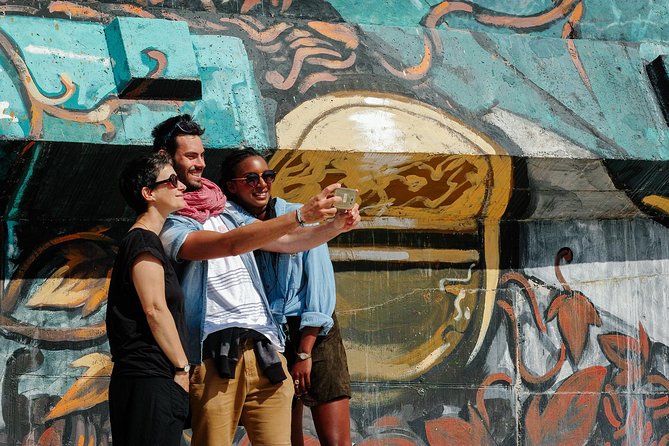
- Small groups (up to 10): more attention from your guide and easier photo stops
- Mouraria + Graça + São Vicente: street art tied to real neighborhood identity
- Photo-friendly viewpoints: Miradouro da Graça is built for pictures and breathers
- Street art technique + meaning: you’ll learn what you’re looking at and why it matters
- An azulejo finale: Jardim Botto Machado’s famous long wall is a visual payoff
- Active walking: plan for hills, stairs, and steady pacing
Starting at Largo da Graça: meeting point and what you’ll do first

Largo da Graça is a smart place to start because it keeps you close to the heart of the uphill neighborhoods. The meeting point is at Largo da Graça 13 (1170-364 Lisboa), and the tour ends in the same general area, though the exact finish can shift to Graça/Alfama based on the day and the group.
You’ll get a mobile ticket, and the tour is offered in English. It’s also near public transportation, which helps if you’re pairing this with other sights in Lisbon. And since it’s a maximum of 10 travelers, it doesn’t feel like herding cats. You’ll have time to stop, ask, and look up—literally.
This is also the kind of tour that can run a bit longer than the headline time when people have questions. Small-group pacing is usually worth it, because the guide can slow down for the details you’d otherwise miss.
A few more Lisbon tours and experiences worth a look



Stop 1: Escadinhas de São Cristóvão and the fado-meets-murals story
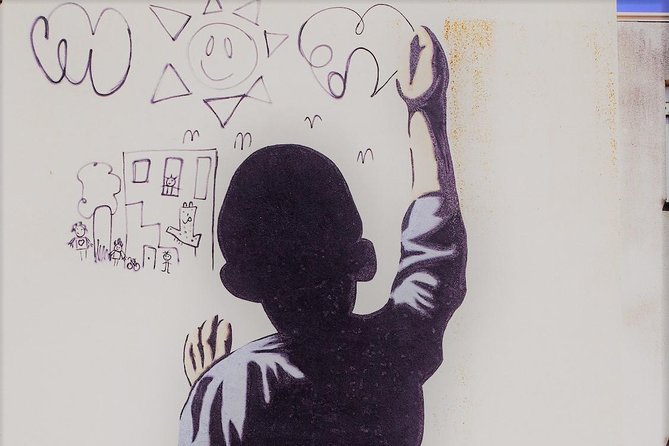
Your first major section focuses on Escadinhas de São Cristóvão, in the Mouraria area. This isn’t presented as random graffiti spotting. You’ll connect the murals and visuals to the roots of fado, which is strongly associated with this part of Lisbon.
Here’s what I like about this opening: it gives you a framework. When you start with the cultural background, the street art stops feel less like decoration and more like community expression. The tour also points out how locals and the neighborhood’s character show up through wall art and photography—so you’re learning how artists document everyday life, not just making images for attention.
Practical note: expect this first leg to set the tone, with plenty of looking up and turning corners. It’s a good place to take a wide photo of the stair street lines, then step back and shoot close-ups of the textures and layers.
Stop 2: Miradouro da Graça for the views and the art-photo reset
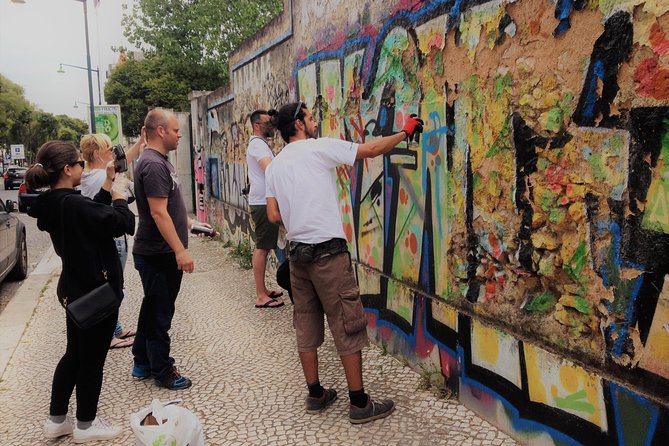
Next comes a short climb to Miradouro da Graça (Sophia de Mello Breyner Andresen). Even if you think you already know Lisbon views, this spot earns its reputation. It’s one of those places where the city suddenly looks planned, even when you’re still surrounded by chaos—rooftops, hills, and the river vibe in the distance.
The big value here is not just scenery. It’s timing. After walking and stair climbing, you get a quick pause to reset your eyes for the next round of murals. From a photo standpoint, this is where you can capture Lisbon’s geography alongside the street-art storytelling you’re collecting on the way up.
This stop is also short, so treat it like a checkpoint: take a few photos, drink some water, then get ready to keep climbing toward the bigger mural zones.
Stop 3: Graça & São Vicente murals, Walls of Fame, and street-art context
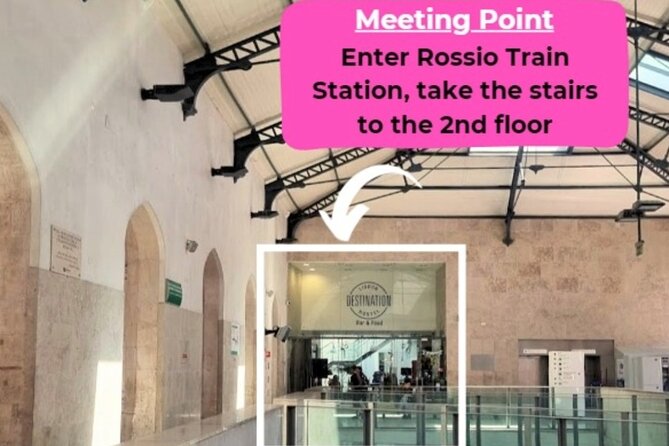
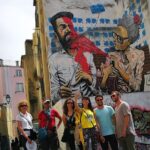
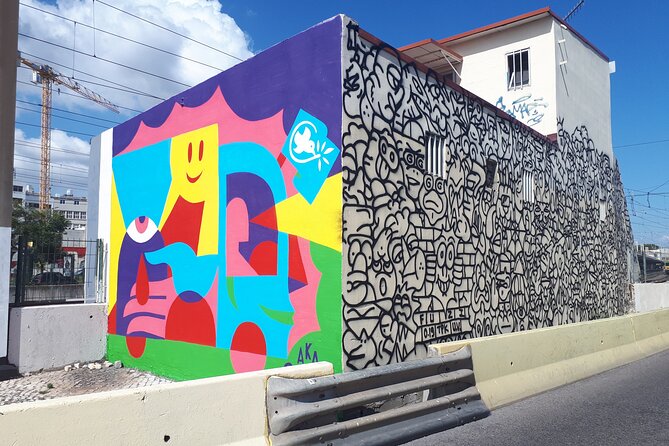
The longest stretch is in Graça and São Vicente, and this is where the murals scale up. Graça is described as an authentic neighborhood with lots of large wall art, including work by both local voices and more international street artists.
What makes this section special is the way the tour helps you separate types of work and read the intent. You’ll learn the difference between street art and graffiti, and you’ll also get a sense of how techniques and styles tie into social and political messages. That matters because it changes how you look at what’s on the walls. Instead of asking, What is that image? you start asking, What is the artist responding to?
You’ll also pass by the Walls of Fame, which adds another layer to the experience. It’s not only about painted walls; it’s about recognition and community identity in public space. The walk through Graça and São Vicente feels like moving through an outdoor gallery, but one that’s still part of daily life—people’s routes, storefront edges, and stair landings included.
Photo tip: don’t just shoot the mural head-on. Look for frames within frames—windows, balconies, stair railings, and nearby textures. This helps your photos tell the story of where the art sits in the neighborhood, not just what the art looks like.
Stop 4: Jardim Botto Machado and the long azulejo payoff
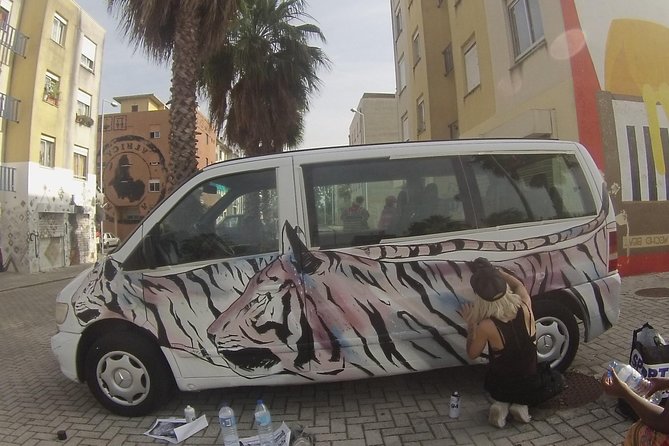
The final stop is Jardim Botto Machado. This is where you shift from painted murals to azulejos—Lisbon’s famous glazed tile tradition.
The tour highlights it as the longest azulejo-wall in the world. Even if you’re taking it with a grain of salt, the point is clear: you’re looking at an extended tile scene that represents Lisbon in a traditional, colorful way. It’s the sort of stop that gives your eyes a break from stair-and-mural intensity, but still feels tied to the same theme: public art that residents live with every day.
If you’re a fan of photography, this is a great place to slow down and capture detail. Tile art rewards close attention—colors, line work, and repeating patterns that look different as the light changes.





Guides make the difference: what you’ll learn from their stories

This tour’s biggest repeat praise is the guides. People often mention the guide’s enthusiasm and how they connect each piece to the city. In particular, you might be guided by names like Diego, Diogo, Ben, Vero, or Luisa, depending on the day.
What I’d call the sweet spot here is that some guides aren’t only watchers. One guide described in the experience information is a practicing artist connected to a Lisbon art collective, which changes the tone. You tend to get more than surface explanations. You get technique talk—how artists build effects—and you get context about what street art can say in a place where walls are public.
You’ll also hear social and political framing. That’s why this tour is more than walking to pretty pictures. It trains your eye to notice symbolism, recurring styles, and why the city treats some art differently than others.
Bonus detail: one guide brings along a pup (Billy was mentioned), and that kind of human warmth makes the walk feel less like a lecture and more like a guided conversation.
Walking plan: hills, stairs, and how to pace it without frustration

Let’s be honest: Lisbon street art in Graça territory is physical. The experience is marked for moderate physical fitness, and many people specifically recommend comfortable shoes and plan for stairs and uphill sections.
If you want a smooth experience, pace yourself like you’re climbing a set of stairs, not winning a race. Here’s how I’d plan it:
- Start steady. The first neighborhood portion includes stair streets, and adrenaline wears off.
- Use viewpoint and photo stops as recovery. Miradouro da Graça is your planned breath.
- Bring water and take snacks seriously. One common suggestion is to eat beforehand because the tour can take the full time and you’re moving.
In rain or cooler weather, an umbrella helps. In January-style conditions, you’ll be glad you packed one, especially when you’re stopping often and taking photos.
If stairs or steep walking are a hard no for you, consider skipping this tour or choosing a different art experience with flatter routes. This one is built on uphill Lisbon.
Price and value: is $24.20 worth it for 3 hours?
At $24.20 per person for about 3 hours, the pricing feels fair for what you get. Street art tours can easily turn into “nice walk, random photos,” but this one is structured around specific neighborhoods and guided interpretation.
Here’s where the value comes from:
- You’re paying for a guide who helps you read murals, not just point at them.
- The group size stays small, so you’re not stuck behind other people when you want to see details.
- You hit multiple art environments in one outing: Mouraria’s cultural framing, Graça and São Vicente’s mural walls, then the azulejo payoff.
Also, most stops don’t require paid entry. That matters because you’re spending money on the experience itself, not on ticket fees to isolated attractions. You’re getting a guided “outdoor museum” feel, with breaks for viewpoints and photos.
One more value angle: this is a way to see Lisbon beyond the famous postcard lanes. You end up in neighborhoods where street art is part of how people mark identity and change.
Ending in Graça or Alfama: how to continue your day
You finish somewhere in Graça/Alfama depending on timing and energy. That’s useful because it drops you near more Lisbon exploring territory without forcing you to backtrack to the exact starting spot.
If you’re planning your day, keep your next activity flexible. This tour works best when you can keep wandering after, since street art doesn’t stop when the walking tour ends. You’ll also have a better sense of where to go next, because the guide’s explanations make new sights easier to interpret.
Who should book this street art tour, and who should skip it
Book it if you want Lisbon from the street level up. This tour is perfect if you like:
- murals and photo stops in neighborhoods like Mouraria, Graça, and São Vicente
- understanding street art meaning, not just admiring it
- a small-group pace with lots of stopping and questions
- mixing outdoor street art with a traditional azulejo finish
Skip it (or rethink your timing) if:
- stairs and steep hills make you uncomfortable
- you want a low-effort, sit-down, minimal-walking outing
It’s also a good choice if you’re traveling solo or as a couple and want a guided way to break out of the most tour-heavy routes.
Should you book Lisbon’s Street Art Tour?
I think you should book this tour if you want your Lisbon day to feel like a real neighborhood walk with art context. The best part is the combination: street art + fado roots + viewpoints + azulejos, all guided by someone who can explain why the walls look the way they do.
Choose another option if you’re mobility-limited or allergic to stairs. But if you can handle uphill walking for a few hours, this is one of the more satisfying ways to see Lisbon’s public art in a single loop.
FAQ
How long is the Lisbon Street Art Tour?
It runs for about 3 hours.
Where does the tour start and end?
It starts at Largo da Graça 13, 1170-364 Lisboa, Portugal, and it ends somewhere in Graça/Alfama depending on the time and the energy of the group.
How many people are on the tour?
The group size is capped at 10 travelers.
Is the tour suitable if I have limited mobility?
The tour asks for moderate physical fitness, and the route includes walking uphill and stairs.
Is the tour offered in English?
Yes, it is offered in English.
Can I cancel for a full refund?
Yes. You can cancel up to 24 hours in advance for a full refund. Canceling less than 24 hours before start time does not get refunded.
If you tell me your travel month and whether you’re comfortable with steep stair streets, I can help you decide the best time of day to do it.