REVIEW · LISBON
Lisbon: Guided Tour of Historic Belém by Electric Bike
Book on GetYourGuide →Operated by LISBOA AUTÊNTICA LDA · Bookable on GetYourGuide
Belém has its own rhythm, and bikes make it fast. This 3-hour electric bike tour lines up Lisbon’s biggest riverfront landmarks with the local streets in between. If you get a guide like Xavier or Jorge, you’ll hear the kind of stories that make each stop feel personal, not just famous.
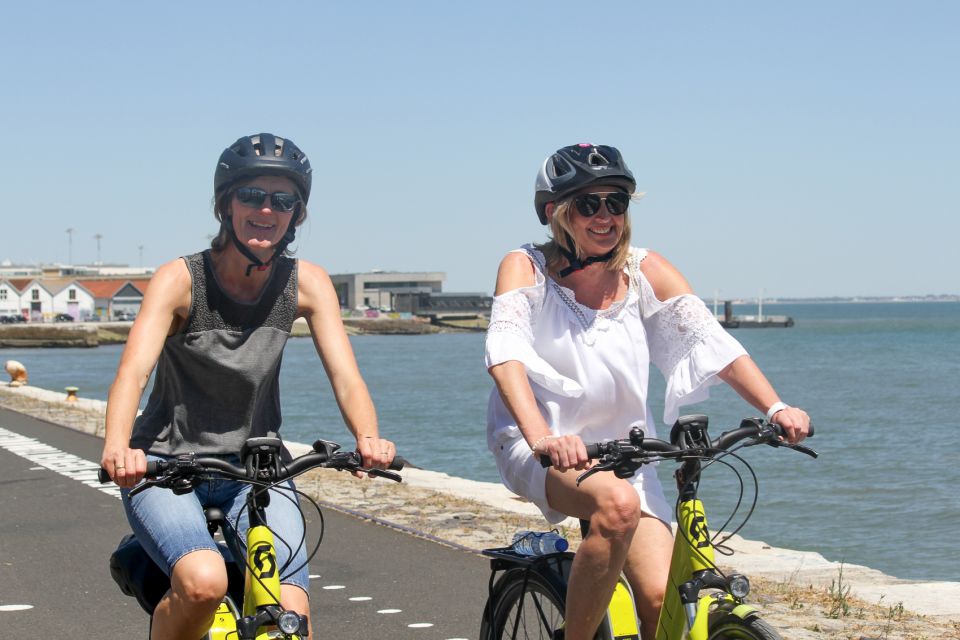
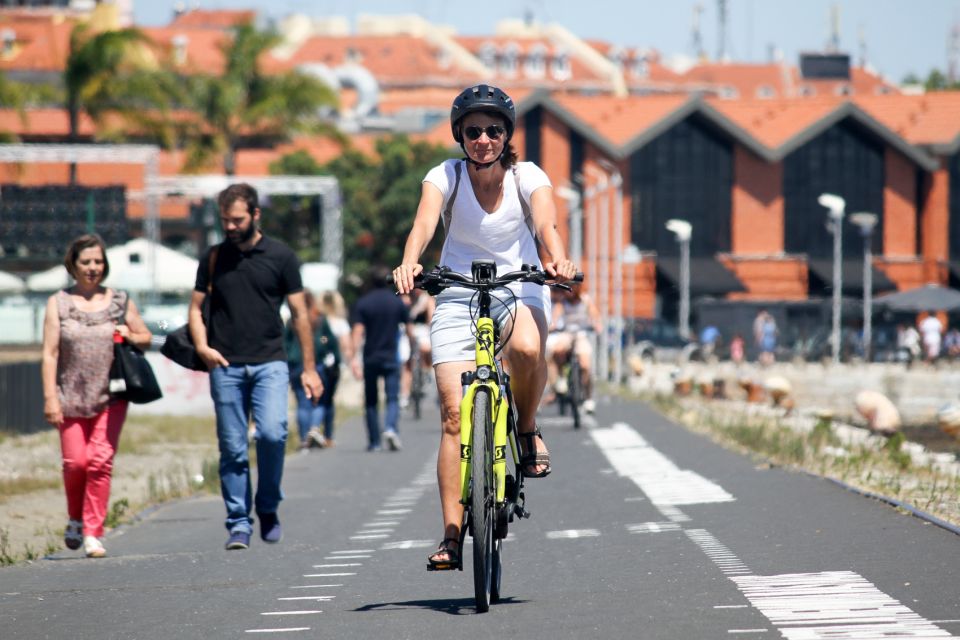
I love the effortless ride along the Tagus River. I also love the mix of major monuments (Torre de Belém, 25 de Abril Bridge, Jerónimos) with small pauses like a quiet coffee break before you circle back.
One consideration: you’re still on real city streets sometimes, including bumpy sections, and this tour isn’t a fit for people with mobility impairments or anyone under 145 cm.
In This Review
- Key Highlights You’ll Actually Feel During the Tour
- Getting Started at Largo Severa: E-bike Confidence in Minutes
- Ribeira Market to Pink Street: Food Stalls and Nightlife Texture
- Tagus River to Torre Belém and 25 de Abril Bridge: Real-World Views
- Electricity Museum and the Monument of the Discoveries: Lisbon’s Industrial Story
- Coffee Break Away From Crowds, Torre Belém Fortifications, and Jerónimos Gardens
- Who Should Book This Belém Electric Bike Tour (and Who Should Skip It)
- Should You Book It?
- FAQ
- How long is the Lisbon Guided Tour of Historic Belém by Electric Bike?
- What does the tour cost?
- What’s included in the price?
- Where do we meet for the tour?
- What sights will we see during the ride?
- Is the Belém custard tart included?
- Is this tour suitable for everyone?
Key Highlights You’ll Actually Feel During the Tour
- Electric-assist makes the Tagus stretch easy even if you’re not training for a cycling event
- Nova de Carvalho, the Pink Street adds a very different side of Lisbon beyond the monuments
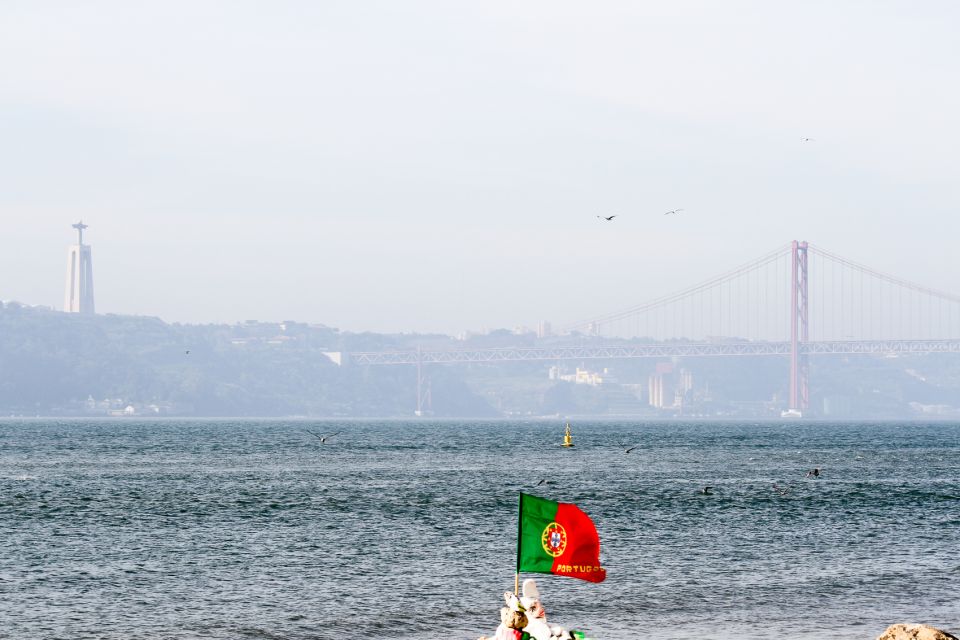
- 25 de Abril Bridge context clicks fast when you see it from the river route
- Monument of the Discoveries (1940) is more than a photo stop once someone explains what you’re looking at
- Torre Belém fortifications make Lisbon’s defenses tangible (not just names in a guidebook)
- Jerónimos Monastery area rounds it out with Manueline-style architecture and gardens
Getting Started at Largo Severa: E-bike Confidence in Minutes
The tour meets at Largo Severa 7A, 1100-588 Lisboa. It’s a pedestrian area, so do yourself a favor and plan your last steps on foot. If you’re using Uber or a taxi, choose Praça Martim Moniz as your destination and walk the short stretch from there.
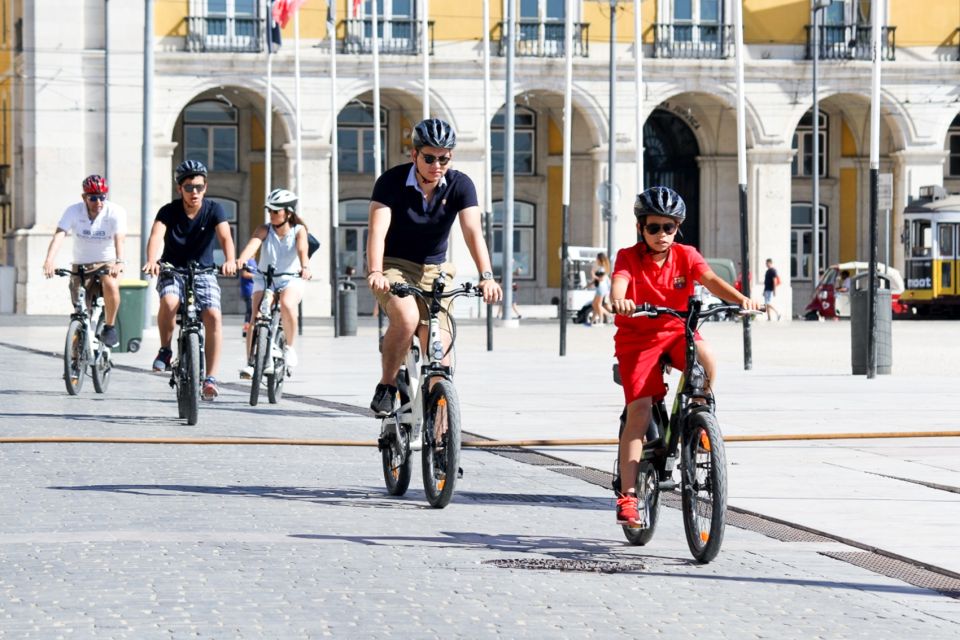
When you arrive, your guide does a quick briefing on how the e-bikes work and how to ride safely as a group. This part matters more than people expect. Electric bikes feel intuitive, but you still need to learn how the assist kicks in, how to brake smoothly, and how to hold your line. Once that’s sorted, the rest of the 3 hours turns into steady cruising with planned stops.
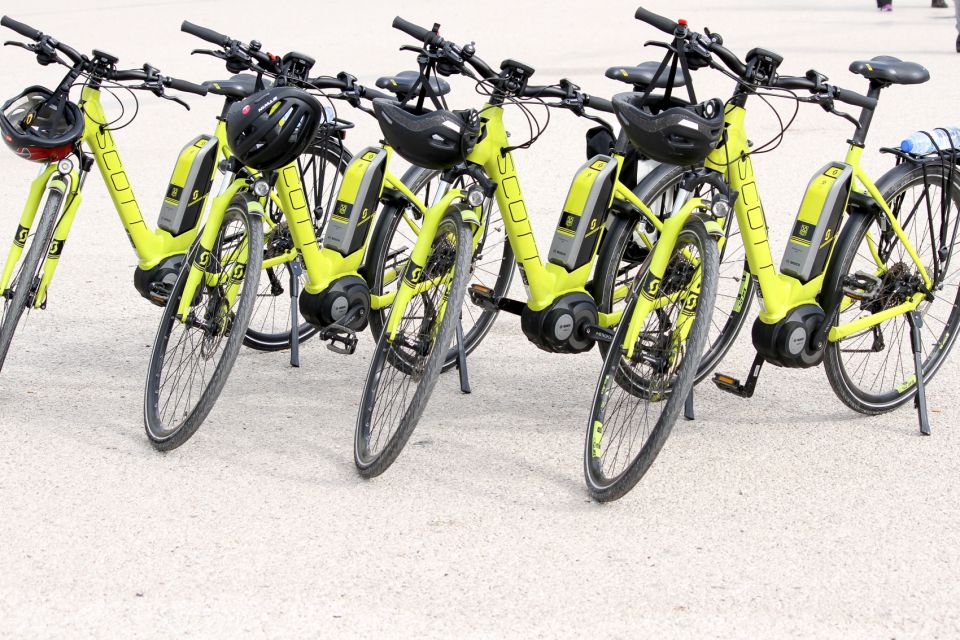
What you’re paying for here is not just “bike time.” The tour includes the guide, e-bike and helmet, one bottle of mineral water, and insurance. That’s good value for a short Lisbon day, especially if you’re trying to cover Belém without spending half your time figuring out routes and transport. You’ll want comfortable shoes—not fancy ones—and biodegradable sunscreen if you burn easily.
Also, bring a realistic mindset: you’re riding outside. Lisbon can be windy near the river, and even on a mostly flat route, you’ll feel changes in pace when the group gathers for photos and explanations.
You can also read our reviews of more cycling tours in Lisbon


Ribeira Market to Pink Street: Food Stalls and Nightlife Texture

The ride starts in the Belém/Lisbon waterfront orbit, and one of the first big “wow” moments is how quickly the surroundings change. You glide past the renovated Ribeira Market, a classic place where you’ll spot fish, fruit, vegetables, and flowers. Even if you’re not buying anything, the market makes Lisbon feel real. This isn’t a cleaned-up museum view.
You’ll also pass an area packed with restaurants—more than 30—where the local food scene is front and center. The tour doesn’t turn into a full sit-down meal, but it gives you context. You start understanding how Belém isn’t only monuments; it’s also where people eat, shop, and linger.
Then comes a left turn into attitude: Rua Nova de Carvalho, often called Pink Street. This is a former red-light district known for lively nightlife. The fun part is that it works as a contrast. In other Lisbon areas, you might only see old stone and church fronts. Here, you see street life—modern, changing, and very Portuguese in how it keeps moving.
This segment is also a good reminder of why an electric bike tour works better than pure sightseeing on foot. You get variety without exhausting yourself. If you’ve only got a day or two in the city, this “mix and match” approach helps you build a fuller picture of Belém beyond the postcard stops.
Tagus River to Torre Belém and 25 de Abril Bridge: Real-World Views
Once you’re on the river route, you’ll see why people pick this tour. The bikes make it feel like you’re skipping the hardest parts of getting around, while still staying outdoors and moving through neighborhoods.
The itinerary focuses on the Tagus River banks, leading you toward Torre Belém. You’ll also get a strong view of the 25 de Abril Bridge—built at the end of the Portuguese dictatorship and tied to the 25 de Abril Revolution that ended 41 years of rule. Hearing that context while you’re looking at the bridge from the right angle is what turns a big structure into something meaningful.
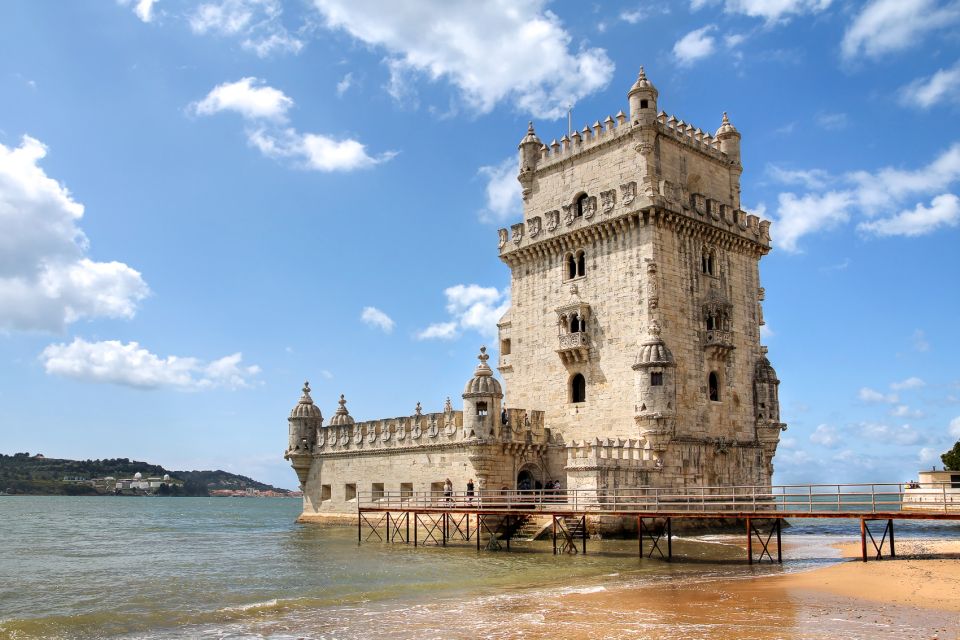
This is also where the ride gets especially photogenic. Torre Belém is the kind of place you might already recognize from books, but from the river you get better scale and spacing—plus the chance to compare defensive architecture to the modern world around it.
As you pass Cais do Sodré, you get a sense of Lisbon’s maritime pulse. It’s been a maritime hub since the 15th century and today is tied to the ferry terminal where cacilheiros boats connect Lisbon and Cacilhas. Even if you don’t take the ferry, this helps explain why the river keeps showing up in Lisbon’s identity.
Practical note: the river side usually feels easier than the narrow streets. Still, some road segments can be a bit rough, so if you’re sensitive to bumps, wear shoes with good grip.
Electricity Museum and the Monument of the Discoveries: Lisbon’s Industrial Story
Belém isn’t only about ships and castles. The route also swings into Lisbon’s industrial side, and that’s a big part of why this tour feels different from a pure “monuments only” day.
You’ll pass a former thermoelectric plant that’s now home to the Electricity Museum. Next, you’ll see one of Lisbon’s best examples of industrial architecture. This is where the guided element really pays off. If you’re just looking from the sidewalk, industrial buildings can blur into the background. With an explanation, you start noticing shapes, materials, and why the area developed when it did.
After that, you head to the Monument of the Discoveries, built in 1940 for the Exhibition of the Portuguese World. The guide shows you the depictions tied to Portugal’s Age of Discoveries. This is a classic stop, but it’s also one that improves when you know what the carvings and figures are trying to communicate.
One more plus: the tour keeps moving. You’re not stuck in one place for too long. That means less waiting, more momentum, and better use of a short time window.
As a bonus, you’re also building a timeline view. The route goes from modern Lisbon infrastructure and industry back toward the earlier eras of exploration and defense. That “through-line” is hard to assemble if you visit sites solo without a plan.
Coffee Break Away From Crowds, Torre Belém Fortifications, and Jerónimos Gardens
The tour slows down at key moments, and the rhythm here is smart. After the Monument of the Discoveries and the Torre Belém area, you’ll enjoy a quiet coffee break away from tourist traps. It’s a palate reset—coffee, a chance to regroup, and a breather before the final sweep to the most iconic church-and-stone stop.
Then you cycle past the 16th-century fortifications of Torre Belém, which were part of a defensive system protecting Lisbon from pirates. This is one of those details that’s easy to miss on your own. With the guide’s framing, you start seeing the logic of the fortifications instead of just looking at old walls.
Finally, you head to the Monastery of Saint Jerome (Jerónimos), a 16th-century masterpiece with Manueline-style architecture. If you like architecture, this is the payoff. Manueline work is loaded with ornament and flourishes, and on an e-bike route you arrive without feeling like you’ve already worn yourself out by walking uphill.
There’s also a chance to try Belém custard tartlets in the gardens. The pastry isn’t listed as included, so treat it as a nice add-on rather than a guaranteed freebie. Still, it’s one of those “yes, I want that” moments that fits Belém perfectly.
A small practical warning from real-world experience: one person flagged that saddle comfort wasn’t great. You can’t control the saddle from home, but you can wear padded bike-friendly clothes and accept that this isn’t a spa day—it’s a focused 3-hour ride.
You can also read our reviews of more guided tours in Lisbon




Who Should Book This Belém Electric Bike Tour (and Who Should Skip It)
This is a strong fit if you want:
- A 3-hour way to see Belém’s top sights without renting bikes yourself
- A route that includes both major monuments and street texture like Pink Street
- An easy pace from an e-bike, especially along the Tagus River
It’s also ideal as an early or mid-trip activity when you want to get oriented. You end up with a clear mental map: riverfront landmarks, bridge symbolism, exploration-era monuments, and the Jerónimos finish.
I’d skip it if:
- You need wheelchair access or have mobility limitations (the tour says it’s not suitable for mobility impairments)
- You’re shorter than 145 cm
- You hate any chance of riding on busy, uneven streets. Even with electric assist, you’ll still be cycling in parts of the city.
Cost-wise, $47 per person makes sense because the price covers the guide plus the bike and helmet, along with water and insurance. You’re mainly paying to save time and reduce hassle. The main extras are refreshments and the custard tarts, plus getting to the meeting point.
One last tip: if you’re traveling with teenagers or a mixed-skill group, this tour often works well because the e-bike helps people keep up while the guide handles the navigation and stops.
Should You Book It?
Yes, if your goal is a fast, guided “Belém best-of” that still feels grounded in real Lisbon streets. The route hits the monuments people travel for, but it also gives you the in-between flavor—market energy, Pink Street color, ferry-area context, and industrial architecture you might skip otherwise. If you’re comfortable riding a bike with some street bumps, this is a high-value way to spend your time in Lisbon.
If your group is sensitive to rough pavement or you want a super slow walk-only pace, look for something else. This one is best for people who enjoy moving and learning as they go.
FAQ
How long is the Lisbon Guided Tour of Historic Belém by Electric Bike?
The tour lasts 3 hours.
What does the tour cost?
The price is $47 per person.
What’s included in the price?
Your ticket includes a guide, an e-bike and helmet, one bottle of mineral water, and liability/personal accident insurance.
Where do we meet for the tour?
Meet at Largo Severa 7A, 1100-588 Lisboa. If you’re arriving by Uber or taxi, set Praça Martim Moniz and walk to Largo da Severa, which is a short walk away.
What sights will we see during the ride?
Expect stops and viewpoints around Ribeira Market, Rua Nova de Carvalho (Pink Street), Cais do Sodré, the Tagus Riverfront, Torre Belém, the 25 de Abril Bridge, the Electricity Museum area, the Monument of the Discoveries, the Torre Belém fortifications, and the Monastery of Saint Jerome.
Is the Belém custard tart included?
The tour says custard tartlets are not included, but the experience notes you’ll have a chance to taste one during the gardens stop.
Is this tour suitable for everyone?
It’s not suitable for people with mobility impairments and it’s not suitable for anyone under 145 cm in height. It also includes riding on a bike, so comfortable shoes and basic comfort riding are important.