REVIEW · LISBON
The Portuguese Food Tour – Dishes, Drinks & Sights
Book on Viator →Operated by The Portuguese Food Tour - local foods & drinks in Lisbon · Bookable on Viator
Your Lisbon dinner has a map.
This Portuguese Food Tour mixes serious eating with guided Lisbon storytelling, sliding you through Chiado, Bica, Pink Street, and the waterfront before rewarding you with an award-winning Pastel de Nata and coffee. I like how the pace is built around neighborhoods and food moments, not museum-style stops, and how the group size stays small for actual back-and-forth with the guide. One detail to weigh up first: it’s a walking tour with hills and stone streets, so comfy shoes matter.
I really like the menu breadth. You get unlimited food in the form of 12 different tastings, plus pairings like red, white, and green wine, beer, soft drinks, water, a local liquor, and coffee or decaf to finish. Guides named in the standout feedback, like Carolina, Ines, Afonso, and Beatriz, bring the food to life with local stories (cod in Portuguese dishes, convent roots of custard tarts, and even topics like women’s rights). The downside is that not every stop always matches the exact plan you might expect, so if you’re chasing one specific street or market, keep your schedule flexible.
In This Review
- Quick hits on this Lisbon food tour
- Why this Lisbon food tour feels like value (not just a meal)
- Meeting at Praça Luís de Camões: start point, finish area, and pacing reality
- Stop 1 in Chiado: old-tavern bites and a guide who connects the dots
- Bica Funicular and neighborhood storytelling without the stress
- Pink Street for pairing games: wine, beer, coffee, and local liquor
- Municipal Square terrace meal near the river: the long, satisfying stop
- Terreiro do Paço and Rua Augusta: earthquake context plus eggy convent sweets
- Castelo de Sao Jorge area wrap-up: hilltop tips and a Pastel de Nata finale
- Who should book this tour (and who should skip it)
- Booking and planning tips that actually help
- Should you book the Portuguese Food Tour in Lisbon?
- FAQ
- How long is the Portuguese Food Tour – Dishes, Drinks & Sights?
- How much does the tour cost?
- What food and drinks are included?
- Is the tour suitable for vegans?
- What language is the tour offered in?
- How big is the group?
- Where do I meet, and where does the tour end?
- Does the tour run in bad weather?
- Can I cancel for a full refund?
Quick hits on this Lisbon food tour
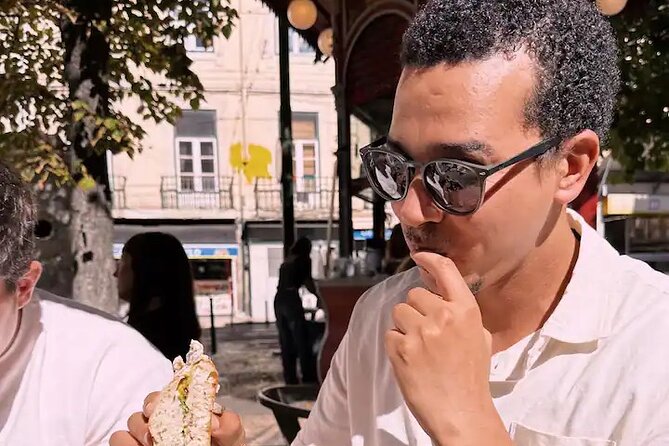
- 12 food tastings plus drinks: sweet and savory, built for trying lots of flavors in a short time
- Small group cap (max 15): better questions, more interaction, less standing around
- Pastel de Nata finale: finished with the classic custard tart paired with Portuguese coffee
- Story-rich Lisbon route: Chiado to Pink Street, then toward Terreiro do Paço and hilltop views
- Vegetarian friendly (with fewer tastings): vegan travelers should plan on skipping this one
Why this Lisbon food tour feels like value (not just a meal)
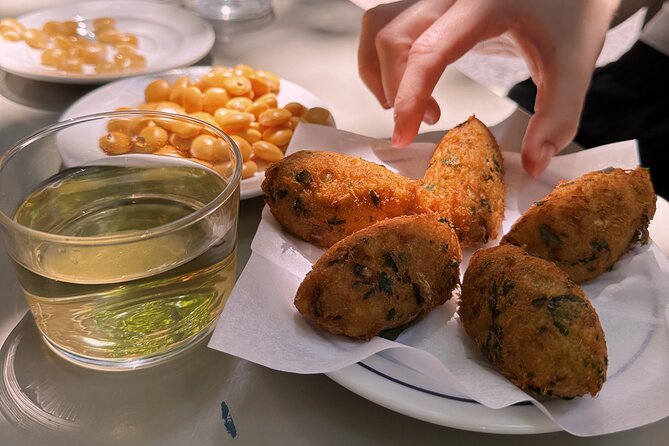
At $66.32 per person for about 3 hours 30 minutes, the price only makes sense if you treat it like a full evening out. Here, you’re not paying for one restaurant plate. You’re paying for a guided route that feeds you 12 times, plus includes wine, beer, water, soft drinks, and a local liquor, then ends with coffee and a top sweet.
In real Lisbon terms, that’s where the value comes from: you’re getting multiple stops and multiple pairings without having to decide what to book or where to go next. And because the tour caps attendance at 15 people, the guide can slow down for questions instead of speed-walking everyone through a checklist.
The other quiet “value” factor is the ending. Pastel de Nata is an obvious souvenir, but finishing with it paired with creamy Portuguese coffee is a smart way to close the loop on the sweets you’ll hear about earlier.
You can also read our reviews of more food & drink experiences in Lisbon



Meeting at Praça Luís de Camões: start point, finish area, and pacing reality
You start at Praça Luís de Camões (Largo Luís de Camões) and end near São Jorge Castle or Rossio Square, depending on weather and group circumstances. That matters because your return plan changes. If you’re using public transport, both end zones are workable, but you’ll want to check your route before you begin.
The pacing is part practical and part cultural. You’ll spend time moving through old neighborhoods and up and down Lisbon’s streets, and you should expect hills and stone walkways. One review noted walking up lots of steps; another said the tour felt long time-wise. So if you’re sensitive to that kind of walking, consider going with an earlier start time and building in extra stamina on the day.
Also note the tour is offered in English and uses a mobile ticket, which keeps things simple once you’re at the meeting point.
Stop 1 in Chiado: old-tavern bites and a guide who connects the dots
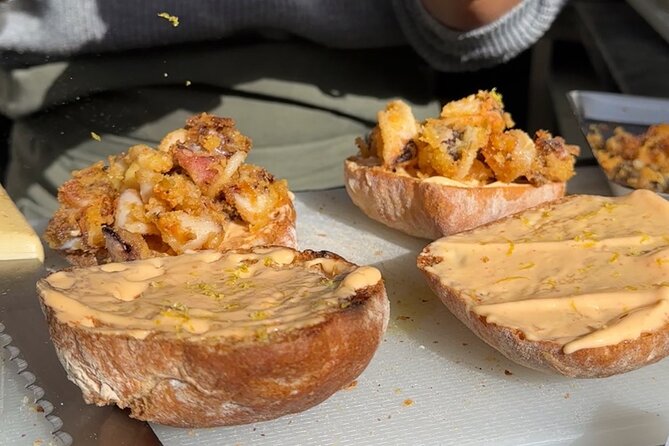
Your first stop is Chiado, where you meet your guide and start eating at an older tavern setting. This is a good opening because it gets your taste buds online fast and helps you settle into the group right away. The tour description calls out quick, tasty food in a local-feeling place, which is exactly what you want at the beginning of a walking food tour.
Expect the guide to set the theme: not just what you’re eating, but why it matters in Lisbon’s everyday food culture. One of the best parts of the guide-led format is that the food is tied to stories you can use later when you explore on your own.
If you like hands-on learning, this stop is where you’ll get it. You’re tasting, asking, and getting context before you start climbing through the city’s lanes.
Bica Funicular and neighborhood storytelling without the stress
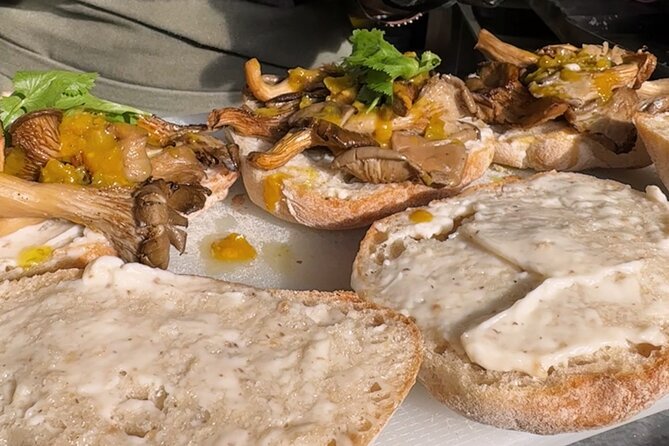
Next you move to Bica Funicular for about 30 minutes of wandering and stories. This is where the tour earns its “sights” label. Instead of being a photo-only walk, it’s framed around Lisbon’s layers—Bica, Pink Street, Baixa, Alfama, and more—so the neighborhoods start to feel connected, not random.
For you, the practical win is that Bica helps with orientation. Lisbon can feel like a puzzle of slopes and viewpoints, and Funicular areas give you a mental map of where the “hilltop life” comes from. You’ll also get the sense of what each district is known for, which makes your independent walking easier later.
Potential drawback: if you’re already tired from the day’s sightseeing, this section still asks you to keep moving. It’s short, but it’s not a sit-and-relax stop.
Pink Street for pairing games: wine, beer, coffee, and local liquor
A short 15 minutes at Pink Street focuses on pairings. The tour format here is very clear: food is paired with drinks—green, red, and white wine, beer, coffee, soft drinks, and more. You even get a local liquor moment, with the guide encouraging you to guess the name. It’s quick, but it pushes you to pay attention to flavor pairings, not just grab bites.
This stop is also where the tour can feel fun in a slightly playful way. When guides bring humor and personal stories (like the best feedback about Carolina, Ines, and Afonso), this kind of pairing becomes memorable instead of routine.
One thing to be aware of: one piece of feedback complained about only getting a single glass of wine. The tour description says regional drinks are included, but drink amounts can still vary by stop and group flow. If wine is your main priority, don’t assume you’ll be drinking continuously at every moment—treat each pour as part of the pairing.
A few more Lisbon tours and experiences worth a look



Municipal Square terrace meal near the river: the long, satisfying stop
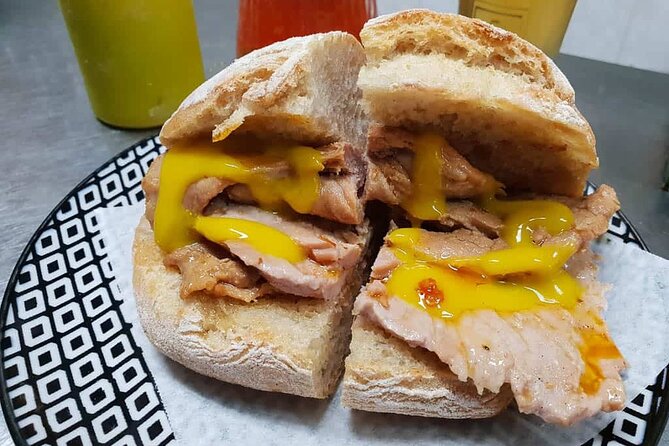
Then comes the big food block at Municipal Square for about 1 hour. Here you get a variety of traditional dishes at a classic restaurant, with the description emphasizing a multi-course meal outdoors on a terrace near the river.
This is the stop that makes the tour feel like dinner, not snacks. It’s longer, and it’s designed so you can slow down, sit, and actually taste the difference between dishes instead of rushing through bites.
If you get hungry easily, this is where you’ll feel the relief. And it’s also a good time to ask more detailed questions—how locals order, what dishes are for, what people eat at home vs. what’s more tourist-facing.
The only real consideration: because it’s a terrace meal, you’ll want to dress for comfort and be ready for whatever the weather decides. If rain is on the table, the tour operator says the experience requires good weather, which means plans could shift.
Terreiro do Paço and Rua Augusta: earthquake context plus eggy convent sweets
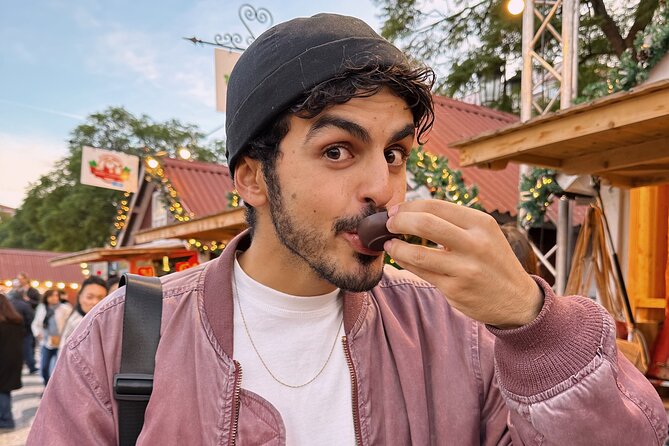
Next you head toward Praca do Comercio and explore Terreiro do Paço and Rua Augusta. You’ll learn about Portugal’s earthquake legacy along the way, then get lesser-known Portuguese delicacies described as rich, eggy conventual sweets—centuries of tradition in every bite.
This is the “why Lisbon tastes the way it does” stop. Many of Portugal’s famous sweets trace back to convent-style cooking and rules around ingredients and preservation. When a guide connects that to what you’re eating, it turns dessert into a story you can remember.
It’s also a smart pairing with the earlier stops. You’ve been moving from savory to sweet, and this section sets you up for the final custard-tart payoff later at the castle area.
Practical note: Rua Augusta is a central walking stretch. It’s not huge, but it can be more exposed to crowds than the narrower streets earlier in the route.
Castelo de Sao Jorge area wrap-up: hilltop tips and a Pastel de Nata finale
The ending swings to Castelo de Sao Jorge area, and the tour finishes either near the castle or at Rossio Square depending on pace and conditions. Before that final moment, you’ll learn the local secret to reaching Lisbon’s hilltops without the full-on climb—because Lisbon is Lisbon, and hills are part of the deal.
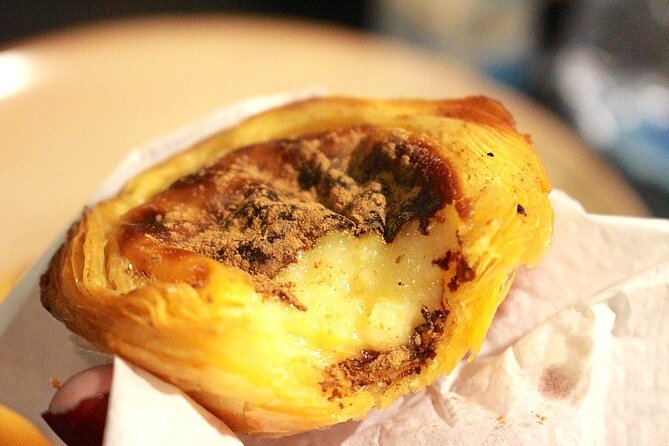
Then you close with the ultimate treat: an award-winning Pastel de Nata paired with creamy Portuguese coffee. This is a strong finale because it rewards you after you’ve already learned to look at Lisbon’s food as a culture, not a checklist.
If you care about timing, pay attention to how you feel toward the end. Some reviews flagged that the last stop can be tricky for people who run short on time or energy. I’d plan your day so you’re not racing off for another activity immediately after the tour.
Who should book this tour (and who should skip it)
This tour is a great fit if you want a guided night that feels social, eat-focused, and story-led. The small group cap (max 15) helps make it feel like you’re out with someone who actually cares about Lisbon food, and the best guide feedback reads like a mix of humor plus useful details.
You’ll also like it if you enjoy pairing food and drinks. The route is structured around tasting moments, then pairing moments, so you’re not stuck figuring out drinks on the fly.
Skip it if you’re vegan. The tour states it is not suitable for vegans, though it can adapt to vegetarians with fewer tastings. Also skip it (or be cautious) if you have mobility limits with walking up and down hills and steps. One downside repeated in feedback was the amount of walking.
Booking and planning tips that actually help
Because the tour is booked about 34 days in advance on average, I recommend locking in a time that matches your energy level. Choose earlier if you don’t love hills. Choose later only if you’re confident you’ll still enjoy the walk after a full day of sightseeing.
One more planning trick: Lisbon streets are famous for GPS errors. A late arrival story showed how an incorrect GPS pin can send you to the wrong place. Use the meeting point address and give yourself a small buffer.
Finally, this experience needs good weather. If forecasts look rough, don’t schedule something tight right after the tour. You want time to absorb a reschedule offer or refund.
Should you book the Portuguese Food Tour in Lisbon?
If you want an eating-first way to learn Lisbon, I think this is a smart booking. You’re getting a small-group guide, 12 distinct tastings, drink pairings, and a proper ending with Pastel de Nata and coffee—all wrapped in a route that ties neighborhoods to food culture.
Book it if you’re ready for walking and want stories with your dinner. Skip it if you’re vegan or if hills and steps would make the experience stressful.
If you do book, go in with the mindset of savoring and asking questions. The guide names that keep popping up in the best feedback—Carolina, Ines, Afonso, Beatriz—hint at the same thing: you’re not just eating, you’re learning how locals talk about food.
FAQ
How long is the Portuguese Food Tour – Dishes, Drinks & Sights?
It lasts about 3 hours 30 minutes.
How much does the tour cost?
The price is $66.32 per person.
What food and drinks are included?
You get unlimited food with 12 different food tastings (sweet and savory) plus regional drinks to pair: red, white, and green wine, beer, water, soft drinks, and a local liquor. Coffee (decaf or tea) is included to close the tour, served alongside the best sweet.
Is the tour suitable for vegans?
No. The tour is not suitable for vegans, but it can adapt to vegetarians with less tastings.
What language is the tour offered in?
The tour is offered in English.
How big is the group?
The tour has a maximum of 15 travelers.
Where do I meet, and where does the tour end?
You meet at Praça Luís de Camões, Largo Luís de Camões, 1200-243 Lisboa, Portugal. The tour ends near São Jorge Castle or Rossio Square depending on weather and the group’s circumstances.
Does the tour run in bad weather?
It requires good weather. If canceled due to poor weather, you’ll be offered a different date or a full refund.
Can I cancel for a full refund?
Yes. You can cancel up to 24 hours in advance for a full refund. If you cancel less than 24 hours before the experience, the amount you paid will not be refunded.