REVIEW · LISBON
Private Traditional Portuguese Cooking Class in Lisbon with Paula
Book on Viator →Operated by Traveling Spoon · Bookable on Viator
Lisbon tastes better across the river. This private in-home cooking class with Paula takes you to Almada for a real local meal, starting with a short ferry ride and ending with dessert and coffee in her home. You’ll cook traditional Portuguese favorites plus Portuguese-Goan flavors, with Paula guiding you at her kitchen table rather than at a commercial cooking school.
I love the hands-on format, where you’re actually making the dishes (not just watching someone cook). I also love the way Paula builds the meal around choice and variety, including cod fritters and Goan-inspired starters, then a main dish you can pick from.
One thing to consider: this is an active home kitchen. It can be a bit cluttered, and Paula has a cat, so expect a more casual, lived-in setting than a sterile studio.
In This Review
- Key highlights you should know
- Almada instead of a cooking studio: why this class feels different
- Getting there the right way: ferry timing and a short local walk
- The welcome ritual: wine, appetizers, and getting your hands ready
- Appetizers side-by-side: bacalhau fritters and Goan bojas
- Main course choice: bacalhau a braz or a Goan curry
- Eating it together: the table moment beats the recipe notes
- Small-kitchen reality check: what to expect in Paula’s home
- Vegetarian options without losing the menu flow
- Value: why $84 can be worth it (and when it isn’t)
- Best for: who should book Paula’s class
- Booking timing and how to plan your day around it
- Should you book Paula’s Traditional Portuguese Cooking Class?
- FAQ
- How long is the cooking class?
- Where does the class start?
- Do we take a ferry?
- Is this a private experience?
- What languages are available?
- What dishes will you cook?
- Are vegetarian options available?
- Where do you eat after cooking?
- Does the experience include dessert and drinks?
- What is the cancellation policy?
Key highlights you should know
- Ferry + walk combo: you start in Cacilhas and head into Almada on foot for a local feel fast
- True in-home experience: you cook in Paula’s apartment kitchen, then eat together at her table
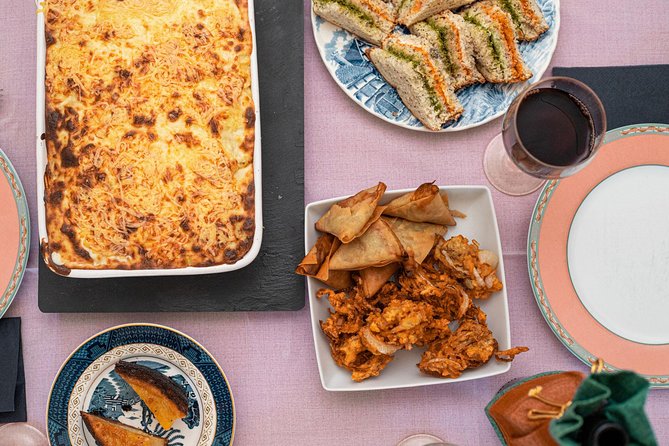
- Portuguese and Goan menu mix: starters like bacalhau fritters and bojas, plus a main dish choice
- Vegetarian options are easy: you can request vegetarian catering without losing the flow of the meal
- Small-group privacy: only your group joins, and a cooking studio table can be used on request for bigger groups
Almada instead of a cooking studio: why this class feels different
If you’ve done a cooking class in a classroom, you know the vibe: fluorescent lights, rules, and a chef doing most of the work. This one flips that. You meet Paula at the ferry stop in Cacilhas, then you walk with her into Almada before you ever turn on a stove.
That shift matters. Almada is right across the water from downtown Lisbon, and the short jump by ferry helps you feel the change in rhythm. You’re not just learning recipes; you’re seeing how someone cooks at home, how she keeps things organized, and how a Portuguese meal actually lands on a dining table.
Paula teaches in English and Portuguese, so you can relax if you want explanations in a mix of both languages. It also helps if you’re curious about ingredients and techniques, because her focus is on cooking process—not memorizing steps.
You can also read our reviews of more private tours in Lisbon



Getting there the right way: ferry timing and a short local walk
The start point is Dá Cacilhas LG Alfredo Dinis, 2800-252 Almada, Portugal. In practice, Paula meets you at the ferry stop in Cacilhas, and the class begins once you’re together on that side.
From central Lisbon, you’re looking at about a 7-minute ferry ride, then a roughly 10-minute walk through the center of town with Paula to her apartment. That walk is more than “getting from A to B.” It’s time to see the neighborhood scale—small streets, everyday storefronts, and the kind of street life you rarely catch if you stay only around the major sights.
Practical tip: wear shoes you can walk in comfortably. Almada’s streets are fine, but the day moves quickly—ferry, walk, welcome drink, then cooking.
The welcome ritual: wine, appetizers, and getting your hands ready
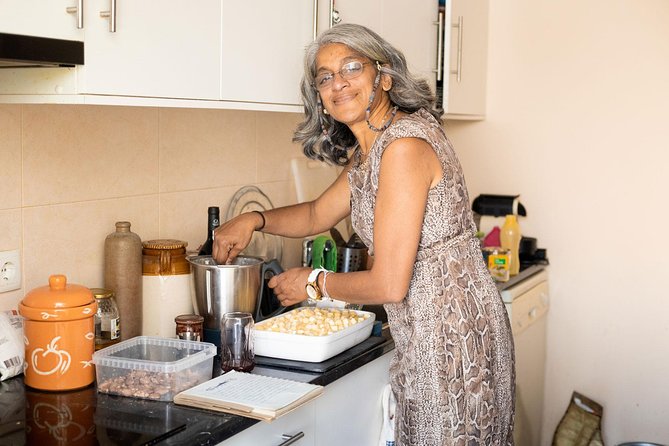
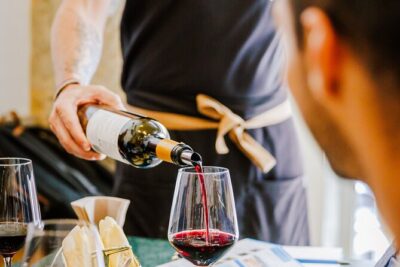
Once you reach Paula’s place, the meal opens with a welcome drink of Portuguese wine plus appetizers. It sets the tone: this is a meal with a story, not a timed production line.
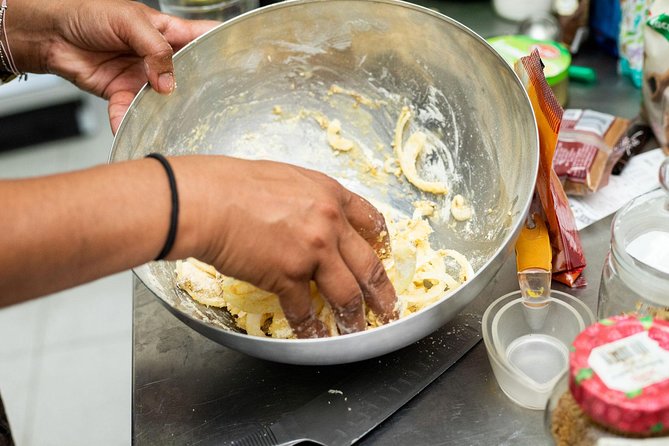
After you settle, you start cooking in Paula’s home kitchen. The class is designed around 2–3 Portuguese and Portuguese-Goan dishes, so you’re not overwhelmed with a full menu of 8 different items. Instead, you build the meal in clear stages: two starters side-by-side, then a main dish, then dessert and drinks.
Paula also tends to tailor what you cook to your preferences. If you care about specific dishes, message her directly on WhatsApp after booking. The experience is private for your group, so it’s worth giving her the heads-up early.
Appetizers side-by-side: bacalhau fritters and Goan bojas
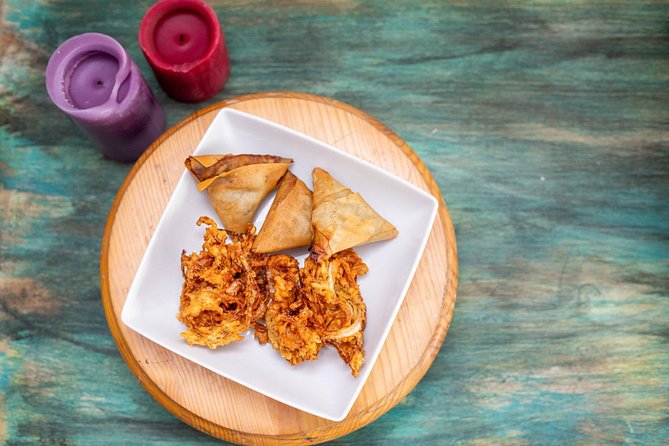
The most fun part for many people is the starter section, because it’s where the technique and flavor range show up immediately.
You’ll cook two starters such as:
- Pataniscas de bacalhau (traditional Portuguese cod fritters)
- Goan bojas (gram-flour fritters, typically with onion and cumin seeds)
Cooking these together matters. It’s not just two recipes—it’s contrast. Portuguese cod fritters bring a familiar comfort-food vibe: salt cod flavor, herbs, and crisp edges. Goan bojas bring a different spice rhythm—cumin and onion work in a way that feels both Portuguese-adjacent and unmistakably Goan.
Also, if you’re paying attention, you’ll learn how texture is controlled. Fritters rely on batter thickness and heat. Paula’s coaching style (as reflected in how people describe her teaching) focuses on the small moves that make the difference between good fritters and “why are these falling apart.”
One more note: Paula’s home is shared with family and includes a cat, so the kitchen is real-life size. That can actually make the lesson feel personal, but it also means you should expect a tight workspace rather than a big, open cooking station.
Main course choice: bacalhau a braz or a Goan curry
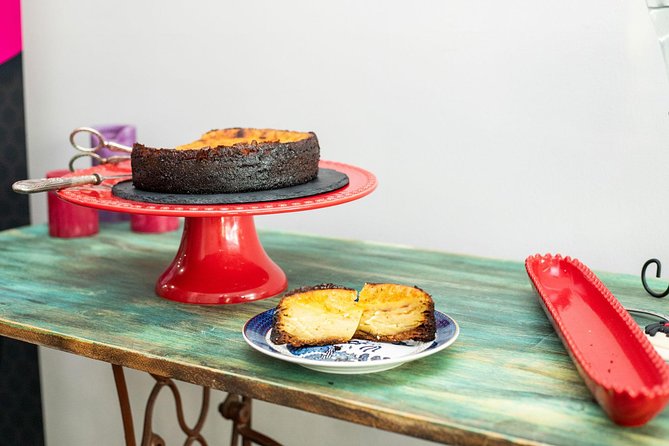
After the starters, you move to the main dish. Here’s the key part: you can usually select between a Portuguese main and a Goan main.
Popular options include:
- Bacalhau a braz: cod with shredded potatoes and egg (a Portuguese classic)
- Goan curry: a spiced curry style that shifts the flavors away from the cod-and-potato lane
This choice keeps the experience balanced. If you love Portuguese traditions, bacalhau a braz makes sense. If you want that Portuguese-Goan blend to feel more central, the curry gives you a deeper plunge into spice and sauce.
Practical tip: tell Paula what you’re most excited to taste. She’s offering both Portuguese and Goan dishes, and the menu structure is flexible enough that your dinner should match your palate.
You can also read our reviews of more cooking classes in Lisbon



Eating it together: the table moment beats the recipe notes
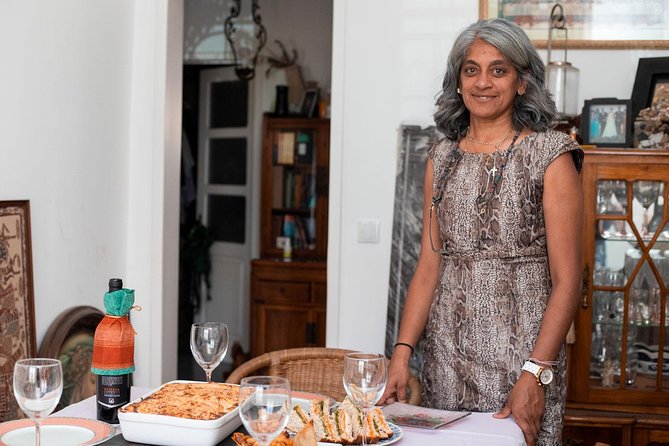
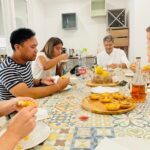
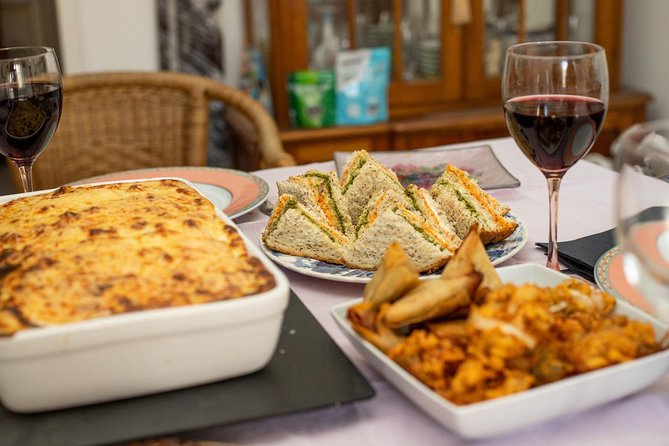
When you finish cooking, you eat together—either at Paula’s dining table or, for some group sizes, at a cooking studio table across the street. That studio setup is an important detail for larger groups, because it helps keep the experience comfortable when the home kitchen would be too tight.
This is where the class becomes something you’ll remember. You don’t just “have food.” You sit down with the people you cooked with, you taste the meal you made, and you hear Paula’s stories about family and culture.
A lot of people also leave with real take-home value: recipes and practical guidance. Some descriptions mention Paula providing recipes after the experience and pointing out where to find tins or baking gear for Pastel de Nata. Even if you’re not making dessert from scratch on your night, it’s useful to know how she thinks about classic Portuguese sweets.
Small-kitchen reality check: what to expect in Paula’s home
The best part of this class is also the reason you might want to set expectations.
On the plus side: cooking in a home kitchen makes the whole evening feel warm and personal. Paula’s teaching style gets described as hands-on, with plenty of coaching and guidance through timing and texture.
On the caution side: one drawback that comes up is that home settings can feel tight, and not everything will resemble a professional kitchen. If you’re sensitive to cleanliness standards or you prefer lots of counter space, this is worth considering in advance. Kitchens are small and lived-in; it’s not a sterile studio environment.
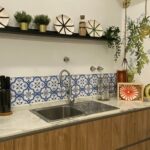
There’s also the “cat and clutter” angle. Paula has a cat, and her home is shared with family, so it may look busy. If you’re comfortable with that, you’ll likely love the authenticity. If you’re not, you might find it distracts from the cooking.
Vegetarian options without losing the menu flow
This is one of the most useful features for real travelers, because Portuguese meals can be meat-heavy if you don’t plan ahead.
The class is set up so vegetarian options are easily catered for. That usually means you won’t get a token salad while everyone else cooks a proper dish. Instead, you should be able to keep the structure: two starters and a main, with vegetarian swaps that fit the same cooking process.
When you book, ask Paula what vegetarian version you’ll be making. Because she uses WhatsApp for questions about the menu, it’s realistic to clarify ingredients and what she can accommodate.
Value: why $84 can be worth it (and when it isn’t)
At $84 per person for about 3 hours 30 minutes, this is not the cheapest cooking class option in Lisbon. But it’s also not trying to be.
You’re paying for:
- Private group format (only your group participates)
- In-home access to a local apartment and kitchen
- A structured meal with wine, cooking, and dessert/coffee or tea
- A menu with Portuguese and Portuguese-Goan dishes, which you won’t see in every “Lisbon classics only” class
Where the value can wobble is when expectations don’t match the format. This is described as not a professional cooking school. If you want a big, highly interactive, chef-led station-by-station class with lots of space, a home kitchen can feel more limited. Also, while most accounts are strongly positive about authenticity and food flavor, it’s still possible that your specific night’s results vary based on the dishes chosen and how the kitchen timing works.
My advice: if you’re a food-focused traveler who enjoys cooking at the table and learning by doing, the price usually makes sense. If you’re mainly buying a lesson and want a restaurant-style production, you may feel like you should have paid less.
Best for: who should book Paula’s class
This works especially well if you:
- want a real local meal in Almada, not just downtown Lisbon sightseeing
- love Portuguese food and want the extra layer of Goan-inspired flavors
- prefer hands-on cooking with personal coaching
- travel as a pair or small group and want a private evening
It’s also great if you’re traveling with someone who is curious about culture, because the format naturally includes conversation—Paula’s stories, what she cooks for her family, and how ingredients fit into daily life.
If you’re traveling with kids, it can still work, but you’ll want to match your expectations to a home kitchen environment. The experience includes wine, but the cooking and the meal structure can still be family-friendly depending on your preferences.
Booking timing and how to plan your day around it
This experience averages about 40 days booked in advance, so if you want a specific date, don’t wait until the last minute. The best time to book is when you’ve settled your ferry routines and you know your energy level for a 3.5-hour evening.
Plan your Lisbon day with a “don’t overstuff the schedule” mindset. After a cooking class, you’ll likely want a relaxed walk or an easy ride back. People note Paula may help with transport planning after the meal, but you should still keep the plan simple.
Also, pack in a practical way: you’ll be moving from ferry to walk to apartment. Bring a light layer. Kitchens can be warm, and ferry wind can cool you off quickly.
Should you book Paula’s Traditional Portuguese Cooking Class?
I’d book it if you want an evening where you learn real recipes, cook them yourself, and eat like a guest in a local home in Almada. The combination of ferry-to-apartment, Portuguese cod and Goan fritters, and a main dish choice makes the night feel like more than a standard food tour.
Skip it or think hard first if you strongly prefer a professional, spacious, highly sanitized classroom setup, or if clutter and a cat in a home environment would bother you.
If you’re on the fence, message Paula on WhatsApp before you arrive: confirm your dish preferences, ask about vegetarian options, and ask whether your meal plan includes the sweet finish you’re hoping for, like Pastel de Nata-style baking tips.
FAQ
How long is the cooking class?
The experience lasts about 3 hours 30 minutes.
Where does the class start?
The meeting point is Dá Cacilhas LG Alfredo Dinis, 2800-252 Almada, Portugal. Paula meets you at the ferry stop in Cacilhas.
Do we take a ferry?
Yes. The class begins in Almada after a short ferry ride (about 7 minutes) from downtown Lisbon, then there is a walk of about 10 minutes with Paula.
Is this a private experience?
Yes. It’s a private tour/activity, and only your group participates.
What languages are available?
The class is offered in English and Portuguese.
What dishes will you cook?
You’ll cook 2–3 dishes that can include pataniscas de bacalhau (cod fritters), Goan bojas (gram-flour fritters with onion and cumin), and a main dish choice like bacalhau a braz or a Goan curry.
Are vegetarian options available?
Yes. Vegetarian options are easily catered for.
Where do you eat after cooking?
You’ll eat together at Paula’s dining table or, for larger groups, in a cooking studio table across the street.
Does the experience include dessert and drinks?
Yes. You start with a welcome drink of Portuguese wine and appetizers, and you end with a sweet dessert plus coffee or tea.
What is the cancellation policy?
You can cancel for a full refund up to 24 hours before the experience starts. If you cancel within 24 hours, the amount paid is not refunded.
If you want, tell me your travel dates and whether you’re more into Portuguese classics or Goan spice—I can help you plan what to message Paula about before you go.