REVIEW · LISBON
Portuguese Pastry Workshop in Lisbon
Book on Viator →Operated by Casa dos Ovos Moles em Lisboa · Bookable on Viator
A flour-dusted afternoon beats another guided walk. This small-group workshop in central Lisbon teaches you to make two classic pastries by hand, plus you get a tasting with Porto wine or ginja and coffee or tea. I really like the hands-on focus, and I also like how the lesson wraps technique with Portuguese pastry history instead of treating it like a demo.
There’s one thing to plan for: you only get about 2 hours, so it’s perfect if you want a skill you can repeat later, but it’s not the kind of class where you’ll make a big range of pastries.
In This Review
- Key points to know before you go
- What You’ll Make in Lisbon’s Pastry Workshop (Pastel de Nata + Travesseiro de Sintra)
- Casa dos Ovos Moles em Lisboa: The Setting That Keeps It Local
- The 2-Hour Flow: How the Class Actually Runs
- Stop 1 Only: One Location, Less Fuss, More Baking Time
- Drinks and Tastings: Why the Porto or Ginja Matters
- Group Size and Instruction: The Real Reason People Rate This So High
- The Best Part for Food Lovers: Learning Technique, Not Just Recipes
- Value Check: Is $96.55 a Good Deal for 2 Hours?
- When This Workshop Fits Your Lisbon Plan
- Practical Tips Before You Go (So the Baking Feels Fun)
- Should You Book This Portuguese Pastry Workshop in Lisbon?
- FAQ
- Where is the meeting point for the Portuguese pastry workshop?
- How long does the workshop last?
- What time does the workshop start?
- Which pastries will I learn to make?
- Is the workshop taught in English?
- What’s included with the class?
- Does the tasting include wine or liqueur?
- How many people are in each group?
- Is transportation to and from the workshop included?
- What happens if the workshop is canceled due to weather?
Key points to know before you go
- From-scratch pastry skills: You work the dough by hand, including the puff.
- Two Lisbon-area specialties: pastel de nata plus travesseiro de Sintra.
- Small group size: max 6 people, which makes it easier to get real help.
- Tasting is part of the lesson: your pastries come out and you eat them with drinks.
- English instruction: taught in English, and it stays interactive.
- Instructors named in real classes: you may meet Filipa, Filipe, or Maria.
What You’ll Make in Lisbon’s Pastry Workshop (Pastel de Nata + Travesseiro de Sintra)
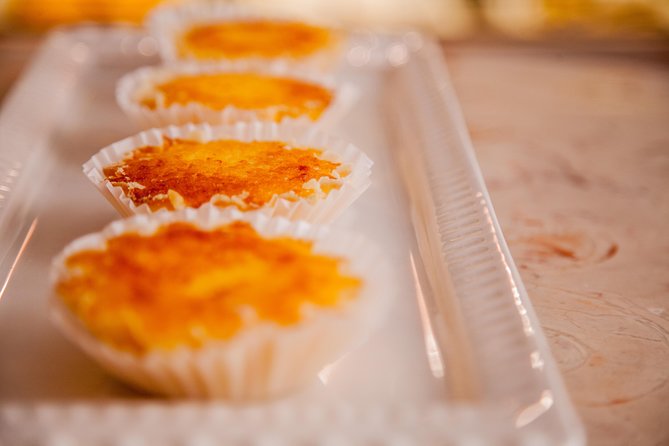
This class is built around two famous pastries from the Lisbon region. You’ll learn how to make pastel de nata and travesseiro de Sintra from scratch, not just assemble them from pre-made dough. The payoff is that you leave with pastries you made yourself, plus a recipe so you can repeat the results at home.
Pastel de nata is the one most people associate with Lisbon. Travesseiro de Sintra is a different flavor and texture story, and learning both in one sitting helps you understand why Portuguese pastry has its own logic. Instead of treating them like random desserts, the class links them to local tradition and technique.
The biggest “aha” for food lovers is the puff element. You’re taught the whole process, including the dough work, by hand. That matters because the quality of a good pastry isn’t just the filling. It’s also the layers and structure that come from how the dough is handled.
A few more Lisbon tours and experiences worth a look

Casa dos Ovos Moles em Lisboa: The Setting That Keeps It Local
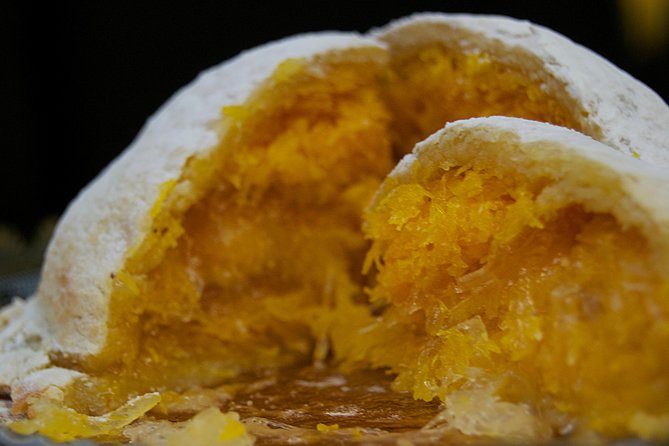
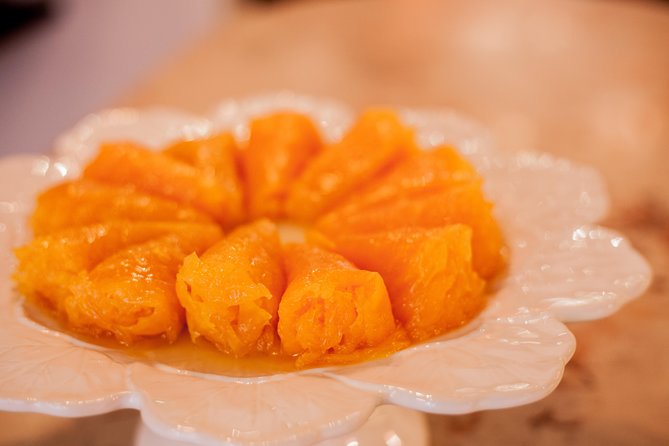
The workshop takes place at Casa dos Ovos Moles em Lisboa, a shop that specializes in ovos moles, a Portuguese tradition with about 500 years of history. Even though this specific workshop centers on pastel de nata and travesseiro de Sintra, being in a place with deep roots in Portuguese sweets gives the experience a real sense of place.
You meet on Calçada do Sacramento 25, a central Lisbon address that’s easy to reach with public transport. It’s also the kind of venue where the class feels like you’re stepping into a real bakery routine, not doing an activity staged for tourists.
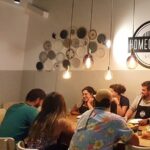
Several past participants describe the shop space as beautiful and even in a historic-style building. When a class happens in a bakery that looks like it belongs to Lisbon, you tend to pay more attention. The smell of sugar and baked dough helps, too, and it sets the tone for a relaxed afternoon.
The 2-Hour Flow: How the Class Actually Runs
This is an approx. 2-hour lesson, starting at 3:00 pm in the schedule provided. The class time can differ by weekday, so check your confirmation details before you plan anything right after. If you like travel days with breathing room, this one works well because it’s a clear block on the calendar and you don’t need to rush across town.
The workshop is structured around a simple cycle:
1) You learn the process and prep the pastry components.
2) You cook them.
3) You taste what you made.
Because it’s hands-on, you’re not just watching someone do “magic.” The instruction covers the whole workflow from scratch, including the puff. That’s also why the small group size matters. With a max of 6 people per booking, the teachers can adjust when someone gets stuck, and everyone gets time working with ingredients rather than hovering nearby.
The class also includes Portuguese pastry history. You’ll hear how these sweets connect to monastery tradition. It’s not presented like a lecture. It’s woven into what you’re making, so the stories help you remember the techniques.
Stop 1 Only: One Location, Less Fuss, More Baking Time
You don’t hop between places. It’s one main stop at the pastry shop, and the activity ends back at the meeting point. For me, that’s a plus in Lisbon, where you can burn time if you’re doing too much “getting there” between experiences.
This one-stop format also means you can keep your focus. You can arrive, get checked in, and settle into the lesson. If you like activities where the schedule is straightforward, this is built for you.
One practical note: transportation to and from the workshop isn’t included. The good news is the meeting point is near public transportation, so you can handle it without stress. Still, plan to arrive a few minutes early so you don’t feel rushed when the class starts.
Drinks and Tastings: Why the Porto or Ginja Matters
Food classes can be awkward when the tasting is treated like an afterthought. Here, tasting is part of the lesson structure. Your dessert portion includes 2 pastries (pastel de nata plus travesseiro de Sintra) and Porto wine or ginja liqueur.
Coffee and/or tea are included as well. That’s a smart pairing because Portuguese pastries can be sweet and rich. Having hot drinks on hand makes the tasting feel complete, not just like a quick bite and a finish.
Alcohol is included, so it’s worth thinking through your own comfort level. If you’re traveling as a group with mixed preferences, you’ll want to decide in advance how you want to handle the wine or liqueur part of the experience.





Group Size and Instruction: The Real Reason People Rate This So High
This workshop caps at 6 travelers per booking. That tiny group size shows up in the way the lesson runs. You can ask questions, you can get help when your pastry dough acts stubborn, and you can actually participate instead of taking turns in the background.
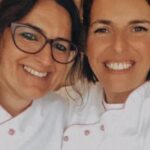
The tone in the reviews is consistent: teachers are patient, fun, and focused on getting the technique right. Instructors named across experiences include Filipa, Filipe, and Maria. Even when different people lead different days, the common thread is clear—this is taught like a real skill, not a rushed checklist.
One detail I love for first-timers is that the class focuses on doing the difficult parts correctly. People mention being impressed by how challenging it is to produce a true pastel de nata. That honesty is helpful. It sets expectations: you’re not just learning a recipe; you’re learning why things work.
The Best Part for Food Lovers: Learning Technique, Not Just Recipes
A lot of cooking classes teach recipes that are easy to follow but hard to reproduce at home. This one leans into technique. You learn the full process from scratch, including the puff and the hands-on handling.
That’s exactly why the “what you take home” matters. Many participants say they receive a recipe after. Having the recipe helps you turn the experience into something you can repeat when you’re back in your own kitchen.
If you’re the type who likes to improve your baking, this class gives you enough direction to notice what to change. For example, you’ll understand how the dough work affects the final texture. Then at home you can adjust based on your results instead of guessing blindly.
Value Check: Is $96.55 a Good Deal for 2 Hours?
At $96.55 per person for approx. 2 hours, this isn’t the cheapest thing you can do in Lisbon. But the value isn’t only the pastries. It’s the combination of:
- two distinct pastries made by you, from scratch
- hands-on instruction with a max group size of 6
- included beverages and tastings (Porto or ginja plus coffee/tea)
- time with a teacher who walks you through technique, not just steps
If you compare it to paying for dessert tasting tours where you sample and move on, this is heavier on participation. You’re not just eating. You’re learning how to create. For foodies, that tends to feel like better money spent.
Also, the drinks are not incidental. Tasting Porto wine or ginja with the pastries is part of the experience design. You’re not left with empty cups and “thanks for coming.” The meal moment ties the lesson together.
When This Workshop Fits Your Lisbon Plan
This is a great fit if you want one afternoon that feels like Lisbon, not another checklist day. It also works well when you’d rather do something you can’t easily replicate anywhere else on your trip.
It’s especially good for:
- couples who like food-focused travel
- families with older kids and teens (the class is hands-on and described as fun across family groups)
- anyone who loves pastry and wants technique, not just flavor
- travelers who prefer small groups and personal attention
It may be less ideal if:
- you want a very long class with multiple varieties
- you’re hoping for a purely sit-down tasting event (this is active baking)
- you need a fully alcohol-free experience (alcoholic beverages are included in the tasting)
Practical Tips Before You Go (So the Baking Feels Fun)
Plan to arrive a bit early for the 3:00 pm start in the provided schedule. Because class times can vary by weekday, keep an eye on your confirmation so you don’t show up at the wrong afternoon.
Wear something you don’t mind getting a little flour on. Cooking classes always have a way of leaving you with traces of the day, especially when the puff is made and handled by hand.
If you’re sensitive to alcohol or you’re traveling with someone who is, decide ahead of time how you want to handle the Porto wine or ginja portion. It’s included, so it’s part of the event even if you only sip.
Finally, consider pairing this with a light evening after. You’ll already get a sweet finish at the workshop. You might not want a heavy second dessert stop right away.
Should You Book This Portuguese Pastry Workshop in Lisbon?
If your goal is a hands-on Lisbon food experience that teaches you real technique, I’d book it. The small group size makes it feel personal, and the class is structured so you cook and taste the pastries you made. Past participants also describe the teachers as patient and the process as properly guided, which is exactly what you want when you’re working with dough.
I’d skip it only if you’re looking for variety beyond two pastries or if you prefer activities that are mostly observation. But if you want a focused baking afternoon, this hits the sweet spot for value, culture, and skill.
FAQ
Where is the meeting point for the Portuguese pastry workshop?
You’ll meet at Calçada do Sacramento 25, 1200-393 Lisboa, Portugal.
How long does the workshop last?
The duration is about 2 hours.
What time does the workshop start?
The start time shown is 3:00 pm, and class times can differ depending on the day of the week.
Which pastries will I learn to make?
You’ll learn to cook 2 Portuguese pastries: Pastel de Nata and Travesseiro de Sintra.
Is the workshop taught in English?
Yes. The workshop is offered in English.
What’s included with the class?
Included items are beverages, food tasting, snacks, coffee and/or tea, and alcoholic beverages.
Does the tasting include wine or liqueur?
Yes. The dessert tasting includes Porto wine or ginja liquor with your pastries.
How many people are in each group?
There is a maximum of 6 people per booking.
Is transportation to and from the workshop included?
No. Transportation to/from attractions is not included.
What happens if the workshop is canceled due to weather?
The experience requires good weather. If it’s canceled due to poor weather, you’ll be offered a different date or a full refund.