REVIEW · LISBON
Lisbon: Walking Tour in the Center (Max 12 Participants)
Book on GetYourGuide →Operated by WALK 'N' ROLL Tours · Bookable on GetYourGuide
Lisbon shines on foot. This 3.5-hour walking tour threads together three hills and classic viewpoints so you get your bearings fast, without hopping on a bus. I especially love how the guide ties daily sights to Portuguese life and how the route keeps pulling you toward standout photo stops like the Tagus River viewpoints and the famous tilework.
The other thing I like a lot is the small-group feel, capped at 12 people, which makes it easier to ask questions and actually follow the story as you move. The one drawback to plan for is the walking: you’ll be going up and down hills, and it’s rain or shine—so comfortable shoes and a realistic pace matter.
In This Review
- Key highlights worth aiming for
- A 3.5-Hour Route That Hits Baixa to Alfama on Three Hills
- Meeting at Rossio Square and Finding Your Guide in Minutes
- Baixa First: Santa Justa Lift Views and the Carmo Monastery Ruins
- Chiado and Bairro Alto: Poet Streets, Nightlife Energy, and a Quick Reset
- Alfama and the Tagus: Miradouro Moments, Tiles, and the Walk to Praça do Comércio
- Liquor Tasting and Small Food Stops: What You’ll Actually Get
- Price and Value for $47: What You’re Paying For
- Guides Matter: The Energy Behind the Reviews
- Who Should Book This Lisbon Center Walking Tour (and Who Should Skip It)
- Final Call: Should You Book It?
- FAQ
- How long is the Lisbon walking tour?
- Where do I meet the guide?
- Where does the tour end?
- What neighborhoods are included?
- Is liquor or food included?
- What language is the tour guide?
Key highlights worth aiming for
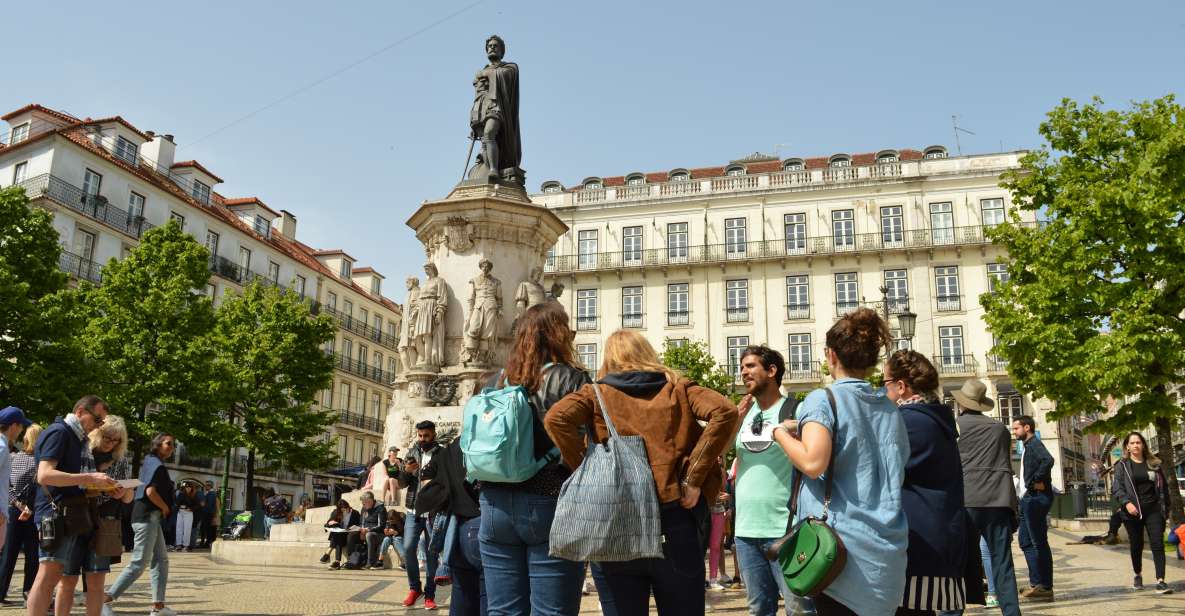
- Rossio Square start at the North Fountain makes it easy to locate your group
- Santa Justa + Carmo ruins give you big central-Lisbon drama in a short time
- Chiado and Bairro Alto show Lisbon’s shift from poet streets to nightlife energy
- Miradouro de São Pedro de Alcântara is a classic lookout plus a breather stop
- Alfama viewpoints over the Tagus turn the hill-walking payoff into a real reward
- Lisbon tiles along the way help you spot the city’s visual identity instantly
A 3.5-Hour Route That Hits Baixa to Alfama on Three Hills
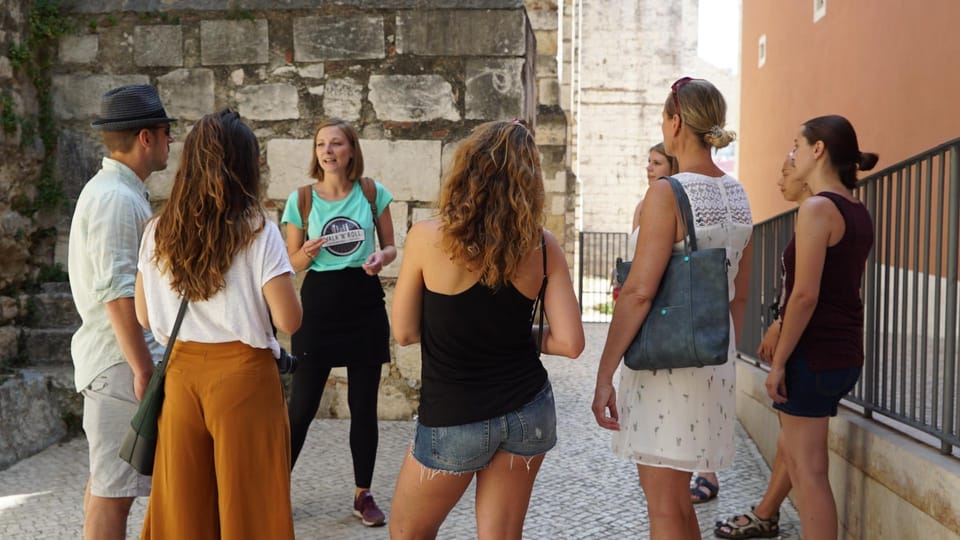
This tour is built around a smart idea: you walk through several neighborhoods that sit at different elevations, so the hills become part of the sightseeing rather than a punishment. You’ll cover the lower town (Baixa), then move up through Chiado and Bairro Alto, and finally wind your way into Alfama, with a total of three Lisbon hills included in the plan.
The pace works well for most people who are used to city strolling. Still, you should expect frequent steps and changes in slope, because the route links viewpoints on foot. That’s also why the duration matters: 3.5 hours is long enough to feel like a real introduction, but not so long that you’re totally wrecked by the end.
Group size is kept small (max 12), and there’s also a private option if you’re traveling with friends or want a more tailored rhythm. The live guide speaks German, which is great if that matches your comfort level.
You can also read our reviews of more walking tours in Lisbon



Meeting at Rossio Square and Finding Your Guide in Minutes
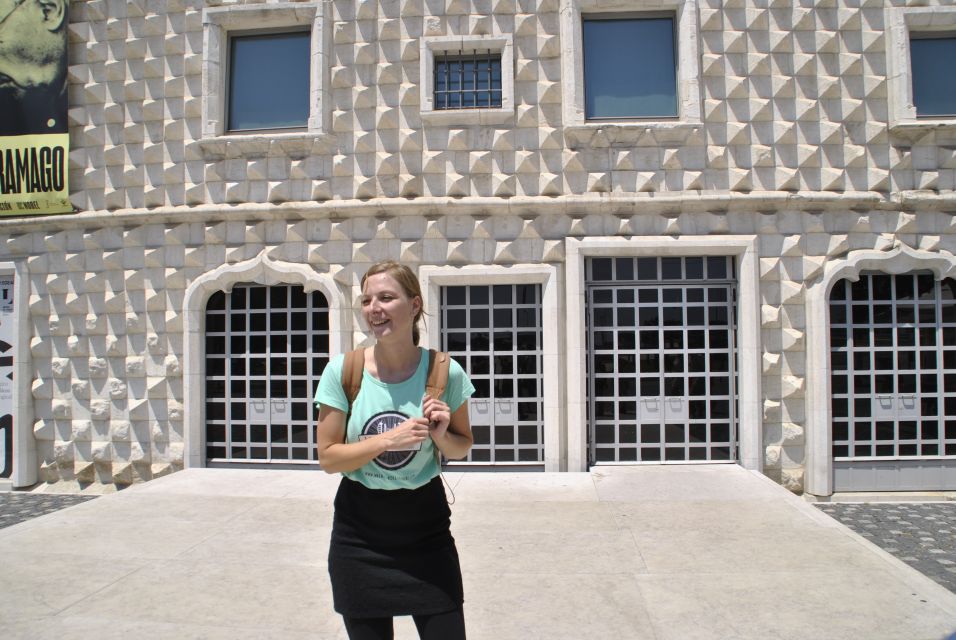
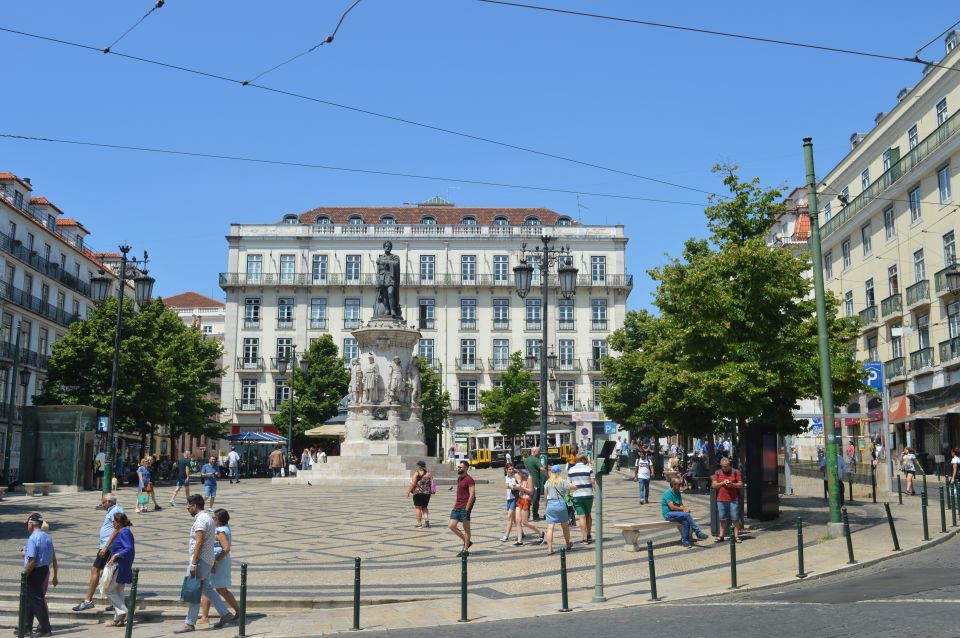
You meet at Rossio Square, at the North Fountain, tucked between the National Theater and the Royal Statue. The guide is easy to spot because they’re wearing a mint-colored WALK ’N’ ROLL t-shirt or carrying a mint-colored burlap bag.
This sounds like a tiny detail, but it matters on a busy square. You don’t waste time hunting around, and you can start walking right away with the group.
If you like structure, this tour gives you both: a clear meeting point and a finish right on the riverfront area near Praça do Comércio. You’ll know where you’re headed even if you get turned around on a side street later.
Baixa First: Santa Justa Lift Views and the Carmo Monastery Ruins
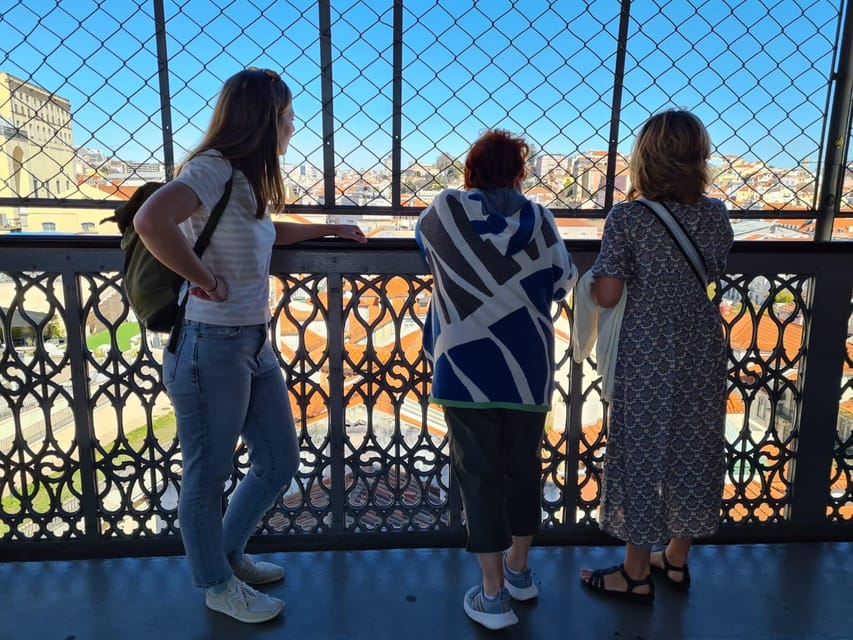
Baixa de Lisboa is the start of the story, and it’s a smart opening choice. This is Lisbon’s lower town, with a layout that helps you understand how the city functions around its center—streets, squares, and movement all make more sense once you’ve seen this side first.
From there, you’ll come to the Elevador de Santa Justa, one of Lisbon’s most recognizable structures. You’ll also head toward the Carmo Convent ruins, where the atmosphere shifts from tidy central streets to something more dramatic and reflective. Even if you don’t go inside, this stop gives you a sense of Lisbon’s layered past—earth, stone, and time all visible at once.
One practical note: the walk here often includes a steady climb, so I recommend starting strong and saving your slow-and-steady energy for later hill sections. This tour also spotlights some of Lisbon’s most beautiful tilework, and the payoff grows as you move toward older neighborhoods.
Chiado and Bairro Alto: Poet Streets, Nightlife Energy, and a Quick Reset
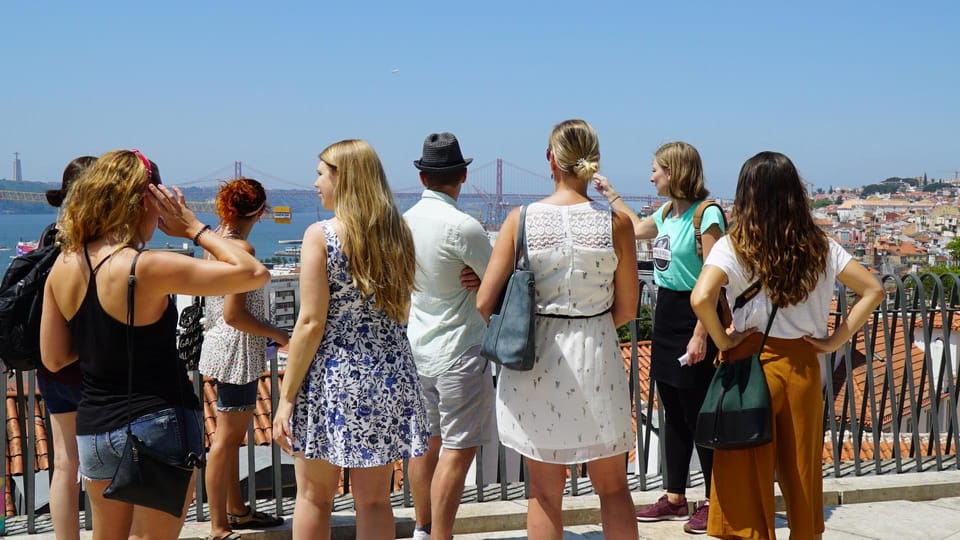
Chiado is where Lisbon starts showing its softer, literary side. You’ll pass through the former poets’ quarter and get explanations that connect what you’re seeing—streets, buildings, viewpoints—with how people lived and talked here.
Then comes Bairro Alto, which changes the mood quickly. This district feels more residential, but it’s also tied to evenings out, so the energy you notice in the streets makes sense of why Lisbon is often described as a city with strong nightlife pulses.
If you’re the type who likes to keep your phone charged and your legs working, you’ll appreciate the built-in pacing. The itinerary includes a break at Miradouro de São Pedro de Alcântara, which is both a lookout and a chance to catch your breath before the final stretch.
The guide’s job here is important. A good German-language guide (like the kind you might hear praise for in fast, organized pacing) can turn these neighborhoods into a clear map in your head, not just a list of stops.
Alfama and the Tagus: Miradouro Moments, Tiles, and the Walk to Praça do Comércio

When the tour reaches Alfama, it stops being about transitions and starts being about views and character. Alfama’s winding alleys can feel like Lisbon at its most old-world: small streets, sudden angles, and viewpoints that appear right when you think you’ve walked past them.
A key moment is the viewpoint experience over the Tagus River. This is the kind of stop that makes you understand why Lisbon’s hills were never just obstacles. From up high, you see the water and the city’s layout in one glance, and it helps every future neighborhood walk feel easier.
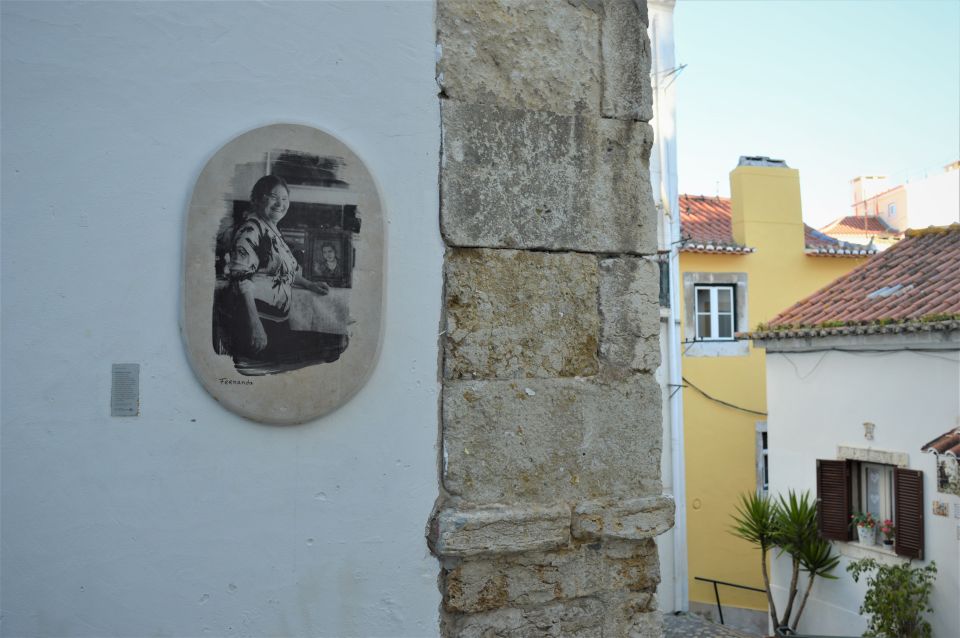
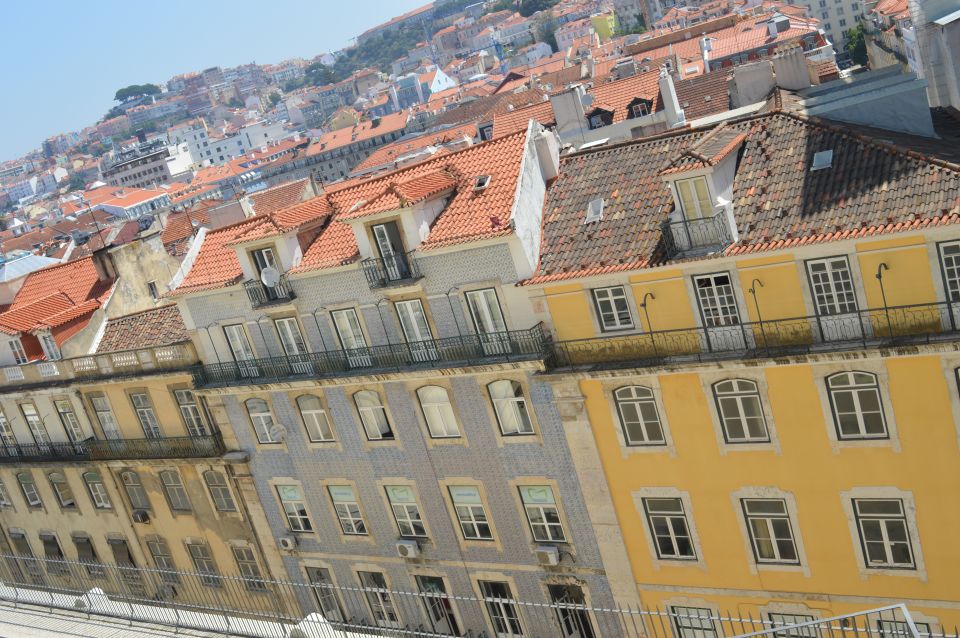
You’ll also get time strolling along the river banks, including a closer look at the world-famous Lisbon tiles that show up throughout older streets. Tiles here aren’t decoration-only; they act like visual landmarks, and once you start noticing them you’ll spot them everywhere on your own afterward.
The tour finishes with a dramatic, easy-to-spot location: the Arco de Rua Augusta in Praça do Comércio, right on the waterfront. That ending is useful because it drops you in a busy, central spot where you can keep exploring on your own right away—by foot, or by whatever transport you plan next.





Liquor Tasting and Small Food Stops: What You’ll Actually Get
Included in the tour is a liquor tasting, which is a classic way to experience Portuguese flavor without it turning into a long restaurant detour. You’re tasting as part of the pacing, not sitting down for hours, so it doesn’t break the flow of walking.
There’s also a short food tasting stop listed for only a few minutes. Since meals aren’t included, think of it as a quick taste rather than a full snack situation. If you’re the kind of traveler who needs a proper meal later, plan to eat after the tour rather than counting on the tastings to replace dinner.
For me, this approach hits the sweet spot: you get a taste of local culture, but the tour stays focused on seeing the city and learning how to move through it.
Price and Value for $47: What You’re Paying For
At $47 per person for about 3.5 hours, this tour sits in the range where value comes from focus. You’re paying for a live guide, a structured route through multiple neighborhoods, and included tastings—plus access to the guide’s explanations as you go.
What you’re not paying for is time-consuming logistics. You don’t have to figure out where to start, which hills matter, or which viewpoints are worth your effort. The tour also keeps the group small (max 12), which usually improves the experience because the guide can respond to questions and adjust their pace.
You should also keep expectations realistic: the itinerary is sightseeing on foot, not a ticket bundle for every attraction. If you want to ride the Santa Justa lift or enter any specific site, you’ll likely need to handle additional tickets separately (the tour helps you get oriented, but it doesn’t say it includes admissions).
Still, as an introduction to central Lisbon, this is a strong deal. You finish with a mental map of Baixa, Chiado, Bairro Alto, and Alfama, and you know where the biggest viewpoints are—so your next day on your own becomes easier.
Guides Matter: The Energy Behind the Reviews
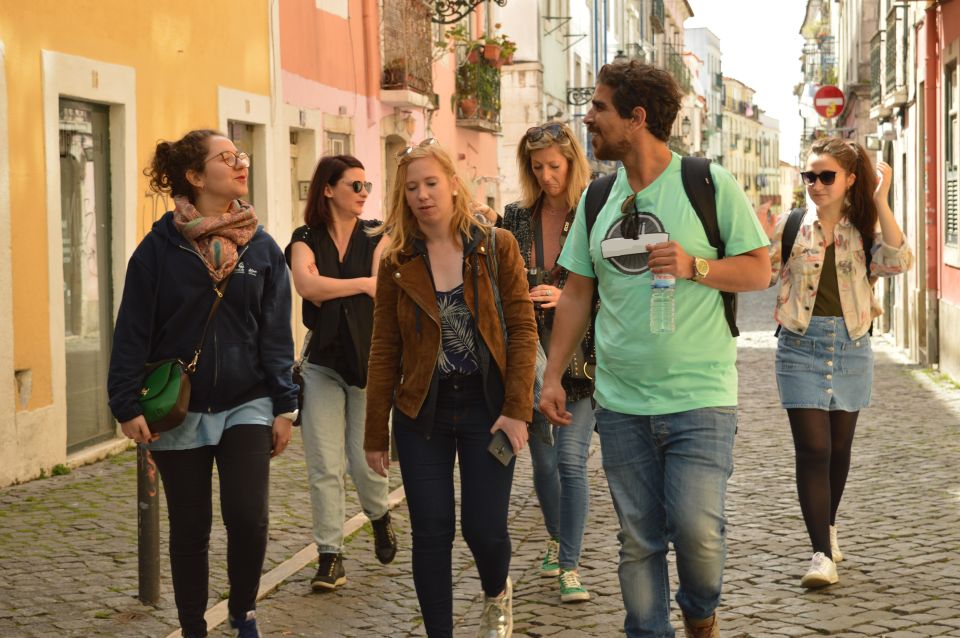
What shows up consistently in feedback about this tour is the guide’s ability to make it feel lively and not like a lecture. Names you might see mentioned include Pedro, Sara, and Melina, and the common thread is how they keep the walk moving while still giving context.
It’s also clear that weather isn’t a deal-breaker. Even when conditions aren’t great, the tour’s structure keeps you sighted and informed rather than stuck waiting around.
If you’re learning German, it can feel extra useful to have a guide who keeps sentences clear while walking. You get history and culture tied to what you’re seeing in real time, and that’s the kind of learning that sticks because it’s attached to landmarks and street scenes.
Who Should Book This Lisbon Center Walking Tour (and Who Should Skip It)
Book this tour if you want a first-pass Lisbon orientation that includes viewpoints, tiles, and neighborhood contrasts without complicated planning. It works especially well for people who enjoy walking, like history explanations in a conversational style, and want tastings added without turning the day into a food crawl.
Skip it if walking hills isn’t realistic for you. The tour isn’t suitable for people with mobility impairments or wheelchair users, and it doesn’t allow baby strollers or luggage/large bags. Also remember it runs rain or shine, so if you’re sensitive to wet weather, bring the right gear and keep your expectations flexible.
And if you’re the type who loves ticking off as many attractions as possible, you might find yourself wanting one or two more stops. The trade-off here is that the route stays tight and ends at a great location—so you can continue exploring after.
Final Call: Should You Book It?
Yes—if you’re arriving in Lisbon and want an organized, small-group intro that covers the most important central neighborhoods and hills, this is a smart way to start. The price is reasonable for the time on foot, the included liquor tasting, and the guide-led storytelling that makes the city easier to understand.
If you’re limited by mobility, heavy rain throws you off, or you want lots of inside-the-building attractions, you may prefer a different style of tour. But for the “help me see the real Lisbon basics on day one” traveler, this walk hits the right mix of views, neighborhoods, and practical orientation.
FAQ
How long is the Lisbon walking tour?
The tour lasts 3.5 hours.
Where do I meet the guide?
Meet at Rossio Square, at the North Fountain, between the National Theater and the Royal Statue.
Where does the tour end?
The tour ends at Praça do Comércio.
What neighborhoods are included?
You’ll walk through Baixa, Chiado, Bairro Alto, and Alfama.
Is liquor or food included?
Liquor tasting is included. Food is not listed as included, though there is a short food tasting stop during the walk.
What language is the tour guide?
The live tour guide speaks German.