REVIEW · LISBON
Lisbon Tram No. 28 Ride & Walking Tour
Book on GetYourGuide →Operated by Lisbon Spirit · Bookable on GetYourGuide
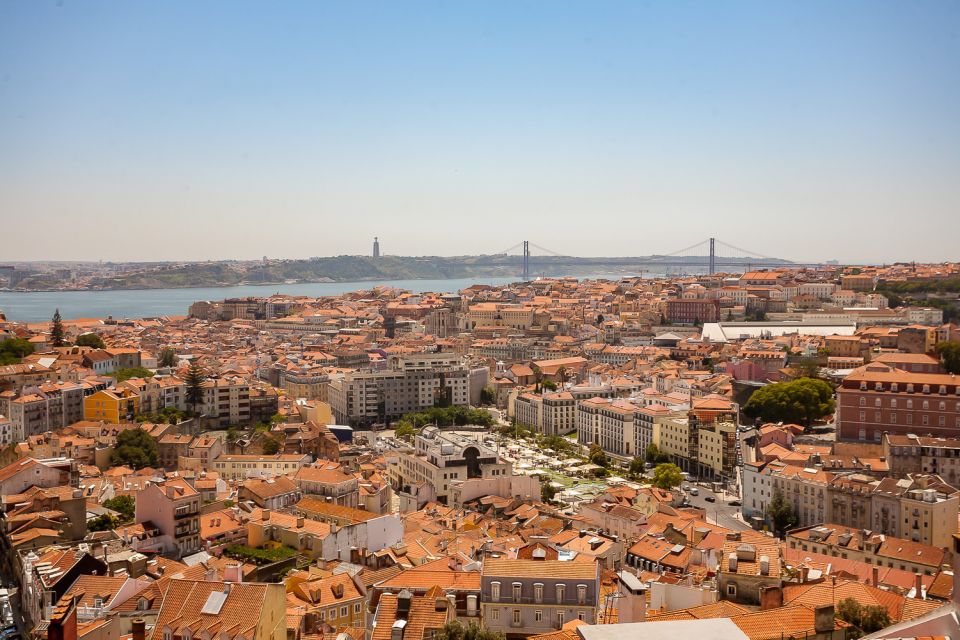
Tram 28 is chaos in the best way. I like the chance to ride the historic Tram 28 through Lisbon Old Town, and I love the panoramic city-and-river views as it climbs its hills. It turns sightseeing into motion, so you see the city change as the streets tighten.
After the tram, you shift gears and get into Alfama on foot. The one consideration is that this is hill-and-stair Lisbon, so comfortable shoes aren’t optional. Also, Tram 28 is a real public tram, so traffic and crowding can affect timing.
Key things you’ll enjoy
- Tram 28 on the historic route across Lisbon’s Old Town streets
- Panoramic viewpoints of the city and the river during the climb
- Alfama on foot with narrow lanes, steep hills, and tiny squares
- Landmarks with story context like Sé de Lisboa, São Vicente de Fora, and the National Pantheon
- Fado learning built into the walk via small bars and cafés
- Feira da Ladra on Tuesdays and Saturdays for a classic local market vibe
In This Review
- Tram 28 First: What You’re Really Signing Up For
- Alfama Walk: The Streets Are the Attraction
- Sé de Lisboa: A Cathedral With Almost 1,000 Years in the Walls
- São Vicente de Fora and the National Pantheon Storyline
- Fado Talk in Tiny Bars and Cafés: More Than Music
- Feira da Ladra: When the Market Joins the History Walk
- Pace, Group Size, and Guides Like Nuno
- Price and Value: Is $23 Worth It?
- Logistics That Matter on Tram 28 Day
- Tips to Make This Tour Feel Effortless (Even in Old Town)
- Should You Book This Tram 28 and Alfama Tour?
- FAQ
- Where do I meet for the Lisbon Tram No. 28 Ride & Walking Tour?
- How long is the tour?
- What does the tour cost?
- Is the tour guided in English?
- What is included in the experience?
- Is pickup or drop-off included?
- What should I bring?
- When does the tour include Feira da Ladra?
- Will Tram 28 be affected by traffic or delays?
Tram 28 First: What You’re Really Signing Up For
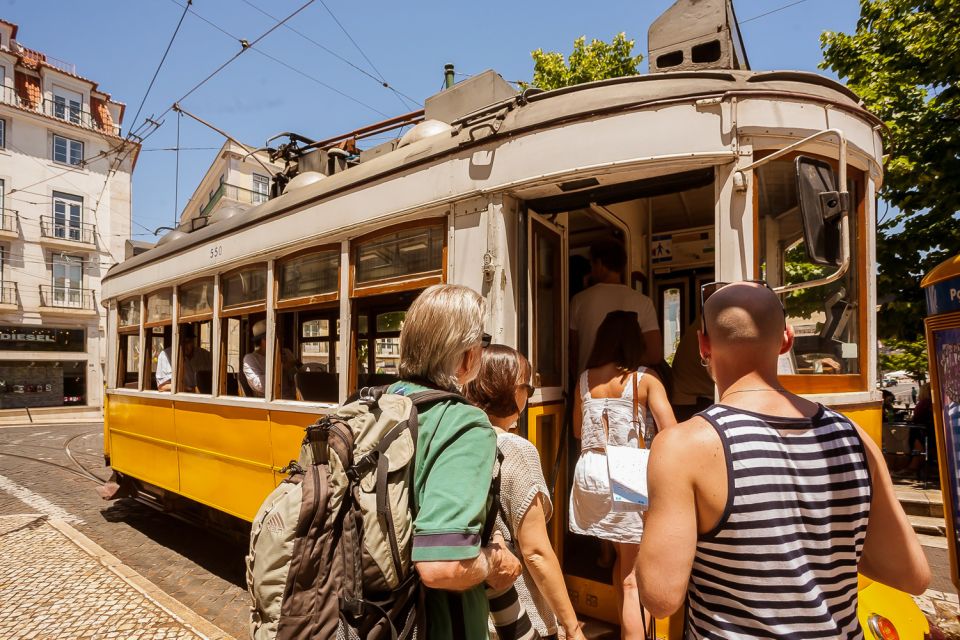
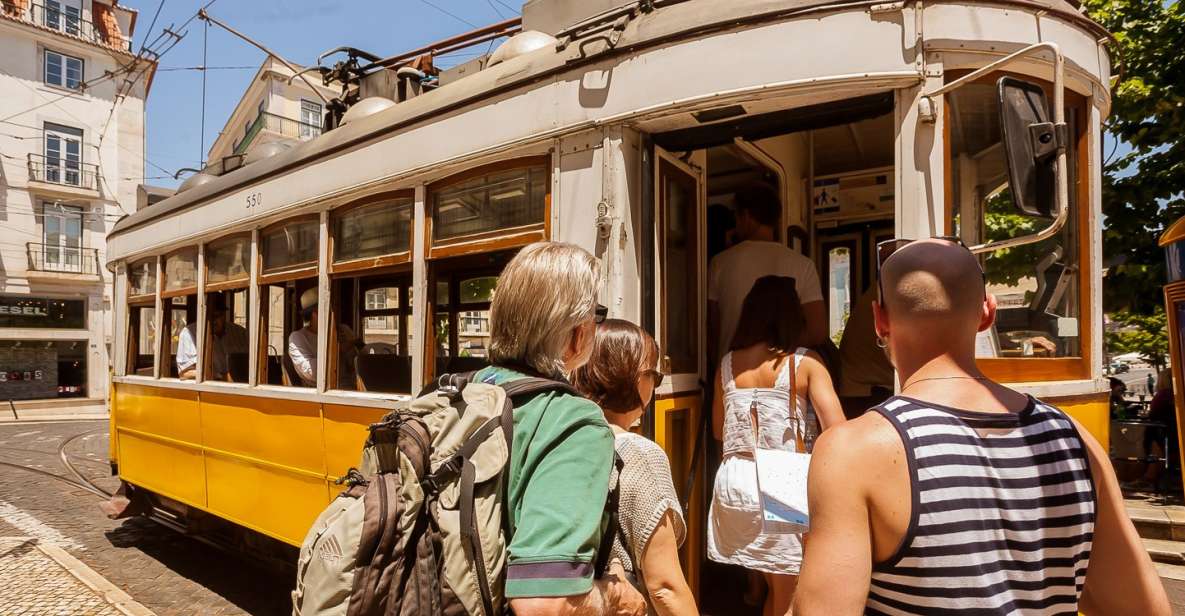
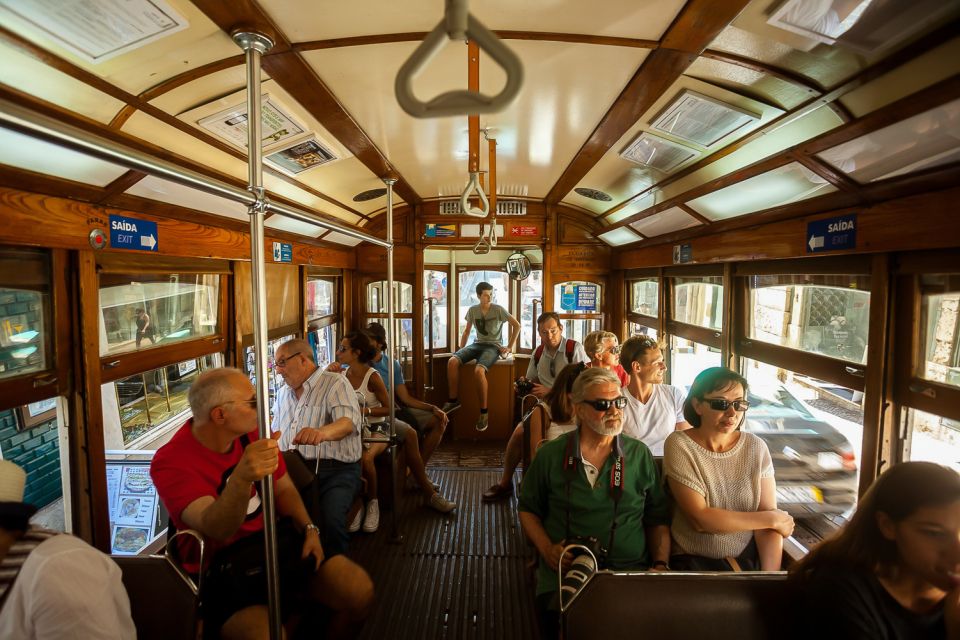
This tour starts with Lisbon’s most famous tram, and that matters. Tram 28 is not just a ride. It’s a moving viewpoint into Old Town, with street corners that suddenly reveal angles of the river, rooftops, and church towers. When the tram climbs, you feel the city’s grade. You also get a front-row seat to how Lisbon layers neighborhoods on top of hills.
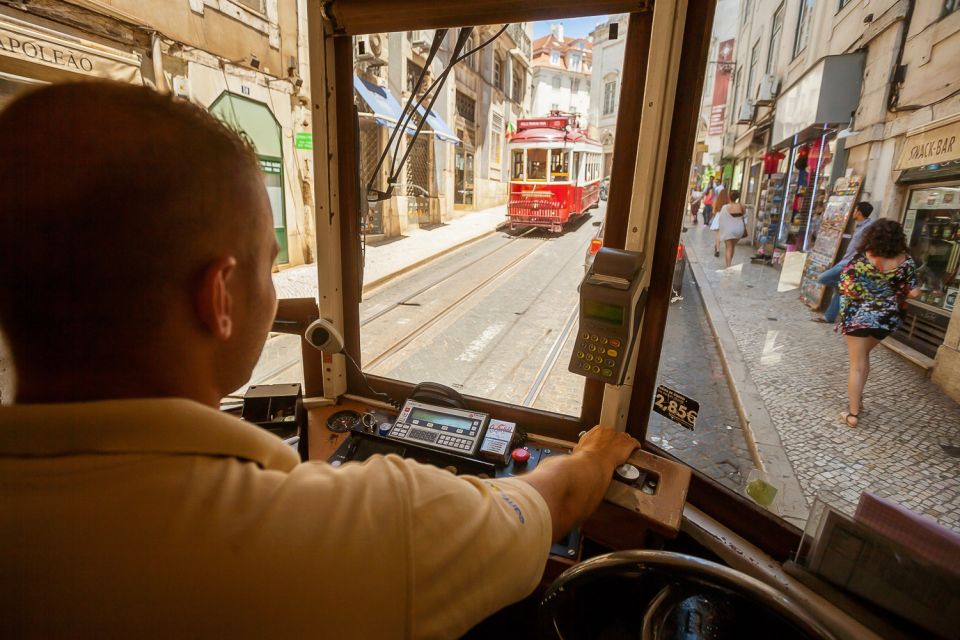
Here’s the practical win: you’re not stuck staring at maps. You get transported along a route you would struggle to stitch together on your own, especially with hills, tight streets, and crowds. And because the tram is part public transport, the experience feels real. It’s local transit, not a staged parade.
If you’re hoping for a quiet ride, aim for patience. Tram 28 can be busy. The tour is designed to keep you moving and learning, but you’ll still share space with other riders. Think short moments of photo-taking, then listening as your guide points out what you’re seeing.
Alfama Walk: The Streets Are the Attraction
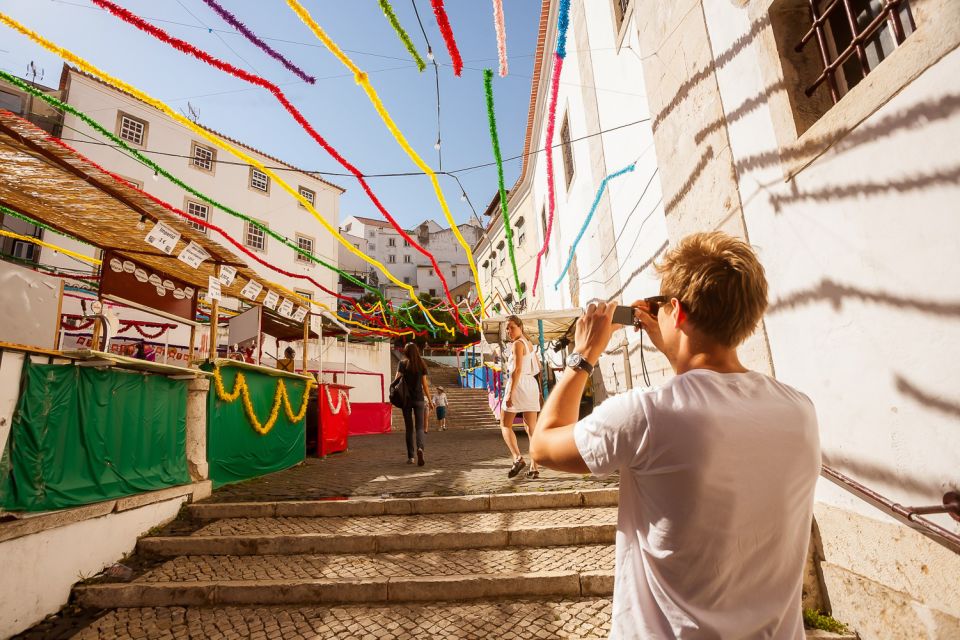
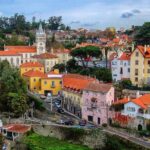
After the tram, the day shifts to the neighborhood where you really feel Lisbon: Alfama. This isn’t a broad boulevard walk. It’s a maze of narrow streets and steep inclines that funnel you toward small squares. That physical layout is the point. It forces slow walking, close looking, and constant “wait, look at that” moments.
You’ll be guided beyond the obvious stops, which is where the tour earns its money. Alfama has plenty of places you can stumble into solo, but with a guide you learn what you’re looking at: why the streets curve, what the buildings represent, and how Lisbon’s older identity shows up in daily life.
One thing to keep in mind: the walking is genuinely uneven. Cobblestones happen. Slopes happen. So if you’re traveling with mobility limits, you’ll want to plan carefully. This tour isn’t described as hard-adventure, but it does assume you can handle Lisbon’s street basics.
You can also read our reviews of more walking tours in Lisbon



Sé de Lisboa: A Cathedral With Almost 1,000 Years in the Walls
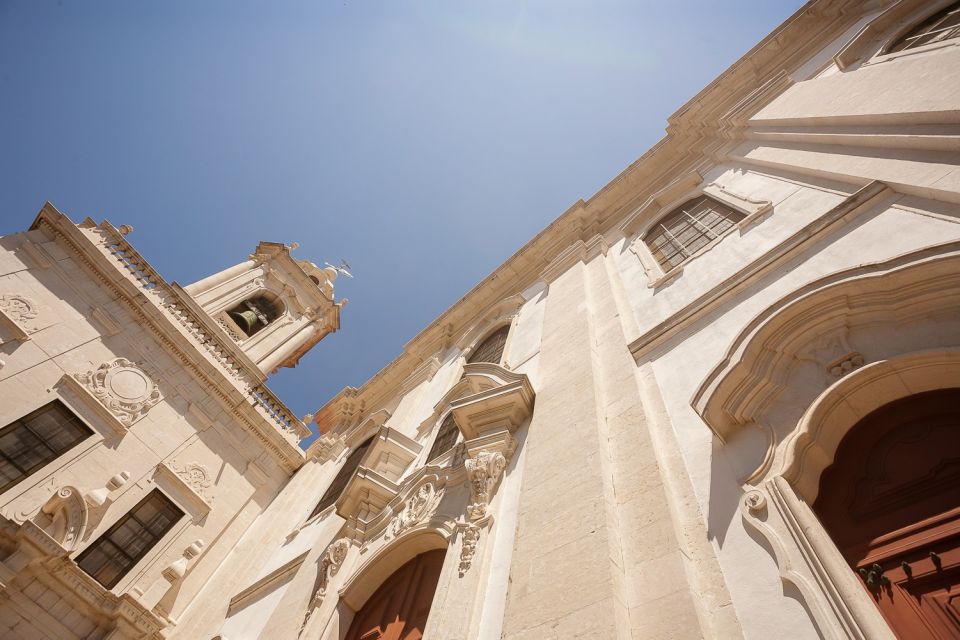
One of the major stops is Sé de Lisboa. This medieval cathedral is one of those places where the building looks compact from the outside, then turns into a history lesson once you’re close. The idea you’ll hear is simple and powerful: the walls conceal and reveal nearly a millennium of Lisbon’s past.
Why it works on a short tour: it gives you a timeline anchor. Tram 28 and Alfama already set the mood as Old Town. Sé de Lisboa adds the “how did this city become itself?” piece, so you don’t just see architecture—you understand why it survived and what it represents.
Practical note: churches are often cool and dim, so if you’re taking photos, keep your phone brightness in check. Also, expect a mix of walking and standing time, since you’ll be stopping for explanations.
São Vicente de Fora and the National Pantheon Storyline
The walking continues past the Mosteiro de São Vicente de Fora (Saint Vincent Monastery). Like Sé, it’s a building you can approach as an object, or you can approach it as a clue. With a guide, you get the clue part: you learn how religious institutions and power shaped the look of the city.
Then you’ll head toward the National Pantheon (Panteão Nacional), with special attention on the dome and the legend tied to it. Even if you only catch part of the story, it helps you read the skyline better. Lisbon’s rooftops aren’t random. They’re a map of big events, big people, and big symbols.
If you’re the type who likes to spot landmarks later, this is a good stop. The Pantheon dome is the kind of feature that sticks in your brain. Once you know what story sits behind it, you’ll recognize it around town much more easily.
Fado Talk in Tiny Bars and Cafés: More Than Music
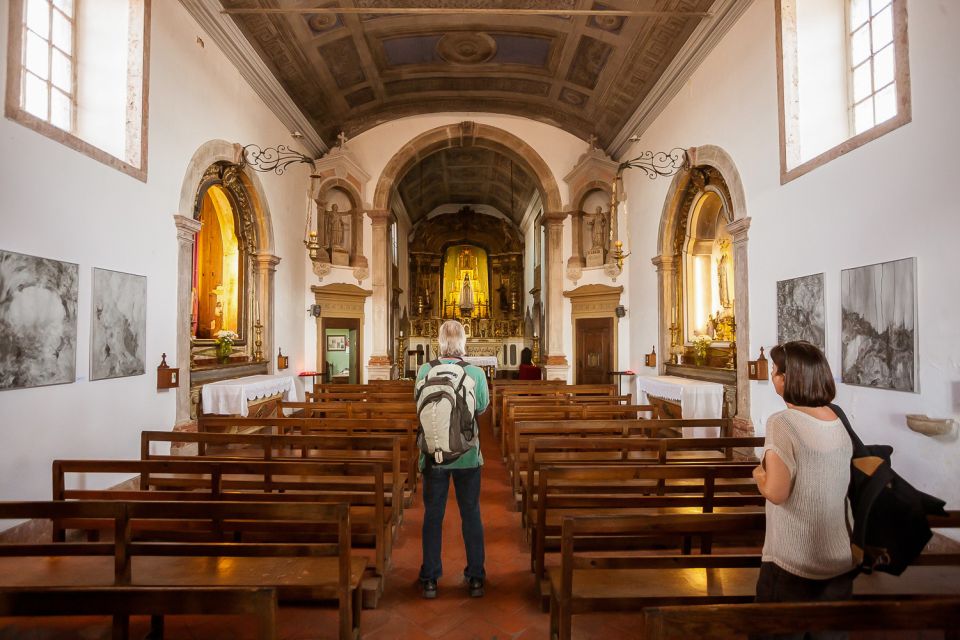
Lisbon’s fado isn’t just something you watch. It’s a tradition with a mood, a history, and a place in everyday life. This tour includes learning about fado in a way that fits the neighborhood. Instead of treating it like a separate ticketed show, you connect it to Alfama’s streets and atmosphere.
You’ll discover traditional Portuguese fado in small bars and cafés. That setting matters. You’re not studying fado from a distance. You’re getting the idea of why the music belongs in these tight spaces, where stories feel personal and voices carry.
For you, the value is understanding. With that context, any future fado night you attend will make more sense, and you’ll know what questions to ask beyond the performance itself.
Feira da Ladra: When the Market Joins the History Walk
On Tuesdays and Saturdays, the tour can include the Feira da Ladra, Lisbon’s famous flea market. This is one of those experiences where a historic neighborhood suddenly becomes present tense. You’re not only looking at buildings. You’re watching commerce, haggling, and the daily rhythm of locals turning up.
Even if you’re not hunting for souvenirs, the market gives your walk texture. You’ll feel how people use the space around older streets and older structures. It’s a reminder that Alfama isn’t frozen in time.
If you do want to browse, keep expectations realistic. Flea markets are random by nature. Focus on the experience and the atmosphere, not the idea that you’ll find something specific.



Pace, Group Size, and Guides Like Nuno
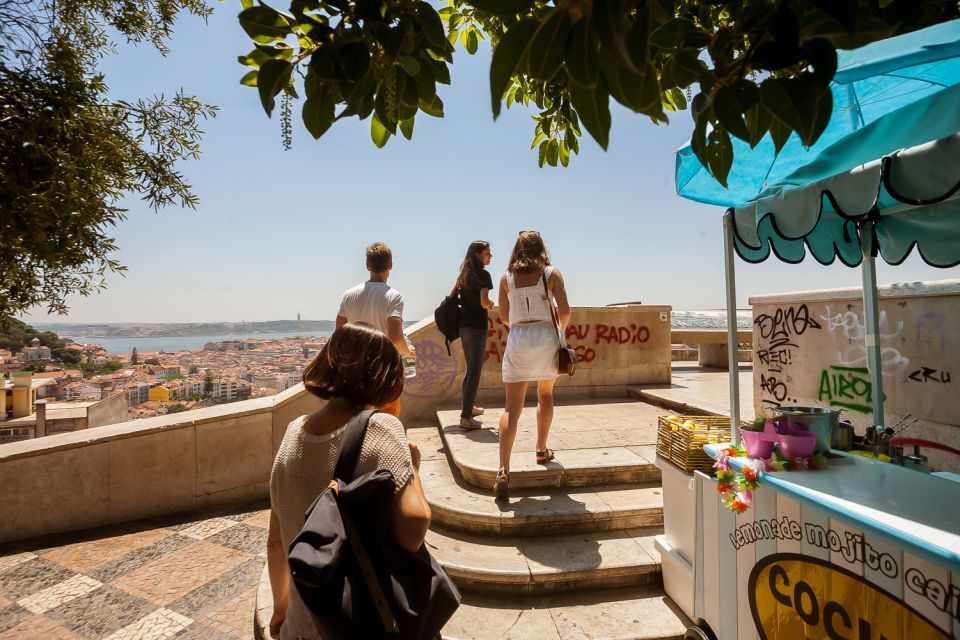
The tour runs for 3 hours and is designed as a small group, limited to 10 participants. That’s a big deal here. Tram 28 can get crowded, and Alfama can swallow a group if everyone moves at different speeds. A smaller group keeps you together and helps the guide manage stops and questions.
The pace is described as relaxed by past participants, and that’s smart for this kind of itinerary. You’re mixing a tram ride (standing and listening) with hill walking and frequent stops. You don’t need to sprint. You need to absorb.
Guides are live and English-speaking, and the name that pops up often is Nuno. In practice, that usually means you’ll get more than basic facts. You’ll get local context—history and even a bit of political and cultural framing—so Lisbon doesn’t feel like a list of monuments.
One extra note: some groups report that guides sometimes go a bit past the allotted time. If it happens, it’s typically because everyone is engaged and the guide doesn’t want to cut the story short.
Price and Value: Is $23 Worth It?
At $23 per person for 3 hours, this tour is good value because it bundles two things that usually cost you separately: (1) a ride on Tram 28 and (2) a guided walking route through the parts of Alfama where the details matter.
You’re paying for direction. Lisbon is easy to enjoy and easy to misread. With a guide, you don’t just see Sé de Lisboa, São Vicente de Fora, or the Pantheon—you understand why they show up where they do and what stories connect them.
It’s also good value because the group is small. With up to 10 people, you’re more likely to get your questions answered and to stay on track even when streets get slow.
Logistics That Matter on Tram 28 Day
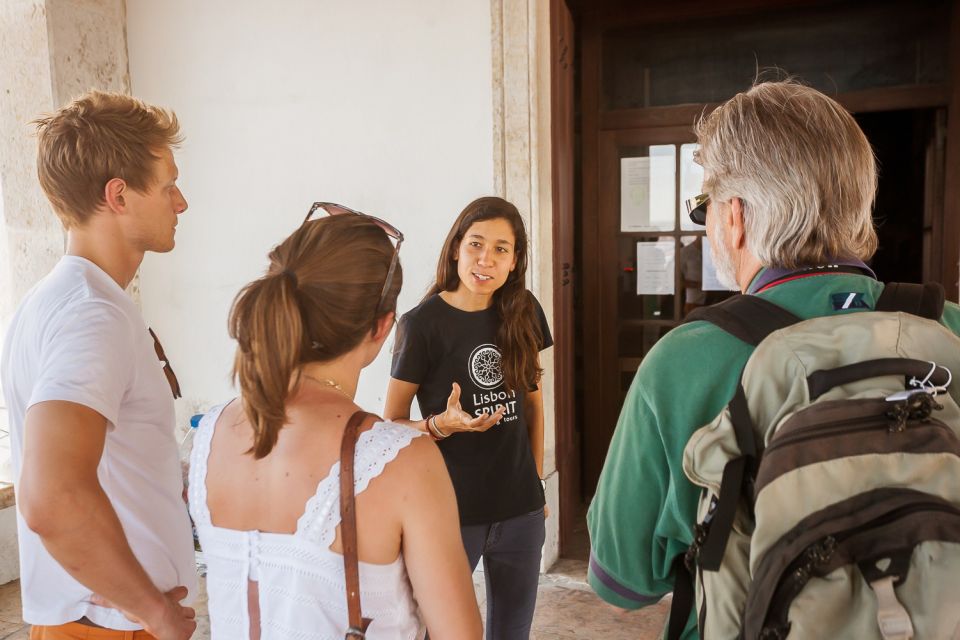
This tour has a clear meeting setup: you meet at Praça Luís de Camões, near the statue. Your guide wears a black backpack with the Lisbon Spirit logo, so it should be straightforward to spot the right person.
No pickup or drop-off is included. That’s normal for this kind of Old Town walking and makes you more flexible on timing, but it also means you’ll want to plan how you’ll reach the start point.
Most importantly: Tram 28 is treated as public transport. That means you should expect real-world timing. Traffic and other unpredictable issues can change how things play out. Past experiences also suggest routes may get tweaked and substitute options like nearby transit choices may be used to keep the tour running smoothly.
Tips to Make This Tour Feel Effortless (Even in Old Town)
Here’s how you set yourself up for a win:
- Wear comfortable shoes with grip. Alfama’s surfaces can be uneven.
- Keep water handy. The tour is only 3 hours, but hills add effort.
- Bring a small camera routine: take photos during pauses, not while the group is moving.
- Be ready for crowd moments on Tram 28. It’s part of the charm and part of the challenge.
- If you get attached to the history, don’t be afraid to ask questions. Guides like Nuno tend to share extra context when people show interest.
Also, if you’re sensitive to walking, do a quick self-check before you book. This tour mixes tram time with real hillside walking. It’s not described as extreme, but it’s not flat either.
Should You Book This Tram 28 and Alfama Tour?
Book it if you want a fast, meaningful way to get oriented in Lisbon’s Old Town. Tram 28 gives you the iconic ride. Alfama gives you the streets and the stories you’d miss if you only did a highlights checklist. You also get fado context without needing to plan a separate night show right away.
Skip it if you hate uneven cobblestones and steep hills, or if you want strict timing guarantees. Because Tram 28 runs as public transport, delays and crowding can happen. And because the experience is part ride and part walking, you’ll be on your feet for stretches.
For most first-timers—and for anyone who wants history with good pacing—this is a solid $23 way to experience Lisbon with a guide who knows what to point out and why.
FAQ
Where do I meet for the Lisbon Tram No. 28 Ride & Walking Tour?
You meet at Praça Luís de Camões, near the statue. The guide will be wearing a black backpack with the Lisbon Spirit logo.
How long is the tour?
The tour lasts 3 hours.
What does the tour cost?
The price is $23 per person.
Is the tour guided in English?
Yes. The live guide speaks English.
What is included in the experience?
You get a ride on Tram 28 and a walking tour of Alfama.
Is pickup or drop-off included?
No pickup or drop-off is included.
What should I bring?
Bring comfortable shoes for the walking portion.
When does the tour include Feira da Ladra?
On Tuesdays and Saturdays, you can enjoy the Feira da Ladra flea market as part of the day.
Will Tram 28 be affected by traffic or delays?
Yes. Tram 28 is a public transport option, so it can be subject to traffic and other unpredictable situations outside the provider’s control.