REVIEW · LISBON
Lisbon: The Jewish Sephardic Walking Tour
Book on GetYourGuide →Operated by TakingUThere · Bookable on GetYourGuide
Lisbon’s Jewish story is close-up and street-level. On the Lisbon: The Jewish Sephardic Walking Tour, you’ll follow the community through real locations, from the Shaare Tikva synagogue to the Alfama lanes tied to Jewish life, including Rua de Judiara. With guides like Paulo Levy leading the way, this tour mixes Portugal’s bigger historical shifts with the small, human details that make it all click.
Two things I especially like: you actually step inside the synagogue (entrance is included), and you walk the neighborhoods where the past isn’t behind glass. One consideration: it’s a mostly-walking, narrow-street route in Lisbon’s older quarters, and it’s not suitable for wheelchair users or people with mobility impairments or heart problems.
In This Review
- Key things you’ll like about this Lisbon Jewish tour
- Shaare Tikva: where the tour’s story becomes physical
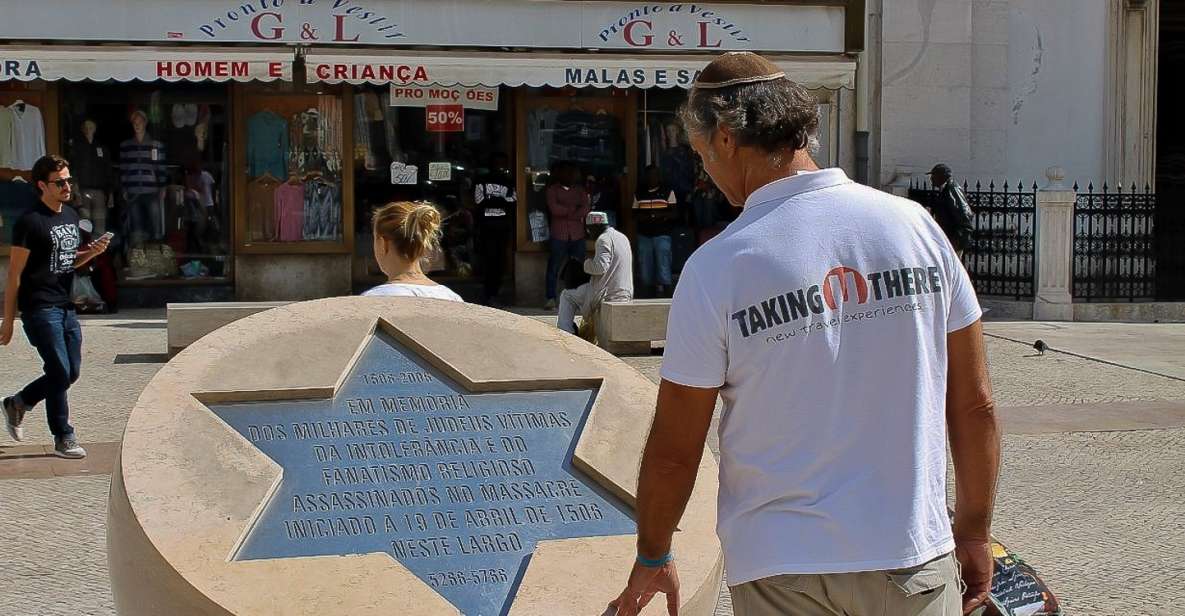
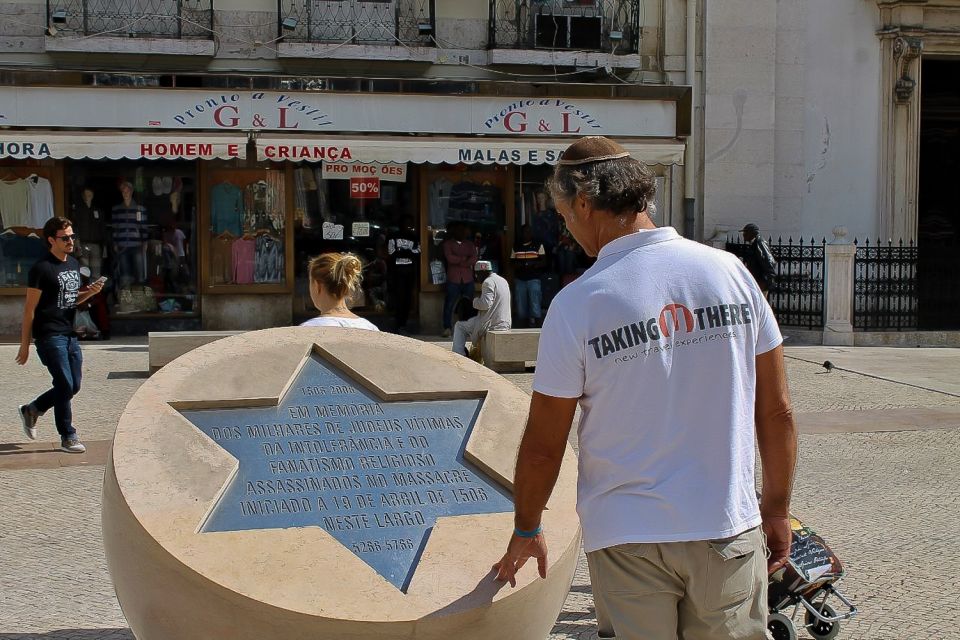
- The 1506 Massacre: fear, power, and the start of a chain reaction
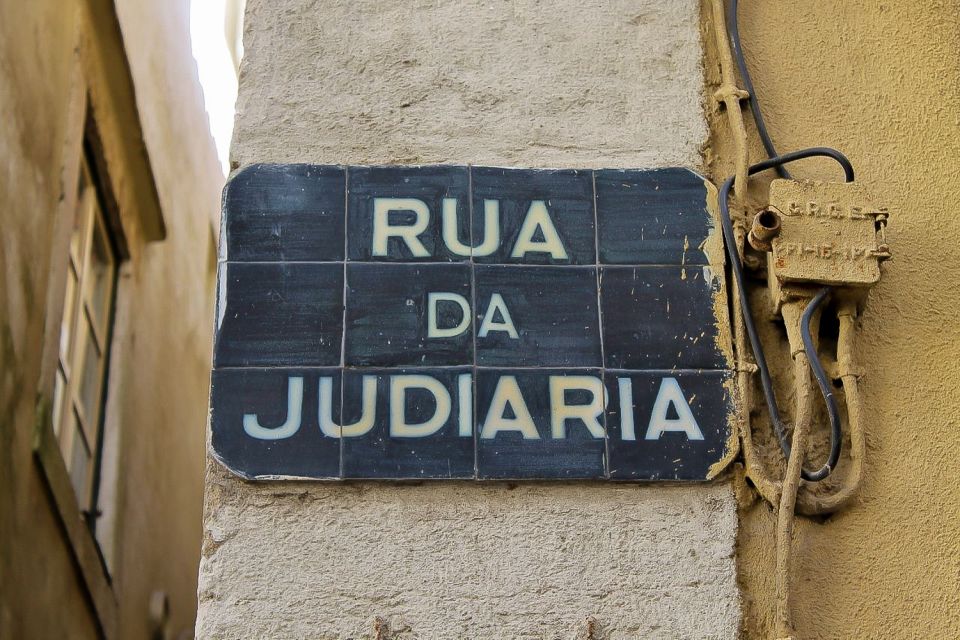
- Rua de Judiara and Alfama: Lisbon’s oldest neighborhood, on foot
- The Kingdom of Portugal and Jewish legal status in the 12th century
- Names that change the scale: Abraham Anahory and Aristides Sousa Mendes
- What you actually do on a 4-hour small-group walk
- Price and value: is $165 worth it for Lisbon walking?
- Who this tour suits best (and who should pass)
- Book it or skip it: my decision guide for you
- FAQ
- How long is the Lisbon: The Jewish Sephardic Walking Tour?
- Where is the meeting point?
- What is the price for this tour?
- What’s included in the ticket price?
- Do you skip the ticket line for the synagogue?
- What languages are available for the tour?
- What should I wear and bring?
- Is the tour suitable for wheelchair users or people with mobility or heart issues?
Key things you’ll like about this Lisbon Jewish tour
- Shaare Tikva inside visit: entrance fees are included, and you skip the ticket line
- Alfama walking focus: you’ll go down Rua de Judiara, Lisbon’s oldest neighborhood vibe in motion
- Big turning points, clearly explained: including the 1506 Massacre and its origins
- Portugal context you can picture: how the Kingdom of Portugal recognized Jewish community governance in the 12th century
- Named people, real impact: Abraham Anahory and Aristides Sousa Mendes show up in the story
- Small-group feel: limited to 8 participants, with English and Portuguese guide options
Shaare Tikva: where the tour’s story becomes physical
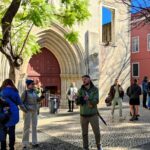
A walking tour is only as good as its anchor points. Here, the anchor is Shaare Tikva (Lisbon Synagogue), which you visit as part of the experience. Instead of treating Lisbon’s Jewish presence as a timeline, you get to see how a community built worship spaces—and how those spaces endured through centuries of upheaval.
This matters because synagogue architecture and ritual life aren’t random trivia. They’re a clue to how people lived: how they organized, where they gathered, and what they protected. The tour includes the entrance fees and helps you skip the ticket line, so you spend your time on the walking and storytelling rather than waiting.
In a city where many historic sites are partly “read” from the outside, seeing Shaare Tikva up close gives you a different kind of understanding. It’s not just history; it’s lived geography.
You can also read our reviews of more walking tours in Lisbon


The 1506 Massacre: fear, power, and the start of a chain reaction
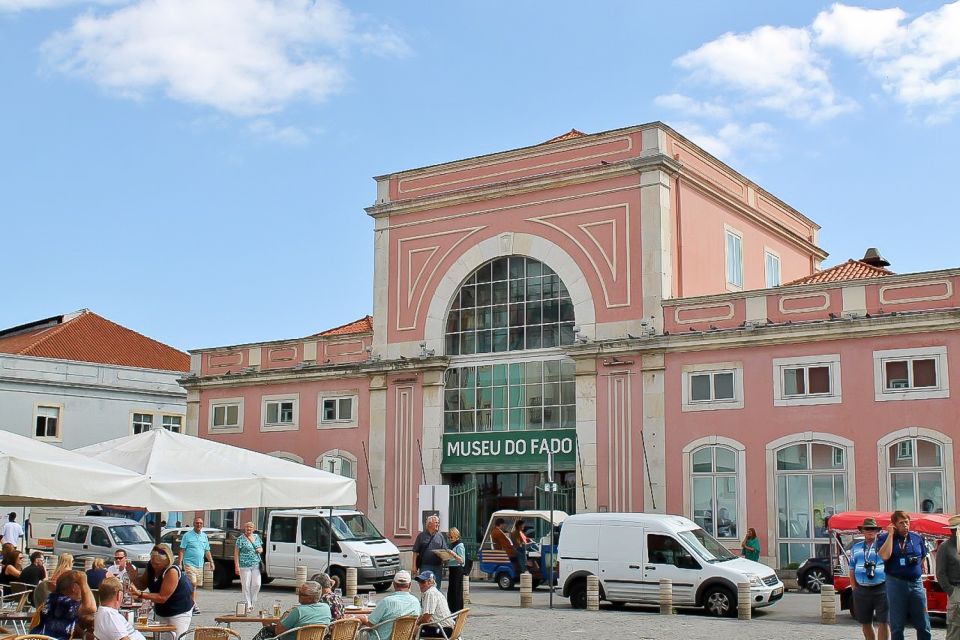
One of the tour’s strongest teaching moments is the discussion of the 1506 Massacre—how it began and how it shaped what came next for Jewish communities in Portugal. If you’ve ever wondered why Jewish history in Europe often feels like a series of sudden reversals, this is the kind of turning point that makes that pattern make sense.
What I like about how this is presented is that it’s not a standalone horror story. You’re guided to connect events, decisions, and consequences—how social tension can quickly become political action, and how that pressure changes daily life. You also get a sense of how a city’s identity can be rewritten over time, street by street.
If you’re the type who likes history with cause-and-effect, this stop will feel like the tour’s backbone. If you prefer a lighter pace, you’ll still get the broader context, but you might mentally brace yourself for the darker parts of the narrative.
Rua de Judiara and Alfama: Lisbon’s oldest neighborhood, on foot
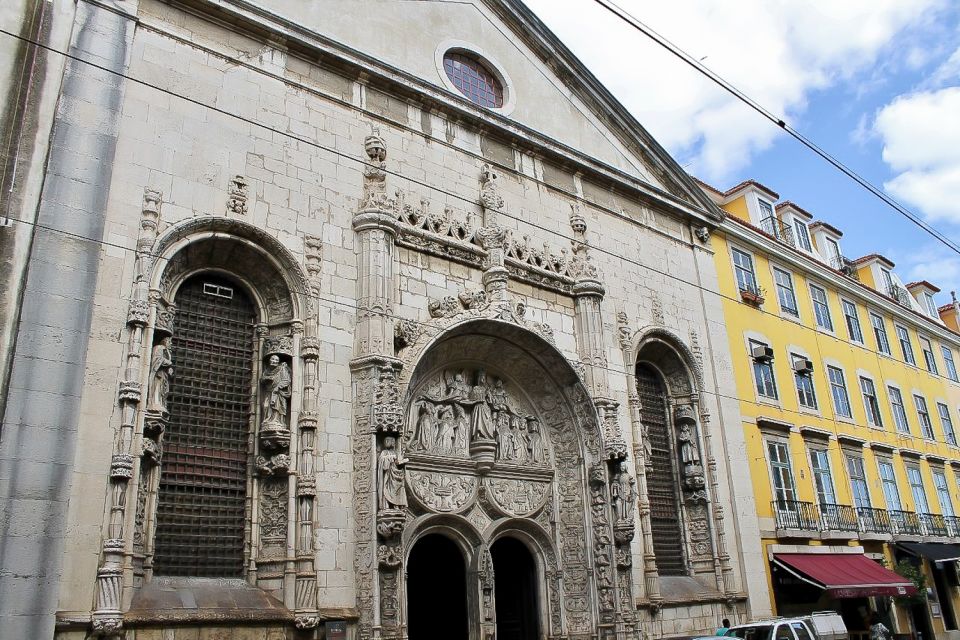
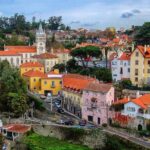
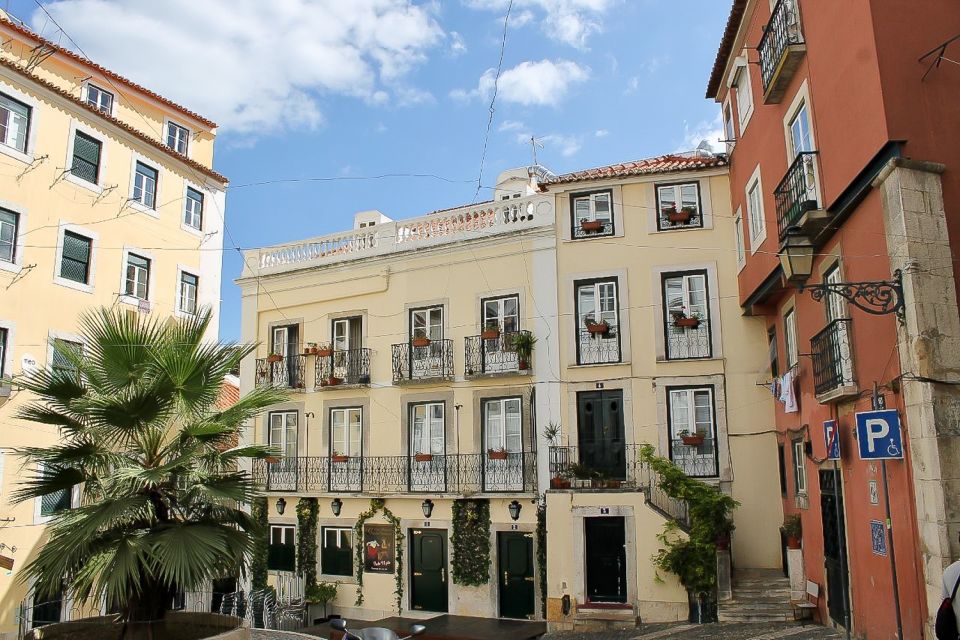
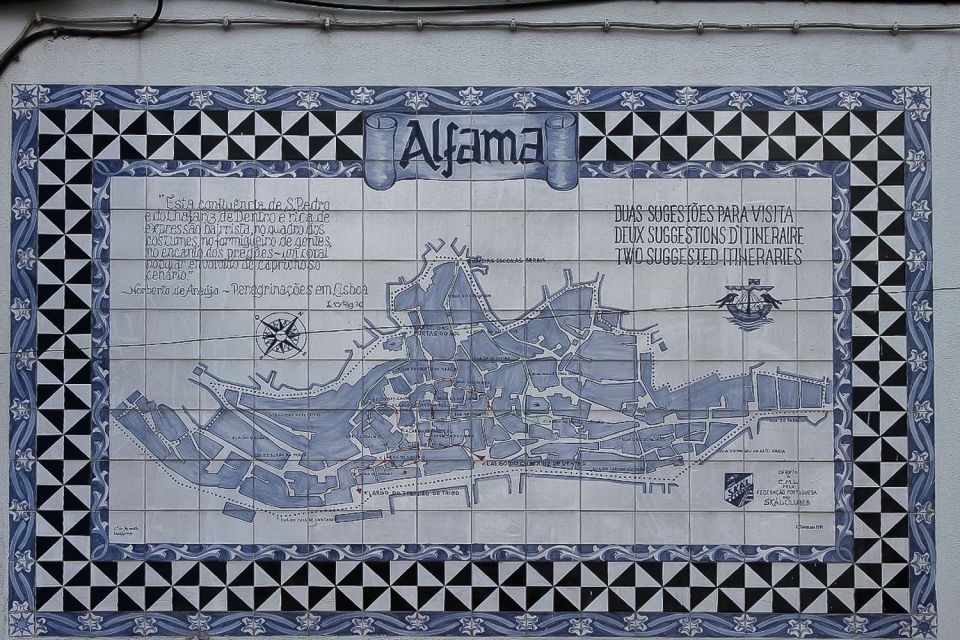
After the synagogue, the tour shifts into walking mode—specifically through the Alfama area and down Rua de Judiara. Alfama is one of those Lisbon neighborhoods that doesn’t let you forget you’re on slopes, between walls, and around corners that hide what’s next. That’s exactly why this tour works: the geography supports the story.
Rua de Judiara matters because it’s a street-level reminder that Jewish communities weren’t an abstract concept. They were neighbors, workers, and residents whose presence left marks in place names and local memory. Walking here helps you “read” Lisbon differently. You start noticing what the city chooses to preserve and what it buries—sometimes under ordinary street life.
Practical note: Alfama’s lanes mean comfort is king. You’ll want shoes that handle uneven sidewalks and a route that includes a bit of stamina. This is one reason the tour isn’t set up for wheelchair users or people with mobility impairments, and it’s also why people with heart problems should reconsider.
The Kingdom of Portugal and Jewish legal status in the 12th century
A lot of tours mention kings and decrees in passing. This one gives you a clearer idea of how the Kingdom of Portugal recognized the Jewish community as a distinct legal entity with its own jurisdiction in the 12th century.
That might sound like government paperwork, but it’s more interesting than it first appears. When a state recognizes a community with its own jurisdiction, it shapes daily life: how disputes are handled, how authority is organized, and how people understand their place in society. It’s the difference between being tolerated at the edge of town and being governed as a defined community within the kingdom.
This context is valuable for you because it prevents a common oversimplification: that Jewish life in Portugal was only one thing—only persecution, only exile, only survival. Instead, you get the messier truth: communities can be structured, protected in some legal ways, and still face waves of danger later.
Names that change the scale: Abraham Anahory and Aristides Sousa Mendes
A strong story needs strong people. In this tour, you’ll hear about figures who shaped events or saved lives, including Abraham Anahory and Aristides Sousa Mendes.
Why I think this is effective: names make history usable. Instead of memorizing dates, you remember who acted and what their choices meant. Sousa Mendes in particular is the kind of figure you want to hear about if you care about moral courage. He’s described as the Portuguese consul who saved the lives of thousands of Jewish refugees. That turns “refugee history” from a concept into a human reality.
And yes, this is also where the guide’s storytelling style matters. Guides like Paulo Levy bring a personal, proud tone to the material and connect Portuguese identity with Jewish heritage—without turning it into a lecture. You’ll get the sense that these stories aren’t just facts; they’re part of how a community understands itself.



What you actually do on a 4-hour small-group walk
The tour lasts 4 hours and is designed as a small group experience—limited to 8 participants. That size is a sweet spot. Big enough to feel social, small enough for questions and pace control.
A 4-hour walking tour in Lisbon isn’t “marathon mode,” but it is a sustained experience. Plan for:
- Comfortable shoes (you’ll want them)
- Weather-appropriate clothing (Lisbon weather can shift)
- Time spent walking between stops and listening as the guide points out what to look for
Also, be ready for the synagogue setting. Dress rules are part of the visit: short skirts and sleeveless shirts aren’t allowed. If you forget, you might end up wishing you hadn’t.
If you’re someone who likes to stop and ask questions, a small group helps. If you’re easily tired by long walks, you’ll still get the core story, but you may feel the route more than you expected.
Price and value: is $165 worth it for Lisbon walking?
The price is listed as $165 per group up to 2, and you get a private guide for a small group tour, plus walking and entrance fees to Shaare Tikva. On paper, that sounds straightforward. In real terms, it’s about value in three places:
- You’re paying for access + time saved. Entrance to the synagogue is included, and you skip the ticket line.
- You’re paying for interpretation. The story is the point here—1506, legal status in the 12th century, key people like Sousa Mendes, and neighborhood context in Alfama.
- You’re paying for group size control. Limited to 8 participants, which keeps the tour more personal than typical mass sightseeing.
So yes, it’s not the cheapest walking tour in Lisbon. But you’re not just buying steps on a map. You’re buying guided context at major sites, plus a small-group format where it’s easier to stay focused.
If you’re traveling with a partner (the pricing is per group up to 2), it also lines up well with how many Lisbon visitors actually explore: two people, one guide, one shared day.
Who this tour suits best (and who should pass)
This is a great fit if you:
- Want Portugal’s Jewish story in context, not just a quick list of landmarks
- Like walking neighborhoods such as Alfama, where place names and streets matter
- Enjoy history that’s tied to people—especially named individuals tied to rescue or community life
- Prefer smaller groups and Q-and-A-friendly pacing
It may not be your best choice if you:
- Use a wheelchair or have mobility impairments
- Have heart problems and need to avoid sustained walking or uneven terrain
- Don’t want to deal with dress-code rules at the synagogue (short skirts and sleeveless shirts aren’t allowed)
Book it or skip it: my decision guide for you
Book this tour if you want Lisbon history with sharper edges and real location grounding. The Shaare Tikva visit plus the Rua de Judiara/Alfama walk gives you both institutional and neighborhood perspective, and the guide-led storytelling about the 1506 Massacre and Portuguese legal status in the 12th century helps you connect the dots fast.
Skip it if you need a fully accessible route, or if you’re not comfortable with a longer walking session on older streets. Also, if your goal is only light sightseeing with zero historical weight, you might find the subject matter heavier than a typical “highlights” walk.
FAQ
How long is the Lisbon: The Jewish Sephardic Walking Tour?
The tour lasts 4 hours.
Where is the meeting point?
You meet in front of Lisbon Synagogue, R. Alexandre Herculano 59, 1250-010 Lisboa, Portugal.
What is the price for this tour?
The price is $165 per group up to 2.
What’s included in the ticket price?
You get a private guide for a small group walking tour, and entrance fees to Shaare Tikva (Lisbon Synagogue).
Do you skip the ticket line for the synagogue?
Yes, the tour includes skipping the ticket line.
What languages are available for the tour?
The live guide speaks English and Portuguese.
What should I wear and bring?
Wear comfortable shoes and comfortable clothes. Bring weather-appropriate clothing. Avoid short skirts and sleeveless shirts.
Is the tour suitable for wheelchair users or people with mobility or heart issues?
No. It is not suitable for wheelchair users, people with mobility impairments, or people with heart problems.