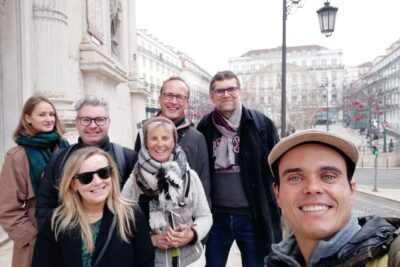
REVIEW · PORTO
Porto: Tile Painting and Cocktails in Downtown Porto
Book on GetYourGuide →Operated by Boiler Studio · Bookable on GetYourGuide
Porto’s tiles are art you can hold. This 2-hour workshop at Boiler Studio pairs cocktails with guided painting, while you learn how azulejos shaped Portuguese streets for centuries. I especially love the calm, no-pressure vibe and the fact that the craft lesson starts with real context, not just a blank canvas.
One thing to plan for: if you take your time, your tile may need a drying moment, and you could be asked to return to the shop/studio to pick it up.
In This Review
- Key things to know before you go
- Boiler Studio on Rua Chã: Easy to Find, Easy to Enjoy
- The Azulejo Story You Actually Want to Hear
- Cocktails, Calm Music, and a Room Where You Can Relax
- How the 2-Hour Workshop Flows (Without Feeling Rushed)
- Supplies and Painting: Stencils, Choices, and Real Guidance
- Your Take-Home Tile: Souvenir Value and Drying Reality
- Price and Value for $41: Why This Feels Like More Than a Craft
- Best for Rainy Days, Solo Travelers, and People Who Hate Being Put on the Spot
- Quick Practical Tips Before You Book
- Should You Book This Tile Painting and Cocktails Workshop?
- FAQ
- How long is the tile painting and cocktails workshop?
- Where is the meeting point in Porto?
- How much does it cost?
- What’s included in the price?
- Can I take my painted tile home?
- What languages are offered for the instructor?
- Is it suitable for kids?
- Is the studio wheelchair accessible?
- What is the cancellation policy?
- Do I pay now or later?
Key things to know before you go
- You get culture first: the workshop includes a short azulejo history talk before painting starts.
- No artistic skills needed: instructors guide you step-by-step, even if drawing isn’t your thing.
- Downtown location: you’ll meet right by Rua Chã and be close to the Cathedral and major landmarks.
- Design options are practical: use stencils or bring your own idea (including printed designs from a photo, when offered).
- You leave with a souvenir: most people can take the tile right away, but drying time can affect pickup.
- Cocktails are part of the experience: expect a included drink such as a Porto tonic or port spritzer.
Boiler Studio on Rua Chã: Easy to Find, Easy to Enjoy
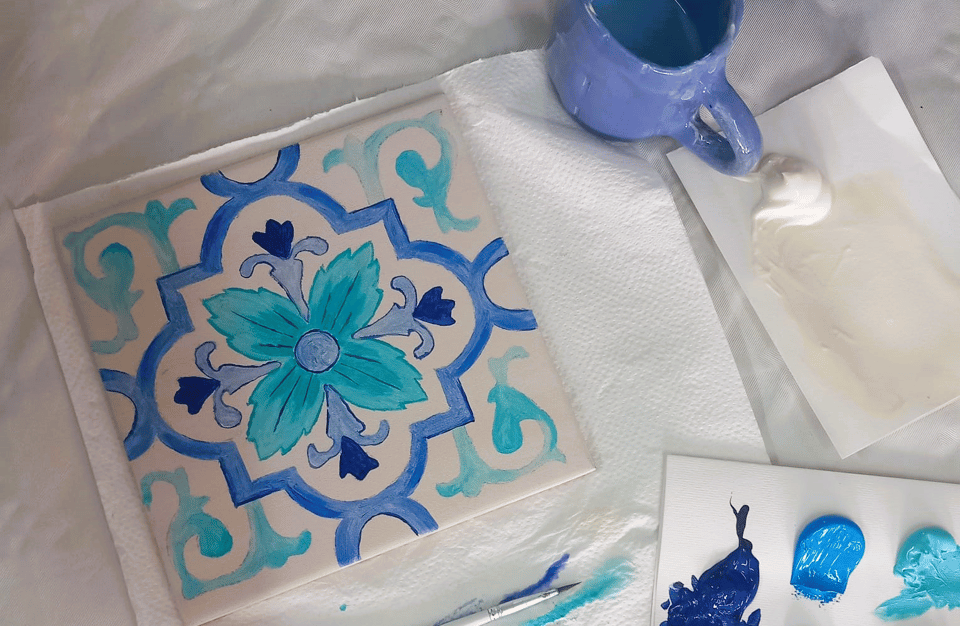
The meeting point is Boiler Studio at Rua Chã 77, on a typical Porto street right in front of the Cathedral area. That location matters more than you might think. After a workshop like this, you’ll want to wander, grab a bite, and stay in the same part of town without a long commute.
This studio isn’t just a workshop room. It also functions as a shop with handmade items from local artists, so you can browse before or after you paint. It’s a nice touch if you want a second souvenir that isn’t another postcard magnet.
You can also read our reviews of more tours and experiences in Porto.



The Azulejo Story You Actually Want to Hear
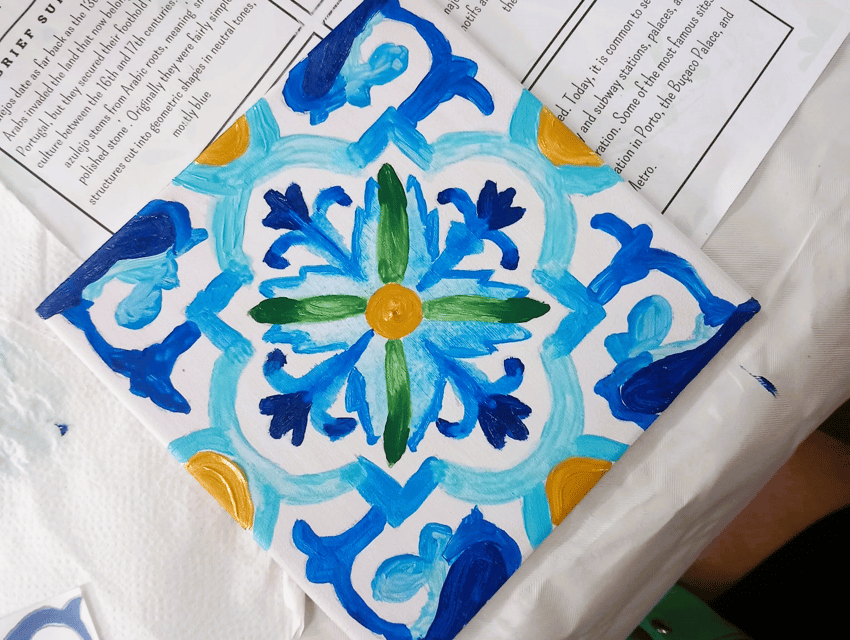
You’ll start with a tile-history explanation that’s short, clear, and built around how azulejos became Portuguese street culture. The big timeline they cover goes back to the 13th century, when the Arabs advanced into the Iberian Peninsula, and then focuses on how the style really took hold in Portugal between the 16th and 17th centuries.
You also learn what the word azulejo means. It comes from Arabic roots, often explained as small polished stone. The earliest tiles weren’t the colorful scene-painting you see on church walls today. They were more geometric and often centered on blue tones, gradually evolving into the patterns and storytelling you recognize around Porto and beyond.
I like this approach because it makes the painting part feel purposeful. When you understand why certain colors and repeating motifs became common, your tile doesn’t feel like a random craft project. It feels like you’re copying a language that grew up here.
Cocktails, Calm Music, and a Room Where You Can Relax
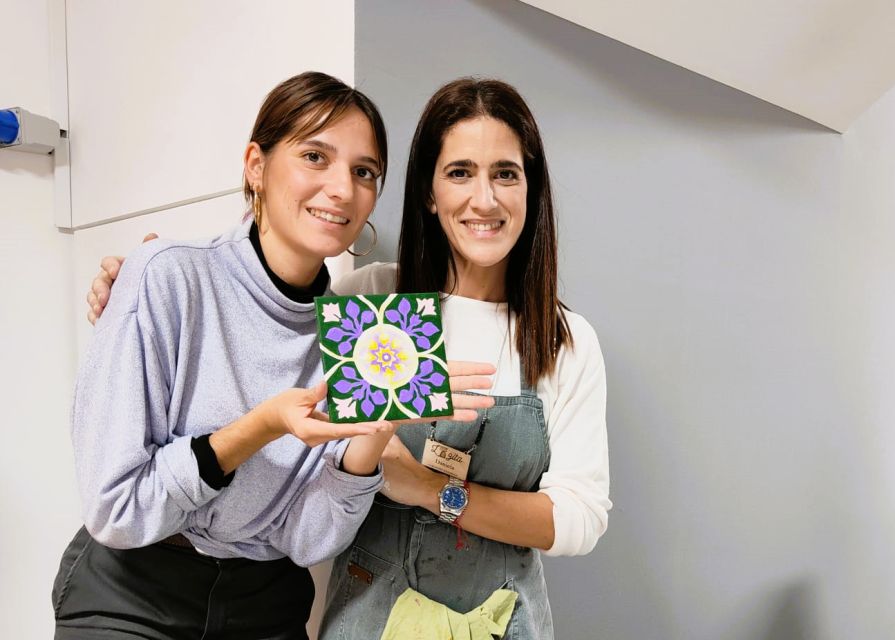
This isn’t a loud, performative class. The vibe is described again and again as relaxed and guided, with calm music in the background. You’ll be in a group setting, but you’re not being rushed, judged, or tested.
And yes, there’s a cocktail. People specifically mention drinks such as Porto Tonic and port wine spritzer, and the workshop experience often includes the drink alongside the painting session. It’s not just an add-on; it helps make the whole thing feel like a slow afternoon break rather than a checklist activity.
Instructors you may meet include Daniella, Emmanuel, and Diogo. Reviews highlight how patient they are, and how they’ll step in if you need help with lines, placement, or general technique. One of the best parts is that they seem to treat “not artistic” as normal, not a problem.
How the 2-Hour Workshop Flows (Without Feeling Rushed)
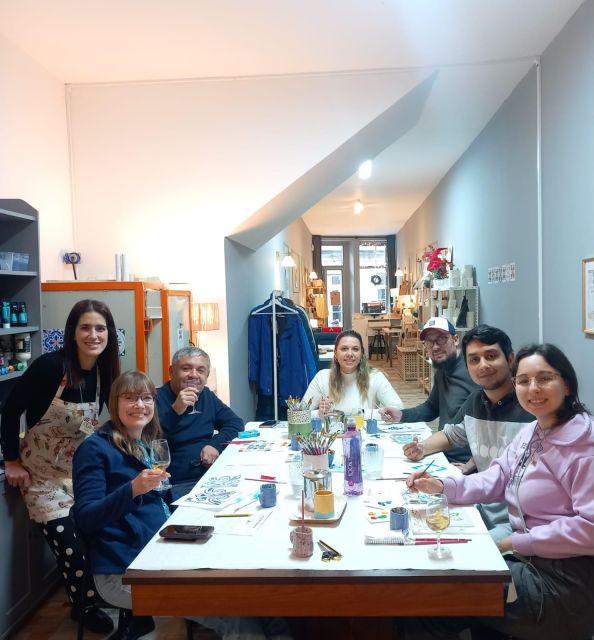
Your session is built around two big phases: explanation and making.
First comes the history and tile background. You’ll cover influences, colors, and how azulejos are used today. Then you move into the studio part where you paint your tile.
Most of the hands-on time is spent with acrylic paints on a ceramic tile. You’ll also get the packaging materials, so you can transport what you made without turning it into a disaster scene. The pace is practical: you get direction, you work, and you get assistance when needed.
A small detail I appreciate: the workshop doesn’t assume you already know what to do with a stencil, brush, or paint consistency. It’s guided enough that even a cautious beginner can make something they’re happy to carry home.
Supplies and Painting: Stencils, Choices, and Real Guidance
What makes this workshop work for beginners is the way they support your decisions. You’re not stuck with only one preset design. There are stencil options, premade pattern choices, and also room to bring your own idea.
From the experience description and the feedback, you can often:
- Pick a stencil-based design
- Choose from available patterns and colors
- Use guidance to paint cleanly and confidently
One review even notes that if you have a photo of what you want, they can print a design for you. That’s a big win if you don’t want to freehand anything but still want your tile to feel personal.
Instructors are also hands-on about technique. People mention help when they needed it, and encouragement that keeps you moving forward even if your first attempt isn’t perfect. If you’ve ever tried a craft class and ended up feeling like you were fighting the materials, this is the opposite. You’ll get the “here’s what to do next” support.


Your Take-Home Tile: Souvenir Value and Drying Reality
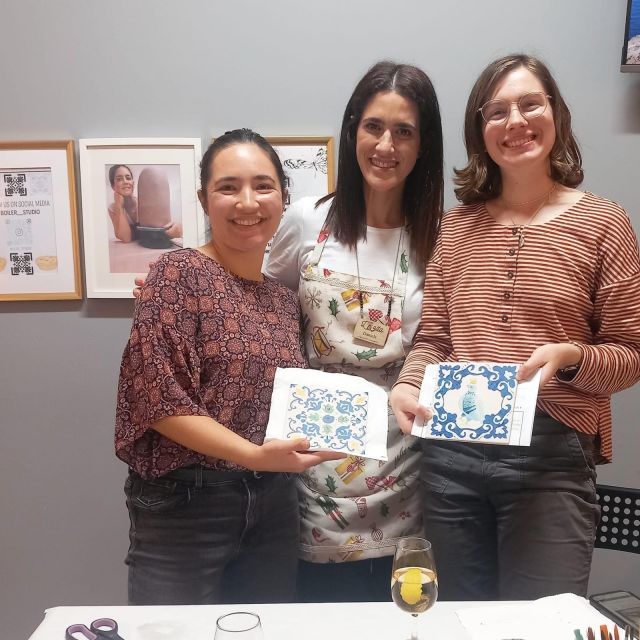
The goal is simple: you paint a tile and take it with you. Many people describe leaving with the finished piece the same day, sometimes within about an hour, depending on how their process goes.
But there’s a real-world consideration. If you take longer (or your tile needs more time to be fully dry), you might be asked to pick it up later from the studio/shop. One review even suggests it could be next day in some cases.
So I’d plan like this:
- If you’re painting quickly, you’ll likely go home with your tile that day.
- If you’re doing detailed work, keep enough time in your schedule to return for pickup if needed.
Either way, the payoff is strong. A handmade tile is a genuine Porto memory. It’s also something you can display without worrying that it’ll become clutter after two weeks.
Price and Value for $41: Why This Feels Like More Than a Craft
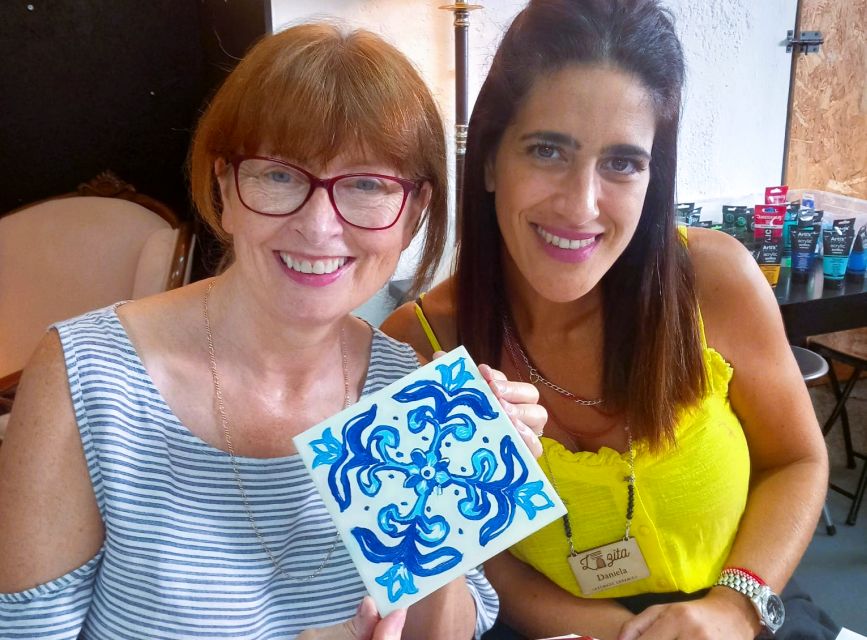
At $41 per person for about 2 hours, this could easily feel like a basic tourist workshop. It’s not. The value comes from three things you actually use.
1) You get materials included. That includes the ceramic tile, acrylic paints, and packaging, plus the cocktail. You’re not paying extra for the “stuff” part.
2) You learn something useful before you start. The history component explains what azulejos are, why they exist, and how they evolved. You’re leaving with a story you can repeat at dinner, not just a painted square.
3) You get an assisted outcome. Reviews repeatedly highlight patient guidance and step-by-step instruction. For many people, that’s the difference between a craft project and a craft keepsake that looks good.
Compared to activities where you pay for entry but don’t really participate, this one gives you a made object. That alone makes it feel worth the money.
Best for Rainy Days, Solo Travelers, and People Who Hate Being Put on the Spot
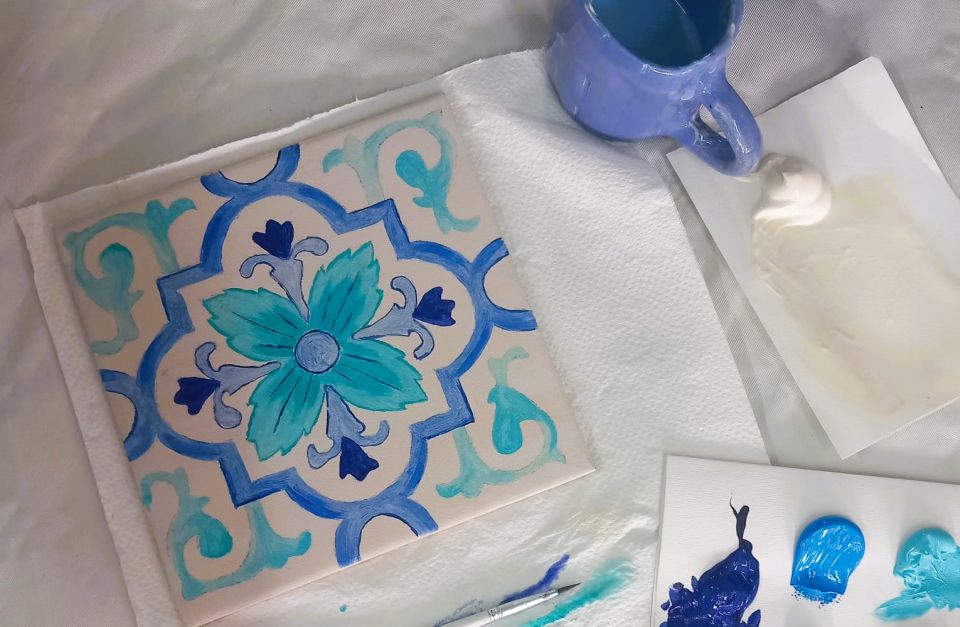
This workshop is ideal when you want something indoors that still feels culturally tied to Porto. One of the most common scenarios in feedback is people using it as a rainy-day plan, then walking back out with a new souvenir and a better understanding of the city.
It’s also a strong option if:
- You’re traveling solo and want friendly interaction without awkward icebreakers
- You want a hands-on break from sightseeing
- You’re not confident with art but still want to try
One important limit: it’s not suitable for children under 10. If you’re bringing a family, you’ll want to double-check ages before booking. Also, the activity prohibits smoking and fireworks and anything explosive—standard rules for a studio setting, but worth noting.
And if you’re using a wheelchair, you can plan confidently because the workshop is wheelchair accessible.
Quick Practical Tips Before You Book
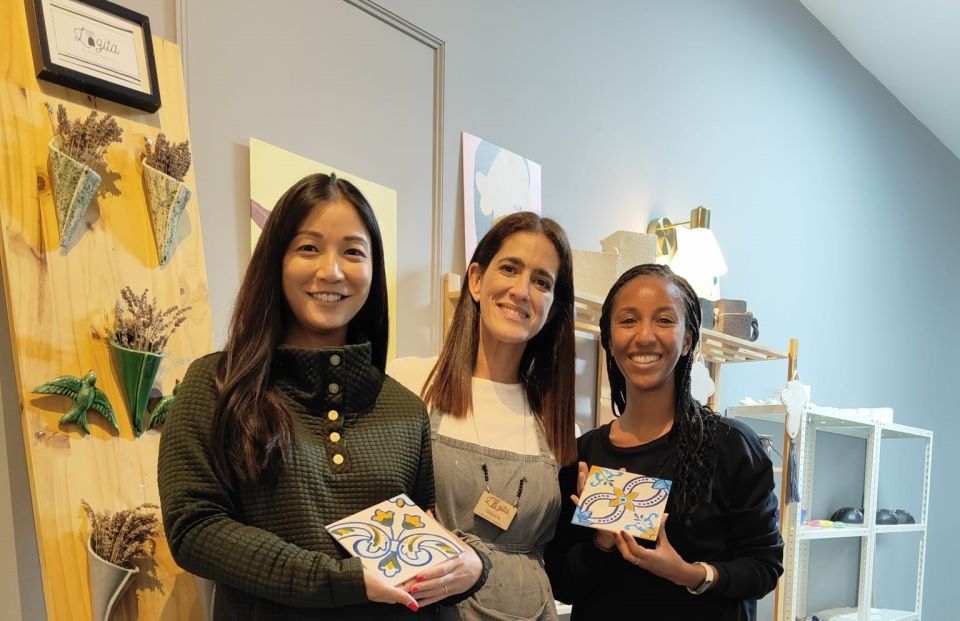
I’d treat this like a relaxed class, not a “get it done fast” mission. If you care about details in your design, plan to spend the full time and be patient with the drying pickup possibility.
Also, wear something you don’t mind getting paint on. Acrylic paints are usually manageable, but crafts can still be messy. Finally, if you want a more personal design, think ahead about what you want the tile to show. If they offer printed photo designs, having a clear reference makes it easier.
Should You Book This Tile Painting and Cocktails Workshop?
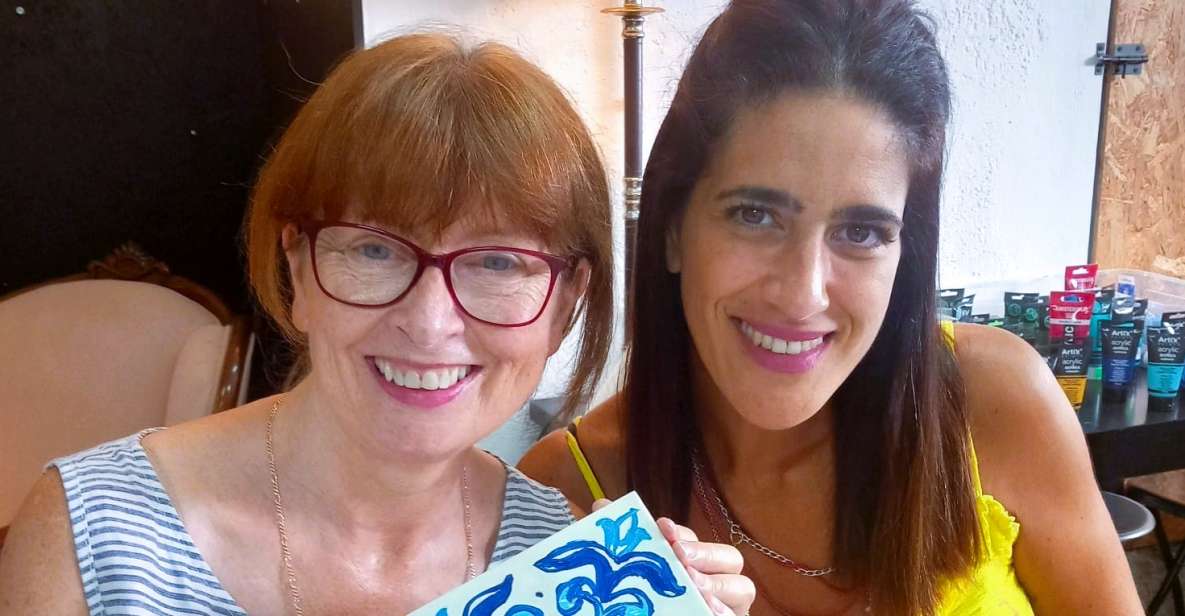
Yes, you should book it if you want a Porto experience that blends culture, craft, and a real take-home item in only 2 hours. It’s especially worth it if you like guided activities where you’ll be helped through the steps, not left to figure it out alone.
Skip it only if you strongly prefer purely observational sightseeing. This is hands-on. And if you’re traveling with strict timing, remember the tile may need a pickup return if it isn’t fully ready to go when you finish.
If you’re in downtown Porto anyway, this is one of those activities that turns a landmark city into a personal memory you can display at home.
FAQ
How long is the tile painting and cocktails workshop?
The workshop lasts 2 hours.
Where is the meeting point in Porto?
It’s at Boiler Studio, Rua Chã 77, in downtown Porto in front of the Cathedral.
How much does it cost?
It’s listed at $41 per person.
What’s included in the price?
You get a workshop summary with texts about the tile, a ceramic tile, acrylic paints, paper packaging, and a cocktail, plus all materials needed.
Can I take my painted tile home?
Yes. The activity includes creating a tile that you can take with you.
What languages are offered for the instructor?
The instructor is available in English and Portuguese.
Is it suitable for kids?
It is not suitable for children under 10 years.
Is the studio wheelchair accessible?
Yes, it is wheelchair accessible.
What is the cancellation policy?
Free cancellation is available up to 24 hours in advance for a full refund.
Do I pay now or later?
You can reserve now and pay later, keeping your travel plans flexible.