REVIEW · LISBON
Lisbon: Jewish Walking Tour
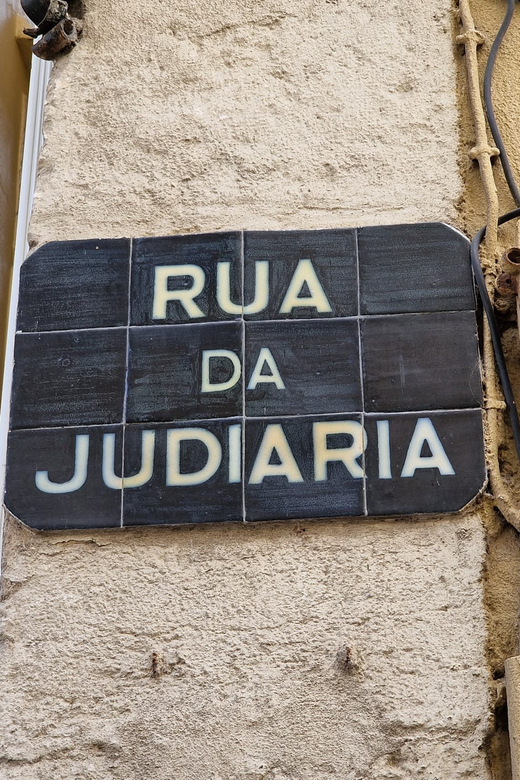
Book on GetYourGuide →Operated by Jewish Cultural Center Rua da Judiaria · Bookable on GetYourGuide
Lisbon hides its Jewish story in plain sight. This tour connects the views of Portas do Sol with on-the-ground archaeology and city sites tied to Portuguese Judaism, and I like how the guide Luciano Waldman (also known as Zelig) uses both scholarship and real care for remembrance to make the past feel concrete. One drawback to plan for: it’s a full walking experience and isn’t suitable for people with mobility impairments.
In just 3 hours, you cover where Jewish life took shape in the Old Town, even though many physical traces are gone. You finish at Largo de São Domingos, a place with major historical weight for Portuguese Jewish communities. The route is in English only, and the guide’s Portuguese/Hebrew background can mean a slight English accent, so if you’re sensitive to accents or to crowded street noise, come with that in mind.
This is also one of those “support as you learn” tours, since part of the experience focuses on the Jewish Cultural Center at Rua da Judiaria. If you want Lisbon with context, this walk delivers it, street by street.
In This Review
- Key Things You’ll Notice on This Jewish Lisbon Walk
- Portas do Sol: where Jewish Lisbon starts with Tagus-and-Alfama context
- Walking with Luciano Waldman: what the archaeologist approach adds
- Jewish quarters, archaeology, and seeing history where buildings are missing
- The Jewish Cultural Center stop: learning now, not just remembering then
- Passing landmarks in the Old Town: what to watch for as you go
- Ending at Largo de São Domingos: where Portuguese Judaism history lands
- Price and time: is $90 for 3 hours worth it?
- Who this tour fits best (and who should skip it)
- Should you book this Jewish Lisbon walking tour?
- FAQ
- FAQ
- How long is the Lisbon Jewish walking tour?
- Where do I meet the guide?
- What language is the tour offered in?
- What should I bring?
- Is this tour suitable for people with mobility impairments?
- What’s included in the price?
Key Things You’ll Notice on This Jewish Lisbon Walk
- Archaeologist guide in the lead: you’ll be looking at the city through material evidence, not just stories.
- Portas do Sol to Alfama views: the tour starts with the geography that shaped where people lived and traveled.
- Excavations and former neighborhood locations: you learn how to “read” places even when buildings don’t exist anymore.
- Jewish Cultural Center stop: you support ongoing memory and cultural work tied to Lisbon’s Jewish life.
- A strong Old Town ending point: the tour concludes at Largo de São Domingos, linked to Portuguese Judaism’s history.
- English-only narration: plan ahead if you need another language, and bring good hearing habits for busy streets.
Portas do Sol: where Jewish Lisbon starts with Tagus-and-Alfama context
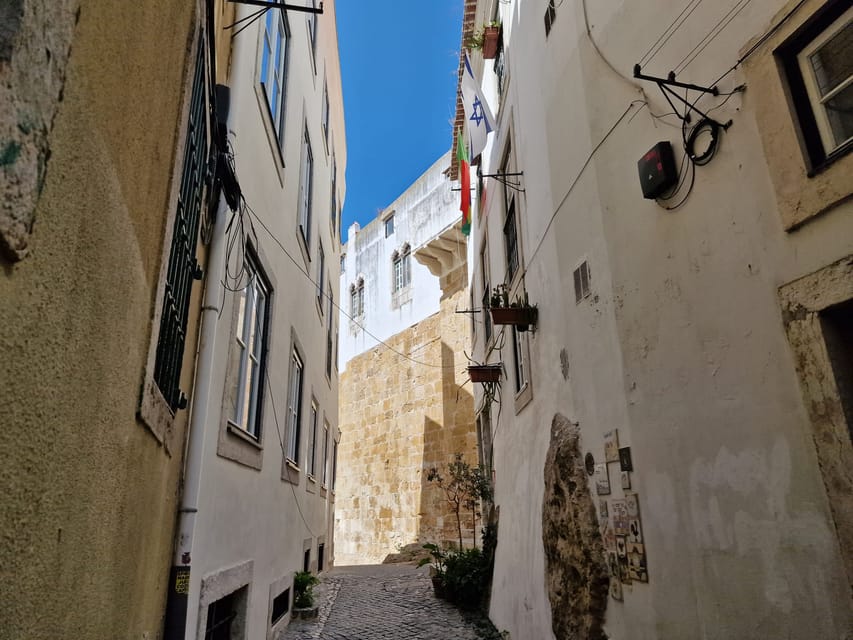
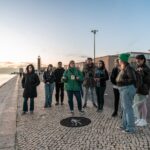
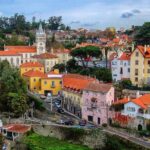
The meeting point is at the viewpoint Largo Portas do Sol, by the statue of Saint Vicente. It’s a smart place to begin because you immediately see the city’s layers: the Tagus catching the light, and the sprawl of Alfama below. That big-picture view matters, because Jewish Lisbon wasn’t only about a single street or synagogue. It was about how communities functioned inside a real city built on hills, paths, and shifting neighborhoods.
From this starting point, the tour route heads through the Old Town, linking viewpoints to the ground-level story. You’ll walk past historical sites and monuments along the way, but the real value is the way the guide keeps reconnecting what you’re seeing now with what existed before. Many of the physical Jewish monuments are gone, so the tour basically trains your eye to understand absence—where something stood, what it meant, and how the area changed.
You can also read our reviews of more walking tours in Lisbon

Walking with Luciano Waldman: what the archaeologist approach adds
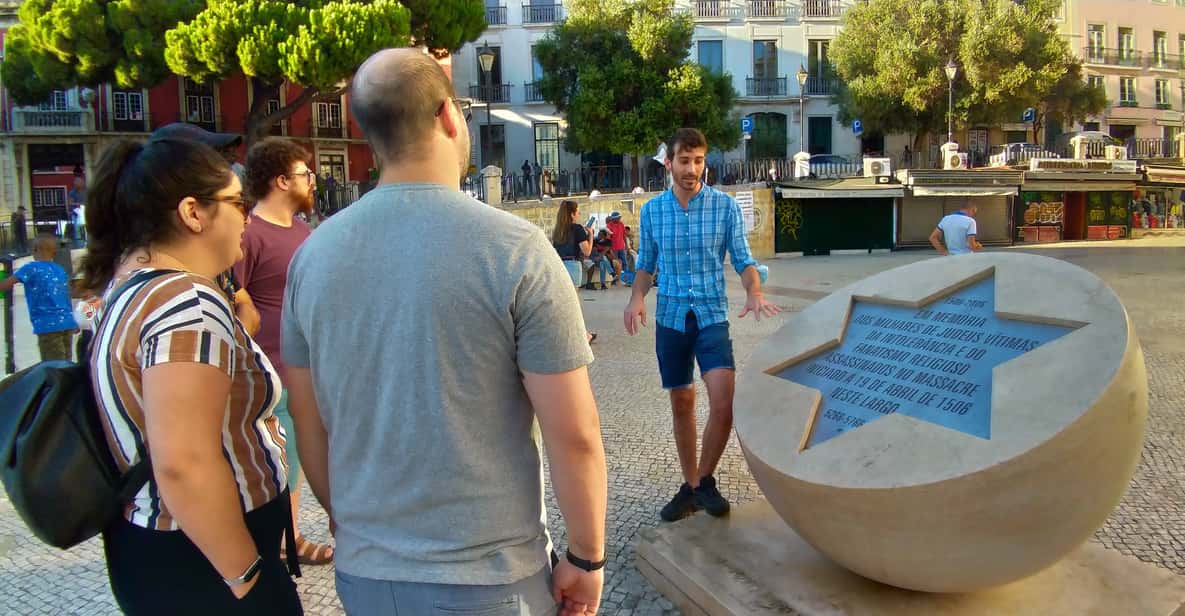
A regular walking tour gives you dates and names. This one adds a different tool: archaeological framing. With Luciano Waldman (Zelig) leading, the focus isn’t just on what the Jewish community did, but on how evidence survives in cities like Lisbon. In a place where so much has disappeared, archaeology becomes a way to show how we know what we know.
You’ll feel it in the pacing. The guide doesn’t just point and move on. The commentary ties each stop to a bigger explanation: settlement patterns, historical pressures, and what can be learned from the ground beneath the modern street. Reviews repeatedly note how he compresses a lot of material into a clear walk, including both the highs of contribution and the heartbreak of how much was lost.
And because Luciano is a native Portuguese and Hebrew speaker, you’ll get that extra cultural texture in how he explains. English is the tour language, but expect a slight accent in English. If you’re a careful listener, you’ll be fine. If you rely on perfect audio clarity, try to stand where you can see and hear well as the group pauses.
Jewish quarters, archaeology, and seeing history where buildings are missing
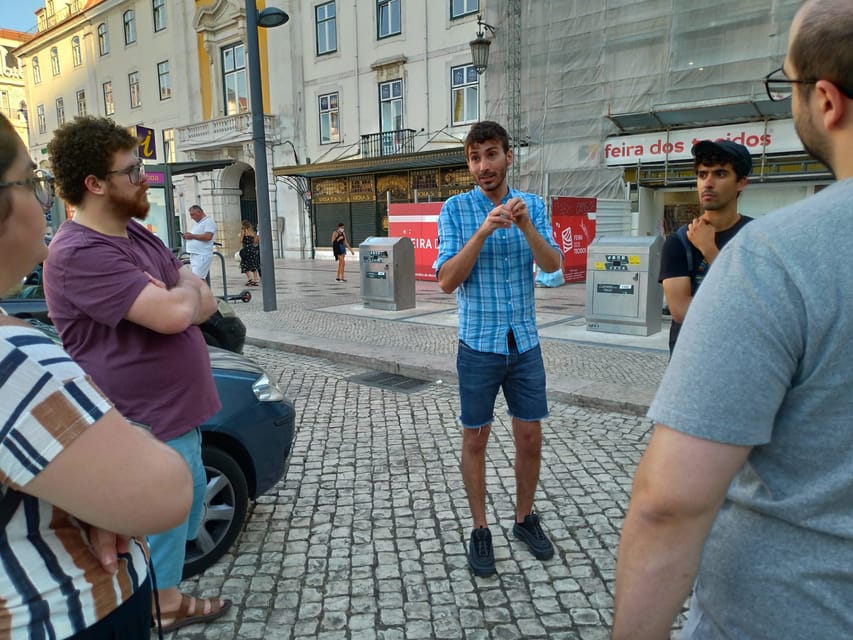
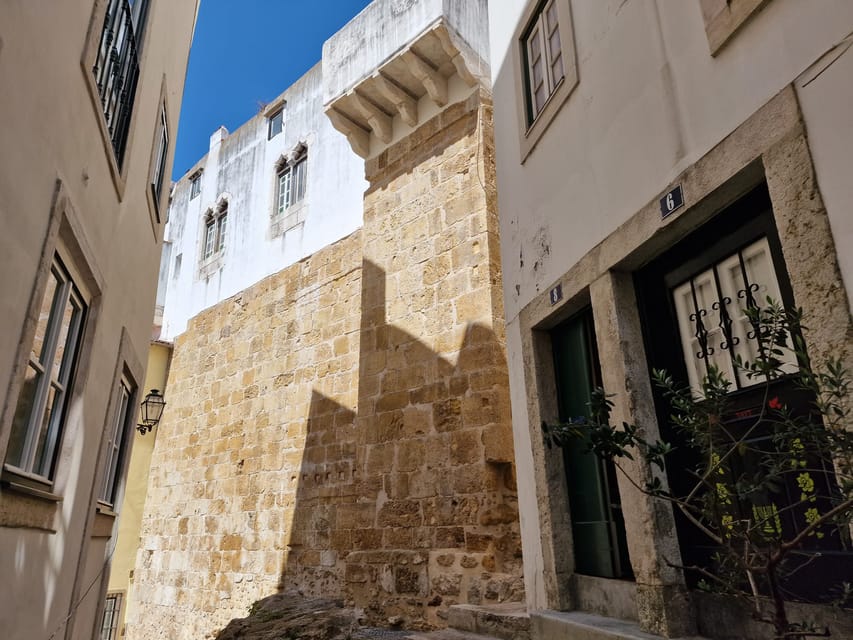
Here’s the key challenge—and the tour’s strength: Lisbon’s Jewish landmarks are limited. Many sites have been destroyed, and the city you walk today doesn’t always match the map in your head. Rather than treating that as a disappointment, the tour makes it part of the lesson.
As you pass through the Old Town, you’ll hear about where Jewish quarters once were, and you’ll connect today’s streets to those former areas. The route includes archaeological excavations, which helps you understand that history isn’t only preserved in museums. It can also be layered under foundations and revealed through digging.
You’ll also get context that broadens beyond Lisbon itself. One of the most appreciated parts of the tour is how the explanation links Portugal’s Jewish story to the wider world it intersected with—regional connections that help you understand why certain events played out the way they did. It’s not just local trivia. It’s context that gives meaning to what you see in front of you.
If you’re the type who likes to ask questions, this kind of tour is built for it. Reviews mention that questions and discussion were encouraged, and the guide’s personal connection to the subject shows in the way he talks about memory, preservation, and the present-day community’s efforts.
The Jewish Cultural Center stop: learning now, not just remembering then
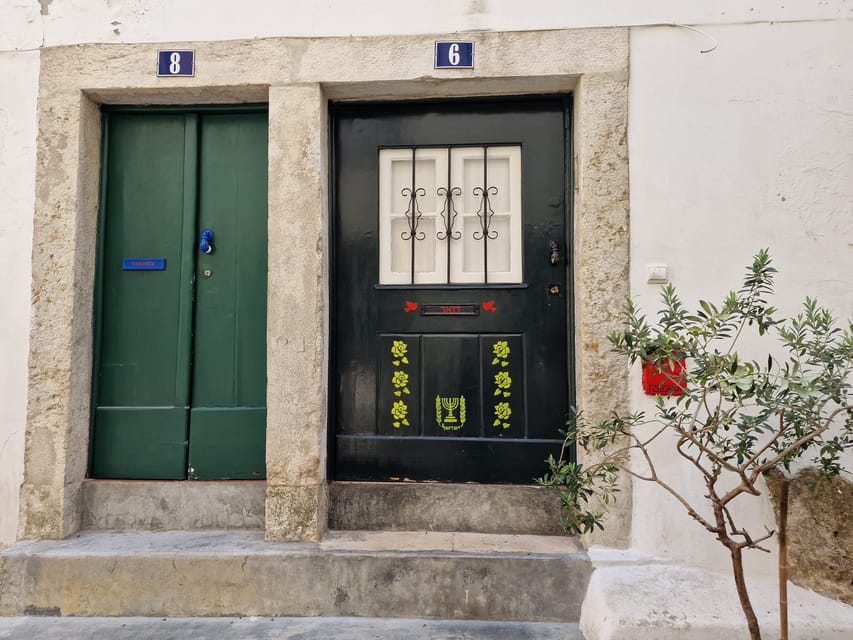
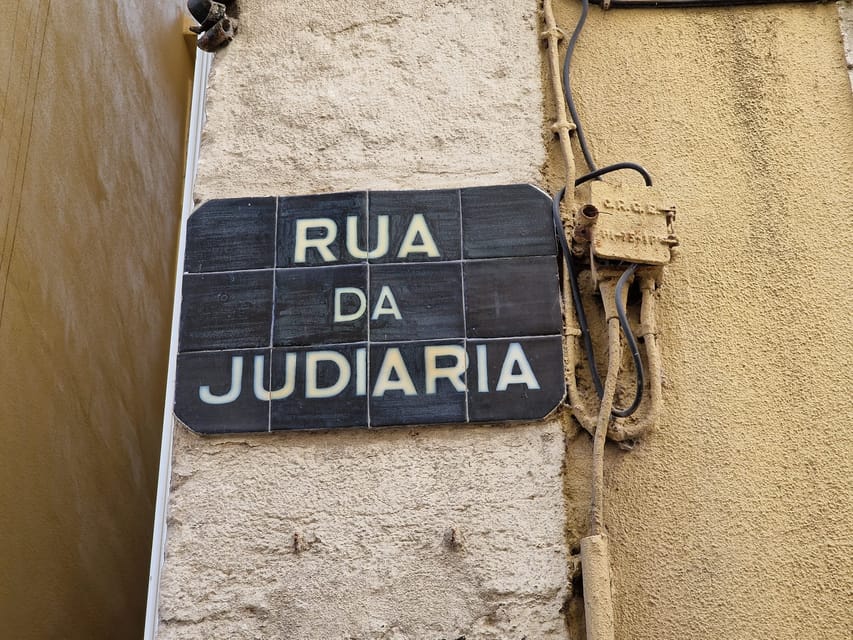
The tour includes the Jewish Cultural Center, tied to Rua da Judiaria. This is more than a quick photo stop. It’s where the tour’s “past meets present” theme becomes tangible.
Why this matters for your visit: it shifts Jewish Lisbon from a purely historical topic into an active cultural moment. Many history tours stop at what was lost. This one helps you see what’s being rebuilt—memory work, cultural education, and community continuity.
It also connects directly to value. The tour is described as a sustainable option because it supports a local cultural institute rather than extracting information and moving on. So yes, you’re paying for a guided walk, but you’re also funding the kind of work that keeps history from becoming only a story for tourists.
Passing landmarks in the Old Town: what to watch for as you go
The route moves through different historical sites and monuments in Lisbon’s Old Town, starting at Portas do Sol and moving toward the end at Largo de São Domingos. Along the way, you’ll spend time on context-heavy stops rather than only obvious tourist scenery. That’s the main difference between this tour and a standard highlights walk.
Here are a few practical things to pay attention to:
- Watch for moments when the guide points out how an area looks today versus how it once functioned.
- Listen closely around the archaeological stops; those explanations help you understand what the physical remains tell us.
- If the route goes through busier tourist patches, don’t worry about missing details. This tour is structured so the narrative keeps moving forward even when the street gets loud.
One review specifically mentioned context around the Rossi station area, focusing on how to understand where older neighborhoods were compared with where things are now. That kind of stop is exactly what makes the tour useful: it gives you mental anchors for Lisbon’s geography.
Walking-wise, people have noted that the route can run mostly downhill, which can be a nice surprise if your feet are already tired from previous sightseeing days. Still, it’s a steady walking tour, so plan for 3 hours of attention and comfortable footwear.


Ending at Largo de São Domingos: where Portuguese Judaism history lands
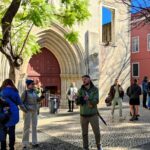
The tour concludes at Largo de São Domingos, described as a place of great historical value to Portuguese Judaism. This ending point isn’t random. Ending where the narrative carries weight gives the walk a shape instead of turning it into a series of unrelated stops.
By the time you reach Largo de São Domingos, you’ve already heard how much changed over time and how much survived only in fragments—places, evidence, and memory. That makes the final area feel like a culmination rather than just the last block on a route.
If you want a simple way to remember the tour’s arc, think of it like this: you start with Lisbon’s panoramic setting, you learn how evidence and place connect to Jewish life in the city, you visit an organization doing present-day cultural work, and you finish at a historically significant public square tied to Portuguese Jewish history.
Price and time: is $90 for 3 hours worth it?
At $90 per person for a 3-hour walking tour, you’re paying for more than movement through the city. You’re paying for a guide with an archaeological perspective, for a tightly timed route through Old Town, and for the emphasis on Jewish Lisbon’s story in a place where so many physical traces are gone.
Here’s the value logic I use when I’m deciding on a tour like this:
- You’re getting expert interpretation, not just general sightseeing commentary.
- The route has interpretive stops, including archaeological excavations and the Jewish Cultural Center.
- The cost supports local cultural work, which matters for sustainability and for keeping the story alive locally.
If your goal is a deeper, more meaningful Lisbon, this feels like a fair use of time. If your expectations are only to see well-preserved synagogues and stand-alone monuments, you might find the physical remnants limited. But that limitation is exactly why the archaeology-and-memory approach is valuable.
Also, the tour is rated highly overall, with a 4.9 score from 96 reviews. The repeated theme is that the guide turns limited visible remains into a clear, human story.
Who this tour fits best (and who should skip it)
This is a great fit if you:
- Want Jewish Lisbon history explained with context, not just a list of sites.
- Like archaeology-informed storytelling, especially in places where many original structures no longer exist.
- Prefer an Old Town walk where the meaning of the streets matters as much as the architecture.
It may not be the best fit if you:
- Have mobility impairments. The tour is not suitable for that.
- Struggle in busy, tourist-heavy areas where hearing can be tricky.
- Need a language other than English. The tour is English-only, but you can request Hebrew, Spanish, or Portuguese in advance.
If you’re traveling in winter or summer, Lisbon’s hill-and-walk reality still applies. Bring water and comfortable shoes, and plan to slow down mentally enough to follow the story, not just the sights.
Should you book this Jewish Lisbon walking tour?
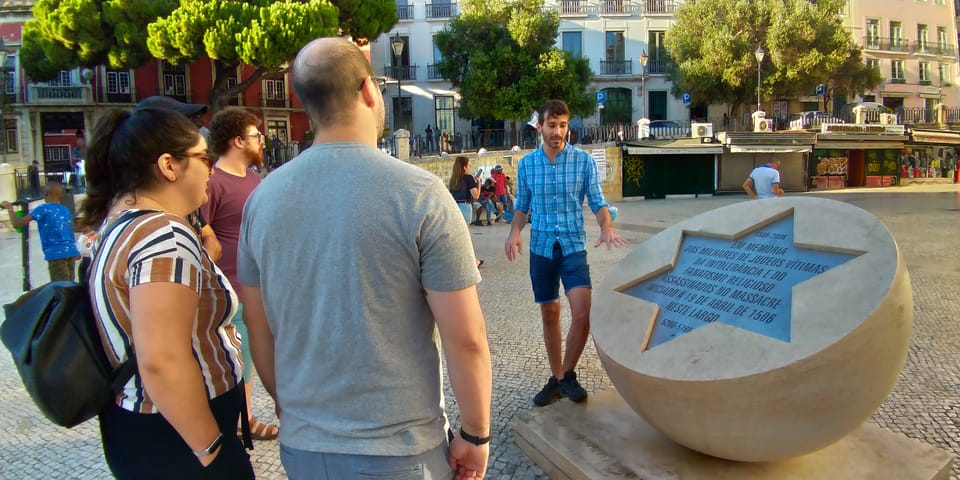
Yes, if you want Lisbon with context and you like learning through place. The biggest strength is how the guide, including Luciano Waldman (Zelig), uses archaeology and historical interpretation to make Jewish Lisbon understandable even when monuments are missing. The start at Portas do Sol and the finish at Largo de São Domingos frame the story in a way that feels coherent.
If you’re mainly hunting for intact, obvious Jewish landmarks, you may feel less satisfied. But if you’re open to learning how history survives through evidence, memory, and cultural work now, this tour is a strong choice. Add in the support for the Jewish Cultural Center, and it becomes more than a sightseeing stop.
FAQ
FAQ
How long is the Lisbon Jewish walking tour?
It lasts 3 hours.
Where do I meet the guide?
Meet at Largo Portas do Sol, at the statue of Saint Vicente.
What language is the tour offered in?
The tour is in English only. Other languages (Hebrew, Spanish, Portuguese) are available if you request in advance.
What should I bring?
Bring water and comfortable shoes.
Is this tour suitable for people with mobility impairments?
No. It is not suitable for people with mobility impairments.
What’s included in the price?
You get a walking tour, a tour guide, and liability and personal accident insurance. Food and drinks, and hotel pickup/drop-off, are not included.