REVIEW · LISBON
Lisbon: Jewish Quarter Guided Walking Tour
Book on GetYourGuide →Operated by Jade Mountain Unipessoa Lda. · Bookable on GetYourGuide
Lisbon’s Jewish past hides in plain sight. I love how the guide, Amber, connects Jewish stories to Portuguese history at real street corners, and I love the time span that stretches from medieval Alfama life to the refugee passages of the 1940s. This isn’t a museum-style lecture; it’s a walking thread through neighborhoods where power, faith, and survival kept changing.
The only catch is the route is mainly uphill, with stairs through Alfama’s older lanes. It’s not a great pick if you hate hills, struggle with back issues, or need step-free access.
Key points I’d circle before you go
- Praça do Comércio as a starting “origin” point: the tour uses this big waterfront square as the launch pad for the Exodus story.
- Alfama and the Judiaria feel different at street level: medieval segregation isn’t just explained; it’s anchored to the neighborhood’s layout.
- Forced conversions in Baixa: you’ll connect policy and persecution to the city’s geography, not just dates.
- Rossio and the 1506 Pessah massacre: a heavy event tied to a central Lisbon square you’ll actually walk through.
- Viewpoints are part of the lesson: the Portas do Sol area gives context for why Lisbon’s hills mattered.
- Small group energy (max 10): with a guide like Amber, you can ask questions without feeling rushed.
In This Review
- Why this Jewish Quarter walk starts at Praça do Comércio
- Alfama’s Judiaria: medieval segregation you can feel in the street plan
- Heading to Portas do Sol and S. Jorge Castle for the hill-country context
- Baixa and forced conversions: what policy looks like on foot
- Rossio and the 1506 Pessah massacre: a central square with a painful echo
- Lisbon in the 1940s: IIWW refugees and the Atlantic connection
- Walk difficulty, what to bring, and who this tour fits best
- Price and value: is $58 worth 2 hours with a small group guide?
- Meeting point and how to not lose your group
- Should you book this Lisbon Jewish Quarter tour?
- FAQ
- How long is the Lisbon Jewish Quarter guided walking tour?
- How much does the tour cost?
- Is the tour in English?
- What’s the group size?
- What’s included in the price?
- Are food and drinks included?
- Where do I meet the guide?
- Is the tour wheelchair or stroller friendly?
- What’s the cancellation policy?
Why this Jewish Quarter walk starts at Praça do Comércio
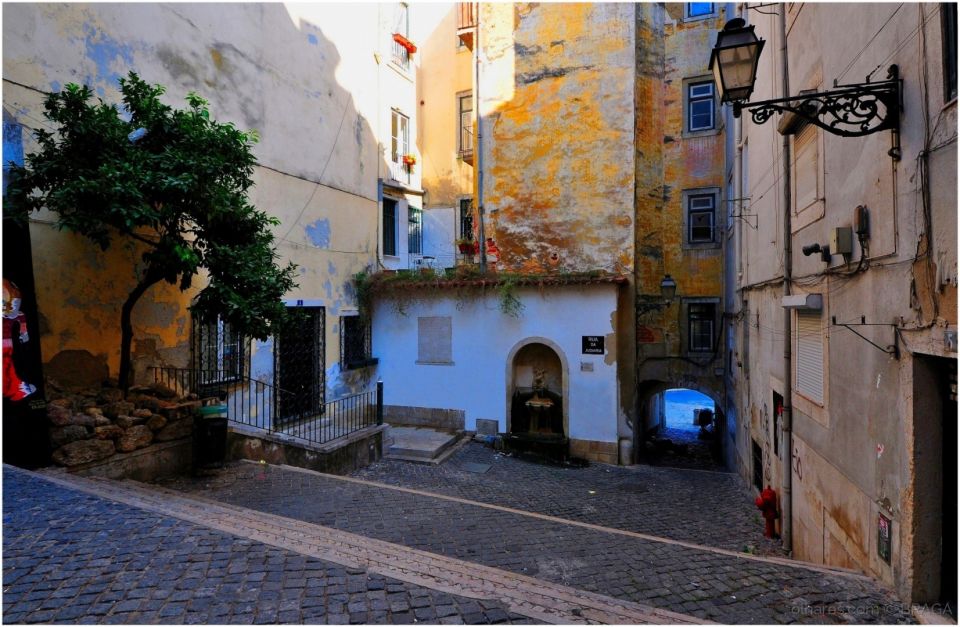
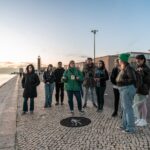
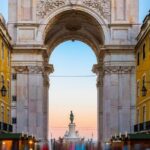
You start in the grand, open expanse of Praça do Comércio. It’s the kind of Lisbon square that makes you understand how the city functioned as a gateway—ships, trade, arrivals, departures. From there, the tour uses the area as an “origin” frame for the Exodus connection, then gradually pulls you from the bright waterfront into older, tighter streets.
What I like about this approach is that it doesn’t begin with sadness. It begins with place. You get bearings fast: where the river-facing heart of Lisbon sits, and how you move from wide spaces to the maze of Alfama. That matters because many of the most emotional parts of the story—segregation, forced conversions, violence—make more sense when you can picture the city’s physical barriers.
This also helps you absorb the guide’s bigger theme: Jewish presence in Lisbon wasn’t static. It changed shape as Portugal’s politics changed, and Lisbon’s geography helped determine how that pressure was felt block by block.
Alfama’s Judiaria: medieval segregation you can feel in the street plan
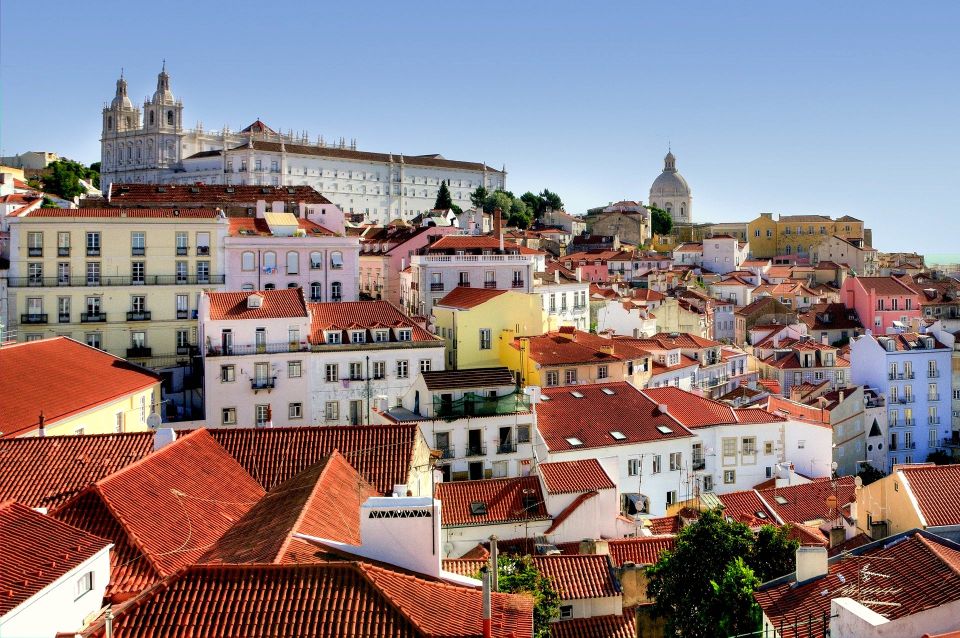
Alfama is where the tour earns its keep. Even if you’ve read a bit about Lisbon’s Jewish past, you’ll still feel something different walking the lanes. The tour’s focus here is on the medieval Judares/Judiaria experience—especially the idea of segregation—and how everyday life was shaped by who could go where.
You’ll pass by key streets associated with the Judiaria area (the tour route mentions Judiaria Street specifically). The guide ties together history with what you’re literally looking at: narrow passages, steep turns, and the way “getting around” could be part of the control system. If you’ve ever wondered how a city could enforce rules without a single big monument, this is your answer.
Also, don’t expect “set in stone” sites at every turn. One thing that comes up in the tour feedback is that there isn’t much surviving physical evidence from centuries earlier. That’s normal for many older neighborhoods across Europe. The value here is that you’re not left guessing. The guide gives the missing narrative so the absence of ruins doesn’t turn into emptiness.
You can also read our reviews of more walking tours in Lisbon


Heading to Portas do Sol and S. Jorge Castle for the hill-country context
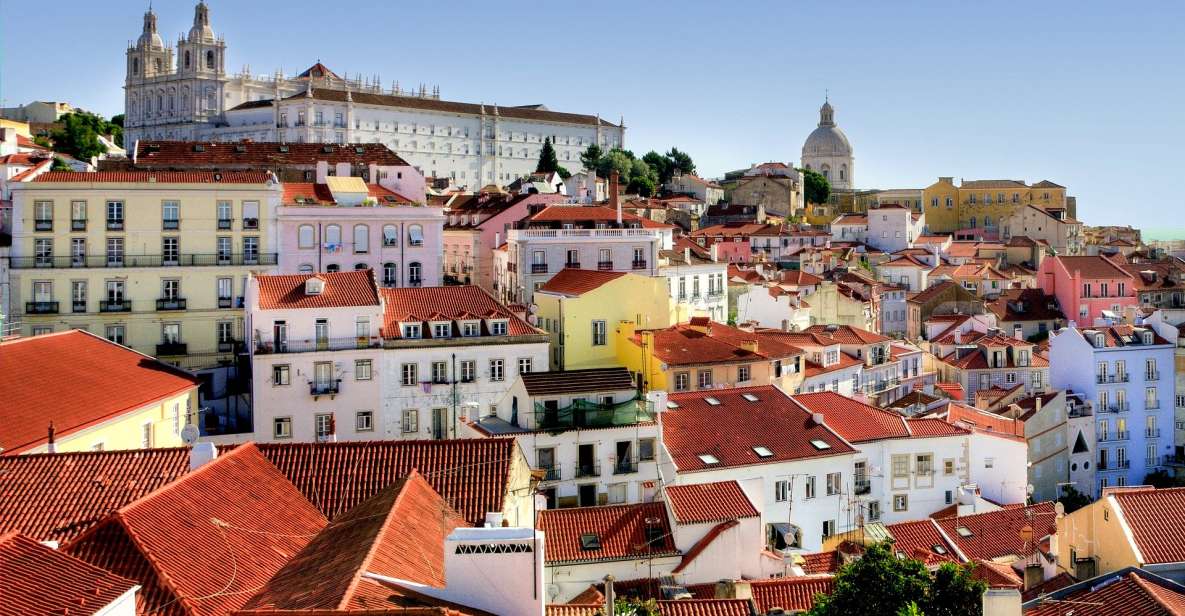
The route includes the Portas do Sol viewpoint area. Even if you’ve seen Lisbon from other lookouts, this one fits the story. It helps you understand why medieval and later Lisbon built the way it did—on hills where visibility and access became power.
From there, the walk moves toward S. Jorge Castle. You don’t just get “a nice view” in the usual sightseeing way. You get a sense of how control worked in a city dominated by elevation. When a neighborhood is physically hard to reach, it becomes easier to manage—and easier to punish.
This is one of the tour’s smartest moves: it uses scenery as an argument. When the guide explains how communities were affected by Portuguese governance, the hill setting gives your brain something to hold onto. You’ll likely find it easier to remember the timeline once you’ve linked it to the geography.
And yes, there will be plenty of uphill walking. The good news: the group is small, and the guide can pace the walk—plus you’ll have breaks if you ask.
Baixa and forced conversions: what policy looks like on foot
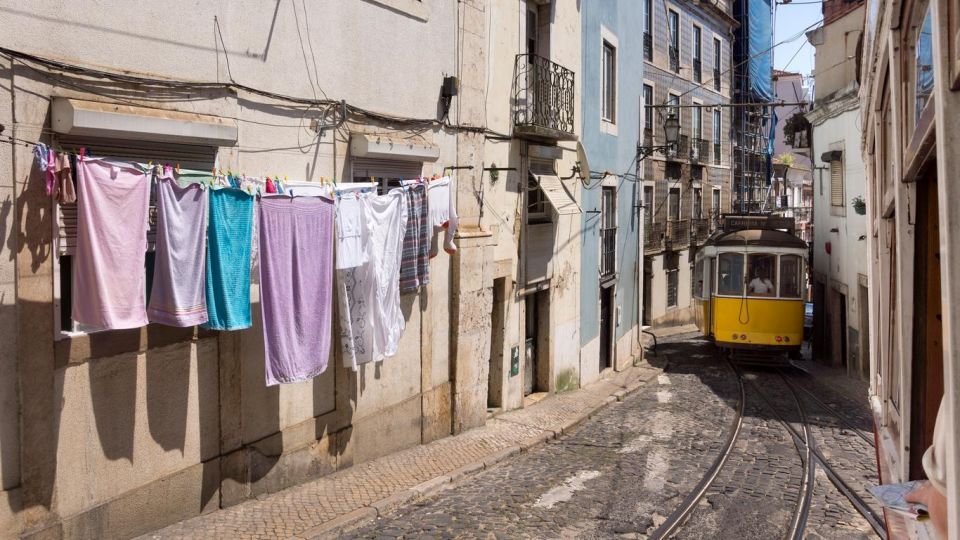
The Baixa District gets its spotlight for a reason. This is where forced conversions enter the story—turning religion from a private matter into something that could be enforced through law, reputation, and daily risk.
As you move through the center, the tour’s emphasis shifts from medieval segregation to later stages of pressure: the idea that Jews weren’t simply ignored or expelled; they were pushed into conversion, and those choices carried consequences for generations. Walking through Baixa helps you see Lisbon as a working city, not just a past tense postcard.
One review point I found especially useful is that the guide also frames how “New Christian / Converso” divisions evolved over time. There’s mention of the 18th century and the acts connected with Marquis de Pombal, and even an ending near a Pombal statue in at least one tour experience. If that’s included on your specific route, it gives the story a symbolic finish: Portugal trying to reset social boundaries after centuries of division.
Balanced reality check: this kind of history can feel heavy, and you’ll be moving between emotionally loaded moments. Still, the guide’s pacing matters. Several tour notes highlight that Amber balances depth with room for questions, and that she manages rest stops when needed.
Rossio and the 1506 Pessah massacre: a central square with a painful echo
Rossio is a major Lisbon hub, which makes it a powerful stop for the story’s darkest events. The tour specifically includes Rossio and the 1506 Pessah massacre. You’ll be standing in a place that today feels like everyday city life—then you’ll get the historical weight attached to it.
That contrast is the point. It’s easy to treat atrocity as something that happened “over there, long ago.” Walking Rossio changes the feel of it. You’re not just hearing about violence; you’re experiencing how it’s remembered—or not remembered—within a modern urban rhythm.
The tour keeps the focus on the Jewish community legacy inside Portuguese history and culture, science, and even gastronomy. That combination is important. A tour that only focuses on suffering can trap you in one emotion. Here, you get a sense of what was lost, but also what persisted—how communities shaped language, ideas, and foodways even under pressure.
If you want a tour that helps you understand Lisbon beyond viewpoints and tiles, Rossio with this framing is often the “click” moment.
Lisbon in the 1940s: IIWW refugees and the Atlantic connection
One of the more distinctive elements of this experience is that it doesn’t stop at medieval Lisbon. The tour includes the IIWW refugees passage in the 1940s and connects Lisbon to the broader world diaspora that spread across the Atlantic.
You’ll hear Lisbon described as a bridge—between continents, between eras, between people seeking safety. That’s not always how walking tours handle Jewish history, so it’s a refreshing and human way to expand the timeline.
This part of the tour also changes how you interpret the earlier story. If you’ve been thinking of the city purely as a place of old rules and older expulsions, the 1940s material adds a different angle: survival, escape routes, and the continuity of movement even after centuries of disruption.
And it makes your takeaway broader than “Lisbon used to be X.” You start to see the city as an ongoing node in a network of communities and identities—something you can carry with you even after the walk ends.
You can also read our reviews of more guided tours in Lisbon



Walk difficulty, what to bring, and who this tour fits best
This is a walking tour built for stamina, not a sit-down sightseeing break. The route is described as mainly uphill, and it includes stairs in Alfama. The activity is also not suitable for:
- children under 10
- people with back problems
- mobility impairments
- people over 80
- people with recent surgeries
- low fitness
- people over 70
There’s also a practical note: baby strollers and baby carriages aren’t allowed, so plan accordingly.
What I recommend you do is simple:
- wear comfortable shoes with grip
- bring water (you’ll want it)
- dress for hills and sun changes, since Lisbon weather can shift fast
The best part is the small group format. With a group limited to 10 participants, the guide has room to set a pace and take short breaks if you ask. Several tour experiences mention rest stops and that the group pace works for the whole tour—even when people are slower on hills.
If you’re between “I can handle hills” and “I want to avoid stair marathons,” this is the kind of tour where your footwork plan matters. Start strong, slow down when needed, and don’t let pride trick you into skipping water.
Price and value: is $58 worth 2 hours with a small group guide?
At $58 per person for 2 hours, this is priced like a focused, guide-led neighborhood tour—not a museum ticket, not a long bus transfer. The value comes from three things.
First, it’s small group: capped at 10 participants. That usually means you get better interaction and fewer people clogging narrow lanes while you stop for explanations.
Second, the route covers a lot of story-dense ground for a compact time slot. You’re connecting multiple districts—castle hill area, Alfama, Baixa, Rossio—plus viewpoints and major landmarks like Praça do Comércio and S. Jorge Castle. Even with a couple of stops and stair sections, 2 hours is a tight, efficient loop.
Third, you’re paying for narrative context. The tour includes a live English guide, and many of the strongest feedback points mention how Amber made history feel real and answered questions easily. When there isn’t much surviving physical evidence of earlier eras, the guide’s storytelling becomes the main “site.”
What’s not included matters too: no food and no drinks. If you’re doing this near a meal, plan a snack or water bottle before the tour—or grab something after. The walk is about history, not calories.
Meeting point and how to not lose your group
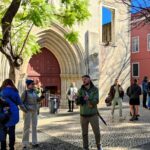
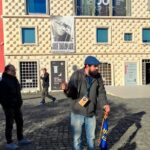
Your meeting point is listed as your guide with a dark red umbrella and/or a sign. Since that can be easy to miss on a busy Lisbon street, do yourself a favor: check your voucher contact method and confirm timing via WhatsApp or iMessages.
Also, expect the tour to begin promptly. Stairs and uphill routes don’t wait for late arrivals, and the guide is coordinating a small group, not a crowd.
Tip: set your shoes up for the first uphill stretch. The tour’s hardest work often shows up early as you shift from flat-ish center areas toward Alfama’s lanes.
Should you book this Lisbon Jewish Quarter tour?
Book it if you want Lisbon history you can walk through, not just read about. This tour is especially strong when you care about context: how Jewish presence in Lisbon is woven into Portuguese history, forced conversions, and major moments like the Rossio 1506 Pessah massacre. I also like that the story doesn’t freeze in medieval time; the 1940s IIWW refugee passage adds continuity.
Skip it (or choose a gentler option) if you can’t manage steep hills and stairs. The tour is explicitly not suitable for several mobility and fitness categories, and it’s mainly uphill through Alfama.
One more decision helper: if you prefer tours where you can ask questions and where the guide’s English stays clear, this one has a strong track record—especially with Amber’s style and pacing.
If you’re comfortable with the physical demands and you want a story-led route across Alfama, Baixa, and Rossio, this is a smart use of 2 hours in Lisbon.
FAQ
How long is the Lisbon Jewish Quarter guided walking tour?
It lasts 2 hours.
How much does the tour cost?
The price is $58 per person.
Is the tour in English?
Yes, the live tour guide speaks English.
What’s the group size?
The group is limited to 10 participants.
What’s included in the price?
A guide is included.
Are food and drinks included?
No. Food and drinks are not included.
Where do I meet the guide?
The guide will be with a dark red umbrella and/or a sign. Contact the number linked to your voucher via WhatsApp or iMessages to confirm.
Is the tour wheelchair or stroller friendly?
No baby strollers or baby carriages are allowed. The tour is not suitable for people with mobility impairments, and it includes stairs and an uphill route through Alfama.
What’s the cancellation policy?
Free cancellation is available up to 24 hours in advance for a full refund.