REVIEW · LISBON
Lisbon Dolphin Watching Ocean Safari
Book on Viator →Operated by Seaview - Nautical Events · Bookable on Viator
Dolphins off Lisbon are not a maybe.
This 2.5-hour ocean safari mixes a fast RIB ride with an on-the-water search guided by a biologist, plus a scenic look back toward two of Lisbon’s most famous riverside landmarks as you head from the Tagus toward Atlantic hotspots. The crew also shifts the route in real time based on sightings and sea conditions, so you’re not stuck on one straight plan no matter what the water is doing.
I like the ethics-first approach: you only get an approach when conditions are safe and suitable for the animals. I also like the human side—names like Bart (charismatic, caring) and the biologist Diogo (informative and practical) show up clearly in the experience style, with safety and wildlife knowledge both built in.
One thing to consider: this is a good-weather-dependent trip, and it’s not suitable for kids under 6. If the sea is rough or the minimum number of passengers isn’t met, you may need a different date.
In This Review
- Key highlights (what makes this tour worth your time)
- Fast RIBs, smart searching, and an onboard biologist
- From Doca Alcântara to the Atlantic: what the 2.5 hours feel like
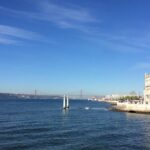
- Stop 1: Torre de Belém views from the water
- Stop 2: Padrao dos Descobrimentos and the Lisbon coast angle
- How dolphins searching works when conditions aren’t perfect
- What you’ll see: pods, close curiosity, and biologist explanations
- What to bring for a fast, wind-swept ride
- Group size, meeting point, and how to arrive ready
- Price and value: what $72.08 buys you in real terms
- Who should book this Lisbon dolphin watching safari
- Should you book? My take on the decision
- FAQ
- FAQ
- How long is the Lisbon dolphin watching ocean safari?
- How much does the tour cost?
- Where is the meeting point?
- Does the tour end back at the meeting point?
- Is the tour offered in English?
- How many people are on the boat?
- Is it suitable for young children?
- What happens if weather is poor?
- What’s the cancellation window?
Key highlights (what makes this tour worth your time)
- RIB speed with real wildlife searching: route adapts to sightings and conditions.
- Marine biologist on board: you get animal behavior context, not just seat time.
- Animal welfare is the rule: approaches happen only when safe and suitable for dolphins.
- Small group size (max 16): better boat experience and more room to move around.
- River-to-ocean route: starts with a scenic scan before heading to Atlantic hotspots.
- Lisbon landmarks along the way: Torre de Belem and Padrao dos Descobrimentos are part of the ride.
Fast RIBs, smart searching, and an onboard biologist
This is a dolphin watch where the method matters. You’re not just going out and hoping for the best—you’re going out with a plan that changes when the sea does.
The ride is in high-speed RIB boats, which means you feel the action immediately. The benefit is simple: faster cruising time to reach likely areas, and quicker repositioning when dolphins show up. The company also states that the crew navigates to well-known hotspots and continuously adapts based on the latest sightings and sea conditions. For you, that translates into a better chance of contact and less sitting.
What really upgrades the experience is that a marine biologist is on board. If you care about what you’re seeing, this matters. Diogo’s name comes up in the feedback as someone who explains types and behavior in a way that makes sightings click. Instead of treating dolphins like random sightings, you start watching with purpose—pod behavior, how groups move, and what different dolphin energy looks like from the boat.
And there’s a built-in comfort factor: ethical, respectful practices and animal welfare as the top priority. You don’t get a ship-to-shore fantasy where the boat insists on getting close. You get an approach only when conditions are suitable and safe for the animals—an important signal that the crew isn’t trying to force wildlife into a photo-op.
A few more Lisbon tours and experiences worth a look

From Doca Alcântara to the Atlantic: what the 2.5 hours feel like
Timing on this tour is tight in a good way. You’re out for about 2 hours 30 minutes, and it’s designed to balance three phases: a river scan, a move into the ocean search area, and then time at wherever the dolphins are actually behaving.
You start at Doca Alcântara (Doca Alcântara, 1350 Lisboa, Portugal). The activity ends back at the meeting point, so you’re not dealing with a complicated end location. The tour is offered in English, and the group is capped at 16 travelers, which keeps it from turning into a cattle-herding situation on a small boat.
As for what you do during that time, the outline is clear:
- you begin on the river with sightseeing along the way, then
- you head out into the Atlantic,
- and the crew keeps working the search hotspots based on what’s happening in front of you.
If you’ve ever done tours where everyone stares at the horizon for ages, the key difference here is that the team is actively looking and willing to adjust the route as conditions and sightings change. That’s the difference between a long ride and a wildlife-focused outing.
Stop 1: Torre de Belém views from the water
You have a scheduled stop at Torre de Belem during the early part of the ride. Even if you don’t get out of the boat for a photo, this works well because the RIB lets you keep moving while still getting that “I’m in Lisbon and it’s real” perspective.
From the passenger point of view, a first landmark stop is also a morale booster. It gives you something visual and familiar before the search begins in open water. You’re not waiting for dolphins to validate the trip—you’re already seeing the city from a different angle right away.
The main practical advantage of starting with a landmark is that you get your bearings fast. You’ll likely notice how the coastline and waterfront shape the route toward the ocean. That helps when you later compare what you saw on the river scan with what you’re looking for out in the Atlantic.
Stop 2: Padrao dos Descobrimentos and the Lisbon coast angle
The second named stop is the Padrao dos Descobrimentos. Like the Torre de Belem stop, this is part of the “on-the-way” experience while you transition from river viewing to the dolphin-search phase.
This stop matters because it adds variety to the ride. A single landmark can feel like a quick glance, but having two named stops means you’re more likely to spend less time thinking about logistics and more time actually enjoying the journey.
Also, these kinds of stops often help with timing. You’re not just thrown onto a boat and then told to stare. You get a structured early window, then you shift your attention to spotting wildlife when the crew indicates you’re in the right areas.
If you care about photos, keep expectations realistic. This isn’t a sightseeing cruise where you linger for long photo breaks. It’s a fast, functional wildlife safari—so bring your phone ready, but don’t count on long stops.
How dolphins searching works when conditions aren’t perfect
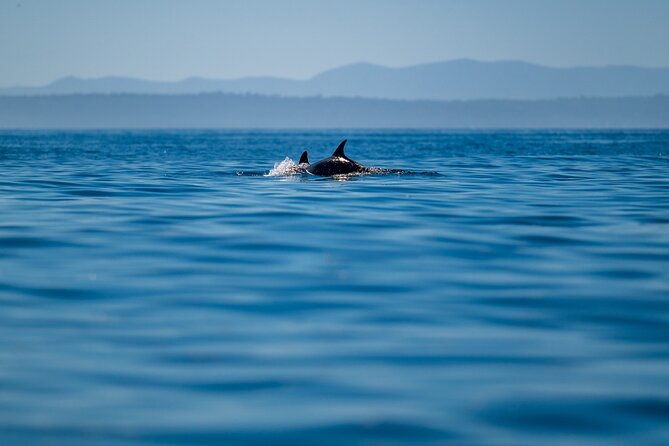
Dolphins don’t keep a calendar. Wind, swell, and timing all affect where animals surface and how easy it is for a boat to approach responsibly.
This is why the crew’s approach matters. The tour specifically says the captain adapts the route based on the latest sightings and sea conditions, and that the team approaches only when conditions are suitable and safe for the animals. That’s not just animal-welfare language—it’s a practical operating style. It reduces the chance you’re wasting time in the wrong water or chasing close encounters that aren’t safe.
In the feedback, there’s a clear theme of determination when conditions are challenging, including a post-storm situation where the crew worked hard to make the dolphin encounter happen. That doesn’t mean every trip beats bad weather. But it does mean the company treats the wildlife search as the mission, not an afterthought.
For you as a reader, here’s the best way to think about it:
- You’re buying a search-and-adapt experience, not a guaranteed dolphin autograph session.
- When you do get a sighting, the boat approach is guided by safety and suitability, which usually leads to better animal behavior and better viewing rather than chaos.
You can also read our reviews of more dolphin watching tours in Lisbon
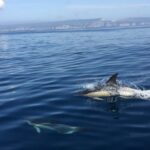
What you’ll see: pods, close curiosity, and biologist explanations
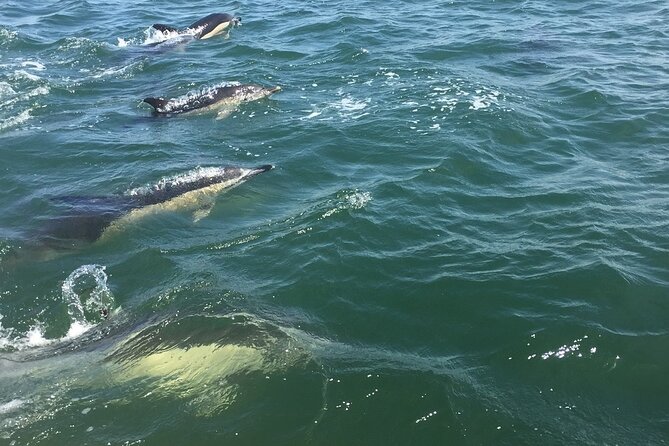
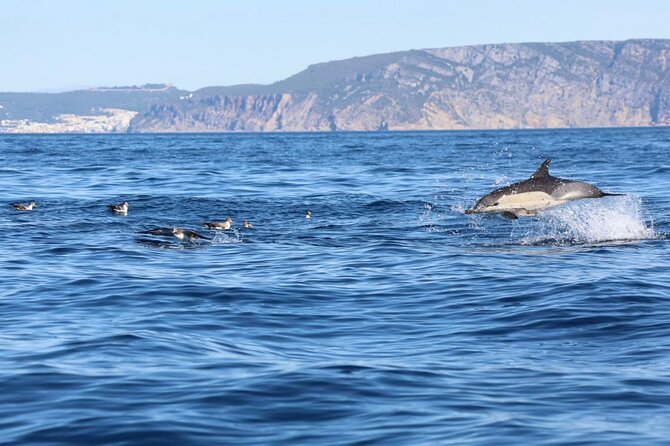
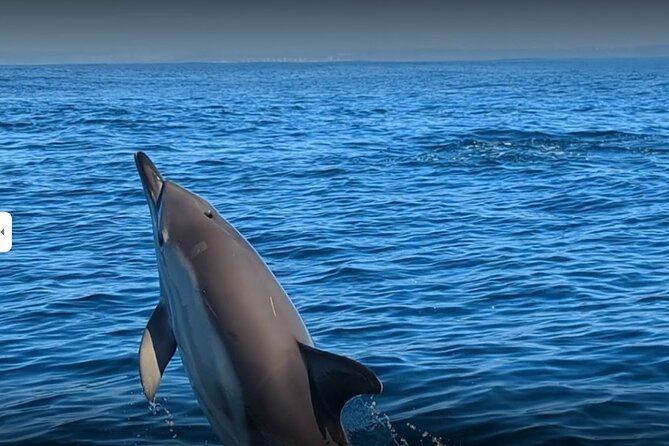
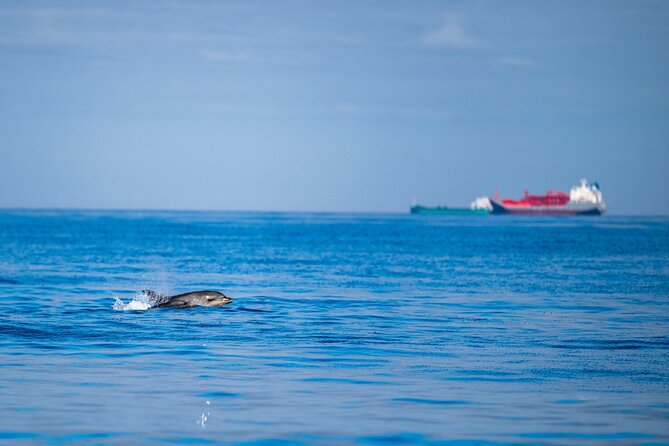
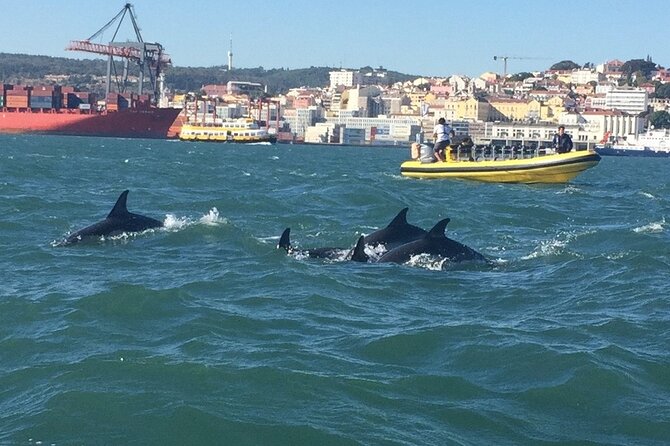
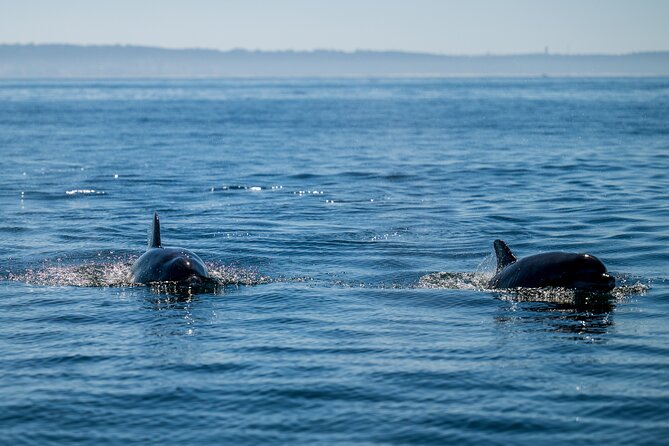
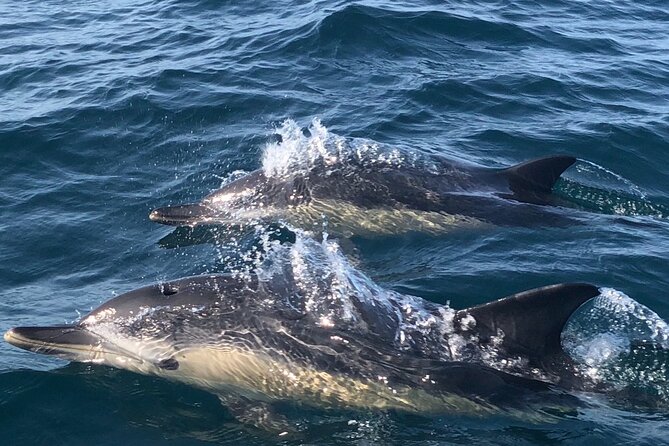
When dolphins show up on a high-speed RIB, the viewing can be surprisingly close—when conditions allow. One of the strongest impressions from the experience description and feedback is that dolphins can surround and interact with the boat area, checking you out as they move through the pod.
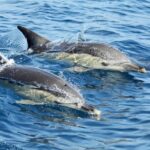
You might see different types of dolphin behavior too. In the supplied feedback, there’s a mention of a female pod with babies and then later the males showing more energetic leaps and closer interest. You can take that as an idea of what the search could uncover: different pods and different energy levels depending on where you are.
The biologist component makes those moments more satisfying. You’re less likely to just watch for the splash, and more likely to understand what you’re seeing—types, behavior cues, and why dolphins are moving the way they are. That’s also why names like Diogo show up repeatedly: it’s one thing to spot wildlife, it’s another to understand it in real time.
Just remember: with wildlife viewing, nature sets the schedule. Your best mindset is curious and patient. If you focus on the crew’s signals and keep eyes trained when the boat slows or changes course, your odds go up.
What to bring for a fast, wind-swept ride
This is not a slow pontoon float. The tour highlights that the ride is thrilling and fast, and it recommends practical gear:
- a windbreaker
- sun protection
I’d take that seriously. On open water, wind can cut fast, and spray can make things feel colder than you expect, even on a bright day. If you show up in thin clothing, you’ll feel it in the first 15 minutes.
Also, think about your comfort with a small boat. Movement is quick, and you may shift positions to see better. Wear footwear that won’t slip. Bring sunglasses if you like them, but also accept that you may get wind gusts that make you want something more secure for your hands and phone.
If you’re the type who loves photos, bring a strap for your phone or use a secure grip. The sea shakes—minor motion is normal.
Group size, meeting point, and how to arrive ready
This tour caps at 16 travelers, which is ideal for a RIB experience. It means you’re less crowded near the bow and side areas where people tend to gather for scanning the water.
It’s also near public transportation, which helps if you don’t want to spend your entire day fighting for parking. Since the activity starts at Doca Alcântara, you can plan around transit rather than car logistics.
One more practical detail: you get a mobile ticket, and confirmation is received at time of booking. That reduces stress when you’re juggling a travel day.
Timing-wise, you should show up with enough buffer to find the boat and get your wind layer on. Even when everything is well organized, RIB boarding is best handled calmly, not in a sprint.
Price and value: what $72.08 buys you in real terms
At $72.08 per person, you’re paying for three things that usually cost extra when you book separately:
1) a high-speed small-boat ride,
2) a marine biologist onboard,
3) active wildlife searching with route adjustments and responsible approach rules.
So the value isn’t just the dolphin “outcome.” It’s the process. A biologist adds real educational value if you care about marine animals beyond surface-level excitement. The small group size also increases your odds of a smoother viewing experience when wildlife appears.
Is it worth it? If you want a city-based dolphin safari that feels purposeful rather than passive, I think it’s priced fairly for what’s included. If you’re only interested in the absolute highest guarantee of dolphins, you’ll need to accept that wildlife is still wildlife. But the trip is designed to work the problem.
Who should book this Lisbon dolphin watching safari
This is a great match if you:
- want wildlife viewing with an onboard biologist
- like fast, active boat trips rather than slow cruises
- care about animal welfare and responsible approaches
- prefer smaller groups (max 16)
It’s probably not the best fit if you:
- don’t do well with windy, fast boat motion
- need a kid-friendly option for children under 6 (this one isn’t suitable)
If you’re visiting Lisbon with limited time, the 2.5-hour format is also workable. It’s long enough to feel like a real outing, but short enough to keep the rest of your day intact.
Should you book? My take on the decision
I’d book this if you want a science-informed dolphin safari with a crew that actively searches and adapts, not a one-size-fits-all cruise. The standout part is the combination: fast RIB mobility plus an onboard marine biologist and ethical approach rules.
Skip it if you’re counting on perfect conditions no matter what. The ocean can change plans quickly, and the trip depends on suitable weather. But if you’re flexible and ready for a wind-swept ride, this is one of the more thoughtful ways to do dolphin watching from Lisbon.
FAQ
FAQ
How long is the Lisbon dolphin watching ocean safari?
It’s about 2 hours 30 minutes.
How much does the tour cost?
The price is $72.08 per person.
Where is the meeting point?
The tour meets at Doca Alcântara, 1350 Lisboa, Portugal.
Does the tour end back at the meeting point?
Yes, the activity ends back at the meeting point.
Is the tour offered in English?
Yes, it’s offered in English.
How many people are on the boat?
The maximum group size is 16 travelers.
Is it suitable for young children?
It is not suitable for children under 6 years old.
What happens if weather is poor?
This experience requires good weather. If it’s canceled due to poor weather, you’ll be offered a different date or a full refund.
What’s the cancellation window?
You can cancel up to 24 hours in advance for a full refund, and cancellation is free.