REVIEW · PICO ISLAND
Pico Mountain Climb: Your Path to Portugal’s Highest Point
Book on GetYourGuide →Operated by Hominis natura · Bookable on GetYourGuide
Portugal’s highest point is a real workout. I love that the climb is led by a Certified Pico Mountain Guide, and you’ll earn big panoramas once you reach 2351 metres near Piquinho. The only real catch is the descent: it can be hard on knees and thighs.
You start at the Mountain House, hike about 8 km, and cover roughly 1,100 metres up and 1,100 metres down on shifting surfaces, including a steep final stretch where you use your hands for balance.
In This Review
- Key things to know before you go
- Why the Mount Pico climb feels like a summit, not a stroll
- Meeting at the Mountain House: the calm start before the climb
- Lush vegetation meets tough geology: what the first phase is really teaching
- The crater approach: changing footing, firm fitness, and real coordination
- The last 15 minutes to Piquinho
- Summit time at Piquinho: views, timing, and how weather changes the reward
- Descending the mountain: why the hardest part starts after you win
- What’s included (and why it’s actually part of the value)
- The real guide difference: pacing, route choice, and small morale boosts
- Gear check for Pico: what to pack so you don’t regret it later
- Who this climb is for (and who should skip it)
- Quick checklist: your day at a glance
- Should you book this Pico Mountain Climb?
- FAQ
- How long is the Pico Mountain Climb?
- How far do you hike, and how much elevation is involved?
- Do I hike with a guide, and what languages are available?
- Is the route technical?
- What footwear do I need?
- What should I bring for the day?
- Can the tour be cancelled due to weather?
- Are pets allowed?
- What about drones?
Key things to know before you go
- Certified guide on a real summit route: You hike with a Pico Mountain Guide, plus a safety briefing before you start.
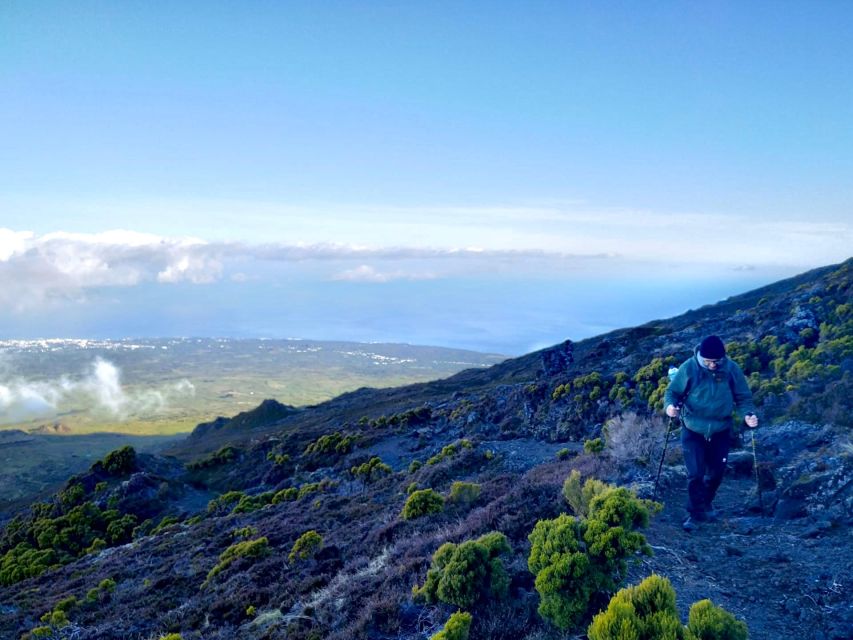
- A route that changes under your feet: Expect everything from mud to solid rock, then loose rock and sand.
- Hands-on final minutes: The last 15 minutes to Piquinho are stabilizing with your hands.
- Top-of-Pico payoff depends on weather: Clear days can mean views across the central islands.
- The descent is the workout’s final boss: Plan on 3–4 hours of steep, rocky stepping back down.
- Useful inclusions for the price: Hiking poles, reserve access fee, personal accident insurance, and a certificate are included.
Why the Mount Pico climb feels like a summit, not a stroll
Mount Pico doesn’t do the gentle version of a hike. Even when conditions are good, you’re walking real mountain terrain: steep slopes, changing ground textures, and narrow rocky sections where balance matters.
What I like most is how the experience is built around safety without turning it into a slow, boring school trip. With a Certified Pico Mountain Guide, you get practical pacing and route-reading help so you spend your energy moving forward, not guessing. And once you reach the crater area and then Piquinho (the summit point), the views have that huge, you-are-up-here feeling. It’s the kind of reward that makes the effort click.
You can also read our reviews of more tours and experiences in Pico Island.

Meeting at the Mountain House: the calm start before the climb
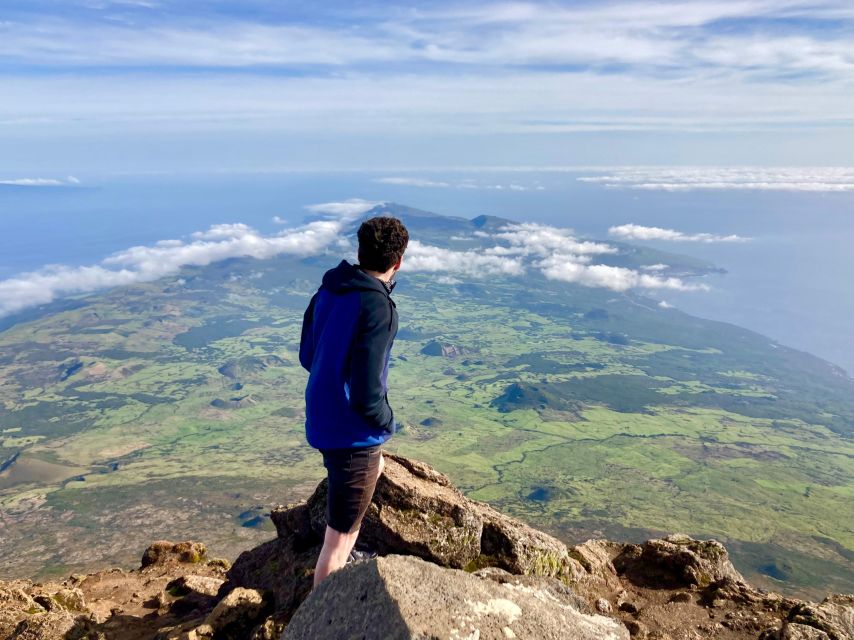
Your day begins at the Mountain House. You’ll meet your guide there and get a 20-minute safety briefing before you step onto the mountain.
That briefing matters more than it sounds. Pico is not a place for casual footwear decisions or careless footing. The Natural Reserve has strict access rules: you must wear hiking boots or hiking shoes with good grip. If you show up wrong, you can get refused entry to the reserve area. So it’s smart to treat the first 20 minutes like part of the workout—listen closely, then double-check your shoes and clothing right after.
Once you’re briefed, the hike starts through the lower mountain zones where the terrain gradually sets expectations for what’s ahead. If you get in trouble early, your guide can advise you to stop for your own and the group’s safety. That’s not a buzzkill; it’s exactly how you keep an ambitious climb from turning into a bad story.
Lush vegetation meets tough geology: what the first phase is really teaching
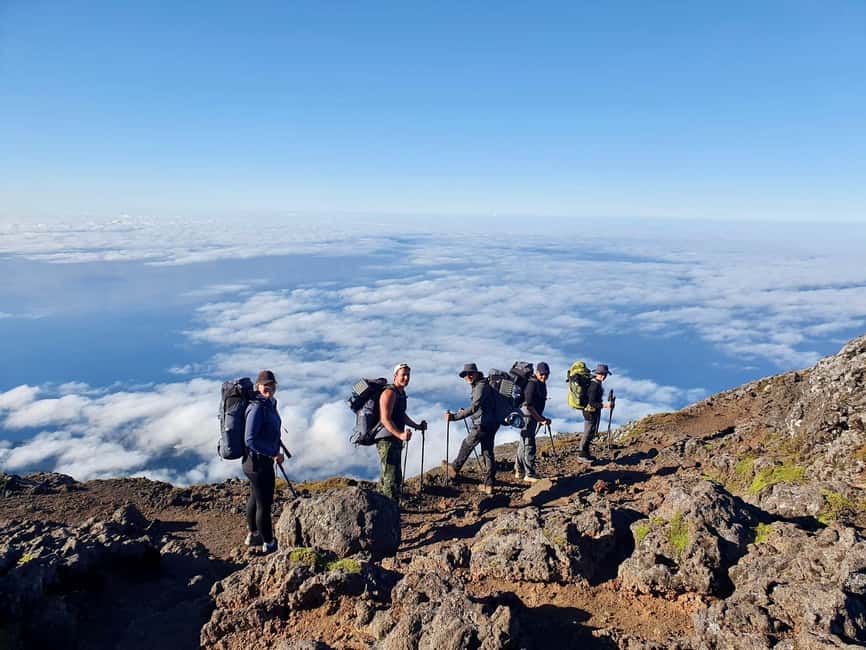
As you climb, you’ll move through native vegetation and then into zones where the ground and geology become more obvious. This part of the climb is not just scenic—it’s your preview of the mountain’s personality.
The terrain transitions through different surfaces, so the guide’s role becomes clearer: they’re helping you recognize where the ground is stable versus where it’s slick or loose. You’ll also hear explanations along the way about the mountain and Pico Island. The blend here—living plants plus geological structure—makes the hike feel grounded in place. You’re not just trudging uphill; you’re learning why the island looks the way it does.
You’ll likely notice the first part feels like a “test drive.” People who do hill walking regularly tend to settle quickly. People who aren’t prepared—physically or just mentally for steep climbing—often realize they’re over their comfort zone. That’s one reason the guide can adjust the route or recommend stopping early if needed.
The crater approach: changing footing, firm fitness, and real coordination
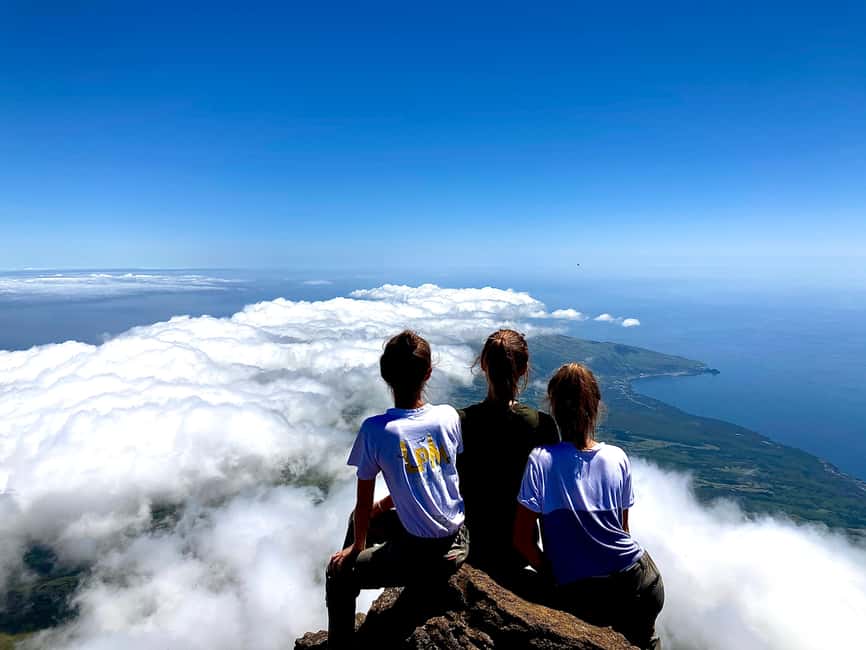
The push to the crater is about 3 hours, and it’s where you feel the switch from “hike” to “climb.” The surfaces keep changing:
- mud sections
- solid rock stretches
- then loose rock and sand
That variety is part of the challenge score. It’s why the tour rates technical difficulty around 2.5/3-ish territory—not because you’re doing a technical climbing route with ropes, but because you must place your feet correctly while the ground refuses to behave consistently.
This is also where coordination becomes essential. You’ll be stepping, traversing, and scaling rock sections, and the guide’s tips for foot placement help you reduce wasted effort. You’ll feel better using steady rhythm over sudden bursts.
The last 15 minutes to Piquinho
The final stretch to the top (Piquinho) takes about 15 minutes, and it’s the part that requires using your hands for stability. That doesn’t mean you need to be a rock climber. It does mean you should be ready for a short, steep, “hands help” section where balance is part of the technique.
Summit time at Piquinho: views, timing, and how weather changes the reward
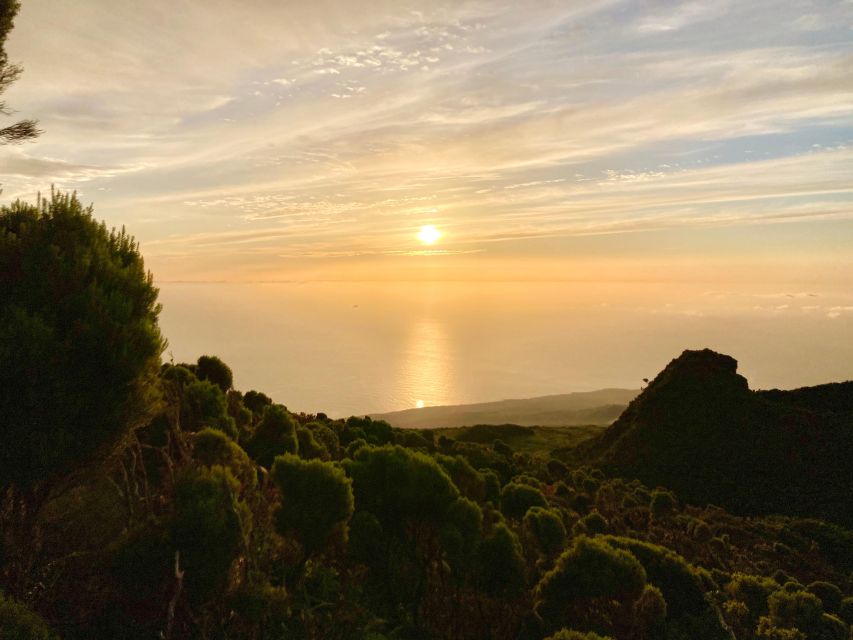
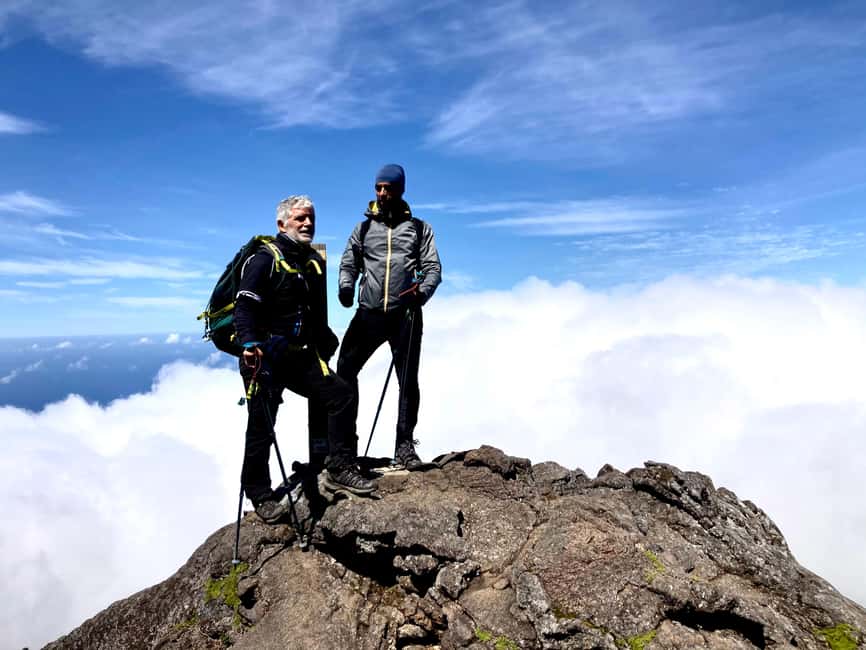
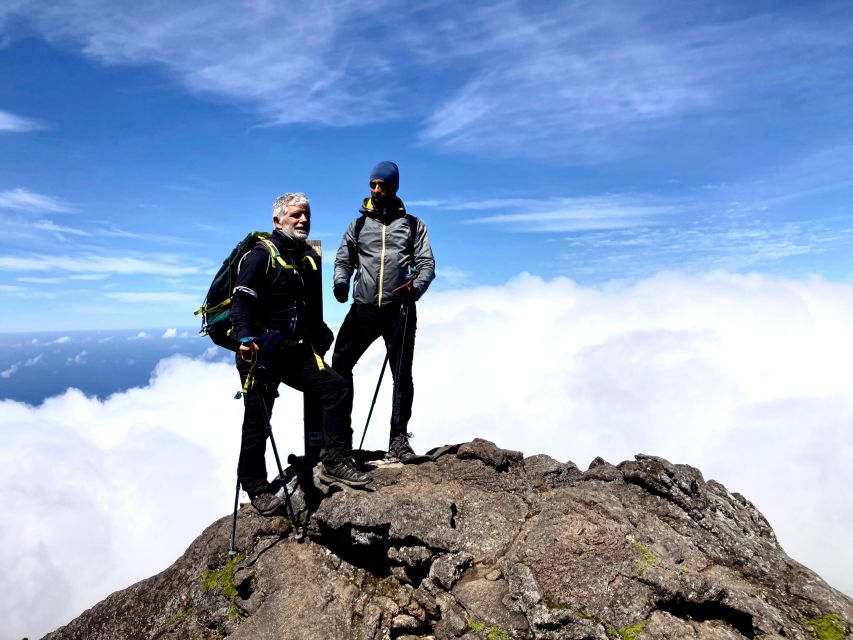
When you reach Piquinho, the feeling is hard to fake: you did it. After the climb’s friction and fatigue, the top becomes wide open, with that sense of immensity you only get when you’re high enough to see weather systems and island shapes.
Depending on conditions, you can potentially see the central islands of the Azores. If the weather is cloudy, you still get a rewarding summit experience. Cloud doesn’t ruin Pico—it just changes the mood. Instead of a postcard panorama, you get a more dramatic, atmospheric summit view with the mountain’s geology and scale still doing the work.
You’ll have time at the top for a final impression and photos. It’s worth taking a moment to pause and breathe before you start thinking about the descent—because the next phase is where most people feel the fatigue hit hardest.
Descending the mountain: why the hardest part starts after you win
The descent is where Pico punishes impatience. It typically takes about 3–4 hours, and it follows much of the same path as the ascent—but the direction flips the difficulty.
Going down is especially tough for inexperienced hikers because of the combination of:
- steep grade
- narrow, rocky terrain
- unstable footing in places
This is also the stage where good technique protects your legs. Your guide will give tips on how to handle the terrain better. In my book, this is the value of doing it with a guide: they help you avoid turning a normal descent into a knee-destroyer.
Plan for the descent to feel faster in distance terms and slower in effort terms. You might cover ground, but your body still has to control every step.
What’s included (and why it’s actually part of the value)
For around $100 per person for this 8-hour experience, you’re not just paying for a ticket to a summit. You’re paying for the whole operating system that makes the climb safer and smoother:
- A Certified Pico Mountain Guide
- Mount Pico Natural Reserve access fee
- Hiking poles
- Allianz Personal Accident Insurance
- A certificate
- A professionally run route with a safety briefing before you start
When you compare this to going without support (and trying to navigate steep, shifting lava-rock terrain on your own), the price makes more sense. Pico is weather-dependent, and the ground can change quickly. Guides add real value by pacing you, managing risks, and helping you move efficiently so you spend less time stuck.
Language support is also practical: live guidance is available in English, Dutch, and Portuguese.
The real guide difference: pacing, route choice, and small morale boosts
In the best-case scenario, the guide makes the climb feel like a team effort. You get broken-up sections so you can keep a steady pace rather than grinding continuously. And if the group includes different fitness levels, a good guide adjusts—so nobody has to sprint to stay with the pack or slow down to a crawl.
You may even experience guide touches that make a summit feel human. Guides such as Steffi and Nilton are noted for keeping things supportive and well-paced, and for bringing simple treats—hot tea and homemade brownies—during the climb. That kind of break sounds small, but it matters when you’re tired. It gives you a reason to reset your breathing and keep moving with better focus.
Gear check for Pico: what to pack so you don’t regret it later
You can show up to Pico with the wrong mindset and still struggle. The better move is to show up with the right gear so your body can do the work instead of fighting preventable problems.
Bring:
- Hiking shoes (good grip is mandatory)
- a daypack
- water
- food
- sunscreen
- sunglasses
- weather-appropriate clothing
- rain gear
Sunscreen and rain gear are not optional vibes here. The climb can run into heavier weather, and rain can make rock surfaces slicker. A raincoat helps you keep moving without getting chilled or distracted.
Not allowed:
- pets (assistance dogs allowed)
- sports shoes
One more practical thought: treat your footwear like part of your safety plan. The reserve can refuse access if your shoes don’t meet requirements. That’s an expensive mistake, and it’s avoidable.
Who this climb is for (and who should skip it)
This is not a casual walk. The tour rates:
- Physical effort: 3 (difficult)
- Technical difficulty: 2.5 (medium to difficult range)
Good physical preparation is essential, and it’s not suitable for people with:
- back problems
- heart problems
- respiratory issues
- recent surgeries
- low fitness
- people over 70 years
- pregnant women
- people afraid of heights
- children under 12 years
If you’re the type who hikes regularly on steep trails and can handle a rocky descent, you’ll likely find the climb challenging but fair—especially with a guide helping you choose the safest footing.
Quick checklist: your day at a glance
- Start at the Mountain House
- 20-minute safety briefing
- Hike roughly 8 km total
- About 1100 m up and 1100 m down
- Maximum height 2351 m, minimum 1250 m
- Expect around 8 hours total, including breaks
- Final climb to Piquinho includes a hands-on segment (about 15 minutes)
- Descent is typically the longest, hardest stretch
Should you book this Pico Mountain Climb?
Book it if you want Portugal’s highest point with real mountain support: a certified guide, help with pacing, poles included, and route guidance through uneven, lava-rock terrain. It’s a true challenge with a payoff that feels earned—especially when weather cooperates enough for broad island views.
Skip it if any part of the plan sounds like a mismatch: steep rocky descent on tired legs, hands-on scrambling for balance, and a day that demands solid physical fitness. If you’re unsure, be honest about your fitness and comfort with heights. Pico doesn’t negotiate—and the best trip is the one where you finish strong enough to enjoy the top, not just survive the descent.
FAQ
How long is the Pico Mountain Climb?
The climb lasts about 8 hours total.
How far do you hike, and how much elevation is involved?
You cover 8 km, with about 1100 m ascent and 1100 m descent.
Do I hike with a guide, and what languages are available?
Yes. A certified Pico Mountain Guide leads the hike. Live guide languages include English, Dutch, and Portuguese.
Is the route technical?
It’s rated as medium to difficult technically (about 2.5). The last 15 minutes to Piquinho require using your hands for stability.
What footwear do I need?
You must wear hiking boots or hiking shoes with good grip. If you don’t have appropriate footwear, the Natural Park can refuse you access to the reserve.
What should I bring for the day?
Bring sunscreen, a daypack, hiking shoes, weather-appropriate clothing, food, rain gear, sunglasses, and water.
Can the tour be cancelled due to weather?
Yes. The activity is weather-dependent and can be cancelled just before it starts.
Are pets allowed?
Pets are not allowed, but assistance dogs are allowed.
What about drones?
If you bring a drone, you must register it on the ANAC website (Portuguese Civil Aviation Authority).
If you’d like, tell me your fitness level and travel month, and I’ll help you decide whether Pico’s ascent-and-descent rhythm matches what you’re looking for.