REVIEW · LISBON
Meet the Lisbon Dolphins – Dolphin Watching in Lisbon
Book on Viator →Operated by Lisbon Dolphins · Bookable on Viator
Dolphins off Lisbon, without the big crowds. This 3-hour coastal boat outing (max 10 people) is built for real wildlife time, starting in the Tagus River and shifting to open water if conditions allow, plus an extra hour of searching when the dolphins are being shy.
I especially like the hands-on way the guide helps you spot what you’re seeing, so the experience turns into more than just seeing blows and fins. You also get plenty of chances to stay with the action since the crew focuses on steering to encourage dolphins to come close.
The second thing I like: you’re not limited to dolphins. You can also pick up sea turtles, seabirds, and occasionally bigger surprises, like whales or even a shark when the day lines up. One possible drawback to plan for: the trip can get cold on the water, so packing a windproof layer matters.
In This Review
- Key highlights that make this tour worth your morning
- Where you start under the bridge at Doca de Santo Amaro
- The Tagus River search: your first shot at dolphins
- When the boat goes into the ocean
- The “keep searching” plan, including the extra hour
- Watching dolphins like you actually know what you’re seeing
- The landmark pass: facts while you travel
- What to pack so the morning stays fun
- Group size, boat style, and why it matters for dolphins
- Who this Lisbon dolphin cruise is best for
- Price and value: what $78.61 buys you in the real world
- Should you book Lisbon Dolphins?
- FAQ
- How long is the Lisbon Dolphins tour?
- Where does the tour depart from?
- What time does it start?
- Is the tour offered in English?
- Are lifejackets included?
- What if the dolphins are hard to find?
- Is there a restroom on board?
- What should I bring?
- What kind of group size is it?
- Can I get a full refund if I cancel?
Key highlights that make this tour worth your morning

- Small-group boat experience (up to 10 travelers) for a calmer, easier viewing setup
- Tagus River first, ocean second (if sea conditions allow) for more chances at different species
- Up to 40 miles of dolphin searching plus a built-in extra hour if dolphins aren’t found at the first stretch
- Guided dolphin watching skills, including how to observe and identify what you’re seeing
- Crew efforts to avoid other boats and keep consistent steering so the dolphins have a reason to linger
- Short stops by major landmarks with quick, useful facts as you pass them
Where you start under the bridge at Doca de Santo Amaro
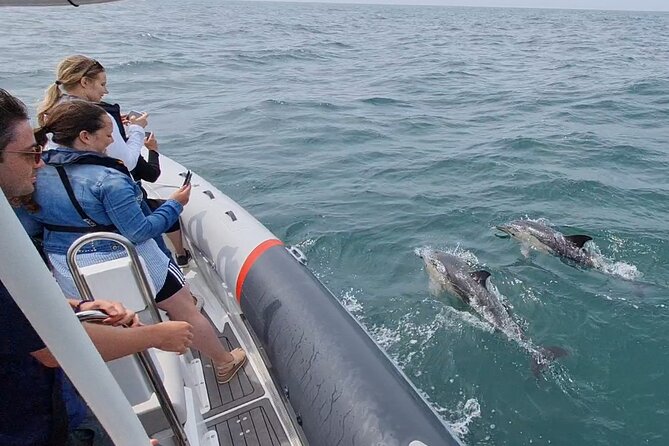
Your day begins at Doca de Santo Amaro, just under the bridge area, with a 9:30am start. The meeting point being near public transportation is a practical plus. It also means you can arrive without needing a complicated plan, then concentrate on the main event: getting out on the water early.
The feel here is informal in the best way. You show up, you get into the group, you put on your lifejacket (provided), and you’re off. This matters because dolphin watching is mostly about patience and positioning, and small-group tours help you stay organized without everyone fighting for sightlines.
One thing to keep in mind: this isn’t a “sit and wait forever” cruise unless the day requires it. The crew keeps moving and searching, so wear something that works when you’re standing, shifting, and maybe getting spray.
You can also read our reviews of more dolphin watching tours in Lisbon



The Tagus River search: your first shot at dolphins
The first phase is a search in the Tagus River. Starting here is a smart choice because the dolphins you find inshore can behave differently than those farther out, and the river can also offer calmer conditions. If dolphins are nearby, this is often where the trip clicks fast.
This part of the outing is also where you get a bit more context. The guide talks about group behavior and how dolphins show up, then you get coached on observing them differently. Instead of just looking for movement, you learn to watch patterns, social behavior, and the tells that help you separate one pod from another.
If you’re traveling with kids, this first stretch can be perfect. It’s active but still close enough that spotting isn’t a constant scramble. If you’re a bird fan too, keep your eyes open for seabirds along the route, since birds often react when marine life is active.
When the boat goes into the ocean
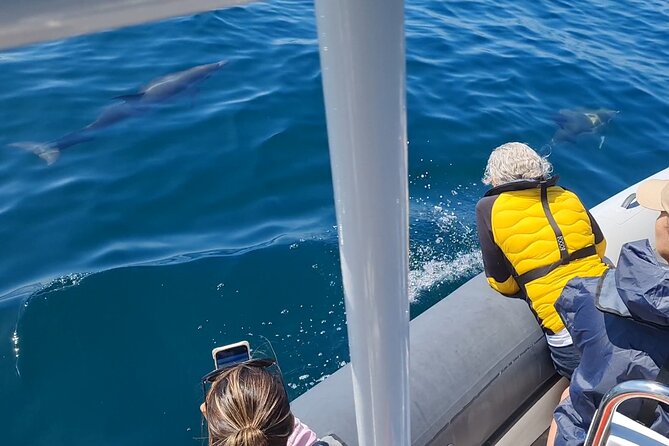
Next comes the shift toward open water, but only if sea conditions allow it. That “only if” is important. You’re not signing up for a rough-weather gamble; you’re signing up for a tour designed to follow the day’s reality.
Once you’re out there, the search expands. The goal is simple: find an area with strong viewing odds, then stay with highly interactive groups when possible. The crew also tries to stay away from other boats and uses consistent steering to encourage dolphins to remain close to the vessel. That small detail can make a big difference. Dolphins don’t owe you a show, but good boat handling can increase how often you get that truly close look.
Some departures include memorable wildlife beyond dolphins. On the better days, people report sightings of whales and even a shark. Even if you don’t hit those headline species, you still get a lot of wildlife energy: dolphins at play, seabirds tracking the activity, and the ocean breeze that makes Lisbon feel different from the streets.
The “keep searching” plan, including the extra hour
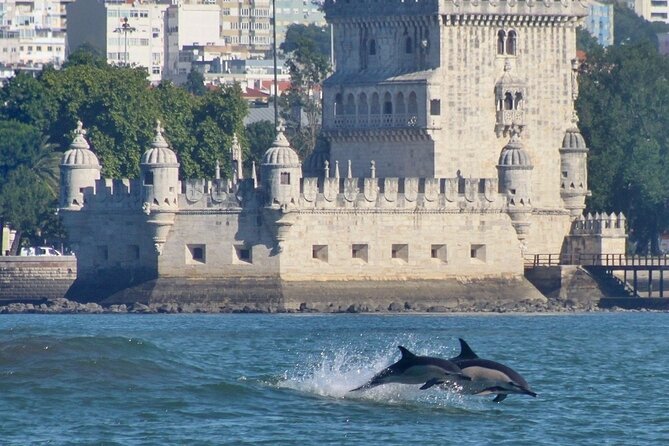
Here’s the part that many people end up loving: the tour is built around persistence. If dolphins aren’t found during the first searching phase, the crew goes to areas with higher sighting chances. If dolphins are already found, the focus shifts to more interesting species of dolphins and whales, and the plan is to keep working the viewing window rather than cutting early.
And if you’re still not seeing dolphins before the main window ends, you get that extra hour of dolphin search. It’s included, and it’s exactly what you want when the day isn’t instantly cooperative.
That doesn’t mean every departure will be dolphin-heavy. One departure in the feedback didn’t find dolphins, and it ran longer due to the continued search effort. So the honest takeaway is this: you’re paying for a crew that keeps trying. If weather allows and the sea cooperates, you can get a lot of animal time. If it doesn’t, you may end up spending longer searching than you expected.
Watching dolphins like you actually know what you’re seeing
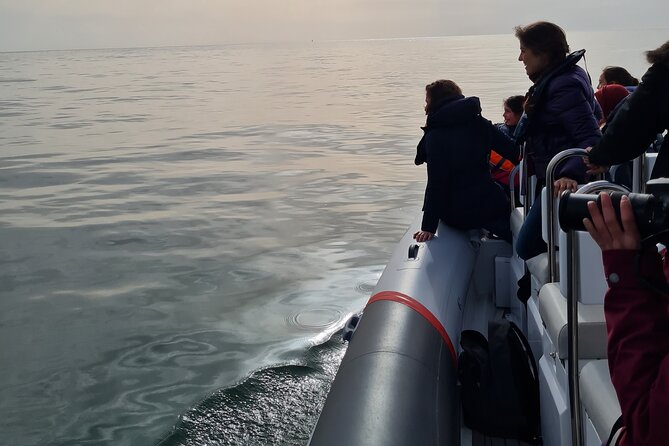
After you’ve had your moments with dolphins, you’re not just sent back to your seat. The guide teaches you how to observe dolphins and how to interpret behavior, which can turn “we saw dolphins” into “we understood the dolphins.”
This coaching includes identification help—how to pick out species traits and recognize the differences that make each group interesting. People who care about details seem to get extra joy here, including those who also enjoy bird watching. One highlight from the experience: guides help you connect behavior to species, so your sightings feel earned rather than random.
If you’re wondering whether this is a “lesson” or just a quick talk, it’s more the first. It’s tied directly to what you’re seeing on the water, so you can apply it right away. That’s the best kind of wildlife education: short, practical, and connected to the moment.






The landmark pass: facts while you travel
Before the return arrival, the boat passes major monuments with short, interesting facts. This is a nice way to break up the sea time and keep your attention anchored even when the wildlife search takes a moment.
Key landmark pass points include:
- Torre de Belem
- Padrao dos Descobrimentos
- Ponte 25 de Abril
- MAAT – Museu de Arte, Arquitetura e Tecnologia
Even if you’ve seen these from land, seeing them from the water gives a new sense of scale and placement. And if you haven’t seen them yet, this portion helps you get oriented for the rest of Lisbon—without turning your day into a museum schedule.
A small practical note: you’ll likely be outside much of the time. The water + wind can change how you experience the coast compared to walking it, so think in layers.
What to pack so the morning stays fun
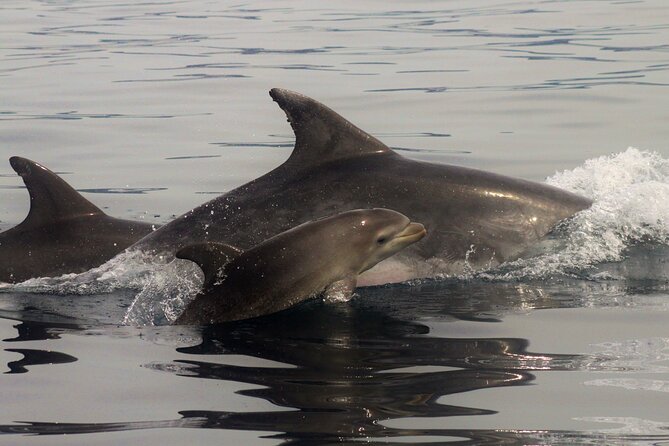
This tour lives and dies by comfort. People repeatedly point out that it can be cold on the water, so plan for that even if Lisbon feels warm on land.
Bring:
- A jacket or windproof layer (even in August)
- Sun protection (sunscreen)
- Water, since you’ll be out for hours
- Something simple to protect your belongings and keep your space organized
Also, a small “boat reality” tip: when waves splash, it’s easy to get wet if you’re not paying attention to where you’re standing. Keep your feet positioned safely and don’t leave bags where they can slide around.
If you’re prone to motion discomfort, this is the moment to think ahead: you’ll be on a boat moving in and out of search areas, so choose clothing and footwear that don’t make you feel unsteady.
Group size, boat style, and why it matters for dolphins
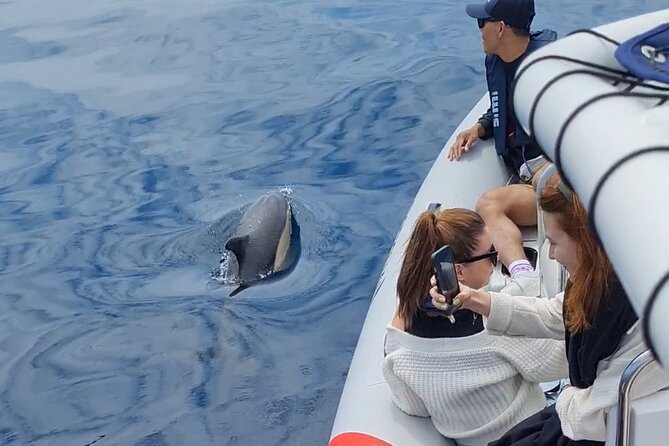
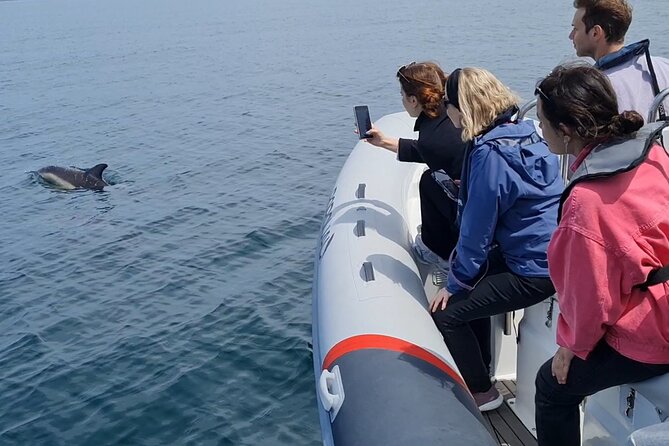
This is capped at 10 travelers, which is a big deal for an activity like dolphin watching. More people means more noise, less space, and harder sightlines. A smaller group means you’re more likely to stay with the guide and follow the shifting strategy during sightings.
The crew also mentions group structure and habits so you can look in the right direction at the right time. That’s not just talk. It helps you avoid the classic frustration of chasing movement without context.
And the “steering consistency” detail is one of the best parts of the whole approach. Dolphins often respond to how the boat behaves. If the crew can keep a stable path and reduce unnecessary disruption, you’re more likely to see dolphins linger near the surface where you can really enjoy the interaction.
Who this Lisbon dolphin cruise is best for
This fits best with people who want active wildlife time and don’t mind a bit of weather watching. It’s a strong choice for:
- Families with kids (the vibe works well for younger ages)
- Wildlife lovers who like learning as they look
- Bird watchers who enjoy seeing seabirds react to marine life
- Travelers who want a small-group ocean outing instead of a crowded spectacle
It’s also a good match if you care about not just seeing animals, but understanding behavior—especially since the guide teaches you how to observe and identify what’s around you.
One caution from the experience details: it’s not recommended for travelers who can’t do impact activities. If you have mobility concerns or balance issues, you’ll want to think carefully before going.
Price and value: what $78.61 buys you in the real world
At $78.61 per person for about 3 hours, you’re paying for more than a boat ride. You’re paying for:
- A small-group format (max 10)
- An organized search that can run extra time (one additional hour if needed)
- Lifejackets, all fees, and professional guidance
- Coaching that makes dolphin spotting more meaningful
When you compare this value to typical “tourist sightseeing from the water,” the difference is the search effort. The included extra hour and the way the crew keeps looking in higher-odds areas mean the operator is investing in your outcome, not just checking the box and heading back.
If you’re expecting 100% dolphin sightings every time, no boat crew can promise that. But if you want the best odds and the most helpful guidance, this one is priced like a serious wildlife excursion.
Should you book Lisbon Dolphins?
I’d book it if you want a focused, small-group morning that treats dolphin watching as a real search—starting in the Tagus, expanding to open water when possible, and continuing with that extra hour if needed. The standout strength is the combination of effort (the crew keeps searching) and education (you learn how to observe and identify what you’re seeing), plus the small group size.
Skip it or reconsider if you hate cold wind on the water or you’re worried about time spent searching if the sea doesn’t deliver dolphins right away. Also, if you can’t handle impact or uneven boat movement comfortably, plan on another type of Lisbon day.
Based on the very strong overall rating and how many people highlight close sightings and active searching, this is one of those tours where your chances improve because the operation is paying attention to details.
FAQ
How long is the Lisbon Dolphins tour?
It runs for about 3 hours (approx.), with the possibility of an extra hour of dolphin searching if needed.
Where does the tour depart from?
You meet at Doca de Santo Amaro, just under the bridge area in Lisbon. The tour ends back at the same meeting point.
What time does it start?
The listed start time is 9:30am.
Is the tour offered in English?
Yes, the tour is offered in English.
Are lifejackets included?
Yes, lifejackets are included.
What if the dolphins are hard to find?
The crew searches in the Tagus first, may go into the ocean if conditions allow, and then moves to higher-sighting areas. If dolphins aren’t found, you get one extra hour of dolphin search.
Is there a restroom on board?
A restroom is not included on board. There’s a quick WC break upon arrival.
What should I bring?
Bring warm clothes or a windproof jacket, since it can be cold on the water. Also pack sunscreen and water.
What kind of group size is it?
It’s a small-group tour with a maximum of 10 travelers.
Can I get a full refund if I cancel?
Yes. Free cancellation is available up to 24 hours before the experience start time for a full refund, if you cancel at least 24 hours in advance.