REVIEW · LISBON
Lisbon: Dolphin Watching with Marine Biologist
Book on GetYourGuide →Operated by SeaEO - Tours · Bookable on GetYourGuide
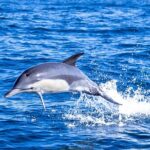
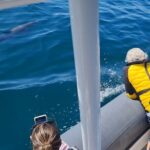
Dolphins can be this close. This Lisbon dolphin-watching trip pairs a marine biologist with a fast rigid inflatable boat so you can scan open water from near the city and hunt for cetaceans with minimal fuss. You’ll also ride past iconic coastline landmarks like Bugio Lighthouse and look back at historic Belém sights on the way in.
I especially like the focus on wildlife viewing rules and respectful distance, so the goal is to observe, not chase. And I like how the marine biologist turns spotting time into real learning, from dolphin behavior to what seabirds and other marine life can signal out there.
One thing to plan for: dolphin sightings are never guaranteed, even though the operator reports a 97% chance. If the sea gets choppy, this is a small, speedy boat—great fun, but you may feel it in your back and stomach if you’re sensitive.
In This Review
- Key points I’d circle before you book
- From the dock under Lisbon’s red bridge
- Marine biologist-led viewing that stays practical
- The speedboat ride: fast, safe-feeling, and sometimes bumpy
- Finding dolphins near Bugio Lighthouse and the Tagus mouth
- Cascais waters: longer watch time, more chances for surprises
- Lisbon by water: Belém Tower and the Monument to the Discoveries
- What’s included, and how it affects value
- What to bring so the experience stays comfortable
- Who should book this dolphin watching trip in Lisbon
- The timing question: clear weather improves your odds
- Should you book SeaEO’s Lisbon dolphin watching?
Key points I’d circle before you book
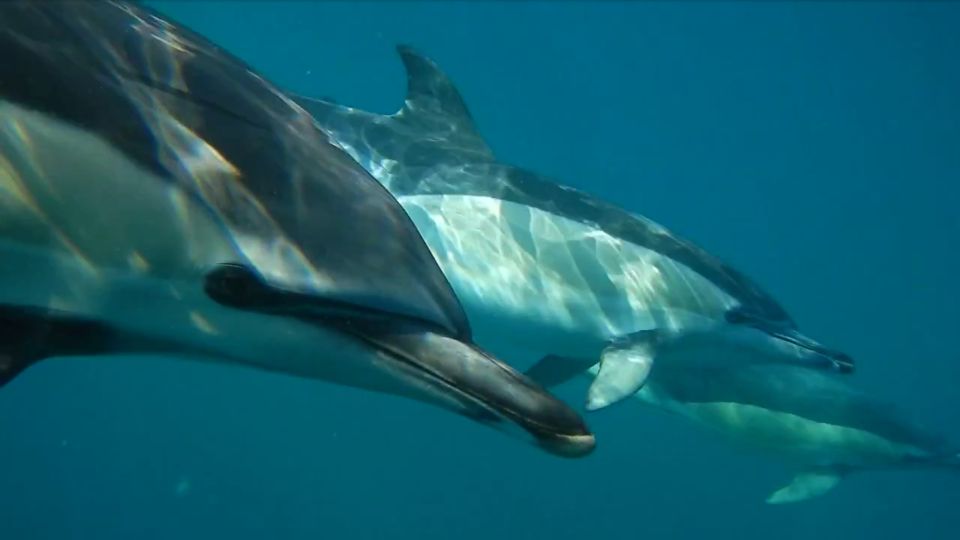
- Marine biologist on board: you get species ID and behavior explanations while you watch.
- Small-boat style: a fast RIB that gets you to the action quickly, not a slow cruise.
- High sighting odds: the partner reports 97% chance of dolphin sightings on the tour.
- Bugio Lighthouse area: a scenic stretch where you’ll search the water near Lisbon.
- More than dolphins: you might also spot seabirds and other marine life like sea fish, sharks, jellyfish, or sea turtles.
- Belém monuments on the return: you get a brief view of Belém Tower and the Monument to the Discoveries.
From the dock under Lisbon’s red bridge
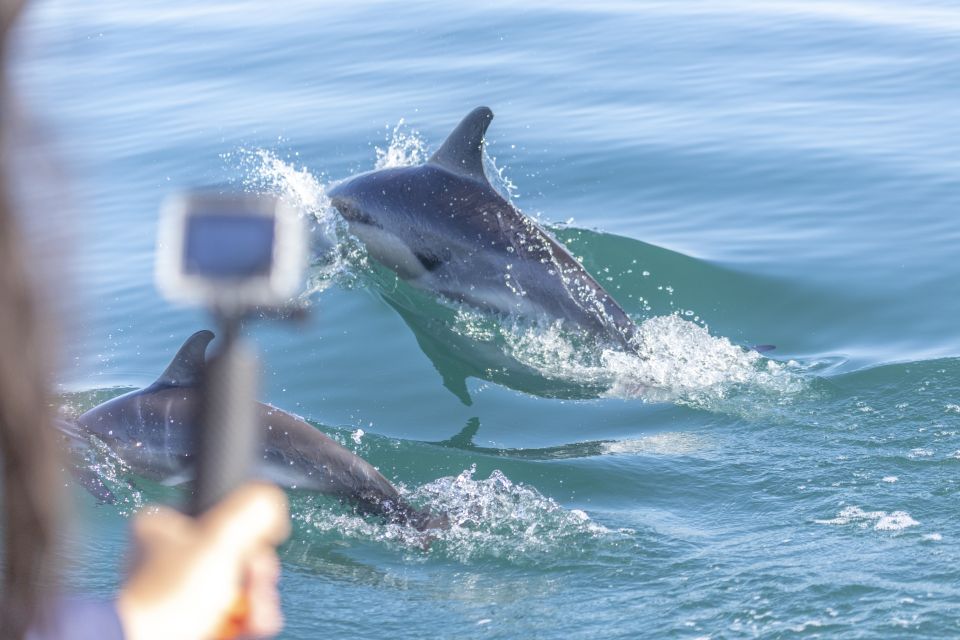
Your day starts at SeaEO Tours – Sea & Estuary Odyssey, then you’ll board from Doca de Santo Amaro, Gate 3. Look for the dock under the big red bridge; the Alcântara waterfront is right in front of you, which helps for orientation when you’re arriving from Lisbon’s center.
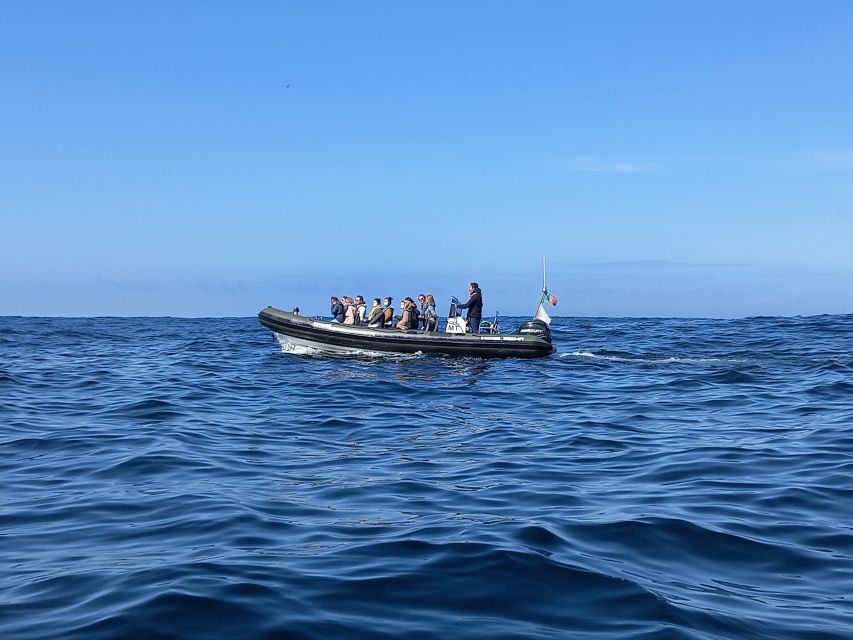
The ride out is done on a fast rigid inflatable boat (a RIB). That matters because it cuts down dead time. You’re not just parked offshore waiting; the crew can move through the area efficiently to improve your chances.
You’ll also get a safety briefing before the hunt begins and a debrief when you’re back. It’s the kind of setup that makes a speedboat outing feel structured, not chaotic.
Language options are built in too: Portuguese, English, French, Italian, and Spanish. That’s useful if you’re traveling with mixed language levels.
You can also read our reviews of more dolphin watching tours in Lisbon

Marine biologist-led viewing that stays practical
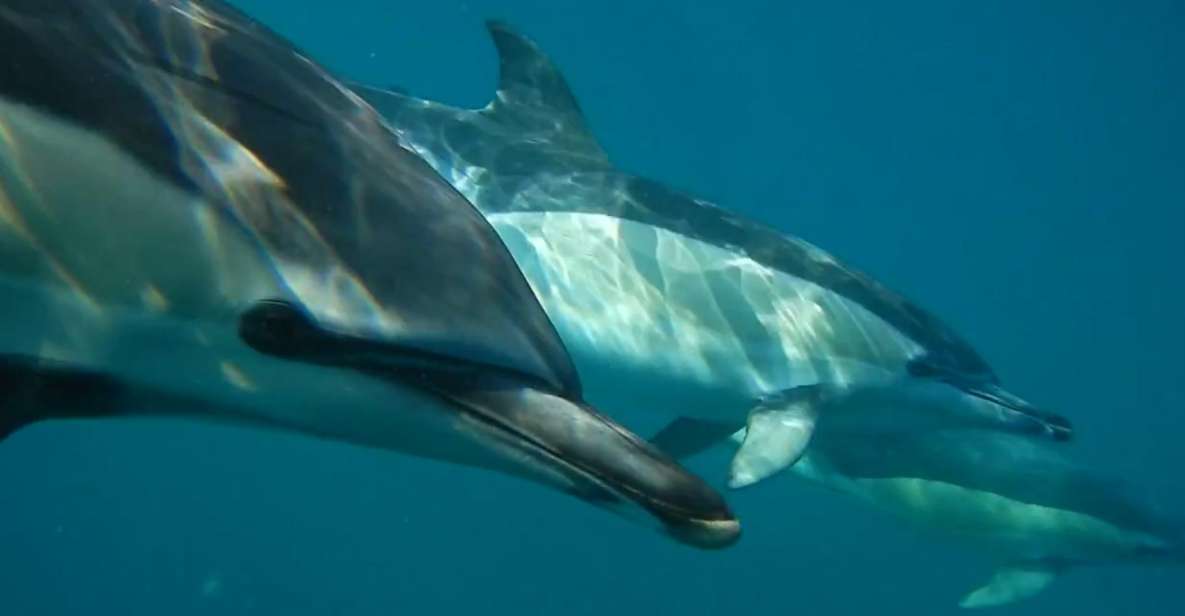
What makes this tour different is that you’re not only watching—you’re also learning as you watch. A specialist marine biologist guides you through what to look for and why dolphins (and other animals) show up in certain patterns.
In particular, the onboard talk tends to connect behavior to what you’re seeing: how dolphins react to vessels, what their movement can mean, and how they interact with the surrounding marine life. If you’re the type who likes to understand what you’re looking at instead of just hoping for luck, this is a big plus.
The way they run the viewing also shows up in how passengers describe the experience: you get close enough for real excitement, yet the crew keeps an eye on minimizing disturbance. That balance is the whole point of a certified cetacean-observation approach in natural habitat.
You might even hear guide explanations that connect Lisbon’s waters—especially where the Tagus River and the Atlantic influence mix—to why the region can be so productive for marine life.
The speedboat ride: fast, safe-feeling, and sometimes bumpy
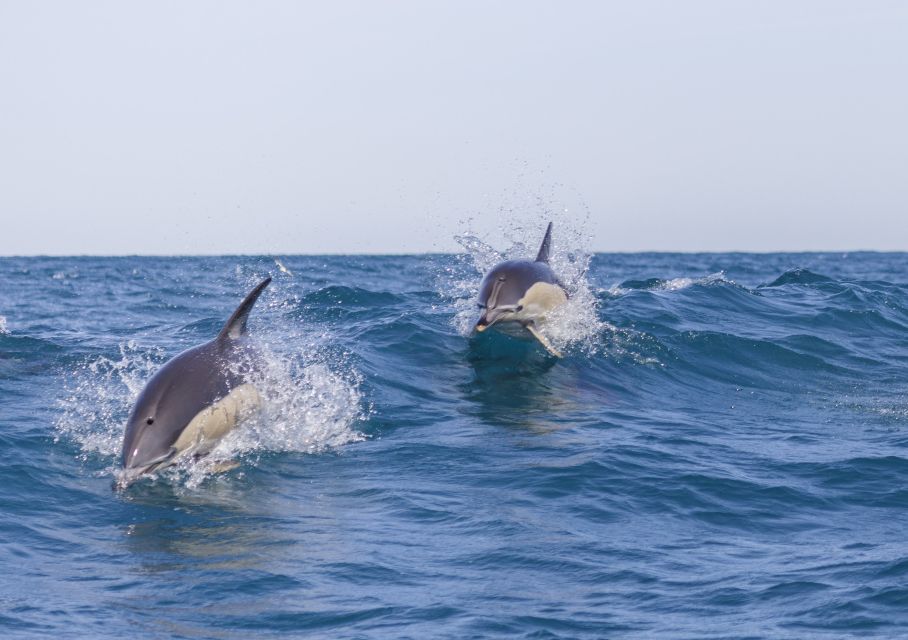
You’ll be in lifejackets from the start (provided), and you’re riding a boat built for speed. Expect that as soon as you leave the dock, the trip switches into active scouting mode.
One practical note from experience-style accounts: people often recommend bringing a jacket. Even if Lisbon is warm on land, the open water can cool quickly once you’re out searching, and wind can make it feel colder than expected.
Also, if you’re sensitive to motion, take the prep seriously. The tour guidance includes a seasickness tip: have breakfast but skip milk, cream, or yogurt if you tend to get nauseous. The crew also tends to check in with passengers, because nobody wants a boat ride ruined by stomach issues.
If the sea is rough, the small RIB will feel it more than a bigger ship. It’s still fun—just don’t assume it’s smooth like a harbor ferry.
Finding dolphins near Bugio Lighthouse and the Tagus mouth
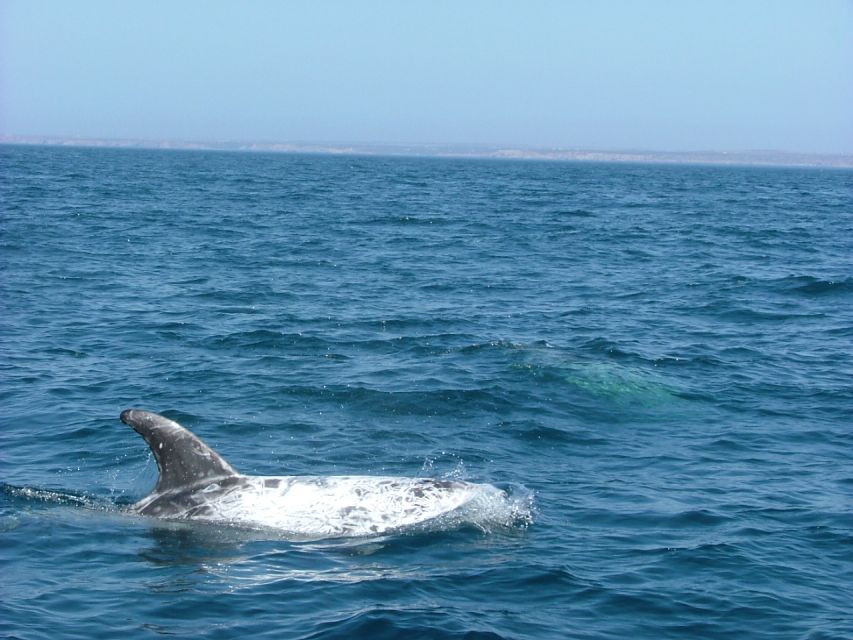
A big chunk of the tour is spent scanning open water for dolphins. The route takes you to an area linked with Fort of São Lourenço do Bugio, which is closely associated with the Bugio Lighthouse. That stop isn’t only about the scenery; it’s also part of where you can encounter cetaceans heading in and out of productive waters.
From a viewer’s standpoint, the scouting process is the highlight of the planning. You’ll be looking—eyes up, binocular-ready—waiting for telltale signs: surfacing patterns, quick direction changes, and coordinated movement. When pods show up, the boat can often position so you can see the animals clearly without turning the encounter into a chaotic chase.
Because dolphins are wild, the timing is ultimately up to them. The operator’s reported sighting odds (97%) are reassuring, but you still want to treat this as a nature experience, not a guaranteed wildlife show.
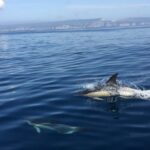
If you’re lucky, you’ll see more than one type of cetacean. Some passengers report multiple dolphin types, and others mention encounters beyond dolphins—like porpoises and other marine life.
Cascais waters: longer watch time, more chances for surprises
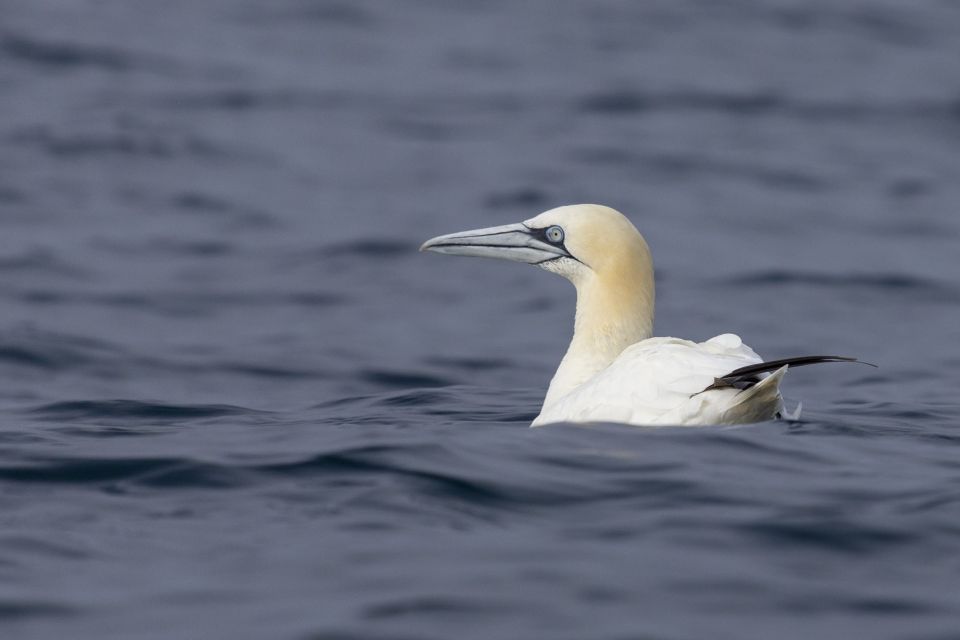
After the initial searching stretch, the trip continues toward Cascais waters (a listed point near JJ85+VG). This is where the day often turns into a true “spotting session,” because you’re giving the team time to find and track wildlife rather than rushing back as soon as you spot something.
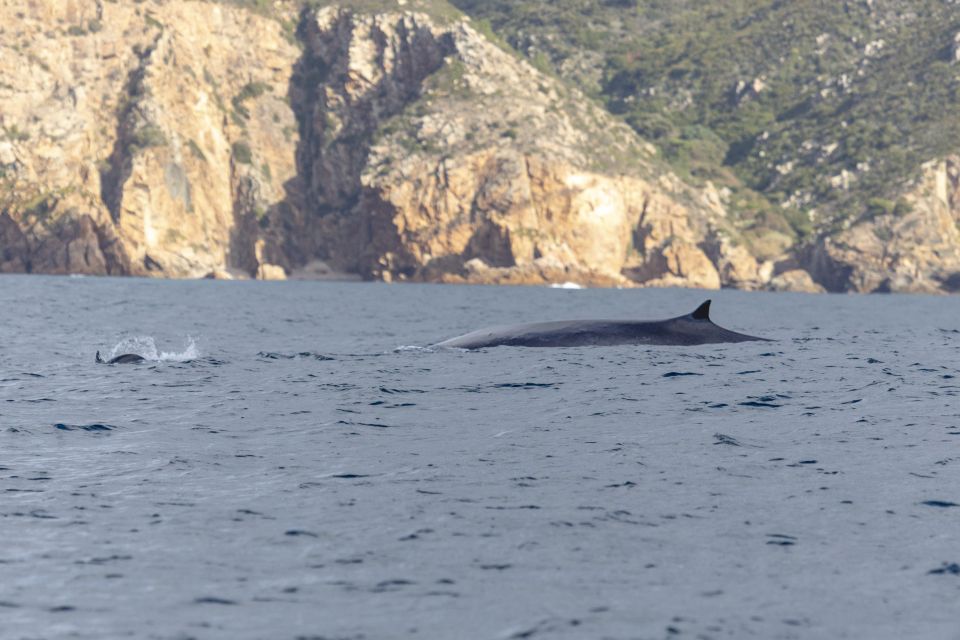
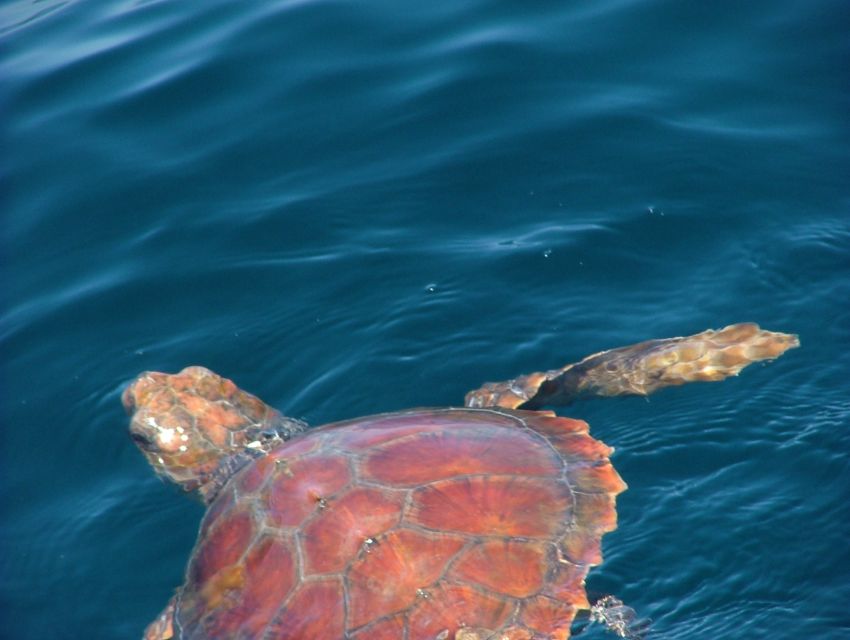
This part of the experience can also be where you broaden beyond dolphins. The tour is designed to look for other marine species too—things like seabirds and marine creatures such as sea fish, sharks, jellyfish, and even sea turtles (depending on what the day brings).
Here’s why that matters for you: even if dolphins are the goal, the ocean rarely behaves like a straight checklist. When the guides can find additional life, the trip becomes more than the moment you see a dorsal fin—it becomes a sense of the ecosystem working around you.
And because this is a smaller, more mobile setup, you’re more likely to get time with what’s there instead of feeling stuck watching only one small patch of water.






Lisbon by water: Belém Tower and the Monument to the Discoveries
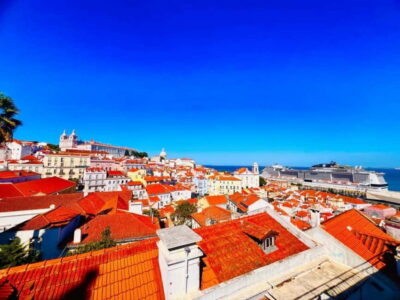
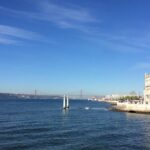
The dolphin hunt doesn’t cut off the Lisbon sightseeing. On the return, you’ll get views back toward major Belém monuments.
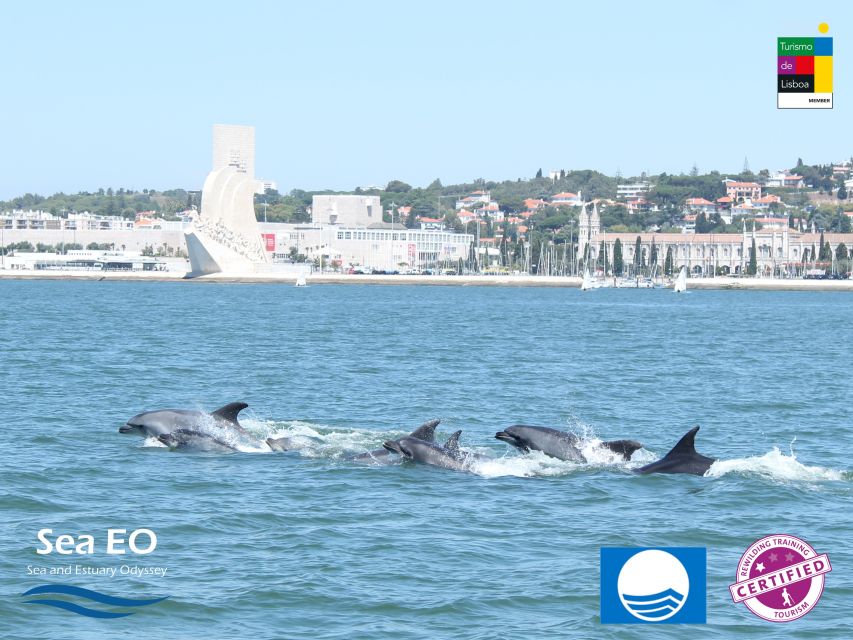
You’ll see Belém Tower briefly (listed as a short visit), plus a guided look at the Monument to the Discoveries from the boat. From the water, these landmarks have a different scale and feel than from a street-level viewpoint. The city looks thinner and longer, like Lisbon is stretching across its own waterfront story.
Even if you’re only in Lisbon for a few days, this is a smart add-on. You get both the living part of the ocean and the iconic part of Lisbon in the same outing.
Do keep your expectations realistic: this isn’t a slow land tour of museums. It’s a fast-moving day built around sea time, with monuments as a satisfying bonus.
What’s included, and how it affects value
At $76 per person for a 3-hour experience, you’re paying for a few things that don’t show up when you book a generic boat cruise:
- A marine biologist onboard
- A certified, licensed approach to observe cetaceans
- A fast RIB and fuel
- Lifejackets, insurance, and taxes
The value piece is not just the boat; it’s the interpretation. A speedboat without real guidance can turn into mostly guessing. With a specialist on board, you’re more likely to understand what you’re seeing quickly—especially when wildlife pops up fast and then moves on.
Also, this tour isn’t framed as mass-market. Many passengers emphasize that it doesn’t feel like a crowded, chaotic wildlife mob. That’s one reason people are willing to pay for the experience rather than settle for a big-ship version.
One more value signal: it has a 4.9 rating from 1,853 reviews, which is a strong number for a single, activity-specific tour. That doesn’t mean every day is the same (wildlife never is), but it does suggest consistent quality in guiding and operation.
One small extra: some departures include a tasting touch like moscatel de Setúbal sweet white wine or a small glass of wine near the end. It’s not listed as a core inclusion, so treat it as a pleasant possibility rather than a guarantee.
What to bring so the experience stays comfortable
This trip rewards people who dress like they expect wind and movement.
Bring:
- Comfortable shoes (you may be walking on dock surfaces)
- Camera (dolphins can surface quickly)
- Sunscreen
- A jacket
- Comfortable clothes you can move in
If you’re deciding what to wear, aim for layers. Lisbon can go from warm dock to cooler open water fast, especially when you’re moving at speed.
Avoid:
- High-heeled shoes
- Smoking, alcohol, and drugs
- Littering, feeding animals, or touching marine life
That last set is part of why the experience tends to feel respectful. You’re not expected to play tourist photographer by interacting with wildlife. You watch from the right distance, and the guides enforce it.
Who should book this dolphin watching trip in Lisbon
This tour fits best if you want:
- A hands-on nature guide experience (not just a boat ride)
- A fast RIB format that can actively search
- The chance to see dolphins and other marine life in a shorter, focused window
It’s also a good “upgrade” if you’ve done a larger cruise and didn’t love it. Several passengers describe this as more engaging, more fun, and closer to real ocean conditions than big-ship tourism.
Who should skip it:
- Children under 5
- Pregnant women
- People with severe back problems
- People with mobility impairments or wheelchair users
If your main concern is seasickness, plan smart. The guidance about breakfast and the crew’s attention to passenger comfort are worth taking seriously.
The timing question: clear weather improves your odds
You don’t control the sea or the sky. But you can control your preparation and your expectations.
If the operator cancels because of adverse weather, you’ll be offered a different date or a full refund. That’s a straightforward risk-management approach.
On calmer, clearer days, people tend to have the best overall results because spotting is easier and the ride feels better. If you’re choosing between days in Lisbon, pick one with the most stable forecast and give yourself a little margin.
And remember: dolphins are wild. Even with strong odds, you’re still out there chasing a living animal that can change direction at any moment.
Should you book SeaEO’s Lisbon dolphin watching?
I’d book it if you want a fast, guided marine experience that takes marine life seriously and gives you more than a vague hope. The marine biologist-led approach, the respectful observation style, and the chance to see multiple types of dolphins (plus other marine species) make it a strong use of a half-day in Lisbon.
Skip it if you can’t handle speedboat motion, have restrictions like severe back issues or pregnancy, or you’re counting on a guaranteed dolphin sighting. This is nature watching, not a staged show.
If you’re flexible with dates and you bring a jacket and comfortable shoes, this is one of those Lisbon experiences that tends to turn into a vivid memory—because you’re watching real animals in real water, with a specialist helping you understand what you’re seeing.