REVIEW · LISBON
Lisbon: Dolphin Watching with a Marine Biologist – Ocean Safari
Book on Viator →Operated by SeaEO-Tours · Bookable on Viator
Cold water, fast boat, real dolphins.
I like this tour because the marine biologist talks the whole way, turning a dolphin hunt into actual learning, and because the RIB setup keeps things quick and breezy instead of slow and seasick-prone. My one watch-out: it can be cold and windy once you reach the open Atlantic, so pack for wind chill, not for Lisbon sunshine.
Meet at Doca de Santo Amaro in Alcântara, then head out from the Tagus Estuary toward the Atlantic. With a small group capped at 24, you get more attention during safety briefings and more chance to hear the science over the engine hum.
In This Review
- Key Points That Matter for Your Day on the Water
- Lisbon Dolphin Watching Starts at Doca de Santo Amaro, Not a Random Pier
- The RIB Ride: Why This Boat Feels Better Than You’d Expect
- Out to the Atlantic: Leaving the Tagus Estuary for Real Open Water
- Stop for Farol do Bugio: A Lighthouse You’re Actually Sailing Toward
- Marine Biologist Commentary: What You Hear Changes How You Look
- Landmarks From the Water: Belem and the Coastline in Motion
- Dolphin Sightings Reality Check: High Chance, Still Nature
- What the Group Size Really Means (More Than It Sounds)
- Weather, Wind, and Clothing: Don’t Overthink It, Just Dress Like an Adult
- Who This Tour Suits Best (And Who Should Rethink It)
- Price and Value: $62.88 for a Biologist, Insurance, and a Real Wildlife Hunt
- Should You Book This Dolphin Safari?
- FAQ
- Where is the meeting point for the Lisbon Dolphin Watching tour?
- How long is the tour?
- Are dolphin sightings guaranteed?
- What should I do if I get motion sickness?
- What’s included in the price, and what do I need to bring?
- Is the tour suitable for children?
- What if the weather is bad or the tour can’t run?
Key Points That Matter for Your Day on the Water
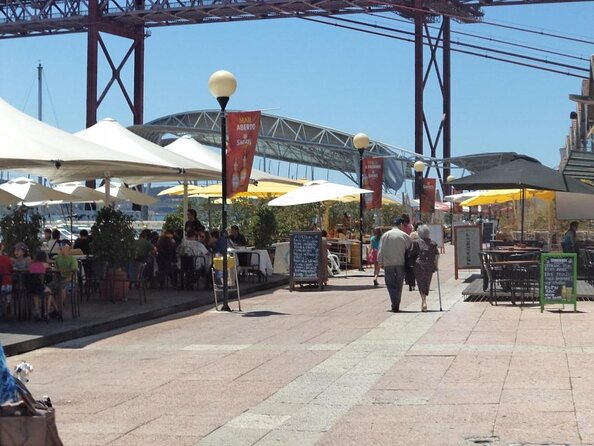
- Marine biologist onboard gives you dolphin behavior context while you’re moving, not just before or after.
- Fast RIB (8.5m) is designed to reduce seasickness compared with bigger boats.
- Dolphin success is high (around 95%), but there’s still no 100% guarantee.
- Close-to-the-water viewing is built in, with seating that lets you stand up for wildlife.
- Cold-wind reality: bring a proper jacket (and they may loan jackets if you show up unprepared).
Lisbon Dolphin Watching Starts at Doca de Santo Amaro, Not a Random Pier
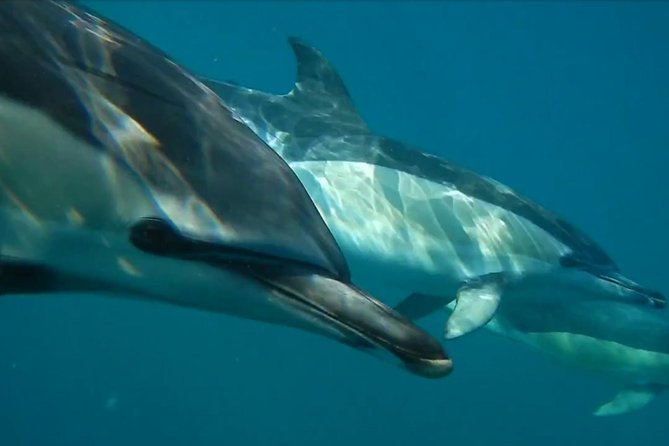
The day starts in central Lisbon at SeaEO Tours, Doca de Santo Amaro Gate on Av. Brasília 3 (right by the dock under the 25th of April Bridge). This matters because you’re not wasting your morning trying to find a tucked-away meeting point. You also get a smooth handoff from land to boat.
Plan to arrive a few minutes early. The tour is strict about timing, with only a short tolerance after the scheduled start. Once you’re checked in, the crew keeps it organized and safety-first.
A few more Lisbon tours and experiences worth a look

The RIB Ride: Why This Boat Feels Better Than You’d Expect
This is a fast, safe RIB about 8.5 meters long, the kind of boat that takes you out to the water quickly and keeps a steady ride. The big idea is simple: bigger boats can make more people seasick, and here you’re on something built to cut through the waves with less rolling.
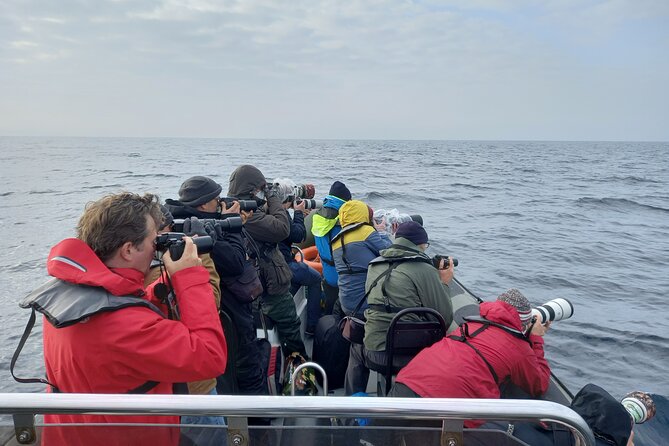
You’ll sit on Jockey seats (you straddle the seat, rather than sit in a normal chair), and you can stand up when conditions allow so you don’t miss the action. A practical tip from the way the boat is designed: if you’re wearing a skirt, you may find it less comfortable than pants. It’s not a deal-breaker if you plan ahead, but it’s a real “dress for the straps” moment.
If you’re nervous about motion, they provide motion-sickness pills if necessary. They also recommend simple food logic: avoid a milk or yoghurt-based breakfast. Eat properly, with bread and an apple to help settle your stomach.
Out to the Atlantic: Leaving the Tagus Estuary for Real Open Water
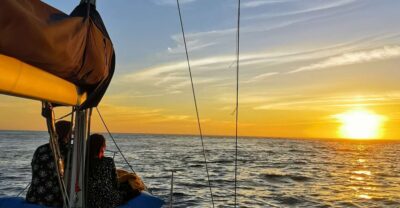
After departure, you head from the Tagus Estuary out toward the Atlantic Ocean, chasing the places where dolphins are more likely to show up. The scenery shifts as you go—river edges give way to wider horizons, and the wind usually climbs once you’re truly outside.
This is a big part of the value of the trip: you get more than a “look for dolphins” loop. You’re traveling through the exact marine zone dolphins use, so the hunt feels like an adventure with purpose, not a slow sightseeing drive.
Stop for Farol do Bugio: A Lighthouse You’re Actually Sailing Toward
One of the stops is Farol do Bugio. Even if you’ve seen Lisbon postcards, this is the kind of waypoint that changes how you experience the coast. Instead of staring at the shoreline from far away, you’re moving past it while the guide explains what you’re looking at and what marine life tends to do around these waters.
The lighthouse stop also signals that you’re farther into the coastal waters—more “ocean time,” less “still near the city.” That shift is where the tour tends to feel the most exciting.
Marine Biologist Commentary: What You Hear Changes How You Look
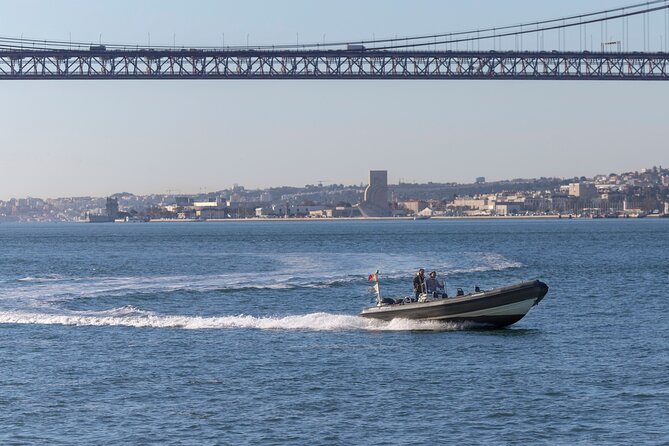
The biggest “don’t skip this” feature is the onboard marine biologist. This isn’t random facts. It’s practical science tied directly to behavior—how dolphins move, what you’re likely to see when they surface near boats, and what to look for as the crew scans the water.
You’ll get clear commentary onboard, and the tone stays friendly and useful. The crew also checks that you’re comfortable, and if you’re traveling with kids, you can expect the explanations to stay easy to follow.
Names like Sid, Sarah, and Bart show up in the way the team is described by past participants, and the pattern is consistent: the skipper focuses on the ride and timing, while the biologist turns the sightings into lessons.
You can also read our reviews of more dolphin watching tours in Lisbon
Landmarks From the Water: Belem and the Coastline in Motion
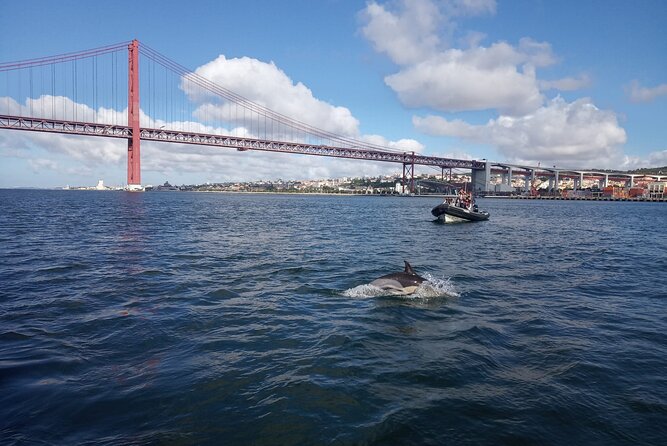
As you sail, you pass key Lisbon sights from the water, including Belém Tower. Getting landmarks from the sea is one of those “why didn’t I do this earlier” moments. You notice different angles, plus the scale makes the city feel more connected to its water world.
The coast views aren’t just pretty. They also help you orient yourself. When you learn where you are in relation to lighthouse points and estuary zones, you stop feeling like you’re just on a ride and start feeling like you’re navigating a real marine route.
Dolphin Sightings Reality Check: High Chance, Still Nature
Here’s the honest math: dolphin sightings are reported as a success around 95%, but it’s not a contract-level guarantee. There’s also an explicit note that if you don’t see dolphins, the company can’t be held responsible. That wording is standard for wildlife, but it’s smart for you to plan your emotions accordingly.
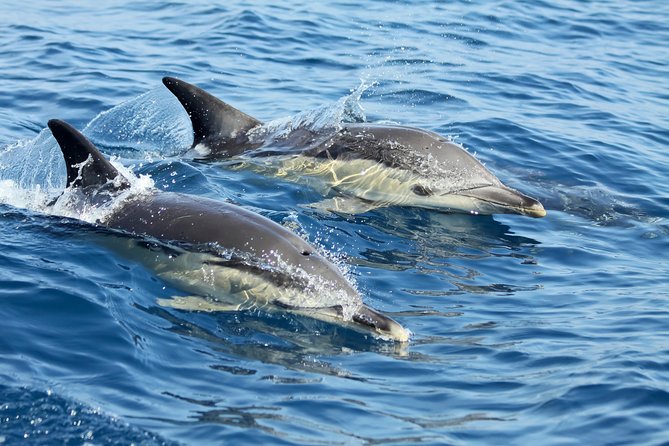
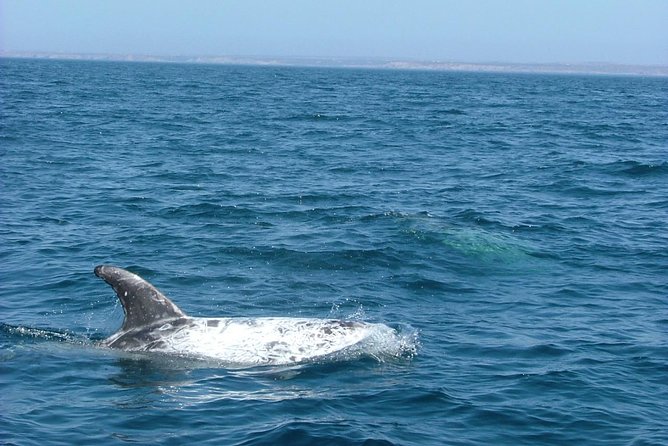
On the good trips, you can see dolphins close to the boat—often swimming alongside, sometimes ahead of the hull, and occasionally under it. You may also see different species depending on conditions, and reports include everything from common dolphins to larger bottlenose dolphins.
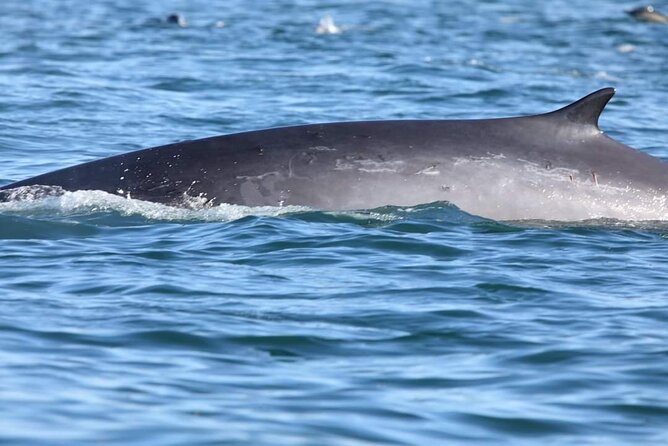
And dolphins aren’t the only possible wildlife. On strong outings you might spot sea birds, sunfish, and even larger surprises like a shark or a fin whale (all are examples that have been seen, not promises). The point: the day is built to reward attention, not to count on one single animal.
What the Group Size Really Means (More Than It Sounds)
This tour caps at 24 people, and that size is the difference between a chaotic hunt and an actual guided experience. When the group is small, you hear the biologist more clearly, you get safer, calmer instructions, and the crew can position the boat with less traffic in the way.
A recurring detail from the experience: the boat design helps too. Seats and viewing positions don’t feel like a constant fight for sight lines. Once dolphins appear, you’re not stuck behind a wall of heads.
Weather, Wind, and Clothing: Don’t Overthink It, Just Dress Like an Adult
Bring comfortable clothes, a jacket, and shoes you can move in. Even in mild months, the breeze on open water can make you feel colder than you expected. Reviews include the common theme that it’s often chillier than people planned for, and the good news is that jackets can sometimes be loaned on the day if you show up underdressed.
Think in layers:
- A warm layer for your core
- A wind-blocking jacket
- Shoes with grip (you’re on a moving boat)
Also remember: standing up for wildlife is part of the fun, so dress for that motion, not just for sitting.
Who This Tour Suits Best (And Who Should Rethink It)
This is a great fit if you want a half-day activity that blends science + speed + coastal wildlife. It’s also family-friendly in the sense that the team can keep kids engaged with clear explanations, and the boat is designed for real viewing time.
It’s not suitable for babies under 5 years. Beyond that, the tour notes that people with certain conditions described by the operator will be denied access and won’t be refunded, so if you have any medical concerns, check your details before booking.
If you’re the type who hates rolling seas or long, slow boats, the RIB choice is a strong match. If you’re the type who gets cold easily, plan better than you think you need.
Price and Value: $62.88 for a Biologist, Insurance, and a Real Wildlife Hunt
At $62.88 per person for about 3 hours, this is good value because it includes several things you’d otherwise pay for or worry about:
- Lifejackets and seat on the boat
- Public liability insurance
- Marine biologist tour guide and crew
- Motion-sickness pill if needed
- All fees and taxes
What’s not included is mostly what you’d expect: jacket/clothes/shoes (and a camera if you want photos). The real “value test” here is whether you think dolphin time on open water is worth it. With sightings typically around 95% and a boat designed for comfort, it’s priced like an experience, not just transportation.
Should You Book This Dolphin Safari?
If you want an efficient, high-likelihood wildlife outing with expert commentary and a boat that prioritizes comfort, I’d book this. It’s especially smart when you’re short on time in Lisbon and want something that feels tied to the sea instead of another “look from the sidewalk” activity.
I’d hold expectations realistically. Dolphins are wild. Some days bring perfect sightings; other days bring a great ride plus fewer animals. Even then, the day is still about the ocean ride, the coastal route, and the marine science talk that helps you spot what’s going on.
FAQ
Where is the meeting point for the Lisbon Dolphin Watching tour?
You meet at SeaEO Tours, Doca de Santo Amaro Gate, Av. Brasília 3, 1350-353 Lisboa, Portugal. The activity ends back at the same meeting point.
How long is the tour?
The tour lasts about 3 hours.
Are dolphin sightings guaranteed?
No. Dolphin sighting success is reported as around 95%, and the operator notes that they can’t be held responsible if you don’t see dolphins.
What should I do if I get motion sickness?
The boat is a fast RIB designed to feel less seasick than bigger boats. There are also motion-sickness pills available if needed, and they recommend avoiding a milk or yoghurt-based breakfast; instead eat properly with bread and an apple.
What’s included in the price, and what do I need to bring?
Included are all fees and taxes, lifejackets and seating, public liability insurance, a marine biologist tour guide and crew, and motion-sickness pills if necessary. You should bring comfortable clothes, a jacket, and shoes.
Is the tour suitable for children?
It is not suitable for babies under 5 years. Most travelers can participate.
What if the weather is bad or the tour can’t run?
This experience requires good weather. If canceled due to poor weather, you’ll be offered a different date or a full refund. If there isn’t a minimum number of travelers, you’ll also be offered a different date/experience or a full refund.