REVIEW · LISBON
Lisbon: Ocean Safari with Marine Biologists
Book on GetYourGuide →Operated by Seaview - Nautical Events · Bookable on GetYourGuide
Dolphins off Lisbon are a real possibility. This Ocean Safari turns a fast RIB boat ride into a guided wildlife lesson, with marine biologists pointing out what’s happening out there and why. I love the chance to spot dolphins and other animals in their own habitat, and I also love that you’re not just watching—you’re learning the ecosystem as you go.
Your main consideration is that conditions matter. This is a RIB setup, so if you’re seasickness-prone, the ride may not feel great, even with life jackets and safety briefing first. Also, kids under 6 aren’t suitable for the experience.
Plan around the 9:30 AM daily departure and bring the basics. You’ll want sunscreen, water, and a hat, since food and drinks and windbreakers aren’t included.
In This Review
- Key things to know before you go
- RIB boat safari with marine biologists: what you’re really buying
- Docks, departure time, and finding the right starting point
- Safety briefing first, then life jackets and wildlife rules
- Fort of São Lourenço do Bugio: the guided land break
- Lisbon Bay ecology: cliffs, an old lighthouse, and the estuary meeting the ocean
- How the dolphin search works: sardines, tuna, and birds as clues
- What the ride feels like: fun when it’s choppy, rough when you’re sensitive
- Marine life you might see, and what to do if you don’t see dolphins
- Price and value: is $63 worth it?
- Who should book this ocean safari
- A small warning from a negative moment
- Should you book the Lisbon Ocean Safari with Marine Biologists?
- FAQ
- How long is the Lisbon Ocean Safari?
- What time does the tour depart?
- Where do I meet the tour?
- What languages is the live guide available in?
- What is included in the price?
- What is not included?
- What should I bring with me?
- What shoes or items are not allowed?
- Is this tour suitable for young children?
- Is there a chance to see dolphins?
Key things to know before you go
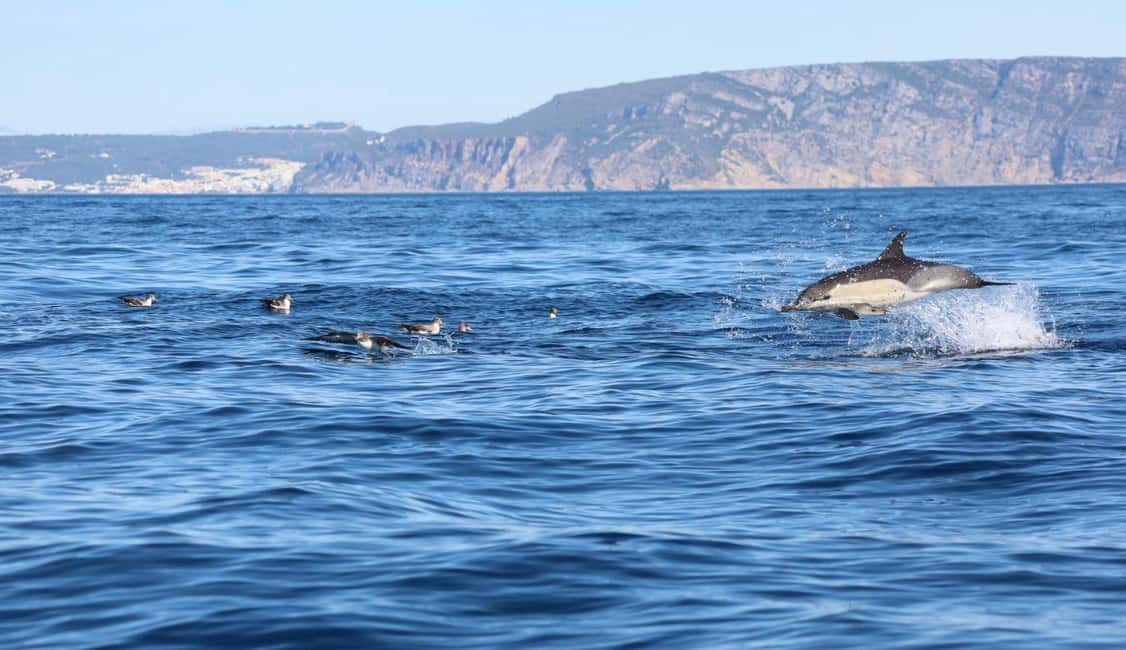
- Biologists onboard so you can connect sightings to the ecology of Lisbon Bay
- RIB speed and coastal scenery with cliffs and an old lighthouse part of the experience
- Estuary-meets-ocean action where birds and marine life show up for a reason
- A clear dolphin search strategy tied to pelagic schooling fish patterns
- Time-efficient adventure at about 150 minutes, with a guided fort visit too
- Sea-condition reality check if you’re prone to motion sickness
RIB boat safari with marine biologists: what you’re really buying
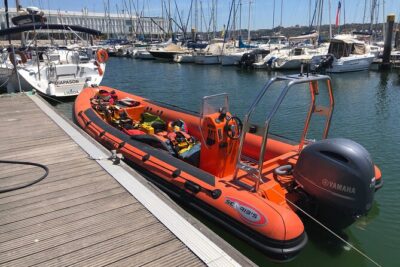
This tour is built for people who like two things at once: movement and meaning. You get a quick, energetic ride in a RIB boat, but the payoff is what the marine biologists help you notice while you’re traveling along the coast and into the Lisbon Bay area.
Why that matters for you: dolphin spotting is never guaranteed. But when you understand what the animals are following—bait fish, feeding birds, and the ecology where the estuary meets the ocean—you stop treating sightings like luck. You start reading the water like a story.
In the best moments, you’re looking at dolphins and then hearing how they connect to other wildlife. The tour also leans into the “food chain breadcrumbs” idea: pelagic fish schooling can bring predators and birds into the same area, so the search becomes less random.
A few more Lisbon tours and experiences worth a look
Docks, departure time, and finding the right starting point
You start from the Lisbon coast by RIB boat, with starting points that can vary depending on what you book. The options listed include Doca Alcântara (near Alcântara, Lisbon) and a meeting location tied to Doca de Santo Amaro.
You depart daily at 9:30 AM, and the experience runs about 150 minutes (listed as 2–3 hours). That timing is perfect if you want something active without losing your whole day, but it also means you should arrive early and focused.
One caution from a bad experience: a guest got left behind after running into trouble finding parking and said there weren’t clear signs guiding them. I’d take that as a nudge to do two things:
- Give yourself extra time to locate the dock
- Use your booking details to confirm the exact meeting spot for your selected option
It’s not the vibe you want when you’re excited to see dolphins.
Safety briefing first, then life jackets and wildlife rules
Before anything fun happens, there’s a 15-minute safety briefing. Life jackets are included, and the tour includes insurance, fuel, and government fees, which makes the experience feel more complete than “just a boat ride” pricing.
You’ll also want to know the behavior rules so you don’t get in trouble mid-tour:
- No touching marine life
- No alcohol or drugs
- No high-heeled shoes
Practical note: windbreakers aren’t included. If you run cold easily, bring a layer you can manage on a boat. You’ll be outside, and RIB wind can cut even when the sun is out.
Fort of São Lourenço do Bugio: the guided land break
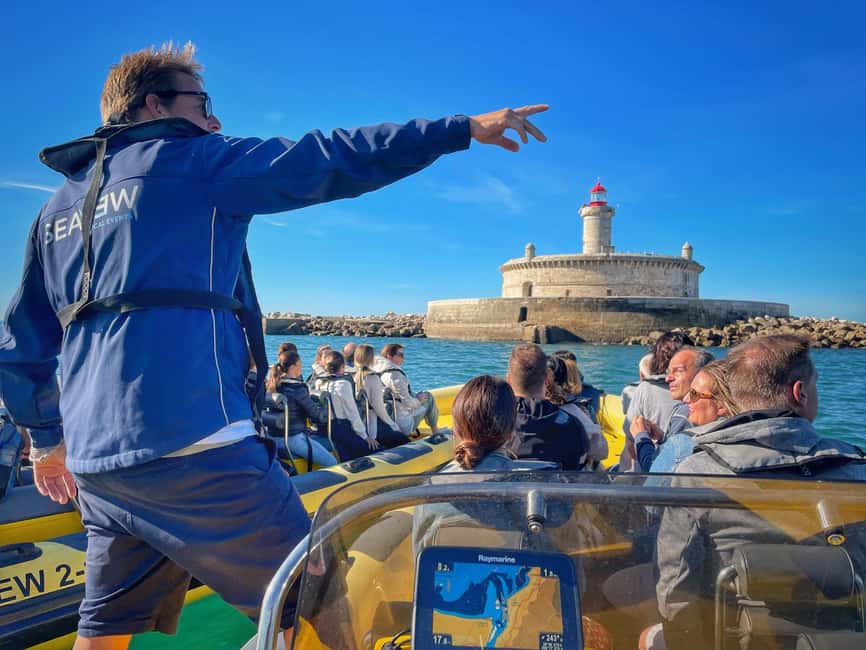
After the safety setup and ride planning, the day includes a guided tour at the Fort of São Lourenço do Bugio. The time block listed is about 2 hours, which makes this more than a quick photo stop.
Why that helps you: it slows the pace just enough to catch your breath and switch from “spot and scan” to “learn and look.” Even if your main goal is marine wildlife, having a structured guided segment is a smart way to turn the day into more than sightseeing.
The drawback? If you came purely for dolphin-watching, you may wonder why there’s a longer fort segment. The tradeoff is that this part anchors the outing in place and context, so you’re not only chasing animals at random.
Lisbon Bay ecology: cliffs, an old lighthouse, and the estuary meeting the ocean
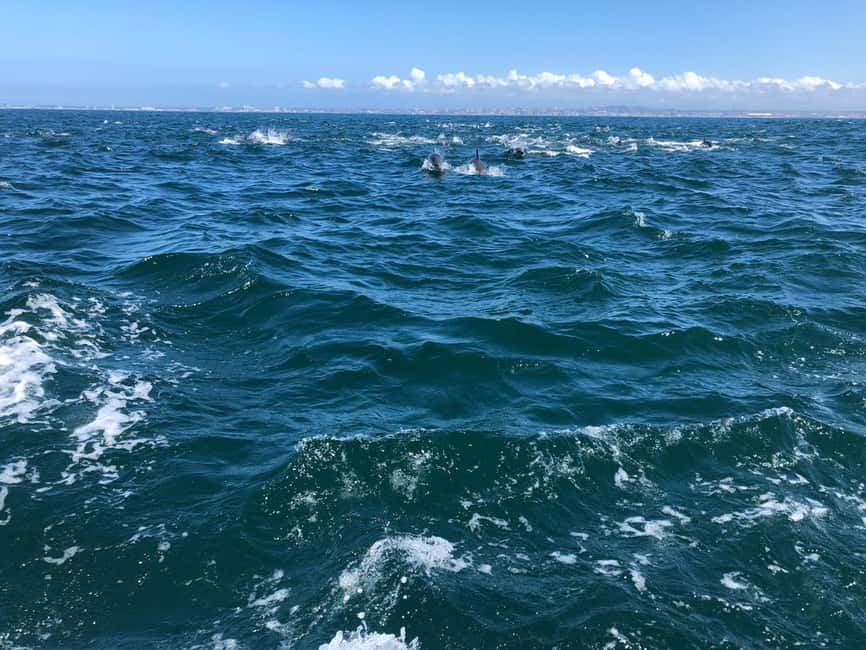
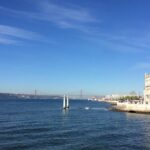
One of the standout ideas in this safari is the setting itself. As you travel along the coast, you’ll admire stunning cliffs and an old lighthouse. That scenery isn’t just background. It’s part of how the ecosystem behaves in this part of Lisbon.
The tour specifically highlights the ecological phenomena where the estuary connects with the ocean. That’s a big deal because mixing zones often concentrate food and create conditions animals use. You’re basically hunting in an area where land-driven waters and ocean currents influence what you see—birds, fish, and larger predators like dolphins.
If you like the “why” behind nature spotting, this is where the biologist component pays off. Instead of a generic commentary, you get explanations tied to what’s around you right now.






How the dolphin search works: sardines, tuna, and birds as clues
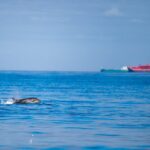
This isn’t a blind search. The tour calls out migration and schooling of pelagic fish such as sardines and tuna, and it explains why that matters: these schools can attract dolphins and also bring in birds.
You may encounter wildlife including:
- dolphins
- cormorants
- shearwaters
- gannets
Here’s the practical value for you: even if dolphins don’t show up, a good wildlife day usually means you’re seeing interactions. Fish and birds together often signal where the action is. The biologists help you “read” those signs quickly.
A tip from the vibe of the activity: look up and scan as much as you look forward. Many bird sightings give you a clue that fish activity is happening nearby, even when the surface action is subtle.
What the ride feels like: fun when it’s choppy, rough when you’re sensitive
RIB boats can move fast. When water is choppy, the ride can feel like a roller coaster at sea level. One positive experience described the ride as choppy but fun, with a fast push into the Atlantic area and a sense of thrill that matched the goal of spotting wildlife.
But if you’re seasickness-prone, the tour flags that it isn’t suitable. That’s not the kind of warning to ignore. If you tend to feel sick on boats, you’ll want to take that seriously.
What you can do that’s allowed and sensible:
- Wear comfortable clothes you can move in
- Bring water and stay hydrated
- Use sunscreen and a hat (you’ll still be outside a lot)
And if you’re unsure about motion sensitivity, treat this as an active, boat-forward day, not a relaxed cruise.
Marine life you might see, and what to do if you don’t see dolphins
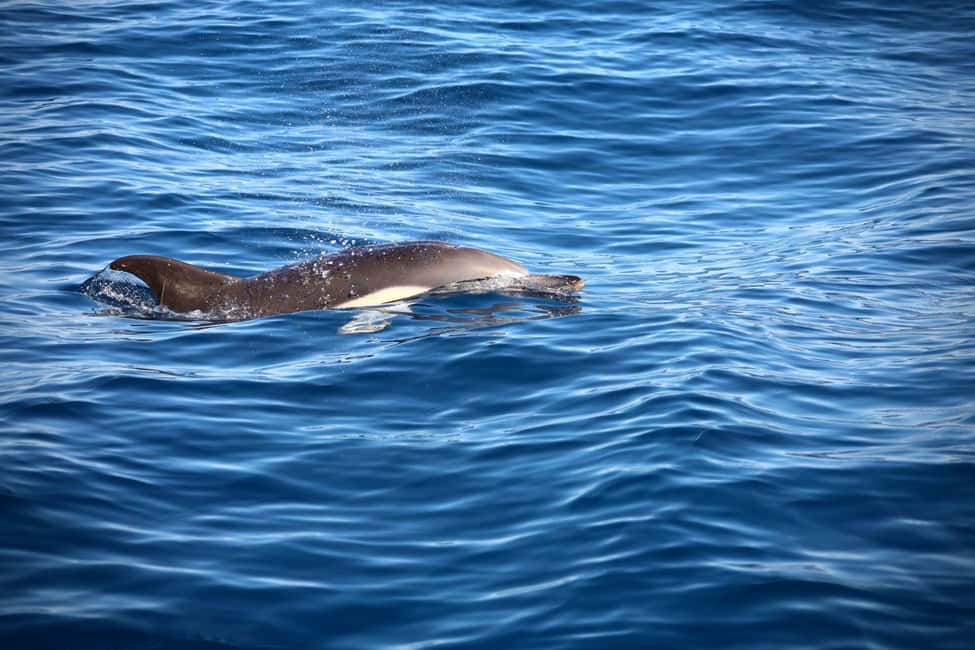
You’re taking a calculated chance. The tour makes it clear there’s an opportunity to see dolphins and other marine life, and the ecosystem focus supports that goal. But the sea has its own schedule.
If dolphins don’t appear, the tour still gives you plenty to watch:
- seabirds responding to feeding patterns
- fish activity that draws predators
- coastal and lighthouse views as you move along the shore
Also, because there’s a biologist live guide, you’re less likely to feel lost if the sightings aren’t dramatic. You’ll still have explanations for what you’re seeing and why it’s happening.
One review even mentioned a small shot of ginja taken by the lighthouse on the way back. That’s not stated as a guaranteed inclusion, so treat it as a nice-to-hope moment rather than a plan.
Price and value: is $63 worth it?
At $63 per person, the value depends on what you compare it to. This price includes more than just a seat on a boat:
- RIB boat tour
- live marine biologist guide
- wildlife observation support
- life jackets and insurance
- fuel and government fees
That matters because a lot of similar wildlife outings don’t bundle guidance and safety gear as clearly. Here, you’re paying for an experience that tries to connect three things: movement (RIB ride), expertise (biologists), and location (Lisbon Bay ecology plus the fort segment).
Two things that aren’t included are also worth planning for:
- food and drinks
- windbreakers
So budget a snack or drinks and bring a layer. When you do that, the $63 feels more fair because you’re covering the core experience costs up front.
Who should book this ocean safari
This tour fits best if you:
- want a boat adventure without a full-day commitment
- like science explanations while you look for wildlife
- enjoy coastal scenery like cliffs and lighthouses
- want a guided experience with rules and structure
It’s less of a match if you:
- are prone to seasickness (the tour says it’s not suitable)
- have children under 6
Also keep in mind footwear rules. If you’re visiting Lisbon in dress shoes, swap to something stable and comfortable for the dock and boat.
A small warning from a negative moment
Even the best wildlife plans can get derailed by logistics. One low-rated booking described being left behind after missing the departure due to parking problems and difficulty finding the meeting point, with no signs guiding them.
I can’t fix that for you, but I can prevent the heartbreak. If you book, show up early enough to handle parking or transit delays, and double-check your exact departure location. Treat it like a flight: excitement is good, but timing is king.
Should you book the Lisbon Ocean Safari with Marine Biologists?
Book it if you want an active Lisbon coastal day that mixes a RIB ride, expert explanations, and the realistic chance to spot dolphins and other wildlife where the estuary meets the ocean. The inclusion of life jackets, insurance, and a live marine biologist makes the experience feel more complete than a bare-bones boat excursion.
Skip it (or think twice) if motion sickness is an issue or if you’re looking for a slow, comfortable cruise. This one is for people who can handle a fast boat ride and stay focused on the water and the birds while the ecosystem does its thing.
If you’re ready for that mix of thrills and learning, this is a strong way to use a morning in Lisbon.
FAQ
How long is the Lisbon Ocean Safari?
The duration is listed as 150 minutes, which is described as a 2–3 hour adventure.
What time does the tour depart?
The tour departs daily at 9:30 AM.
Where do I meet the tour?
Meeting point can vary depending on the option booked. Listed options include Doca Alcântara and an Alcântara meeting location, with information also referencing Doca de Santo Amaro.
What languages is the live guide available in?
The live tour guide is available in English, Spanish, Portuguese, and German.
What is included in the price?
Included are the RIB boat tour, a live tour biologist, wildlife observation, life jackets, insurance, fuel, and government fees.
What is not included?
Food and drinks are not included, and windbreakers are not included.
What should I bring with me?
Bring a hat, sunscreen, water, and comfortable clothes.
What shoes or items are not allowed?
High-heeled shoes are not allowed. Alcohol and drugs are not allowed, and you also must not touch marine life.
Is this tour suitable for young children?
No. It is not suitable for children under 6 years.
Is there a chance to see dolphins?
Yes, the chance to see dolphins and other marine life is specifically mentioned. The tour also notes wildlife opportunities around feeding patterns in the ecosystem.