REVIEW · LISBON
Half-Day Walking Tour about the African Presence in Lisbon
Book on Viator →Operated by Lisbon Travel Experience · Bookable on Viator
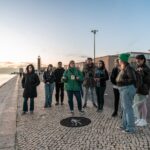
Lisbon’s stories go way past the postcards. This small-group walking tour uses street-level landmarks to connect African presence in Lisbon to Moorish roots, the slave trade, and later debates about memory. I like that it’s paced as a real walk, not a bus tour with quick photo stops, and that guides like Alcides (Cape Verdean ancestry) and Al bring those places to life with personal, place-based storytelling.
I also like the focus on “how it shows up” in everyday corners of the city—fountains, churches, marketplaces, and squares—so you see Lisbon’s layers instead of one tidy timeline. One consideration: at $179.74 per person, it’s a serious splurge, and a small number of past groups flagged issues like start-time timing and restroom planning.
In This Review
- Key things to know before you go
- A focused, small-group walk through Lisbon’s African connections
- Price and what you actually get for $179.74
- Where you’ll meet, when you’ll start, and how the timing feels
- Stop-by-stop: how each location tells the African story in Lisbon
- Alfama: where the walk traces early roots
- Chafariz D’El Rei: social class, power, and visibility
- Campo das Cebolas: where the first arrivals were tied to Lisbon’s port
- Praca do Comercio (Terreiro do Paco): the stage of major events and slave trade links
- Central Lisbon rebuilt after 1755: the earthquake and what it changed
- Calle Rosa de Lisboa: women’s work in the city
- Time Out Market Lisboa: from past work to today’s food culture
- Jardim Dom Luis: a statue tied to abolition
- In front of Brazil’s consulate: discussing transatlantic consequences
- Praça Dom Pedro IV: integration, colonies, and identity
- Igreja De S Domingos: faith as a route to integration
- Estacao do Rossio: architecture, empire, and the Berlin Conference
- Restoradores Square: Portugal’s independence story with an African presence
- The guide factor: Alcides vs Al, and how to get more out of the walk
- Shoes, pacing, and the small practical issues that matter
- Who this tour is best for (and who might want something else)
- Should you book this African Presence in Lisbon walk?
- FAQ
- How long is the Half-Day Walking Tour about the African Presence in Lisbon?
- What time does the tour start, and where does it meet?
- How much does the tour cost?
- How many people are in the group?
- Is the tour offered in English?
- Is there a mobile ticket?
- Do I need any special physical preparation?
- Are service animals allowed?
- Are there admission fees at the stops?
- Can I get a full refund if I cancel?
Key things to know before you go
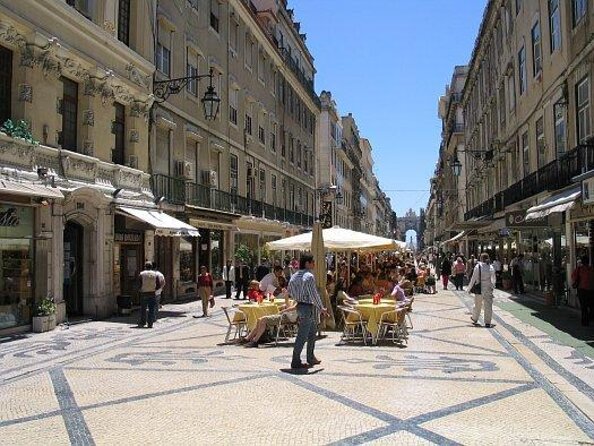
- Maximum 15 people makes it feel more like a guided city walk than a crowded group circuit
- Expect a 3 to 4 hour on-foot route with multiple stops and short explanations at each
- The tour spotlights African connections across neighborhoods such as Alfama and central squares
- Many stops are described as free admission, so you’re mainly paying for the guided experience
- You’ll discuss major themes tied to the slave trade and its consequences
- Good shoes matter, because it’s a true walking tour
A focused, small-group walk through Lisbon’s African connections
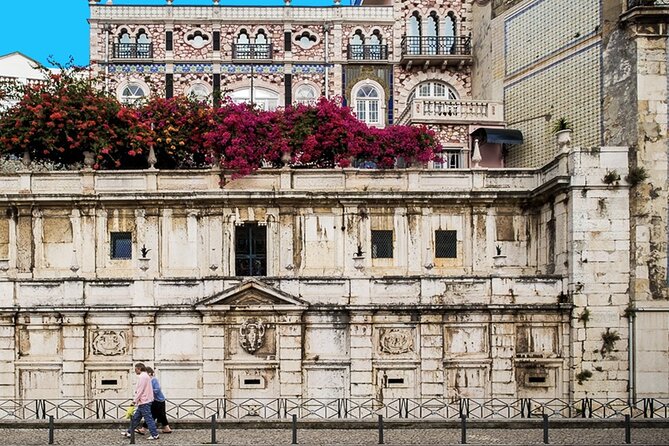
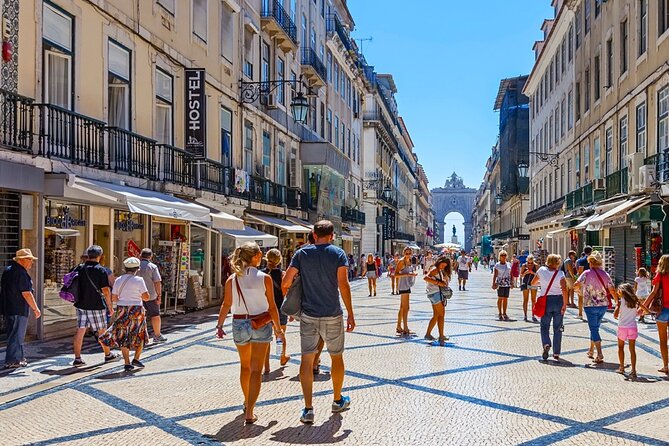
This half-day tour in Lisbon is built around one idea: African presence in Portugal isn’t a footnote. It’s written into the city’s physical geography—where goods moved, where people worked, where faith was practiced, and where power was displayed.
The small size (up to 15) is a big deal here. When the route is on foot and the topic is complex, you want a guide who can set the tone and respond to questions without rushing the whole group along. That’s the main reason this works better than a quick museum stop: you’re walking through the “evidence,” then hearing the story put in order.
And the guide style matters. Based on the experience’s guide reputation, Alcides and Al are the kind of storytellers who connect locations to bigger historical currents without turning it into a dry lecture. If you like your history told through streets, buildings, and human choices, you’ll likely enjoy this format.
You can also read our reviews of more walking tours in Lisbon

Price and what you actually get for $179.74
At $179.74 per person, this is not a budget walking tour. But you are paying for three things that justify the price—at least in the way the experience is structured.
First, you’re buying time with a guide who ties multiple Lisbon locations to the African presence theme, including Atlantic slave trade consequences and how integration showed up in Catholic life. Second, you’re paying for a route that covers a wide spread of central neighborhoods in a compact timeframe. Third, the small-group cap helps keep the experience personal.
Is it expensive? Yes. Is it overpriced for someone who wants a serious guided perspective rather than casual sightseeing? Probably not. Still, keep your expectations aligned: this isn’t just “see pretty streets.” It’s a walking tour with heavy historical content and discussion built into the stroll.
Where you’ll meet, when you’ll start, and how the timing feels
You start at Praça dos Restauradores (meeting point listed at Praça dos Restauradores, 1250-001 Lisboa) and the tour begins at 9:00 am. It ends back at the meeting point.
The duration is about 3 to 4 hours, so think of it as a concentrated morning plan that can still leave you time for lunch afterward. Stops are generally short—often around 10 to 20 minutes—so the rhythm is: walk, stop, learn, and move on. That style can feel great if you love variety, but it also means you should be ready to keep moving even when a topic hits hard emotionally.
One practical tip: show up a little early. A late start was mentioned by one group, and in Lisbon, mornings can change fast with crowds and streetside logistics.
Stop-by-stop: how each location tells the African story in Lisbon
Alfama: where the walk traces early roots
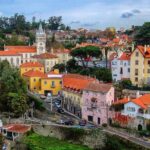
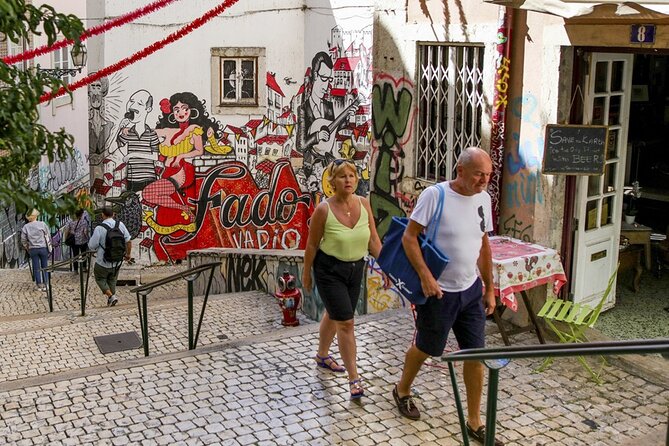
You begin in Alfama, Lisbon’s oldest neighborhood, described here as founded by the Arabs. This start point isn’t chosen just for its age. It sets the frame for connections—how communities interlinked across centuries and how African history and roots connect to broader movement of people.
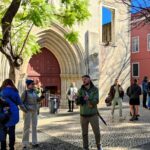
Alfama also does something practical for you: it’s the kind of neighborhood where you can feel Lisbon’s older texture. Cobblestones, old streets, churches—everything supports the idea that you’re looking at layers, not a single era.
Time is short at this first stop (about 20 minutes), so don’t expect one giant talk. Expect a starting thread that makes the later stops make more sense.
A few more Lisbon tours and experiences worth a look


Chafariz D’El Rei: social class, power, and visibility
Next comes Chafariz D’El Rei, a fountain used in the tour to talk about medieval social divisions—specifically noting that Africans appear in the picture of society rather than being erased from it.
Fountains might sound random until you consider what fountains historically represent: public life, status, and where people gathered. This stop is a good example of how the tour turns a small landmark into an entry point for bigger themes.
If you like learning through “ordinary” objects, this kind of stop will click. If you need constant monumental sights, you may mentally adjust—this tour values meaning over spectacle.
Campo das Cebolas: where the first arrivals were tied to Lisbon’s port
Then you reach Campo das Cebolas, described as belonging to the old port of Lisbon and tied here to the arrival of the first African slaves in Europe.
This is one of the stops where the tour’s tone likely shifts. Even if the explanation is contained to about 10 minutes, the message has weight, and the point is made on location: ports are gateways, and gateways were used for exploitation as well as trade.
If you want a tour that doesn’t dodge the hard parts, this is exactly where it stops being “just sightseeing.”
Praca do Comercio (Terreiro do Paco): the stage of major events and slave trade links
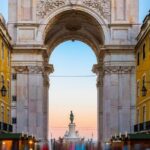
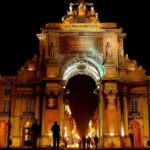
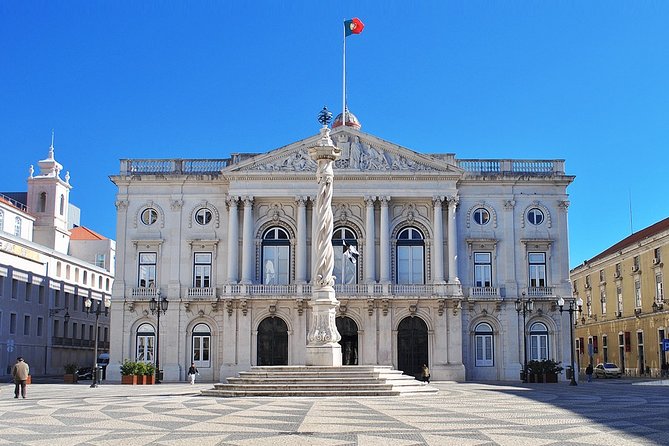
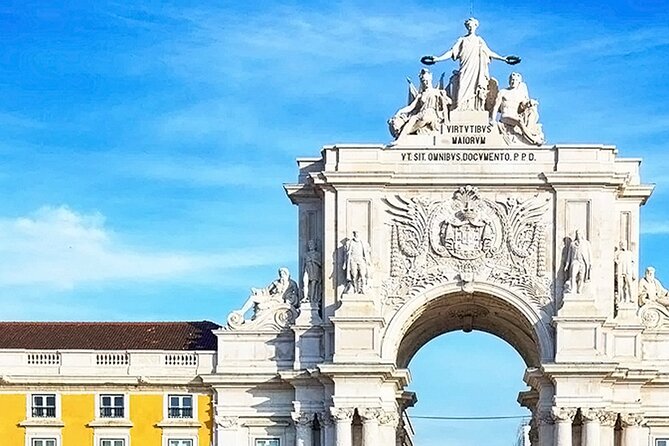
Praca do Comercio (Terreiro do Paco) is one of Lisbon’s emblematic places, and it’s used to connect national historical events to the slave trade.
This stop makes a lot of sense in the tour’s logic. A grand public square is where the state projects power. Linking it to the economics and events tied to slavery helps you see how systems shaped the city’s center, not only the margins.
Expect about 20 minutes here. It’s enough time for context, but not so long that you sit and stare while the city moves on without you.
Central Lisbon rebuilt after 1755: the earthquake and what it changed
The walk also reaches a central area described as destroyed by the 1755 earthquake, used as a perfect place to talk about interaction of Africans in Portuguese society.
This stop matters because disasters reshape cities. Rebuilding affects neighborhoods, institutions, and who gets remembered in the public story. Even without deep technical details, the tour uses the quake as a bridge between past structures and the social reality afterward.
It’s a reminder that history doesn’t stay frozen. It breaks, rebuilds, and then gets narrated.
Calle Rosa de Lisboa: women’s work in the city
At Calle Rosa de Lisboa, you focus on where African women provided services.
This stop turns a street name into a discussion about labor, survival, and the way certain communities were pushed into specific roles. It’s not presented as gossip or sensationalism—its job is to make visible a group that’s often treated as background.
Because this is brief (about 10 minutes), you’ll get the essential framing and then keep walking. If you want to ask questions, this is a strong spot to do it.
Time Out Market Lisboa: from past work to today’s food culture
Next is Time Out Market Lisboa, framed by the tour as a place that, in the past, was the work site for many Africans.
This is one of those “then and now” moments that helps you understand how cities reuse space. A marketplace becomes a marketplace again, even if the vibe changes. The tour pushes you to look past the modern branding and ask what work once happened there.
One note from guide-led reviews: you might find a small wine tasting at the end. If that’s offered on your day, it’s a good pairing with the walking pace—just keep your timing in mind so you don’t feel rushed through it.
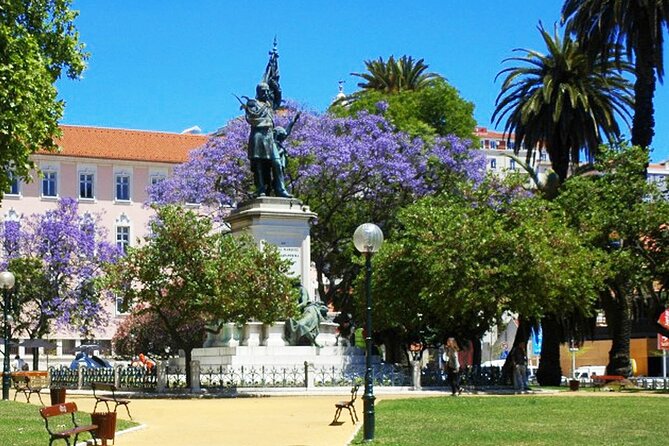
Jardim Dom Luis: a statue tied to abolition
In Jardim Dom Luis, you find a statue of the Marquis Sá da Bandeira, described here as responsible for abolition of slavery in Portuguese territory and colonies.
This stop is a shift from street-level systems to official memory. Statues don’t just commemorate a person—they signal what gets honored in public space. Using this garden stop after darker topics gives you a chance to think about the arc from exploitation to political change and the way abolition is represented.
Time is short (about 5 minutes), but it’s memorable because it’s a hard turn into “what happened next” historically.
In front of Brazil’s consulate: discussing transatlantic consequences
You then stop at the Consulate-General of the Federative Republic of Brazil in Lisbon, where the discussion connects transatlantic slave traffic and its consequences.
This is a smart choice for the theme because it ties history to modern international contexts. It reinforces that these issues didn’t stay in the past—they shaped relationships across the Atlantic for generations.
Expect about 10 minutes here. It’s not trying to be a courtroom speech. It’s trying to connect your walk to living memory and ongoing cultural impact.
Praça Dom Pedro IV: integration, colonies, and identity
At Praca Dom Pedro IV, you talk about integration of Africans and the creation of colonies.
This square is central and busy in real life, so the contrast is interesting: a lively city hub used for serious historical conversation. It forces you to keep the big picture in mind while street life continues around you.
If you like asking “How did people actually fit into society?” this is a helpful stop.
Igreja De S Domingos: faith as a route to integration
Then comes Igreja De S Domingos, used to understand the form of integration of Africans into Catholic religion and the achievements tied to it.
Religious integration can be a sensitive topic, and this tour’s value is that it treats it as part of social history rather than only church architecture. You get to connect belief systems to daily life and community roles.
It’s also about inclusion and recognition—who was folded into institutions, and what that meant in practice.
Estacao do Rossio: architecture, empire, and the Berlin Conference
The walk ends in an area tied to the Estacao do Rossio, built in the 19th century with Manueline architectural style. Here, the tour uses the station to discuss Portugal’s golden times and the way European powers divided Africa into colonies in the Berlin Conference of 1884.
This stop can hit harder than you expect because the station is beautiful—and then the guide reframes that beauty within empire and political decisions.
Expect about 10 minutes here. You’re not studying architecture like a professional. You’re using it as a historical mirror.
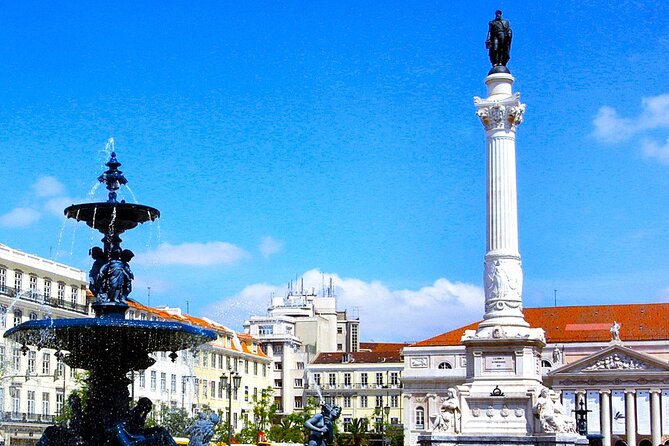
Restoradores Square: Portugal’s independence story with an African presence
Finally, you circle back to Praça dos Restauradores, where the tour notes the restoration of Portugal’s independence from Spain and says many African slaves fought.
This is where the story comes full circle to the meeting point. It also gives you a sense of how African presence shows up even in national origin narratives—if you know where to look.
It’s a strong closing note because it reframes Lisbon from a background into an active historical arena.
The guide factor: Alcides vs Al, and how to get more out of the walk
This is one of those tours where the guide can make or break the experience. Most feedback highlights guides such as Alcides and Al as patient, kind, and effective storytellers, with strong English skills.
One review also raised a caution about clarity and passion from a guide. So here’s a practical move: if you’re sensitive to audio, try to stay where you can hear well, and don’t hesitate to ask a question when you’re able. Short questions can turn a stop from “I heard the facts” into “I understand the angle.”
If you like a story that connects personal heritage to public locations, Alcides’ approach—tying his own Cape Verdean ancestry perspective to Lisbon’s key sites—is the style that seems to land best.
Shoes, pacing, and the small practical issues that matter
This is a walking tour with moderate physical fitness requirements. You’ll want good walking shoes. One review even suggested taking Ibuprofen beforehand—your choice, but the message is clear: plan for your legs.
Bathroom timing is worth a little foresight. One group noted the tour wasn’t well organized for restroom breaks and included a stop that didn’t feel welcoming. You can’t control every detail, but you can control your strategy: hydrate early, use the restroom before the tour, and ask your guide during a stop if you have a pressing need.
Also, it starts at 9:00 am. Lisbon in the morning can be a mix of calm and crowded depending on the day. Arrive early, and you’ll avoid stress that makes history less fun.
Who this tour is best for (and who might want something else)
I’d point you here if:
- you want a guided walking route that mixes Lisbon sights with serious themes
- you’re interested in how African presence shaped Portuguese history, not only Portugal’s overseas empire
- you enjoy asking questions and hearing stories tied to specific addresses and landmarks
You might choose something else if:
- you want mostly light entertainment and pretty scenery, with minimal emotional weight
- you strongly dislike long on-foot tours, even at a manageable half-day length
- you’re price-sensitive and need a more basic sightseeing value
Should you book this African Presence in Lisbon walk?
If you care about getting the full Lisbon story, book it. The biggest reason is the structure: the tour doesn’t treat African presence as a side topic. It places it on the route—Alfama, port-linked Campo das Cebolas, public squares like Terreiro do Paco, religious sites, and the symbolism of Rossio and monuments.
It’s also a great option if you want a small group experience where a guide like Alcides or Al can connect history to places you’ll remember long after you’ve left. Just be smart about expectations. Bring good shoes, show up early, and be prepared for history that doesn’t soften the edges.
If the idea of walking for 3 to 4 hours with concentrated themes feels like your kind of travel, this is a strong pick.
FAQ
How long is the Half-Day Walking Tour about the African Presence in Lisbon?
It runs for about 3 to 4 hours.
What time does the tour start, and where does it meet?
It starts at 9:00 am at Praça dos Restauradores in Lisbon. The tour ends back at the meeting point.
How much does the tour cost?
The price listed is $179.74 per person.
How many people are in the group?
The group size is capped at a maximum of 15 travelers.
Is the tour offered in English?
Yes, it’s offered in English.
Is there a mobile ticket?
Yes, the tour includes a mobile ticket.
Do I need any special physical preparation?
The tour asks for moderate physical fitness, since it’s a walking route.
Are service animals allowed?
Yes, service animals are allowed.
Are there admission fees at the stops?
The stop descriptions list admission as free for the included locations.
Can I get a full refund if I cancel?
Yes. Free cancellation is available if you cancel up to 24 hours in advance for a full refund.