REVIEW · LISBON
Lisbon: Half-Day Private Guided Tuk-Tuk Tour
Book on GetYourGuide →Operated by Live Portugal - Tours & Tales · Bookable on GetYourGuide
Lisbon’s hills shrink fast on a tuk-tuk. This half-day private electric tuk-tuk tour strings together the neighborhoods you’ll otherwise spend days chasing, with stops that big buses can’t reach. I especially love the local storyteller approach—your guide ties the sights to the people and street-level details that make Lisbon click.
You’ll get two things that matter most on a short trip: fast access to viewpoints and a route that feels personal, not just a checklist. The potential drawback: the ride includes cobblestones and bumps, and you’ll need enough mobility to climb into the tuk-tuk seat—this isn’t built for wheelchairs or people with serious back or pregnancy limitations.
In This Review
- Key highlights worth planning for
- Why this Lisbon tuk-tuk tour works so well
- Pickup, group size, and what the private setup means
- Getting in and out: comfort, bumps, and real-world expectations
- Starting in Baixa: Lisbon’s central core and quick iconic photos
- Graça and Mouraria: viewpoints that feel like a cheat code
- São Vicente de Fora and Santa Engracia: churches with context
- Alfama: short walk, wine tasting, and why the tuk-tuk matters
- Toward the Tagus and into central Lisbon
- São Roque, Miradouro de São Pedro de Alcântara, and Lapa/Estrela
- The 25 de Abril Bridge and the turn toward Belém
- Belém essentials: Jerónimos, Pastéis de Belém, Tower, and Discoveries
- Food and drink: where the tour gives you a taste, not just a lesson
- Street art history, plus how the best guides shape the afternoon
- Price and value: what you’re really paying for at $99
- Who should book this tour, and who should skip it
- Should you book this Lisbon half-day private tuk-tuk tour?
- FAQ
- How long is the Lisbon half-day private guided tuk-tuk tour?
- What’s included in the tour price?
- Are entrance fees included for monuments?
- Is hotel pickup included?
- What languages are available for the live guide?
- Is the tour cancellable?
Key highlights worth planning for

- Electric tuk-tuk access to narrow, hilly streets where buses can’t go
- Story-first guiding, including history of street art and the stories behind major landmarks
- View stops that save time, from Graça lookouts to Miradouro da Senhora do Monte
- Alfama with a short stroll + wine tasting (and plenty of photo moments)
- Belém finish with the classics, including Jerónimos Monastery and Pastéis de Belém
Why this Lisbon tuk-tuk tour works so well
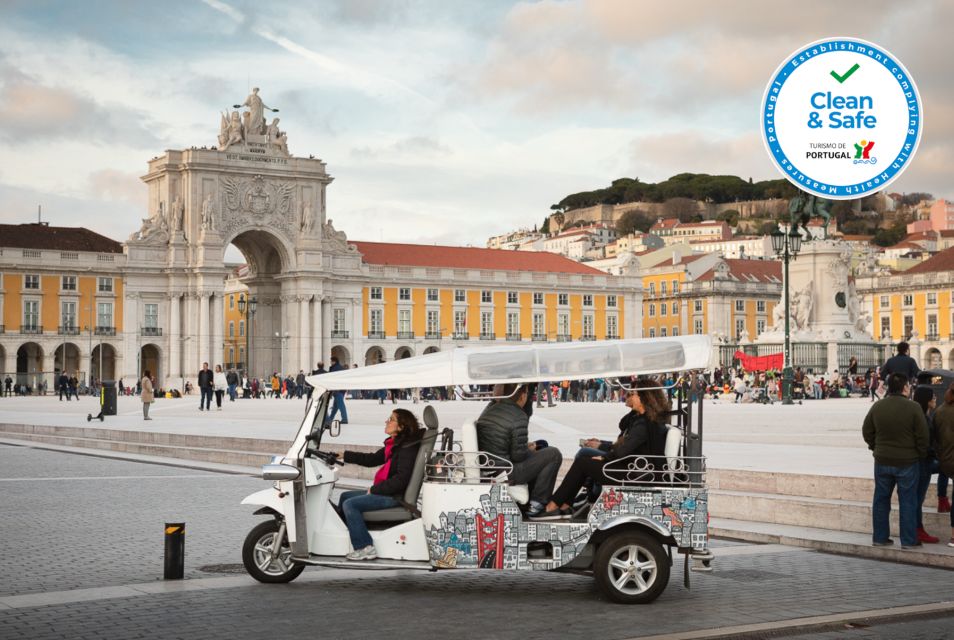
If you’re trying to get your bearings fast, a tuk-tuk is a smart move. Lisbon is steep, roadways are tight, and distances add up. This tour uses an electric tuk-tuk to cut through the hassle and gets you to high-impact stops without wearing you out before dinner.
What really sells it is the mix of speed and storytelling. You’re not just being transported. Your guide, a professional storyteller, uses the city’s layers—cathedrals, miradouros (viewpoints), convents, bridges, and river heritage—to explain what you’re seeing and why it matters. In the same afternoon you’ll learn how Lisbon’s street culture evolved, including the history of street art.
And yes, it’s fun. Even the bumps become part of the experience when you’re rolling through historic streets at the right pace with a driver who knows the city’s rhythm.
You can also read our reviews of more guided tours in Lisbon


Pickup, group size, and what the private setup means
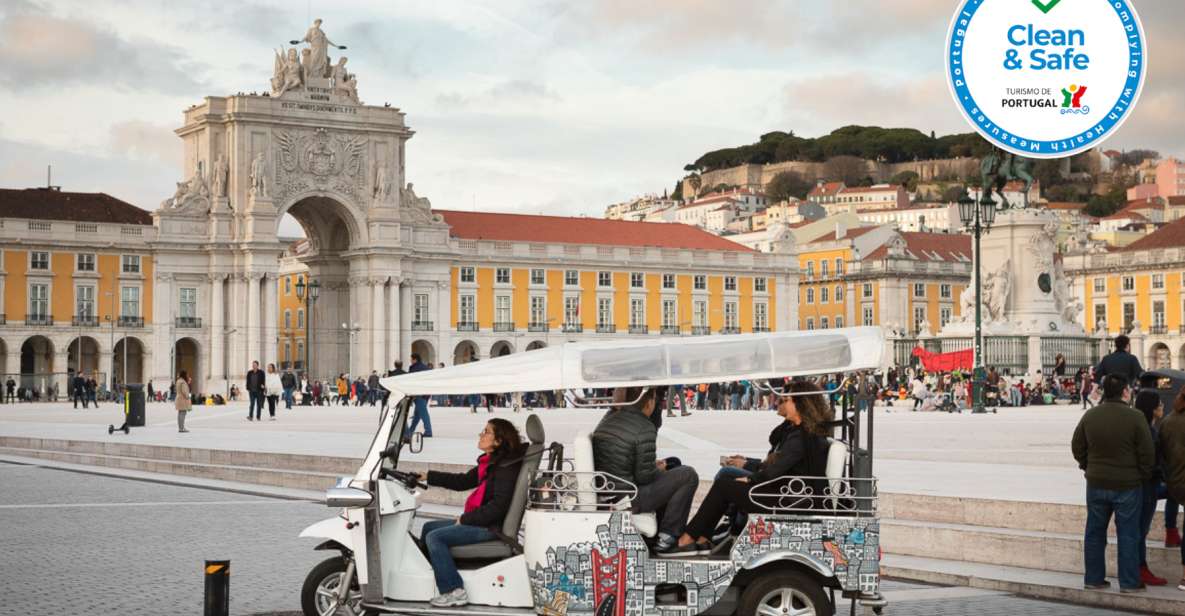
This is a private or small-group experience, with a total maximum occupancy of 6 people. The most comfortable setup is up to 4 adults plus 2 children, which matters because the vehicle space is limited. You also get hotel pickup and drop-off from locations within the city center, and you can choose from multiple drop-off points on R. do Comércio.
Language options are wide—German, English, Portuguese, Spanish, Italian, and French—so you’re less likely to get stuck with a flat, generic script. In guides who earn standout reviews, you often see the same pattern: they adjust where you spend time and they keep the tour moving at your family’s pace.
One practical heads-up: oversize luggage isn’t allowed. If you’re traveling light (daypack only), you’ll feel fine.
Getting in and out: comfort, bumps, and real-world expectations
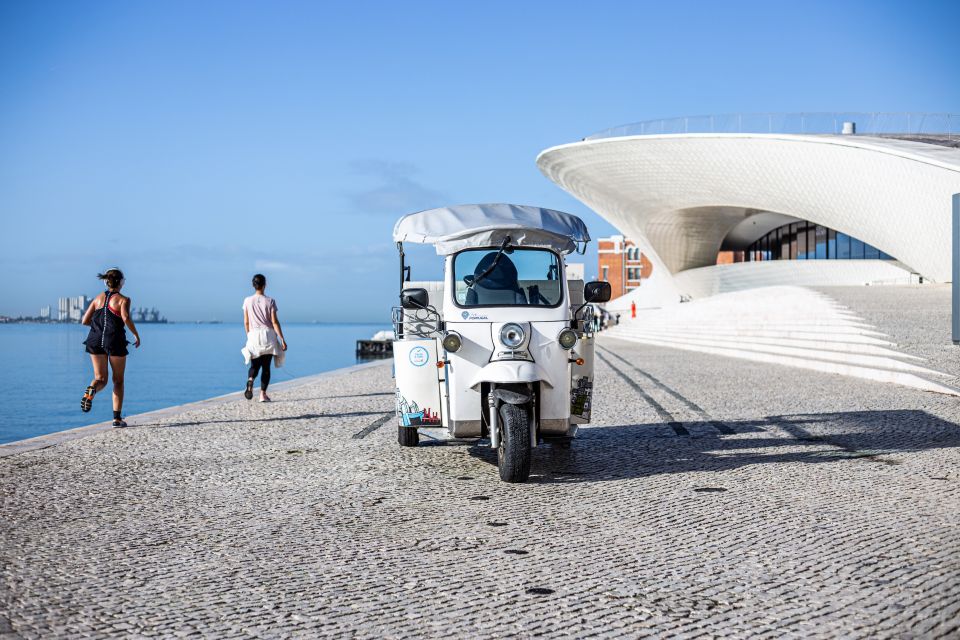
Some people expect a smooth ride like a taxi. Lisbon isn’t that. You should expect bumpiness, especially on cobblestone stretches where historic areas are accessed via streets that aren’t meant for comfort-first vehicles.
The good news is that the tour is designed around these roads, and guides tend to drive carefully. In real experiences, guides have even turned the uneven road feel into humor, which helps the whole ride stay relaxed.
Here’s what you should consider before booking:
- You need a level of mobility to climb into the vehicle.
- The tour isn’t suitable for wheelchair users or people with mobility impairments.
- It’s not recommended for pregnant women or people with back problems.
- Children must be at least 4 years old.
If you’re generally steady on your feet, you’ll likely enjoy the ride more than you fear it—because the tuk-tuk is the reason you can cover so much without spending all your energy walking.
Starting in Baixa: Lisbon’s central core and quick iconic photos
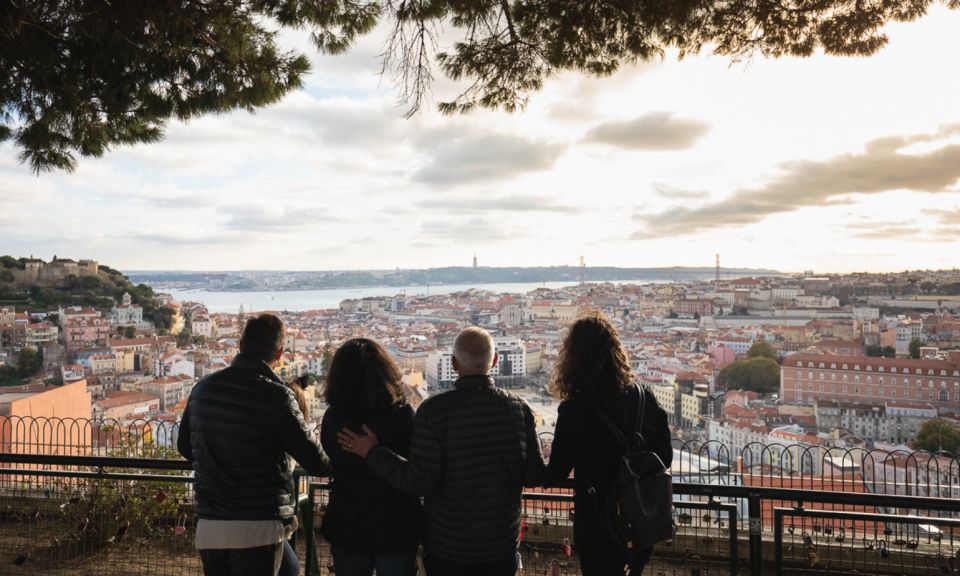
You typically begin in Baixa de Lisboa, the city center where planning and movement make sense. This first segment is about easing into Lisbon’s layout: you get guided sights and scenic viewpoints along the way, so the rest of the tour feels less chaotic.
Next comes Lisbon Cathedral. This is a photo stop plus guided context. The advantage here is time: you see the landmark, learn the story, and keep moving instead of burning half your afternoon inside. If you want longer exploration later, this stop helps you decide what to return for.
Then you drop to Portas do Sol Terrace for another photo stop with guided explanation. It’s one of those places where the lookout does half the work. Even if you’re not a big “lookout person,” you’ll come away with a clearer sense of where Alfama and the river sit in relation to the rest of the city.
Graça and Mouraria: viewpoints that feel like a cheat code
From the terrace, the tour pushes toward the hill neighborhoods that give Lisbon its character. Graça Historic District is next, with guided sightseeing and scenic stops along the way. This is a great time for photos because it’s the kind of area where street layouts curve, buildings stack, and the city looks layered.
Then you reach Miradouro da Senhora do Monte. This is another photo stop plus guided sightseeing, and it’s one of those viewpoints that helps you understand Lisbon from above—where the rooftops end, where the streets climb, and how the city opens toward the Tagus.
Mouraria follows, with guided sightseeing. This is where the tour’s street-level storytelling starts to feel real: your guide connects neighborhood identity, daily life, and the kind of cultural history that doesn’t fit neatly on a postcard.
If your priority is a “Lisbon overview” that still feels local, Graça + Mouraria is a strong backbone for the afternoon.
You can also read our reviews of more private tours in Lisbon





São Vicente de Fora and Santa Engracia: churches with context
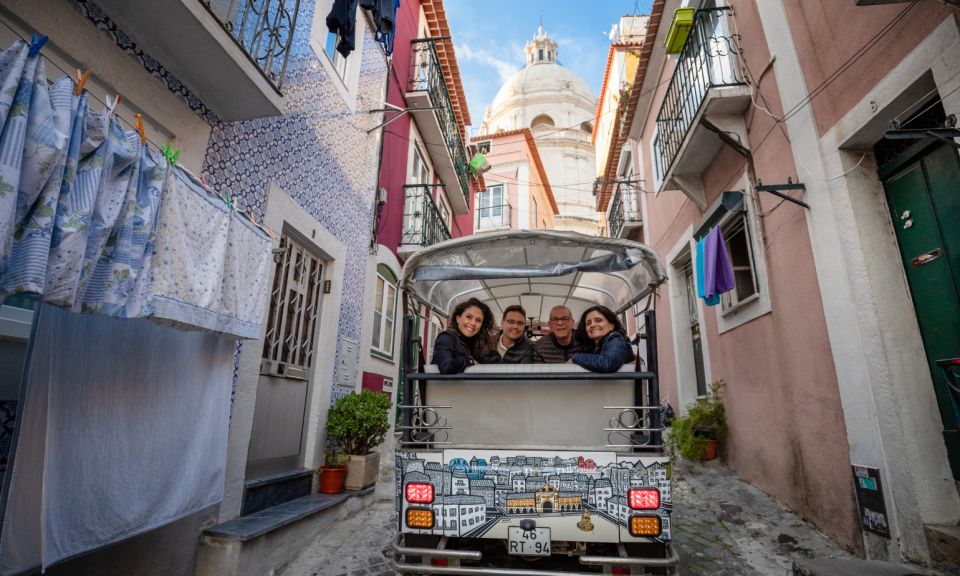
In the next stretch you’ll pause at Monastery of São Vicente de Fora for a photo stop, plus a guided visit and sightseeing. It’s not just about architecture—it’s about how Lisbon’s religious landmarks functioned as anchors in different eras of the city.
After that, National Pantheon of Santa Engracia is another photo stop with guided sightseeing. This stop works well because your guide can explain what you’re seeing without you needing to be an art-history expert. You also get a sense of which buildings you’d want to spend more time with later.
These church and monastery stops can be heavy for travelers who only want scenic photos. But when your guide is good, they become quick, meaningful moments—especially for first-timers.
Alfama: short walk, wine tasting, and why the tuk-tuk matters

Now we hit Alfama, Lisbon’s famous old neighborhood energy. You’ll do a photo stop, guided sightseeing, and a wine tasting. There’s also a short walk (about 10 minutes), which is just enough to feel the neighborhood without turning the tour into a long hike.
This is one of the best reasons to choose a tuk-tuk tour over a purely walking one. Those streets are narrow and steep. With the tuk-tuk, you can move between key angles quickly, then get out where it counts for atmosphere and photos.
A good guide will also help you interpret what you’re looking at—where the views are coming from, why certain buildings face a certain way, and how the neighborhood’s layout shaped its life over time.
Toward the Tagus and into central Lisbon
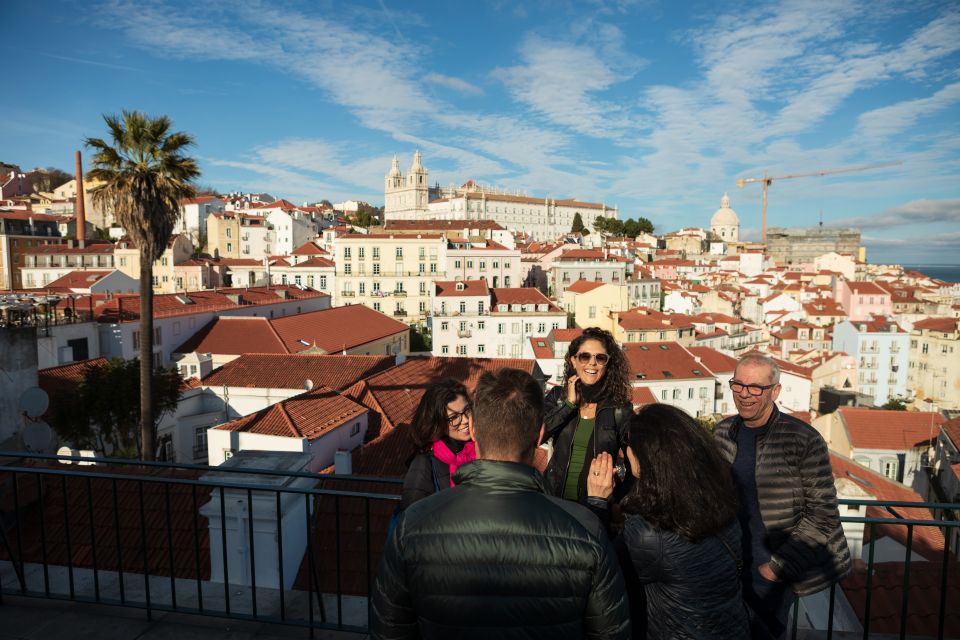
After Alfama, you’ll get guided sightseeing with scenic moments along the way toward the Tagus River. This isn’t just a transit segment. It’s a reset: you get a broader view of Lisbon’s geography and why the river shaped its history and economy.
Next is Chiado, with guided sightseeing and scenic driving viewpoints. Chiado often feels like Lisbon’s “refined” contrast to the older hill quarters. It’s a useful pivot point because it helps you understand how different parts of Lisbon developed different identities.
You then stop at Carmo Convent, with guided sightseeing and scenic viewpoints. Convents and churches can feel similar on paper, but in Lisbon the context changes fast—your guide’s job is to point out the differences you’ll miss if you only rely on signs.
São Roque, Miradouro de São Pedro de Alcântara, and Lapa/Estrela

The tour continues with Igreja de São Roque for a photo stop and guided visit. If you like stepping inside historic religious spaces, this is a good mid-tour moment that doesn’t steal the whole day.
Then you reach Miradouro de São Pedro de Alcântara for another photo stop with guided sightseeing. Viewpoints are powerful here because they turn scattered streets into something understandable. You’ll likely start recognizing city lines and angles you didn’t notice at the beginning.
Lapa follows with a photo stop and guided sightseeing. After that comes Estrela Basilica for a photo stop, visit, and guided sightseeing. This is a strong run of stops that keeps the afternoon visually varied: terraces, churches, and classic Lisbon streets—each with a different feel.
The 25 de Abril Bridge and the turn toward Belém
Once you move toward the river area, the mood shifts. 25 de Abril Bridge is next, with guided sightseeing and scenic viewpoints on the way. This is one of those landmarks that helps you connect Lisbon’s past to its scale today. Even if you’re not a bridge person, it’s a useful line in the mental map you’re building.
Then the tour transitions into Belém, with photo stops and guided sightseeing. If you only go to Belém at the end of a day, you might feel rushed. Doing it as part of a structured half-day tour means you can actually enjoy it, not just check it off.
Belém essentials: Jerónimos, Pastéis de Belém, Tower, and Discoveries
Belém is where Lisbon leans into its “exploration era” story, and this tour hits the major touchstones efficiently.
First up: Jerónimos Monastery with a photo stop and sightseeing. You’ll likely spend enough time to get the feel, but not so much that it turns into an all-day commitment. Entrance fees aren’t included, so if you want to go inside deeper, plan for monument entry costs.
Next is Pastéis de Belém for dessert (about 10 minutes). This matters because it’s not a distant detour—it’s part of the day’s flow. Many Lisbon first-timers remember this stop as the moment the city becomes personal: creamy, warm, and simple in the best way.
You’ll then continue to Belém Tower for a photo stop and sightseeing, followed by Monument to the Discoveries for a photo stop with guided sightseeing. Together, these are perfect bookends to the monastery stop. They create a coherent arc: religious heritage, maritime power, and the legacy of exploration—seen from multiple angles.
Food and drink: where the tour gives you a taste, not just a lesson
There’s more here than sweets at the end. You’ll get a local treat choice along the way: Pastel de Nata or a traditional Portuguese liqueur. On top of that, the included drink is sour cherry liqueur, which fits Lisbon’s habit of turning small pauses into something memorable.
And in Alfama you’ll get a wine tasting. The value of these food moments is that they break up the stops. You get a sensory reset, and you’re more likely to remember landmarks because you attach them to taste and timing.
Street art history, plus how the best guides shape the afternoon
One of the tour highlights is the history of street art with a local guide. That’s a smart choice for Lisbon because street art isn’t just decoration here—it’s part of how locals talk back to the city, remember events, and claim public space.
In standout guide experiences, the storytelling is where you feel the most difference between an okay tour and a great one. I’ve seen examples like Diana’s flexibility and her ability to bring major areas to life, Margarita’s personality and high-energy explanations, and Tiago’s knack for giving people exactly the right kind of next steps—lunch recommendations, which areas to revisit, and what to watch for during self-guided walking later.
Even practical details can come from the guide’s instincts. Some guides have helped avoid traffic issues during busy city moments and suggested alternate routes or small detours that keep the day feeling smooth.
Price and value: what you’re really paying for at $99
At $99 per person, you’re paying for three things that add up fast in Lisbon: private guiding, efficient transport in an electric tuk-tuk, and a structured half-day route across neighborhoods that are hard to chain together on your own.
Compared to piecing it together with taxis plus a guide here and there, this tour usually saves you time and energy—especially if you want both viewpoints and cultural stops without turning the day into logistics.
Entrance fees are not included, so any monuments that require tickets can add on top. Still, the day is built around photo stops plus guided context, which keeps costs predictable and lets you decide what’s worth paying extra for.
If your travel style is flexible and you like getting ideas for follow-up visits, this price often feels fair. If you only want one or two major sites and don’t care about neighborhood context, you might decide it’s more tour than you need.
Who should book this tour, and who should skip it
This is a great fit if:
- You’re short on time and want a Lisbon overview that reaches multiple districts
- You like a private guide who can tailor stop lengths
- You want viewpoints plus cultural stops without long stair-climbing marathons
- You’re traveling with kids (minimum age 4) and want the route to stay manageable
You should think twice if:
- You have mobility issues that limit getting into the tuk-tuk
- You’re dealing with back problems, or you’re pregnant
- You’re expecting a fully smooth, minimal-bump ride
For many people, the tuk-tuk is the difference between seeing Lisbon and actually understanding it.
Should you book this Lisbon half-day private tuk-tuk tour?
Yes—if you want an efficient, story-driven first taste of Lisbon, this is one of the most practical ways to do it. The route covers the neighborhoods that usually take multiple transit days to experience well, and the local storytelling adds meaning to the stops instead of turning it into a drive-by parade.
Book it especially if you’re the type who plans to return on your own later. You’ll leave with a clearer map, a handful of places worth revisiting, and a sense of what kind of Lisbon day you want next—riverfront, hill neighborhoods, churches, or street-art walks.
If you’re sensitive to uneven roads or have mobility limitations, don’t force it. In those cases, you’ll get more enjoyment from a tour designed for easier access.
FAQ
How long is the Lisbon half-day private guided tuk-tuk tour?
The duration is listed as 3–6 hours, with the experience described as about a 4-hour route.
What’s included in the tour price?
Included features are live commentary from a local storyteller, sour cherry liqueur, and hotel pickup and drop-off from city-center locations. The tour also includes a local treat choice (Pastel de Nata or Portuguese liqueur) and dessert at Pastéis de Belém during the route.
Are entrance fees included for monuments?
No. Entrance fees in monuments are not included.
Is hotel pickup included?
Yes, hotel pickup and drop-off is included for locations within the city center (pickup is optional, depending on the option you select).
What languages are available for the live guide?
The live guide is available in German, English, Portuguese, Spanish, Italian, and French.
Is the tour cancellable?
Yes. Free cancellation is available up to 24 hours in advance for a full refund.