REVIEW · LISBON
3-Hour Private Guided Walking Tour of Lisbon
Book on Viator →Operated by THIBAUT PAKIRY, UNIPESSOAL LDA · Bookable on Viator
Lisbon clicks into place fast on foot. This private guided walk strings together Rossio Station and the best miradouro viewpoints into one efficient 3-hour loop through classic neighborhoods. You get a smart mix of big landmarks and small moments, with stops timed so you’re not rushing or waiting around.
I also like the low-friction sightseeing: each listed stop is ticket-free, so the schedule stays easy and you can focus on what you see. The one thing to consider is the language—this tour is French only, so it won’t work if you’re counting on English.
In This Review
- Key highlights worth planning around
- A private Lisbon walk you can actually finish in 3 hours
- Rossio Station and Praça Dom Pedro IV: starting at Lisbon’s front door
- Quick food-culture stops: A Ginjinha and Praça da Figueira
- Mouraria: fado’s neighborhood and the art you’ll remember
- Miradouros in sequence: Chão do Loureiro to Alfama’s overlooks
- Alfama and Igreja de S Domingos: church stops that break up the climb
- Lisbon Cathedral and Baixa: seeing Lisbon as a city rebuilt
- Praça do Comércio (Terreiro do Paco) and Tejo River views
- Chiado and Praça Luís de Camões: a stylish, scenic finishing line
- Price and logistics: is it worth $204.38 per group?
- The guide factor: what a guide like Pedro changes
- Should you book this private guided walking tour of Lisbon?
- FAQ
- How long is the private guided walking tour?
- What group size is this private tour for?
- Is there an admission ticket required for the stops?
- What language is the tour offered in?
- Where do we meet and where does it end?
- Do I receive a mobile ticket?
- Is there free cancellation?
Key highlights worth planning around
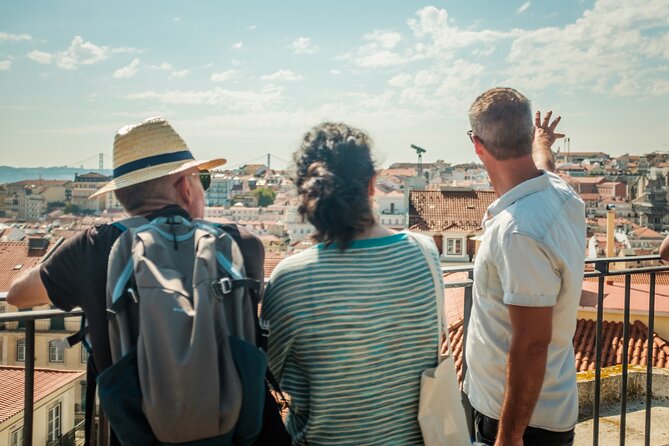
- Private and small (up to 8 people), so your guide can match the pace to your group
- Free entry at every listed stop, which helps you stick to the plan without extra costs
- Mouraria fado stops, including Monumento Mouraria Berço do Fado and Fado Vadio graffiti
- Three viewpoint moments in a row, starting at Miradouro Chão do Loureiro and ending with Portas do Sol
- Ends in a scenic square at Praça Luís de Camões, a great closer to your Lisbon walk
A private Lisbon walk you can actually finish in 3 hours
A three-hour private walking tour is a sweet spot in Lisbon. Too short and you only skim; too long and the hills start to win. This one is built for momentum. You’ll move through the center, hit the viewpoint chain, then come down into the historic core areas like Baixa and Praça do Comércio. The pace is set by timed stops—most are around 10 minutes, with a few a bit longer—so you know you’ll get photos, context, and quick breaks without the day feeling chopped up.
For value, what matters most is what you avoid: ticket lines, awkward schedule drift, and the feeling you paid for a walk that didn’t cover enough ground. Here, the plan keeps you moving between major landmarks and the places that make Lisbon feel like Lisbon. And because it’s private, the guide isn’t stuck managing strangers’ pace or interests.
One practical note before you commit: this isn’t a multilingual tour. It’s offered in French only, so you’ll want to be comfortable following French for explanations and local color.
You can also read our reviews of more walking tours in Lisbon



Rossio Station and Praça Dom Pedro IV: starting at Lisbon’s front door
You begin near Teatro Nacional Dona Maria II, right at Praça Dom Pedro IV, meeting at the foot of the statue. That’s a good start location because it puts you in the historic center immediately—no long transit plan needed to get underway.
The first stop is Estação do Rossio, often described as Lisbon’s most beautiful station. Even if you’re not a train-spotter, stations like this are part architecture and part civic theater. Expect a short, focused look, enough time to notice details and get your camera ready before moving on.
From there, you step into Praca Dom Pedro IV, one of Lisbon’s emblematic squares. This is a handy reset point. Squares are where Lisbon opens up visually, and it helps you orient yourself for what comes next—especially if you’re new to the city’s layout.
Quick food-culture stops: A Ginjinha and Praça da Figueira

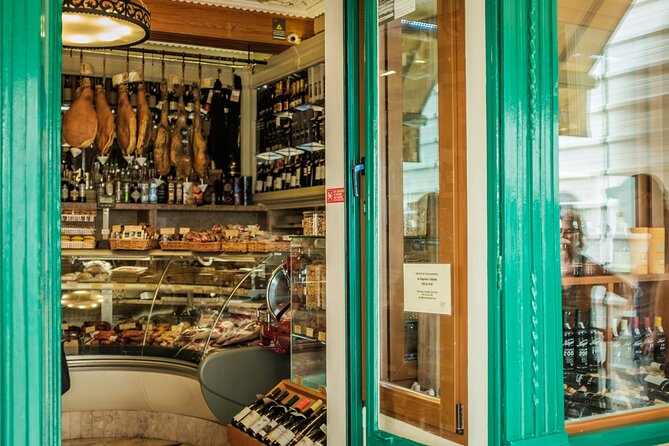
One of the smartest choices in this walk is how it treats food culture as part of sightseeing, not a separate activity. Stop three is A Ginjinha, an authentic place to drink ginjinha, the classic cherry liqueur associated with Lisbon. It’s a short stop (about five minutes), so think of it as a taste-and-gesture moment. If you want to go deeper later, you’ll know what direction to chase.
Then you head to Praca da Figueira, described as the little sister from the previous place—also superb. This is the kind of square that makes the center feel intimate. You get a breather, plus another good photo setup, before the tour moves into the older, more story-heavy parts of town.
If you’re deciding whether this tour is for you, I’d use this portion as the test. If you like your highlights with a bit of everyday local flavor, these two stops make the walk feel more real.
Mouraria: fado’s neighborhood and the art you’ll remember
Next comes Monumento Mouraria Berco do Fado. Mouraria is known for fado, and this stop points you directly at that connection. It’s not just about hearing music; it’s about understanding how the neighborhood identity sticks to the streets. The tour gives you about 10 minutes here—enough time to read the moment and take photos without turning it into a history lecture.
Right after that, you’ll stop at Fado Vadio, graffiti on a wall in the Mouraria district. This is the sort of detail that makes walking tours worth it. Big monuments are easy. It’s the small street-level markers that make you feel like you’re standing in the real city, not a staged version of it.
Finally, the route starts angling you toward viewpoint time. Mouraria’s streets can feel like a maze if you try to wander alone. Having a guide with a set path helps you avoid the common trap: getting turned around before the best views.
Miradouros in sequence: Chão do Loureiro to Alfama’s overlooks
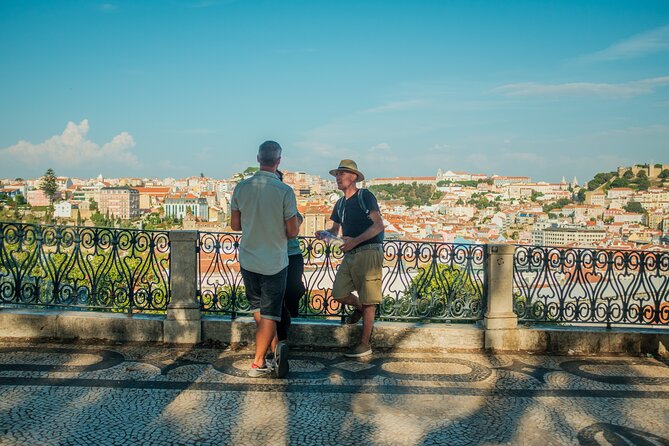
Lisbon viewpoints are not a single stop. They’re a chain of angles. This tour understands that. It gives you a Miradouro sequence that escalates your view of the historic center.
First, you visit Miradouro Chao do Loureiro. Expect a great view over the historic center of Lisbon. Then you move into Alfama, the famous district that feels timeless, unique, and unmistakably Lisbon.
After Alfama, you get two more lookouts:
- Miradouro de Santa Luzia, which overlooks all of Alfama
- Miradouro Das Portas Do Sol, a lookout right next to it with another strong angle
These paired viewpoint stops are valuable because they let you compare what you’re seeing. Same general area, different perspective. If you’ve only ever seen one Lisbon photo angle, this is how you start to understand why the city keeps showing up in postcards from different directions.
Practical tip for this portion: wear shoes with grip. Even short viewpoint walks can involve uneven ground and stone steps. You don’t need hiking gear, just a confident stride.
You can also read our reviews of more guided tours in Lisbon

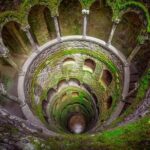


Alfama and Igreja de S Domingos: church stops that break up the climb
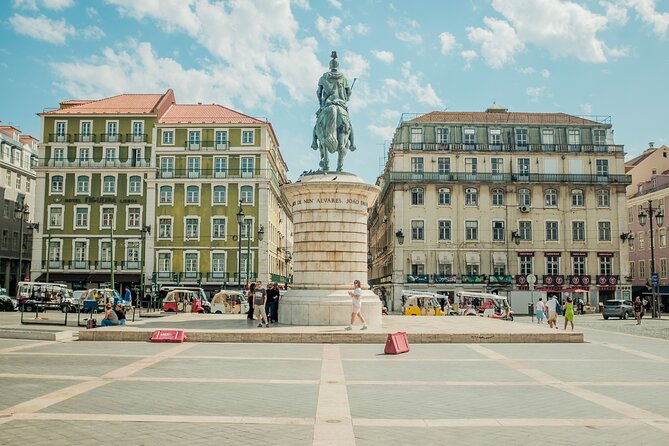
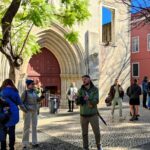
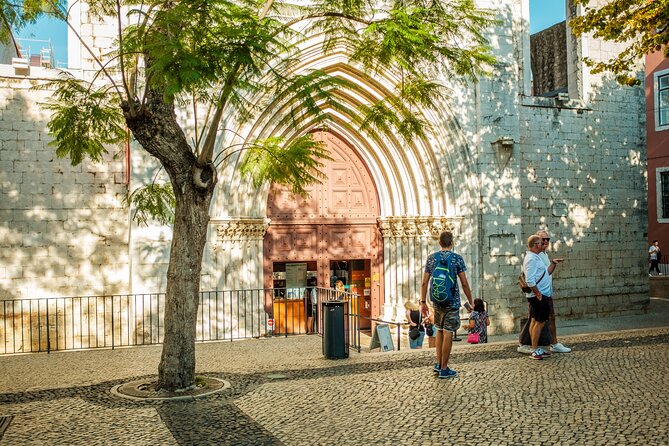
Before you fully settle into Alfama, the route includes a stop at Igreja De S Domingos, a small church not to miss. Short church visits work well on this kind of tour because they slow the pace down just enough. You get a calm moment of architecture and atmosphere in the middle of moving between squares, viewpoints, and neighborhoods.
Then you’re in Alfama itself with about 15 minutes here. That’s a good amount of time for this area. It’s long enough to walk a small portion and feel the neighborhood personality, but short enough that you don’t get stuck solving a maze without help.
What I appreciate about this structure is that it doesn’t treat Alfama like a checklist. You’re given a focused block of time, then the tour helps you land back at major lookouts that give you context for the streets you’ve just been looking at.
Lisbon Cathedral and Baixa: seeing Lisbon as a city rebuilt
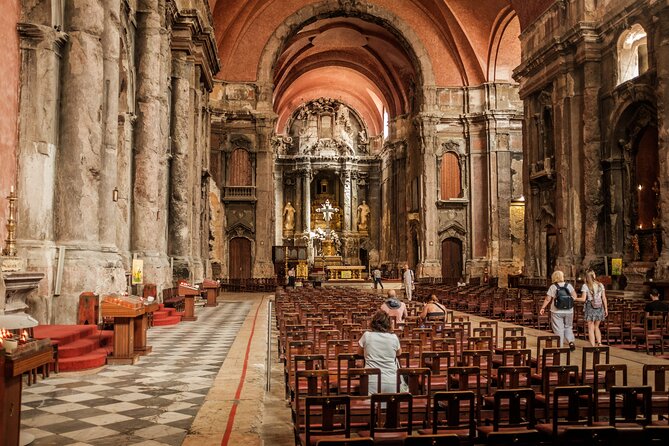
After Alfama’s viewpoint moments, you hit one of the biggest spiritual landmarks on the route: Lisbon Cathedral. The tour frames it as the most beautiful church in Lisbon. Even if beauty is personal, the practical value is clear—you’re getting a major focal point that anchors the walk and marks a shift into the central district.
Then you move to Baixa de Lisboa, the central part of Lisbon that was rebuilt after the earthquake of 1755. This stop is meaningful because Baixa gives you a sense of planning and structure compared with the winding feel of older areas. It’s the kind of contrast that helps your brain understand Lisbon, not just admire it.
If you like tours that give you a clear sense of how a city changes, this is one of the stronger parts of the route. You’re not only moving through places; you’re moving through different Lisbon moods.
Praça do Comércio (Terreiro do Paco) and Tejo River views
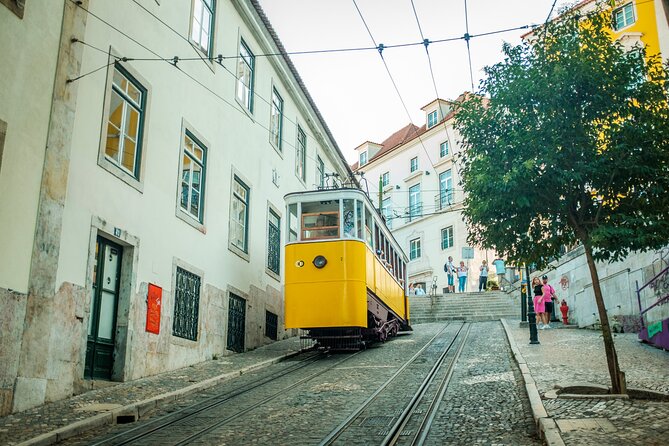
Next comes Praca do Comercio (Terreiro do Paco), described as the most beautiful square in Lisbon overlooking the Tejo River. This is one of those “open your lungs” moments. After churches, viewpoints, and neighborhood streets, a big riverside square resets your perspective.
This stop also works as a visual payoff. When you’ve been looking down from above, it helps to end up at a place that’s flat and wide enough to take in the scale of the city and the river relationship.
As a practical guide strategy, that’s clever. People often rush through riverside areas because they think they already understand the view. By placing the square here—after Alfama and Baixa—the walk makes the Tejo feel connected to everything you just saw.
Chiado and Praça Luís de Camões: a stylish, scenic finishing line
The tour doesn’t end at the river. It moves into Chiado, described as a more chic neighborhood. Even with only about 10 minutes here, it gives you a contrast: you’ve walked through older, historic Lisbon rhythms, and now you see the polished side of the center.
You then stop at Praca Luis de Camoes, an emblematic Lisbon square with about 15 minutes. This is where the tour feels like it’s concluding with a sense of arrival rather than a hard stop.
Your final location is at Praça Luís de Camões. Since the meeting point and endpoint are both anchored by clear, public landmarks, you don’t spend your energy guessing where you are. It’s a strong setup for continuing your Lisbon day afterward—either with food, shopping, or a slower self-guided stroll.
Price and logistics: is it worth $204.38 per group?
Let’s talk value in plain terms. The price is $204.38 per group for up to 8 people. That means the cost can feel steep if you’re traveling solo, but it becomes fair fast if you’re splitting with friends or family.
For most people, the big value isn’t the number of stops. It’s the structure:
- you get a tight 3-hour arc across multiple Lisbon “musts”
- you avoid ticket add-ons because the listed places are ticket-free
- you get a guide interaction that makes the route make sense, not just look good
And the rating backs up the experience: it sits at 4.9 with 108 reviews, and 99% recommend it. That’s not a guarantee, but it’s a good signal that the pace and guide approach hit the mark.
Book it about a month in advance if your dates are flexible. It’s often booked around 24 days ahead, so prime slots can disappear.
The guide factor: what a guide like Pedro changes
One review highlights Pedro as the guide, praised as extremely friendly and passionate about Lisbon’s history. Even if you can’t read body language in a different language, warmth and a clear speaking style matter. A guide who cares will do more than recite facts. They’ll point out what to notice and how to connect one neighborhood to the next.
On a walk like this, that’s what you want. Lisbon can feel like a jumble if you go without a plan. With a good guide, the route becomes a story: Rossio as a grand starting point, squares that orient you, Mouraria for fado identity, miradouros for the city’s scale, and then Baixa and Praça do Comércio for structure and river views.
If you’re comfortable following French, this guide-led flow is exactly the kind of help that makes you leave with better mental maps.
Should you book this private guided walking tour of Lisbon?
Book it if you want a private 3-hour route that hits Lisbon’s headline highlights in a logical order: Rossio Station, Alfama viewpoints, Mouraria’s fado touches, Lisbon Cathedral, Baixa, and Praça do Comércio. It’s also a good choice if you like short, timed stops where you still feel like you had time to look—rather than a long march with rushed photos.
Skip it if French isn’t workable for your group. The tour is French only, and you don’t want to spend a paid tour trying to decode a language you can’t follow.
If you’re traveling with up to 8 people and you care about value, this is one of those rare tours where the group format can actually make the price feel reasonable.
FAQ
How long is the private guided walking tour?
The tour lasts about 3 hours.
What group size is this private tour for?
It’s a private tour for your group, up to 8 people.
Is there an admission ticket required for the stops?
For the listed stops, admission is shown as free.
What language is the tour offered in?
The tour is offered in French only.
Where do we meet and where does it end?
You start at Teatro Nacional Dona Maria II, at Praça Dom Pedro IV (meeting at the foot of the statue). It ends at Praça Luís de Camões (also at the foot of the statue).
Do I receive a mobile ticket?
Yes, the tour uses a mobile ticket.
Is there free cancellation?
Yes. You can cancel for a full refund up to 24 hours before the experience start time.