REVIEW · PORTO
Porto Region Museum: a Thousand Years Of History
Book on GetYourGuide →Operated by The World of Wine (WOW) · Bookable on GetYourGuide
History hits hard in movie light. Porto Region Across The Ages turns Porto’s story into an audio-visual, hands-on journey, from ancient roots to Portugal-wide influence, using video mapping and a cinematic theatre.
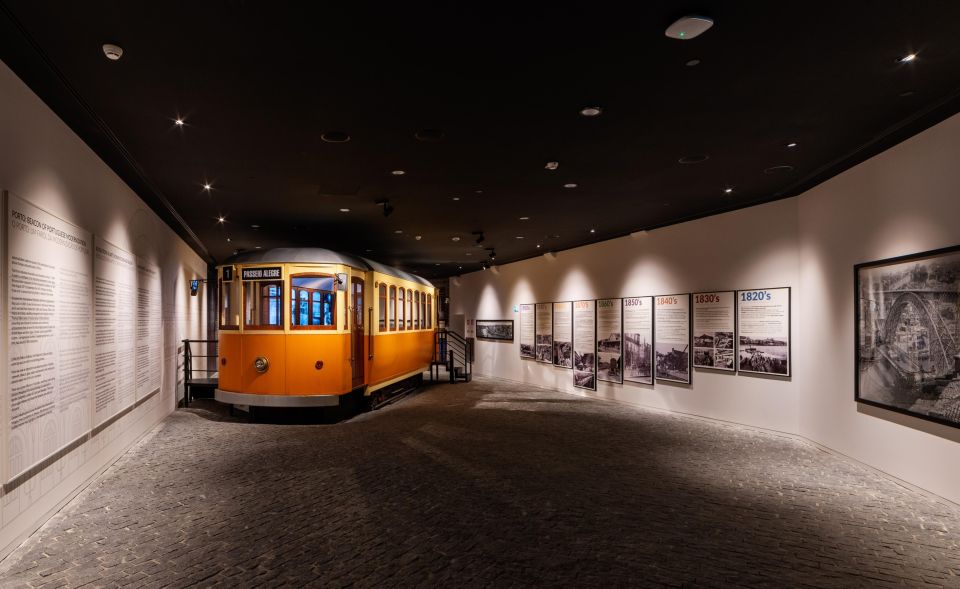
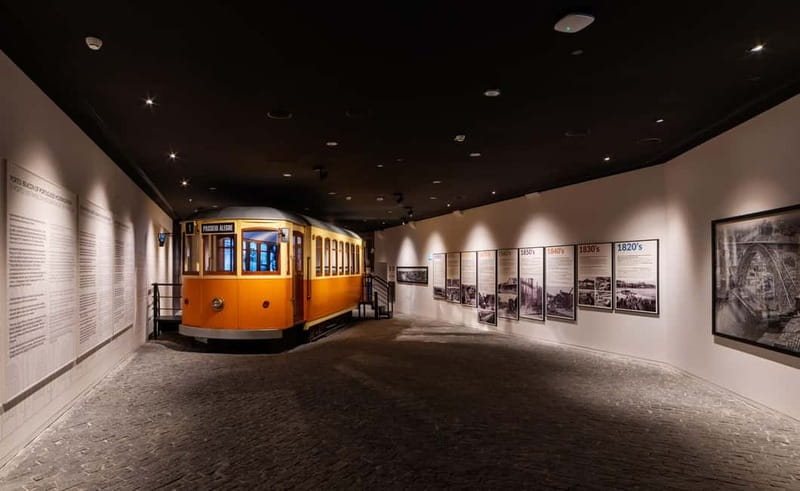
I love the way it makes time feel physical: one moment you’re looking at a timeline, the next you’re standing inside it. Two standouts for me are the video mapping displays and the chance to grab a selfie with a life-size replica of Porto’s iconic tram.
One thing to keep in mind: the experience can come with a fair amount of reading and, in some visits, getting the audio guide running from the QR code can feel a bit fiddly. If you hate text-heavy exhibits, plan your pace and keep expectations realistic.
In This Review
- Key things I’d prioritize at Porto Region Across The Ages
- What Porto Region Across The Ages Is Really Good For
- Entering the Museum: Ticket, Timing, and First Impressions
- The Life-Size Tram Stop: Your Photo Moment and Memory Anchor
- The Cinematic Theatre: How Porto’s Timeline Stays Understandable
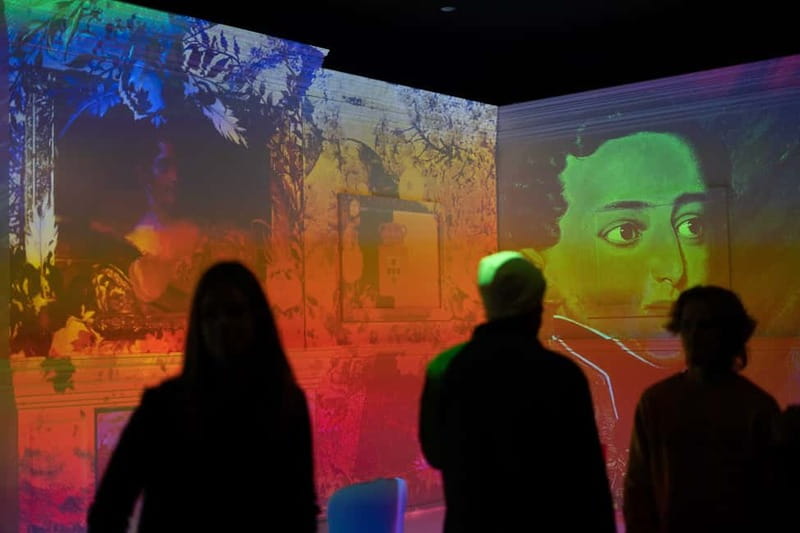
- Video Mapping Rooms: When Walls Become a Timeline
- Audio Guide Reality Check: Choose Your Language and Keep Going
- Porto’s Global Influence and Wine Fame: Why This Story Connects
- Price and Value: Is the $18 Ticket Actually Fair?
- How Long It Takes and When to Go for Best Flow
- Who Should Book Porto Region Across The Ages
- Before You Go: Small Tips That Make It Better
- Should You Book It
- FAQ
- How much does Porto Region Across The Ages cost?
- How long should I plan to spend at the museum?
- What languages are available for the audio guide?
- What are the museum opening hours?
- Where do I enter or show my ticket?
- Is the museum wheelchair accessible?
Key things I’d prioritize at Porto Region Across The Ages
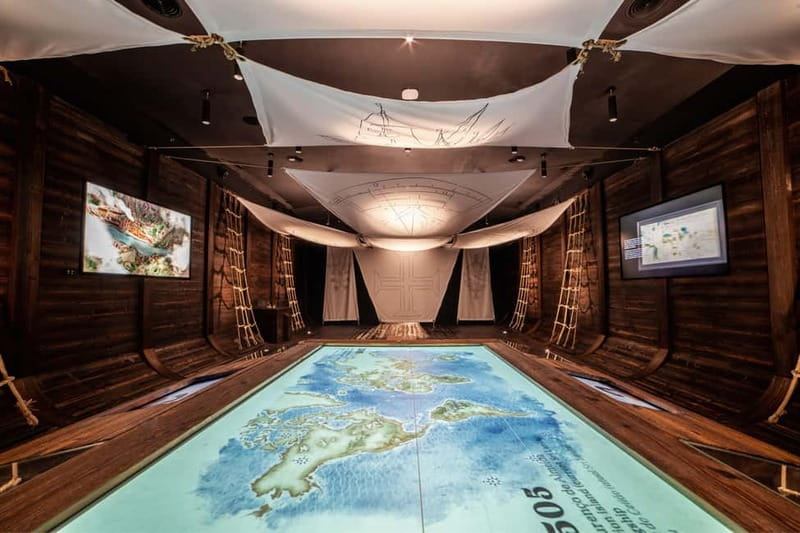
- 1,000 years of Porto’s story told in a clear, cinematic arc, not a dusty document dump
- Video mapping that transforms the room into a moving timeline
- Cinematic theatre pacing that helps you follow events without getting lost in dates
- Life-size tram replica for that instant Porto photo moment
- Audio guide in multiple languages, including English, Portuguese, Spanish, French, Korean, and German
- A format that mixes visuals + text, so you’ll move best if you’re okay pausing to read
What Porto Region Across The Ages Is Really Good For
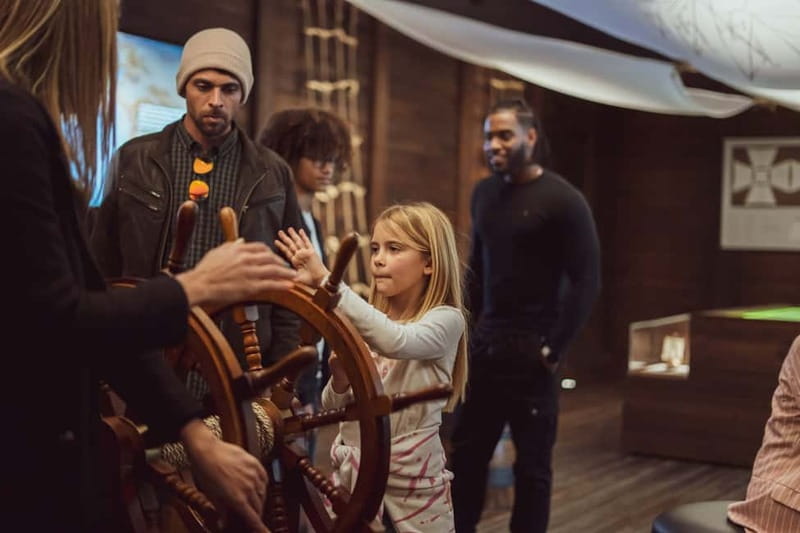
This place is best understood as an orientation experience. You arrive in Porto and try to make sense of all the layers—old seafaring energy, wine fame, trade routes, and the stubborn identity that keeps showing up. This museum gives you that backbone fast, using screens, sound, and a story structure that keeps the big picture front and center.
The experience is run under The World of Wine (WOW), which makes sense. Porto’s history and Portugal’s story are often tied to commerce and global reach—especially when wine fame enters the conversation. Even if you’re not a hardcore history person, you’ll get the “why” behind what you see around town.
You don’t need to be fluent in history to enjoy it. You do need to be willing to sit, watch, and follow along. That’s the trade: it’s a guided-style attraction built around production value, not just free roaming through labeled objects.
You can also read our reviews of more historical tours in Porto



Entering the Museum: Ticket, Timing, and First Impressions
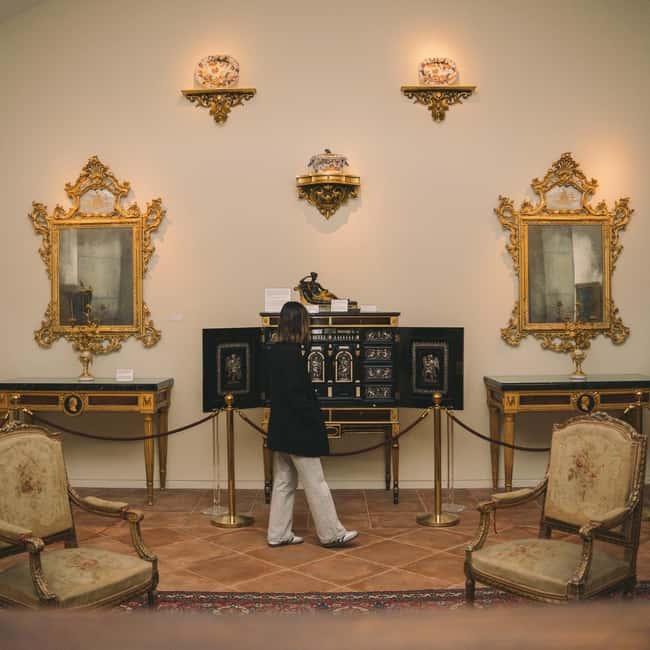
You’ll show your ticket directly at Porto Region Across The Ages—simple start, no mystery desk or off-site pickup. The museum operates daily from 10:00 AM until 07:00 PM, with the last entrance at 07:00 PM, so you can slot it into most Porto schedules without too much stress.
Plan for about 90 minutes. That range matters because it tells you how to pace yourself. If you show up right before closing, you’ll feel rushed. If you go earlier in the day, you’re more likely to enjoy the full mix of theatre + mapping + interactive stops without speed-reading.
The setting also has personality. Some visitors specifically note that the architecture feels like the style of quay warehouses, which adds a subtle authenticity. You’re not in a pristine white-box museum. You’re in a space that already hints at trade, port life, and industry—perfect for a story about movement and influence.
The Life-Size Tram Stop: Your Photo Moment and Memory Anchor
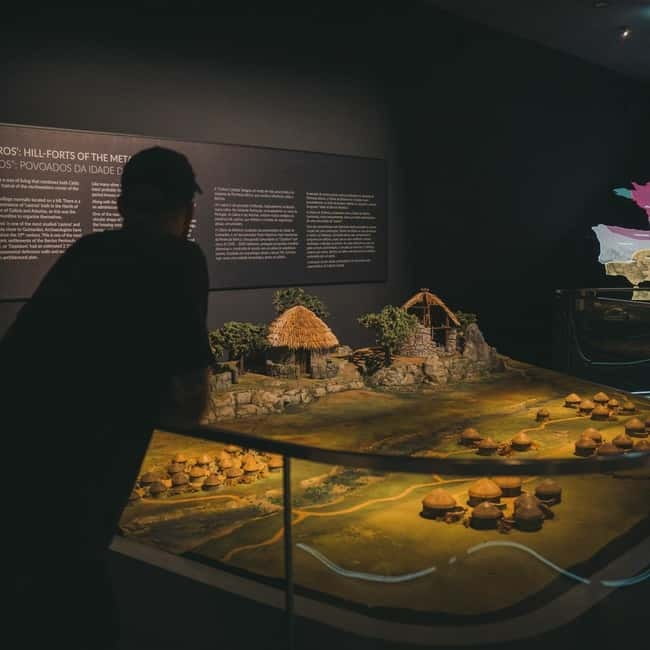
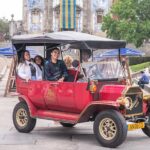
One of the smartest parts of this experience is the life-size replica of Porto’s iconic tram. It’s not just a “look and leave” photo prop. It acts like a mental bookmark.
Why that matters: when you leave a museum, you remember scenes. A big recognizable object like a tram gives your brain an easy handle. Later, when you walk Porto streets and spot the real trams, you’ll connect what you saw in the museum to what you’re experiencing outside.
Take your photo, then return to the story flow without turning it into a long detour. If you’re travelling with anyone who gets photo-happy (you know the type), set a quick boundary: photo first, then move on. The museum is designed as a timeline experience, and you’ll get more value if you keep it moving.
The Cinematic Theatre: How Porto’s Timeline Stays Understandable

A core part of Porto Region Across The Ages is its cinematic theatre segment. This is where the museum earns its keep for people who find traditional exhibits slow. Rather than reading paragraphs to connect events, you watch a story arc unfold.
The museum traces Porto’s journey across centuries, focusing on key roles played by pioneers, conquerors, visionaries, and everyday heroes. That wording matters because it suggests the narrative isn’t only about “big names.” It tries to keep the human scale in view, which is often what makes history feel less like homework.
If you’re the type who likes to learn, but not in an exhausting way, this section likely fits you. One review specifically praised the film, which lines up with the museum’s emphasis on a captivating cinematic journey.
One consideration: if you prefer information in raw, detailed form (lots of dates, primary sources, and deep references), you might want to pair this with a traditional museum or walking tour later. Think of this as the storyline that sets your context.
Video Mapping Rooms: When Walls Become a Timeline
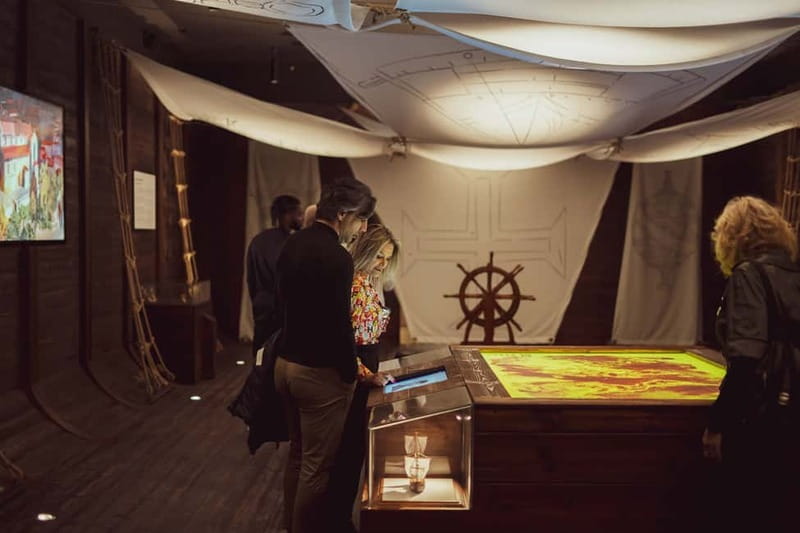
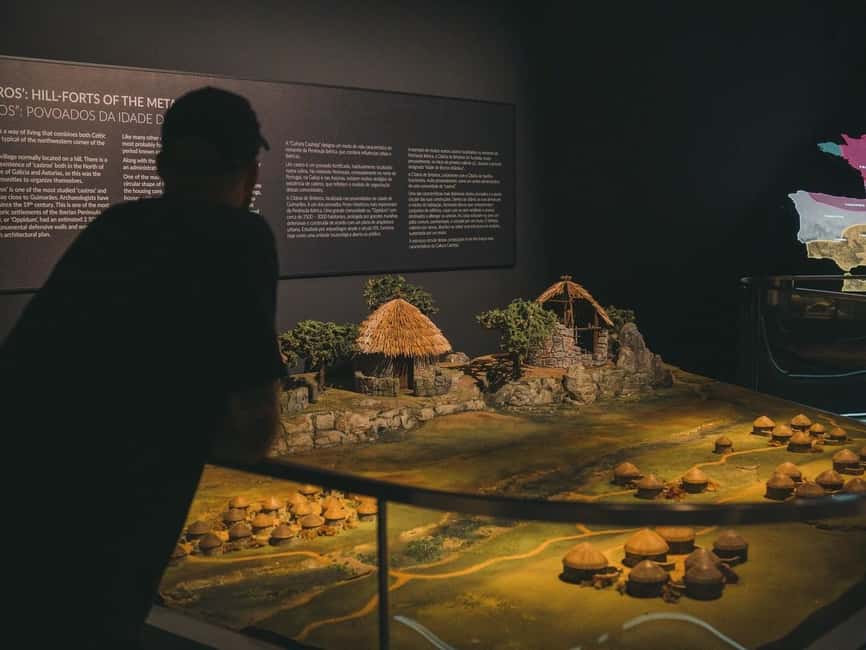
The museum uses stunning video mapping displays to bring the story forward. This is where the attraction feels modern and high-production. Video mapping has a simple superpower: it makes change visible. When the “timeline” moves across the walls, you stop thinking of history as separate chapters and start feeling how eras connect.
This format is also why the experience works even if you don’t love reading. You can watch the changes, follow the storyline, and only rely on text when it supports what you’re already seeing.
That said, some visitors have pointed out that there can be lots of reading and that signage behavior can feel inconsistent from room to room—like text flow that doesn’t match how it works elsewhere. If you know you’re easily irritated by layout quirks, keep your patience hat on. It’s worth it for the visuals, but it’s not a silent, purely-screen show.
You can also read our reviews of more museum experiences in Porto




Audio Guide Reality Check: Choose Your Language and Keep Going
The audio guide is included, and languages listed include Portuguese, English, Spanish, French, Korean, and German. That’s a big plus if you want to understand the story without relying entirely on signage.
Here’s the practical move: don’t start wandering until your audio is working. Some visitors have said the audio didn’t function as expected after scanning the QR code, and that the translations weren’t easy to locate. That suggests a basic rule for your visit: set yourself up early and don’t assume the first scan will be effortless.
If you arrive with a full battery, headphones ready (if you use them on a mobile audio system), and your language picked, you reduce the chance of a frustrating stall. If audio glitches happen, don’t panic. You can still enjoy the mapping and theatre components, and you can re-check the device later at the next room.
Porto’s Global Influence and Wine Fame: Why This Story Connects
A standout theme is Porto’s global influence and its world-renowned wine fame. The museum’s framing connects local identity with wider impact—how a city becomes important beyond its borders.
You’ll likely leave with a more coherent explanation of how Porto’s history connects to what you see around you: maritime energy, trade momentum, and the long arc that brought the city to international attention. One review even mentioned valuing the feeling of a long-standing alliance with Portugal—exactly the kind of emotional context this museum is aiming for.
The point isn’t to memorize every detail. It’s to understand the “shape” of Porto’s story so your real-world sightseeing clicks into place faster.
Price and Value: Is the $18 Ticket Actually Fair?
At about $18 per person, this isn’t an impulse-free museum. The value question depends on how you like to travel.
If you enjoy audio-visual experiences and you want a strong first pass through Porto’s story, the ticket makes sense. You’re paying for production—video mapping, cinematic theatre, and included audio guidance. Also, the duration (about 90 minutes) suggests you can get a solid chunk of learning without eating your whole day.
If you’re the type who wants only quiet galleries, lots of artifacts, and minimal storytelling, the cost might feel high. Some people have flagged the price as elevated, and that matches the idea that this is an attraction-first museum, not a classic collections museum.
My advice: treat it as a value starter for Porto. If you’re planning a walking day afterward, this ticket can save you time because it gives you context.
How Long It Takes and When to Go for Best Flow
The museum is open daily from 10:00 AM to 07:00 PM. Plan around the 90-minute experience length. If you want the relaxed version, arrive with enough buffer to watch the theatre without rushing and to linger near the tram replica.
The timing matters because video mapping and theatre rely on sequence. If you cut it too short, you may miss the emotional payoff—those moments when visuals tie together into a coherent timeline.
Also, consider lighting and energy. Later in the afternoon, you’ll still get the shows, but you may feel more travel-fatigued. Morning or earlier afternoon tends to work best if you want to absorb the story calmly.
Who Should Book Porto Region Across The Ages
This is a good match if you:
- want a first-timer overview that explains Porto in context
- like film and immersive design
- appreciate history but prefer it delivered as a story
- want a quick, memorable indoor activity that’s not just a room of labels
You might hesitate if:
- you dislike exhibits with reading and signage reliance
- you’re easily thrown off by audio systems that depend on scanning and setup
- you prefer classic museums with artifacts over cinematic storytelling
One review jokingly noted that you can rent the whole museum with one ticket on a Thursday afternoon. While that may not be your plan, it hints at the venue’s flexibility and that it can feel less crowded at certain times. If you crave a quieter experience, think about weekdays.
Before You Go: Small Tips That Make It Better
These are the practical tweaks that help the experience land well:
- Pick your audio language before you settle into the story. Don’t let the first room become troubleshooting time.
- Expect a mix of screens and text. If you skim, do it intentionally, not by accident.
- Use the tram replica as your photo anchor, then keep moving. That’s the fastest way to avoid losing the timeline rhythm.
- If you tend to get annoyed by layout quirks, slow down in the first mapped rooms and read just enough to confirm you’re oriented.
Should You Book It
Book Porto Region Across The Ages if you want your Porto learning to feel like a guided film—1,000 years of story delivered through video mapping and theatre, plus a tram photo moment that keeps the memory sticky.
Skip or at least soften expectations if you want a pure artifact museum with minimal story packaging, or if you hate anything that relies on scanning QR codes for language/audio. If you’re okay with a modern, production-heavy approach to history, this is a strong way to get oriented quickly and enjoy Porto with better context from day one.
FAQ
How much does Porto Region Across The Ages cost?
The price is listed as $18 per person.
How long should I plan to spend at the museum?
Plan for about 90 minutes, with the experience ranging up to 1 day depending on starting times.
What languages are available for the audio guide?
The audio guide is available in Portuguese, English, Spanish, French, Korean, and German.
What are the museum opening hours?
It’s open daily from 10:00 AM until 07:00 PM, with the last entrance at 07:00 PM.
Where do I enter or show my ticket?
Show your ticket directly at Porto Region Across The Ages.
Is the museum wheelchair accessible?
Yes, the attraction is wheelchair accessible.