REVIEW · PORTO
FC Porto: Museum & Tour
Book on GetYourGuide →Operated by FC Porto Museum · Bookable on GetYourGuide
Porto has a football museum that actually feels fun. If you like trophies, technology, and getting a feel for the club’s city roots, the FC Porto Museum & Tour is a great use of time in Norte. I like that it mixes big-stage history with hands-on stops, not just dusty cases.
Two things I really like: the museum’s 27 thematic areas (it’s built for wandering at your own pace), and the stadium visit that gets you onto the route fans care about—pitch views, press areas, and photo moments. For a consideration, the stadium part is not available on match days and can be changed for big events, so check your date before you plan around it.
In This Review
- Key highlights to watch for
- Getting to Estádio do Dragão: easy metro access and a clear meeting point
- Museum time: 27 interactive areas and trophy-room impact
- What you’ll learn: FC Porto’s story tied to Porto
- Audio guides and free wandering: how to get the best 90–120 minutes
- The stadium tour route: pitch views, press rooms, and the presidential box
- Dragão Stadium credentials: architecture and big-event history
- Who this tour fits best (and who might not love it)
- Price and value: where the €20-ish ticket actually pays off
- Match-day limits and other practical gotchas
- Quick tips to make the experience smoother
- Should you book the FC Porto Museum & Tour?
- FAQ
- How long does the FC Porto Museum & Tour take?
- Is the audio guide included?
- What does the museum-only option include?
- Can I visit on match days?
- Where do I meet for the tour?
- Are stadium tours guided by a person?
Key highlights to watch for
- UEFA Champions League trophies on display, including a replica photo spot in the stadium
- 27 interactive museum zones that connect FC Porto’s titles to Porto itself
- Estádio do Dragão behind-the-scenes route, with pitch-side viewpoints and press-related areas
- Dragão Stadium major-event résumé: Euro 2004, Nations League (2019), Champions League final (2021)
- Audio guide / app support in multiple languages, with options in Portuguese, English, French, Spanish, German, and Italian
- Time-smart format: museum pacing + a typically shorter stadium route (around 45 minutes in practice)
Getting to Estádio do Dragão: easy metro access and a clear meeting point
You’ll head to FC Porto Museum at Estádio do Dragão, right in the same complex as the stadium. The official meeting point is FC Porto Museum, Via Futebol Clube do Porto, Estádio do Dragão, 4350-415 Porto—just in front of the Estádio do Dragão Metro Station.
This area is convenient if you’re not trying to cross the city on foot after a long day. If you’re building a Porto itinerary, I like placing this around the middle or early afternoon because it’s also a solid rainy-day plan.
You can also read our reviews of more museum experiences in Porto



Museum time: 27 interactive areas and trophy-room impact

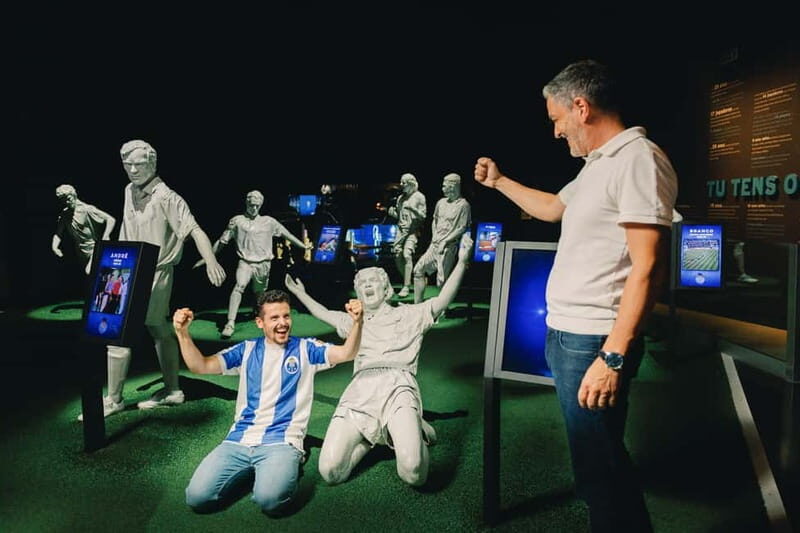
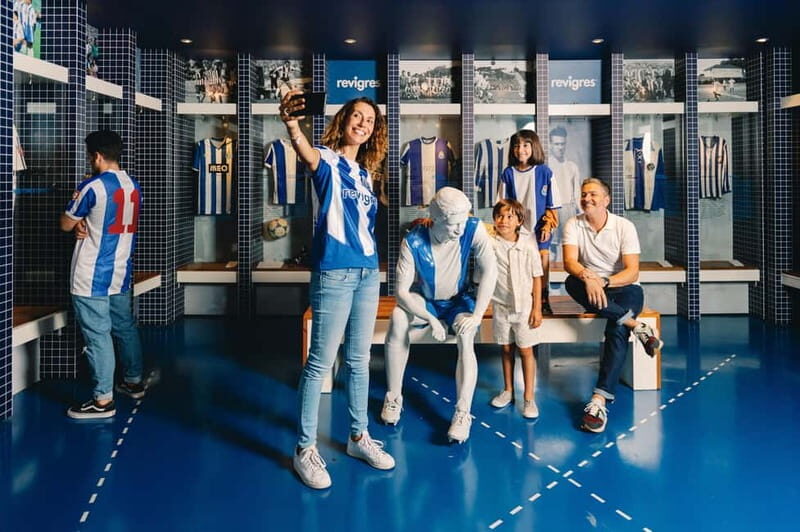
The museum is the star of the show, even if you’re not the kind of person who memorizes lineups. Expect an interactive journey through 27 thematic areas, built to explain not only FC Porto’s achievements, but how the club shaped its relationship with Porto.
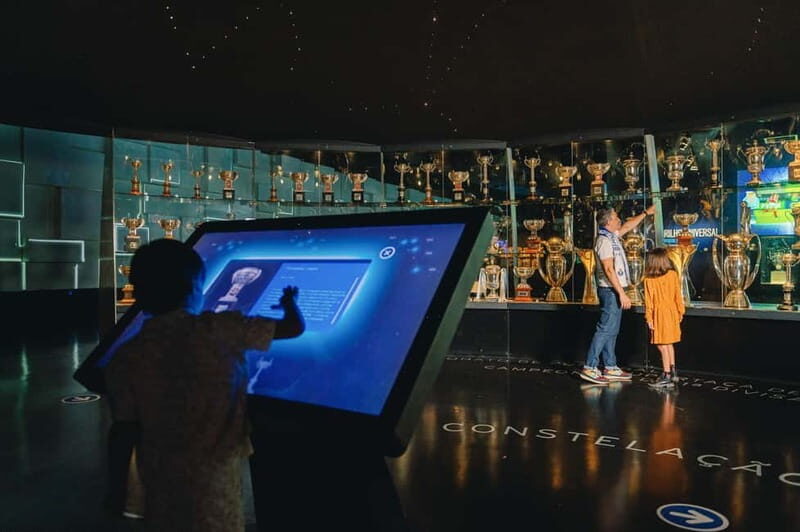
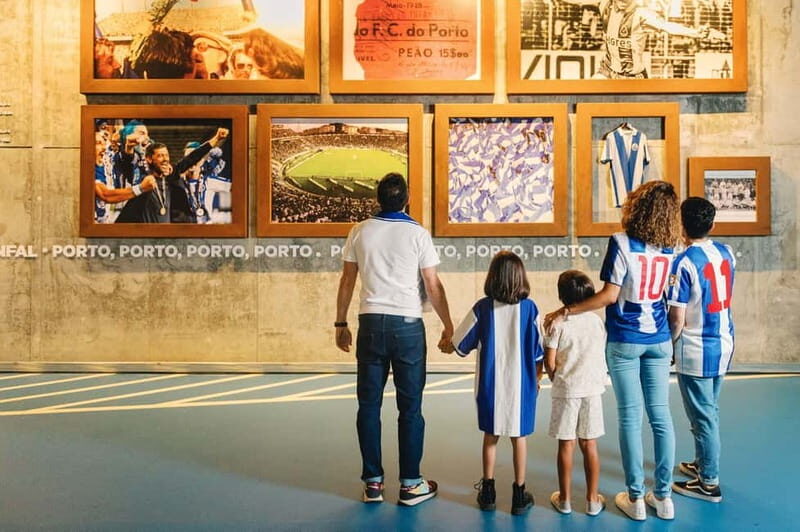
One of the fastest wins is the trophy collection. You’ll see major international hardware, including the UEFA Champions League, which instantly gives context for why the club is so proud and why its stadium feels like a landmark—not just a venue.
What makes the museum feel different is the mix of storytelling and technology. Instead of reading long panels only, you get displays and videos designed to keep moving, and the flow is friendly for groups who don’t all want the same pace.
What you’ll learn: FC Porto’s story tied to Porto

I like that the museum doesn’t treat football like it lives in a vacuum. You get the club’s history and how it connects to the city—so when you later walk Porto streets, you’ll notice the football references more quickly.
It also helps to see the club’s modern reputation alongside the earlier moments that built it. The museum is designed to connect “what happened” with “why it matters,” and that makes the trophy wall hit harder once the background clicks.
If you’re visiting as a family, this structure is useful: kids can bounce from interactive stops to video screens, while adults can slow down for the context sections without feeling left behind.
Audio guides and free wandering: how to get the best 90–120 minutes
Your ticket gets you entry to the FC Porto Museum and Dragão Stadium, and the museum portion is effectively a self-paced experience. Museum tours are conducted freely, with no restrictions within opening hours, so you can arrive, start the museum, and keep going at a comfortable speed.
There’s also an audio guide option available to rent, with languages including Portuguese, English, French, Spanish, German, and Italian. A couple of practical notes: some visitors say the audio guide didn’t feel worth the extra cost, while others find it helps you understand the exhibits more fully. My advice: if you’re a detail person or traveling with kids who want a steady narration, audio/app support can be worth it.
Timing-wise, the total experience is listed as 90 minutes to 2 hours, but in real-world planning I’d think of it as a museum-first plan plus a shorter stadium route. That matches what most people experience: you can spend meaningful time in the museum without feeling rushed, then continue to the stadium portion.
The stadium tour route: pitch views, press rooms, and the presidential box
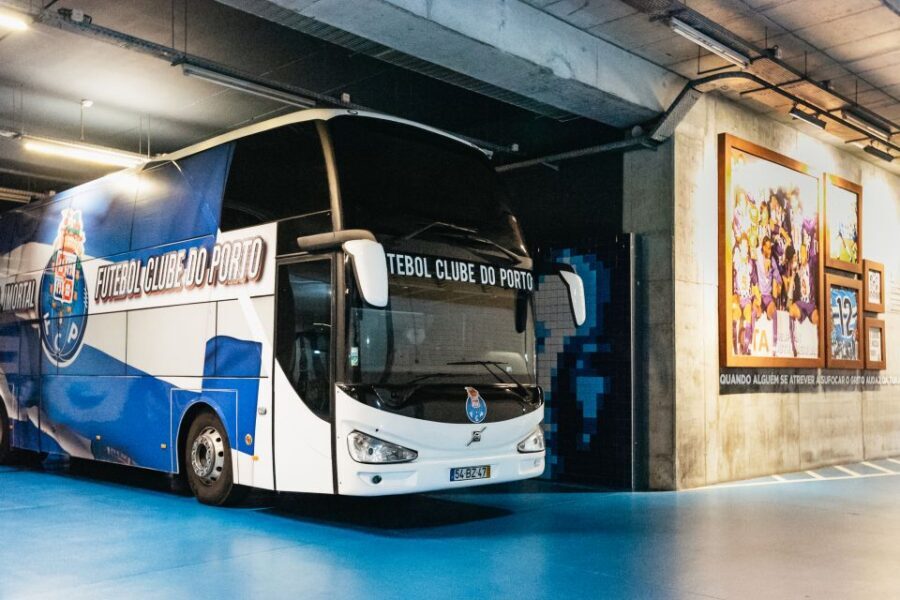
The stadium part is the “behind-the-scenes” payoff. Even though the stadium route isn’t described as a traditional guided tour, you’ll still get a structured path through key areas of Estádio do Dragão, supported by the FC Porto Museum & Tour app and audio guides.
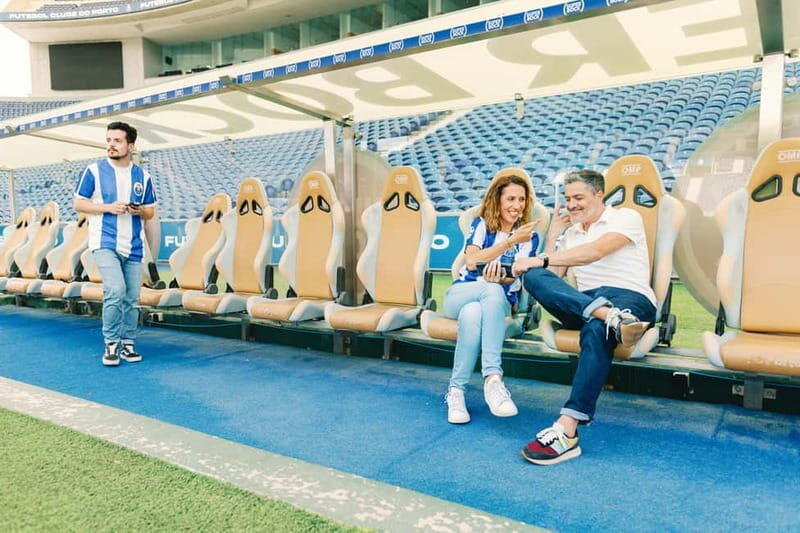
In the areas you might see, pitch access and sightlines are a big deal. You’ll also get time in or near the areas fans fantasize about: the press room / media area, VIP-style seating, and the presidential box.
Locker rooms are part of the experience too. Based on what people report, you may visit the away-side changing room (and not the home dressing room), so set expectations that this isn’t a “tour every single room” situation.
Photo moments are a real highlight. People mention taking pictures around trophy-related spots, including a Champions League trophy replica area in the stadium experience. If you want a few clean shots, plan for a bit of patience—teams of people move through in clusters.






Dragão Stadium credentials: architecture and big-event history
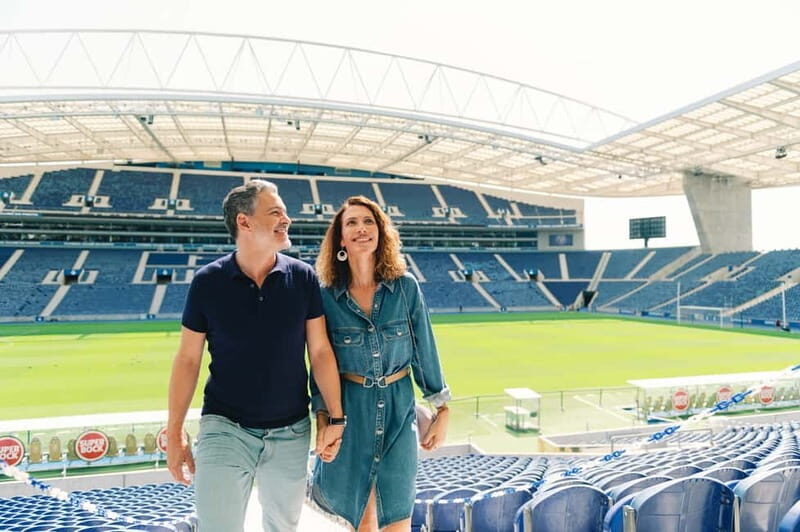
The stadium itself has serious résumé. It was designed by architect Manuel Salgado, recognized as the European Project of the Year in 2003 and noted for environmental management.
And then there are the headline events, which matter even if you don’t follow every tournament. Dragão Stadium hosted UEFA Euro 2004, the 2019 UEFA Nations League, and the 2021 UEFA Champions League final. It also hosted major concerts, including Rolling Stones, Coldplay, Muse, and One Direction—so the venue isn’t only about football nights.
When you stand in or near the stadium spaces after learning the museum story, the big events feel less random. You understand why the stadium’s design and reputation matter to the club’s identity.
Who this tour fits best (and who might not love it)
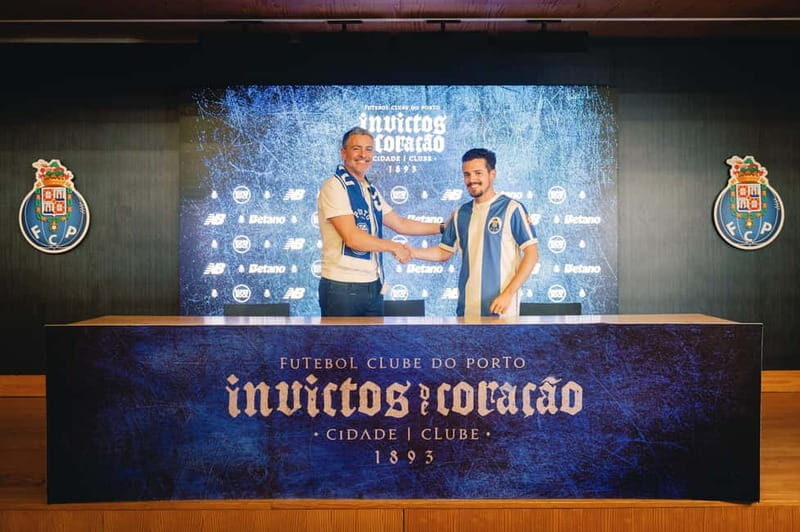
This is a strong match if you’re traveling with football fans—or if you’re the kind of traveler who likes sports culture and local pride. The museum is interactive and modern, so I think it works well for families and for mixed-interest groups.
Even non-football travelers tend to appreciate the format because it’s not just stats. It’s a mix of tech displays, big objects (trophies), and clear “this is what the stadium is and why it’s famous” spaces.
That said, if you want a long, traditional stadium guide with lots of roaming Q&A, note that the stadium portion is not described as a guided tour in the classic sense. You’ll get structure through the app/audio route, plus help from staff, but it’s not the slow, narrative-style tour some people picture.
Price and value: where the €20-ish ticket actually pays off
At around $20 per person (listed), this is priced in the “reasonable attraction” zone, especially for a stadium + museum combo. The value comes from two things: you’re paying for a modern museum experience plus access to a major professional stadium complex, not just one room or one photo line.
The museum alone would be a solid stop in many cities. Here, you’re also getting stadium areas like the pitch-side route and the presidential box zone, plus trophy-related photo spots. For rainy afternoons in Porto, it’s also one of those plans where you don’t feel at the mercy of weather.
One thing to consider: audio guides are mentioned as available to rent, and not everyone finds the rental worth it. If you’re budget-minded, you can still enjoy the museum and stadium route using the built-in self-paced format, then decide on audio if you feel you need it.
Match-day limits and other practical gotchas
You can’t assume the stadium portion will always run. Stadium tours are not available on match days or UEFA match day evenings, and they can also be unavailable for major events on the pitch. Even when you book, stadium tours can be subject to cancellation or change.
The “museum tour only” option exists on those restricted days. On match-days, UEFA match-days eve, event days, or during stadium maintenance, you may still enter the museum, but the museum-only ticket does not include the stadium tour.
If your travel dates fall close to a match week, I’d plan in a way that still makes the museum a worthwhile standalone plan. That way, a stadium change doesn’t ruin your day.
Quick tips to make the experience smoother
- If you’re aiming for the museum first, give yourself enough time to watch videos and use interactive stations without sprinting.
- If you want the stadium highlights like the pitch route and presidential box areas, don’t leave that for the last minute of your visit.
- Some guides and staff are praised by name—Rodrigo is mentioned for clear communication, and Barbara is mentioned for switching between English and Portuguese—so if you ask a question, you’re likely to get a helpful answer.
Should you book the FC Porto Museum & Tour?
Book it if you want a smart Porto attraction that connects football trophies to city identity, in a format that works for both fans and non-fans. I’d especially recommend it if you like sports history but also care about interactive exhibits and seeing the stadium’s important spaces.
I’d hesitate only if your dates fall on likely match days or UEFA match evenings. In that case, make the museum your Plan A and keep expectations flexible for the stadium route.
FAQ
How long does the FC Porto Museum & Tour take?
It’s listed as 90 minutes to 2 hours. Your exact timing will depend on how long you spend in the museum versus the stadium route.
Is the audio guide included?
Audio guides are not included. They’re available to rent, and the languages listed include Portuguese, English, French, Spanish, German, and Italian.
What does the museum-only option include?
The Museum Tour Only option includes only the museum ticket. It does not include the stadium tour.
Can I visit on match days?
Stadium tours are not available on match days or UEFA match day evenings, and they may also be unavailable for major events on the pitch. On those days, you may be offered the museum-only option.
Where do I meet for the tour?
The meeting point is FC Porto Museum, Via Futebol Clube do Porto, Estádio do Dragão, just in front of the Estádio do Dragão Metro Station (lines A/Blue, B/Red, E/Purple, and F/Orange).
Are stadium tours guided by a person?
Stadium tours are not guided in the traditional sense. The FC Porto Museum & Tour app and audio guides support the stadium route.