REVIEW · PORTO
Porto: An Intimate Fado Show in a Historical Tavern
Book on GetYourGuide →Operated by Koutipons Companhia, Lda · Bookable on GetYourGuide
Porto can be loud with tourism. This one hour is the opposite: it’s fado up close, in a small historical tavern where the singers don’t need microphones. What makes it special is that you get two different fado worlds in one sitting, with two distinct groups performing Coimbra fado first and then traditional fado.
I love that the room is so tight you can hear the details. No raised stage, no sound system pushing voices away—just guitar, song, and emotion a few meters from you in historic Miragaia. I also love the value: for about $18 you get the music plus a complimentary glass of port (or water), and the show lasts long enough to feel like you actually experienced something, not just watched it.
One thing to consider: the venue is small and rules are strict. You’ll need to keep quiet during the performance, and kids under 12 are not suitable, so this is best for adults who want to listen seriously.
In This Review
- Key reasons this Porto fado show earns its reputation
- A Historical Tavern Where Fado Actually Meets You
- Why this closeness is more than a gimmick
- The one rule that changes everything
- Coimbra Fado First: Poetic, Student-Minded, and Emotion-Heavy
- What to listen for in the Coimbra set
- Then Traditional Fado: Pure, Non-Commercial, and Unfiltered
- How the room affects traditional fado
- Sound Without Microphones: Why It Feels So Real
- The best seats are mostly a non-issue
- Timing, Duration, and What the Evening Actually Feels Like
- Why that “unique every night” detail matters
- Price and Value: Is It Worth About $18?
- Who This Fado Show Is Perfect For
- Practical Tips So You Get the Best Night
- Booking and Logistics (Without the Headache)
- Should You Book This Porto Fado Show?
- FAQ
- How long is the fado show?
- What is included in the ticket price?
- Where do I go to check in?
- Do the performers use microphones?
- Which fado styles will I hear?
- Is silence required during the performance?
- Is it suitable for children?
- Are pets allowed?
- Can I cancel and get a refund?
Key reasons this Porto fado show earns its reputation
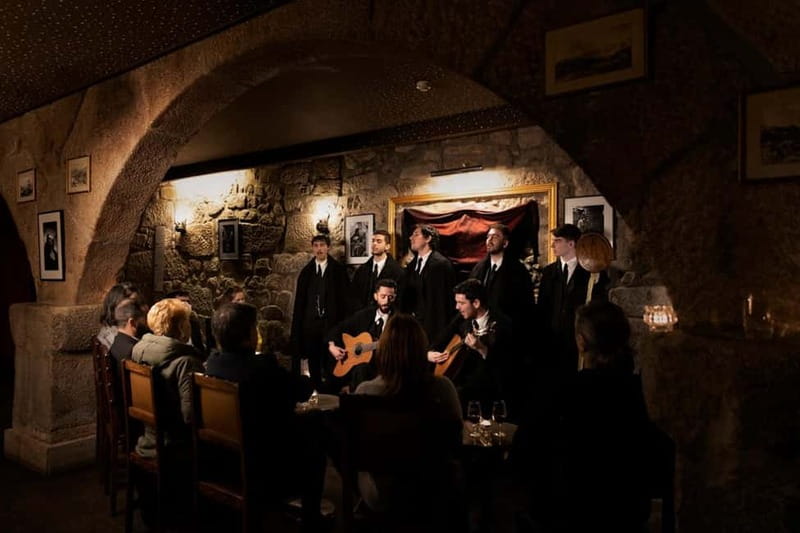
- Two fado styles in one night: Coimbra fado, then traditional fado
- No microphones: singers deliver the emotion just meters away
- A historical Miragaia setting that feels removed from big crowds
- Spontaneous feel: every show runs a little differently through improvisation
- Complimentary port (or water) included with your ticket
A Historical Tavern Where Fado Actually Meets You
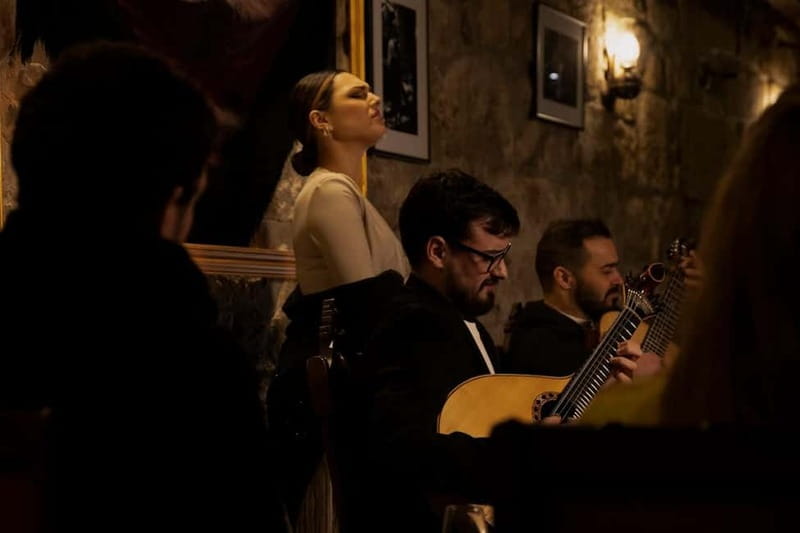
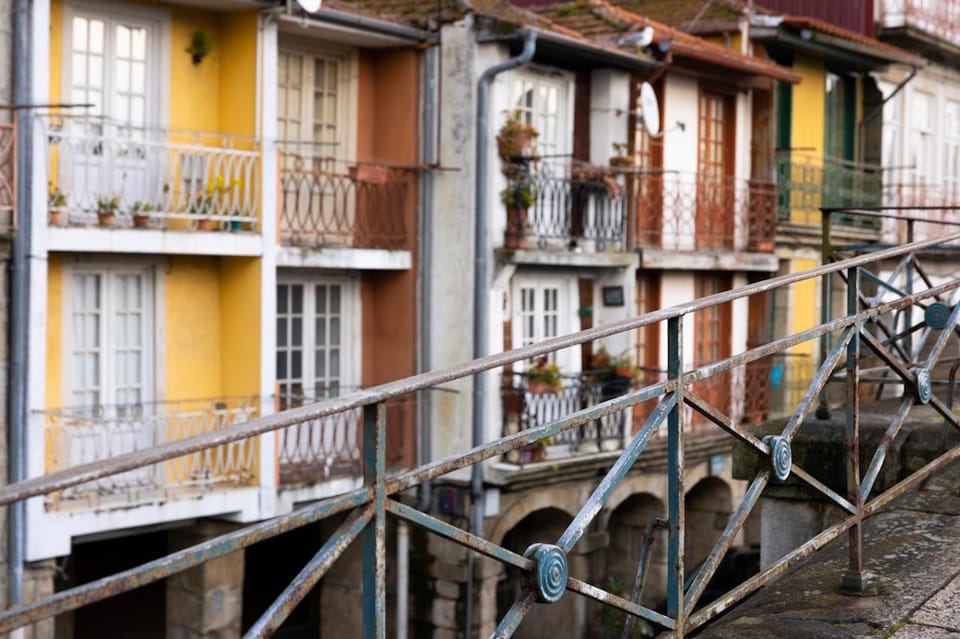
If you’ve heard fado before, you know it lives on feeling. If you haven’t, this is the fastest way to understand why people call it Portuguese soul. The setting matters here, and the setting is the main event: a historic tavern in Porto’s Miragaia quarter, far from the big, obvious tourist loops.
The room is designed for closeness. Tables sit around a small performance area, and you don’t get the usual concert separation where you watch from a distance. When the singers begin, it feels like the music is happening to your side of the room, not up on a stage somewhere.
And yes, it’s unusual that the show includes both Coimbra and traditional fado. Most places pick one style and sell the same experience on repeat. Here, you get two separate ensembles, so you hear two different flavors of the same emotional language. Coimbra fado often feels like youth, poetry, and longing carried by university tradition. Traditional fado leans more direct and raw, the kind of singing that makes you stop talking even if you came in ready to chat.
You can also read our reviews of more historical tours in Porto


Why this closeness is more than a gimmick
Fado is a voice-and-guitar art. When you remove microphones and distance, you also remove the safety net that makes everything sound smooth. You hear phrasing. You hear the guitar’s texture. You notice how a singer holds a note differently from the person next to you.
That’s the point. You’re not just consuming music; you’re reading it.
The one rule that changes everything
Silence is required during the performance. That’s not trivia. It’s what keeps the intimate sound from getting ruined. If you’re the type who laughs loudly at your phone notification or keeps turning around to talk, this room won’t be your best match.
Coimbra Fado First: Poetic, Student-Minded, and Emotion-Heavy
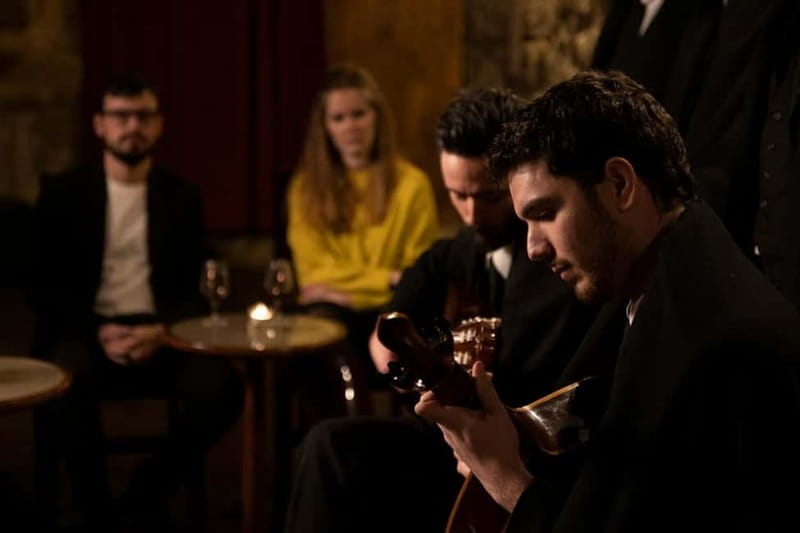
Your evening starts with Coimbra fado. This style has a built-in storyline: it grew and was preserved through university circles, which is why it often carries a feeling of youth and students’ life, even when the songs are about love and longing.
In the Coimbra set, you’ll hear a mix of songs and strong instrumental playing, usually with guitar-led moments that frame the singing. The goal is elegance with emotion—less about spectacle and more about control. You’ll recognize it as fado, but it has a distinct tone that doesn’t feel like the same performance rerun.
You may also get brief explanations during the show. The event is in Portuguese, but I’ve heard the host or singer switch into other languages for key moments, including English, Spanish, and French. Even if you don’t catch every word, the meaning lands through delivery and structure: what the song is about tends to be explained before the strongest emotional passages.
What to listen for in the Coimbra set
- Text and phrasing: the words matter, and the rhythm supports them
- Guitar as punctuation: it doesn’t just accompany; it shapes the mood
- A slightly “poetry” feeling: love, longing, and memory show up differently than in traditional fado
This part of the night is a good introduction if you’re new to fado. It gives you a bridge between popular sensibility and more formal traditions.
A few more Porto tours and experiences worth a look





Then Traditional Fado: Pure, Non-Commercial, and Unfiltered
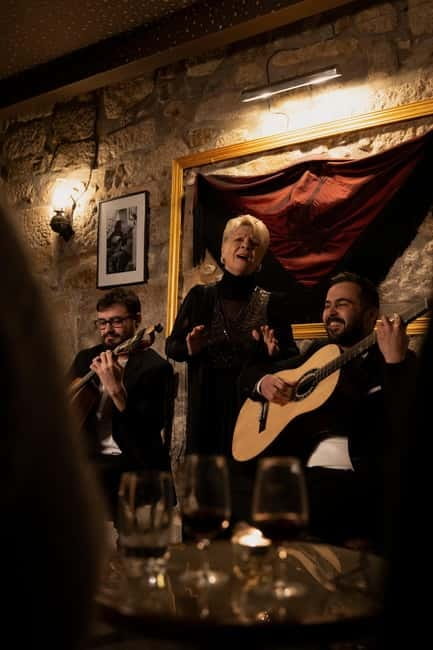
After Coimbra comes traditional fado. This is the side of the genre people often seek when they want something that feels less edited and more lived-in. Traditional fado is described as pure and non-commercial, and that comes through in how the ensemble approaches the singing.
Here, the emotions can hit harder. You’re no longer in “poetry over a distance” territory. You’re inside the song. The voice may feel more direct, the phrasing sharper, and the mood more concentrated.
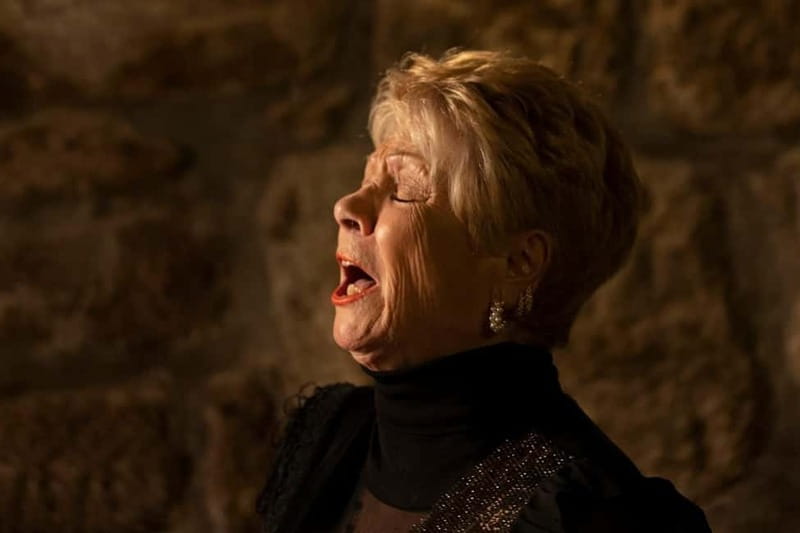
This second set is also a chance to compare voices and styles. Two distinct groups perform in the same one-hour show, and that makes the differences easier to notice. One ensemble may lean into a certain vocal character—sometimes a female-led set is especially powerful in these kinds of rooms—while the other ensemble might bring a different energy.
How the room affects traditional fado
Traditional fado often benefits from a smaller, quieter listening environment. That’s what you get. In a big, staged venue, there’s a tendency to treat the music as “content.” Here, it’s harder to stay detached. The room’s scale turns quiet attention into part of the performance.
And if you’re hoping for authenticity, this is where it shows: you’re hearing fado without the distance that turns singers into background noise.
Sound Without Microphones: Why It Feels So Real
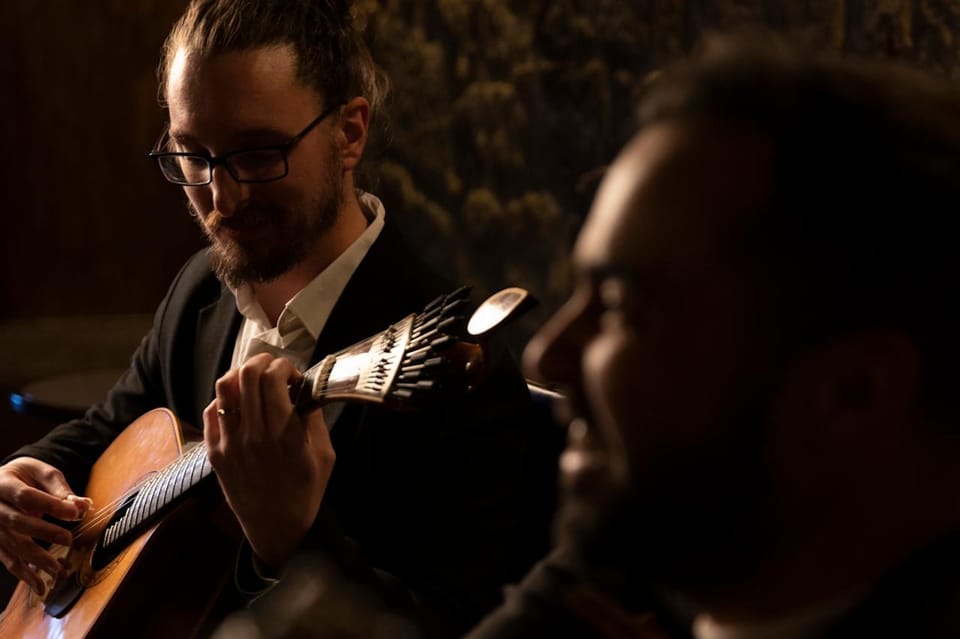
The most obvious detail is also the most important: singers perform without microphones. That means they’re close enough that you’re basically in the same atmosphere as the artists.
In practice, it changes three things for you:
First, your ears adjust quickly. The voice is clear, but it’s not engineered. You hear breath and intensity. Notes don’t just appear; they arrive.
Second, guitar becomes more than accompaniment. The nylon-string sound and fingerwork feel physical, like you can sense the strings being touched.
Third, the audience becomes part of the event. When singers are meters away, they sometimes encourage participation during a few songs. That said, silence is still required during the performance. So when audience involvement happens, it’s not random chatter. It’s guided by the artists—follow their cues and keep it respectful.
The best seats are mostly a non-issue
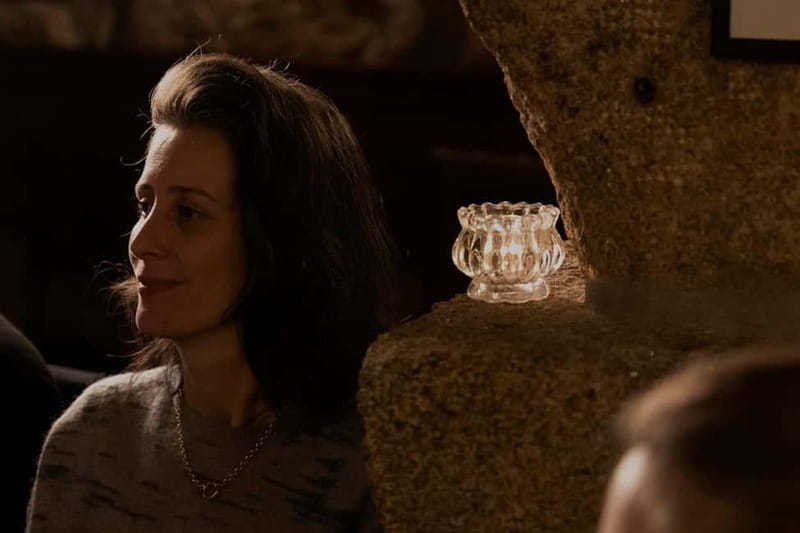
Because the tavern is small, you don’t have to hunt for a perfect view like you would in a theater. There truly aren’t bad seats, because you’re all close to the action. If you arrive early, you can often choose front-row or near-front table seating, and that’s a special experience in a room like this.
Timing, Duration, and What the Evening Actually Feels Like
The show runs about 1 hour and happens in the late afternoon. That timing is convenient: you get cultured before dinner, and you don’t feel like you’ve lost your whole evening to one activity.
Plan to arrive 10–15 minutes early. The tavern is cozy and the space fills up. If you’re late, you might still get in, but you’ll have less choice on where you sit.
Most nights follow the same structure: Coimbra fado first, traditional fado second. The overall order matters less than the fact you get both styles. The spontaneity is built in—fado thrives on improvisation, so each show can feel freshly shaped rather than pre-packaged.
Why that “unique every night” detail matters
If you’ve ever seen cultural performances that feel identical night after night, you know how that drains magic. Here, the improvisation keeps the pacing alive. It’s not about unpredictability; it’s about keeping the music human.
Price and Value: Is It Worth About $18?
For around $18 per person, this is one of the easiest fado choices in Porto to justify. You’re paying for three things that are hard to replicate cheaply:
- A real, intimate venue in an older neighborhood
- Two fado styles in one show with two groups
- Complimentary port wine (or water) included
That last part matters because the port is part of the atmosphere, not a separate upsell. A small glass is still a small glass, but it turns the evening into a full experience, not just a ticket for sitting still.
Also, because it’s an hour long, you’re not stuck in a half-day event that costs more than it delivers. This is a focused cultural moment that fits naturally into a day of walking Porto’s older streets.
Who This Fado Show Is Perfect For
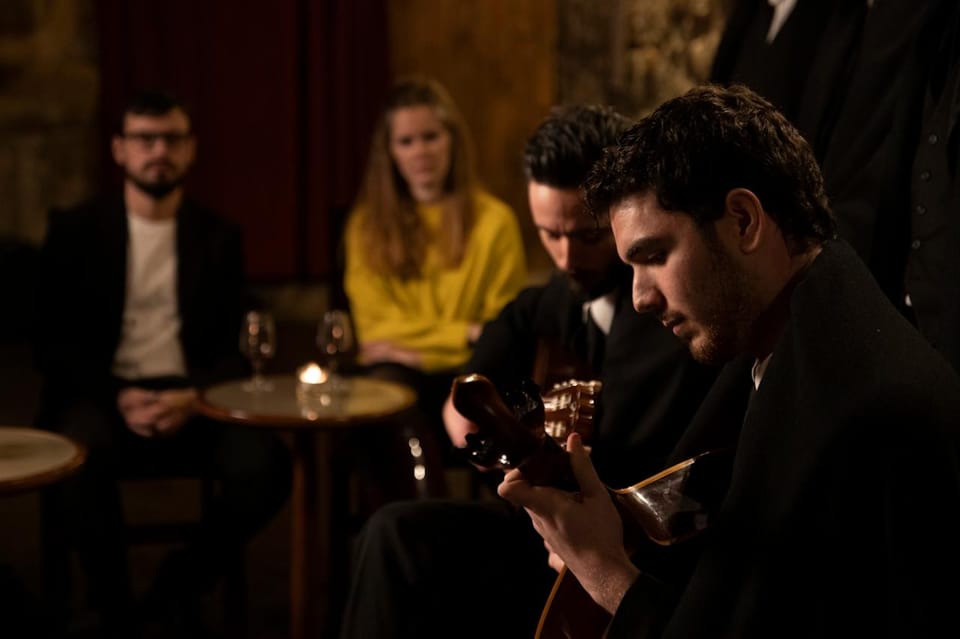
This works best if you want authenticity and listening more than entertainment.
You’ll probably love it if:
- you like small, serious cultural events
- you’re curious about the difference between Coimbra and traditional fado
- you enjoy music where the performer is close enough to feel the emotion
- you want a break from big-tour setups
It may not be your best pick if:
- you’re traveling with very young kids (it’s not suitable for children under 12)
- you can’t manage quiet listening for an hour
- you’re the type who needs lots of infrastructure (like microphones, subtitles, or a staged show)
Practical Tips So You Get the Best Night
Here are the details that make the experience smoother:
Arrive early. The room is small, and being early helps you find a comfortable table.
Dress for a late-afternoon slot. Porto nights can feel cooler than you expect, and you’ll be sitting still for about an hour.
Keep your phone low. Silence during the performance is required, and the artists are doing close-up work that doesn’t handle distraction well.
Follow the artist’s cues. If they invite audience participation for a few songs, join lightly and listen first.
If you want to learn, listen for explanations. Even when you don’t catch all the Portuguese, the meaning often comes through when the host introduces the songs.
Booking and Logistics (Without the Headache)
Meeting point is at the entrance to the Fado Maior do Porto concert hall. You show your ticket there.
The experience is wheelchair accessible, and the show is hosted by a Portuguese staff member. The language is Portuguese, though you may hear other languages used for key explanations during the evening.
A few things are not allowed: pets, baby strollers, tripods, and any outside food or drinks. Chewing gum and making noise are also prohibited. If you’re coming with a group, keep it quiet and cooperative, because this is a shared listening room.
Should You Book This Porto Fado Show?
I’d book it if your priority is real proximity to the music and an accurate taste of different fado traditions. The combination of two ensembles, no microphones, and a historical tavern in Miragaia makes this feel like a cultural evening you can remember, not a production you check off.
Skip it if you want a big show with lots of facilities, or if you’re traveling with small children or anyone who finds quiet listening uncomfortable.
If you’re on the fence, here’s the simplest decision rule: if you’ll treat this as a listening experience, you’ll likely be glad you went. If you want the opposite, look for something more like a standard concert setup.
FAQ
How long is the fado show?
It lasts about 1 hour.
What is included in the ticket price?
You get the fado performance plus a glass of port wine (or water).
Where do I go to check in?
Show your ticket at the entrance to the Fado Maior do Porto concert hall.
Do the performers use microphones?
No. The singers perform without microphones.
Which fado styles will I hear?
You’ll hear Coimbra fado first, followed by traditional fado from a second group.
Is silence required during the performance?
Yes. Silence during the performance is required.
Is it suitable for children?
It is not suitable for children under 12.
Are pets allowed?
No, pets are not allowed.
Can I cancel and get a refund?
You can cancel up to 24 hours in advance for a full refund.