REVIEW · PORTO
Historic Porto by Private Electric Tuk Tuk to Top Landmarks
Book on Viator →Operated by Living Tuk Tuk · Bookable on Viator
Porto’s hills don’t stand a chance. This private 100% electric tuk-tuk ride gives you a quick, landmark-heavy orientation to the city, with stops that line up with some of Porto’s most famous sights. I especially like how it mixes classic architecture with practical commentary you can use immediately, plus the small-group feel (up to 6) so your guide can tailor what you care about.
The main thing to consider is that city vehicle rules can limit how close tuk-tuks can get to the historic core. That means your route may shift toward Gaia viewpoints more than you expect, even if the tour is marketed as Historic Porto.
In This Review
- Key things you’ll notice right away
- Why an electric tuk-tuk is the smartest Porto first move
- Price and value: what $42.33 buys you (and what to compare it to)
- Meeting point and timing: the small details that make or break the experience
- São Bento Station: the perfect first stop for orientation
- Aliados Avenue: the city’s main spine, explained in plain language
- Carmelitas Church: seeing the facade while the guide tells the 17th-century story
- The Tower of Clérigos: Porto’s postcard moment, with a reason to look up
- Cobblestones, small restaurants, and Douro River views
- Gaia detours: when Porto’s restrictions push the ride across the river
- Your guide experience: storytelling matters, but audio can be hit or miss
- What’s included, what isn’t, and how to plan your next day
- Quick reality check: who should book this, and who should skip it?
- Should you book Historic Porto by Private Electric Tuk Tuk?
- FAQ
- How long is the electric tuk-tuk tour?
- Is this a private tour?
- What language is the tour offered in?
- Where does the tour start and end?
- Does the price include tickets or museum entries?
- Will the tuk-tuk go into the historic center?
- Is a walking tour included?
- Are service animals allowed?
Key things you’ll notice right away
- Electric tuk-tuk comfort for a hilly city, with an easy pace and minimal walking
- Small private group (max 6), so you’re not fighting for attention
- Landmark photo stops around São Bento, Clérigos, and scenic viewpoints
- Guide storytelling that’s funny and human (names like Miguel, Andreas, Diego, Beatriz, Helena, Nicole, Johanna, and Ana come up for their delivery)
- Route adjustments due to local restrictions, which can push more time toward Gaia
Why an electric tuk-tuk is the smartest Porto first move
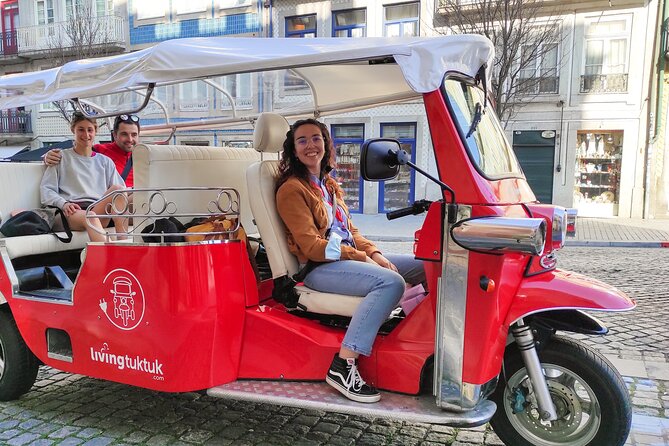
If you’re short on time, Porto can feel like it’s built out of hills, stairways, and surprise turns. A tuk-tuk solves the hard part fast: you cover ground without burning your legs on every incline. With a private 100% electric vehicle, you get a smoother ride through tight streets and viewpoints, plus you don’t arrive at the main sights already exhausted.
I also like that this isn’t a random drive. Your route is built around big “you need to see this” anchors: São Bento Station, Aliados Avenue, Carmelitas Church, and the Tower of Clérigos area. That structure helps you build a mental map of Porto so your next day of walking feels way more logical.
One bonus: because it’s a small group, the guide can adjust. Some tours in this style ask what you’re into, and then steer the stops accordingly—perfect if you want more photos, more history, or more practical “where to walk next” advice.
You can also read our reviews of more private tours in Porto


Price and value: what $42.33 buys you (and what to compare it to)
At about $42.33 per person for roughly 50 minutes, this sits in the category of “pay for time and convenience.” You’re not paying for museum tickets or guided entry fees—you’re paying for transportation plus a guide who spots the landmarks and explains what’s worth noticing.
Here’s what makes it feel more than just a ride:
- You get a private guide/driver experience, not a crowded bus feel.
- You’re getting orientation across multiple neighborhoods in one go.
- You’re also covered by company liability and personal injury insurance, which matters more than most people think.
Then there’s a key value add that’s easy to miss: you get a Porto City Walking Tour available from the day after your experience. And on top of that, there’s a free shared walking tour (English and Spanish) available daily at 9:30 a.m. and 4:30 p.m. from Living Tours Agency, Rua Mouzinho da Silveira 352, 4050-418 Porto. If you plan your days well, the tuk-tuk can be your “map builder,” and the walking tour can be your “slow down and explore” session.
Meeting point and timing: the small details that make or break the experience
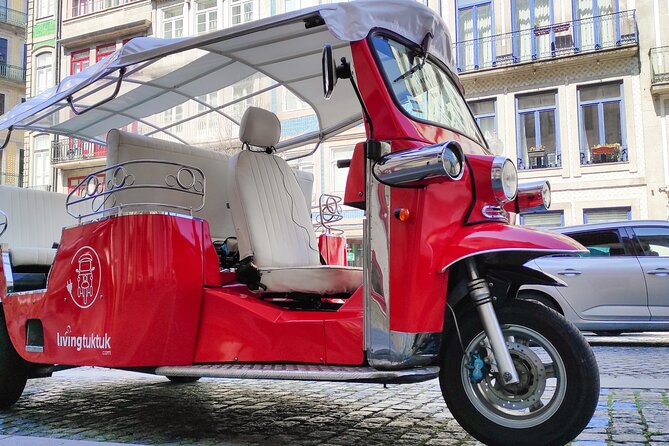
The tour starts and ends back at R. do Corpo da Guarda 18, 4000-069 Porto, Portugal. It’s simple in theory, but the area can be confusing at first glance. One practical tip: arrive a few minutes early and check your pin carefully. Some people have said the check-in spot was harder to find than expected, even for drivers navigating with apps.
Plan your schedule like a local. Traffic can affect the overall time, and you’re advised not to stack other plans right after the tour’s anticipated end. If you’re trying to catch a train or a dinner reservation, give yourself a buffer.
Also note the tour size: maximum 6 people per tuk tuk. That limit keeps the ride from feeling like a moving classroom, and it makes it easier for your guide to respond when you ask something.
São Bento Station: the perfect first stop for orientation
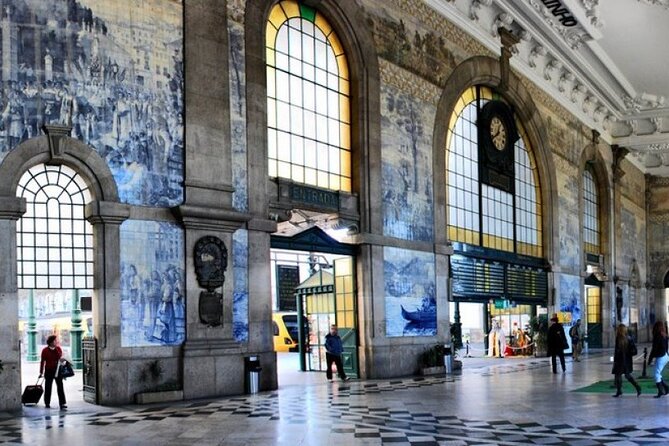
São Bento Train Station is the kind of place that makes you stop mid-sentence. Even before you “learn” anything, the station’s grand interior and tilework create instant Porto vibes. This stop works well as your first major landmark because it gives you a clean starting point: you’re centered in the city, you understand the scale, and you get early context for what you’ll see next.
The tour heads toward São Bento, and from there you move into the city core. That flow matters. If you reverse it—doing the hills first and the architecture later—Porto can feel random. Start here and everything else clicks faster.
If you’re the type who likes to photo-document architecture, this is one of your best opportunities. Even if you don’t go inside for a long time, you’ll still get the “why this matters” explanation and a sense of Porto’s identity.
Aliados Avenue: the city’s main spine, explained in plain language
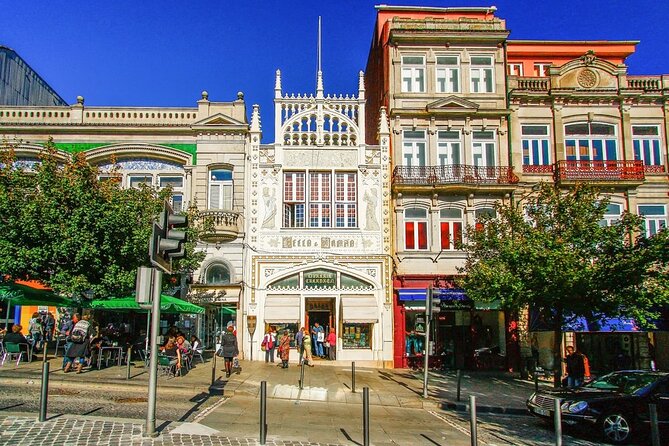
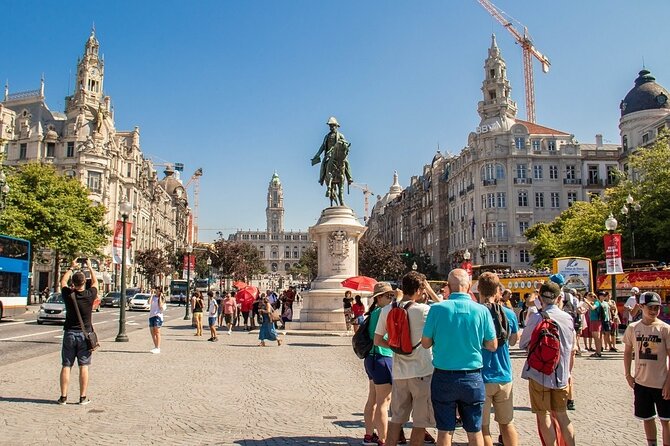
Next up is Aliados Avenue, the main avenue that functions like Porto’s central axis. This is a smart stop because it helps you understand where things “connect.” You’ll see a wide boulevard feel—great for orientation—without committing to a long walk.
What makes Aliados Avenue worth doing on a tuk-tuk route is the context your guide can give. Rather than you just staring at buildings, you get the story behind why the avenue feels emblematic, and how it relates to Porto’s neighborhoods and rhythm.
This is also a good moment to tell your guide what you want more of. If you’re more into churches, ask for a slower look at the next religious stop. If you care about scenic viewpoints, steer the conversation toward the river views coming later.
You can also read our reviews of more historical tours in Porto



Carmelitas Church: seeing the facade while the guide tells the 17th-century story
Carmelitas Church is one of those places where the best “look” comes from noticing details. It started being built in the 17th century, and the tour is designed so you can observe the facades while listening.
This is valuable because it turns a quick exterior glance into something you can actually remember. Instead of rushing past, you’re guided to the elements that help explain what you’re seeing—why it looks the way it does and what that era meant for Porto.
If you’re traveling with someone who doesn’t want a long walking detour, this stop is a good compromise: you get real context without turning the tour into a stamina test.
The Tower of Clérigos: Porto’s postcard moment, with a reason to look up
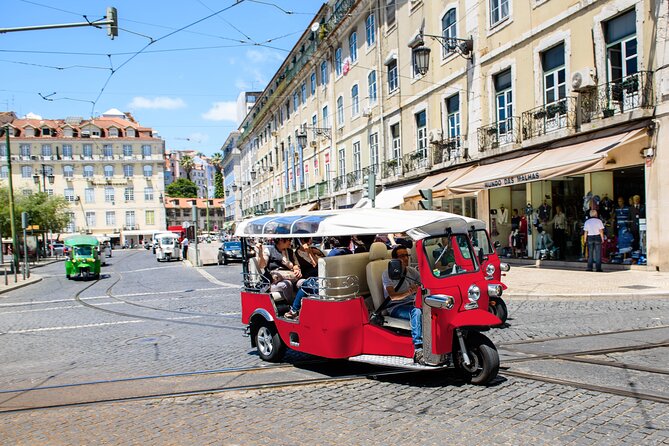
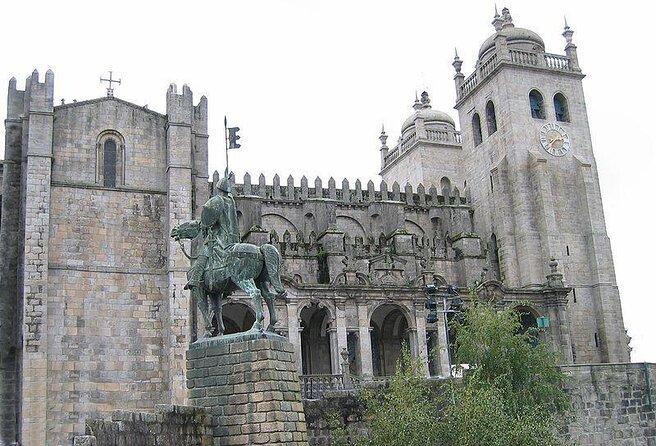
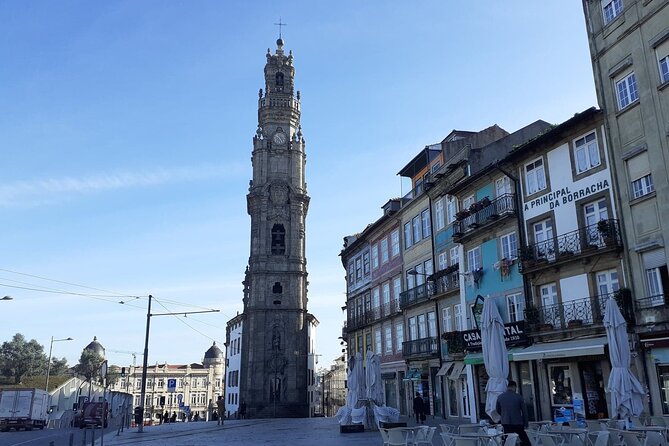
Then comes the Tower of Clérigos, often called the postcard of Porto. On a tuk-tuk, you get two benefits:
1) You’re positioned to take in the ensemble without scrambling for the best angle on foot.
2) Your guide can frame what makes it stand out architecturally and historically.
Even if you don’t go inside or climb, this stop still pays off. It’s a landmark that helps your brain connect the city. After you see it, you start recognizing Porto’s visual “north star” points while walking later.
A practical note: if city restrictions limit how close you can get with tuk-tuks, you may see the tower area more from the edge. Don’t panic—your guide can still make the explanation meaningful, and you’ll likely shift to longer viewpoint time.
Cobblestones, small restaurants, and Douro River views
Some parts of Porto feel like a living set: cobbled streets, houses close together, and small places where you can smell traditional Portuguese food nearby. This portion of the tour is where you get the “historic core atmosphere” even if you’re not wandering for hours.
You’ll also get views of the Douro River from the highest points. This is one reason the tuk-tuk format works so well: you can reach good viewpoint locations quickly and still keep the day moving.
And here’s the smart part: this stop is also tied to the Historic Center of Porto, a UNESCO World Heritage Site. Even when you don’t go museum-mode, the UNESCO label helps you understand that you’re not just sightseeing streets—you’re standing in a place with long-term cultural value.
Gaia detours: when Porto’s restrictions push the ride across the river
Let’s talk about the elephant in the tuk-tuk. Some departures have been affected by restrictions on where these vehicles can operate, especially regarding entry near the historic center. People have reported situations where tuk-tuks couldn’t go into old Porto and the tour shifted toward Gaia and riverside viewpoints.
When that happens, don’t treat it as a total loss. Gaia is still useful. You’ll likely spend more time on scenery and photo angles—views across the Douro can be gorgeous, and they help you understand Porto’s geography in a way you can’t get from only walking streets.
That said, if your heart is set on getting right up to the most historic pedestrian zones, be realistic. This is why I suggest booking this tour early in your trip. If your route is adjusted, you can still use the rest of your time to walk the core areas on foot.
A good compromise plan: do the tuk-tuk first, then follow up with a walking tour the next day to cover whatever streets you couldn’t reach by vehicle.
Your guide experience: storytelling matters, but audio can be hit or miss
The biggest repeated win here is the guide vibe. People have highlighted guides like Miguel (friendly, knowledgeable, fun), Andreas (expert driving and city overview), Diego (history with humor), and guides such as Beatriz, Helena, Nicole, Johanna, and Ana for strong explanation and personality.
In a tour like this, that matters because you’re moving constantly. If your guide gives you context, each stop feels connected instead of random. If the audio is unclear, you might miss pieces. Some people have said the driver was hard to hear, and there have been mentions of limited audio or no clear sound system. So here’s the practical move:
- Sit where you can hear the guide best (usually toward the front).
- Lean in a bit during stops.
- If it’s noisy, don’t be shy about asking them to repeat a key point.
Also, this is set up as a private tour/activity—only your group goes. That can make Q&A easier and keeps the ride from feeling like a scripted lecture for strangers.
What’s included, what isn’t, and how to plan your next day
Included:
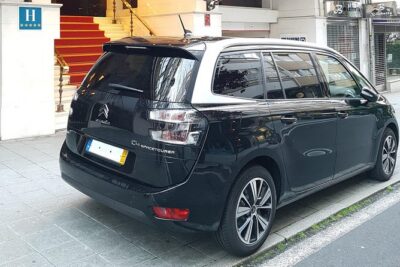
- Private 100% electric tuk-tuk
- Tour expert/driver
- Porto City Walking Tour available from the day after your experience
- Company liability and personal injury insurance
- A mobile ticket
Not included:
- Tickets to other activities
- Entries to museums and monuments
That means you should treat this as the “set the stage” portion of your trip. If you want to go inside major sights, plan those visits separately.
To get the best value from the included walking tour, I’d do this:
- Schedule this tuk-tuk tour early, ideally your first day.
- Use the walking tour next day to cover the areas you’re most curious about.
- Keep your “must-enter” places on the walking day so you’re not paying twice in time.
And yes, one of the nice touches mentioned in the tour details is that there’s also a free shared walking tour with Living Tours on a daily schedule (9:30 a.m. and 4:30 p.m.). If you want maximum Porto coverage, those two walking options can help you stretch your sightseeing without turning every day into a marathon.
Quick reality check: who should book this, and who should skip it?
This is a strong fit if:
- You’re in Porto for a short time and want quick orientation.
- You don’t want to fight the hills all morning just to “get your bearings.”
- You like stories and photo stops, and you want a guide to point out what matters.
- You’re okay with the fact that vehicle rules can change how close you get in the historic center.
It might be less ideal if:
- You only have one afternoon and want guaranteed access deep into the historic core with the tuk-tuk.
- You’re the kind of traveler who expects full audio clarity without compromise.
- You dislike any schedule flexibility at all (traffic and restrictions can shift timing).
Should you book Historic Porto by Private Electric Tuk Tuk?
Yes, with a smart expectation set. I like this tour because it compresses Porto’s “big hits” into a short, comfortable ride, and the included walking options help you keep exploring after you’ve built your map. If your tour shifts toward Gaia due to local restrictions, you’ll still get useful viewpoints and a stronger sense of Porto’s layout.
My advice: book it early, arrive a bit ahead at R. do Corpo da Guarda 18, and plan your next big walking visit for the day after. If you do that, you’ll end up with the best kind of Porto trip: you see a lot, but you still have time to slow down where it counts.
FAQ
How long is the electric tuk-tuk tour?
The tour is approximately 50 minutes. Traffic can affect the overall duration, so it’s smart not to schedule another activity right after.
Is this a private tour?
Yes. It’s private, and only your group participates. Tuk-tuks accommodate a maximum of 6 people.
What language is the tour offered in?
The tour is offered in English.
Where does the tour start and end?
It starts at R. do Corpo da Guarda 18, 4000-069 Porto, Portugal and ends back at the same meeting point.
Does the price include tickets or museum entries?
No. Tickets to other activities and entries to museums and monuments are not included.
Will the tuk-tuk go into the historic center?
The tour may be affected by local restrictions on where tuk-tuks can operate near the historic core. In some cases, the route can shift toward Gaia and viewpoints instead.
Is a walking tour included?
Yes. A Porto City Walking Tour is available from the day after your experience. The details also mention a free shared walking tour with Living Tours with set daily times.
Are service animals allowed?
Yes. Service animals are allowed.