REVIEW · LISBON
Pastel de Nata Workshop in Lisbon
Book on Viator →Operated by Casa dos Ovos Moles em Lisboa · Bookable on Viator
Lisbon pastry goes from counter to your hands fast. This Pastel de Nata workshop at Casa dos Ovos Moles is interesting because you learn the dough-making process by hand, then you finish with a proper Portuguese drink tasting. I especially like the small group size (max 6), which makes it easier to get real help while you work. The other big win for me is that you leave with a written recipe to recreate it at home. One drawback to consider: the session is listed at about 2 hours, so if your day is tightly scheduled, build in a little extra time.
You get English instruction, a mobile ticket, and you can pick from two class times. The experience runs in a pastry shop known for convent-style sweets, so you are not just learning a dessert—you’re stepping into the world of Lisbon and Portugal’s classic egg-based baking traditions.
The workshop takes place at Casa dos Ovos Moles, and the meeting point is Calçada do Sacramento 25, 1200-393 Lisboa. It’s also near public transportation, which matters in a city where getting across town can be a workout.
In This Review
- Why This Workshop Feels Different Than a Regular Dessert Class
- Casa dos Ovos Moles and the Ovos Moles Tradition
- Getting There at Calçada do Sacramento 25 (and What to Expect)
- Small Group Cooking: How You Get Real Attention
- Making Pastel de Nata from Scratch: Dough, Fill, Bake
- The Tasting Moment: Port Wine or Ginja Liquor
- What You Take Home: A Written Recipe You Can Actually Use
- Price and Value: What $72.41 Buys You in Lisbon
- Who Should Book This Pastel de Nata Workshop
- Should You Book This Pastel de Nata Workshop at Casa dos Ovos Moles?
- FAQ
- How long is the Pastel de Nata workshop?
- What is the price per person?
- Is the class offered in English?
- How many people are in the class?
- What do I eat and drink during the workshop?
- Where does the workshop meet in Lisbon?
- Can I get a full refund if my plans change?
Why This Workshop Feels Different Than a Regular Dessert Class
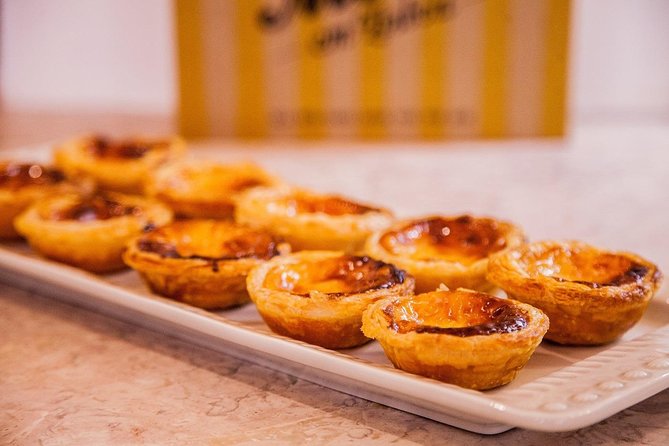
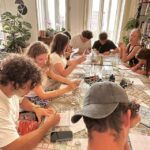
Here’s the honest appeal: this is not a watch-and-snack class. You work the dough, you follow the steps, and you see what makes a great Pastel de Nata come together.
A big part of the value is the hands-on coaching. In a group small enough to fit around the workstations, you can ask questions in real time, not after the chef moves on. And because the shop focuses on traditional egg pastries (not just one item), it adds context while you’re learning.
Also, yes, you taste what you make—with a sip of port wine or local ginja liquor. It turns the end of the class into a genuine finish, not a rushed crumb check.
Casa dos Ovos Moles and the Ovos Moles Tradition
Casa dos Ovos Moles is specialized in conventual pastry, including ovos moles, which trace back to the 16th century. In practical terms, that means you’re learning in a place that treats these recipes like craft, not like a novelty.
Why that matters for you: Pastel de Nata has a reputation for being a quick treat you can buy anywhere. Learning it inside a shop focused on convent sweets helps you understand why the technique is the point. You’re likely to hear how egg-based fillings and pastry methods became famous enough to spread far beyond their original settings.
The shop also covers related favorites like ovos moles de Aveiro and other classic egg desserts. Even if you only bake the Pastel de Nata during class, the surrounding menu hints that this is a serious bakery with depth.
A few more Lisbon tours and experiences worth a look


Getting There at Calçada do Sacramento 25 (and What to Expect)
Your start point is Calçada do Sacramento 25, 1200-393 Lisboa, Portugal, and the activity ends back at the same meeting point. You’ll want to arrive a bit early so you can settle in before the cooking starts.
The good news: it’s near public transportation, so you’re not relying on a taxi to make it work. If you’re planning your Lisbon day, treat this like an easy anchor activity. You’ll be done and back near the same spot when it finishes.
Two quick timing notes from the practical side:
- The class is listed as about 2 hours, but you should allow extra time if your itinerary is strict.
- There are two class times you can choose, so match the session to your energy level—this is hands-on baking, not a quick photo stop.
Small Group Cooking: How You Get Real Attention
The class caps at 6 travelers, which changes the whole experience. In a bigger group, people get stuck waiting their turn or relying on vague instructions. Here, the setup makes it easier for the host to watch what you’re doing and correct small issues while you’re still actively working.
In the feedback you’re using to decide, the standout pattern is clear: guests keep calling out how hands-on it is and how the instructor walks through each step. Many mention lots of participation and personalized guidance, especially because everyone is close enough to get feedback.
A name that shows up again and again is Filipa. People describe her as fun and engaged, with clear explanations and patience while you bake. That matters, because Pastel de Nata is technique-driven. If you miss a step, the tart can still taste good—but it may not hit the classic texture you’re aiming for.
One consideration: the teaching style can be strict about technique. If you prefer a relaxed, casual vibe with zero critique, you might want to mentally prepare for precise instructions and focused feedback. The goal is consistency, not comfort talk.
Making Pastel de Nata from Scratch: Dough, Fill, Bake
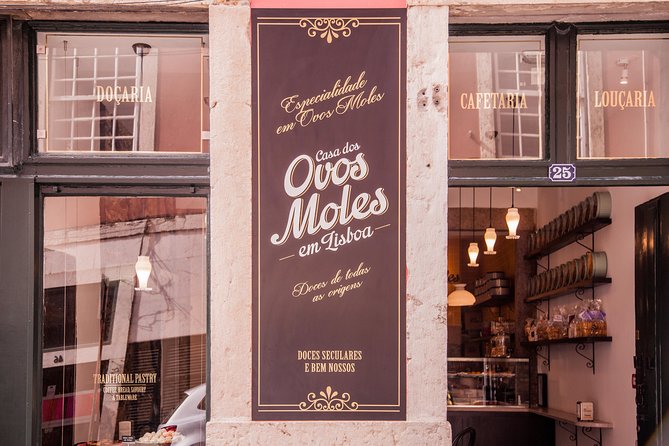
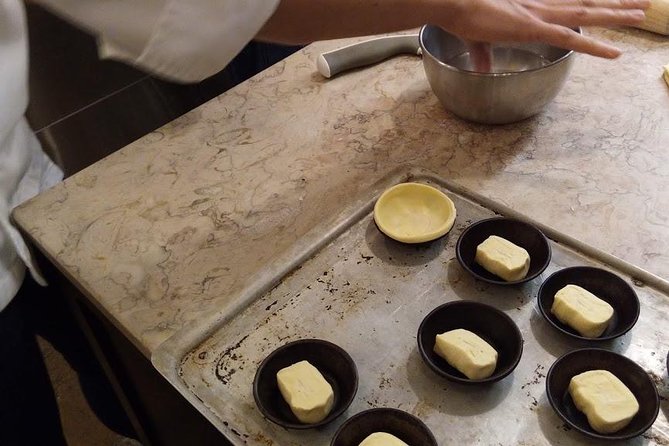
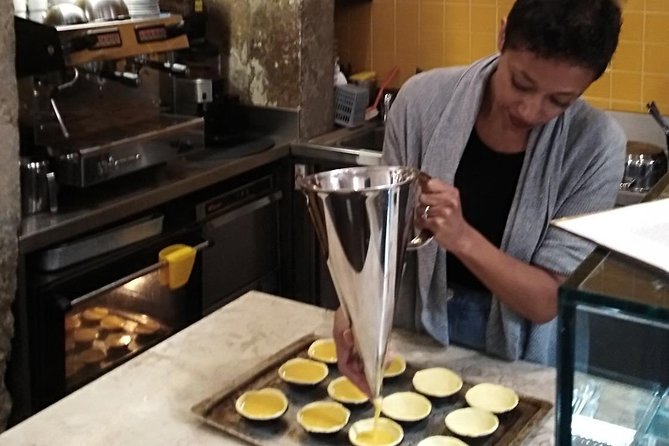
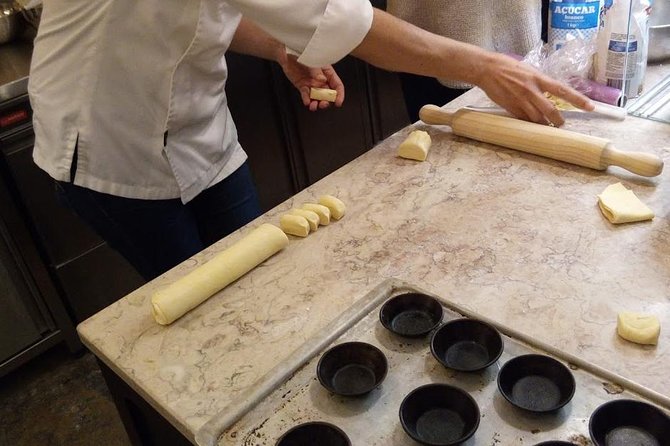
This is the heart of the workshop: you learn the process for the most famous Portuguese pastry, the Pastel de Nata. And crucially, the class teaches you the work from scratch, including the dough, with handmade steps rather than shortcuts.
Here’s what that means for your experience in real life:
- You are actively involved, not just observing.
- You learn the sequence—dough first, then filling, then baking—so you can repeat it later.
- You see how the pastry changes from raw dough to baked tart, which helps you understand what success looks like.
The class format follows a clear flow: first you cook, then you taste at the end. That makes sense because Pastel de Nata is not a “mix and eat” dessert. It needs time in the oven to develop its signature contrast—crisp pastry, creamy custard center, and that baked finish you’re chasing.
If you’ve only ever bought Pastel de Nata in shops, you’ll likely be surprised by how much work goes into the dough component. Even if your final tart isn’t perfect the first time, you’ll understand the process enough to improve at home.
The Tasting Moment: Port Wine or Ginja Liquor
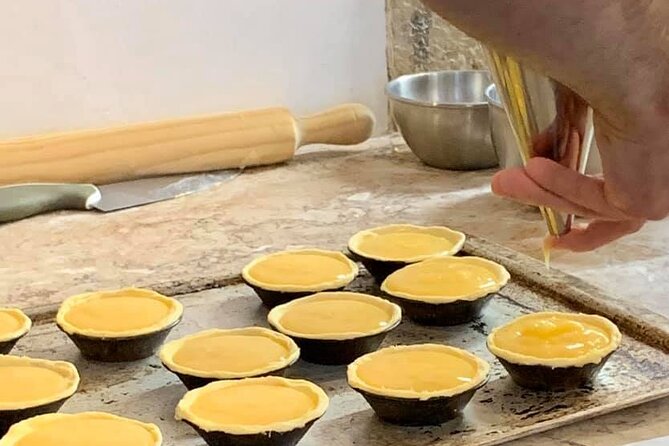
After you bake, the reward is immediate: you taste the Pastel de Nata you made, paired with either port wine or local ginja liquor. The combination makes sense. The custard tart is rich and eggy; the drink adds a different kind of sweetness and warmth that feels very Portuguese.
Why this pairing is valuable for you: it stops the class from becoming just a kitchen project. You end by experiencing the dessert the way it’s meant to be finished—warm pastry plus a traditional drink.
And because it’s included, you don’t have to think about where to get a beverage afterward. You can keep your Lisbon evening plans simple.






What You Take Home: A Written Recipe You Can Actually Use
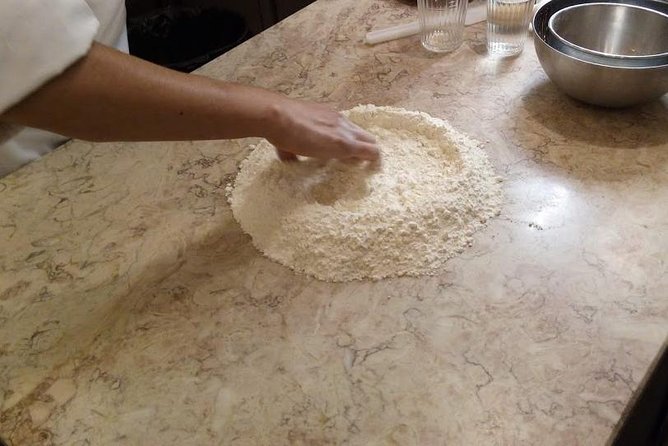
One of the most praised parts of this workshop is that you receive a written recipe to replicate at home. That’s bigger than it sounds.
In baking, people often leave classes with memories and maybe a few tips. A written recipe turns your experience into something repeatable. It gives you a reference point when your kitchen is quiet and you’re comparing your results to what you saw and tasted in class.
If you want to improve quickly, the recipe is what you’ll use for the second attempt. First tarts are often learning tarts. The written instructions help you move from guessing to following a method.
Price and Value: What $72.41 Buys You in Lisbon
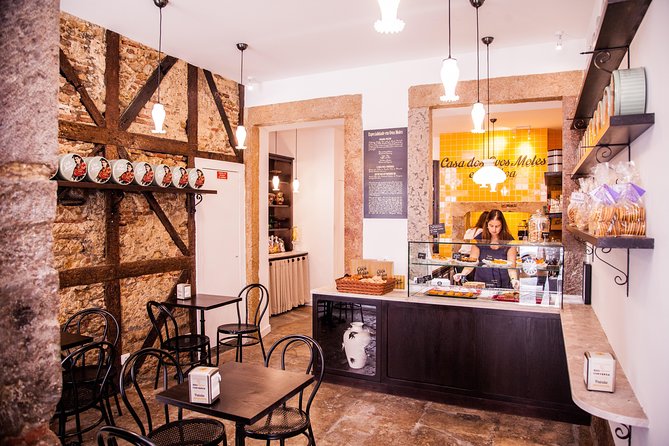
The price is $72.41 per person, and for a serious hands-on baking class, that is fairly logical. Here’s the value breakdown based on what the experience includes:
- Small group attention (max 6): less waiting, more feedback, and more time actually working.
- From-scratch instruction, including the dough: not just assembly, but technique.
- Included tasting with port wine or ginja liquor: you get the full finish, not a partial experience.
- Written recipe to bring home: this adds practical usefulness beyond the 2-hour session.
So you’re not paying just for a dessert. You’re paying for guided technique plus a take-home document. If you love baking or you want to bring a genuine Portugal souvenir home that isn’t just a fridge magnet, this price is easier to justify.
If you’re only looking for a quick sugar hit, you can probably find cheaper tasting options. But if you want the craft, this is the right kind of spend.
Who Should Book This Pastel de Nata Workshop
This workshop is a great fit if you:
- Want hands-on cooking with real guidance in a small group
- Prefer learning technique you can repeat, not just watching someone else cook
- Like Portuguese egg desserts and want to understand how they connect to convent-style baking
- Are traveling with a friend, partner, or small family group and want an activity that actually involves everyone
It’s also a solid choice if you are solo. A small class size means you’re not lost in a big crowd, and the instructor can keep you engaged.
If you hate kitchen mess or prefer zero critique, you should consider what kind of class style you like. The instruction is focused on doing it correctly, and that can feel intense to some people. For most, that precision is exactly the point.
Should You Book This Pastel de Nata Workshop at Casa dos Ovos Moles?
Book it if you want a true baking lesson in Lisbon—one where you make Pastel de Nata from scratch, taste your own dessert with a Portuguese drink, and take home a recipe you can use later. The small-group format and the repeated praise for hands-on participation make it one of the easier culinary activities to justify.
Skip it or think twice if:
- Your schedule is extremely tight and you can’t tolerate the class running a little longer than the listed estimate.
- You dislike strict technique coaching and would rather do something more casual.
If you’re on the fence, my practical advice is simple: if Pastel de Nata is on your Portugal checklist and you like learning by doing, this is a smart way to check it off with real value.
FAQ
How long is the Pastel de Nata workshop?
It runs for about 2 hours (approx.).
What is the price per person?
The price is $72.41 per person.
Is the class offered in English?
Yes, it’s offered in English.
How many people are in the class?
The workshop has a maximum of 6 travelers.
What do I eat and drink during the workshop?
You’ll have Pastel de Nata and a tasting with either port wine or ginja liquor.
Where does the workshop meet in Lisbon?
The meeting point is Calçada do Sacramento 25, 1200-393 Lisboa, Portugal, and the activity ends back at the same meeting point. The workshop takes place in Casa dos Ovos Moles.
Can I get a full refund if my plans change?
Yes—free cancellation is available. You can cancel up to 24 hours in advance for a full refund, and changes inside 24 hours aren’t accepted. If it’s canceled due to poor weather, you’ll be offered a different date or a full refund.