REVIEW · LISBON
Pastel de Nata Pastry Class
Book on Viator →Operated by Lisbon Affair · Bookable on Viator
Pastel de nata magic, taught step by step.
This hands-on class in Lisbon shows you how to make the custard-filled tart everyone argues about, with guidance in English and a small group (up to 15 people). You’ll work with the dough, learn how the creamy filling comes together, and even get the story behind what people call it—plus plenty of tasting along the way.
I love the small-class attention and the practical take-home payoff. In past sessions led by instructors like Beatriz, Bernardo, and Carla, the vibe stays relaxed and patient, and you also leave with digital recipes in English to recreate your results at home.
One thing to consider: if the class runs closer to the full capacity, it can feel less hands-on than you’d want. Also, the room can run warm, so go in ready to work comfortably.
In This Review
- Key highlights worth your time
- Pastel de Nata, explained (and made) the Lisbon way
- Where you’ll be working in Lisbon (and why location matters)
- The 2-hour class flow: what happens while you’re there
- Step 1: Arrive, get set up, and start with the basics
- Step 2: Handling the dough (where technique actually shows)
- Step 3: Cooking the custard cream (and getting it to set right)
- Step 4: Tasting and learning what to repeat at home
- What you actually get for your money (price, but make it fair)
- Drinks, apron, and the small comfort stuff you’ll notice
- The take-home win: digital recipes in English
- What group size really changes (and how to choose your moment)
- Who this class is best for
- Should you book this Pastel de Nata class in Lisbon?
- FAQ
- How long is the Pastel de Nata pastry class?
- Is the class offered in English?
- What’s the maximum group size?
- What’s included in the price?
- Do I receive recipes I can use at home?
- Where is the meeting point in Lisbon?
- Will I receive a mobile ticket, and is public transportation nearby?
- What is the cancellation policy?
Key highlights worth your time
- Hands-on dough and custard practice, not just watching and tasting
- Small group (max 15) for clearer coaching and less waiting around
- English digital recipes so you can actually repeat the method later
- Tasting plus drinks (tea, coffee, orange juice, water) to keep you going
- Instructors with real personalities, from Beatriz to Bernardo and Carla
Pastel de Nata, explained (and made) the Lisbon way
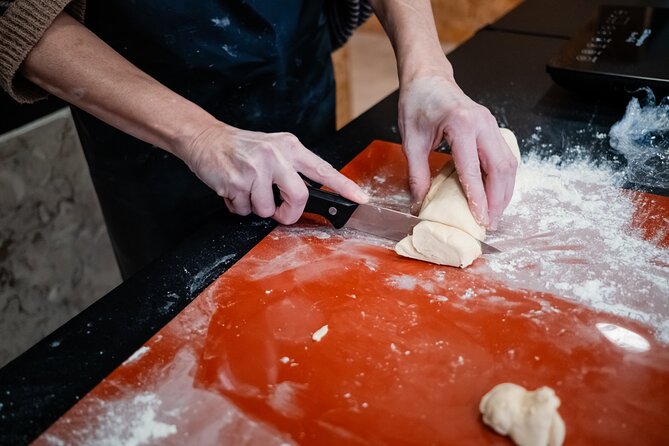
Pastéis de nata aren’t only a dessert. They’re a tiny lesson in technique: pastry that turns flaky, custard that sets with a soft center, and a flavor balance that’s easy to love and hard to fake from guesswork. This class is built around that reality. You’re not just eating Lisbon’s most famous sweet—you’re learning the steps that make it taste like the real thing.
What makes it interesting is that it’s practical. You get to feel the dough, shape and fill, and see what “authentic” means in terms of texture and bake results. And the class also addresses the common name confusion—there’s a quick explanation during the workshop about why it’s called what it’s called, even though it’s not the exact thing the name suggests.
For me, this is the difference between a cooking class and a food experience. Here you take away method, not just memories.
A few more Lisbon tours and experiences worth a look



Where you’ll be working in Lisbon (and why location matters)
You meet at Lisbon Affair – Cooking Classes, Av. de Roma 87B, 1700-344 Lisboa. The activity ends back at the same meeting point, so you can plan the rest of your day without extra transit stress.
Two practical points that matter when you’re in a new city:
- It’s near public transportation, so getting there doesn’t feel like a whole expedition.
- You get confirmation at booking time, which helps you trust your schedule and show up ready.
Also, since the average booking window is about 16 days ahead, it’s smart to reserve early if you’re traveling in a busy season or aiming for a specific time slot.
The 2-hour class flow: what happens while you’re there
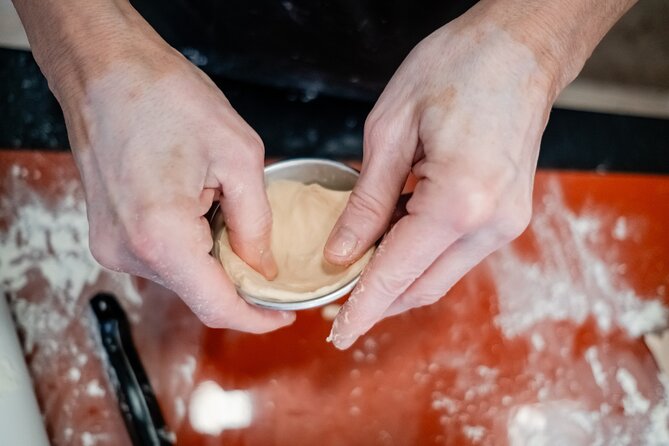
The class runs about 2 hours. While the exact minute-by-minute timing can vary, the structure is consistent: teaching, hands-on work, and tasting as you go.
Here’s the rhythm you can expect:
Step 1: Arrive, get set up, and start with the basics
You’ll use an apron, and you’ll do the normal “kitchen reset” including cleaning/washing up as part of the class. That means you’re not stuck feeling messy or awkward—you’ll have a straightforward workflow.
You’ll also get the initial guidance on how the pastry process should feel. One theme that shows up with instructors like Beatriz and Bernardo is calm, patient direction. They tend to answer questions as they come, which is useful when you’re doing something that looks simple but isn’t.
Step 2: Handling the dough (where technique actually shows)
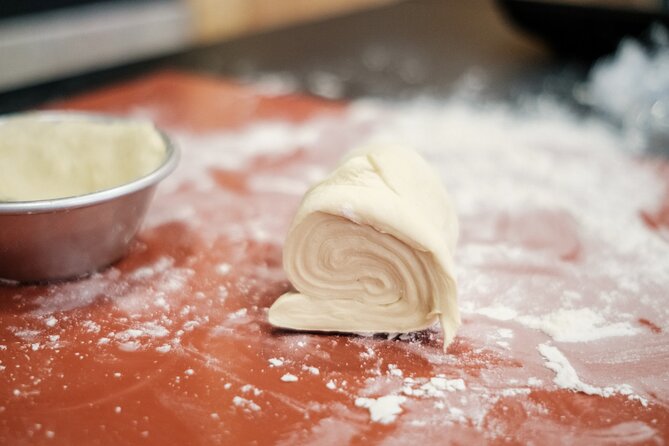
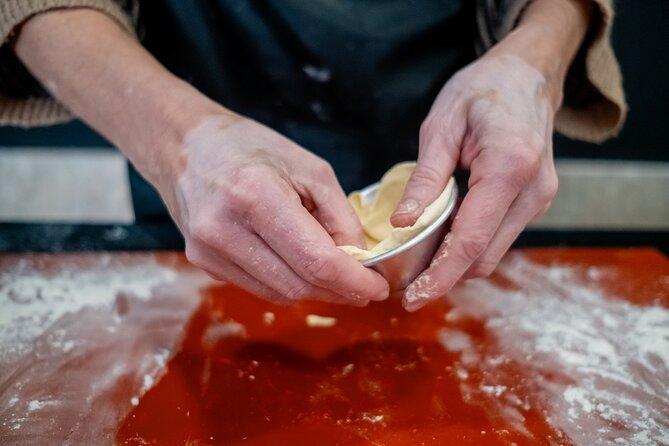
This is one of the best parts because it’s not passive. You’ll feel the dough, work it, and learn what matters before it ever goes in the oven—thickness, handling, and consistency cues.
If you’ve only ever eaten pastel de nata in bakeries, this step is a wake-up call. The magic isn’t only the filling. It’s the pastry behavior—how it layers and bakes into that tender, flaky structure.






Step 3: Cooking the custard cream (and getting it to set right)
Next comes the custard. The class focuses on how to build that creamy flavor and get the right set. Custard desserts are where small mistakes can show up fast, so you’re working with instruction instead of random trial.
You’ll also taste what you make as part of the experience. That matters because pastel de nata is best judged by texture: a crisp top with a custard center that isn’t dry.
Step 4: Tasting and learning what to repeat at home
Tasting isn’t just dessert time. It’s feedback. You’ll get a real sense of what your batch should be like, and that makes the take-home recipes more useful.
What you actually get for your money (price, but make it fair)
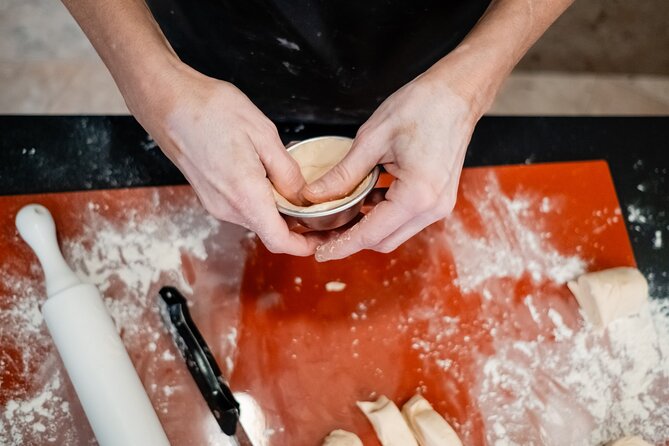
The price is $64.81 per person, and for many people, the value comes from the bundle, not just the baking.
You’re paying for:
- The pastry class itself
- Tasting
- Orange juice and water
- Coffee or tea
- Digital recipes in English
- Apron use and cleaning/washing up
For a visitor who’s also trying to eat in Lisbon, this can work better than it sounds. If you’re the kind of traveler who loves food but hates wasting time on “tourist tastings,” a class like this is more satisfying because you leave with a repeatable skill. And several people specifically noted that what they made tasted better than what they’d bought at bakeries—especially when they compared freshness and homemade control.
Still, I’d be realistic: if you mainly want a quick sugar hit, this isn’t the cheapest way to eat pastel de nata. But if you want the method, the class price starts looking like a bargain.
Drinks, apron, and the small comfort stuff you’ll notice
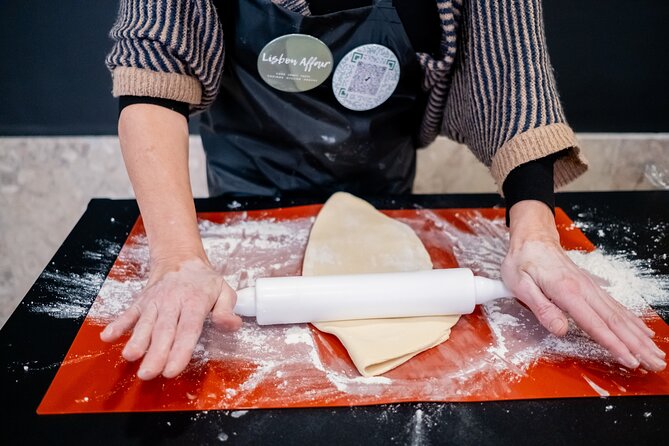
This is a sweet workshop, but it’s still hands-on cooking, and you need basic comfort. The good news: you won’t show up thirsty.
You’re provided:
- Orange juice and water
- Coffee or tea
- An apron
- Time to clean/wash up as part of the flow
Those details sound small, but they change the experience. Cooking for two hours can be sweaty work, especially in a warmer room. Having something to drink keeps you focused, and having cleaning support keeps you from dragging the mess back onto your trip plans.
The take-home win: digital recipes in English
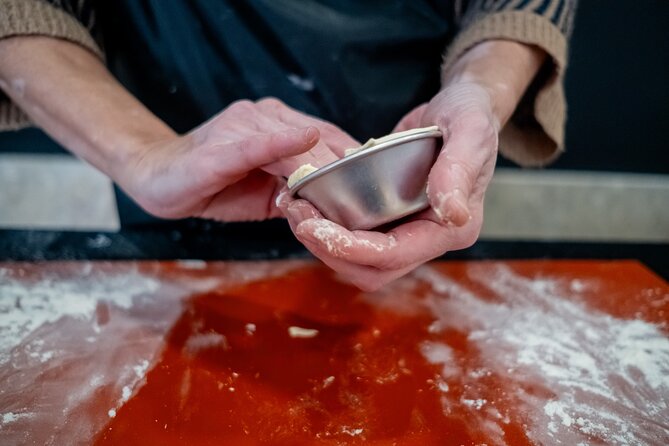
Leaving with digital recipes in English is a big deal. It turns your class from a fun afternoon into an actual souvenir you can use.
Here’s how to make those recipes work for you:
- Read them once before you cook again, so you know what you’ll be doing and what order matters.
- Use your class memory for the parts that aren’t super clear on paper—especially dough feel and custard behavior.
- If your kitchen behaves differently (oven runs hot or cold), use the texture cues you saw during tasting as your guide.
Instructors like Beatriz have a knack for explaining both how and why, and that kind of clarity is exactly what makes a recipe worth keeping.
What group size really changes (and how to choose your moment)
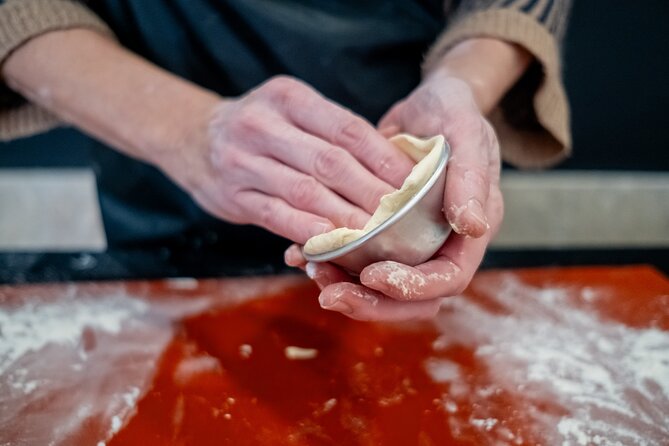
The class tops out at 15 travelers, and that’s usually the sweet spot for a hands-on format. People who enjoyed the class often credited the small group for the relaxed attention and better coaching.
But there’s a real caution. One experience highlighted that a fuller class size can reduce hands-on time. If you’re someone who learns best with one-on-one feedback—especially if you’re bringing kids or you’re a first-time baker—try to book a smaller slot if choices are available.
Also consider timing. Since the room can run warm during hot periods, dress like you’re cooking: breathable layers, closed-toe shoes, and a plan to handle some heat while you work.
Who this class is best for
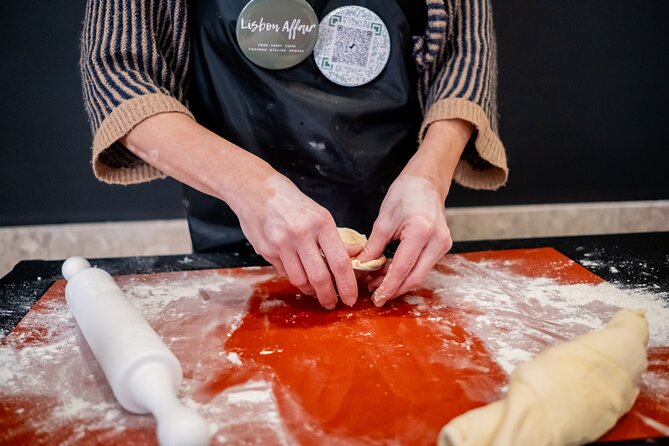
This pastry class is a great fit if you want:
- A hands-on food activity that teaches technique
- A smaller group with more attention
- The chance to learn from instructors with strong teaching energy (Beatriz, Bernardo, and Carla are recurring names)
- A real take-home result via digital recipes in English
It may be less perfect if you:
- Only want to eat pastel de nata and move on
- Get frustrated in shared workspaces when everyone is baking at once
- Prefer lessons that are even more personal than a max-15 class
Should you book this Pastel de Nata class in Lisbon?
If you want a genuinely useful Lisbon food experience, I think you should book it—especially if you care about technique and you’ll actually cook again at home. The combo of hands-on practice, tasting, and English digital recipes makes it more valuable than a standard sit-and-eat stop.
Before you go, keep two things in mind:
- Aim for a group size that feels comfortable for you. The class is max 15, but how full it is can affect how hands-on it feels.
- Plan for a warm kitchen. Dress for work, not for photos.
If that sounds like your kind of afternoon, you’ll likely walk out with a dessert you can repeat—and the confidence to make it taste like Lisbon rather than like a frozen shortcut.
FAQ
How long is the Pastel de Nata pastry class?
It lasts about 2 hours.
Is the class offered in English?
Yes. The class is offered in English.
What’s the maximum group size?
The class has a maximum of 15 travelers.
What’s included in the price?
You get the pastry class, tasting, orange juice and water, coffee or tea, digital recipes in English, plus the use of an apron and cleaning/washing up.
Do I receive recipes I can use at home?
Yes. You’ll get digital recipes in English.
Where is the meeting point in Lisbon?
The meeting point is Lisbon Affair – Cooking Classes, Av. de Roma 87B, 1700-344 Lisboa, Portugal.
Will I receive a mobile ticket, and is public transportation nearby?
Yes. The experience uses a mobile ticket, and the meeting point is near public transportation.
What is the cancellation policy?
Free cancellation is available. You can cancel up to 24 hours in advance of the experience start time for a full refund. If you cancel less than 24 hours before, the amount paid will not be refunded.