REVIEW · LISBON
Lisbon Market and Food Tour with Cooking Class and Lunch
Book on Viator →Operated by Cooking Lisbon · Bookable on Viator
Seafood, wine, and real cooking. This Lisbon food tour starts in the market, then moves straight into a hands-on class where you make a traditional meal.
I especially like the market-first ingredient hunting and the small-group, get-stuck-in cooking format.
One thing to consider: you’re cooking, chopping, and standing for a few hours, and some classes run a bit longer than the 4-hour estimate.
In This Review
- Key things to know before you go
- Where the Lisbon market tour actually starts
- Cooking Lisbon style: from market finds to a plated meal
- What you’ll cook and eat: the sample Portuguese menu
- Drinks, snacks, and the relaxed pace
- Small-group limit: why 12 people makes a difference
- Timing and logistics: plan your half-day like a pro
- Value check: what $141.50 is really buying
- Who this Lisbon cooking class is best for
- Quick call: should you book it?
- FAQ
- What dishes are included in the sample menu?
- How long is the tour?
- How many people are in the group?
- Can the class be adapted for food allergies?
- Where do we meet?
- Is free cancellation available?
Key things to know before you go
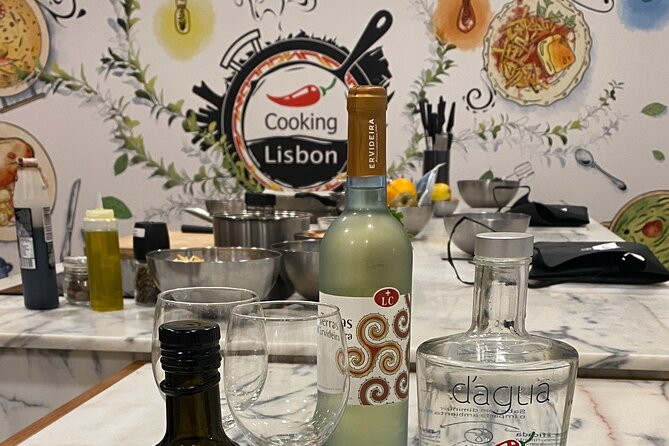
- Market shopping sets the whole tone: You’ll see the colors of fresh produce and a wide range of fish and shellfish before you start cooking.
- Hands-on instruction, not just watching: The chef/instructor teaches you step-by-step as you prepare the meal.
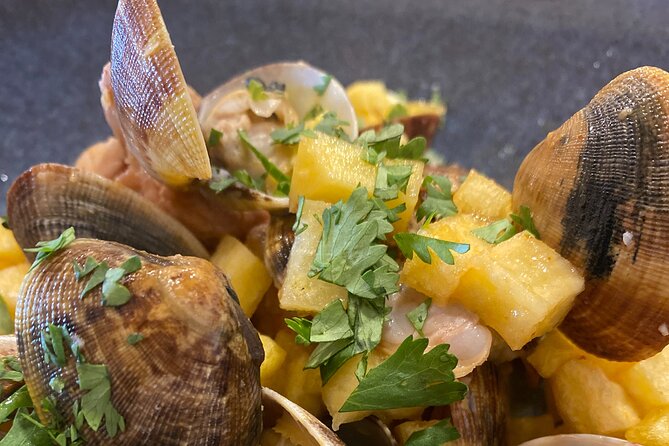
- A full Portuguese meal at the end: You eat what you made, plus you’ll have Portuguese wines along with it.
- Small group cap of 12: The class stays friendly and interactive, with room for questions.
- Snacks and drinks during the experience: Many guests highlight that wine, juice, and water are kept flowing.
- Allergy-friendly by request: Tell the team your needs and they’ll adapt the class.
Where the Lisbon market tour actually starts
You meet at R. Bernardim Ribeiro 9, 1150-068 Lisboa at 9:30 am, and the chef/instructor links up with your group right away. From there, you head out to the local market area with the goal of doing the most important part first: picking ingredients while they’re at peak freshness.
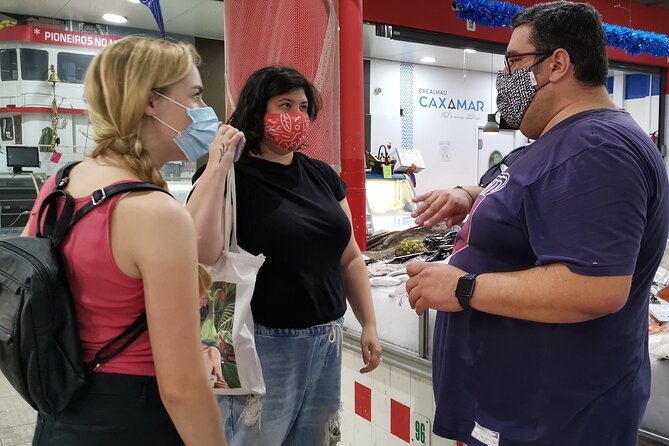
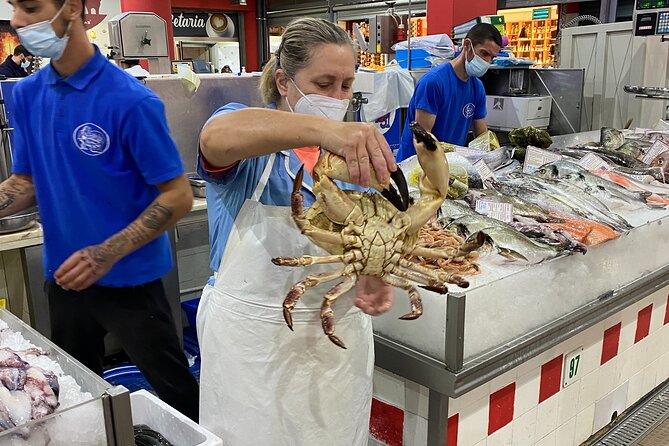
This is the smart way to learn Portuguese cooking. Instead of memorizing recipes from a screen, you’re building your lunch from what’s available that day. Expect plenty of variety—fresh vegetables on display, plus a big selection of fish and shellfish. A number of past classes also worked in small tastings along the way, like bread and cheese, which helps you understand what you’re shopping for before you heat up the kitchen.
I also like that the meeting point is near public transportation. Lisbon can move fast, so having an easy way to arrive makes the day less stressful.
You can also read our reviews of more food & drink experiences in Lisbon



Cooking Lisbon style: from market finds to a plated meal
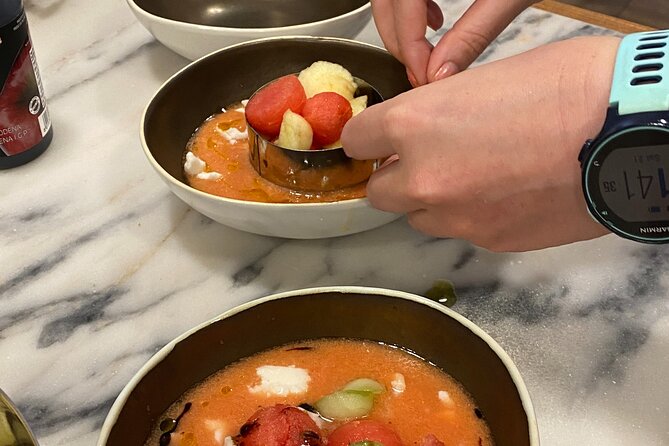
After the market walk, you return to a kitchen set up for real cooking. This matters more than you’d think. Guests often mention it’s a proper commercial-style space with what you need—tools, stations, and enough room for everyone to work.
Then comes the class portion: the chef teaches you how to prepare a traditional Portuguese meal. The structure is clear—a fish course, a meat course, and a dessert—and the hands-on part is the point. You’ll be doing the cutting, prep, and cooking steps yourself, while the instructor guides you through what to do next.
Even better, the guidance doesn’t sound like generic “cookbook talk.” People highlight practical skill-building, such as:
- filleting fish
- shucking oysters
- chopping and prep technique with step-by-step support
That combination—market context plus real technique—is why this kind of experience often beats a standard cooking class. You’re learning how Portuguese meals come together, not just how to follow a single recipe.
In past sessions, guests have credited specific chefs for keeping the pace fun and organized. Names that come up include Renata, Philipa, Paulo, Pedro, Gui, and Pablo. You might get a different instructor depending on the date, but the pattern is consistent: the class is meant to feel relaxed while still getting you through multiple courses.
What you’ll cook and eat: the sample Portuguese menu
Your exact dishes can vary, but the sample menu shows the flavors you should expect from the day. It includes three main parts:
Starter: Peixinhos da Horta (Portuguese Tempura)
This gives you a taste of a Portuguese-style fried vegetable dish—exactly the kind of course that works well after a market stop because you’ve already been staring at fresh produce.
Main: Cataplana (Seafood Cataplana)
Cataplana is the centerpiece most people remember. Since it’s listed as seafood, it also ties directly back to the fish and shellfish you selected earlier in the morning.
Dessert: Orange roll from Algarve
This rounds it out with something sweet and citrusy, and it’s a nice way to end instead of leaving you on a salty note.
After you finish cooking, you sit down to eat the meal you made, along with excellent Portuguese wines. And if you’re wondering about “is this just a light lunch,” it’s not. The format is built around a full course meal experience, with plenty of food to go with the social side of the class.
Drinks, snacks, and the relaxed pace
Food tours can go two ways: either you’re rushed through everything, or you lose the fun because you’re waiting around. Here, the pacing is usually praised as balanced.
Many guests note that there are snacks throughout and that wine, juice, and water are available during the experience. You’ll likely keep drinking-water access on hand as you cook, and the wine adds to the atmosphere once you’re past the first prep stages.
The class also tends to feel more like a shared morning project than a lecture. A few guests mention the kitchen flow is easy—support at each step and clear instructions—so even first-timers don’t feel lost.
And because the group is small (12 max), conversation stays natural. People talk while chopping. You can ask questions without feeling like you’re holding up a bus tour.
Small-group limit: why 12 people makes a difference
This isn’t a huge “everyone line up” experience. It’s capped at 12 travelers, which changes how the whole day feels.
In smaller groups, chefs can:
- check on everyone’s progress
- help with technique if something isn’t working
- explain what to do next before you’re stuck
Guests also mention class sizes around 10, which supports that “everyone gets a role” feeling. If you like cooking classes where you actually touch the food, this group size helps a lot.
It also supports the social side. Several comments highlight great group chemistry—like sharing the experience with another couple or meeting new foodie friends at the table. You’re not just consuming a meal; you’re doing it together.
A few more Lisbon tours and experiences worth a look





Timing and logistics: plan your half-day like a pro
On paper, the experience is about 4 hours. A few past guests report it running around 6 hours, so I’d plan a half-day buffer rather than a tight schedule.
Start time is 9:30 am, and you’ll do a market walk plus cooking time plus the meal. There’s walking involved, but it’s not described as a long hike-style outing. Think short transfers between the market and kitchen, not a full-city trek.
What I’d do before you go:
- Wear comfortable shoes. You’ll be on your feet prepping and cooking.
- Come hungry. You’re tasting and then you’re eating what you make.
- If you’re sensitive to standing for long periods, give yourself a calm pace and take breaks when the chef calls them.
If you’re mapping your Lisbon day, this is a great anchor activity. It’s also a smart use of time. Instead of guessing which neighborhoods to eat in, you get insider ingredients and recipes, then you can spend the rest of the day exploring with better context.
Value check: what $141.50 is really buying
At $141.50 per person, this might look pricey until you break down what’s included. You’re not just paying for a chef lecture.
You’re paying for:
- a guided market visit to select fresh ingredients
- a hands-on cooking class with instruction through multiple courses
- access to a kitchen setup designed for cooking
- the ingredients themselves (since the meal is built from what you buy)
- Portuguese wines with the meal
- snacks and drinks during the experience
The value is strongest if you care about food the way locals do—ingredients first, then technique, then a proper sit-down meal. If you want something purely hands-off (just samples and watching), you might feel differently.
But for most food lovers, this is a “you leave full and with skills” day, not just a ticket.
Who this Lisbon cooking class is best for
This tour style is a strong match if you:
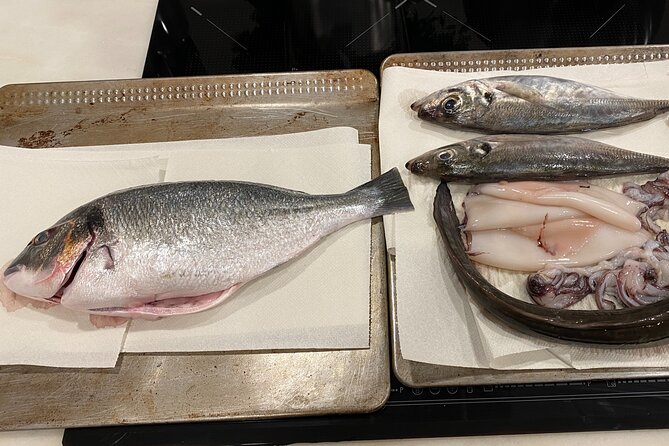
- love seafood and want to see it at the market before cooking
- want a beginner-friendly way to learn Portuguese meal basics
- like small groups where you can ask questions
- want to take home a few kitchen techniques you can repeat at home
It’s also a good choice if you’re traveling with family or teens. Several classes in the past specifically mention teens getting involved and learning while still having fun.
If you’re the type who hates cooking hands-on, or you have a very limited diet that can’t be adapted, you may want to rethink. The good news is that allergies are welcomed with adaptation if you share them ahead of time.
Quick call: should you book it?
Book this Lisbon Market and Food Tour with Cooking Class if you want a real Portuguese food day built around fresh ingredients, hands-on technique, and a proper lunch with wine. The small-group size and the focus on doing the cooking yourself are the big wins.
Skip it if you only want light tasting, or if you know you won’t enjoy standing, chopping, and following a multi-step prep process.
If your schedule allows, I’d also book sooner rather than later since it’s often reserved well in advance. This is one of those experiences that feels better the more you’re into food.
FAQ
What dishes are included in the sample menu?
The sample menu lists Peixinhos da Horta (Portuguese Tempura) for the starter, Cataplana (Seafood Cataplana) for the main, and an Orange roll from Algarve for dessert.
How long is the tour?
The duration is approximately 4 hours, though some sessions may run longer.
How many people are in the group?
The maximum group size is 12 travelers.
Can the class be adapted for food allergies?
Yes. You’re asked to tell the provider your food allergies so the class can be adapted.
Where do we meet?
You meet at R. Bernardim Ribeiro 9, 1150-068 Lisboa, Portugal.
Is free cancellation available?
Yes. Free cancellation is available up to 24 hours in advance of the experience start time for a full refund.